




by Redazione 30/01/2026



Categories: Archaeology / Disclaimer
In the course of excavations between Zabarella Street and San Biagio Street, restored terracotta halos emerged and were studied to understand the settlement dynamics and urbanism of Patavium from the protohistoric age.
The archaeological excavations conducted between Via degli Zabarella and Via San Biagio in Padua have unearthed a remarkable context of artifacts, among which terracotta halos stand out for their distinctiveness. The artifacts, characterized by zoomorphic depictions, represent an element of interest both for their practical function and for their symbolic significance in the domestic life of the ancient communities of Patavium.
The restoration operations were carried out by Sara Emanuele, Restoration Officer of the Sabap Pd-Tv-Bl Laboratory, and Silvia De Fecondo, professional restorer of the Ar.Co. firm in Padua. The interventions of cleaning, consolidation and recomposition of the fragments were carried out in anticipation of the scientific study entrusted to Archaeological Officer Luca Millo and professional archaeologist Veronica Groppo, under the direction of Archaeological Officer Elena Pettenò. The set of these interventions is part of a project of the Superintendency aimed at the publication and enhancement of the city’s archaeological context, investigated in several excavation campaigns.


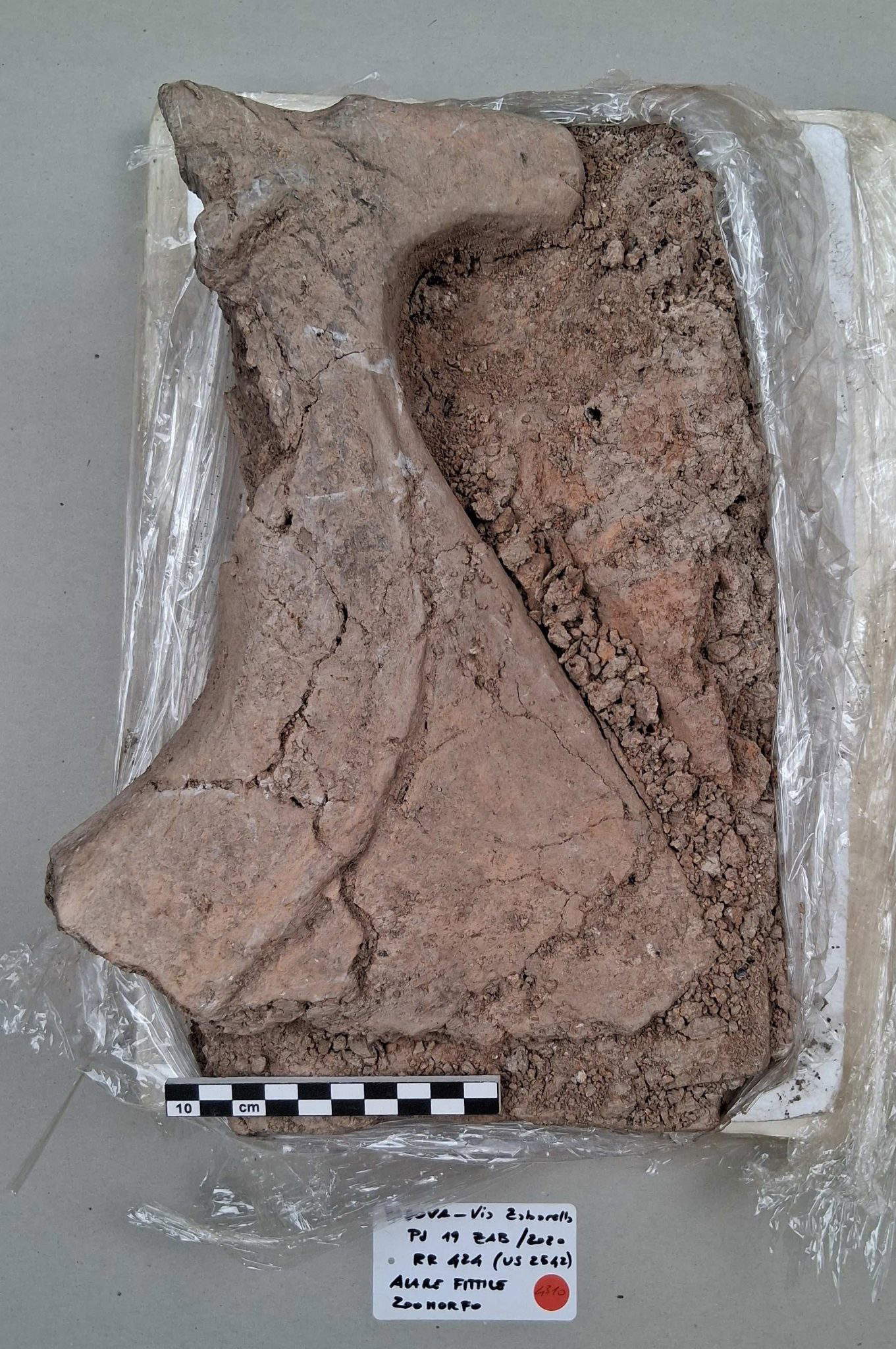
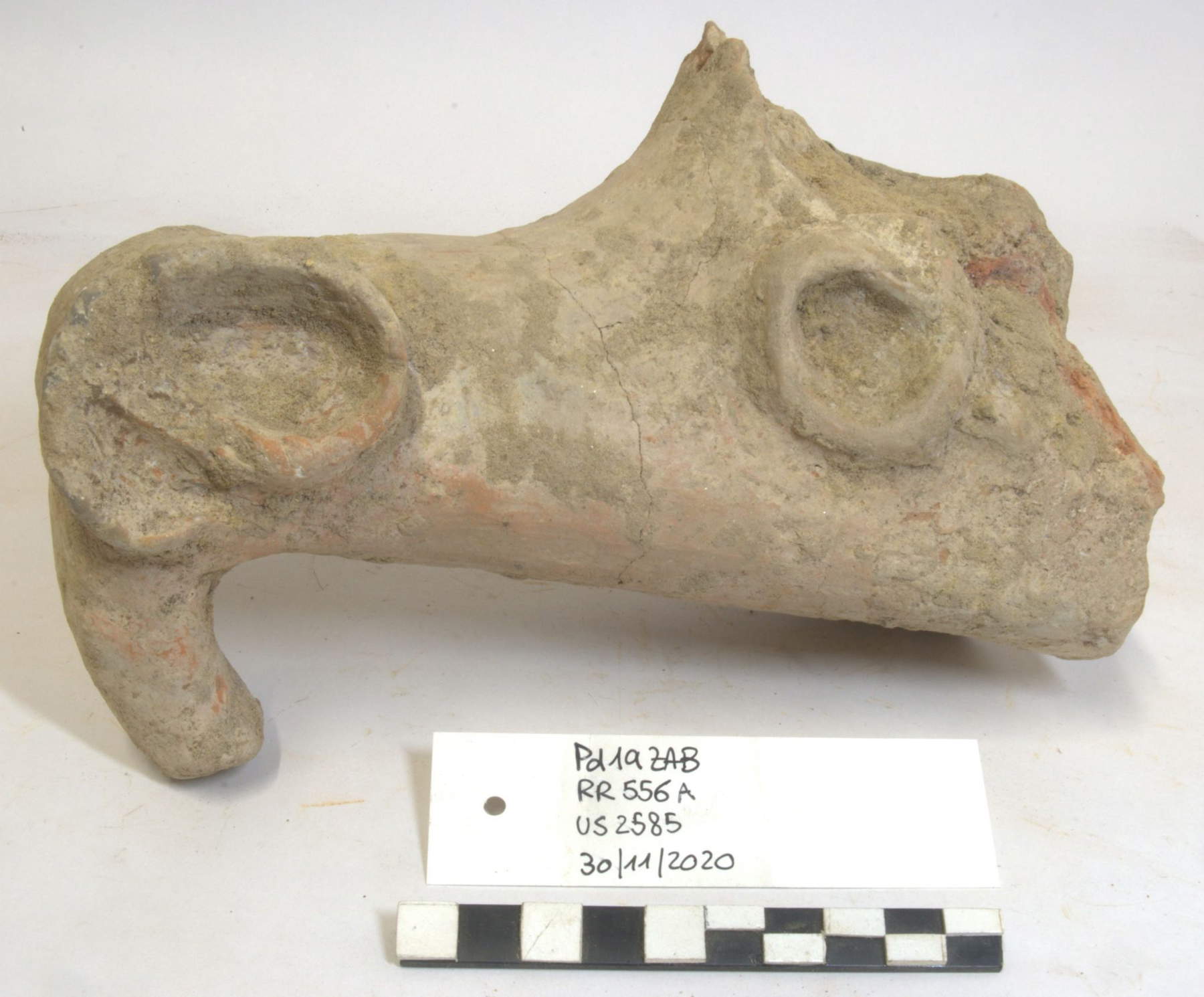
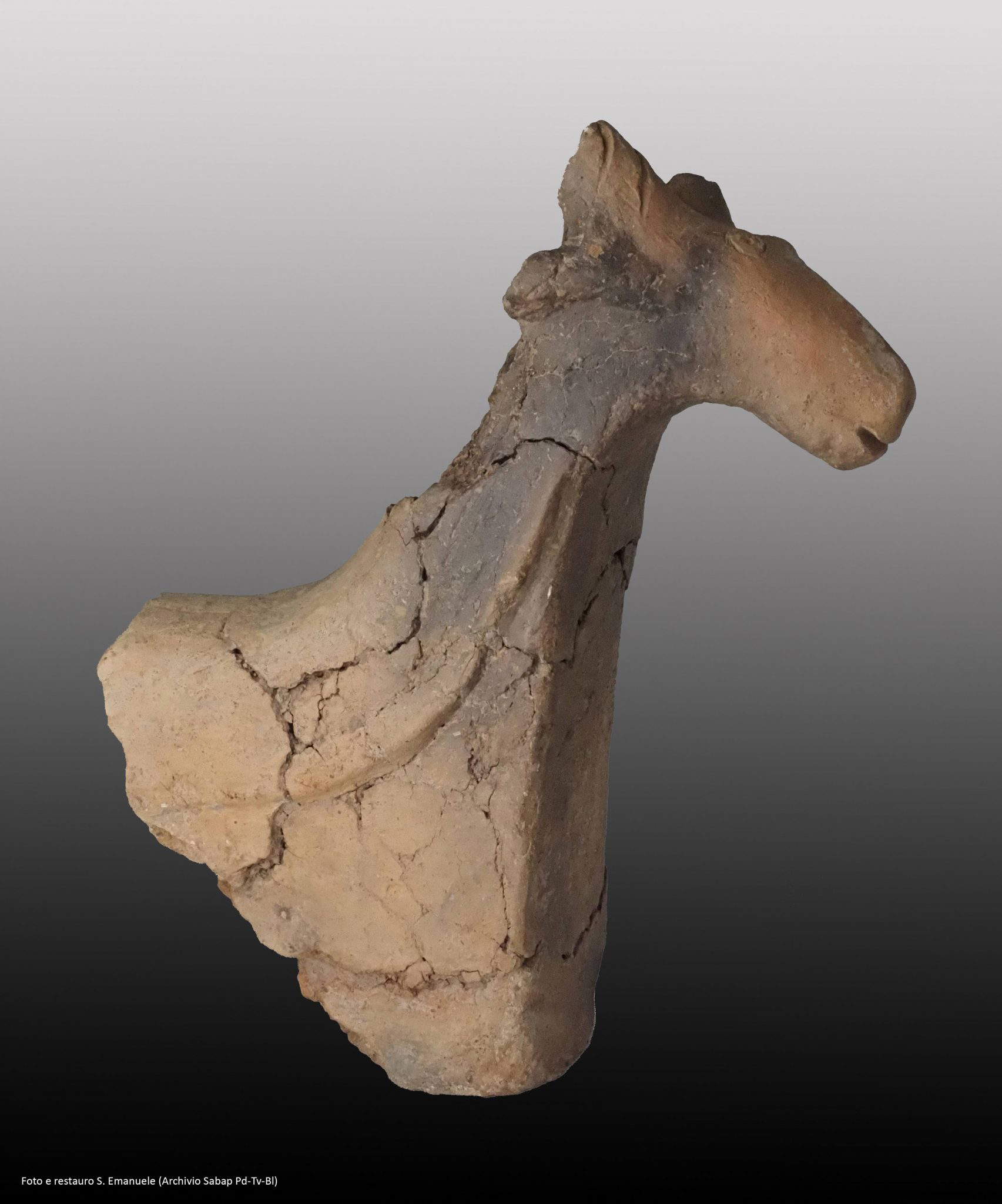
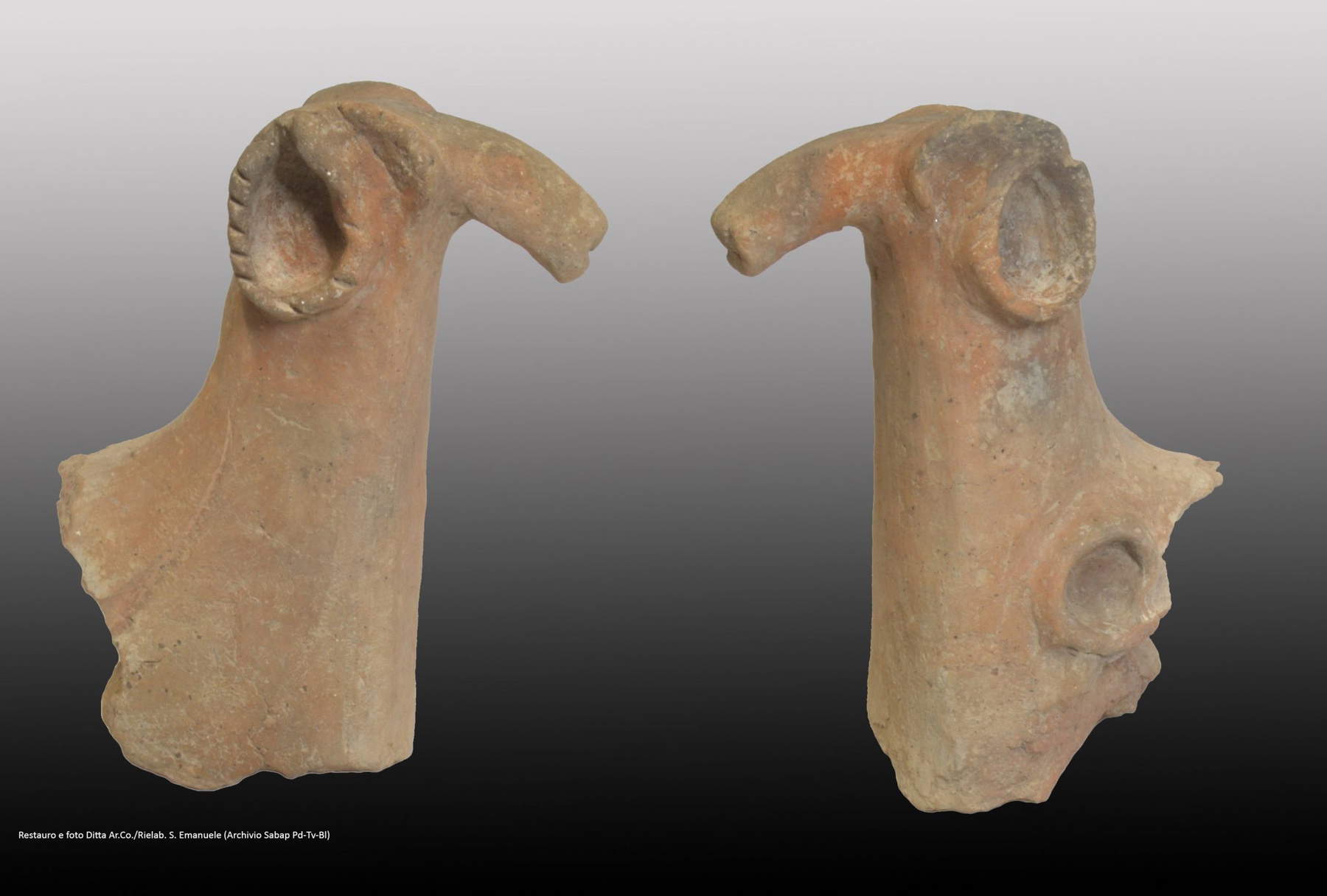
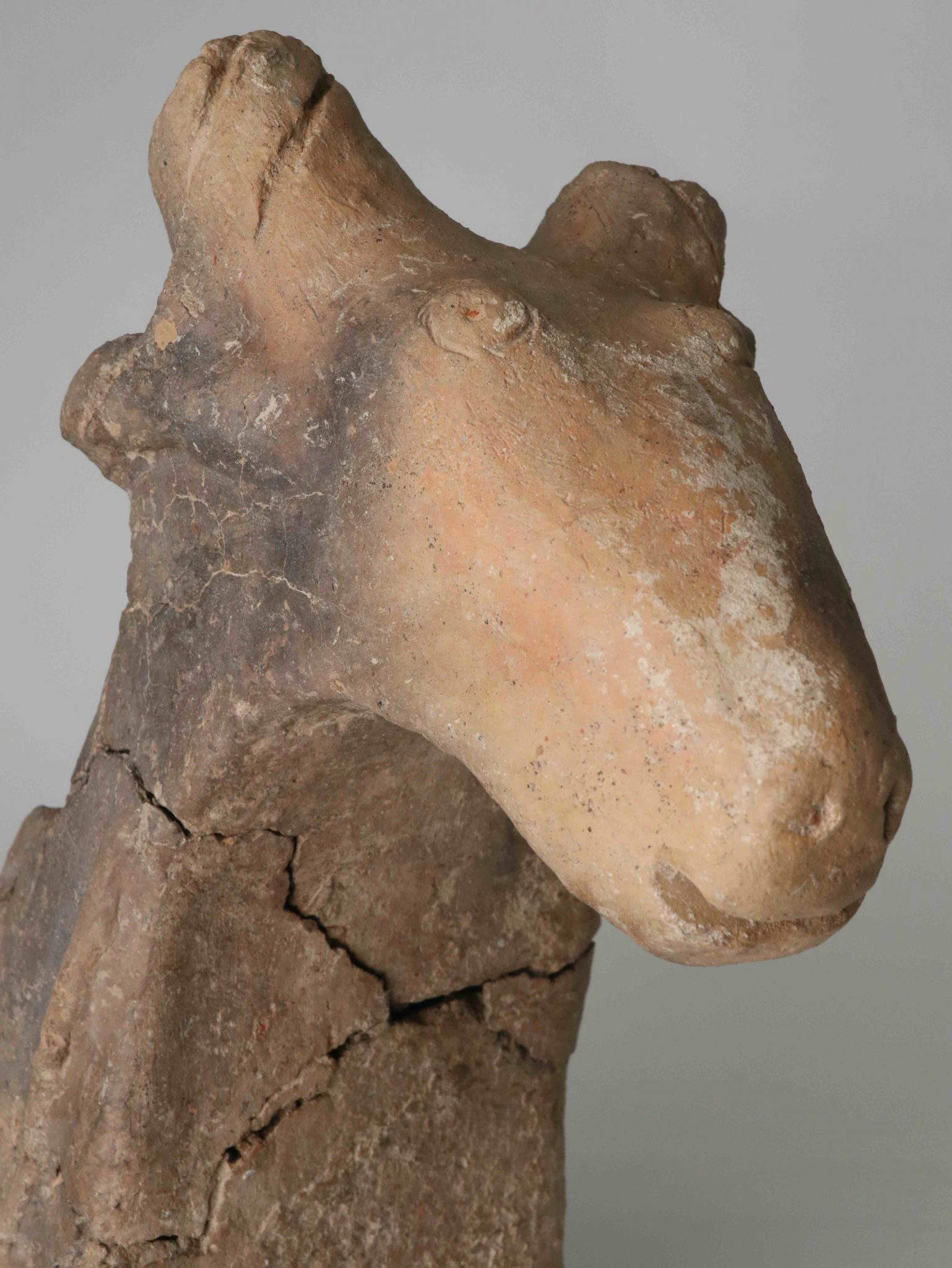
Among the finds, metal and ceramic materials emerge in considerable numbers, mainly attributable to craft production contexts anddomestic use. However, the altars are distinguished by their shape and depictions of animals, including rams and horses, elements that take on a symbolic value connected to the sacredness of the hearth. In ancient times, the tools were placed in pairs in hearths to support spits for cooking food, contain embers, and facilitate the burning of wood. In addition to their practical function, the wingers played a symbolic role, representing the centrality of fire and the protection of the home.
Of particular importance is the ram, often depicted on the altars because of its association with strength and fertility. As the leader of the flock, the ram took on a sacral significance within the dwelling, linked to the protection of the family and sacrificial rituals. The representation of the consecrated animal within the hearth symbolized the permanence of sacrifice and divine protection over the home and its household.
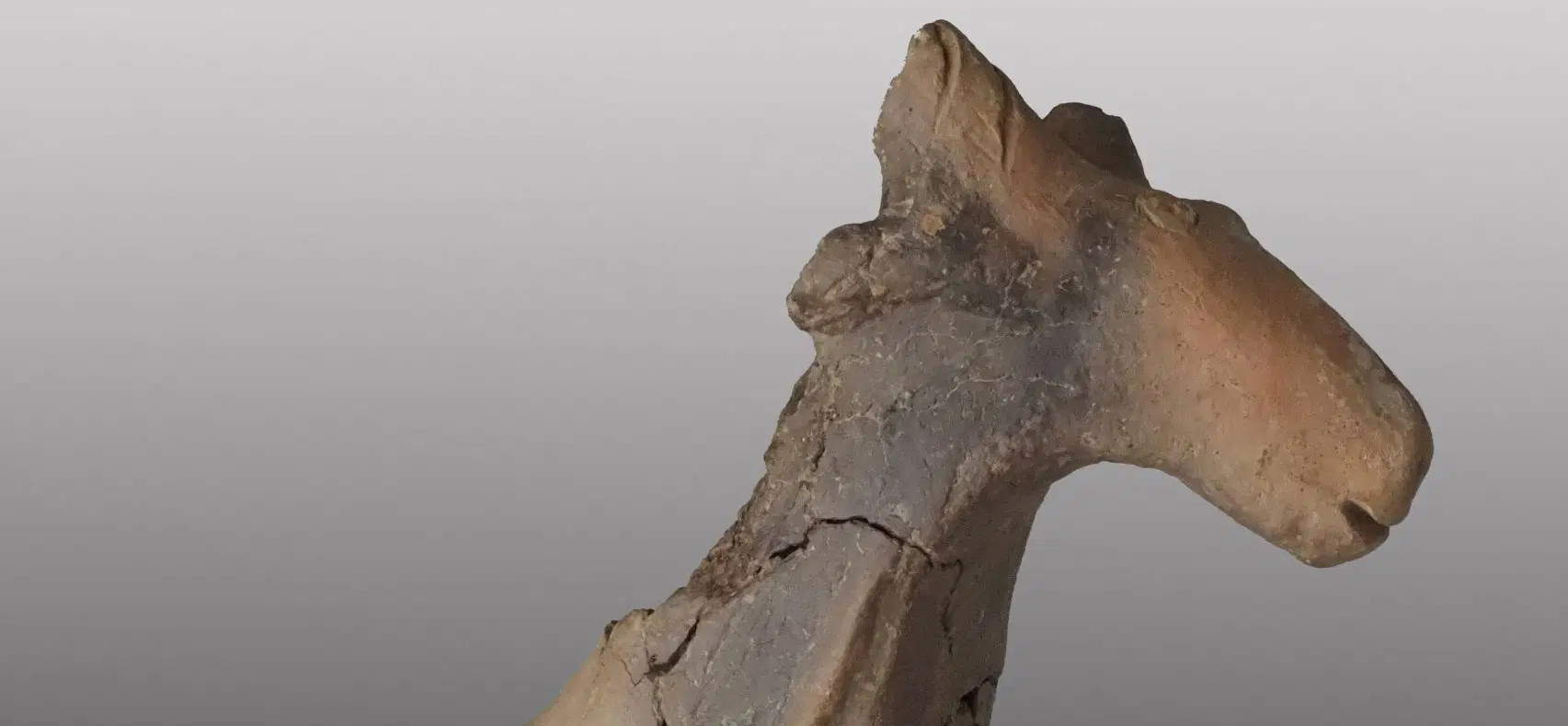 |
| Terracotta winglets with zoomorphic depictions discovered in Padua |
Warning: the translation into English of the original Italian article was created using automatic tools. We undertake to review all articles, but we do not guarantee the total absence of inaccuracies in the translation due to the program. You can find the original by clicking on the ITA button. If you find any mistake,please contact us.