





From December 5, 2025, to April 12, 2026, the National Roman Museum presents at Palazzo Massimo the exhibition Submerged Memories: the bronzes of the Valentinian Bridge, an exhibition project that brings to the public’s attention a group of works that emerged in 1878 from the bottom of the Tiber and remained for more than a century in the Museum’s deposits. The initiative, curated by Federica Rinaldi and Agnese Pergola, represents a significant opportunity to restore visibility to materials of great historical and archaeological interest, related to the decoration of the ancient Roman bridge built byEmperor Valentinian and known today as Ponte Sisto. The exhibition itinerary stems from a restoration and in-depth scientific work that has made it possible to reconsider these bronzes within their original context, offering a new overall vision on a little-known chapter of the city’s monumental topography.
The reopening of these works to the public is part of the National Roman Museum’s broader strategy of enhancing the collections housed in its repositories, a heritage that is often invisible but fundamental to understanding the cultural richness of Roman archaeological sites and their transformations over the centuries. The exhibition also comes at a moment of particular dynamism for the Museum’s programming, which has recently prepared new spaces and new exhibition streams to host major loans. Prominent among them are the Niobis and Peplophoros, two Greek originals from the 4th century B.C. generally kept in storage and granted to the Capitoline Museums - Villa Caffarelli for the exhibition Greece in Rome. The temporary absence of these masterpieces made it possible to rethink the layout of the rooms of the Palazzo Massimo and bring back to the foreground lesser-known but no less significant works, such as the bronzes from the Valentinian Bridge.
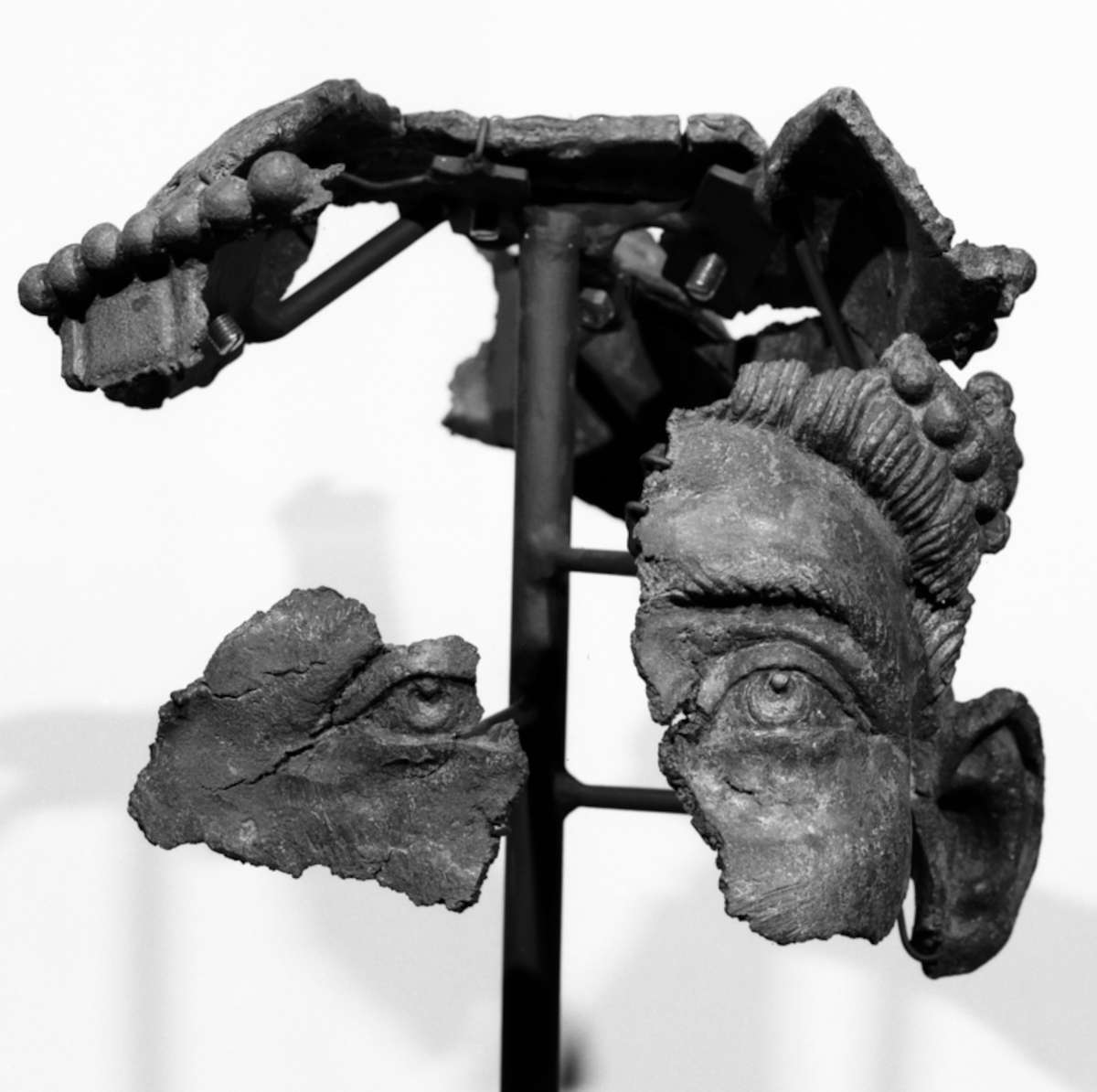
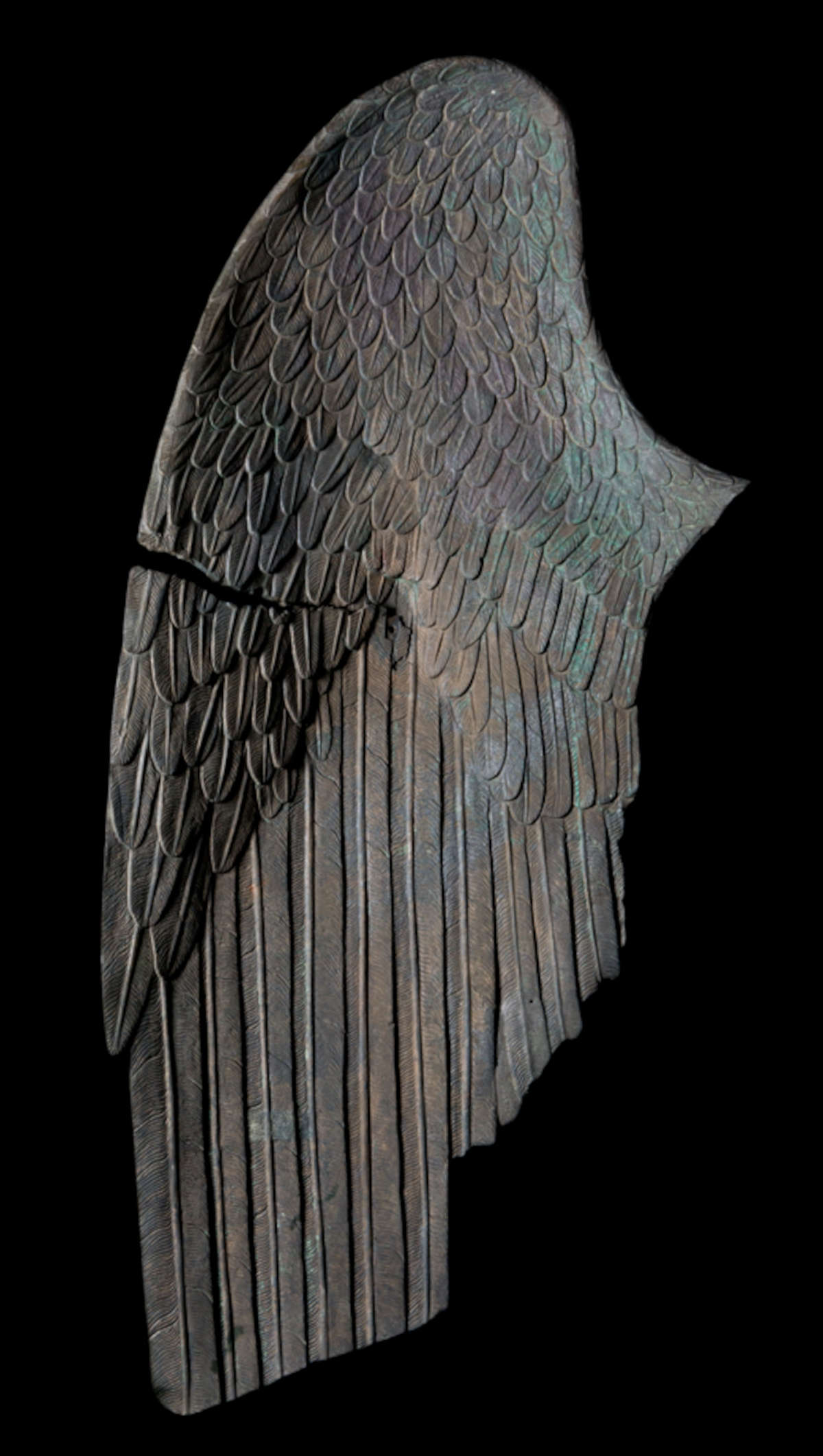
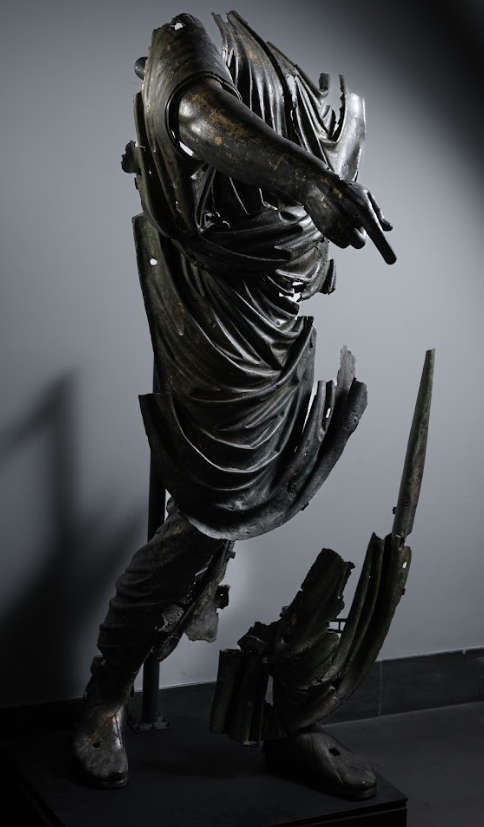
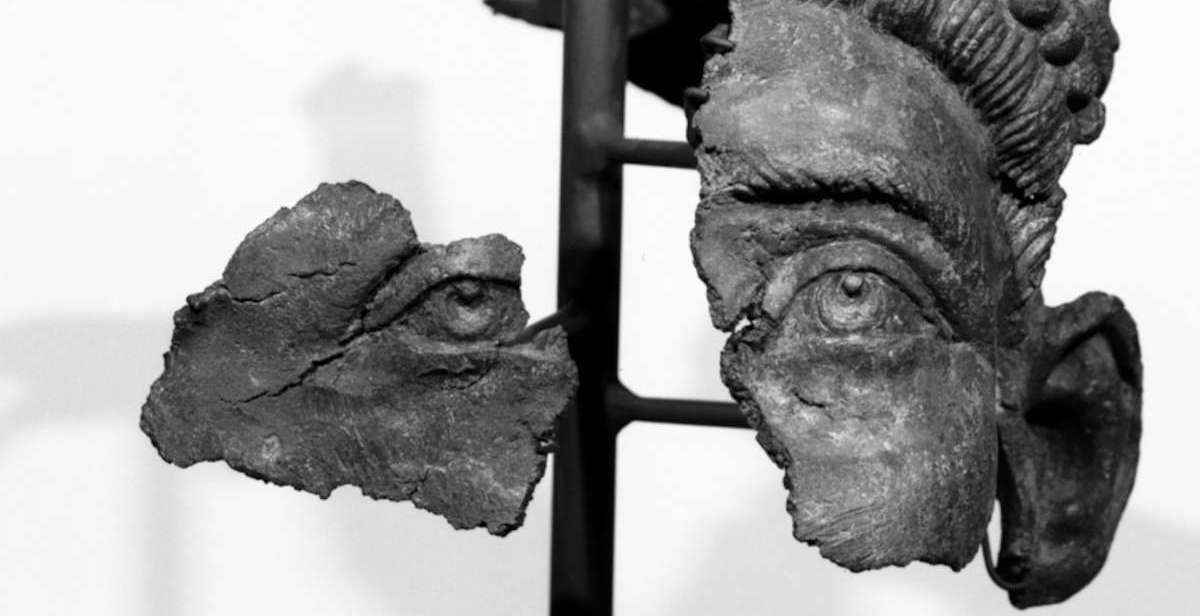
The exhibition focuses on three finds: a diademed male head, a gilded bronze togatus statue, and a right wing of Victory. These are artifacts that, although fragmentary, retain a strong testimonial value, both for the technical level of workmanship and for the role they must have played in the decorative apparatus of the Late Antique bridge. The exhibition aims to reconstruct not only the original appearance of the sculptures, but also the historical context that led to their creation and subsequent dispersal. The decision to present these three finds together allows us to restore, at least in part, the idea of the monumentality and complexity of the decorative ensemble that once greeted those who crossed the bridge or sailed along the river.
An essential element of the installation is the explanatory video that accompanies the visit. The narrative voice of Silvia Orlandi, professor of Latin epigraphy at Sapienza University of Rome, guides the public through the reading and interpretation of the two inscriptions that completed the monumental decoration of the bridge. The first is the large marble dedicatory inscription of the brothers Valentinian and Valens, evidence of the imperial commission and the political context in which the infrastructure was renovated. The second is the monumental inscription carved on travertine, designed to be read by Tiber sailors as they passed under the arches of the bridge. The epigraphic panel, now located in the Michelangelo Cloister at the Baths of Diocletian, is a valuable clue to the ways in which imperial authority communicated its message through public architecture and the city’s waterways.
The exhibition not only showcases the three bronzes, but also serves as a starting point for a larger study project. In fact, the Quasar publishing house is preparing a scientific publication dedicated to the entire core of materials, which will analyze in detail the aspects of the discovery, iconographic elements, reconstruction of the places of origin, restoration techniques and the historical and urban context in which these finds fit.
The “Sunken Memories” exhibition is housed in the rooms of Palazzo Massimo, one of the main venues of the National Roman Museum, located at Largo di Villa Peretti. The exhibition can be visited from Dec. 5, 2025 to April 12, 2026, Tuesday through Sunday, with continuous hours from 9:30 a.m. to 7 p.m. and last admission at 6 p.m. Access is from the Largo di Villa Peretti entrance and the visit is included in the cost of the Museum’s ticket, subject to the concessions and gratuities provided by current regulations.
 |
| Valentinian Bridge bronzes return to the public in MNR's new display |

Warning: the translation into English of the original Italian article was created using automatic tools. We undertake to review all articles, but we do not guarantee the total absence of inaccuracies in the translation due to the program. You can find the original by clicking on the ITA button. If you find any mistake,please contact us.





























 IT
IT FR
FR DE
DE ES
ES CN
CN


