





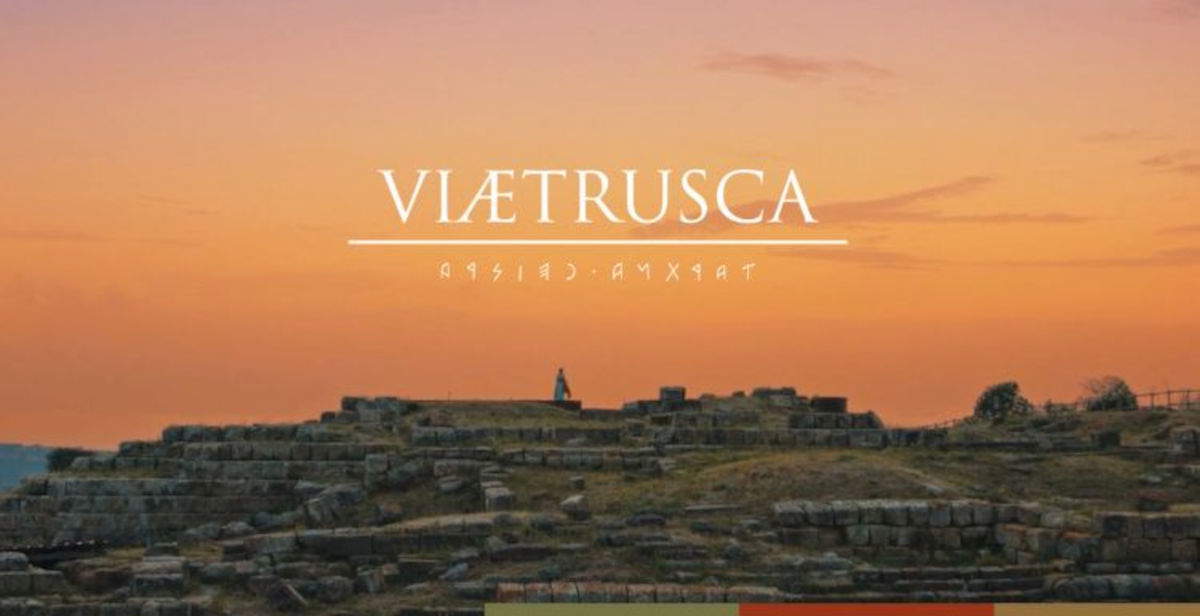
A project that integrates cinema, podcasts, digital tools and immersive storytelling to tell the story of the Etruscan civilization and enhance the UNESCO heritages of Tarquinia and Cerveteri. It is calledVia Etrusca and is the initiative conceived and produced by Skylab Studios presented to the public in Tarquinia’s Rossella Falk Municipal Theater during a meeting that brought together local institutions, cultural professionals and citizens last November.
The initiative was created with the aim of developing new ways of communicating archaeological heritage through contemporary languages and digital technologies. The project is based on an articulated narrative system that includes a film spot, a podcast, a web app and a series of content based on virtual and augmented reality. Indeed, the intent is to build a narrative accessible to different audiences, capable of linking historical research, popularization and digital tools. The official Via Etrusca TV spot is directed by director Alessandro Passamonti and produced by Skylab Studios. The film constitutes one of the main narrative tools of the project and proposes a visual narrative built around the most important places of the Etruscan civilization in the territory between Tarquinia and Cerveteri.
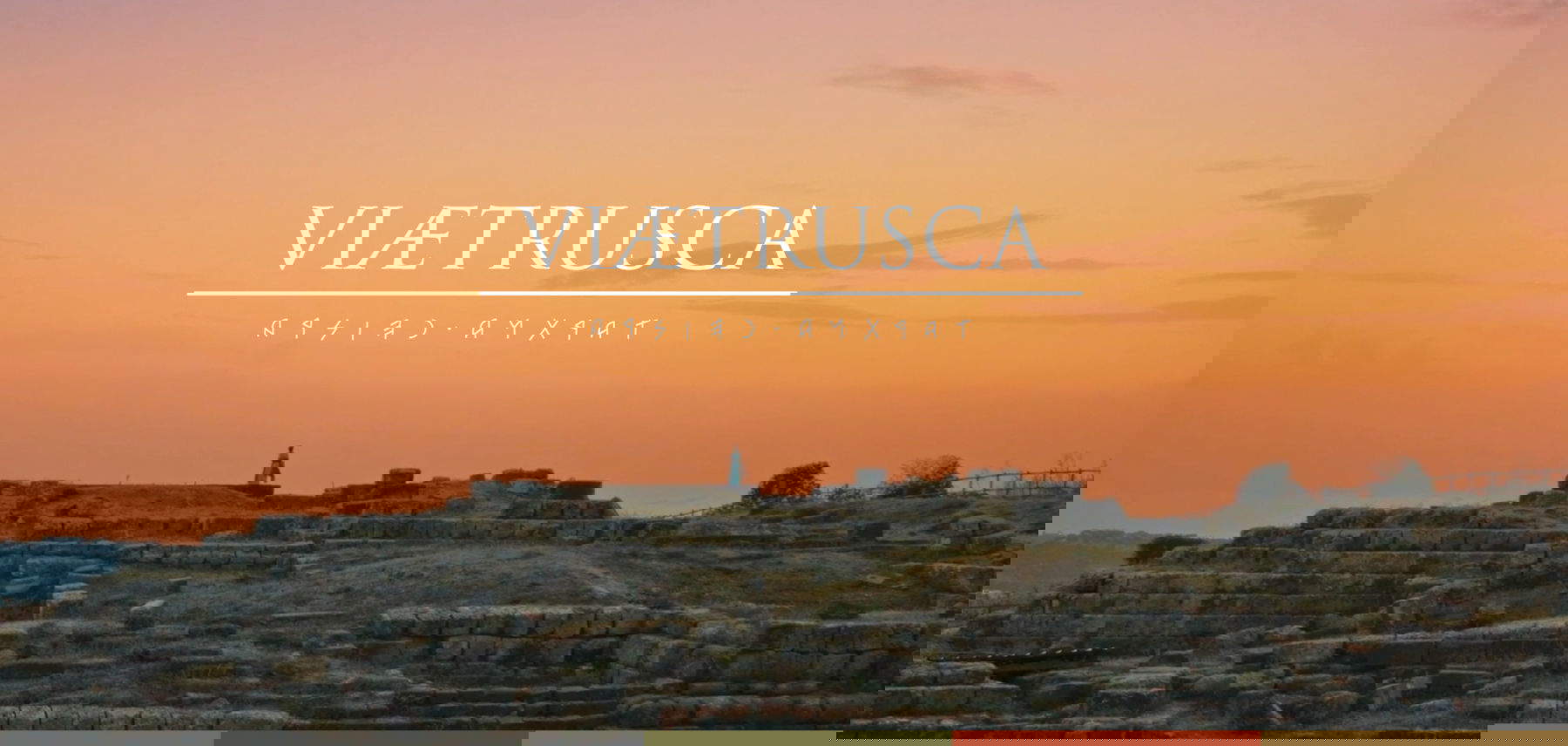
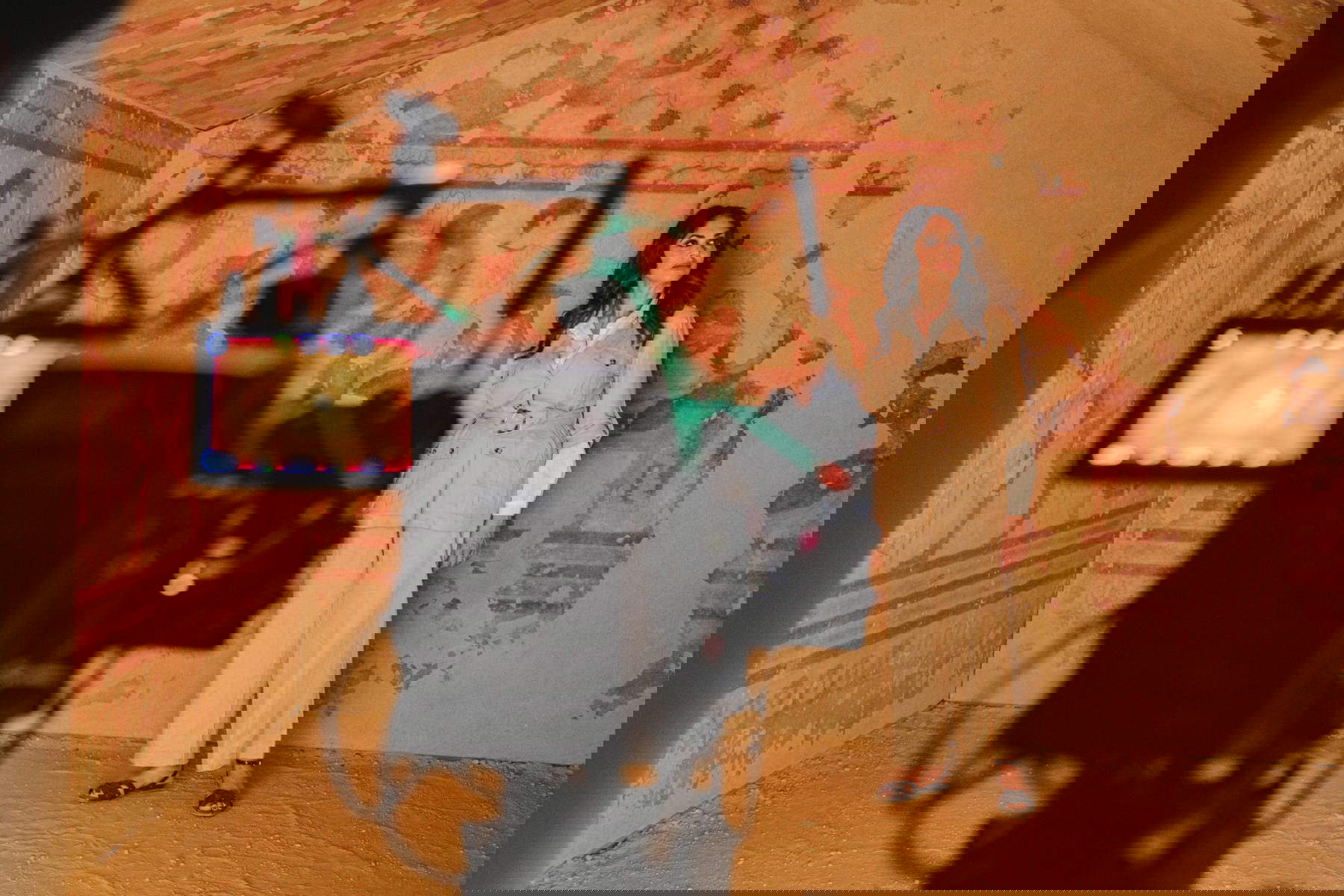
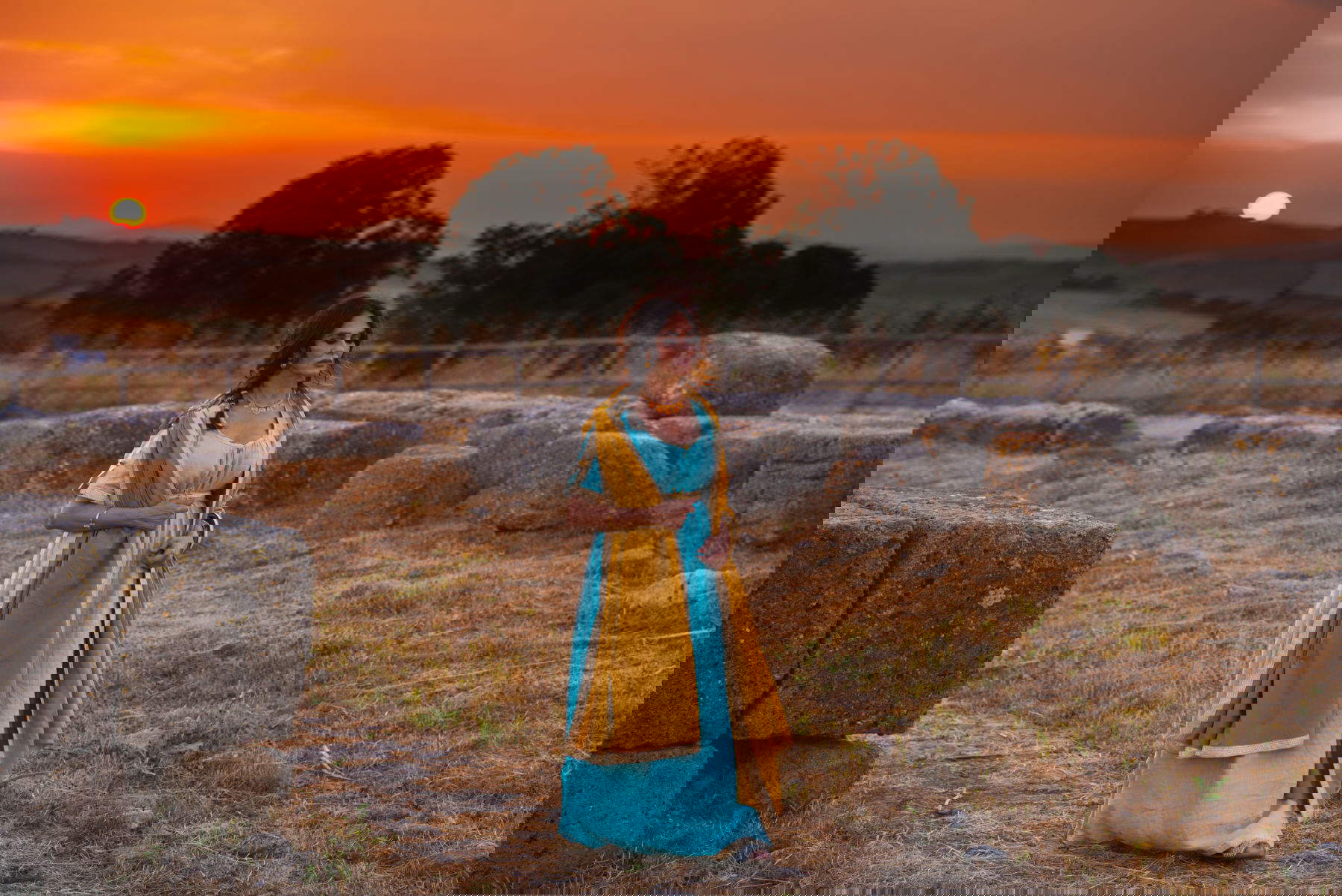
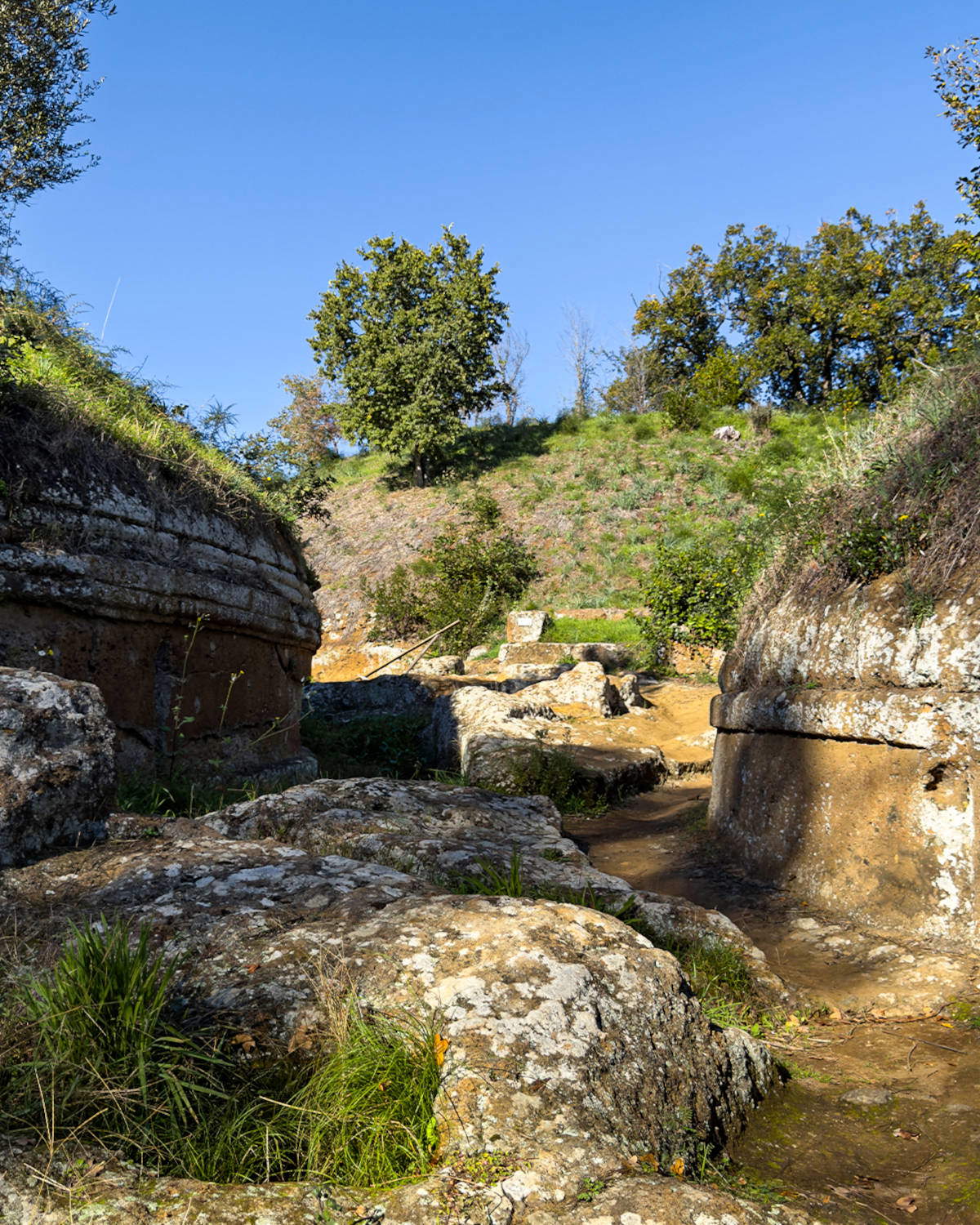
The commercial unfolds along a series of archaeological settings that include some of the most representative sites of the two Etruscan centers. Locations chosen for filming include the temple of the Ara della Regina, the ruins of the ancient port of Gravisca, the Monterozzi Necropolis and the National Archaeological Museum of Tarquinia. The tour then continues to Cerveteri, with the Necropolis of Banditaccia and the so-called Via degli Inferi, one of the most striking places of the Etruscan funerary complex. Within the audiovisual project, focused on woman as a determining figure in Etruscan society, there is also space for the participation of actress Maria Grazia Cucinotta, who is involved in the official spot in the role of the Etruscan queen Tanaquilla. In the film, the actress travels through some of the main archaeological sites in Tarquinia and Cerveteri, playing a character who connects the ancient world with the contemporary visitor’s gaze. The filming was carried out over two consecutive days and involved a specialized crew composed of various professionals from the audiovisual sector.
Parallel to the production of the film, photographic and video materials intended for the future promotion strategy of the area were also produced. The first phase of filming took place right inside the Rossella Falk Municipal Theater in Tarquinia. The acoustics of the hall were used to record the voice accompanying the narration of the video. The sequences were shot in a scenic space built with deliberately recollected light, designed to evoke a dimension suspended between present and past. The production then moved to the archaeological spaces of the area. One of the sequences was in fact shot on the high ground where ancient Tarquinia stood, among the monumental remains of the temple of the Ara della Regina. The filming continued later in the cities of Tarquinia and Cerveteri, passing through several archaeological sites that represent some of the most relevant testimonies of the Etruscan civilization.
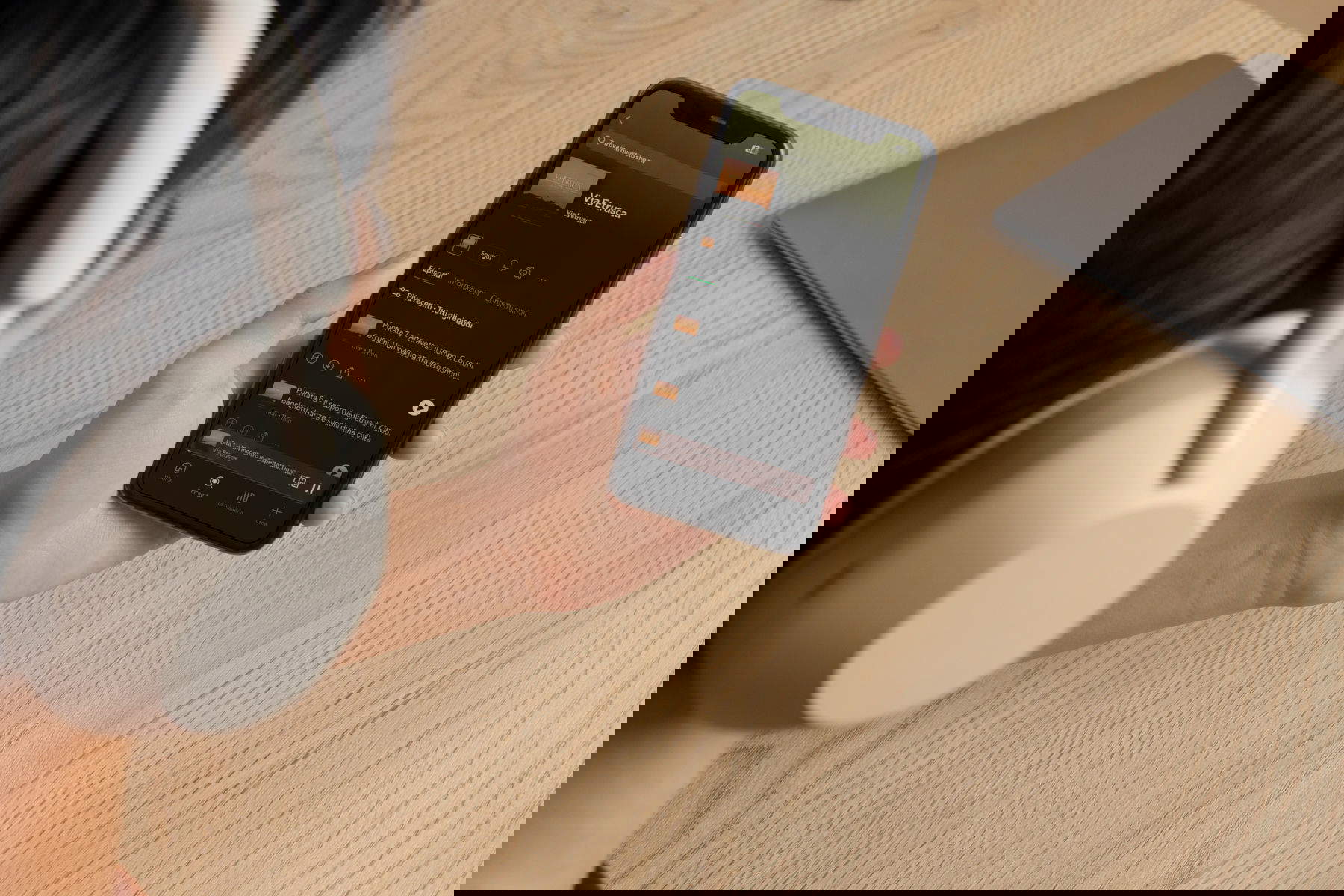
Alongside the film component, the Via Etrusca project also includes a narrative production in podcast format. The format is curated by Maria Vittoria Alfieri and was written together with Valeria Marchionne. The narrative voice is that of Professor Vittorio Maria De Bonis. The podcast features a series of stories dedicated to the Etruscan civilization and the places that preserve its memory. The goal is to create a sound experience capable of combining historical insight and evocative narration, offering listeners an alternative way to approach the history of the area. Also collaborating in the realization of the sound project are Sergio Foroni as sound designer and Marco Guidolotti as the author of the original music.
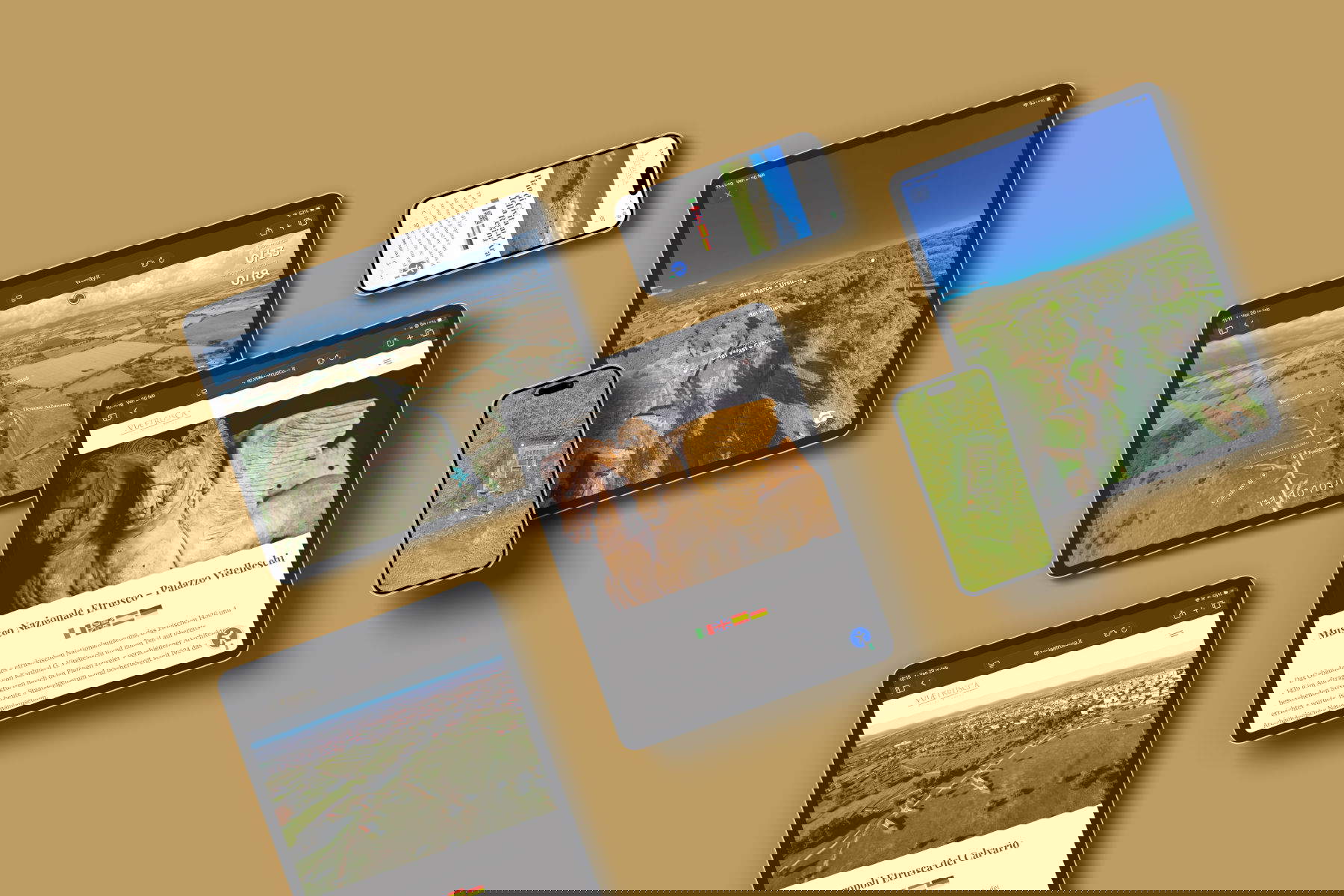
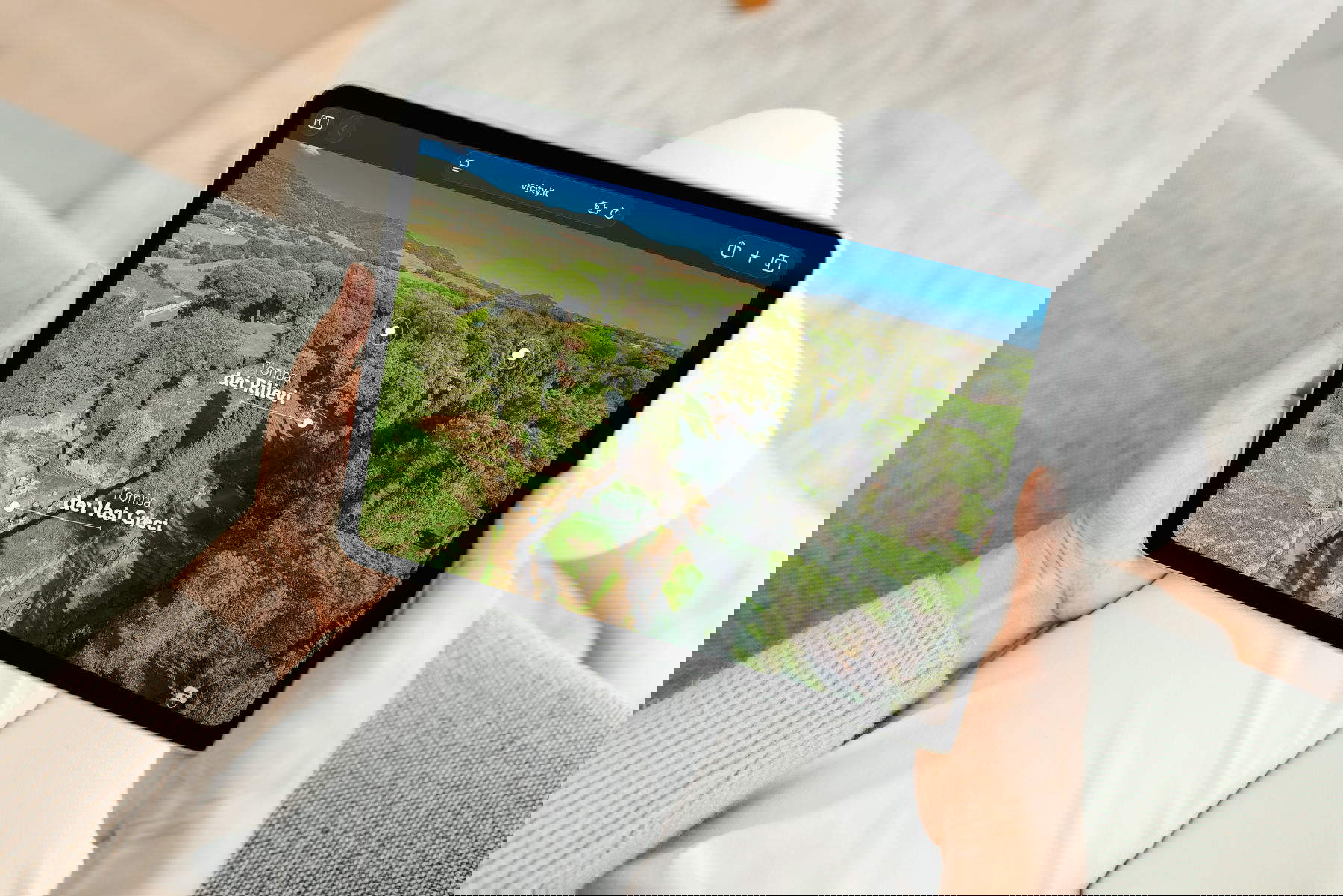
An additional element of the project is the Via Etrusca web app, designed to accompany visitors along thematic itineraries between Tarquinia and Cerveteri. The digital platform will offer interactive content and accessible materials in multiple languages, including audio guides, sign language videoguides and content based on virtual and augmented reality technologies.
The system will also include sections designed for a younger audience, with educational paths and solutions designed to make the cultural experience accessible to children as well. With this in mind, the project aims to build a way of enjoying the archaeological heritage that integrates popularization, entertainment and technological tools. The Via Etrusca project also fits into the context of the area’s cultural and tourism promotion initiatives. The realization of the initiative was possible thanks to the collaboration between local institutions and cultural realities. The project received funding from the Ministry of Tourism and involved the Cerveteri and Tarquinia Archaeological Park together with the municipal administrations of the two cities.
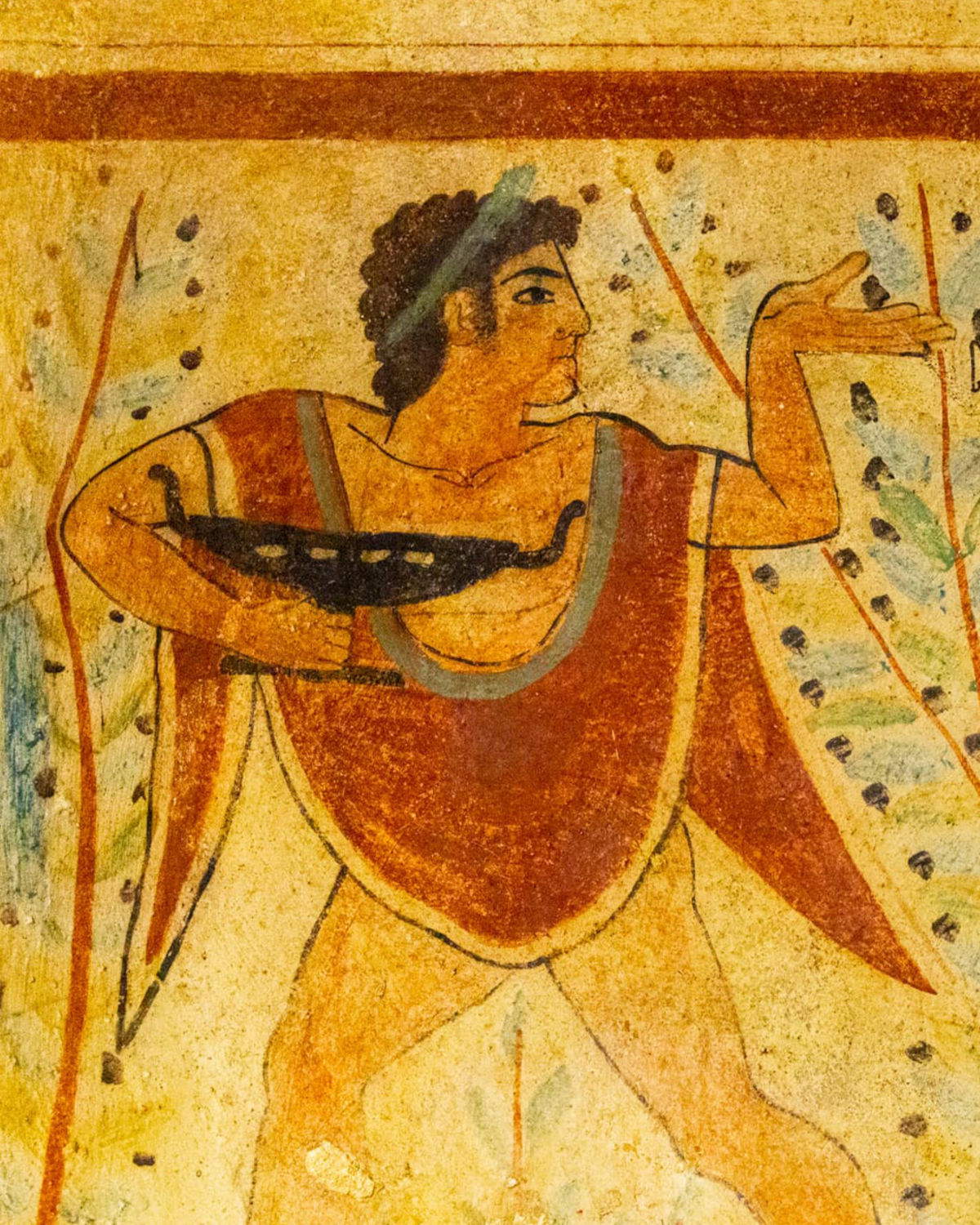
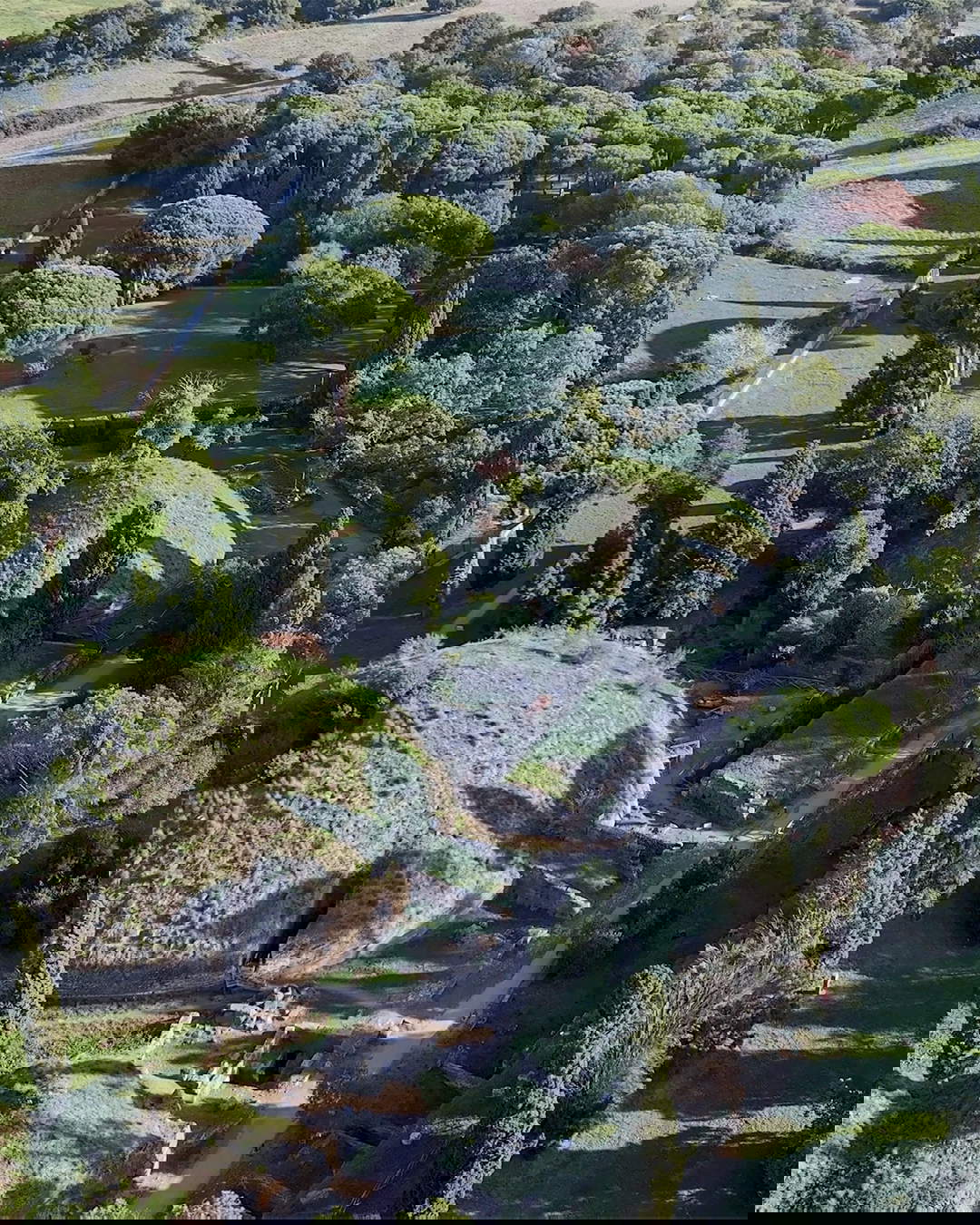
A team composed of professionals from the province of Viterbo worked on the realization of Via Etrusca. The main members of the group include Marco Piastra, CEO of Skylab Studios, Leonardo Tosoni as art director, Giulia Ficari in the role of project manager and Martina Mariani as curator of the cultural section of the project. Natasha Almeida, Alessandro Agostini, Fabrizio Farroni, Tiziano Crescia and Luca Quondam as videomakers and photographers, along with Matteo Sciarra, Lorenzo Pellegrini and Pamela Mercutello also collaborated in the production of the audiovisual content. The project also involved Luca Gufi of the Municipality of Tarquinia as the single project manager, while Archaeological Park director Vincenzo Bellelli helped define the scientific and cultural aspects.
Learn more about the Via Etrusca project by clicking here.
 |
| Via Etrusca, a digital project to tell the story of the UNESCO sites of Tarquinia and Cerveteri |

Warning: the translation into English of the original Italian article was created using automatic tools. We undertake to review all articles, but we do not guarantee the total absence of inaccuracies in the translation due to the program. You can find the original by clicking on the ITA button. If you find any mistake,please contact us.


























 IT
IT FR
FR DE
DE ES
ES CN
CN


