





A ritual deposit dating from the Middle/Late Preclassic period of the Maya civilization, dated between 1000 B.C. and 250 A.D., has been discovered in the locality of Yaxché de Peón, in the municipality of Ucú, in the Mexican state of Yucatán. The find offers new insights into the symbolic thinking and social organization patterns of Maya communities in the earliest stages of their development.
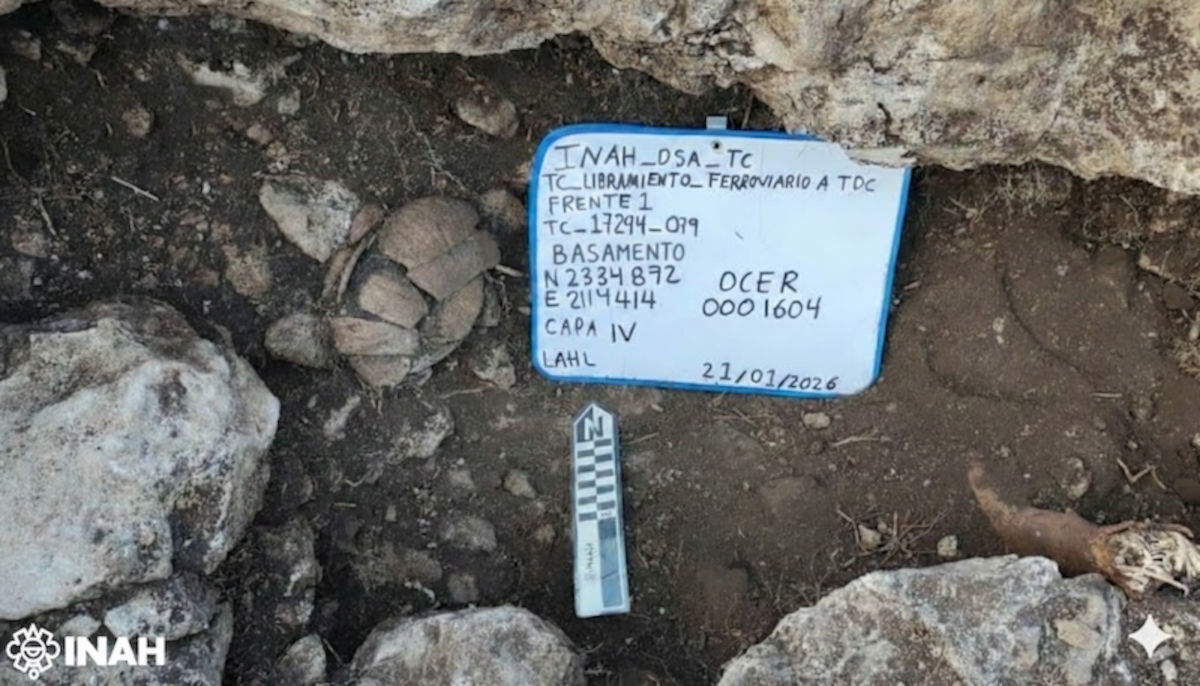
The discovery was made on January 21, 2026 as part of the preventive archaeology project related to the construction of the Mérida-Progreso multimodal rail bypass, an infrastructure connected to the Tren Maya project. The investigations are being conducted by a team of specialists from theNational Institute of Anthropology and History (INAH), coordinated by archaeologist Manuel Pérez Rivas. Excavation activities began in June 2025 and are expected to be completed by mid-2026.
The area under investigation includes a rectangular structure, named Monument TC_17294 by archaeologists. The building measures about 14 meters long and 10.8 meters wide, with a height of 45 centimeters. Stratigraphic analysis indicates that the building was constructed in a single construction phase. No upper living structures have been identified, and the platform has access from all sides, features that suggest collective rather than domestic use. Scholars believe that the space may have functioned as a semipublic area intended for community assemblies or the performance of ritual ceremonies. In such contexts, collective activities helped to strengthen social ties and define forms of participation in community life.
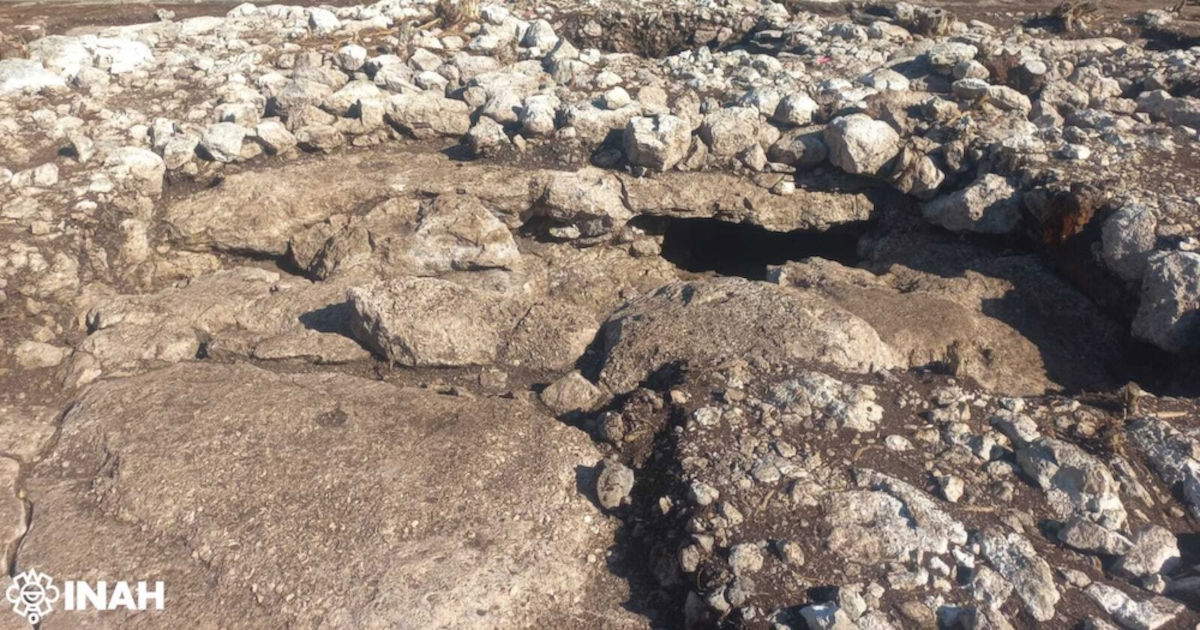
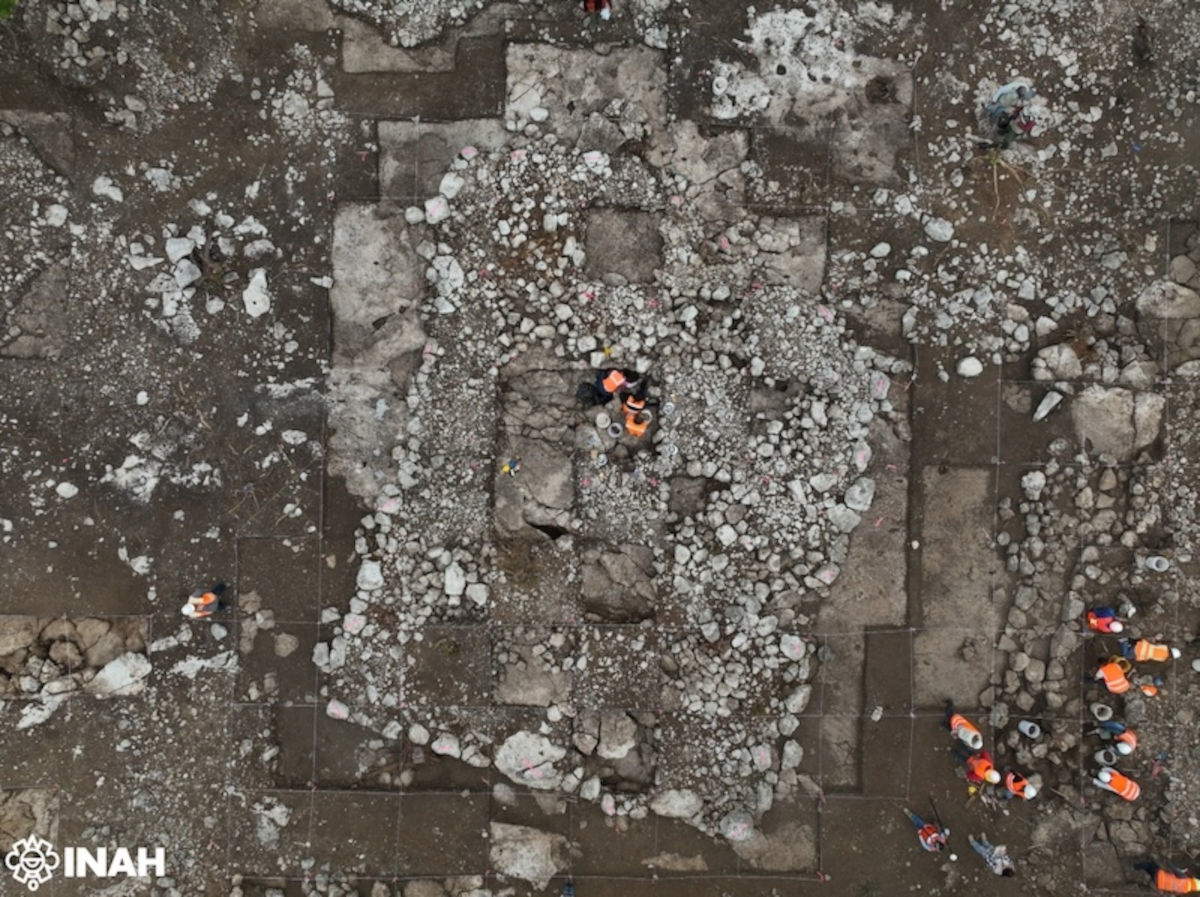
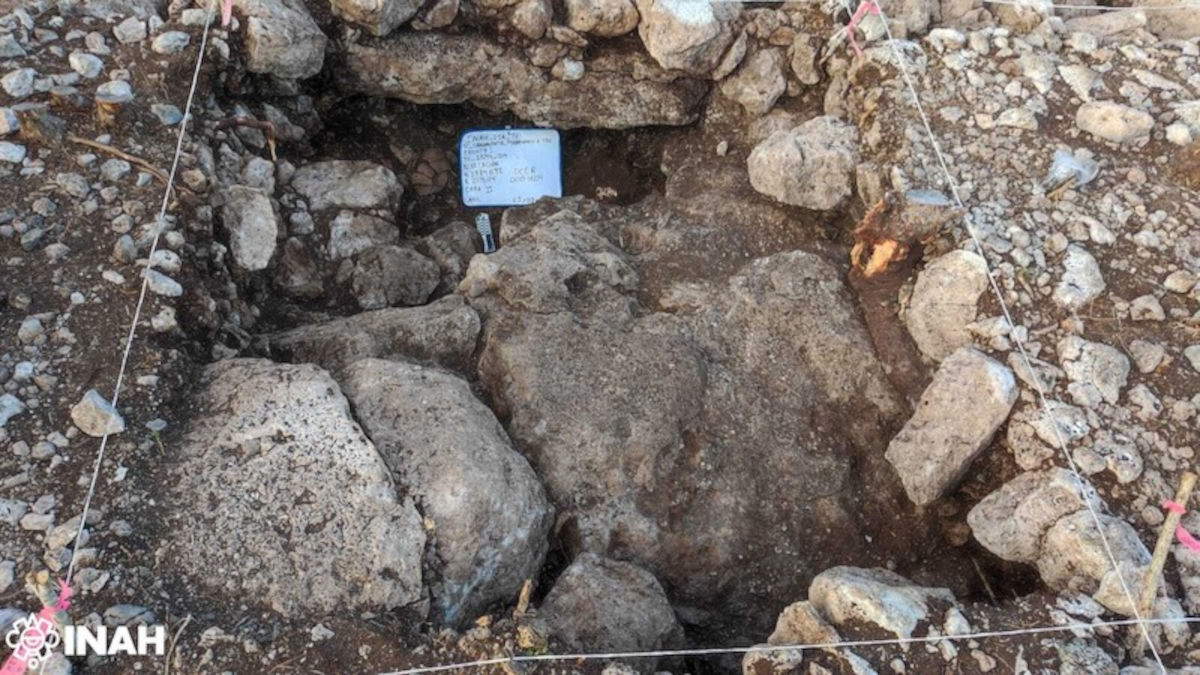
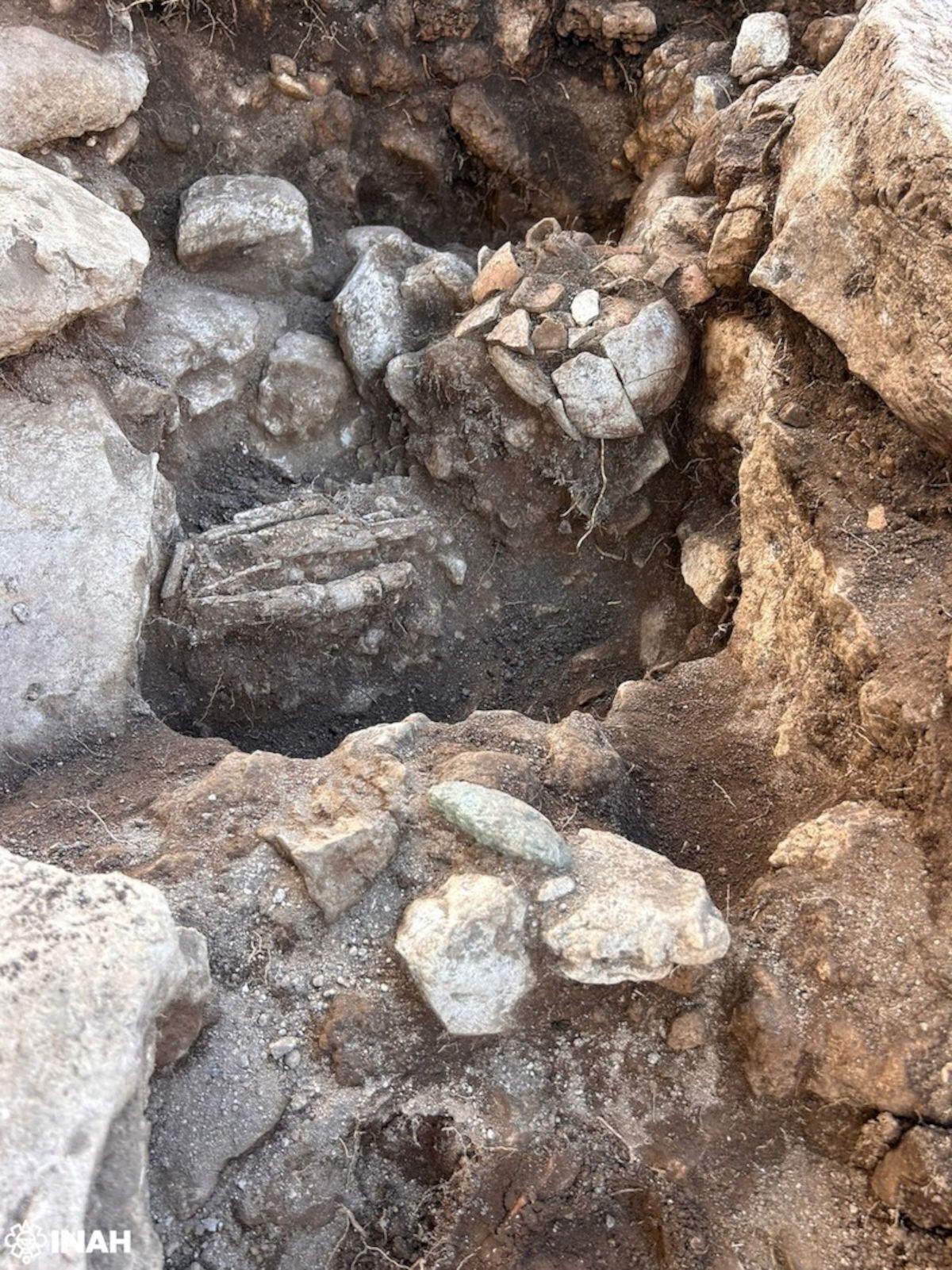
During the excavation of the constructive fill in the northern part of the structure, two ritual contexts emerged that, according to archaeologists, were deposited before the construction of the building as foundation offerings. The first context yielded fragmented gourd-shaped pottery, identified at a depth of about 1.10 meters. In Mesoamerican cosmology, the gourd is often associated with the themes of fertility and food sustenance, an element that suggests the community’s strong connection to agricultural activities.
A natural shelter in the parent rock, about 1.10 meters long and 50 centimeters high, was also found in the same area. Inside were found bone remains that may belong to a deer, pottery sherds dating to the same period and a fragment of a sea shell. According to the research team, the use of natural cavities for the deposition of offerings was a widespread ritual practice in Mesoamerican societies. Such contexts were interpreted as symbolic connection points between the earthly and subterranean worlds. The presence of vessels associated with deer bones could also indicate that the construction of the structure occurred during a period of abundant food resources and stability for the community. The placement of vessels and other ritual objects at the time of the foundation of new buildings was an established practice in Mesoamerican cultures. According to some ethnohistorical sources from the colonial period, such rituals continued to be practiced after the arrival of the Spanish.
A second ritual context was located about a meter further west than the first. Here archaeologists recovered a considerable amount of pottery dating to the Middle and Late Preclassic periods, along with deer bone remains and a small circular bead made of limestone. Again, the composition of the materials suggests an intentional deposit related to the consecration of the space prior to the start of construction. The combined presence of symbolic elements related to fauna and agriculture, deliberately sealed under an architectural structure intended for public use, represents according to scholars the trace of a ritual act related to the birth of a community space. The act would have symbolically marked the beginning of collective life in the area where the building stood.
The find contributes to expanding knowledge about how space was used and the activities that characterized the early architectural complexes of Maya communities. The team engaged in the research also includes Ricardo Antorcha Pedemonte, who is in charge of field activities for the first sector of the project, and archaeologist Luis Ángel Hernández Libreros, in charge of directing excavations in the same sector.
“Each archaeological find allows us to better understand the historical depth of the cultures that shaped this territory,” says the Secretary of Culture for the Government of Mexico, Claudia Curiel de Icaza. “The ritual context found at Yaxché de Peón offers new perspectives on community organization, symbolic thinking and the relationship between space, fertility and sustenance in the early Maya world.”
“The presence of veined remains in the offering has symbolic implications: the animal’s connection to Mayan thought, as it is connected to human life, lord of the mountains and father of goodness toward human beings,” says project coordinator Susana Echeverría Castillo.
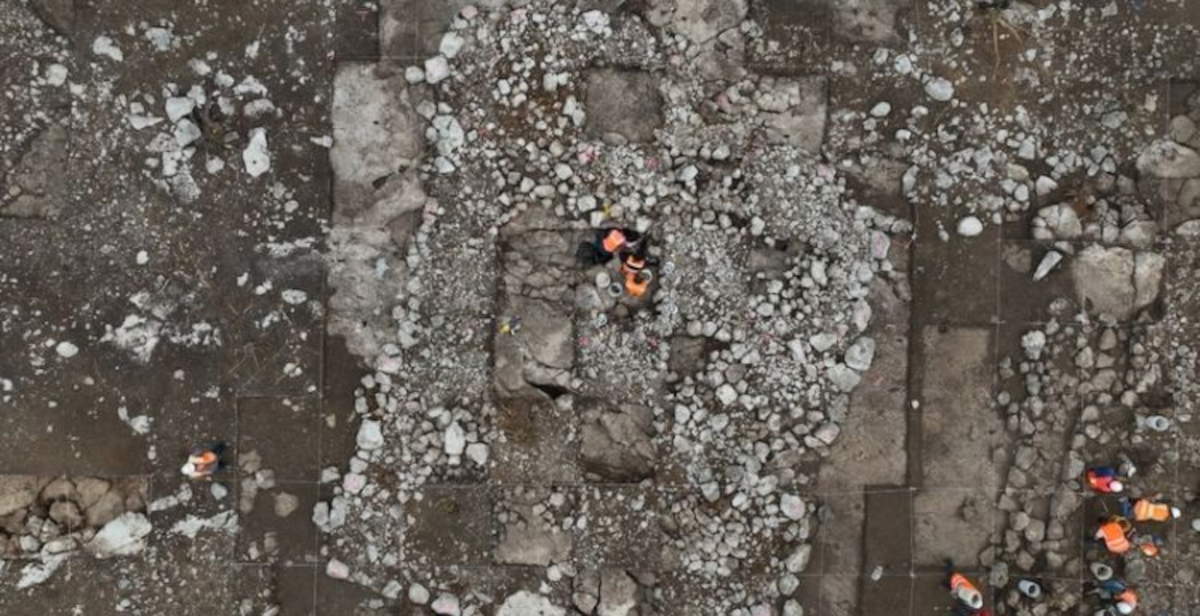 |
| Yucatán, discovered Mayan ritual deposit dated between 1000 BC and 250 AD. |


The author of this article: Noemi Capoccia
Originaria di Lecce, classe 1995, ha conseguito la laurea presso l'Accademia di Belle Arti di Carrara nel 2021. Le sue passioni sono l'arte antica e l'archeologia. Dal 2024 lavora in Finestre sull'Arte.Warning: the translation into English of the original Italian article was created using automatic tools. We undertake to review all articles, but we do not guarantee the total absence of inaccuracies in the translation due to the program. You can find the original by clicking on the ITA button. If you find any mistake,please contact us.






























 IT
IT FR
FR DE
DE ES
ES CN
CN


