





A group of artists, cultural workers and organizations active in Somalia has released, through the Somali Arts Foundation, a collective position statement ahead of the 61st International Art Exhibition of the Venice Biennale, protesting the way in which the Somalia Pavilion is being set up. The Federal Republic of Somalia is participating in the Venice Biennale for the first time this year and will do so with an exhibition titled SADDEXLEEY (sa-DEH-ley), in which the works of Ayan Farah, Asmaa Jama and Warsan Shire will be exhibited. The three artists will seek to explore memory and heritage through fabric, poetry and filmic language(we have talked about them here).
The Somali artists, however, through the statement issued through Somali Arts Foundation, express “deep disappointment and concern” about a project that, according to the signatories, should have been a significant moment of national cultural expression but instead has been shaped as an initiative run primarily by Somali diaspora figures in collaboration with European partners. Indeed, at the heart of the criticism is the very composition of the Pavilion, which exclusively features the work of three diaspora artists not resident in Somalia. A choice that, according to the petitioners, completely excludes artists and cultural organizations active in the country, who were allegedly neither consulted nor meaningfully involved in the curatorial process.
The issue raised by Somali artists does not concern the role of the diaspora, which is explicitly acknowledged as fundamental in sustaining the country over the years (the contribution of Somali communities abroad is described as “real and valuable”): in fact, the central issue remains the lack of a structured dialogue with those who work daily in Somalia, often under difficult conditions and with limited resources, to keep the local art scene alive.
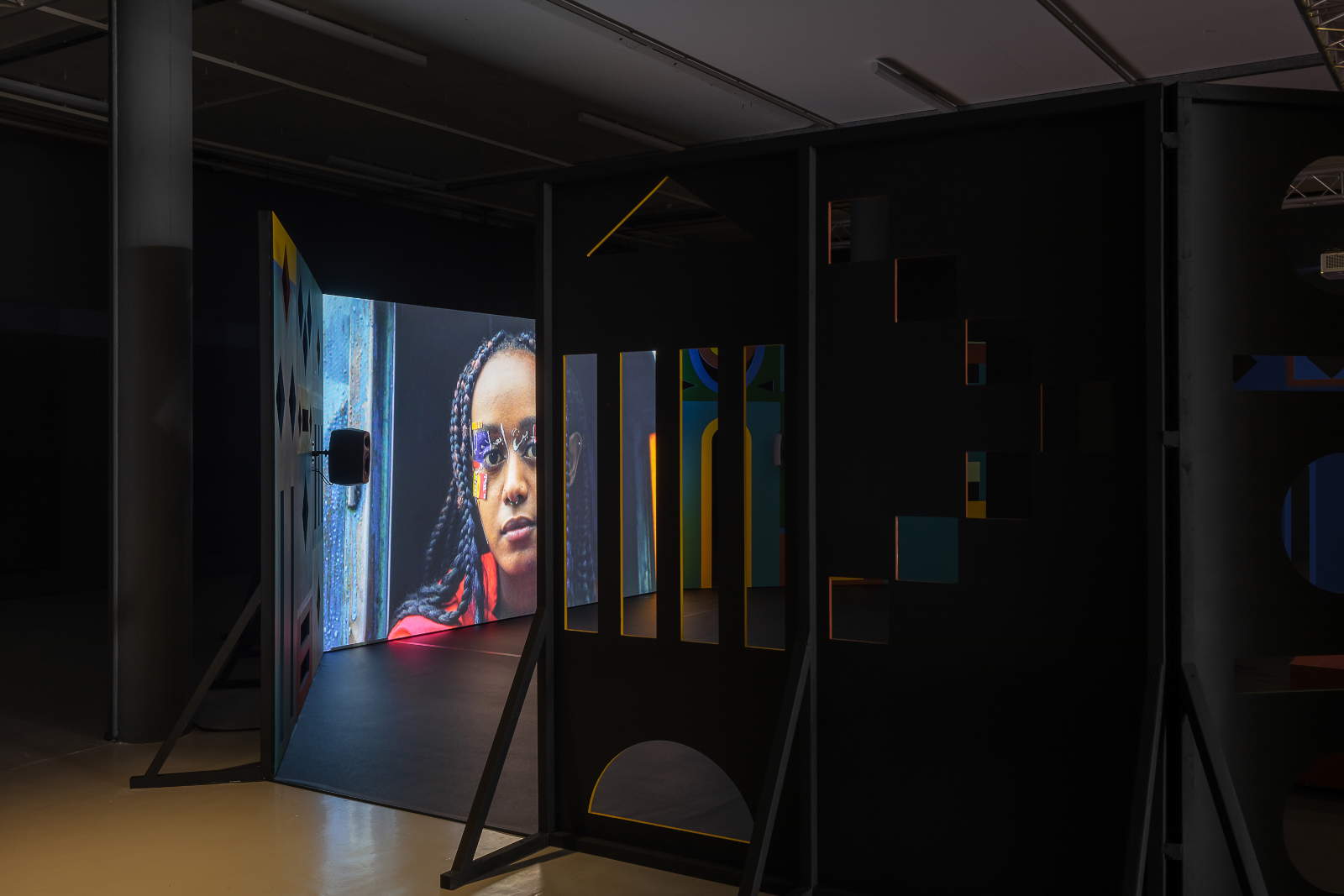
The National Pavilion at the Venice Biennale represents one of the most relevant cultural platforms globally. In this context, the signatories stress, this presence carries a specific responsibility: that of reflecting the complexity and plurality of a country’s artistic life. For Somalia, engaged for years in a process of cultural reconstruction after decades of conflict, this responsibility takes on even greater weight. “The arts sector in Somalia,” the signatories write, “has been rebuilt through the efforts of artists, cultural workers, independent institutions, collectives and organizers working under extraordinarily difficult conditions, often with little or no institutional support and almost no government funding. It is therefore deeply disappointing that, in the face of such an important opportunity for cultural representation, those who have helped keep artistic life alive in Somalia have been sidelined. A national pavilion should not be considered a private opportunity, nor a platform shaped through opaque or selective processes. This pavilion does not reflect the reality experienced by artists and organizations working in Somalia. It was a missed opportunity to honor those who are rebuilding the sector and to build a meaningful bridge between artists living in Somalia and the diaspora.”
The statement concludes with a stark stance: the current Pavilion “does not represent us,” the signatories write, nor does it represent their work or the conditions under which it is being developed. Hence the call for a change of approach for the future, based on criteria of transparency, consultation and real involvement of artists, curators and organizations active in Somalia.
|
| Venice Biennale, Somali artists protest their country's pavilion: 'does not represent us' |

Warning: the translation into English of the original Italian article was created using automatic tools. We undertake to review all articles, but we do not guarantee the total absence of inaccuracies in the translation due to the program. You can find the original by clicking on the ITA button. If you find any mistake,please contact us.




















 IT
IT FR
FR DE
DE ES
ES CN
CN