



by Federica Schneck 13/04/2026



Categories: Exhibition reviews / Disclaimer
A new exhibition, at the Arsenali Repubblicani in Pisa, brings Ligabue back to center stage. If the operation seems predictable (by now we are full of exhibitions on Ligabue), it is the irreducible force of his painting that overturns everything, once again imposing a direct, uncomfortable and deeply relevant confrontation. Federica Schneck's review.
There is something almost obsessive about the way the Italian cultural system continues to summon Antonio Ligabue. The exhibition The Roar of the Soul, set up at the Arsenali Repubblicani in Pisa, is just the latest act in a liturgy that has been repeating itself identically for decades, raising a question that we can no longer ignore: does it still make sense, today, to talk about the thousandth exhibition on an artist we have already largely turned into a holy man of "naïf" and discomfort? We are in front ofyet another operation on Ligabue, a proposal that appears correct but slips away without too many jolts in a panorama of hyper-saturation, where the artist is often declined more as a reassuring brand for the general public than as anopportunity for real critical challenge or scientific discovery. One can sense, among the halls, that aftertaste of “already seen” that accompanies serial productions, where the work seems almost to bend to the need to fill a prestigious space rather than being its profound reason.
Yet, if we find ourselves once again in front of his canvases, it is certainly not to pander to yet another curatorial strategy of a market that seems to have run out of arguments, but because his painting possesses a shock frequency that transcends any logic of consumption. It is the intrinsic force of the work, and not the context built around it, that compels us to listen; Ligabue’s sign remains a foreign body that resists with monumental dignity even its own serial musealization and exhibition routes that now risk tautology. It is he, the artist, who redeems the container: his creative urgency is so overflowing that it makes “passable” even an operation that, on paper, adds nothing to what we already knew.


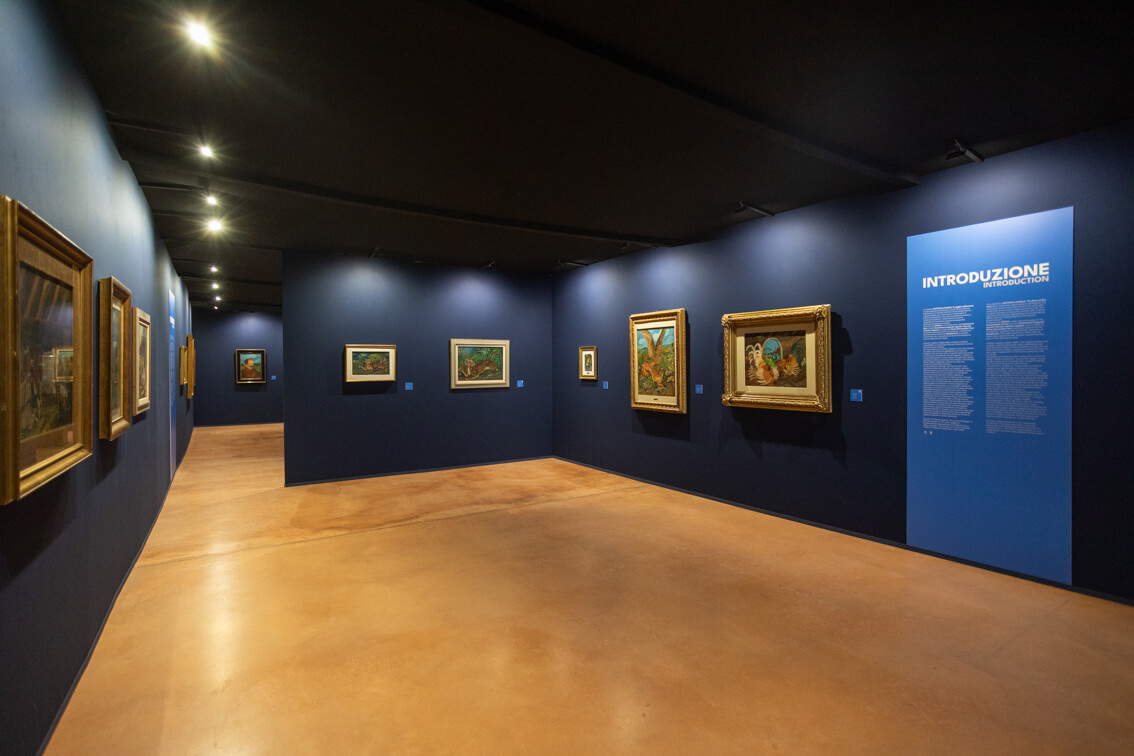
We must stop reading Ligabue as a self-taught artist to be pitied and start recognizing him as the only artist who really managed to resist the “tidying up” of the twentieth century. While the historical avant-gardes sought style and theory, Ligabue sought breath. The Republican Arsenals, with their bare breadth and rigorous architecture, thus become the theater of a mute conflict: on the one hand the work screaming its freedom, on the other an apparatus that too often attempts to domesticate that cry into a reassuring and somewhat lazy narrative. Yet even in this case, Ligabue emerges triumphant: his painting does not allow itself to be caged, but inhabits space with the strength of someone who has finally found a home worthy of his stature, almost heedless of the logics of market and image that gravitate around him like background noise.
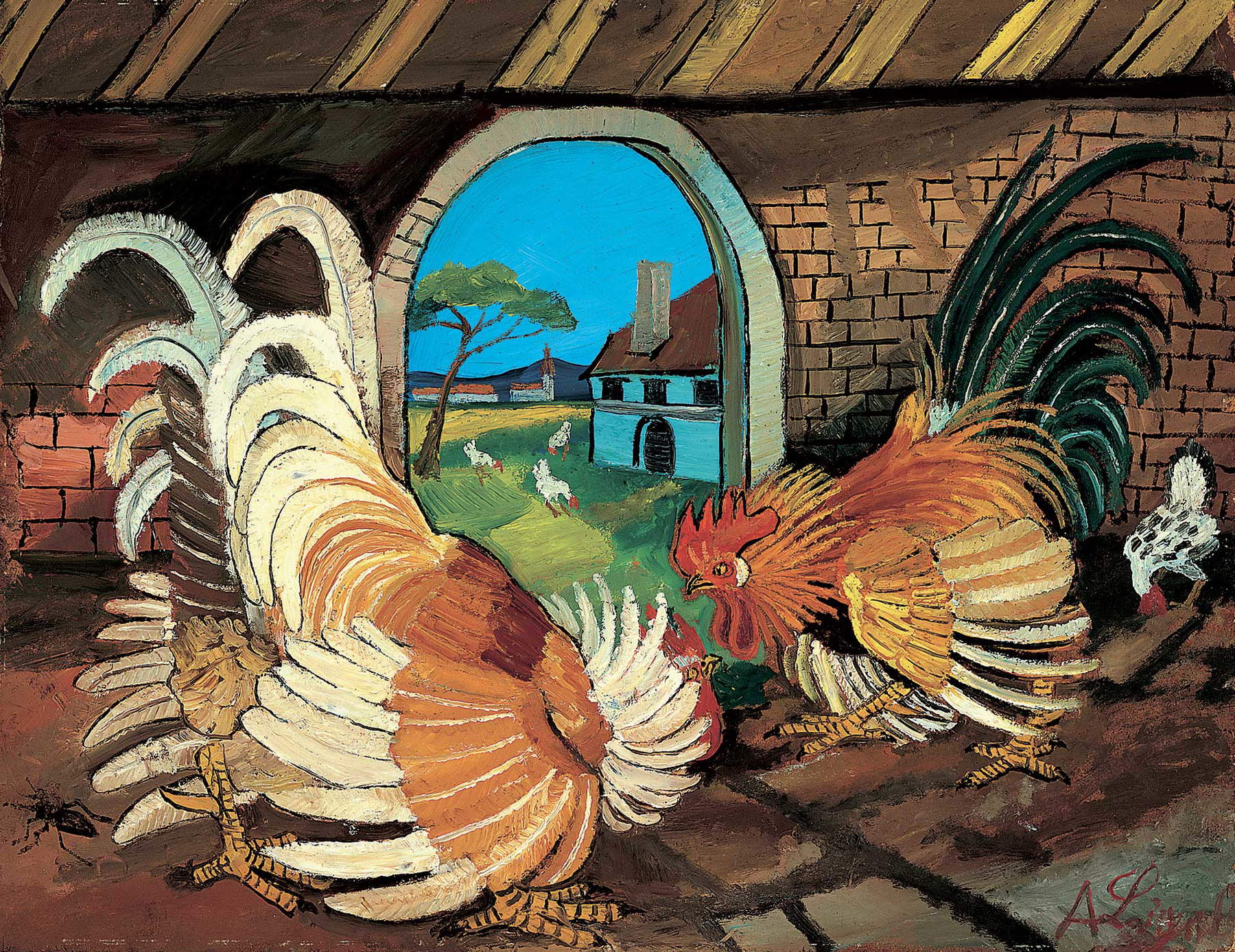
Genuine strengths can be traced when the work manages to break through the inertia of the exhibition. Take Tiger with Spider: in this feline vibrating on the verge of pouncing, there is not only the exoticism of those who have dreamed of the jungle along the banks of the Po but there is the overturning of the very concept of the image as an “object in transit.” Tiger is an epiphany of an inner violence that accepts no mediations, not even those of temporary fruition. When Ligabue paints Cockfight he is not illustrating a rural scene, he is orchestrating a dance of feathers and claws that is the exact metaphor of his own existence. It is a maelstrom where beauty and ferocity coincide perfectly, nullifying that safe distance that visitors often seek in front of a painting. We are not looking at a scene, we are invested by it, despite the rigid chronological order that the institutional context tries to impose on its fury.
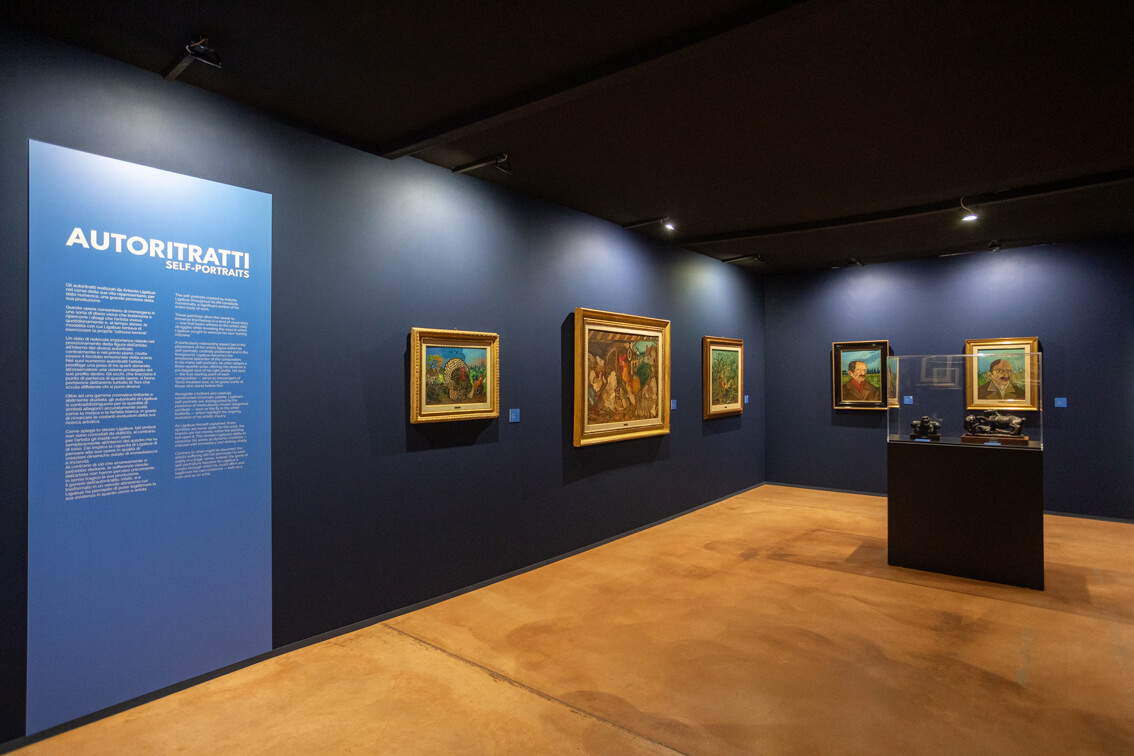
But it is in the Self-Portraits that the exhibition reveals its most authentic tension, rising above the simple biographical chronicle that often weighs down the itinerary. In those staring eyes, wide open to the unbearable, Ligabue accomplishes a production of total meaning and forces us to be seen in his glory as a creator. In an age that fetishizes the glossy image,Ligabue’s self-portrait is a real wound that defies the logic of those who would reduce him to a commercial brand. Here the artist regains his dignity: he is no longer the outcast, but the absolute ruler of his own visual realm, capable of obscuring whatever didactic apparatus or curatorial footnote name is built around him. In these gazes there is a frontal challenge that questions our ability to remain human in the face of the abyss.
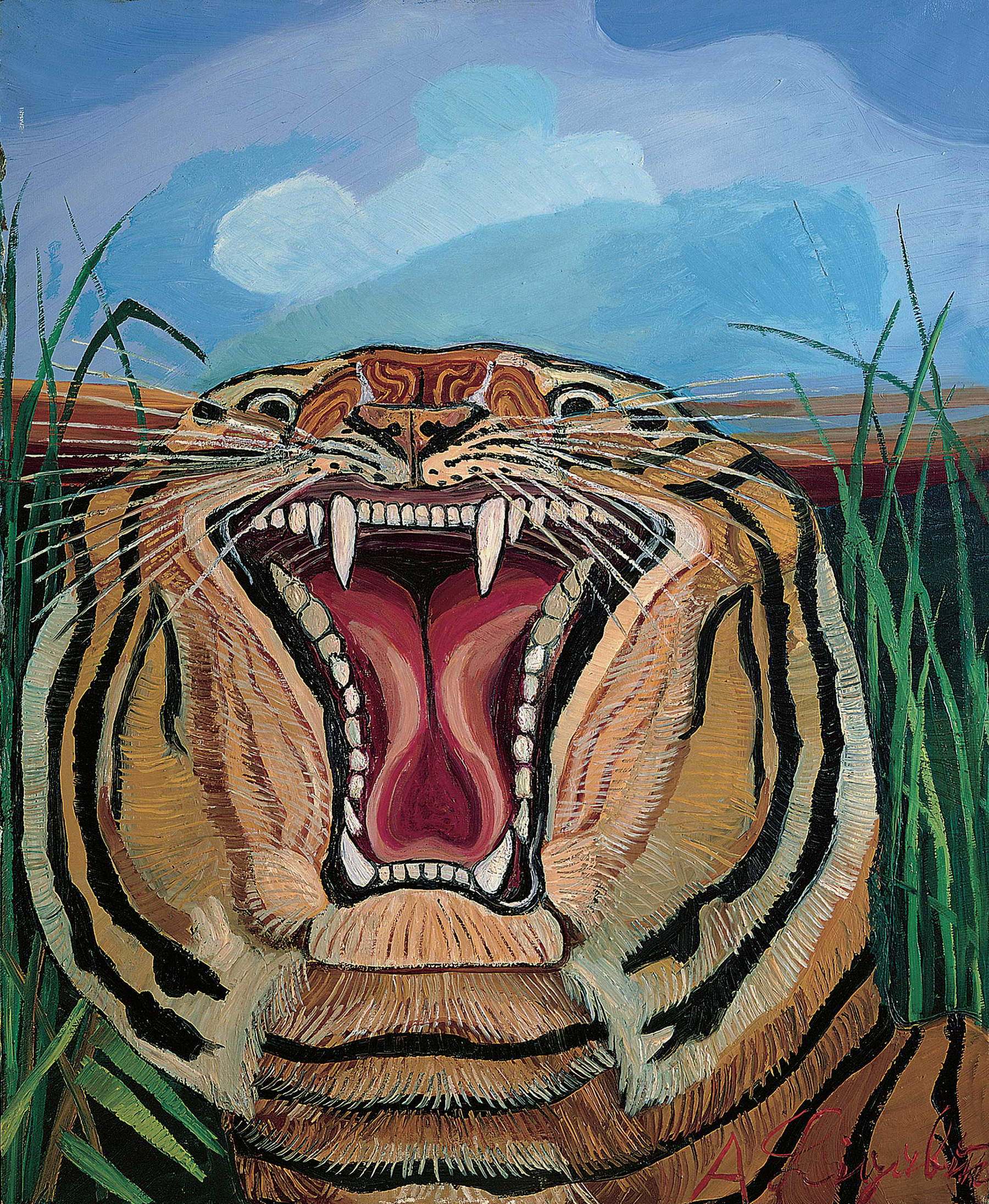
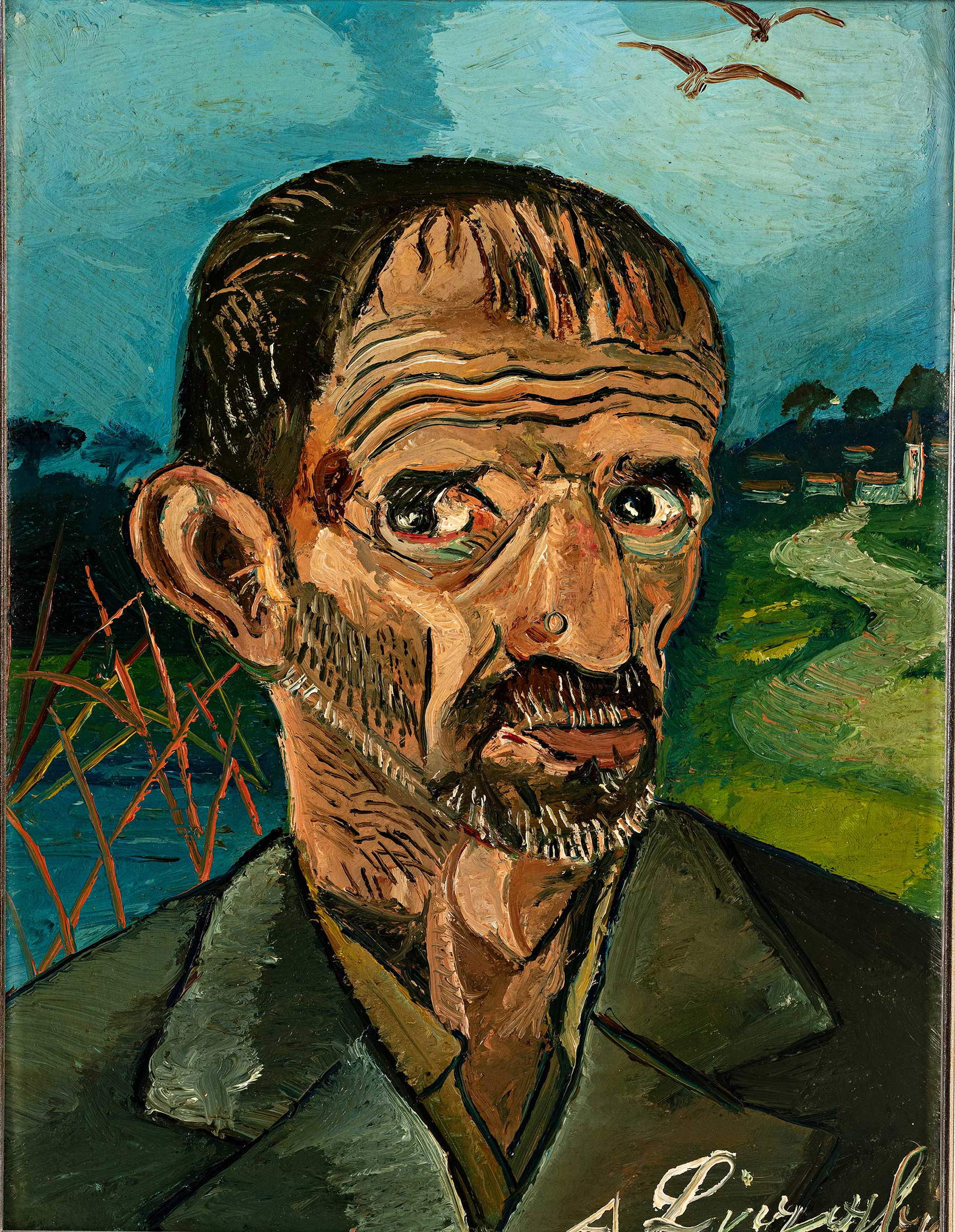
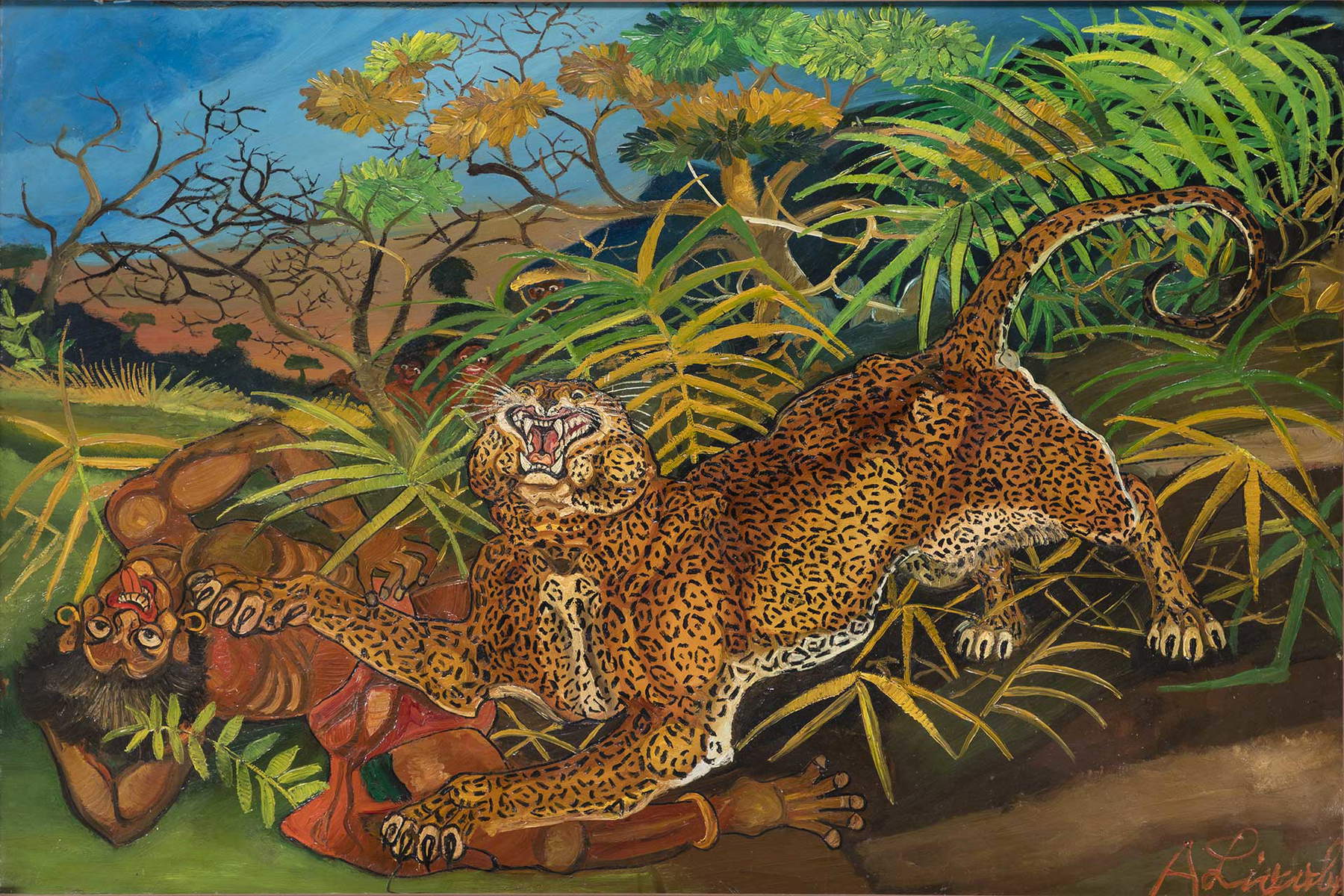
The exhibition design indulges this saturation with a multiplication of gazes and teeth, from the Tiger’s Head to the hollowed-out faces, creating an emotional field bordering on the sustainable that, while it may tire by its iteration, reflects the artist’s untamable excess. It is perhaps in this risk of overabundance, which at times verges on hypertrophy, that the Pisan operation finds its only real raison d’être: Ligabue has never been measured, and to try to give him balance or a subdued tone would have been the ultimate betrayal. The strength of the work lies precisely in allowing this energy to explode, restoring the image of a man who possessed a central and universal vision precisely because he was born on the margins.
Why, then, return to Pisa to see Ligabue? Certainly not to memorize a biography that now belongs to myth and risks obscuring painting itself, turning it into an appendage of pain or a cultural fair curiosity. Showing Ligabue today means recognizing that his painting was an urgent survival, and this exhibition, though umpteenth and in some ways superfluous in a now saturated landscape, has the merit of forcing us once again to confront a very pure and nonnegotiable language. We must ask ourselves if we are still capable of holding that roar without reducing it to background for our cultural selfies because only by stepping out of the logic of the calendar event, and accepting the partiality of a proposal that adds little to the already known but concedes much to the power of the sign, can we understand that what moves among these halls is not just color. It is the necessary, almost brutal encounter with an artist who was able to overcome, alone and despite the system that now celebrates him, the silence of time and the trivialization of our distracted gazes. Ligabue survives his own fame, and this exhibition, even in its nature as an “operation,” ends up reminding us that true art is that which is not consumed.
Warning: the translation into English of the original Italian article was created using automatic tools. We undertake to review all articles, but we do not guarantee the total absence of inaccuracies in the translation due to the program. You can find the original by clicking on the ITA button. If you find any mistake,please contact us.