








Very few literary works of antiquity have exerted such a profound and lasting influence on art as Ovid’s Metamorphoses. The major exhibition to be staged at the Rijksmuseum in Amsterdam from February 6 to May 25, 2026, entitled Metamorphoses, will bring together great artists such as Titian, Correggio, Cellini, Caravaggio, Rubens, Rodin, Brancusi, Magritte, and Bourgeois, who through their creations have dialogued with the imagery of one of the greatest authors of classical antiquity. More than eighty works from museums and collections around the world will be on display for the occasion. The exhibition is made possible in particular thanks to the extraordinary collaboration of the Galleria Borghese in Rome, and in fact, after Amsterdam, the exhibition will subsequently land, in a different version, at the Galleria Borghese from June 22 to September 20, 2026.
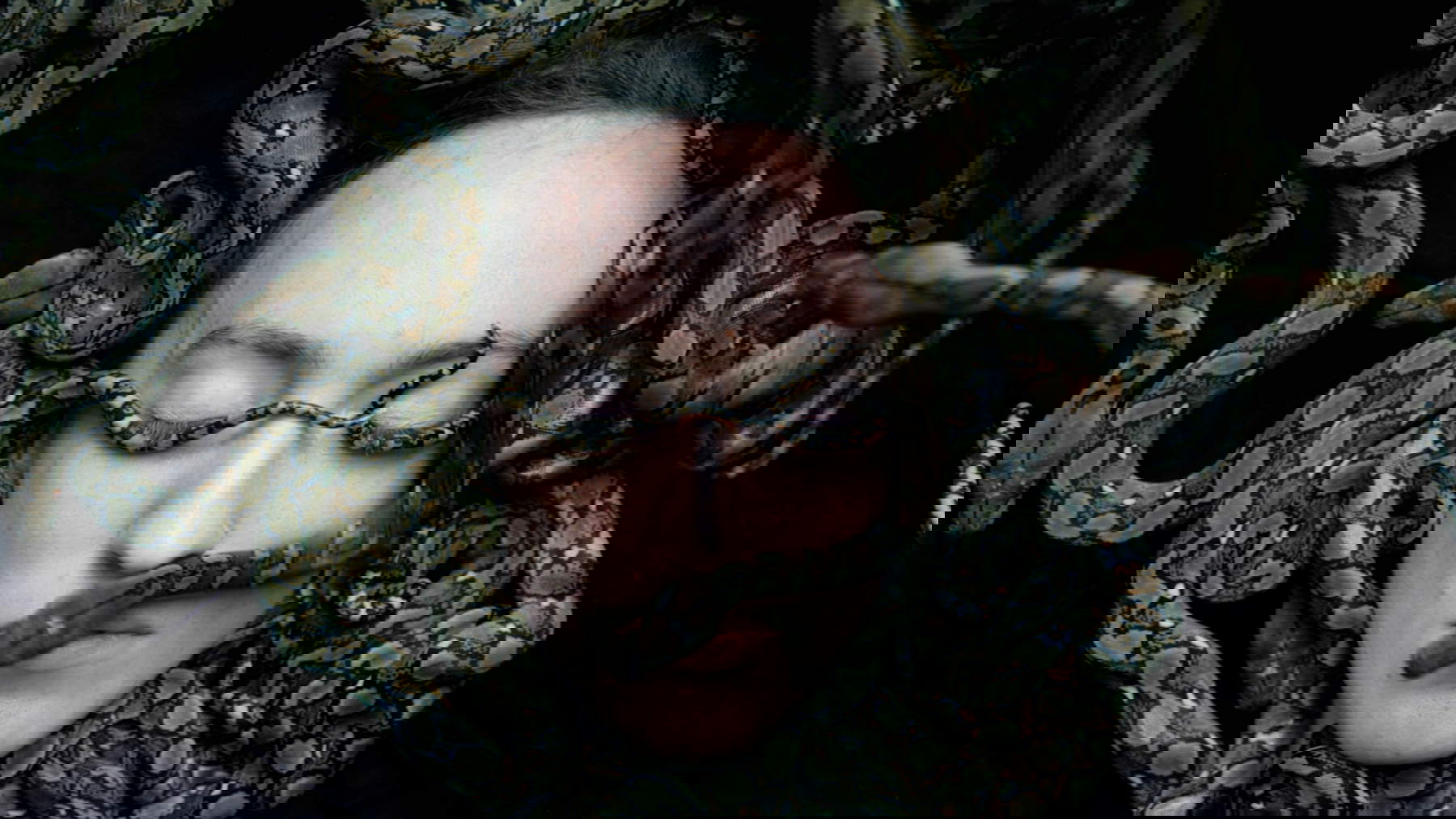
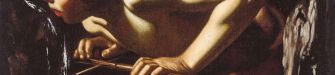
The exhibition project at the Rijksmuseum will feature works from different periods and techniques, including paintings, sculpture, goldsmithing, ceramics, contemporary photography and video art. Among the masterpieces on display are Titian’s Danae, Tintoretto’s Minerva and Arachne, Correggio’s celebrated Jupiter and Io, Ganymede and the Danae, Narcissus attributed to Caravaggio, and Rodin’s marble Pygmalion, along with Gérôme’s pictorial version. Also on display will be three famous compound heads by Arcimboldo, and the life-size bronze Perseus with the head of Medusa made by Dutchman Hubert Gerhardt for the Duke of Bavaria, presented for the first time together with the model that inspired Benvenuto Cellini’s Perseus.

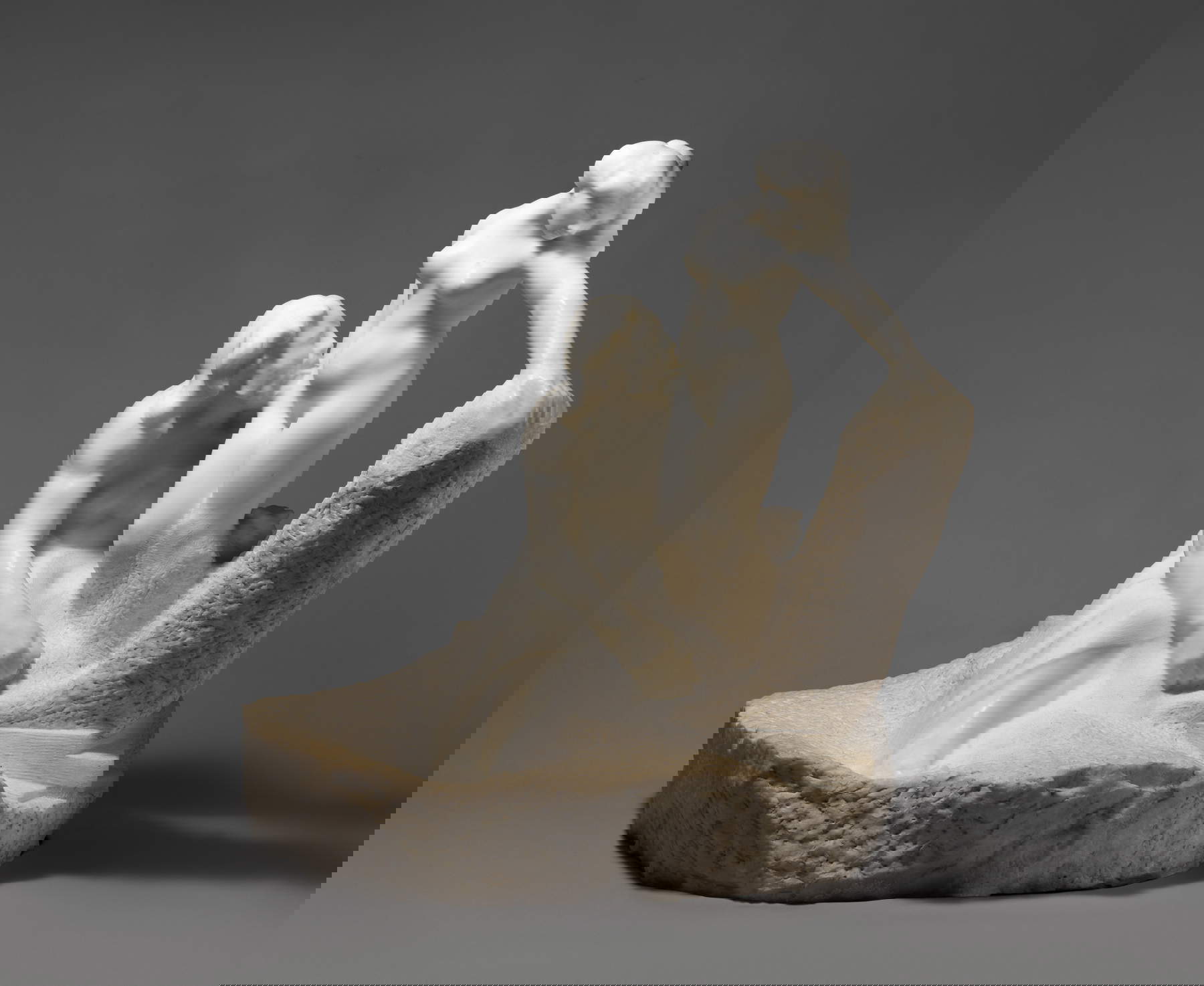
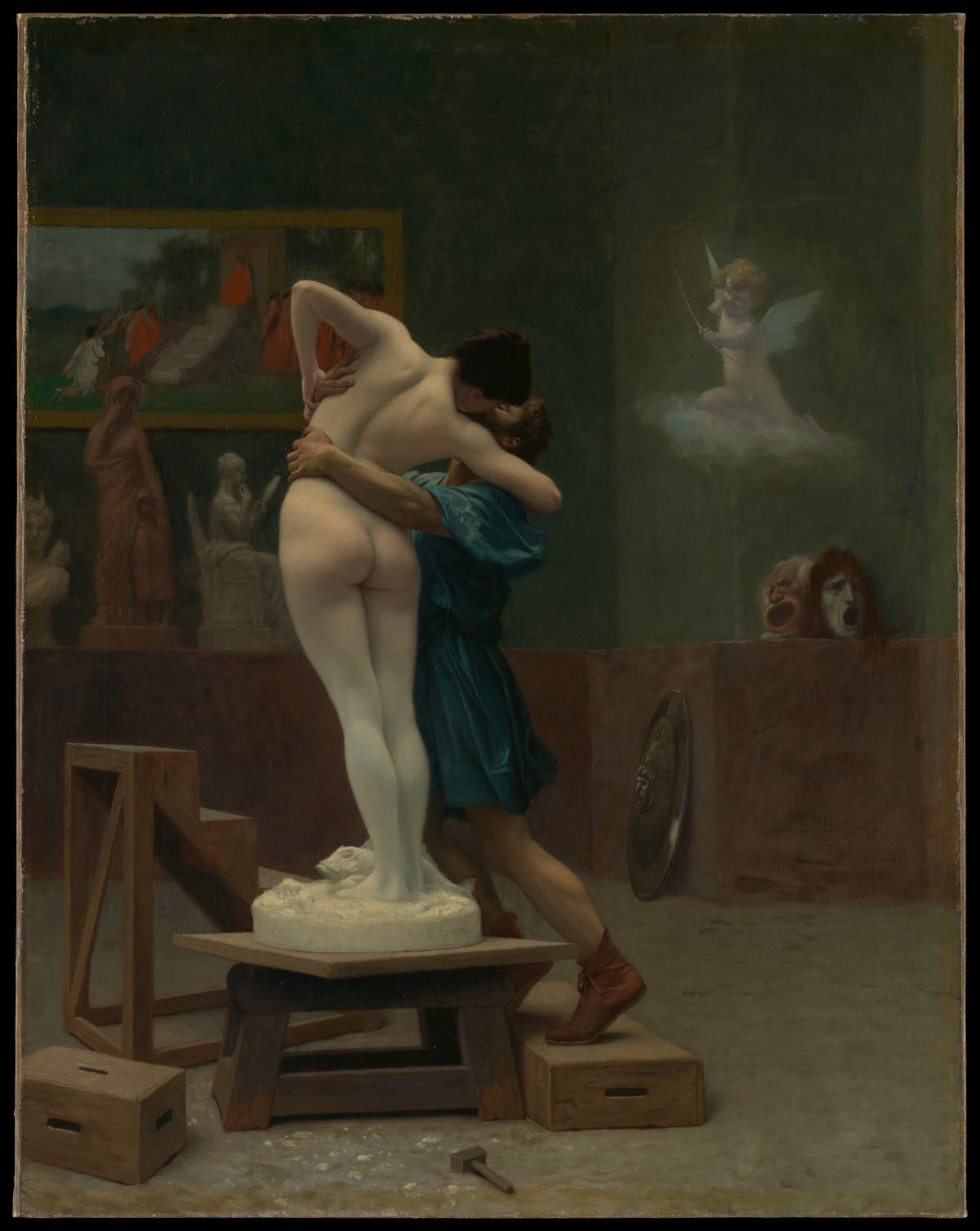
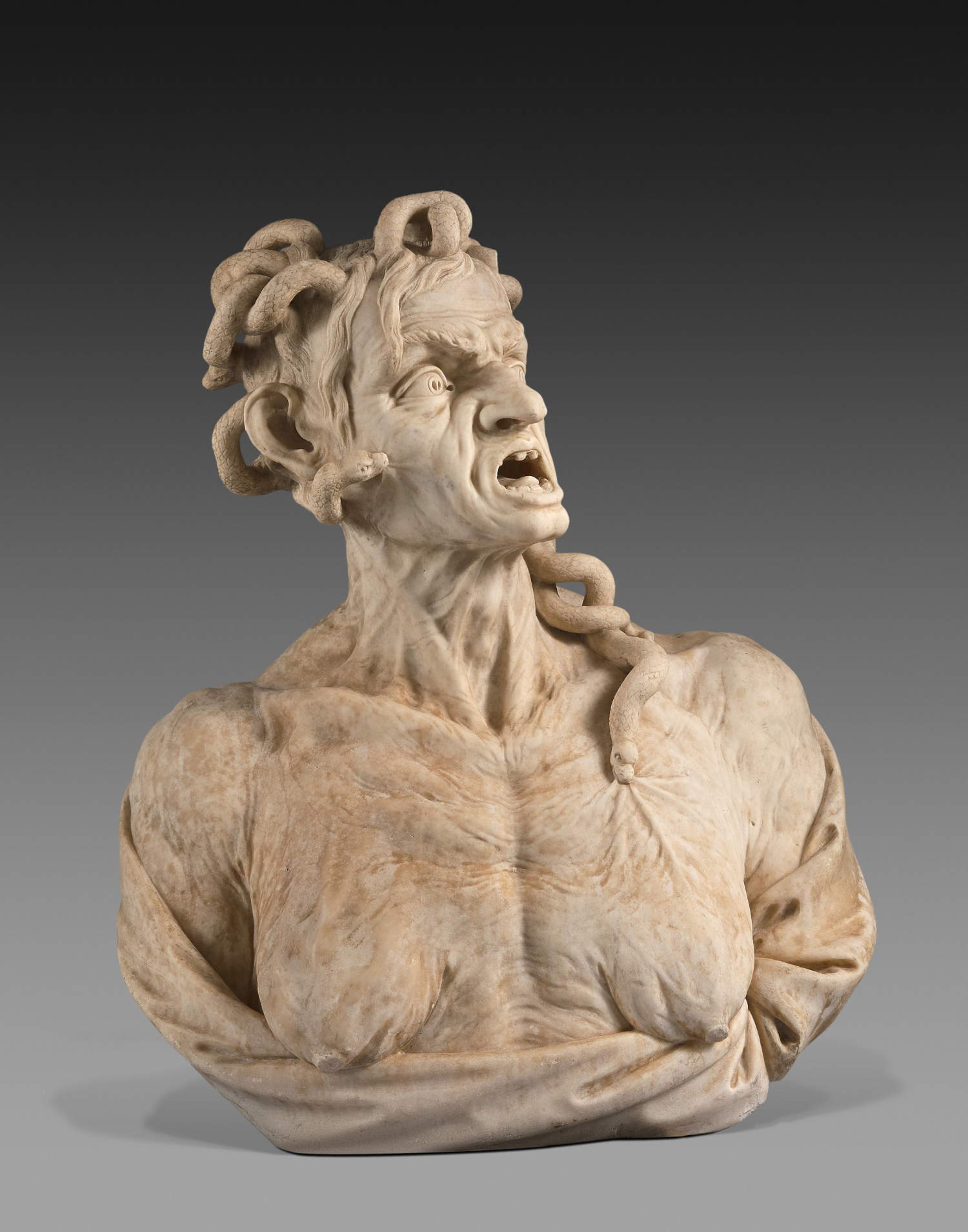
Publius Ovid Nason composed his Metamorphosesin A.D. 8, where he described a universe dominated by change, in which gods and men are transformed into animals, plants or stone. Not surprisingly, in his 1604 Schilder-boeck, Karel van Mander called the work a true “artists’ Bible.” Indeed, the Metamorphoses have been a fundamental source of inspiration for painters, sculptors, engravers, musicians, writers and poets for centuries. Gods take on animal forms, nymphs turn into trees, men turn into stone, and statues come to life. Many tales revolve around the relationship between gods and mortals, in which love often plays a key role, along with violence and deception. The exhibition intends to emphasize several famous episodes, such as the creation of the cosmos from primordial chaos, the story of Arachne, the weaver punished by the goddess Minerva and mutated into a spider, or the multiple metamorphoses of Jupiter, ruler of the gods, who transformed himself into a bull, swan, cloud or rain of gold to escape Juno’s jealousy and seduce his lovers.
The exhibition catalog, produced in collaboration with the Borghese Gallery, will be published in three languages: Dutch, English and Italian. The graphic design is by Irma Boom Office. The exhibition at the Rijksmuseum was designed by Aldo Bakker.
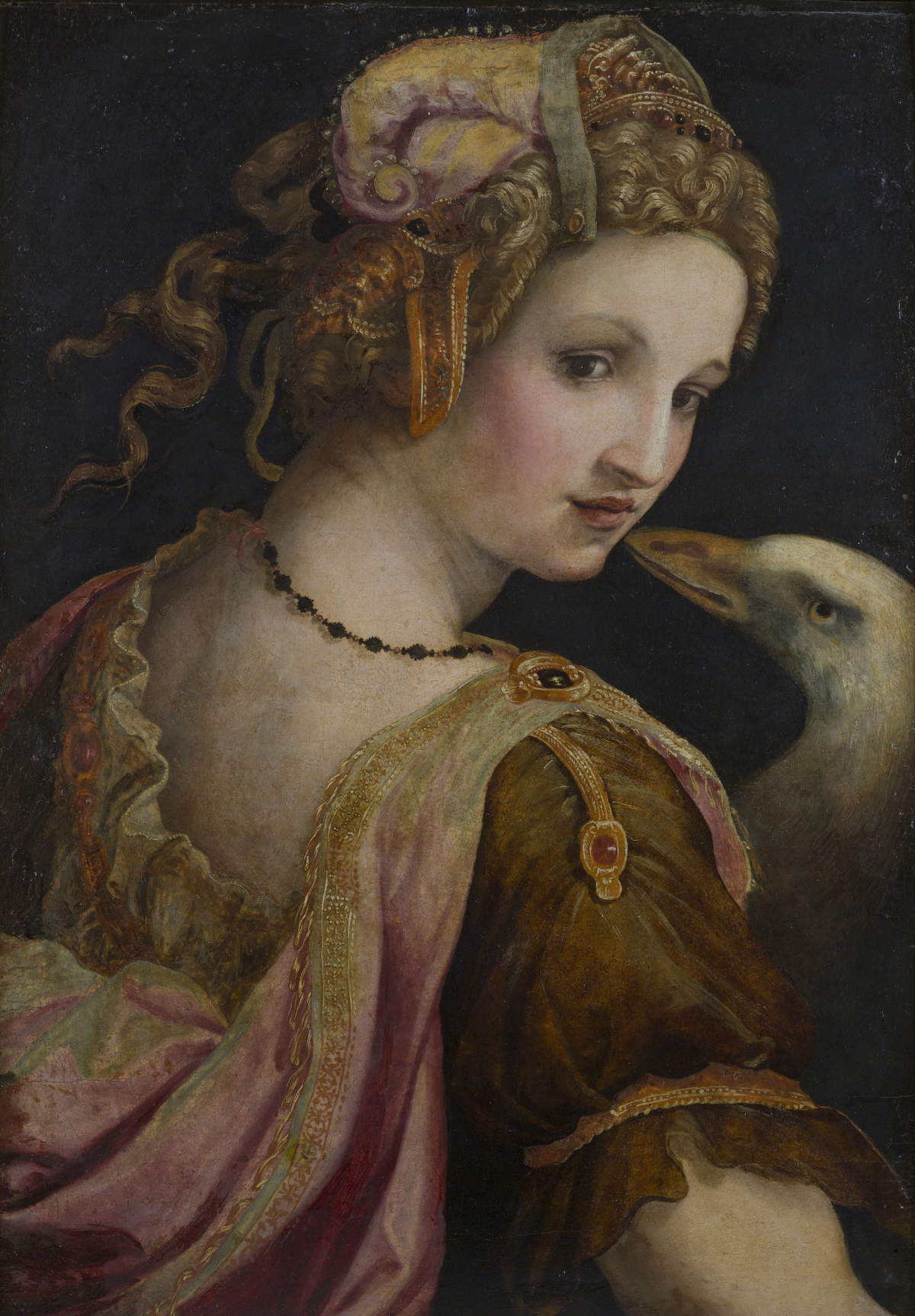
|
| 80 works on Ovid's Metamorphoses on display at the Rijksmuseum, in collaboration with the Galleria Borghese in Rome |

Warning: the translation into English of the original Italian article was created using automatic tools. We undertake to review all articles, but we do not guarantee the total absence of inaccuracies in the translation due to the program. You can find the original by clicking on the ITA button. If you find any mistake,please contact us.













 IT
IT FR
FR DE
DE ES
ES CN
CN