





On the occasion of ART CITY Bologna 2026 and ART CITY White Night, and under the patronage of Azimut, Anna Caterina Masotti returns to Bologna during Arte Fiera with an unprecedented project, hosted in the spaces of Palazzo Tubertini, the Bologna headquarters of Azimut Capital Management SGR SpA, an Azimut Group company and one of the leading independent asset management companies. The exhibition, open to the public from Jan. 29 to Feb. 12, 2026, is organized by Laura Frasca, the photographer’s art manager, and is accompanied by a critical text by Benedetta Donato, curator and photography critic.
Anna Caterina Masotti’s new work is entitled Eden. The Garden of the Soul. The Eden that the artist investigates and returns to the gaze is an intimate and silent space, in which man and nature, body and matter enter into a relationship of mutual listening. At the exact point of their encounter something vital is generated, a presence that takes form and breath. The images are not configured as a linear narrative, but as a threshold: a place where perception becomes presence and the human being does not exercise dominance, but welcome.
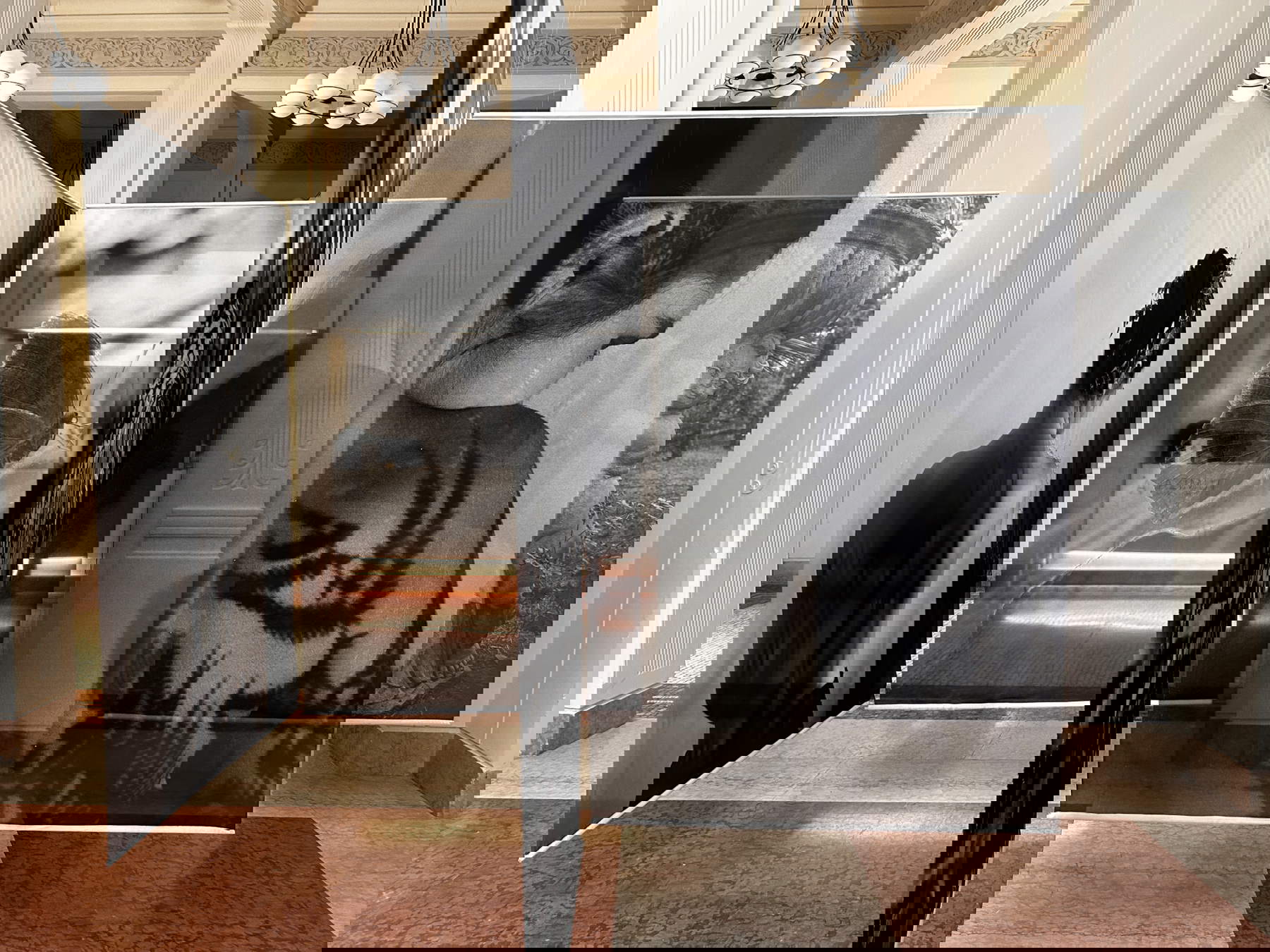
This research finds its most intense conceptual and visual synthesis in the main hall of Palazzo Tubertini, which is configured as the fulcrum and beating heart of the entire exhibition project. The space, characterized by large wrought-iron windows, a ceiling reminiscent of the architecture of a greenhouse, and decorated columns, recalls the aesthetics of Victorian and Art Nouveau Winter Gardens.
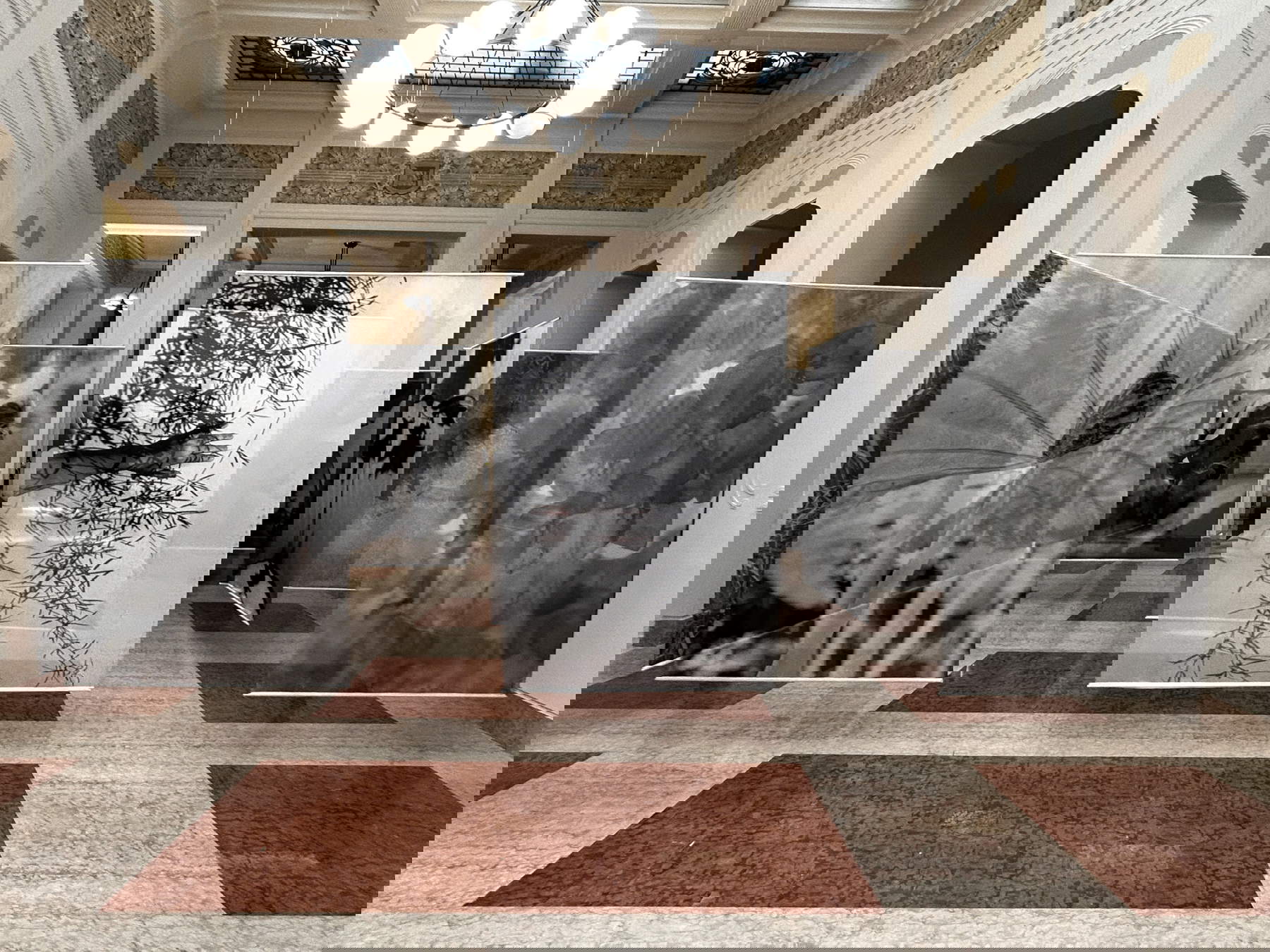
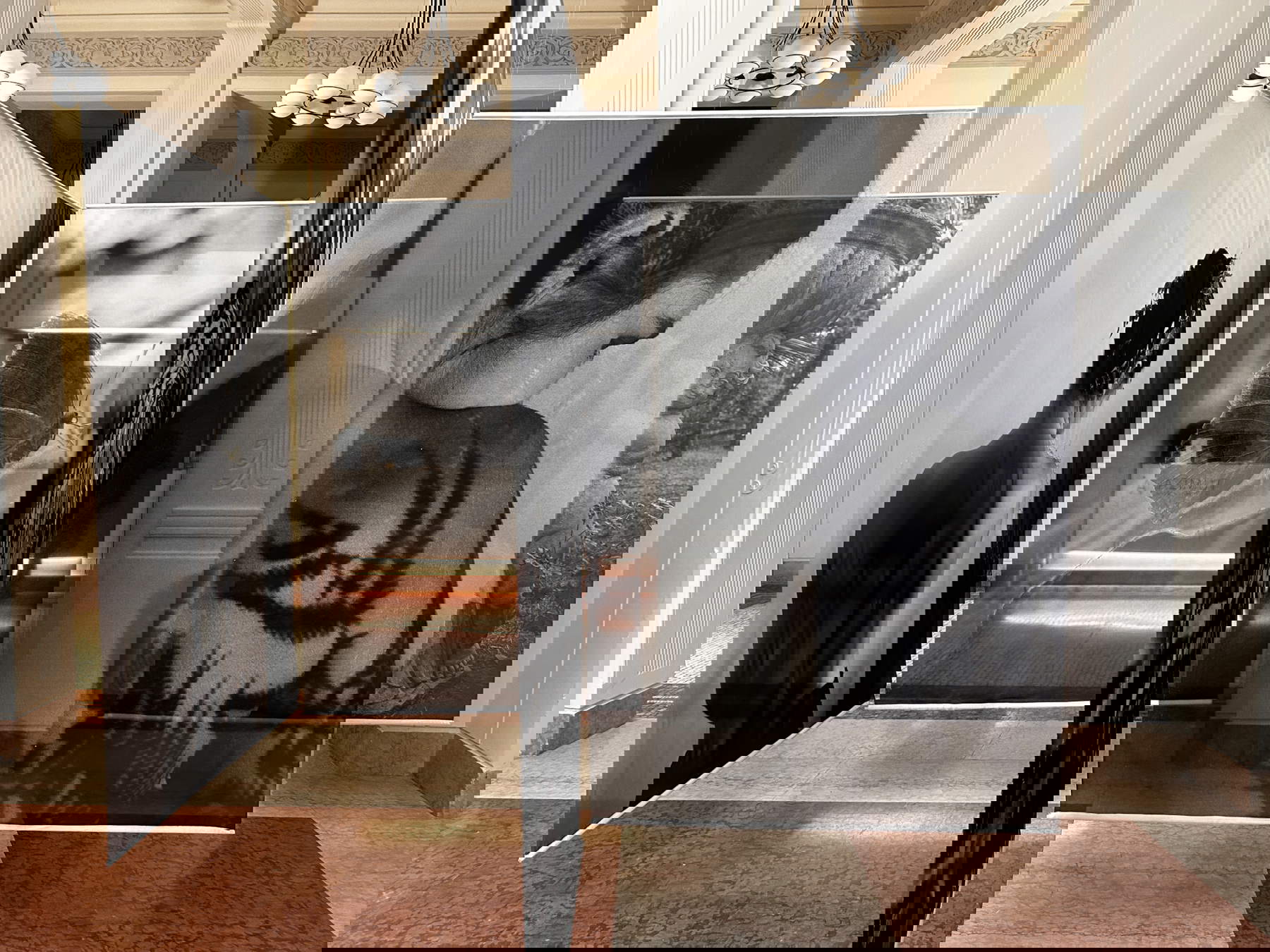
The exhibition presents seventeen photographic works, a number loaded with symbolic references: traditionally linked to hope, spiritual transformation, wish fulfillment and the immortality of the soul. Seventeen alludes to a path of evolution and inner growth, reflecting the need for change and freedom that runs through the female universe, the focus of the artist’s research.
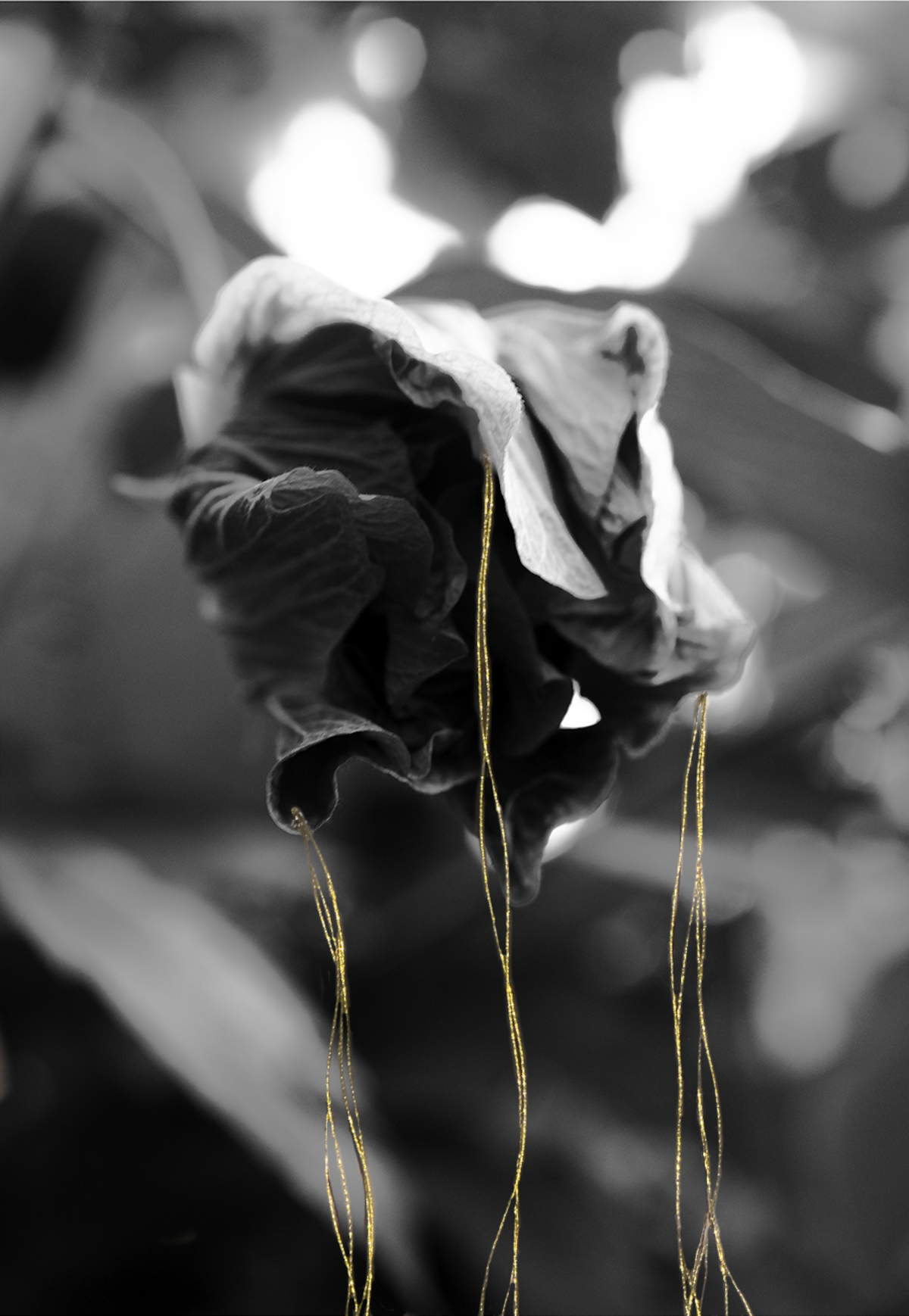
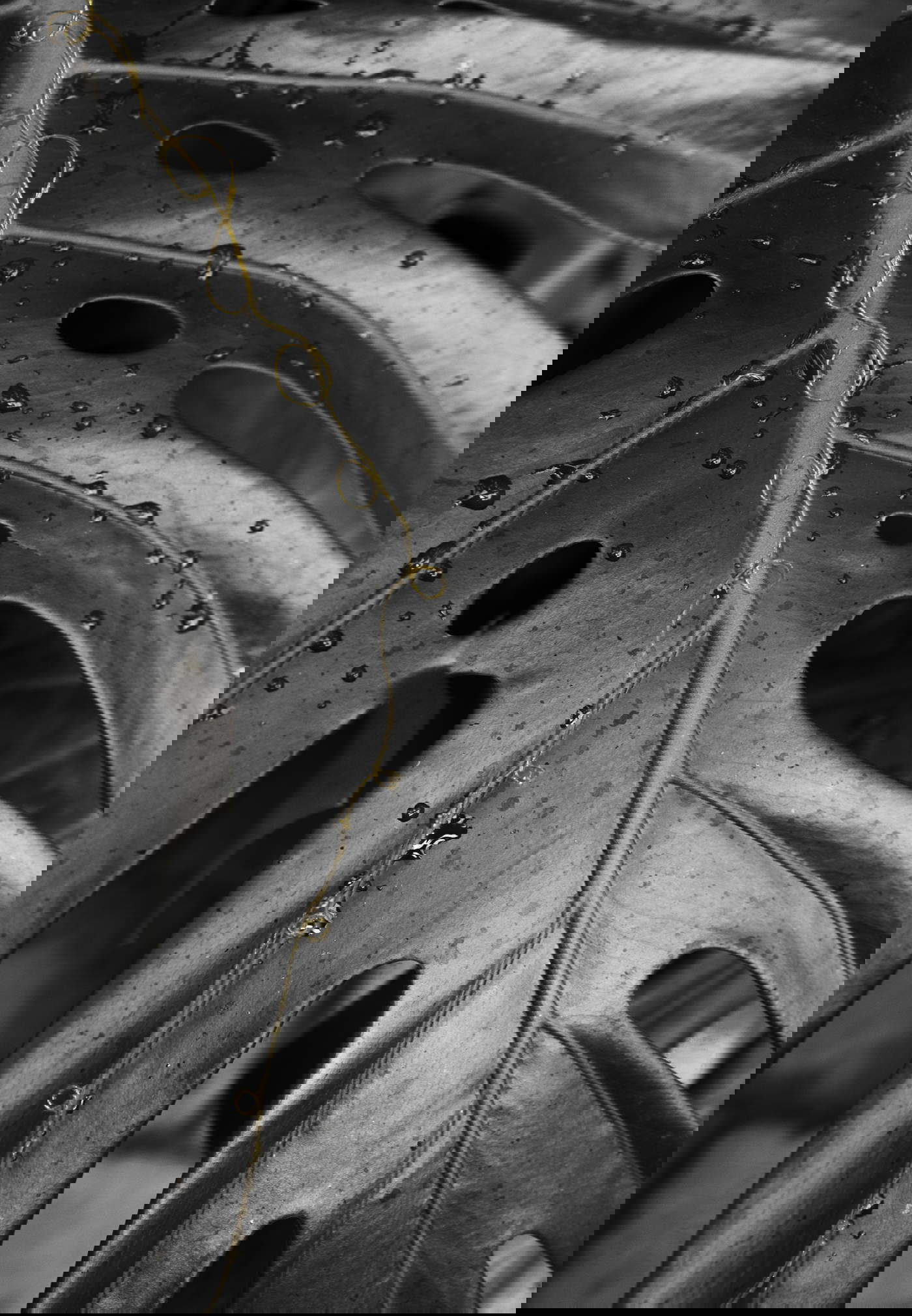
The photographs, the hallmark of Anna Caterina Masotti’s work, are printed on silk chiffon and embellished with gold Lurex embroidery, introducing subtle and precious visual counterpoints within the image.
The iconographic selection is developed around well-defined thematic nuclei. The female figures, understood as the embodiment of the woman’s soul, are interpreted by the artist’s daughter, a choice that adds a deep level of authenticity and opens up reflections on motherhood, identity and generational continuity.
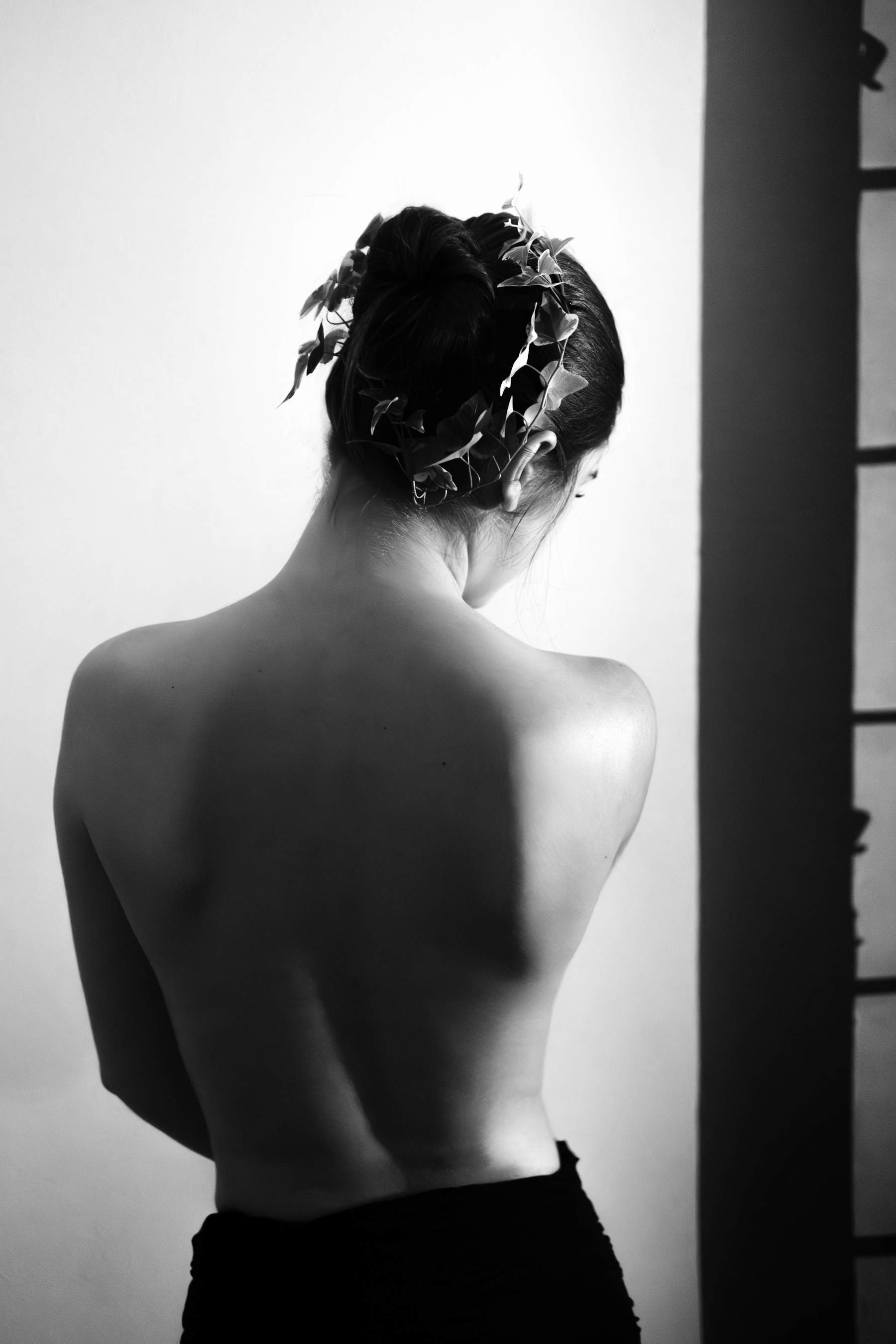
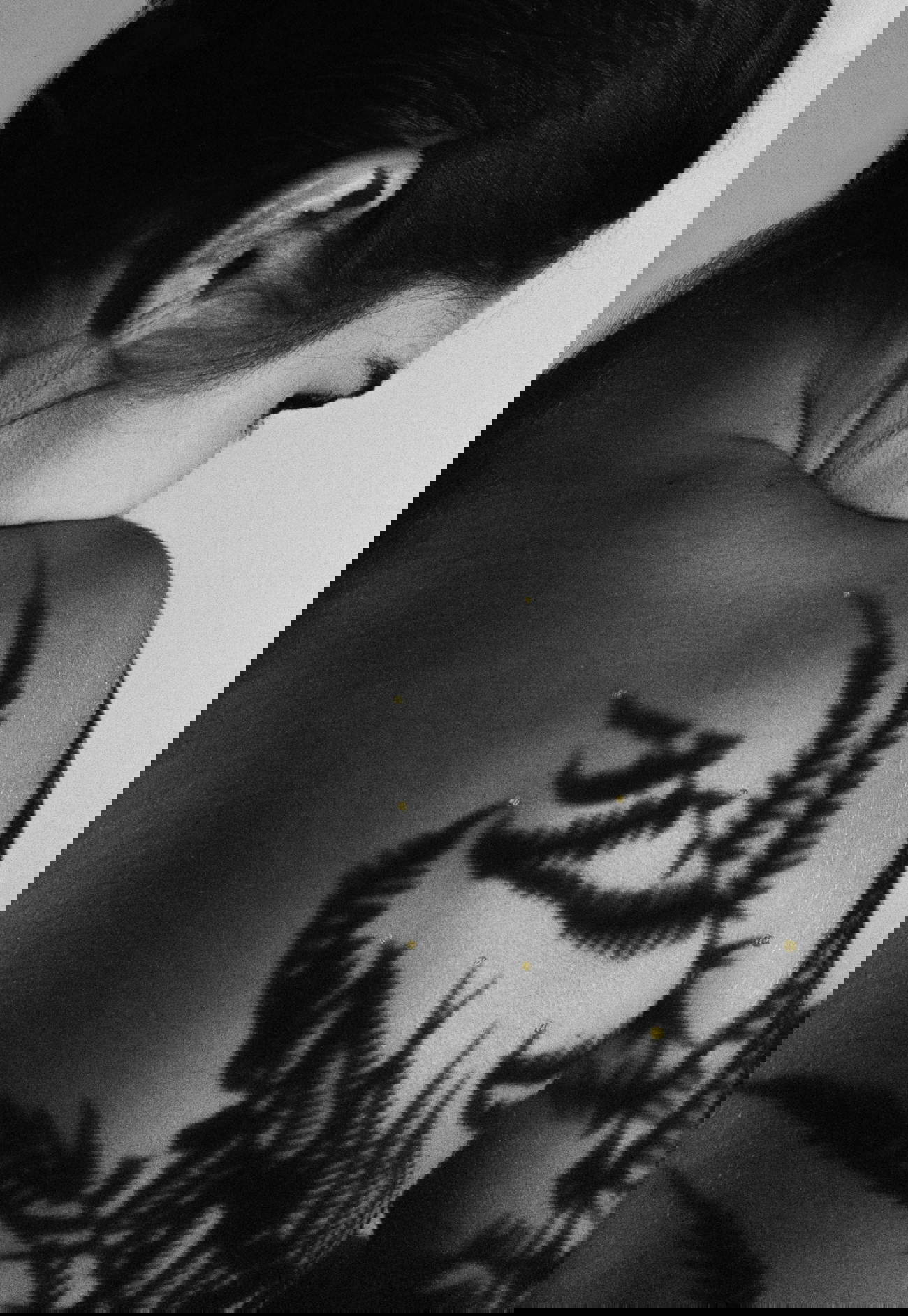
Pivotal elements of the visual narrative are the butterfly, a universal symbol of metamorphosis, rebirth and evolution of the soul, and the botanical world. The close-up details of plants such as Monstera deliciosa, papyrus and climbing ivy recall the decorative repertoire of Art Nouveau and Art Nouveau, languages that celebrate the vitality, sinuosity and generative force of nature. The shadows, which often envelop the figures, take on a pregnant symbolic value: they evoke the unconscious, the inner landscape and the unlit areas of female identity, introducing a psychological and introspective dimension that runs through the entire project.
The exhibition experience is enriched by a sensory and multimedia setup that amplifies the concept of the inner garden. In fact, a musical accompaniment has been created specifically for the project, a reworking curated by producer Giorgio Cencetti, which interweaves contemporary classical music with a sound carpet inspired by winter gardens: the chirping of birds in aviaries and the sound of rain beating on the glass surfaces of the greenhouse.
In the secondary room to the left of the entrance, a video mapping of a fountain projected on the wall introduces the element of water, a symbol of emotion, life and inner flow, while recalling the decorative splendor of historic winter gardens. Finally, the access corridor turns into an intimate passage to the unconscious: here, two installations accompany the visitor. In the background, a projection of a female shadow whispering a phrase and blinking symbolically marks the entrance to the Garden of the Soul; in the adjacent room on the right, a video mapping of windblown branches and leaves filters light as if through a stained glass window, alluding to the outside world gently brushing against the greenhouse space.
“Through fleeting details - a bare shoulder caressed by a butterfly, ivy climbing an ancient wall, skin becoming bark - a world is revealed in which each living form is an echo of the other. The body becomes landscape and nature takes on human traits. As in Mucha’s posters or Gaudi’s vegetal architecture, in my project each image becomes ornament, each fragment binds with the other in a harmonious flow of forms and sensations. Flowers that seem to whisper, fountains that open like water petals, barks that bear the marks of time: these are traces, marks left by nature on the skin of the world, and vice versa. It is not just a matter of observing, but of feeling the common beat that unites what grows, transforms, settles, breathes. An invitation to tenderness, to care, to the awareness of being part of a greater whole. In a time when the connection with nature is often broken or forgotten, I would like to suggest a beauty that does not scream, but whispers. A beauty that climbs silently like ivy, rests lightly like a butterfly, and reminds us that to live is to belong.”
Hours: 9 a.m. to 6:30 p.m. (Azimut opening hours: Saturday and Sunday closed).
Special openings:
Saturday, Feb. 7 (Art City White Night) from 10 a.m. to 1 p.m. and 5 p.m. to midnight.
Sunday, Feb. 8 from 10 a.m. to 1 p.m. and 4 p.m. to 8 p.m.
 |
| Anna Caterina Masotti returns to Bologna with her Garden of the Soul |

Warning: the translation into English of the original Italian article was created using automatic tools. We undertake to review all articles, but we do not guarantee the total absence of inaccuracies in the translation due to the program. You can find the original by clicking on the ITA button. If you find any mistake,please contact us.



























 IT
IT FR
FR DE
DE ES
ES CN
CN


