








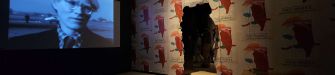
As part of the initiatives promoted by the City of Milan for Holocaust Memorial Day 2026, SEA Aeroporti di Milano presents, in collaboration with theAssociazione Figli della Shoah, the exhibition Charlotte Salomon. An artistic and human journey through the time of the Shoah, dedicated to the young Berlin-based artist of Jewish origin who was a victim of Nazi persecution, deported to Auschwitz and killed here.
The exhibition is on display from Jan. 23 to Feb. 8 in thecheck-in area ofMilan Linate Airport and was inaugurated in the presence of Armando Brunini, CEO of SEA Aeroporti di Milano, Daniela Dana, President of the Associazione Figli della Shoah, Arianna Censi, Councillor for Mobility of the Municipality of Milan, and Wiltrud Kern, Deputy Consul General of the Federal Republic of Germany in Milan. The exhibition is part of SEA’s commitment to enhance airports not only as service infrastructures, but as places open to culture, which can host projects aimed at a wide and international audience. The exhibition project stems from the collaboration between Castelvecchi Editore and theAssociazione Figli della Shoah and is made possible thanks to the kind permission of the Charlotte Salomon Foundation.
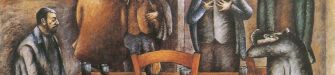
The itinerary intends to offer an intense and engaging look at the life and work of Charlotte Salomon (Berlin, 1917 - Auschwitz, 1943), highlighting the profound interweaving of personal and collective history that marked her human and artistic life. Through a selection of tempera paintings from the cycle Life? Or Theater?, visitors are guided along the milestones in the biography of the artist and his family, against the backdrop of the dramatic events that swept Europe in the 1930s and 1940s.

Born in Berlin on April 16, 1917, Charlotte Salomon found in art a total form of expression during her years of flight and exile in the south of France, between late 1938 and 1943. During this period she produced Life? Or Theater?, a monumental work consisting of 781 paintings executed in the gouache technique, accompanied by handwritten sheets and musical references. The work is conceived as a theatrical script, in which images, words and music are woven into a tale of extraordinary autobiographical power. In the intensely colored panels of Life? Or Theater? flow the memories of childhood, family events marked by a painful succession of bereavements, the gradual escalation of anti-Semitism, Nazi persecution, exile in France, the outbreak of World War II and the German occupation. Individual stories merge with major historical events, resulting in a dramatic yet vital fresco that still speaks to the present.
Charlotte Salomon did not survive this tragedy. Deported to Auschwitz on October 7, 1943, she was killed in the gas chambers, along with the five-month-old baby she was carrying. Her work remains an artistic and human testimony of exceptional value.
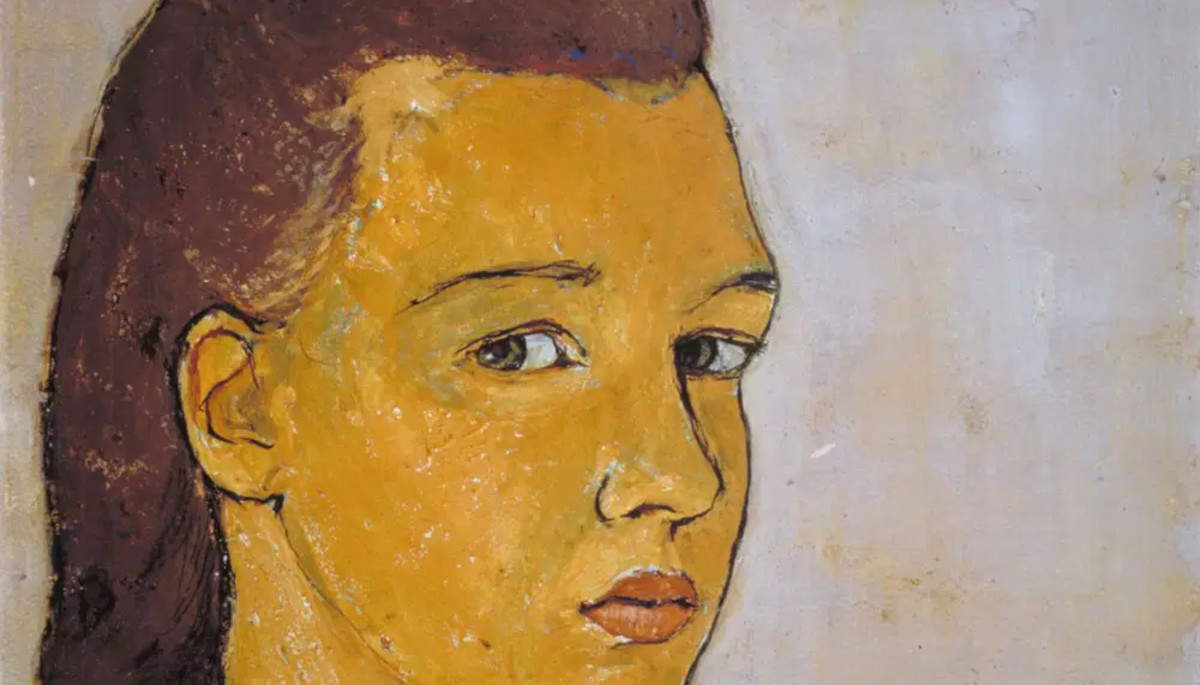 |
| At Milan Linate Airport, an exhibition tells the tragic story of Charlotte Salomon |

Warning: the translation into English of the original Italian article was created using automatic tools. We undertake to review all articles, but we do not guarantee the total absence of inaccuracies in the translation due to the program. You can find the original by clicking on the ITA button. If you find any mistake,please contact us.















 IT
IT FR
FR DE
DE ES
ES CN
CN