





Last days to see the 2026 edition of Modenantiquaria, the thirty-ninth of the event dedicated to high antiques that over time has assumed a stable role in the national and international fair calendar. Inaugurated last Friday, Feb. 6, with a convivial moment for guests, the show will continue until Feb. 15: so many red stickers are already on the stands, but there is still time for purchases for the final part of the event. Sponsored by the Associazione Antiquari d’Italia and FIMA, and also supported for this edition by Confcommercio Imprese per l’Italia, the National Tourist Board, the Emilia-Romagna Region, the Municipality and the Chamber of Commerce of Modena, it reaches a milestone that marks nearly 40 years of activity: a continuity that testifies to the sector’s ability to measure itself against a changing market without giving up its quality assumptions.
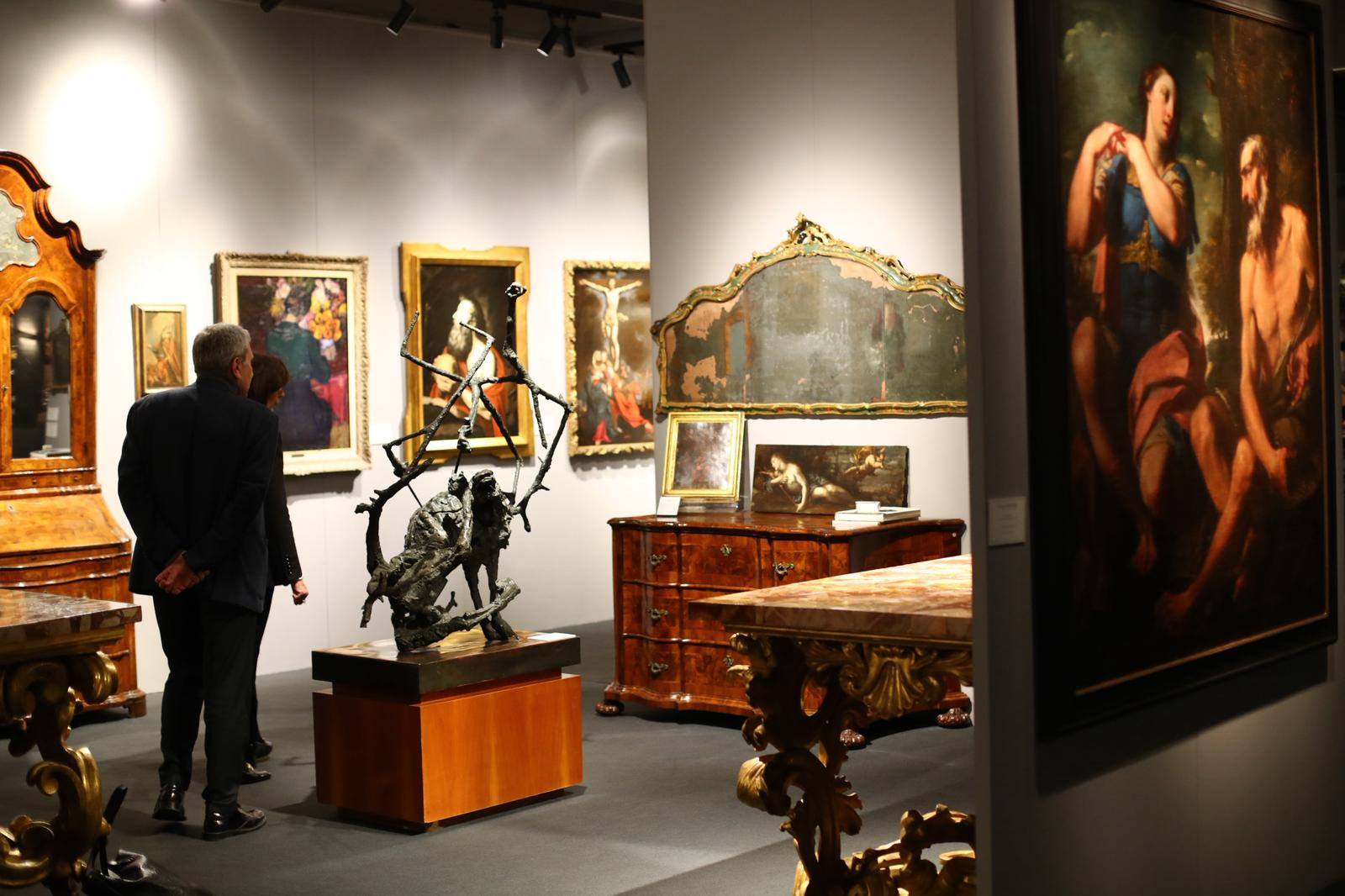
The 2026 edition also coincides with a significant change in the organizational structure: in fact, Marte S.r.l., a subsidiary of Confcommercio Modena, has taken a direct role in the management of the exhibition, with the declared intention of strengthening its economic and cultural dimension. The intent has succeeded, since this year, although with some defections compared to last year, there is the participation of some important antique dealers who, after a period of absence, are returning to exhibit with their stands at Modenafiere: so here they are again on display, among others, Lampronti, Subert, Piva, that is, some of the most illustrious names of the national high antiques. The event is completed with the collaboration with theAssociazione Antiquari d’Italia for the thematic exhibition Il Ritratto tra Sacro e Profano (Portrait between Sacred and Profane), which involved many gallery owners present with stands but also some important names who did not participate in the kermesse this year and therefore to some extent are still present at Modenantiquaria: they ranged from Giorgio Baratti to Miriam Di Penta, from Frediano Farsetti to Antonacci Lapiccirella, and even two young galleries such as Caretto&Occhinegro and Goldfinch. Each participant was called upon to present a representative work, in a path that traversed painting, sculpture, drawing, furniture and decorative arts, with a selective criterion marked by quality (and almost all the works on display in the exhibition are priced: valuable, therefore, the transparency of the organizers). The exhibition itinerary is divided as usual into a sequence of booths divided over an initial gallery and four squares, each with the names of great Emilian artists (Correggio, the Carraccis, Guido Reni, Guercino) that restore the plurality of schools and genres in a journey from the Middle Ages to the 20th century.
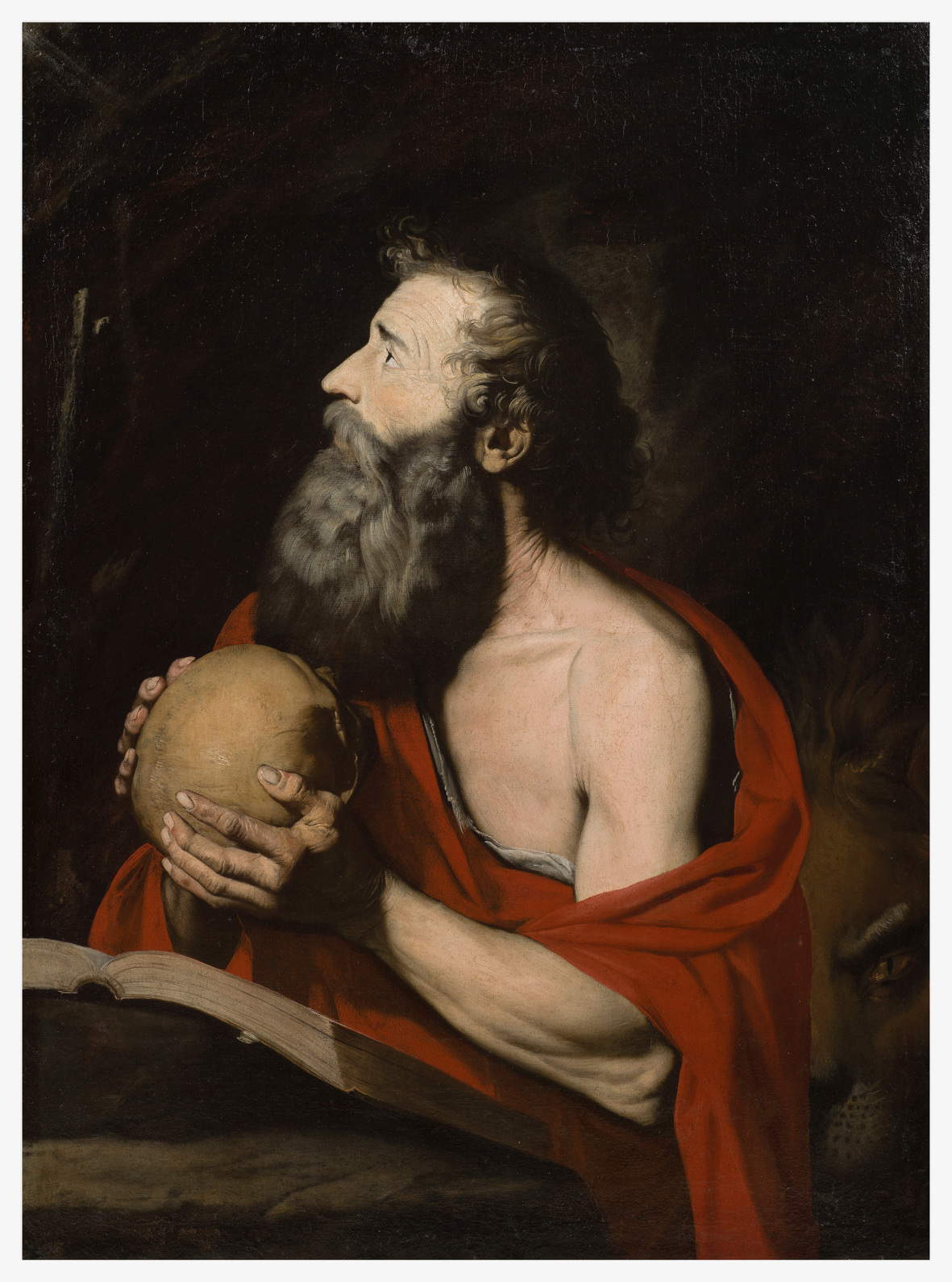
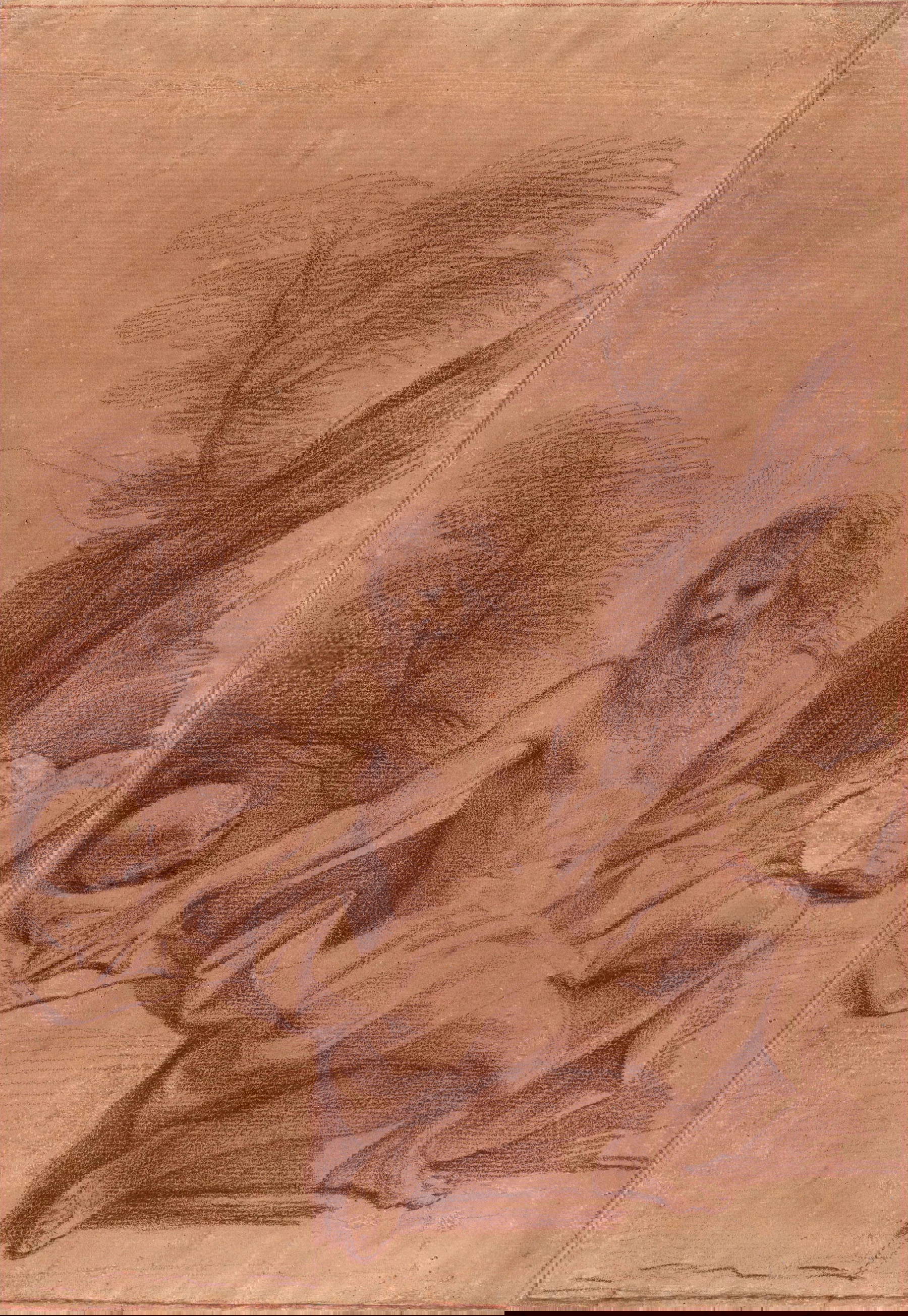
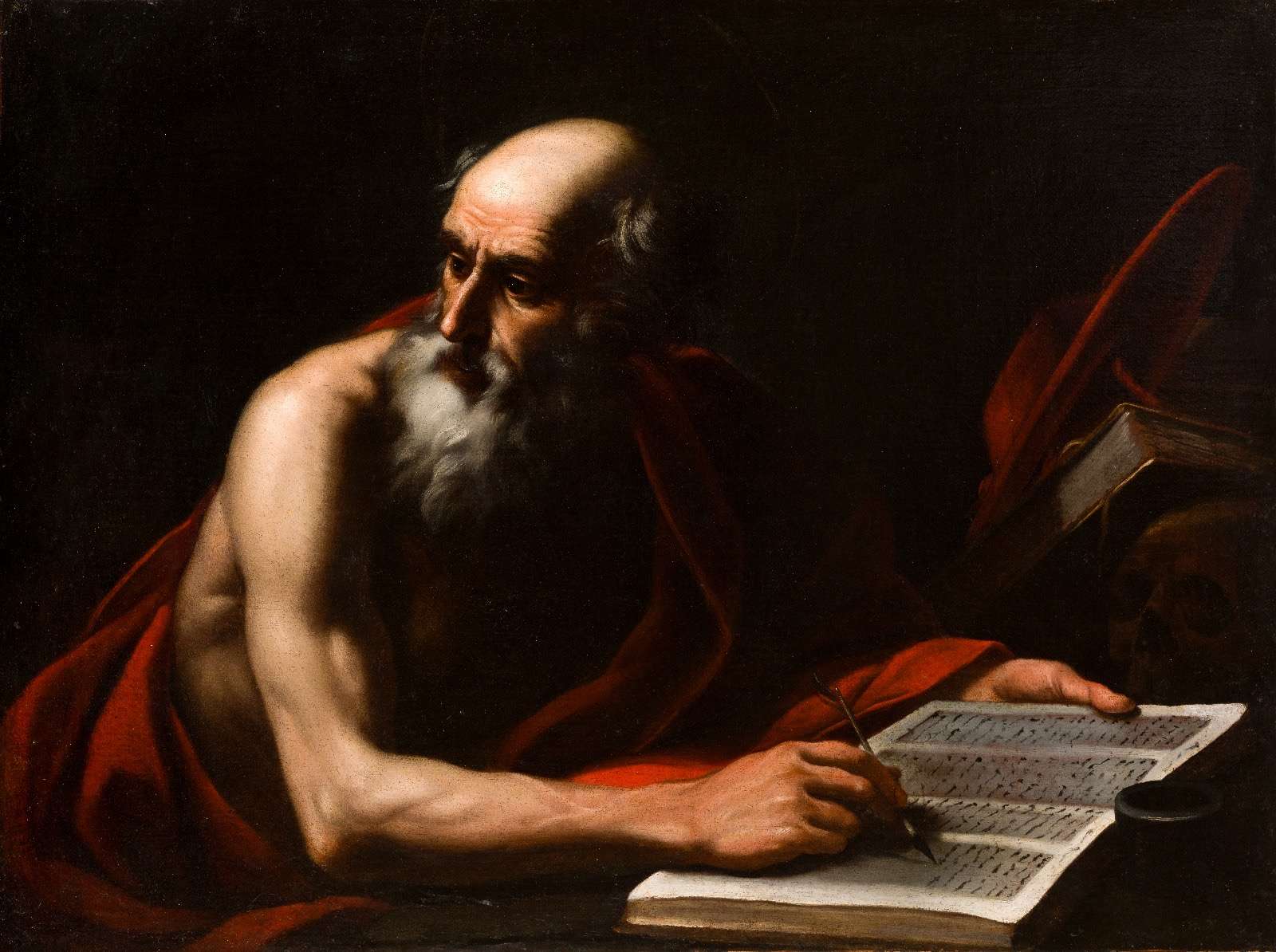
Our itinerary begins at the booth from a gallery playing at home, the Modenese Giusti Antichità, where one of the most talked-about works of this edition stands out, Giovanni Ricca’s Saint Jerome with the Lion, an oil on canvas datable to around 1643, offered at 90,000 euros. Coming from a private collection and being studied by Stefano Causa, the painting is in excellent conservation condition. The scene depicts the saint in a barely defined rocky interior, caught in the act of turning his gaze toward the top of the wooden cross while holding a skull in his hands, as if guarding it. The work is in the mature phase of the Neapolitan artist, born in 1603, among the most autonomous interpreters of Ribera’s language. Compared to the Spanish master, Ricca toned down the harsher and more textural effects, offering a more polished and thoughtful version of Ribera’s naturalism. An important work to open the exhibition, it dialogues, again from Giusti Antichità, with a San Girolamo nel deserto by Guercino, sanguine on paper, also unpublished and from a private collection, accompanied by a study by David Stone.
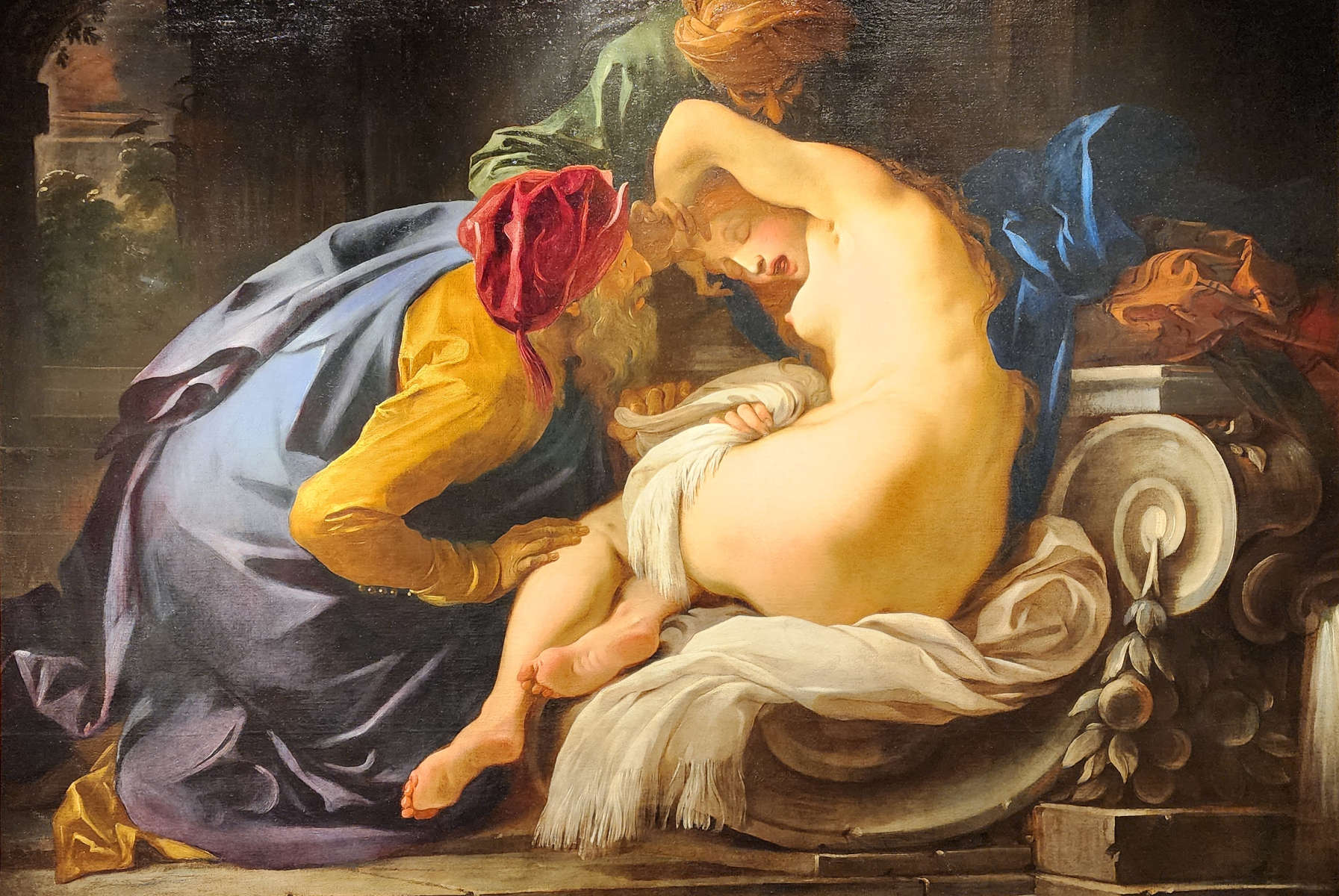
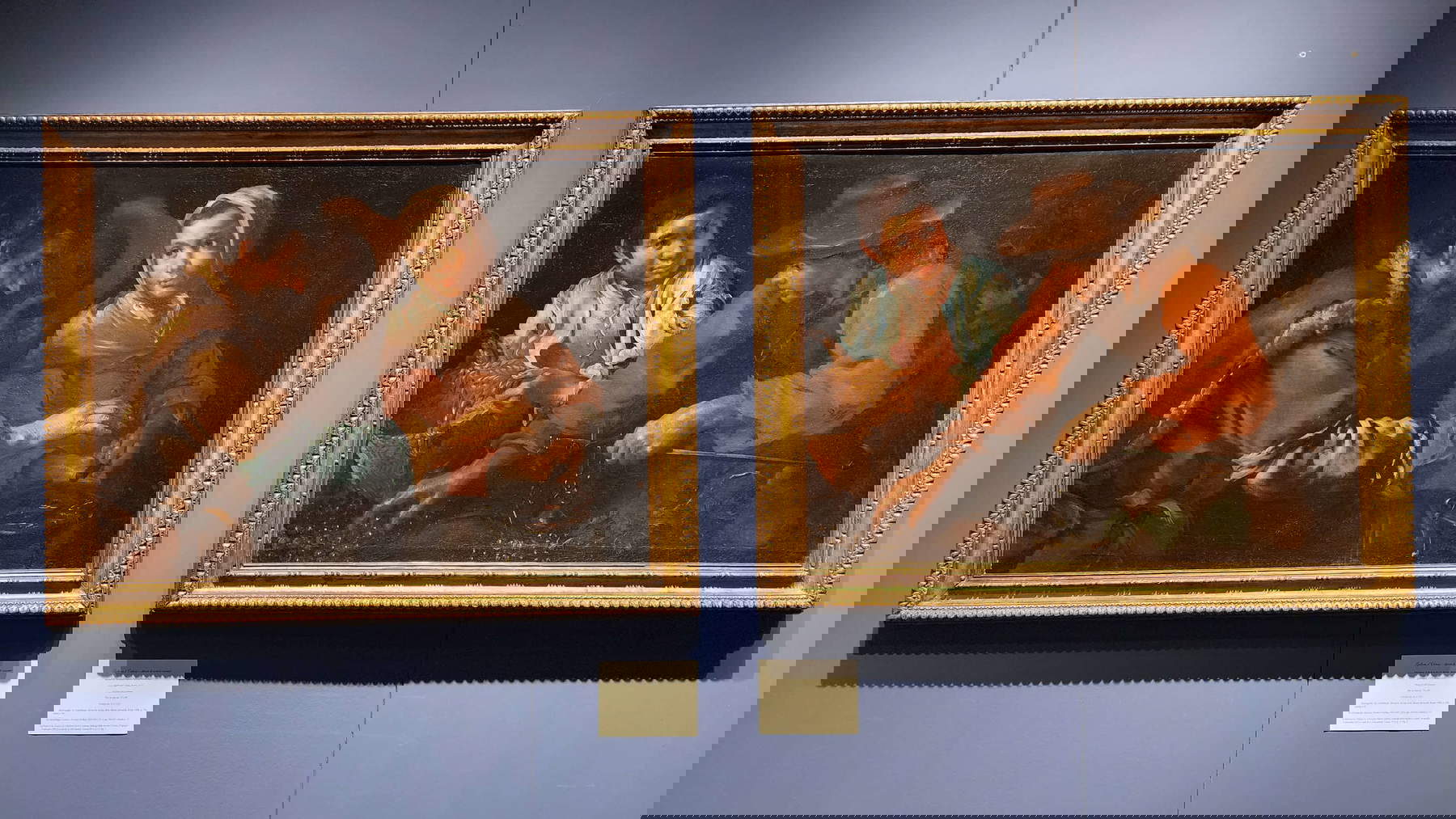
A little further on, Milani Antichità offers a pair of canvases by Florentine Pier Dandini, David with the Head of Goliath and Judith with the Head of Holofernes, offered at 55,000 euros. Published in “Tactile Values” in 2020 and passed at auction by Pandolfini in 2017, they now appear restored and accompanied by a study by Francesca Baldassarri. The two subjects are interpreted with elegant painting, characterized by vivid colors and a marked sensitivity to iridescence. Much larger in size is Louis Dorigny’s Susanna and the Old Men , oil on canvas offered at 200,000 euros. The artist, trained in France and long active between Venice and Verona, tackles the biblical episode with a theatrical direction based on the contrast between Susanna’s luminous nude and the shadowy figures of the old men. The painting, already exhibited at TEFAF in 2020 and accompanied by a study by Enrico Lucchese, is matched by a preparatory drawing kept at the Giorgio Cini Foundation and published in the catalog of the 2005 exhibition devoted to the drawings in the Fiocco collection.
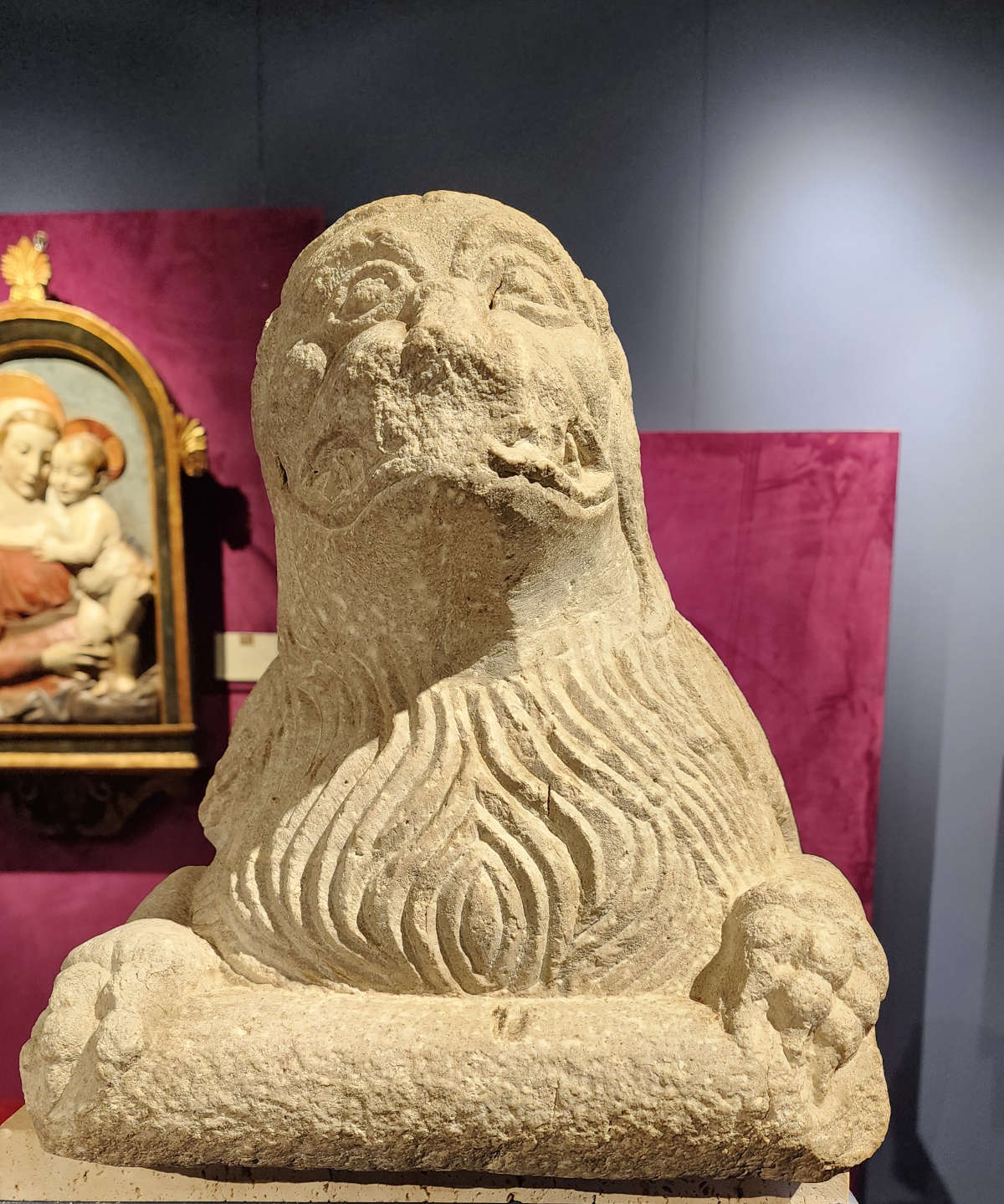
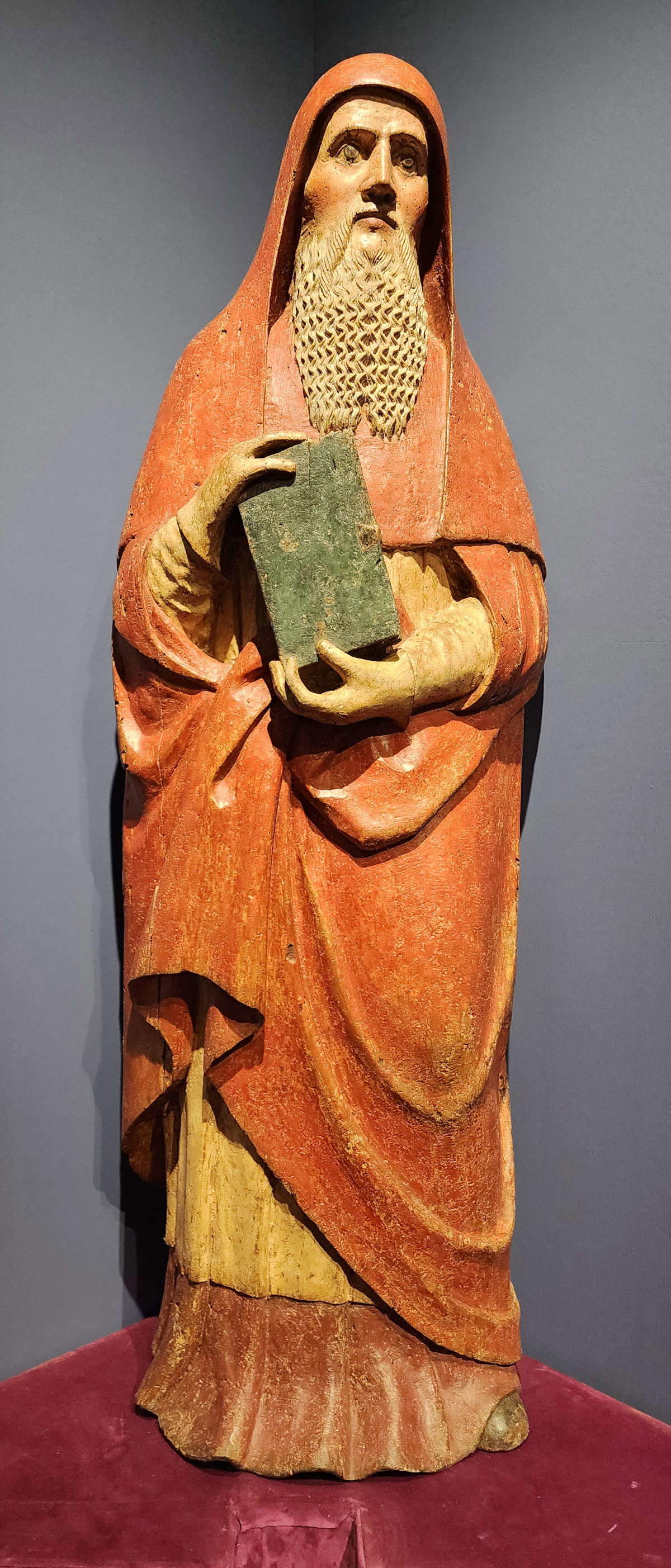
Presented at the booth of the d’Orlane Gallery in Casalmaggiore are two allegories, one of autumn and one of winter, by Eberhart Keilhau, known in Italy as Monsù Bernardo, oils on canvas offered at 45,000 euros as a pair. The works, researched by Minna Heimbürger and included in the 1988 monograph devoted to the Danish painter, are part of a series of seasons now not fully traced, and reflect the growing market interest in the “reality painting” of which Keilhau was one of the pioneers. Next door, the Santa Barbara Art Gallery ’s booth offers medieval and Renaissance sculpture: here, among the most interesting pieces, are a stone lion from the Lucca area dating to the 13th century, offered at 44,000 euros, and a polychrome wooden Saint Jerome from the Lombard area, made in the late 15th and early 16th centuries, offered at 33,000 euros. The former stands out for its volumetric synthesis and symbolic force typical of Romanesque sculpture; the latter restores the image of the hermit saint according to a type that is still Gothic, elegant and with some decorative finesse (look, for example, at the beard).
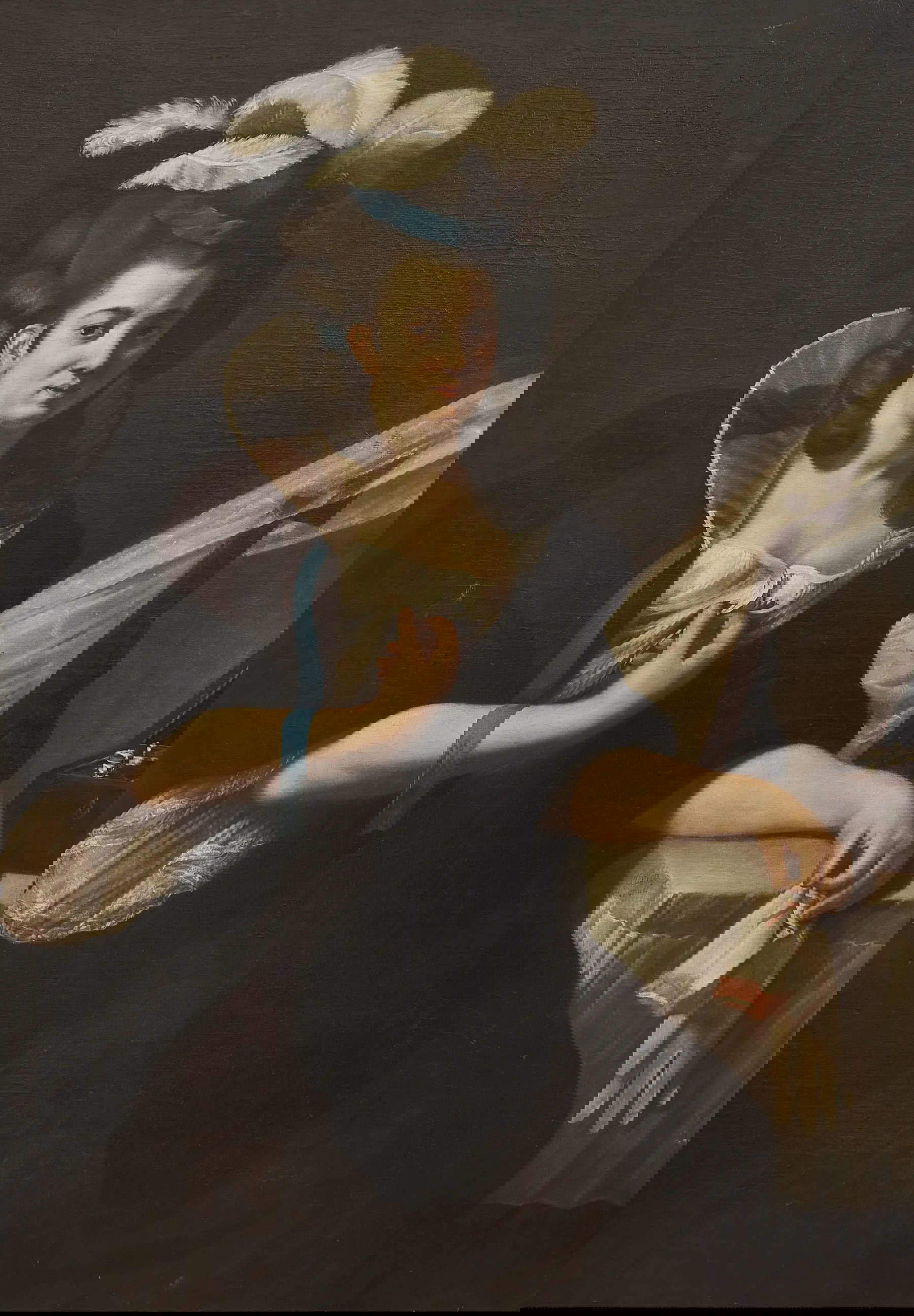
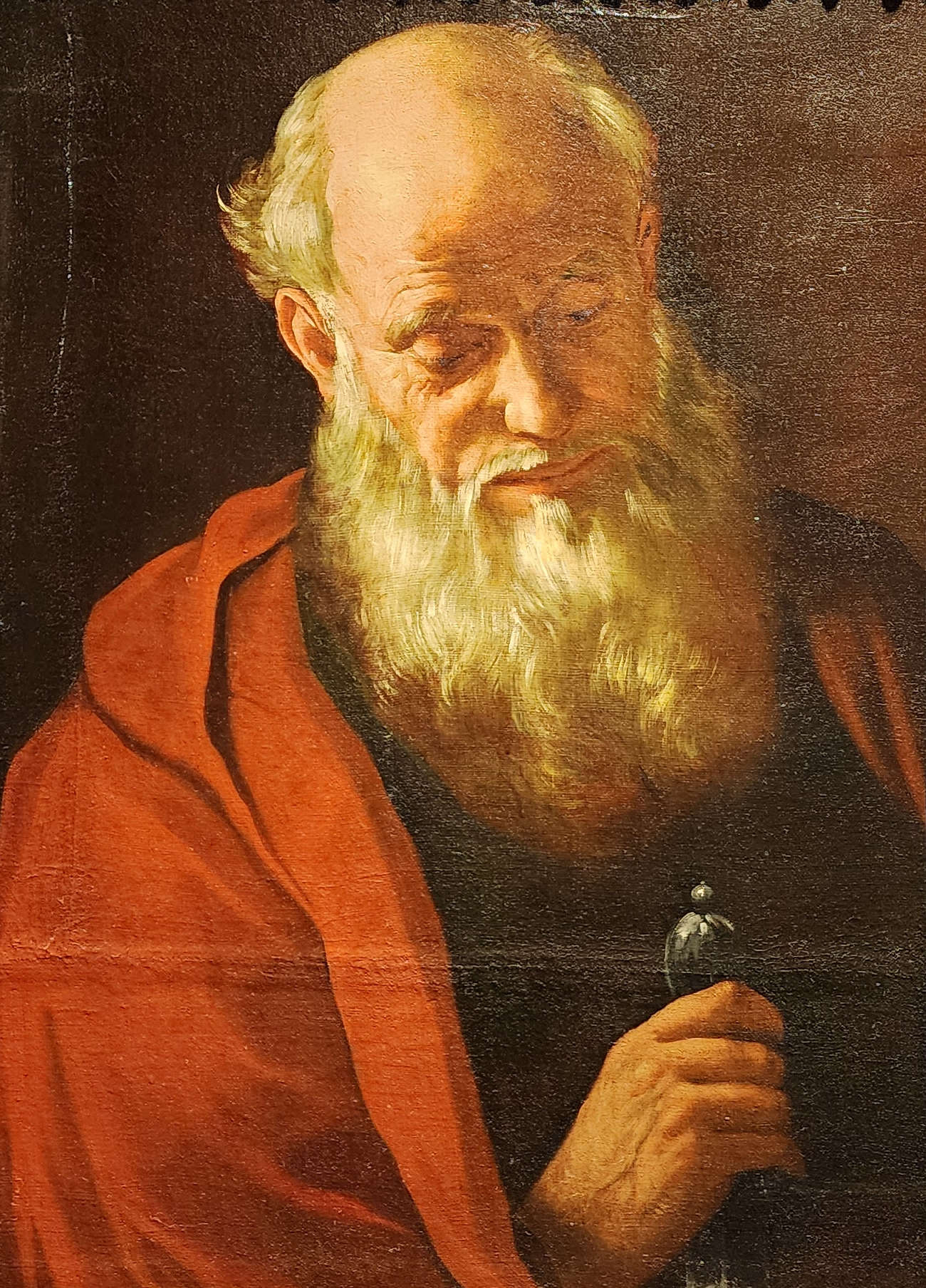
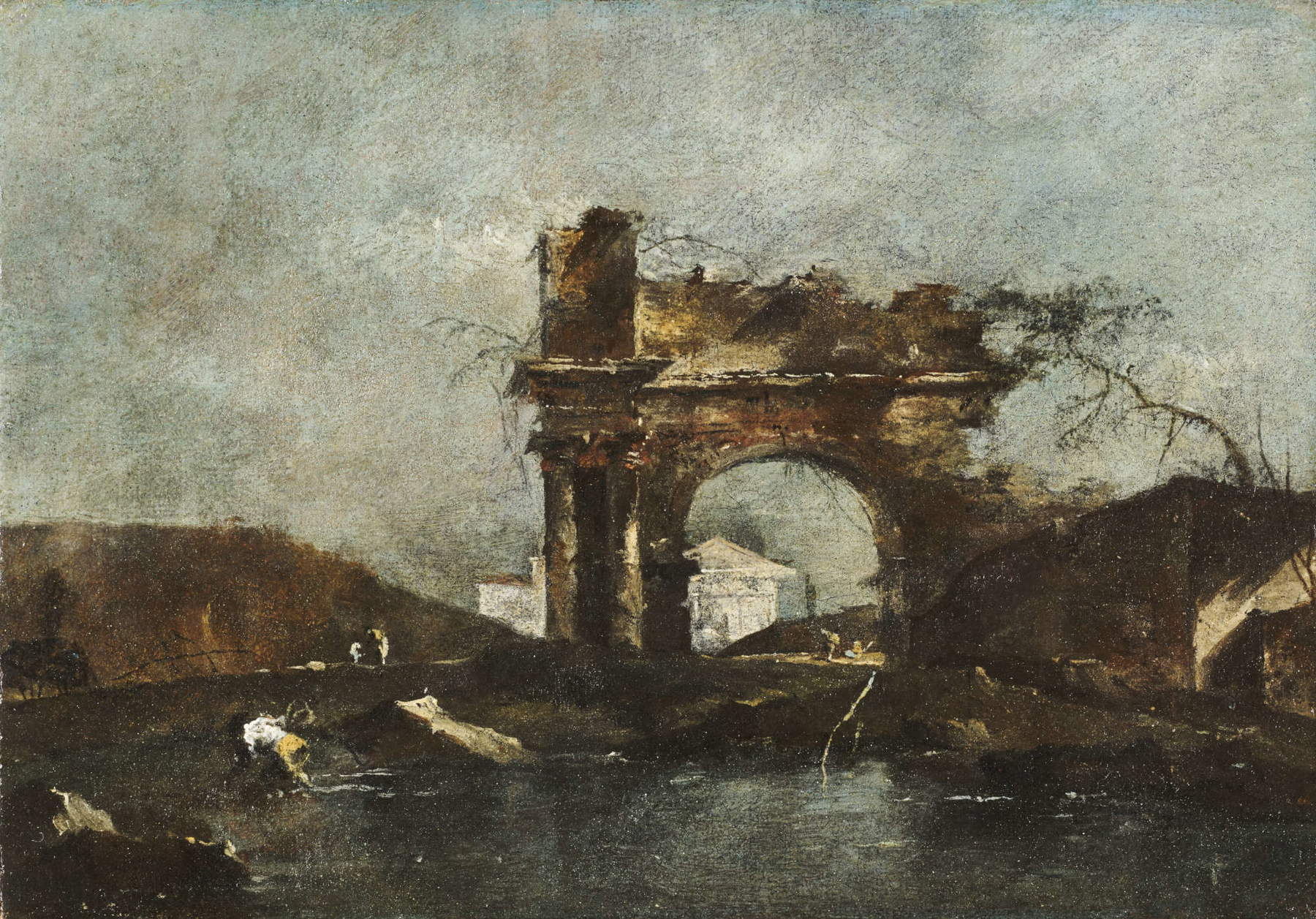
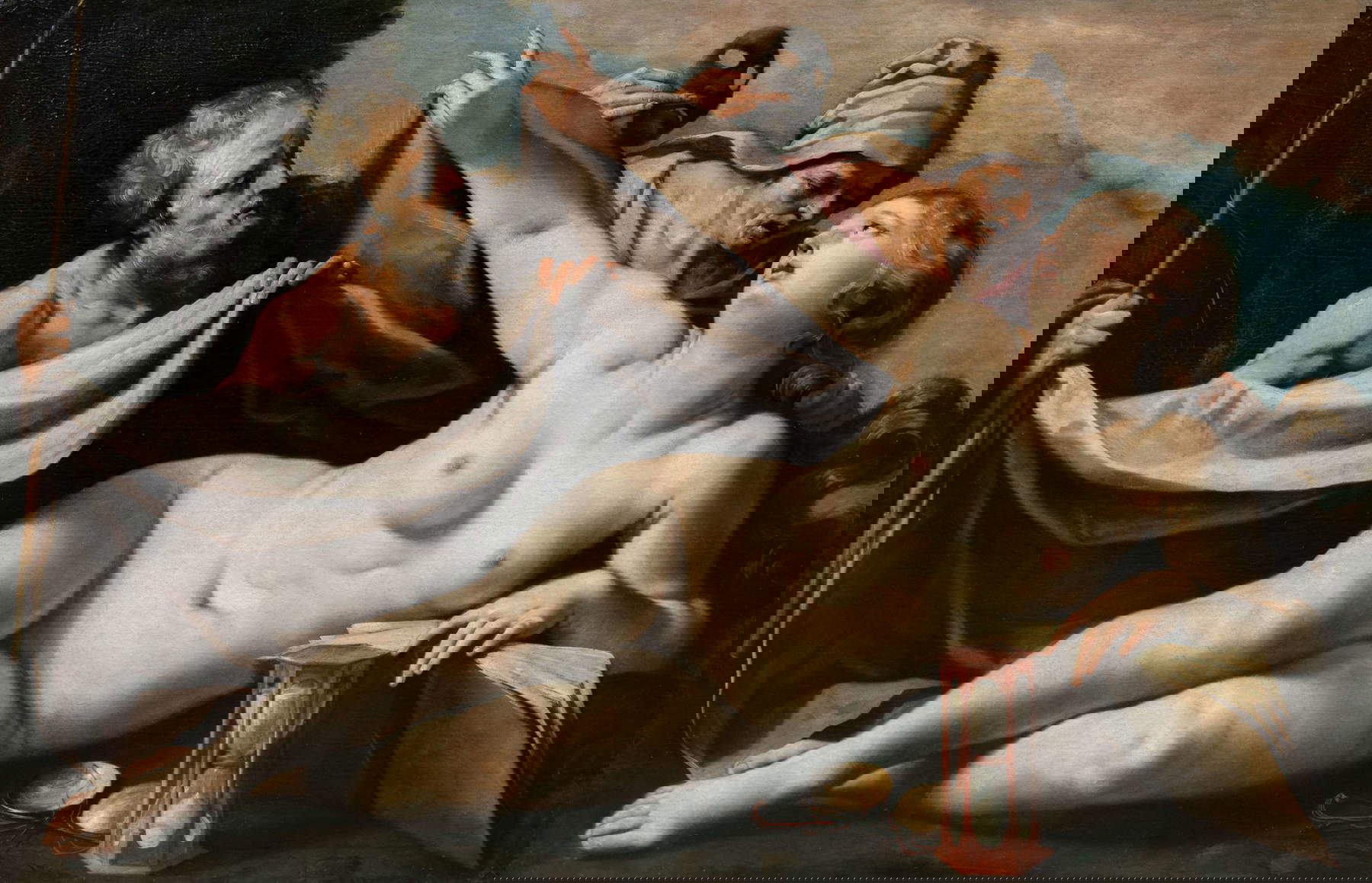
At Antiques Par Force we encounter one of the most interesting pieces in the exhibition, the Portrait of a Lady at the Dressing Table by the little-known 18th-century painter Rosa Ceroni, oil on canvas signed on the tablecloth, offered at 34,000 euros. Coming from a private collection and transited by Pandolfini in Florence, the painting showcases a female figure characterized by an accurate rendering of objects and textiles that dialogues with the Lombard portrait tradition. Alongside it, the gallery presents a St. Paul by Matthias Stom, datable between 1638 and 1645, priced at 55,000 euros, accompanied by a card by Yuri Primarosa. The work is part of the mature production of the Dutch-born master active in Italy, with a Caravaggio-like luministic construction that isolates the figure of the saint in a dark background, focusing on psychological intensity. In the booth next door, Udine gallery Viezzi Arte brings together, like so many of its colleagues, paintings from different eras. To be viewed carefully, Francesco Guardi’s Capriccio architettonico con arco e tempietto, offered at 50,000 euros, is accompanied by an oral confirmation by Charles Beddington. The small canvas concentrates the Venetian painter’s scenic imagination in a collected format, with fanciful architecture bathed in vibrant atmospheric light. Of an entirely different scale is The Truth Discovered by Time by Luca da Reggio, aka Luca Ferrari, offered at 90,000 euros. The work boasts a provenance that dates back to the Counts Gotti of Padua from the 17th century and the Counts Cornero of Asti from the 19th century; it is published in Massimo Pirondini’s 1999 monograph and accompanied by a critical record compiled by the same scholar in 2025. The allegorical composition, set on a dynamic interweaving of figures, reflects the Emilian culture of the mid-seventeenth century: singular is the fact that the model is the artist’s wife, Elisabetta. The work, Pirondini says, restores a sense of the naturalness of an artist who, having emerged from his youthful phase, had achieved full mastery of his expressive language, in the manner of an “Emilian at large who accepts some Venetian idioms.”
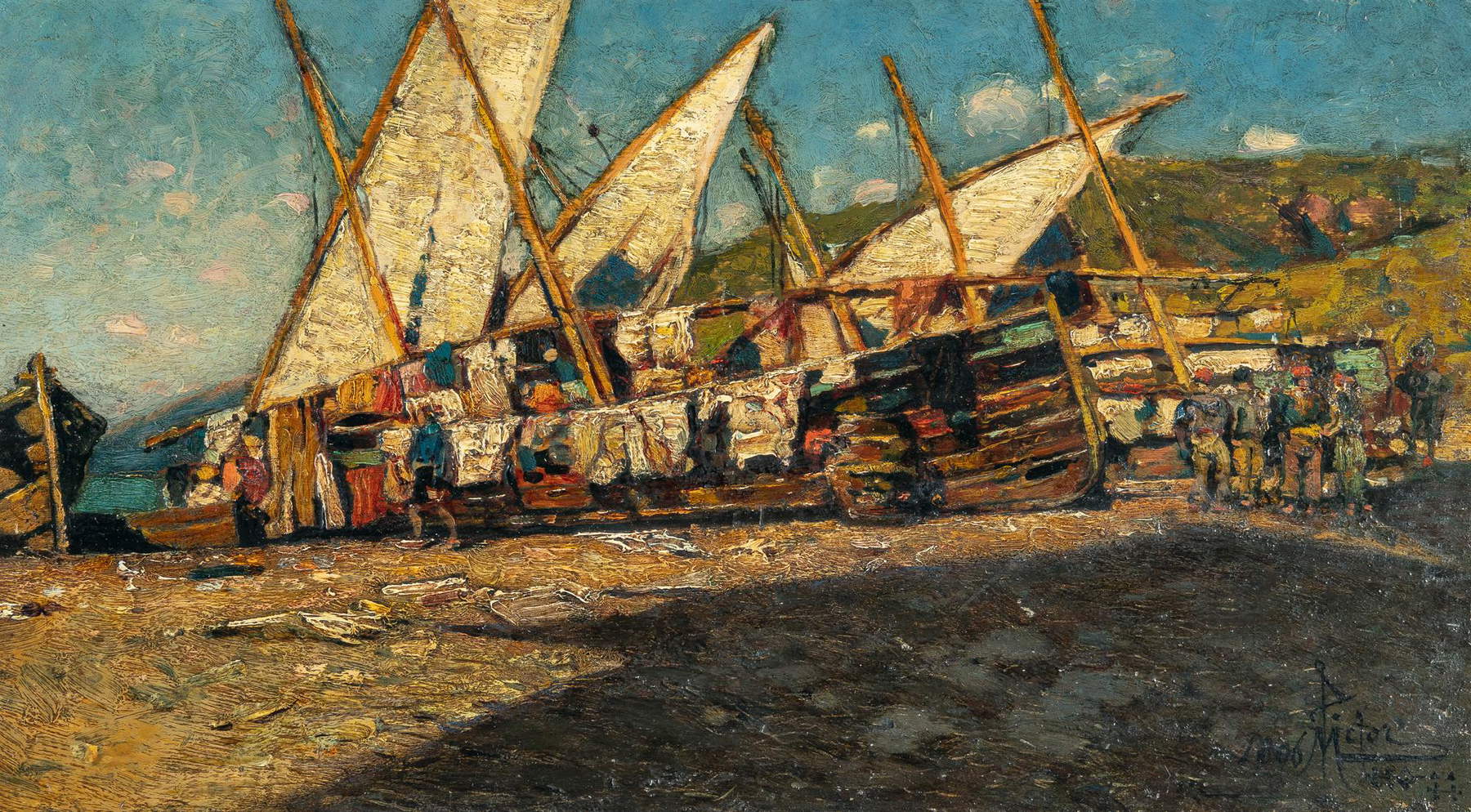
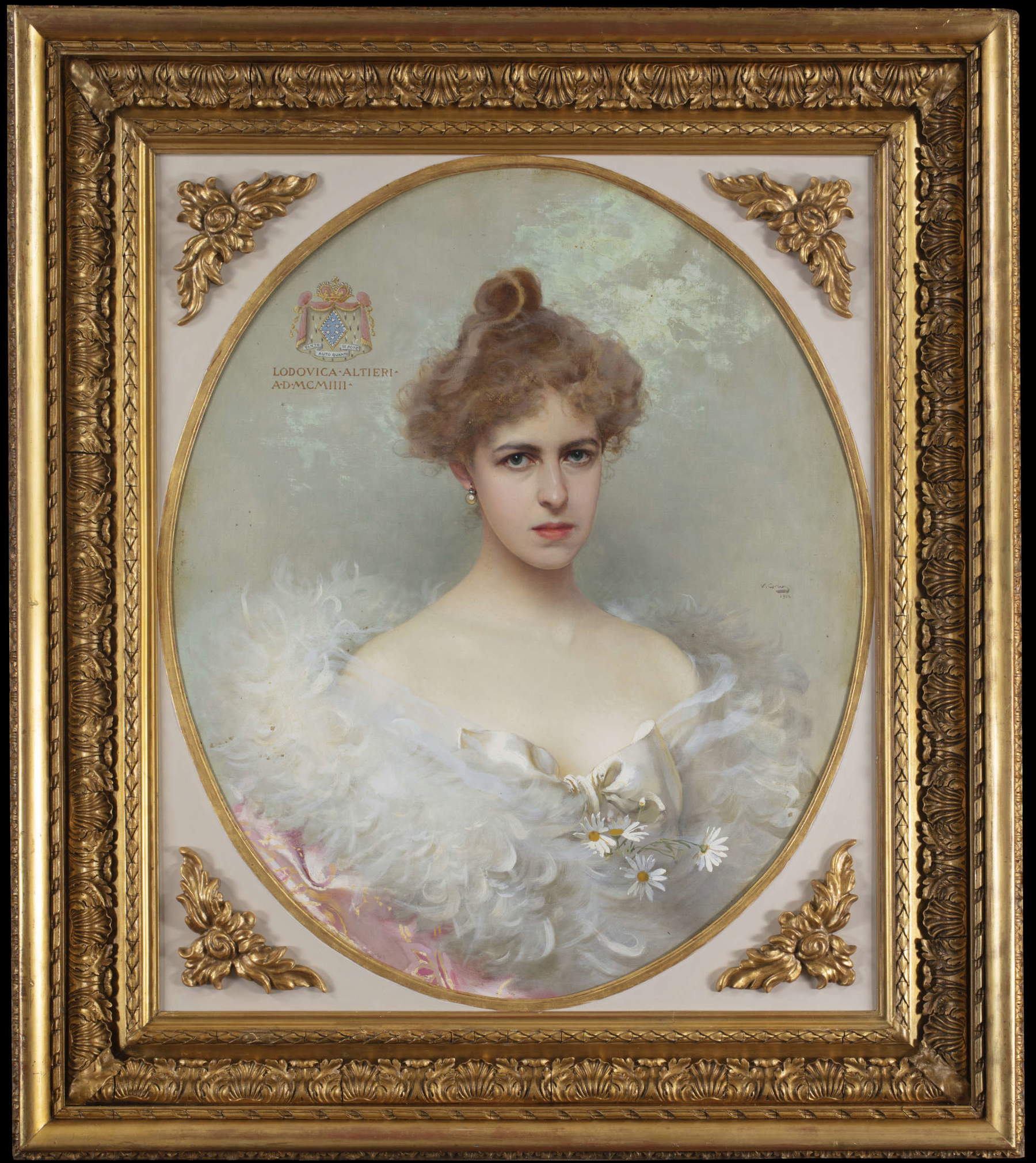
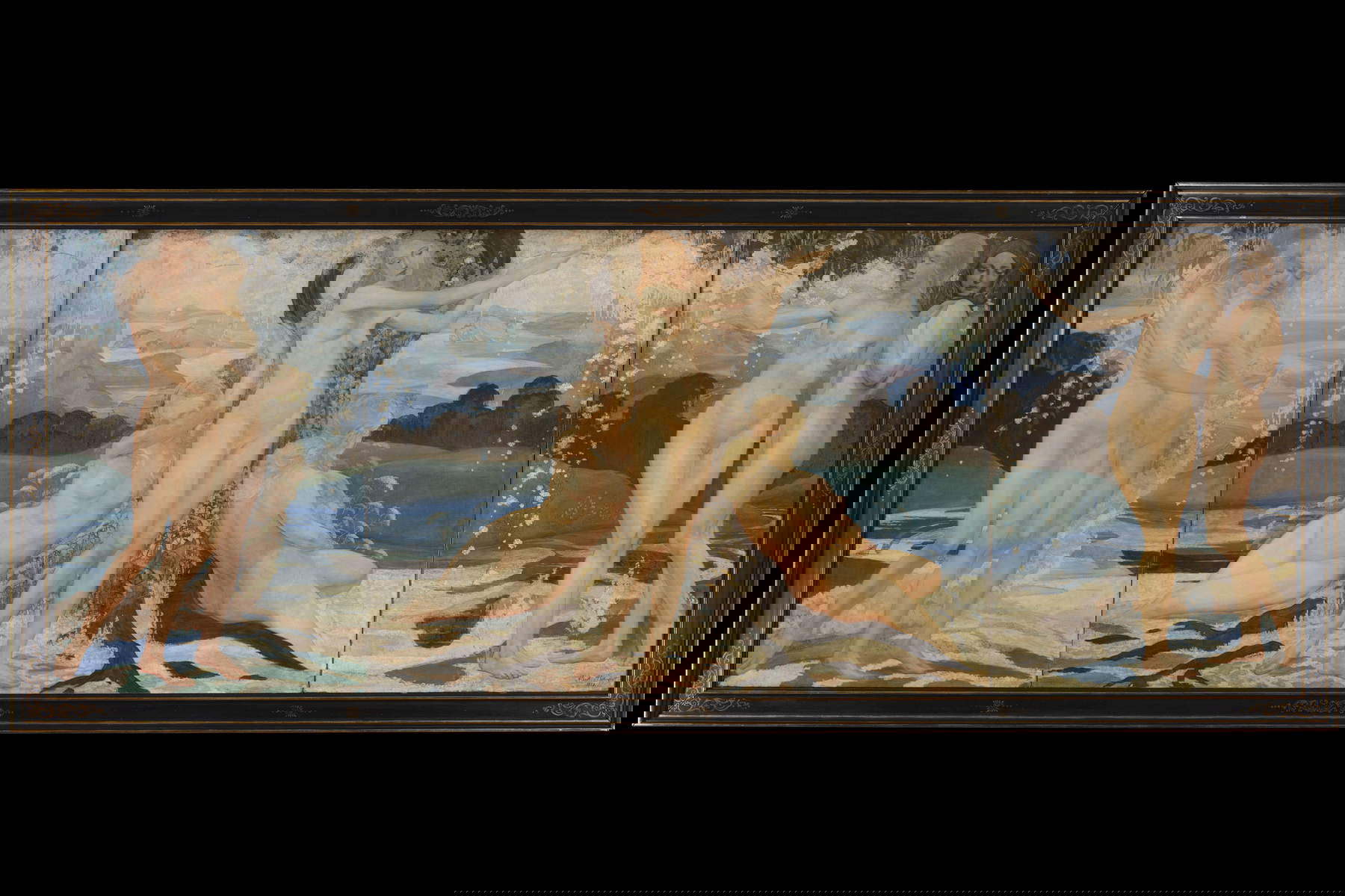
The Caminetto Art Gallery broadens the chronological span to the twentieth century with The Conductor by Guglielmo Sansoni, known as Tato, offered at 20,000 euros, and Marina in Sestri Levante (1916) by Mario De Maria, offered at 11,000 euros. In the former case, interest focuses on a vision linked to futurist and post-futurist research; in the latter, the marine view, characterized by a bright luminosity, restores a suspended and lyrical atmosphere, in line with the symbolist sensibility of the Bolognese artist. Also fishing between the 19th and 20th centuries is Phidias Antiques, Modern & Contemporary Art: Vittorio Matteo Corcos’ Portrait of Donna Ludovica Altieri , dated 1904 (85.5 x 71 cm), is presented at 75,000 euros. Signed and published in the catalog of the exhibition Corcos. I sogni della Belle Époque held in Padua in 2014, the painting depicts the young Lodovica Altieri on the occasion of her marriage to Margherito Guidotti. Corcos builds the image of the young woman with a light, cool palette, playing on pearly hues that match her complexion and snow-white dress, adorned with a white bow and a bouquet of daisies. The psychological focus is captured in the gaze, in which a barely noticeable restlessness shines through. Also on display at Phidias is Albert Philippot’s Les Baigneuses (1922), a large triptych on three canvases totaling 151 x 401 cm, offered at 90,000 euros. Signed, the work represents an example of monumental decorative painting from the 1920s, with female nudes immersed in an Art Nouveau seascape. The figures, almost life-size, stand out against a two-dimensional background with sharp contours, with obvious references to Japanese graphics and the Botticelli tradition.
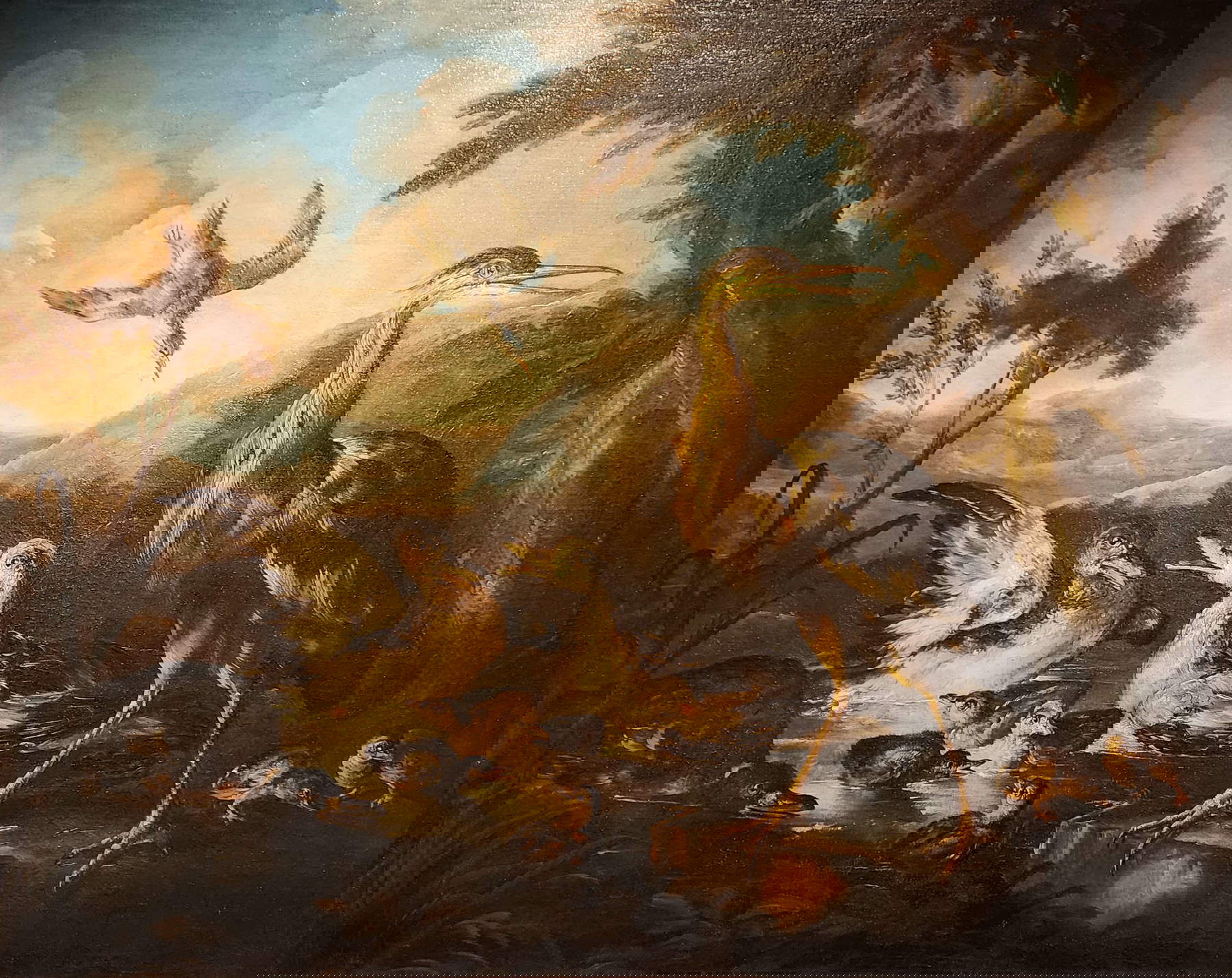
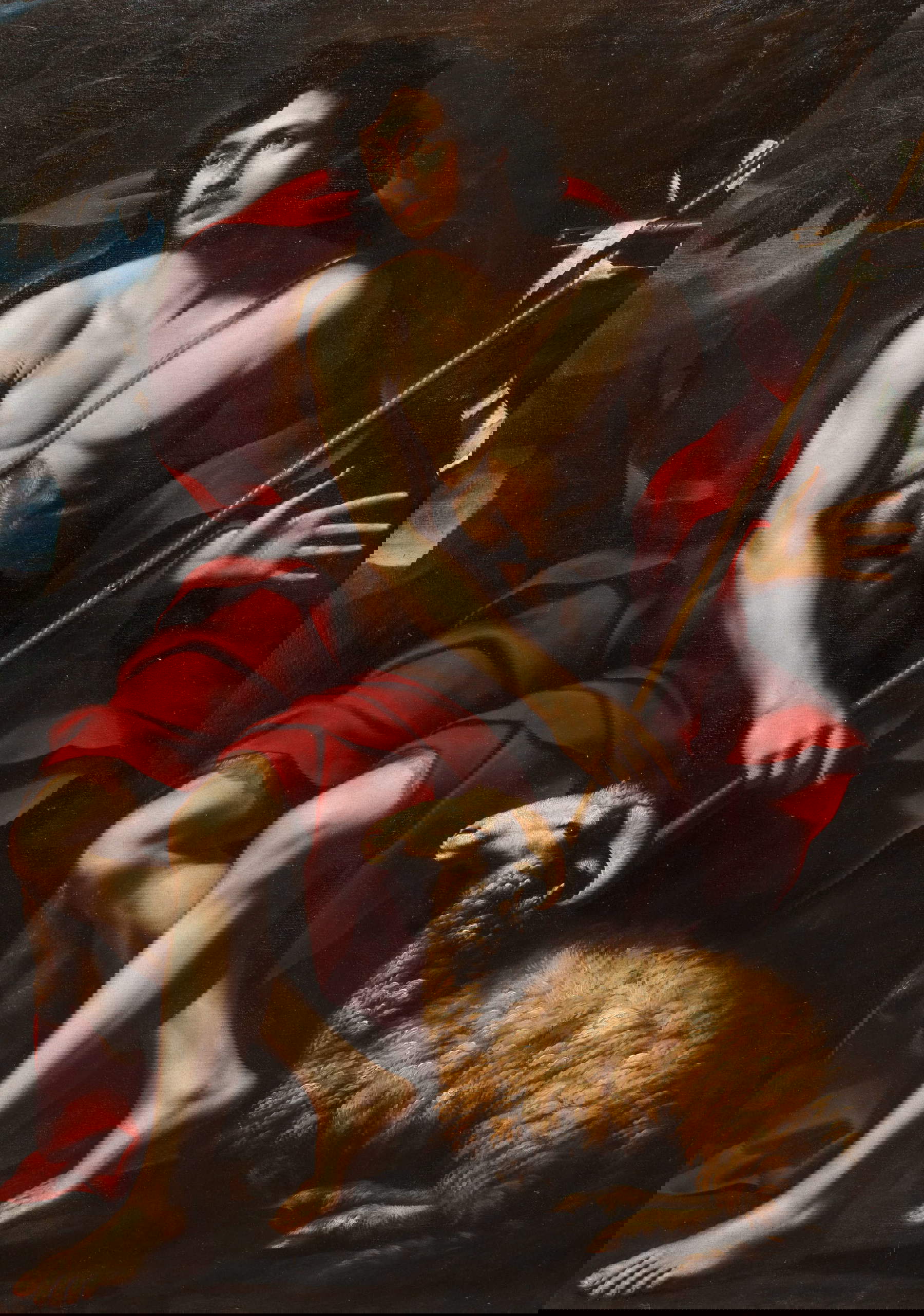
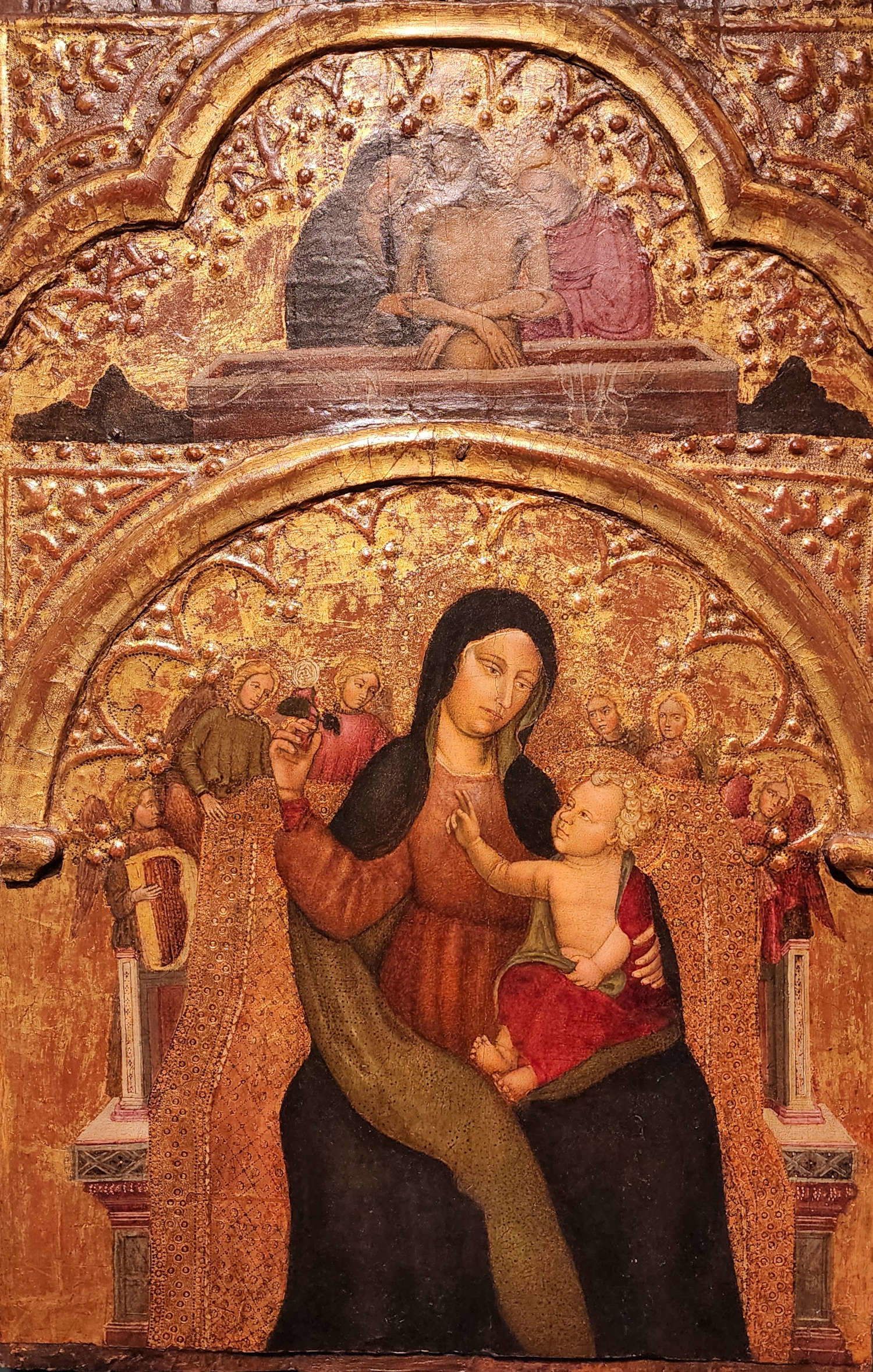
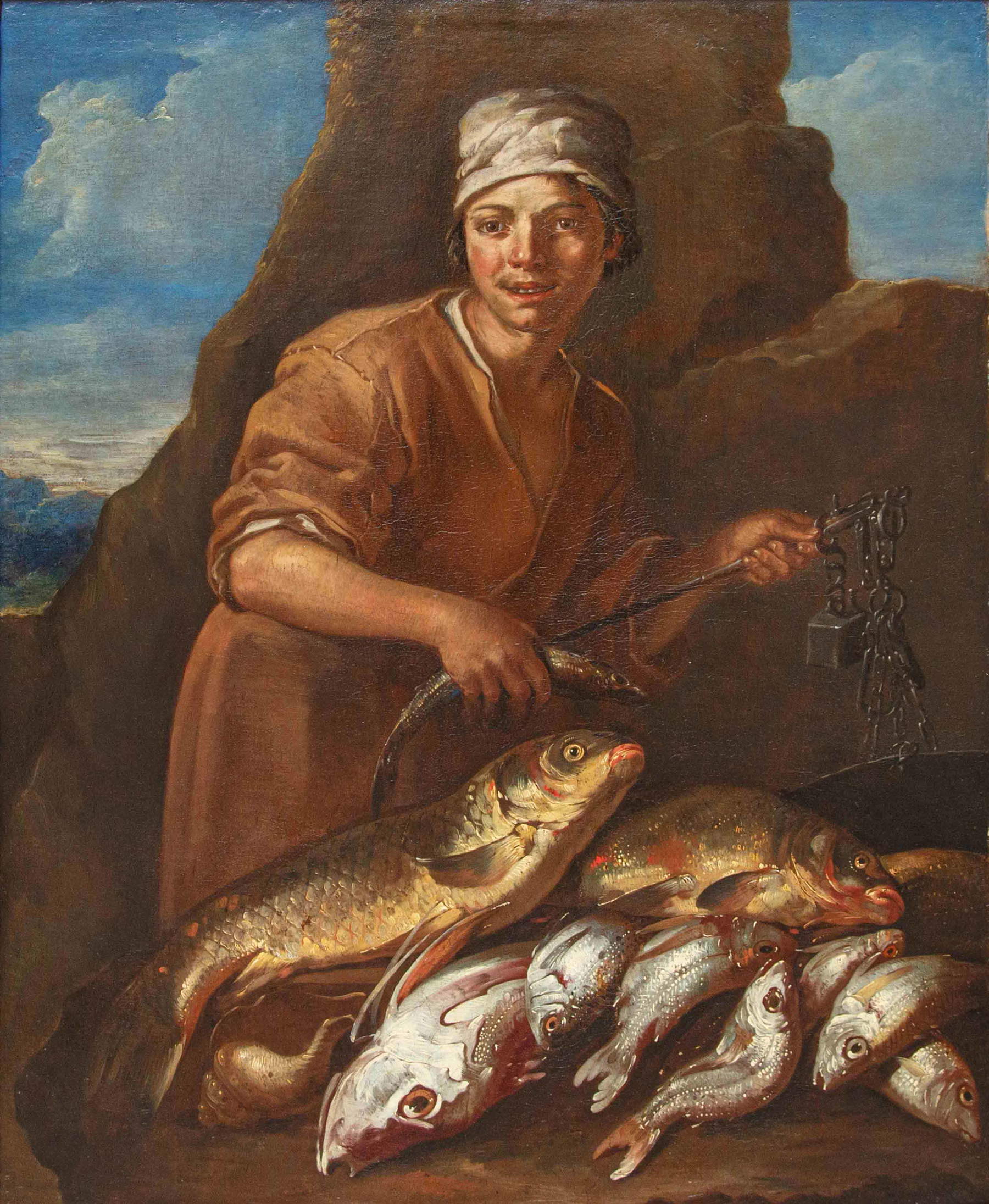
We continue with the stand of Brescia-based Antichità La Pieve, where a pair of canvases by Giovanni Crivelli known as Crivellino, Fish and Crustaceans on a Rock and Marsh Birds in a Pond, stand out, offered at between 25,000 and 35,000 euros each. The two animal scenes, marked by accurate descriptions of species, testify to the genre’s fortunes in 18th-century Lombardy. At the nearby Ars Antiqua booth is a St. John the Baptist in the Desert by an artist studied by Massimo Pulini and recently renamed by him as “Maestro degli Armenti,” formerly known as Pseudo Salini or Maestro della Flagellazione Lampronti, offered at 36,000 euros. The figure of the saint, elongated and set in a twisting pose, is accompanied by a ram and a reed transformed into a cross. The work, which can be placed in the 1760s, reflects a figurative culture of Roman circles updated on second-generation Caravaggesque experiences, with affinities toward Gregorio Preti. Also on display from Ars Antiqua is Zanino di Pietro’s Madonna and Child Enthroned with Angels and Deposition, tempera on panel, offered at 34,000 euros and accompanied by a card by Mauro Minardi. The panel, articulated on two superimposed registers, presents in the lower part the Virgin and Child in front of a punched gold background, while the upper register depicts a Pietà. The work, probably part of a dismembered polyptych, testifies to the mature phase of the master active between the 14th and 15th centuries, with a language that combines Gothic elegance and Venetian sensibility. Also worth seeing is another evidence of interest in reality painting, Giacomo Francesco Cipper’s Young Fishmonger, offered at 16,000 euros. The painting depicts a young man intent on weighing his catch, with a still life of fish in the foreground rendered with naturalistic minuteness. The figure, monumental and frontal, emerges against a barely noticeable background, in keeping with the artist’s mature production, which is characterized by a focus on popular subjects and the textural texture of the painting.
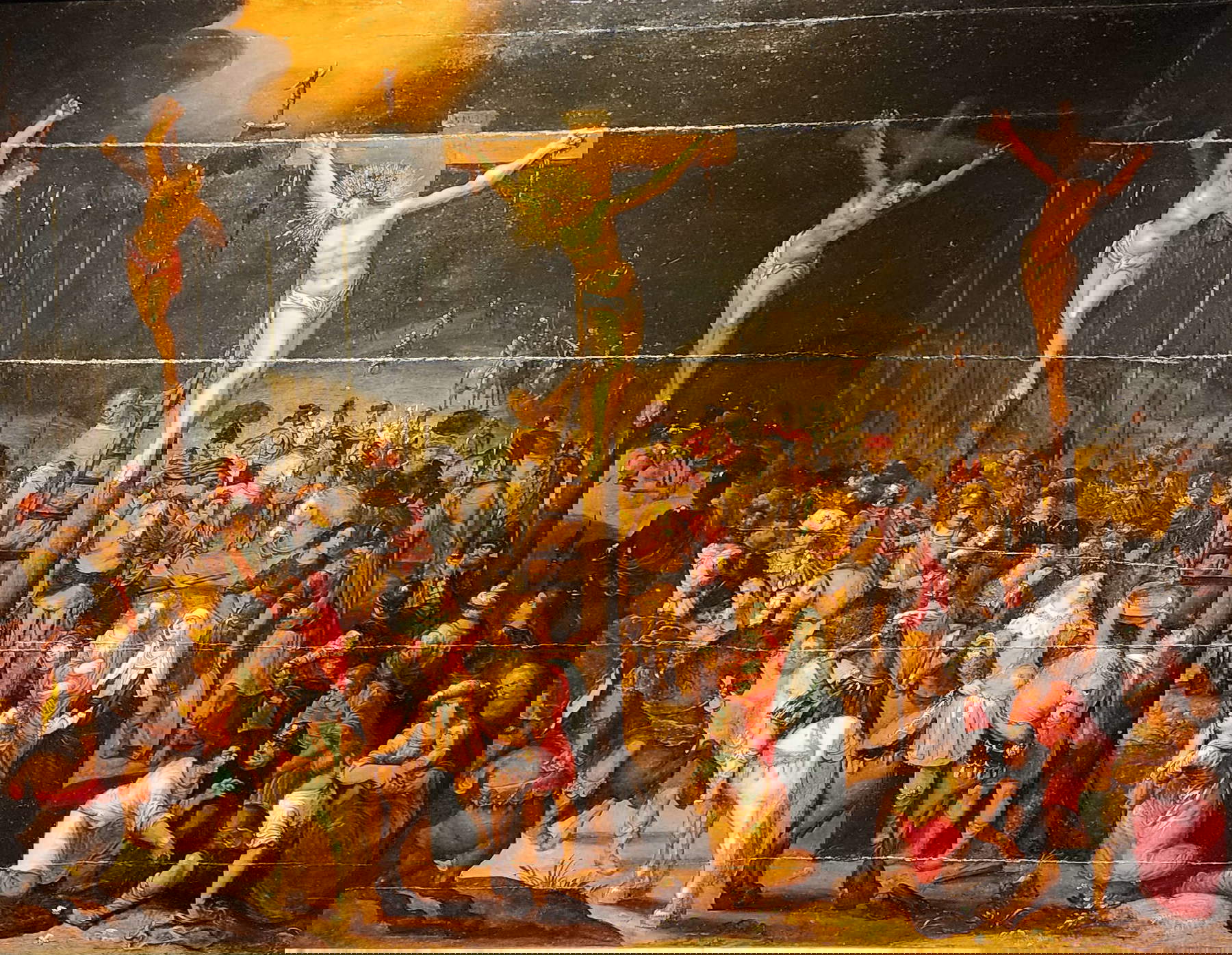
Continuing along the exhibition route, at Federico Andrisani ’s booth one of the most relevant works is a Crucifixion by Louis de Caullery, an oil on panel painting offered at 20,000 euros, which is part of the production of the master active between Antwerp and northern Italy in the first decades of the 17th century. The scene, of a collected format, organizes the sacred narrative according to a sharp scansion of the figures, with attention to the rendering of the clothing and the arrangement of the groups, according to that narrative sensibility that characterizes early 17th-century Flemish painting.
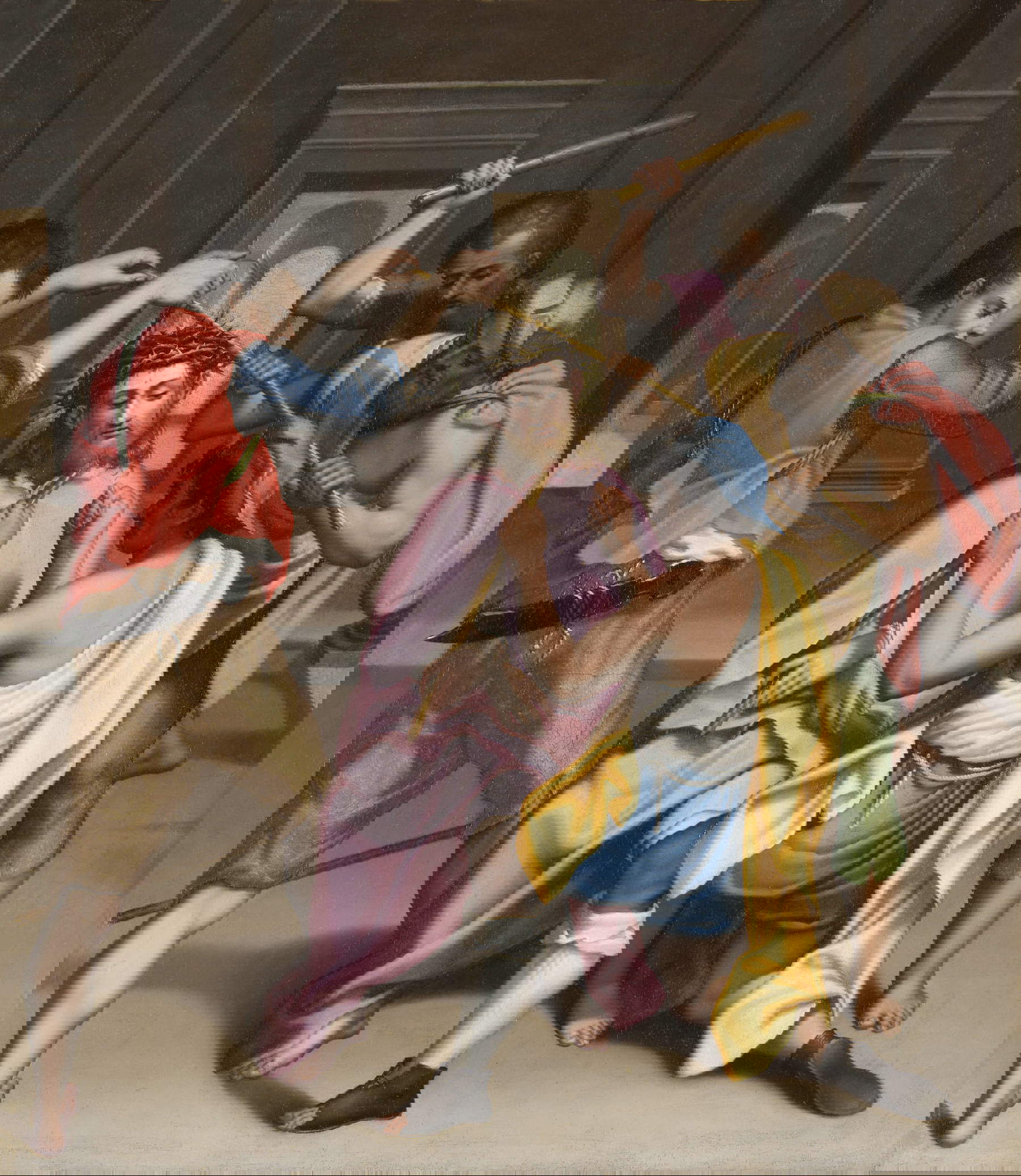
Of a different tone is Bartolomeo Cesi’sCoronation of Thorns, presented at the adjacent Ossimoro booth at 28,000 euros and accompanied by a historical-critical contribution by Enrico Ghetti. The work reflects the composed measure of the Bolognese master, an interpreter of a collected and controlled religiosity. The scene is constructed without theatrical excesses: Christ’s suffering emerges through calibrated light modulation and restrained gestures, in line with that post-Tridentine temperament that found expressions of rigorous spirituality in Bologna. In particular, according to Ghetti, the author of this Coronation of Thorns shows that he reflected on such novelties and understood and registered the need for a return to the figurative and conceptual clarity demanded by Gabriele Paleotti’s Discourse on Sacred Images , grafting it onto the local Mannerist tradition carried on in those years by artists such as Prospero Fontana and Orazio Samacchini, Pellegrino Tibaldi and others
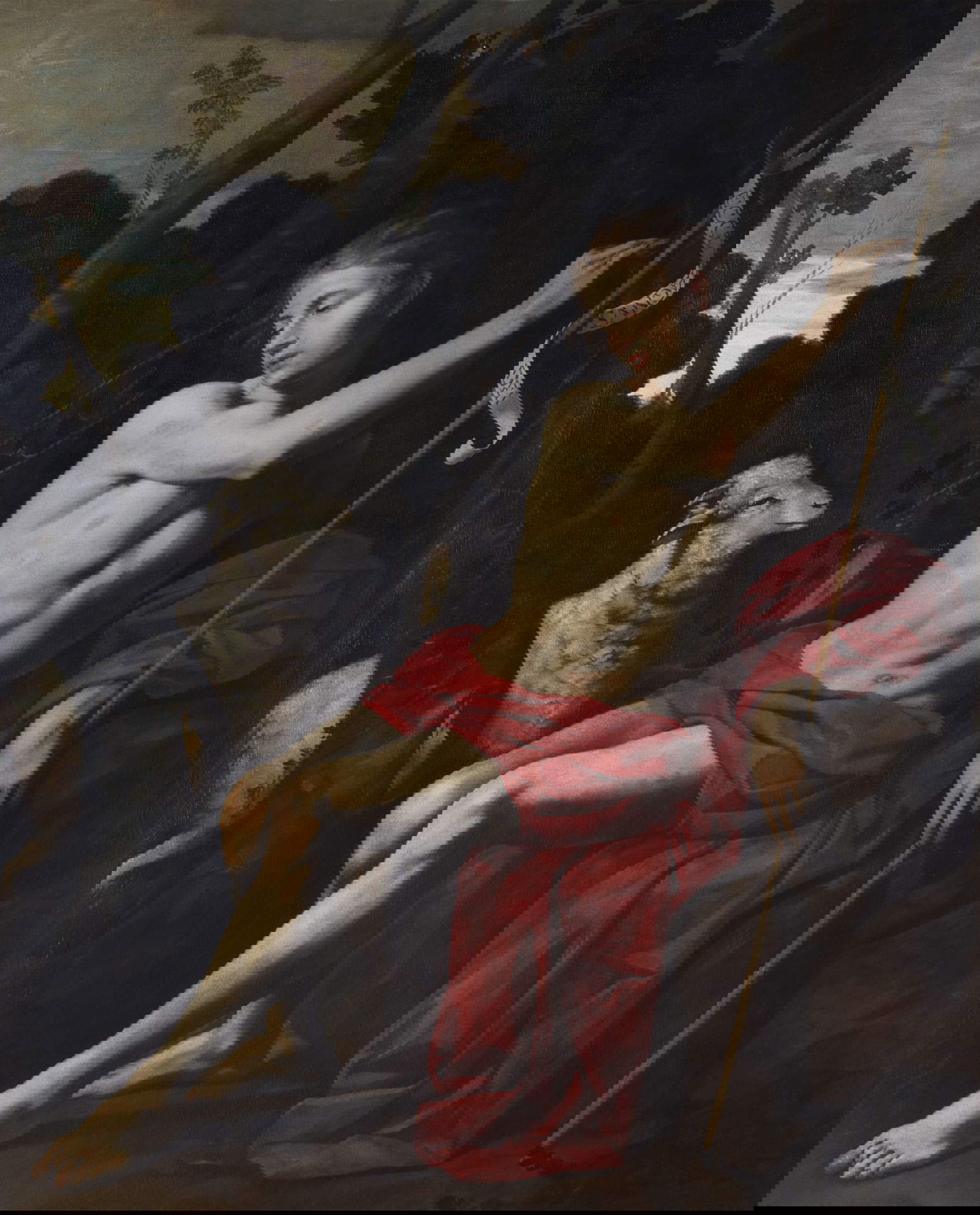
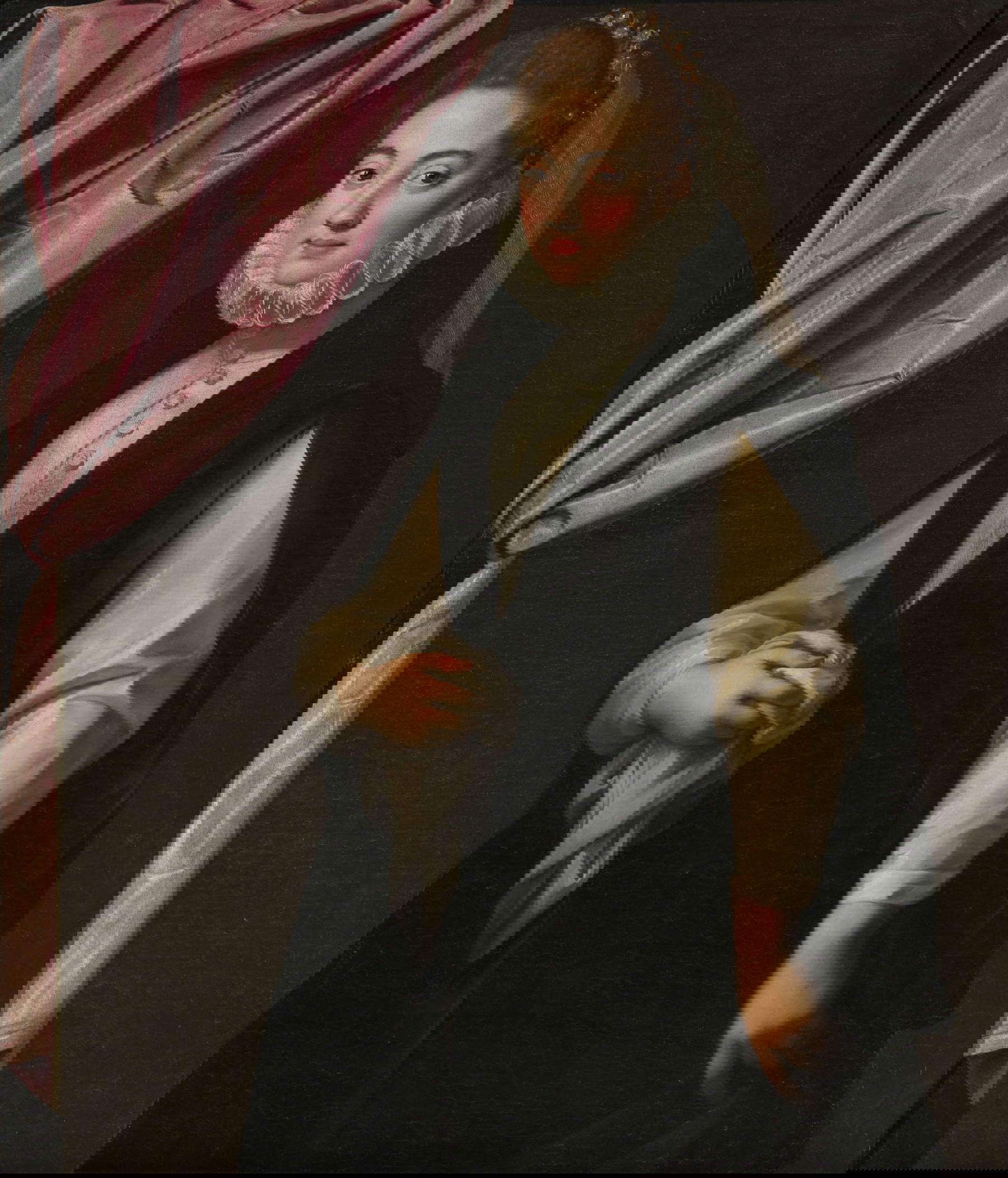
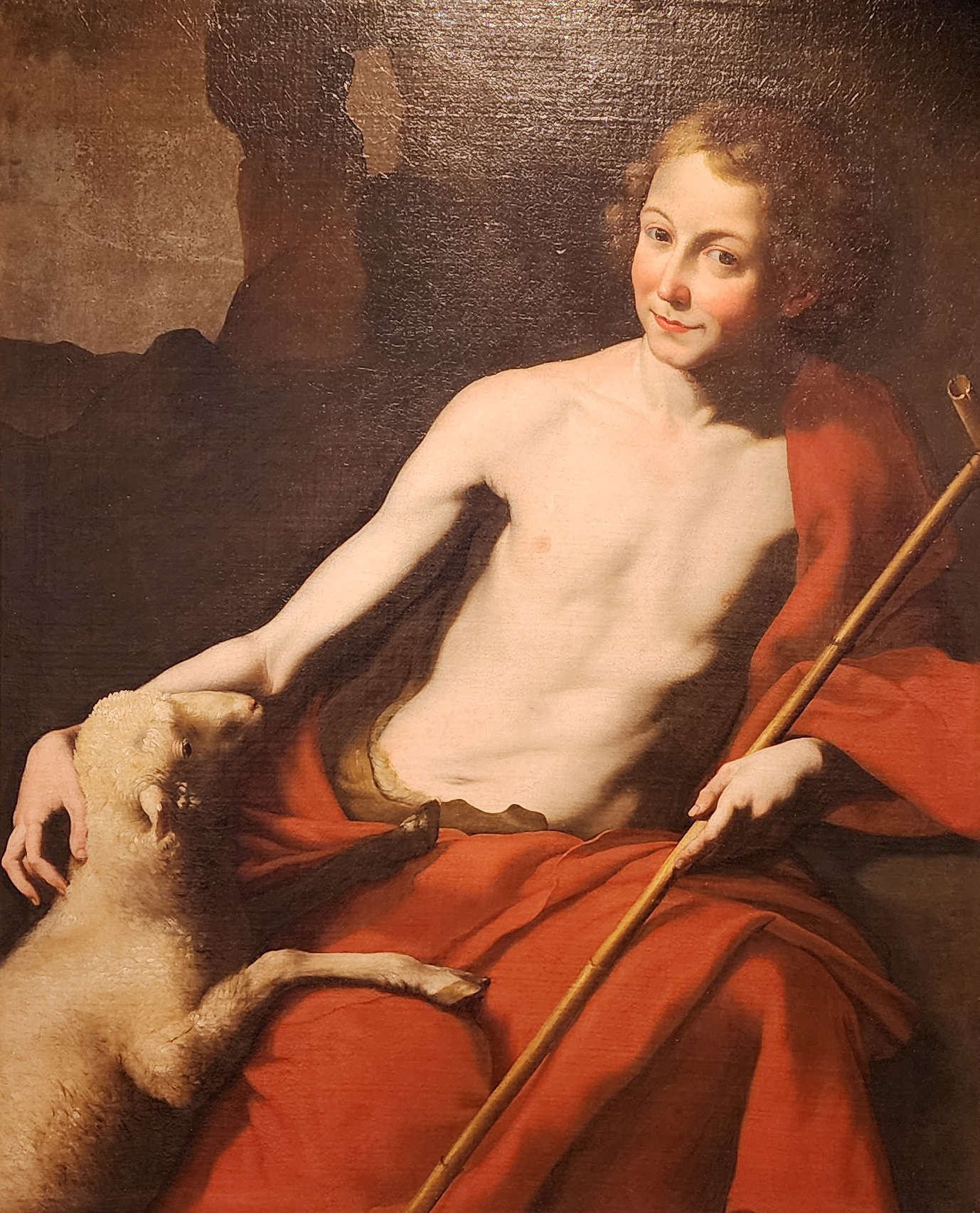
Cantore Galleria Antiquaria, on the other hand, focuses its attention on a number of important presences of the Italian seventeenth century, united by established studies and significant exhibition documentation. Hendrick de Somer’s Saint John the Baptist , oil on canvas, is offered at 130,000 euros. The work, investigated by Nicola Spinosa and published on several occasions, including the 2009 and 2010 Neapolitan exhibitions devoted to the Neapolitan seventeenth century and the 2025 Roman exhibition on the Genesis and Becoming of the Baroque between Rome and Naples, testifies to the assimilation of Neapolitan Caravaggism by the Flemish painter transplanted to Campania. The figure of John the Baptist, set with solid monumentality, emerges from a wooded background through a luministic setting that enhances the plastic texture of his body, with its adolescent features and languid sensuality. Presented alongside this canvas is Scipione Pulzone’s Portrait of a Gentlewoman, offered at 120,000 euros. The documented provenance-from the Conti Negroni family in Genoa to the Baroni collection in Florence, to Galleria Sestieri in Rome and Gilberto Zabert in Turin in 1989-comes alongside participation in the 2013 Gaeta exhibition dedicated to the master and publication in the catalog edited by Xavier Salomon. The work reiterates Pulzone’s distinctive style: a rigorous control of drawing, an almost maniacal investigation of textiles (see the curtain), and a psychological penetration entrusted to the gaze, balanced between aristocratic distance and introspection. Completing the selection is the San Giovannino by Francesco De Rosa, known as Pacecco De Rosa, offered at 140,000 euros. Exhibited in 2010 in Cesena in the exhibition La croce, la testa e il piatto and in 2025 in Rome in the exhibition on the Baroque between Rome and Naples, the painting, in dialogue with Somer’s, presents a figure of the young man shaped by intense chiaroscuro, in a balance between naturalness and formal grace that reflects the Neapolitan figurative culture of the mid-17th century.
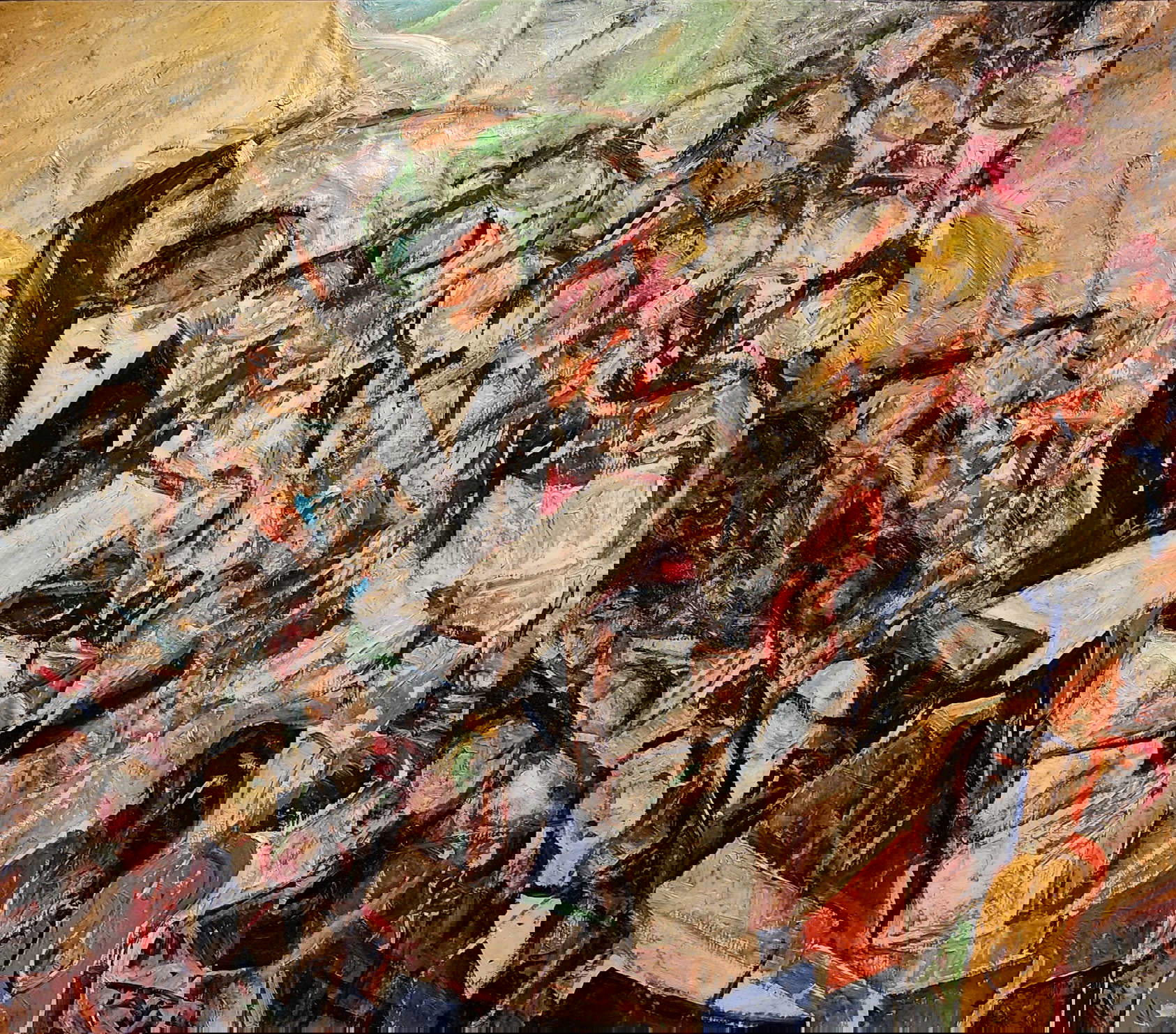
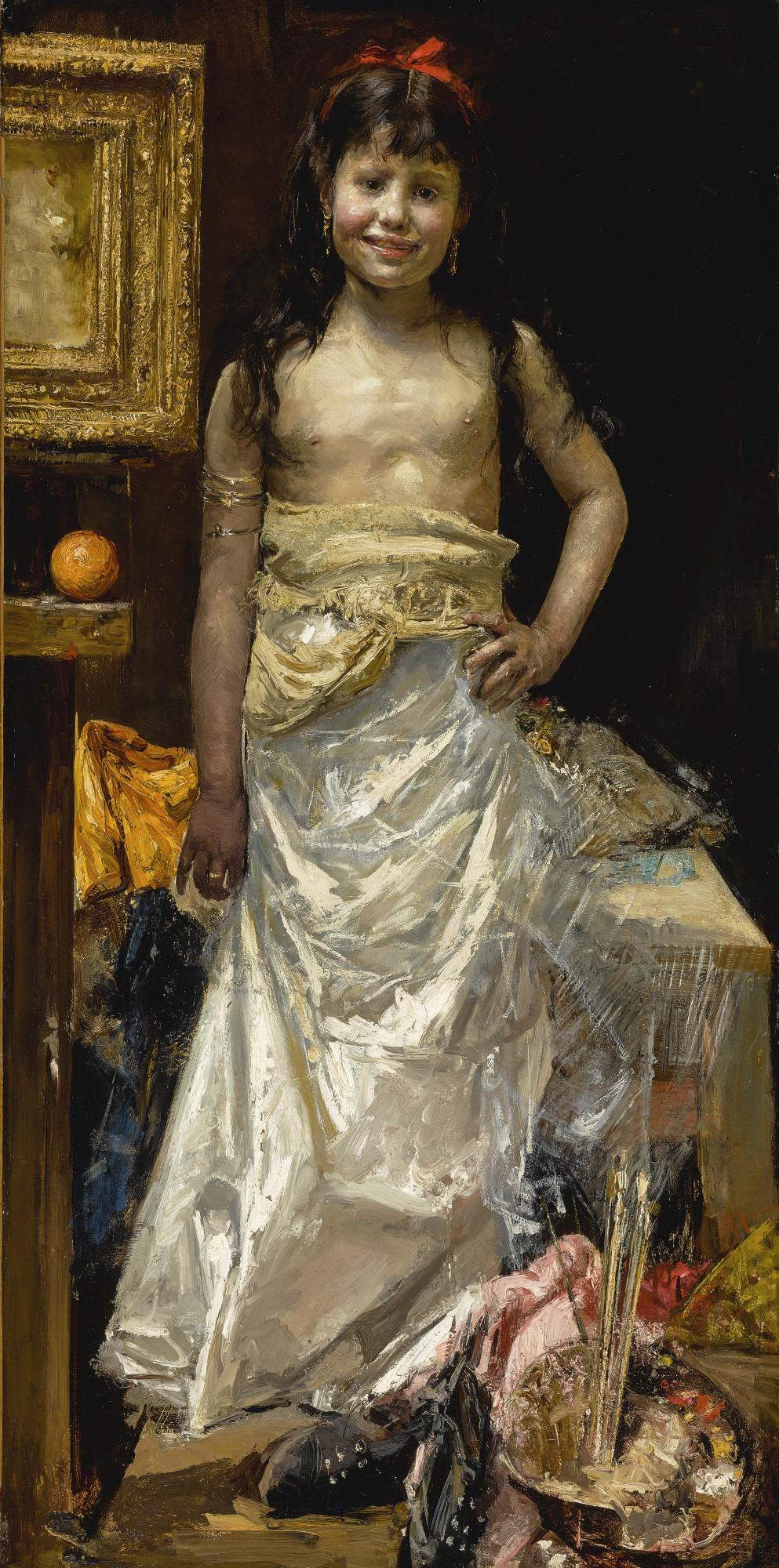
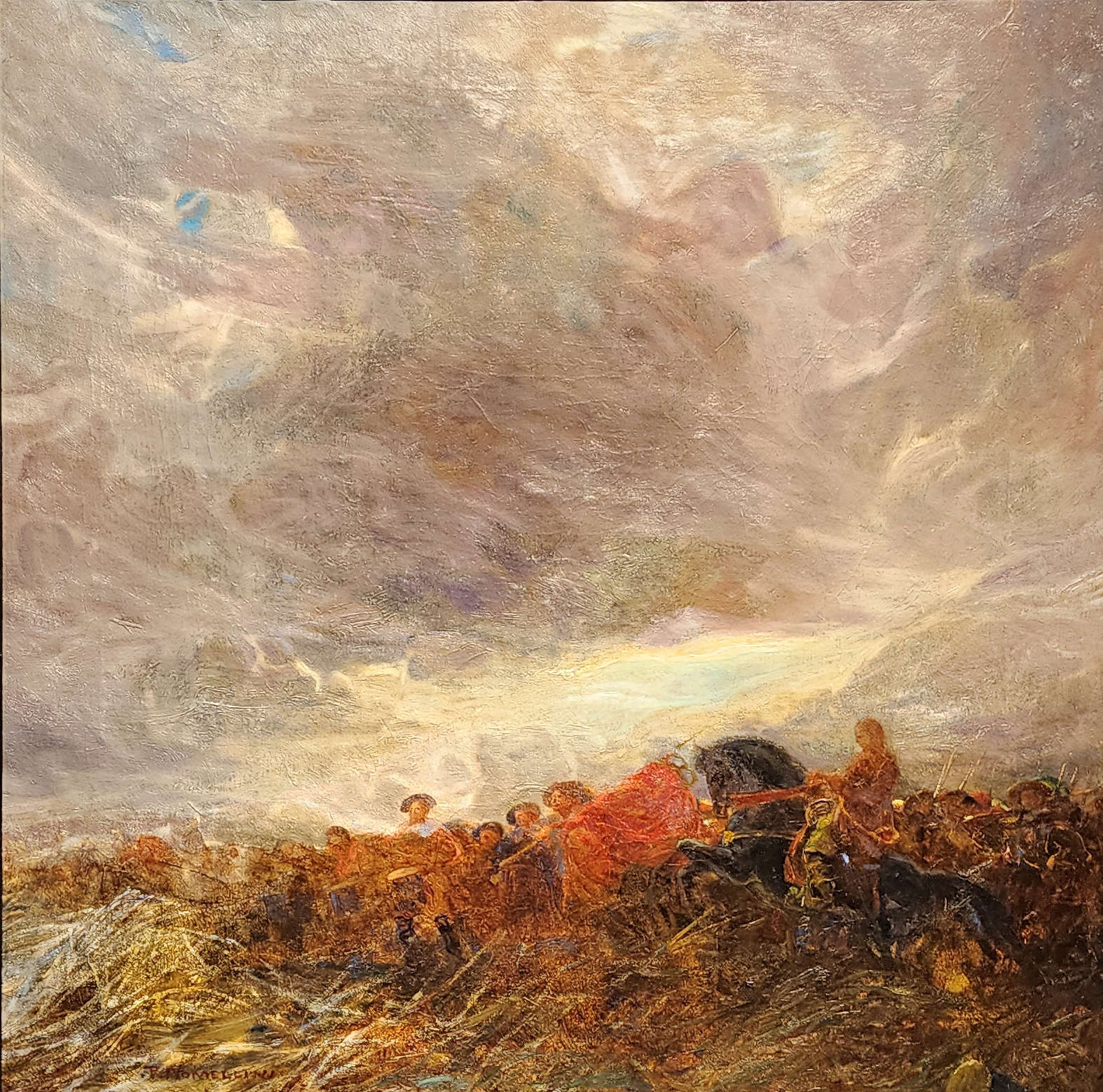
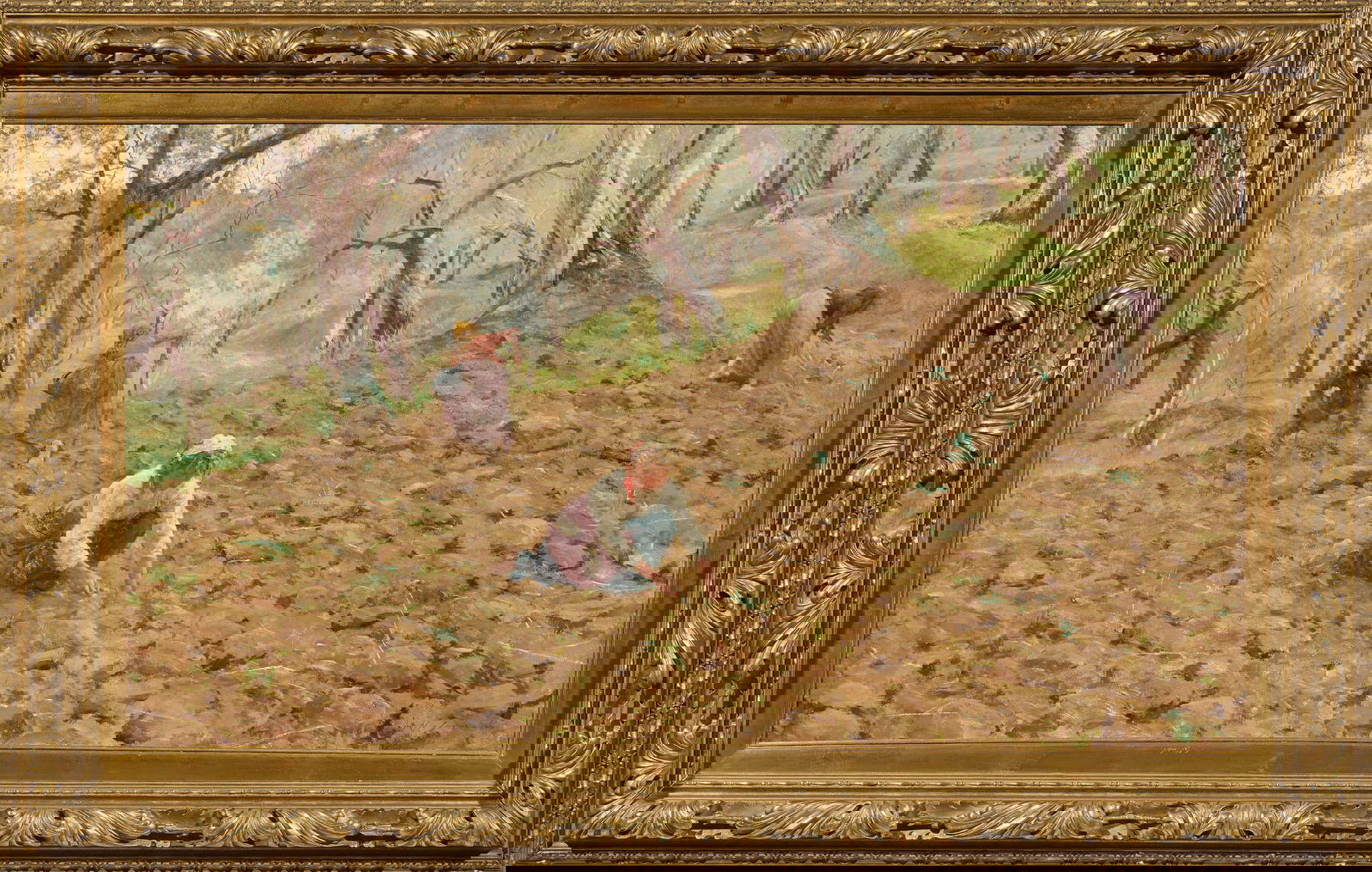
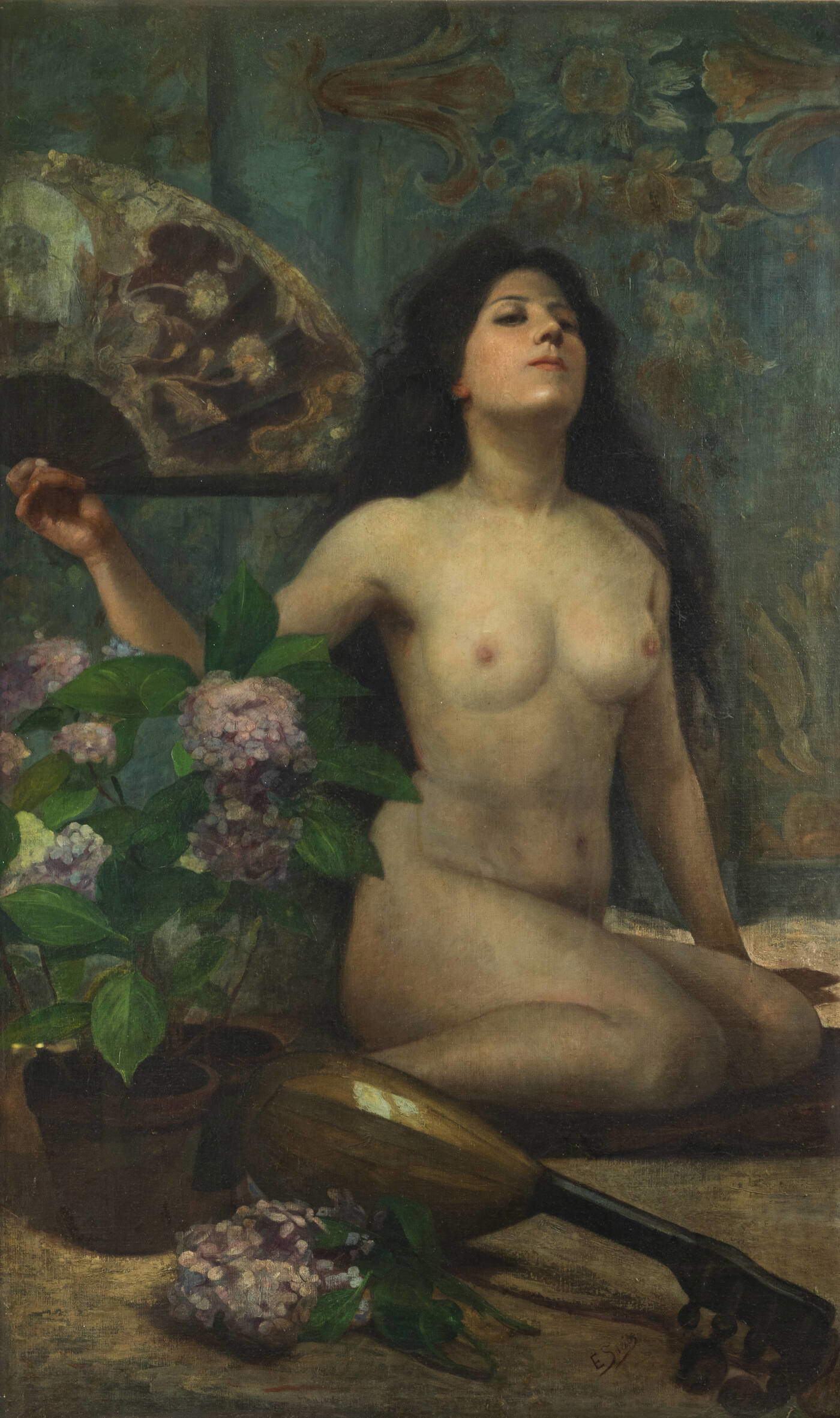
The tour continues with Enrico Gallerie d’Arte, which shifts the chronological axis to the second half of the 19th and early 20th century. Antonio Mancini’s Little Dancer, an imposing vertical canvas measuring 154 x 76 cm, is offered at more than 200,000 euros. The work highlights the thick and vibrant pictorial subject matter typical of the artist, with a luminous construction that makes the figure, a naked little girl covered only by a white silk dress subtly modulated in varying shades of white, emerge from a somber background against which a few props stand out. The young dancer’s presence is entrusted to the tension between gesture and stillness, in an unstable balance that characterizes Mancini’s research. A curious painting by Plinio Nomellini, Compagni di sventura (Companions of Misfortune), is offered at 35,000 euros, while Adolfo Tommasi’s La raccolta delle patate (The Potato Harvest ), a typical rustic scene by the great Leghorn painter, is offered at about 40,000 euros. Still between the late 19th and early 20th century, here is Della Scala Antiques, which presents a fine Seduction by Enrico Sorio, at 12,000 euros. The painting deals with the theme of the nude with a late 19th-century declination that emphasizes its aesthetic rather than narrative dimension. The female figure, with her fan dropped and her chin slightly raised, is surrounded by symbolic elements such as hydrangeas and mandolin, which allude to the sentiment of which the figure becomes an allegory, in a context that reflects the artist’s Veronese training and dialogue with the painting of Favretto and Dall’Oca Bianca.
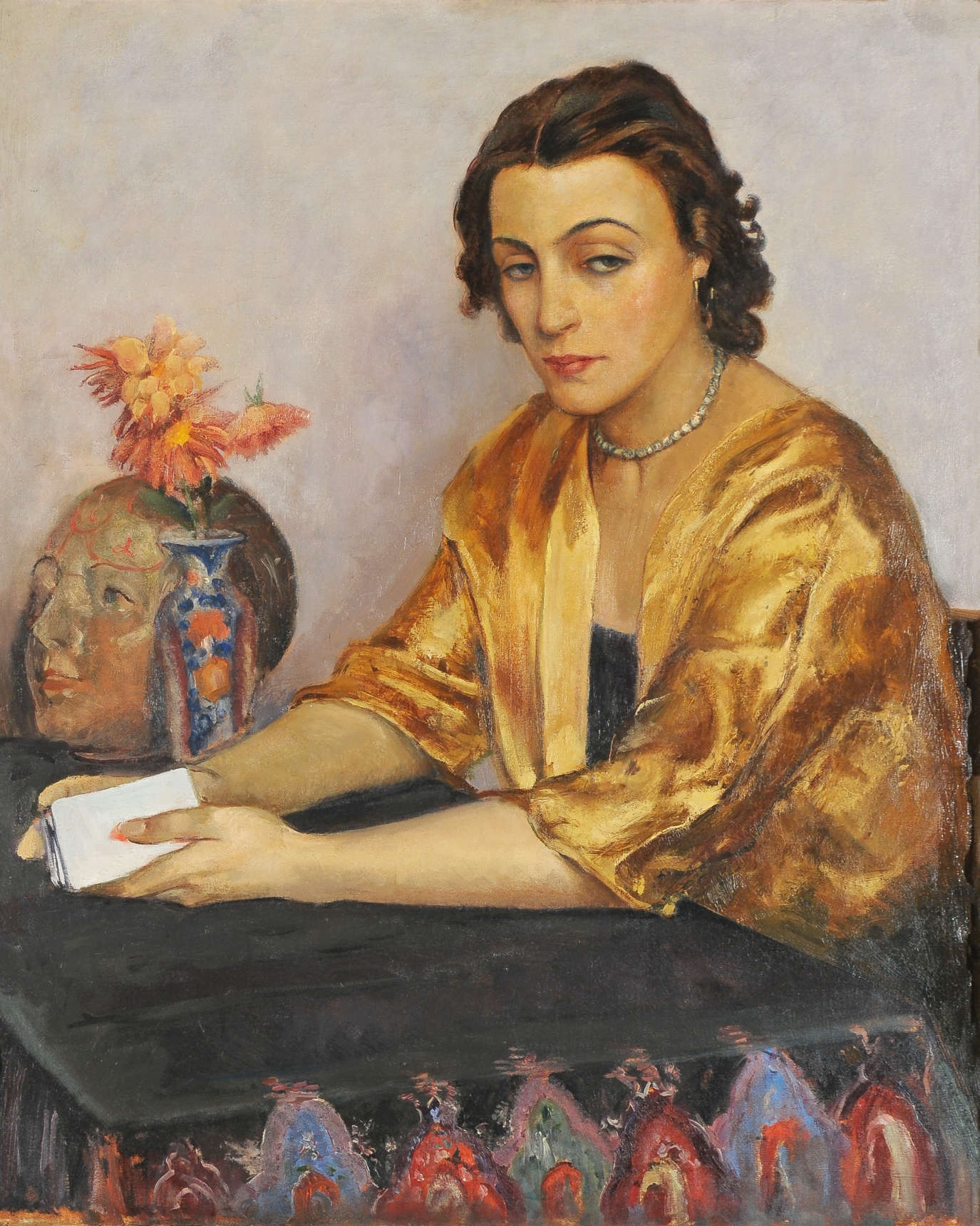
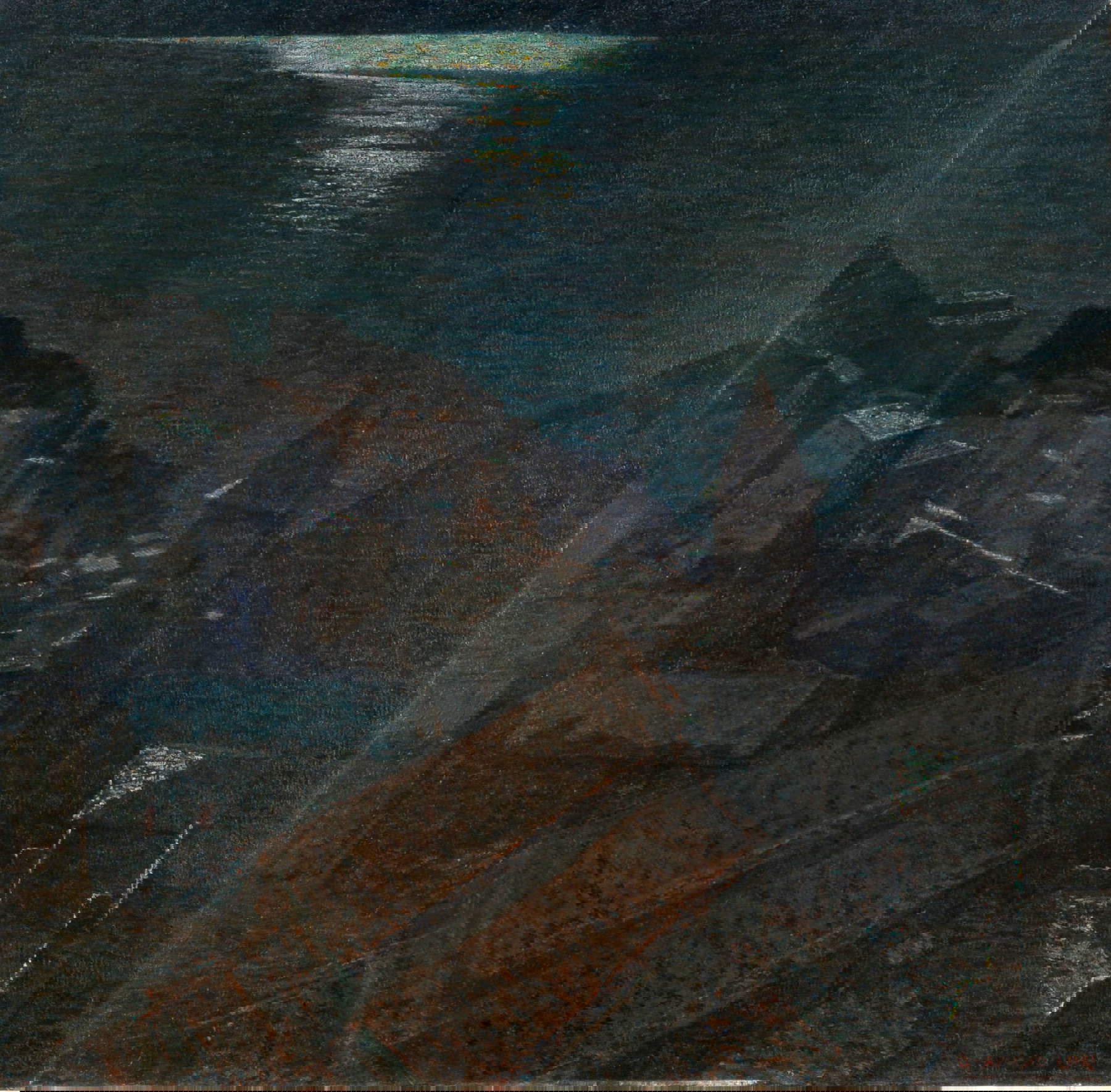
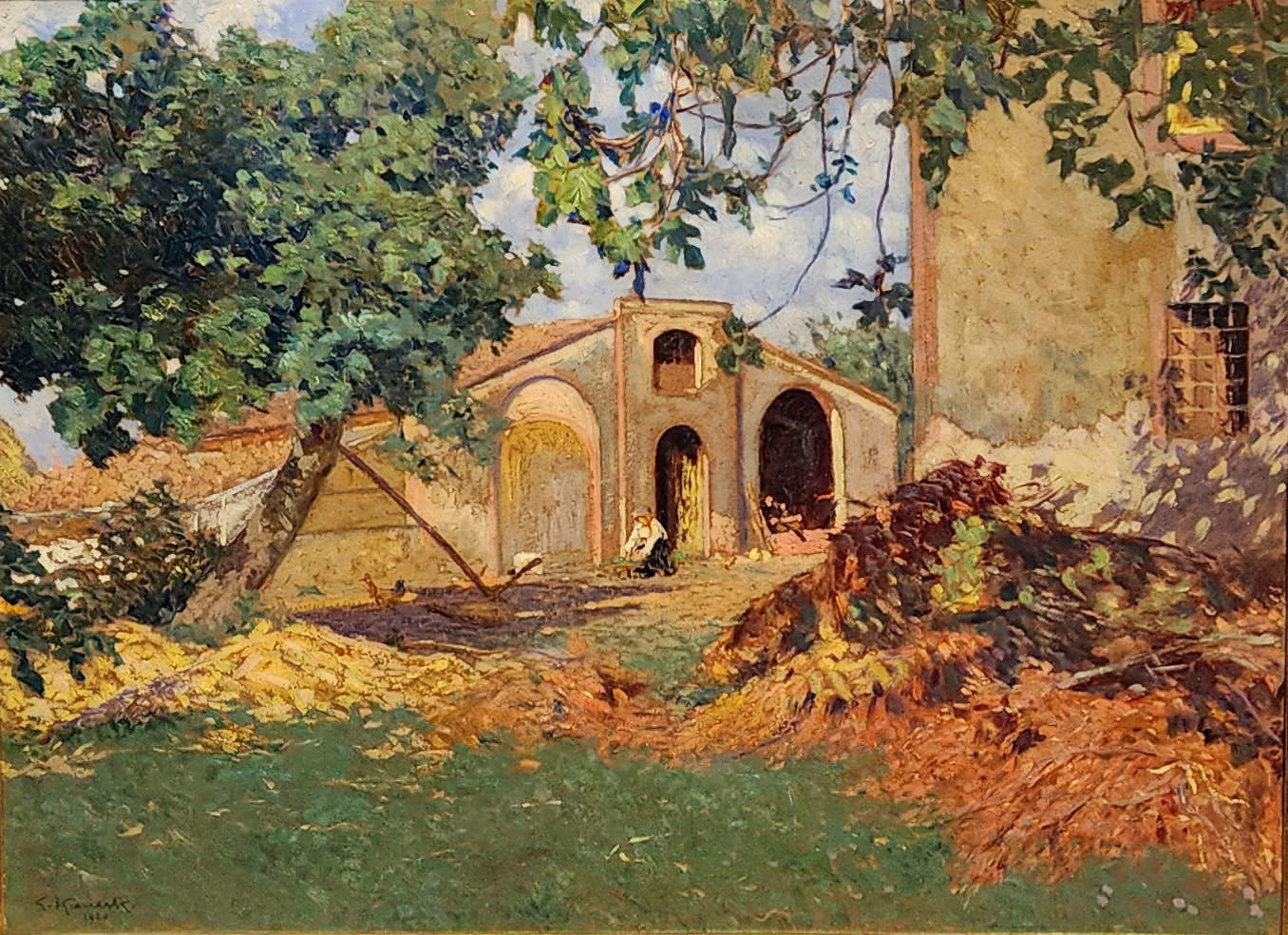
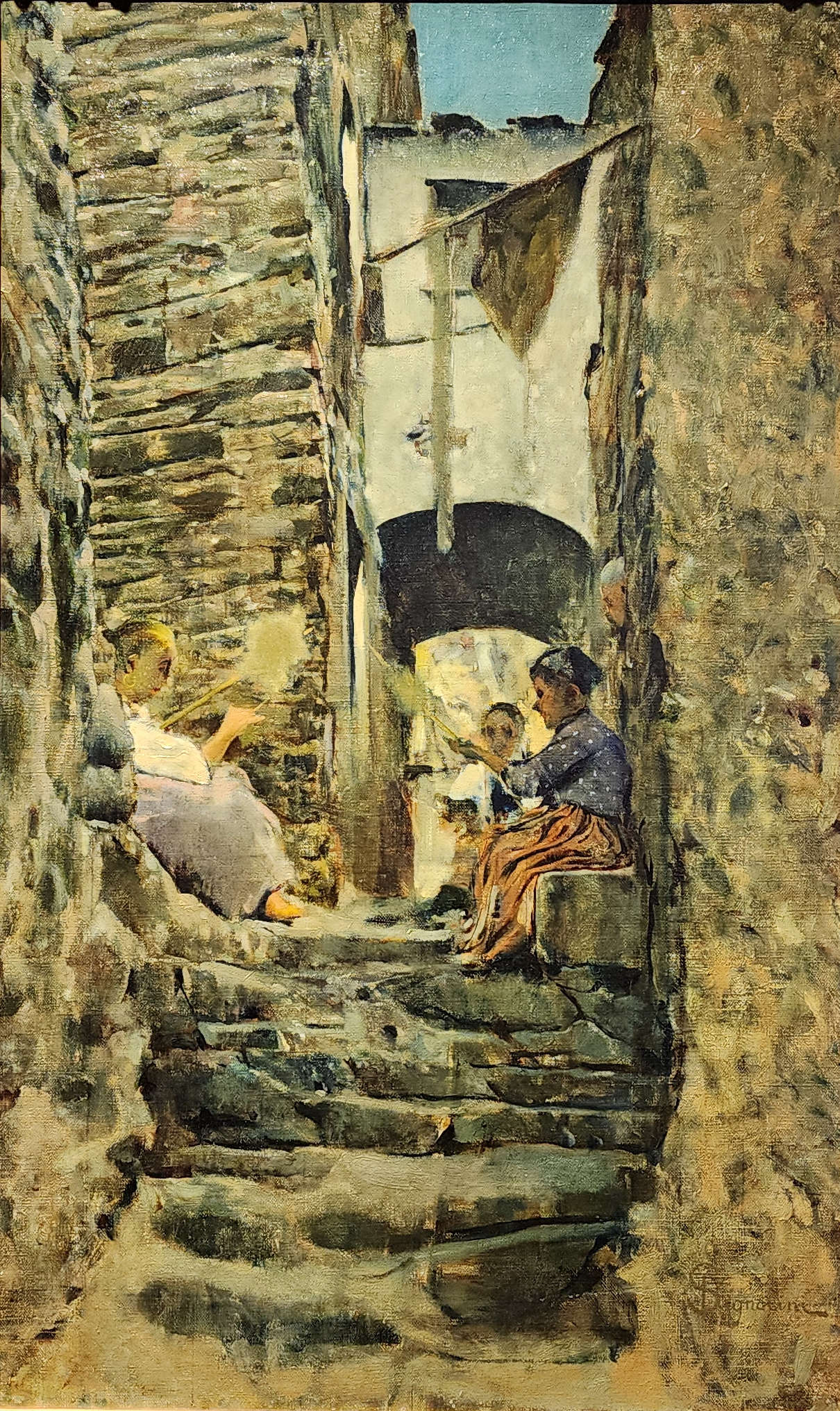
The focus on the early twentieth century continues with 800/900 Art Studio, which offers, in addition to a very rare early Giovanni Fattori (the Reading Lessons of about 1853, a work also exhibited at the recent Livorno exhibition), an interesting painting such as Baccio Maria Bacci ’s La cartomante (1929) at 50,000 euros. The work, with autograph title and number on the verso, comes from Galleria Giordani in Bologna and was published in the catalog of the 1982 exhibition at the Accademia delle Arti del Disegno in Florence. The scene, suspended between introspection and plastic construction of forms, reflects the artist’s mature season. Offered at the same price of 50,000 euros is Guglielmo Amedeo Lori’s painting Manarola sotto la luna (c. 1905), previously shown at the 1910 Venice Biennale and in subsequent exhibitions devoted to postmacchiaioli and Tuscan Divisionism. The night view, set on a luminous geometry that punctuates the houses of the Ligurian village, restores a rarefied and silent atmosphere. The work is at the center of a small exhibition on Tuscan Divisionism proposed by the Livorno gallery, the only one in this edition of Modenantiquaria to give a curatorial slant, with a precise theme, to its stand (which is double, moreover). Also in the nineteenth-twentieth-century section, here is San Barnaba Galleria d’Arte exhibiting a fine Tuscan Landscape by Giorgio Kienerk at 12,000 euros, and a Vicolo ad Arcola by Telemaco Signorini at 40,000 euros, a work that recalls the best results of his Ligurian season, with references to his experience in Riomaggiore.
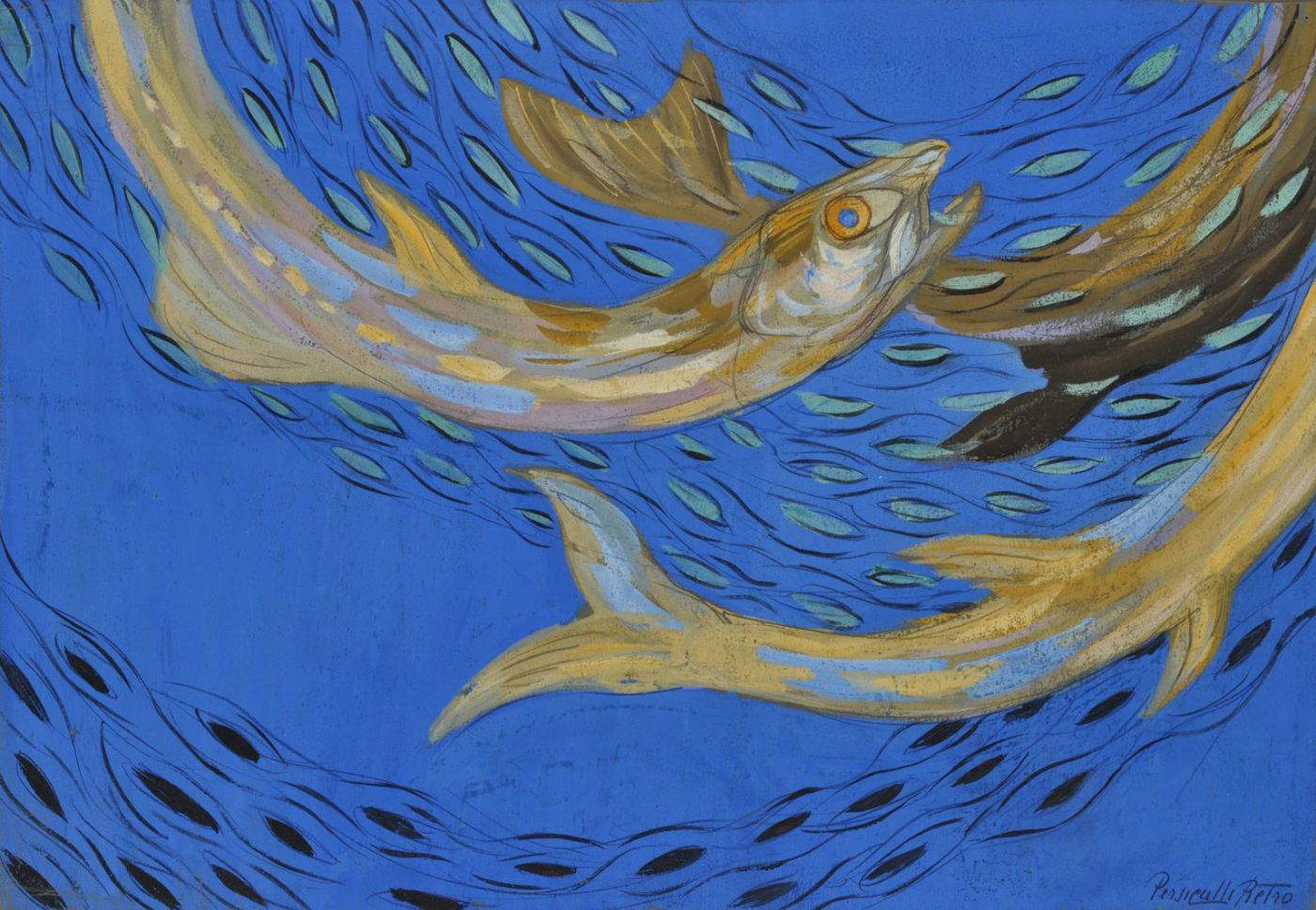
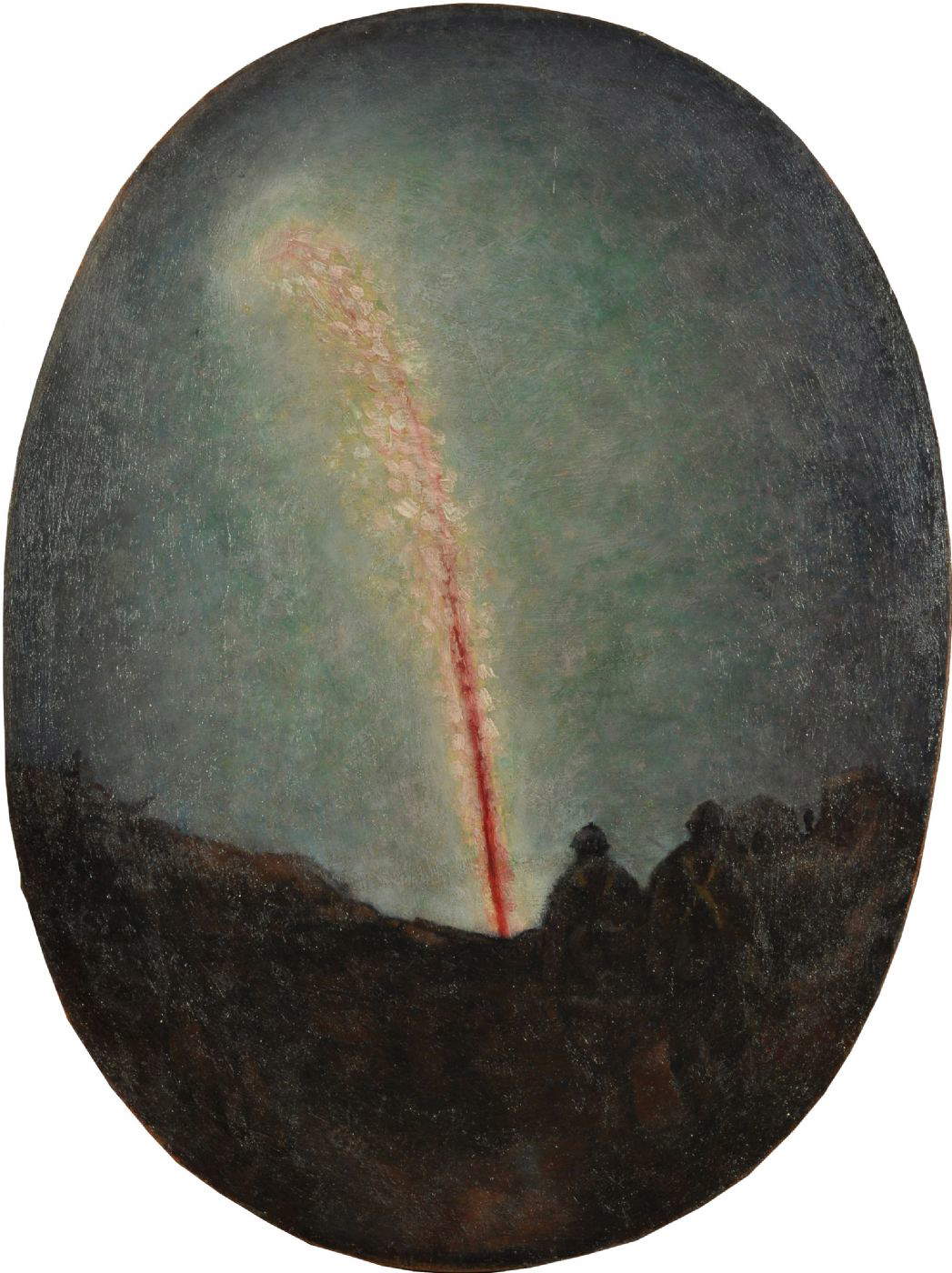
Studiolo Fine Art presents several early 20th-century works, including Piero Persicalli’s Fish , a work datable between 1911 and 1913, offered at 40,000 euros and published in Chiara Francina’s 2024 monograph. The composition, focused on an essential rendering of fish forms, reflects a synthetic graphic sensibility typical of this artist whose heartfelt rediscovery has been underway for some years. Next to it, Anselmo Bucci ’s The Rocket (1915) is offered at 30,000 euros. Coming from the artist’s heirs and documented since the 1920s, the painting depicts a night scene crossed by the glow of a rocket above some soldiers in the trenches: the sudden light lacerates the darkness, building a sharp contrast that amplifies the narrative tension.
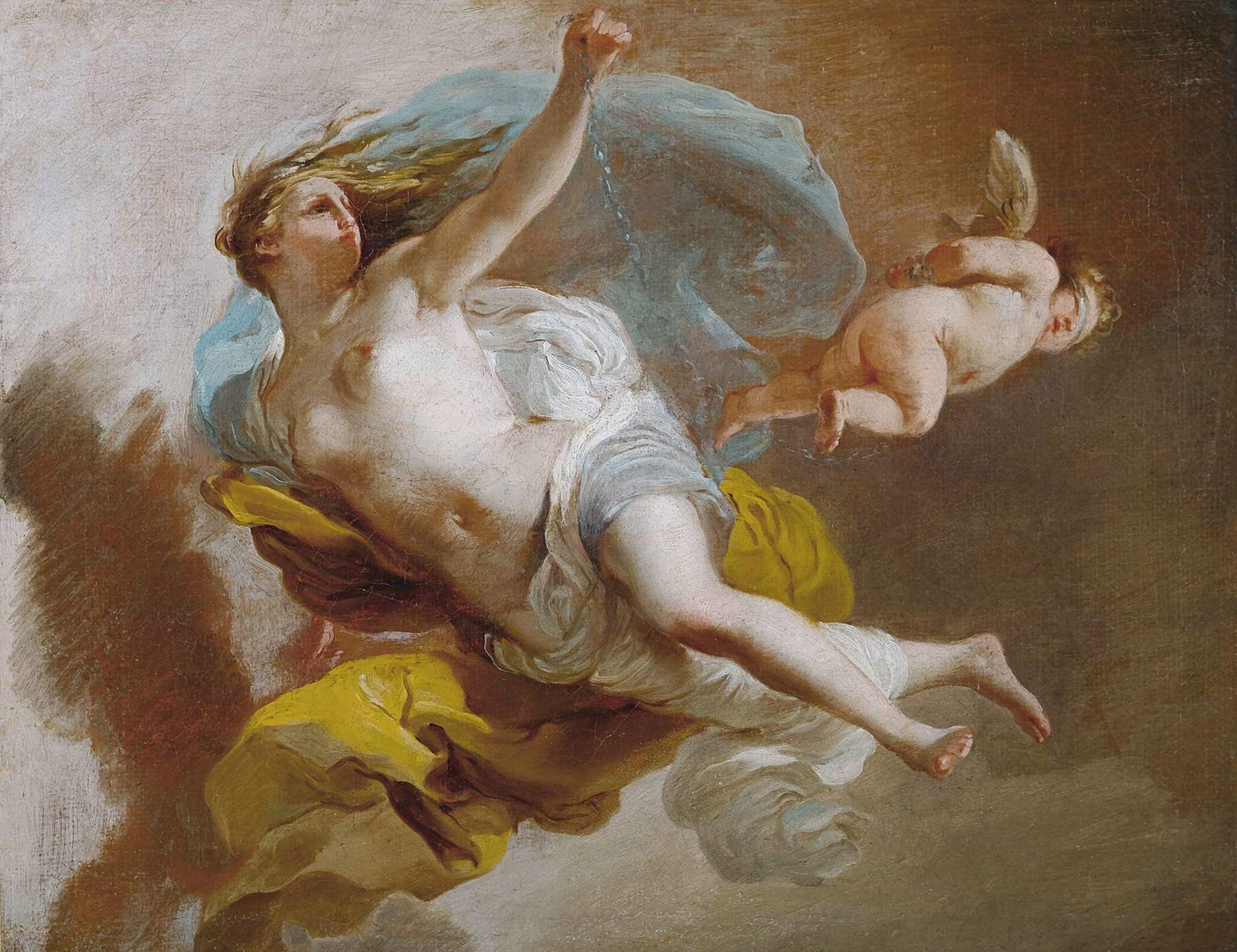
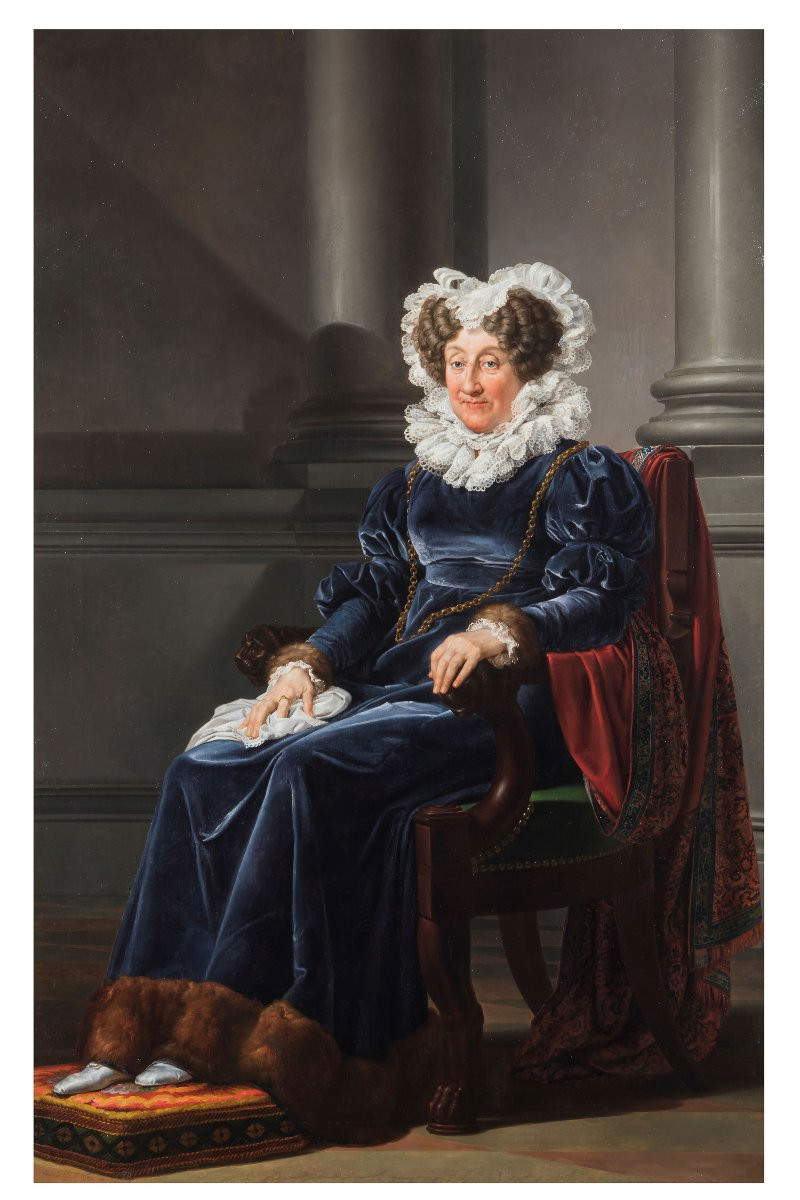
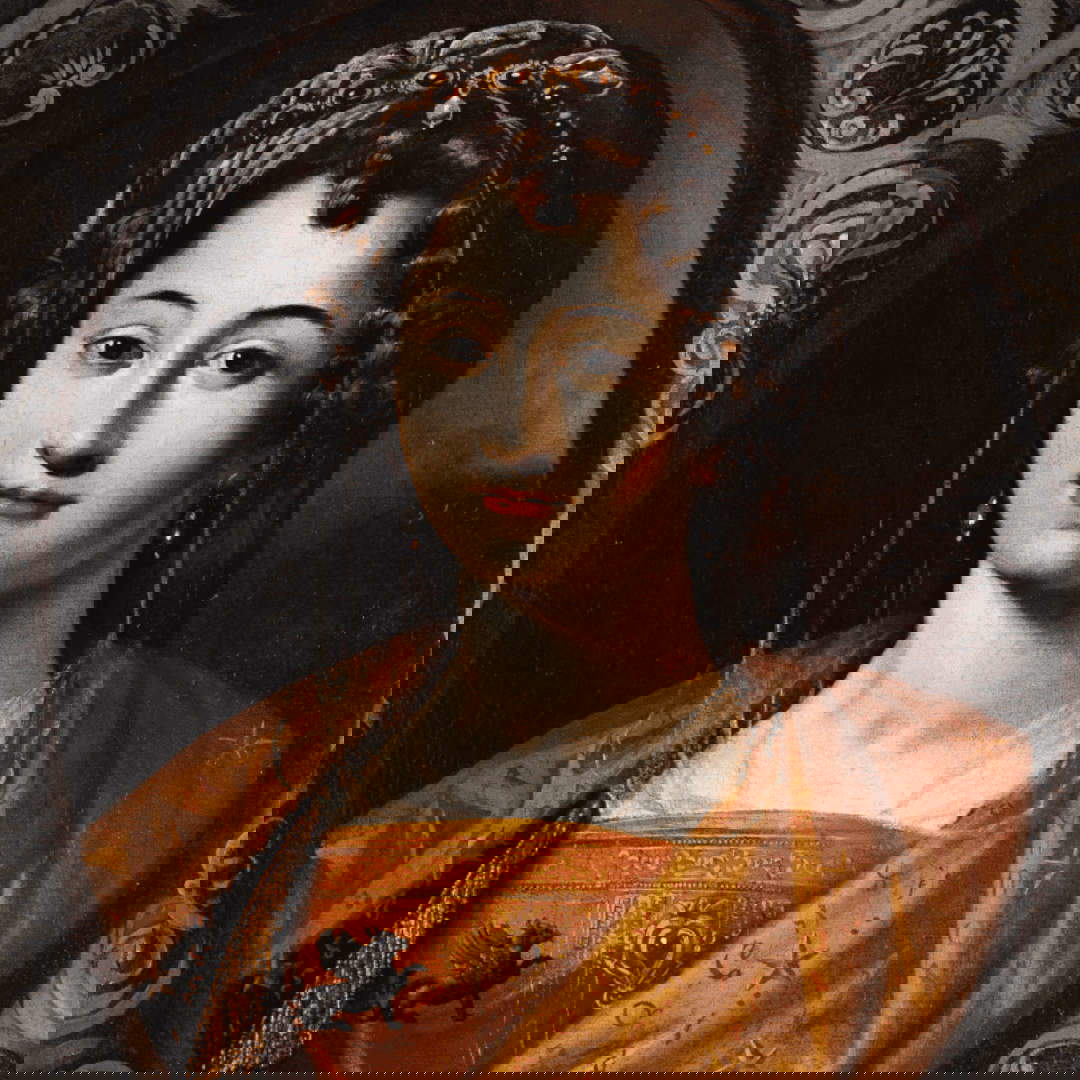
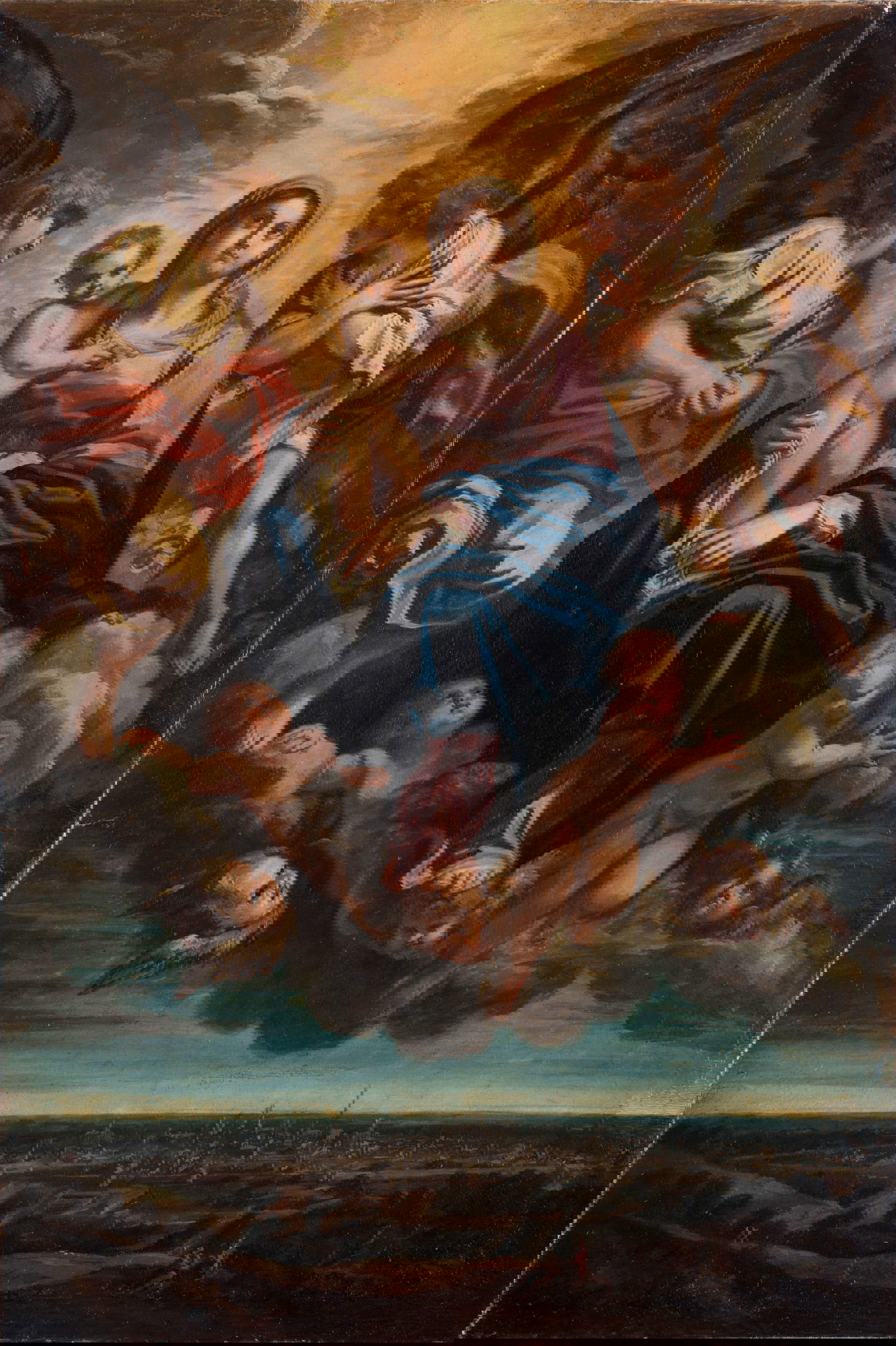
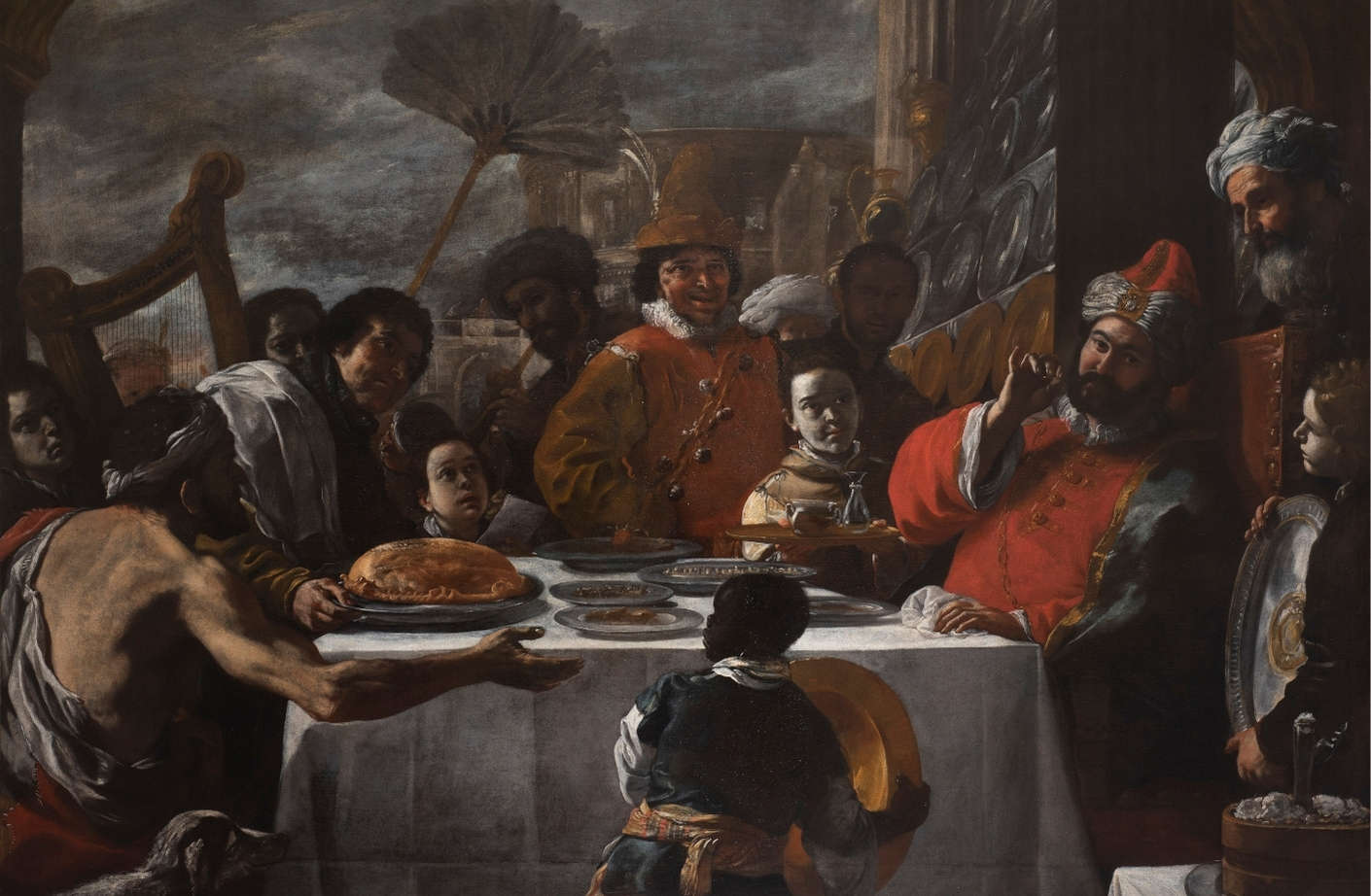
Tiziana Sassoli’s Fondantico exhibits, in addition to an unpublished Guercino that caught the attention of public and scholars in the early days (and whose price we have been asked not to publish: we are, however, at the high end of the exhibition, as one can imagine), also an interesting Venus Enchanting Love by Gaetano Gandolfi, dating from 1770-1772 and offered at 80,000 euros. The painting is related to the decorative venture for Casa Gini in Bologna and reflects the master’s 18th-century grace, with a female figure built through soft modeling and a luminous palette. A challenging work occupies an entire wall of the Antichità Giglio booth: it is Pelagio Palagi’s Portrait of Duchess Rosina Serbelloni , €90,000, accompanied by an attribution card by Fernando Mazzocca. The work stands out for the solemn setting of the figure and the attention to detail in the clothing, in line with the figurative culture of the cultured 19th century. There is great variety at the Alice Fine Art stand, which brings together a couple of small firsts from the Genoese seventeenth century at really low prices (an Allegory of Charity by Giovanni Battista Merano at 12,000 euros and a fine Portrait of a Gentleman by Giovanni Bernardo Carbone at 6,000 euros, the latter with a card by Giacomo Montanari) and then shows off the highlight with Antiveduto Gramatica’s Egyptian Sibyl, 45,000 euros, with a contribution by Gianni Papi. Also worth seeing is Gregorio Preti’s Saint Jerome the Penitent, 75 x 99 cm, 18,000 euros. Of particular note is the Hartford Fine Art - Lampronti Gallery stand, which concentrates some of the most economically and historically valuable works in the entire exhibition. Annibale Carracci’s Madonna in Glory over the City of Bologna, a tempera on paper notified by the Ministry of Culture, is offered at 330,000 euros, while an Epulone and Lazarus by Mattia Preti is presented, at 600,000 euros, accompanied by expertise by Nicola Spinosa from 2018 and 2023. The evangelical scene is built, as per typical iconography, on a strong contrast between opulence and misery, with a theatrical layout that reflects the artist’s maturity. Offered at the same €600,000 is Guercino’sHeroism of Muzio Scevola before the Etruscan King Lars Porsenna, with a historical provenance that includes the Mattei di Paganica, Conti and Sforza Cesarini collections. This work is also notified. Reaching the €1,300,000 mark, the most expensive work in the exhibition, is Correggio’s Young Man Escaping the Capture of Christ, about which the scholarly debate is more intense than ever and which some say may be the original of a well-known work.
Further on, Cortona Fine Art ’s booth offers a Hanging Emerge attributed to Jean-Baptiste Oudry, an 18th-century oil on canvas, at 10,000 euros, an example of the French naturalistic tradition applied to the hunting genre: surprising for the high degree of illusionism with which the painter imitated the wooden board. In the Altomani & Sons space, a Vestal Virgin by Giuseppe Canart, Carrara marble from 1738, 66 cm high, stands out at 75,000 euros, with documented English provenance, and anImmaculate Conception by Giovanni Battista Salvi known as Sassoferrato, offered at 150,000 euros, with attribution by Massimo Pulini and provenance from the Manfrin Gallery in Venice. Completing the stand is the Triumph with Birds and Flowers, a polychrome majolica from the second half of the 18th century considered the absolute masterpiece of Pietro Lei, a specialist in 18th-century majolica painting. The work is offered at 35,000 euros. Last round to the stands of Piva & C., where we see The Procession of the Redeemer by Joseph Heintz the Younger, 80,000 euros, and at Carlo Orsi ’s, which exhibits two works of certain importance: a Pastorale (1705) by Marcantonio Franceschini, at 220.000 euros, an example of mature Bolognese classicism, and a Madonna and Child (c. 1512) by Benvenuto Tisi known as Garofalo, at 150,000 euros, a work from the artist’s early maturity, balanced between monumentality and chromatic delicacy.
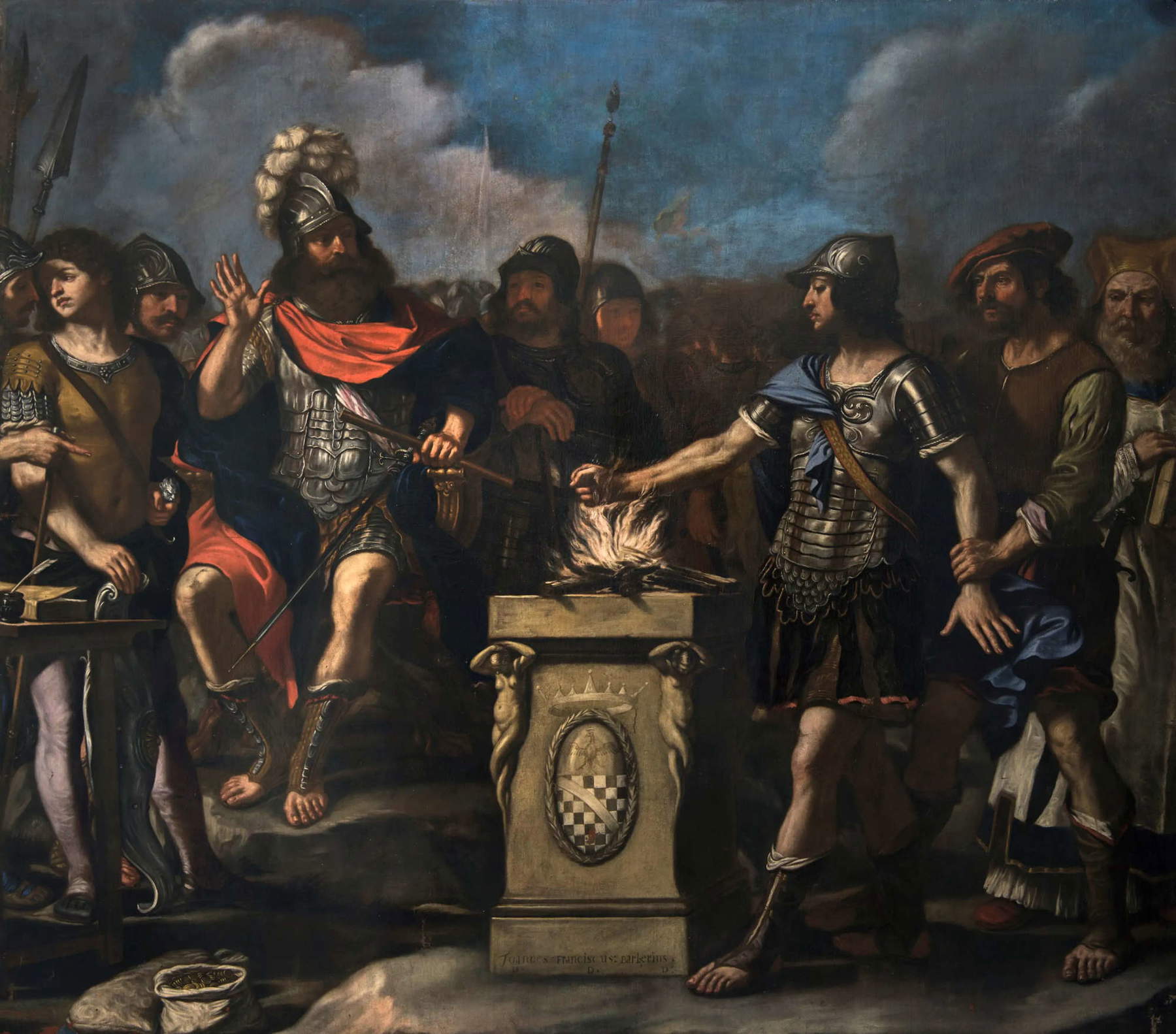
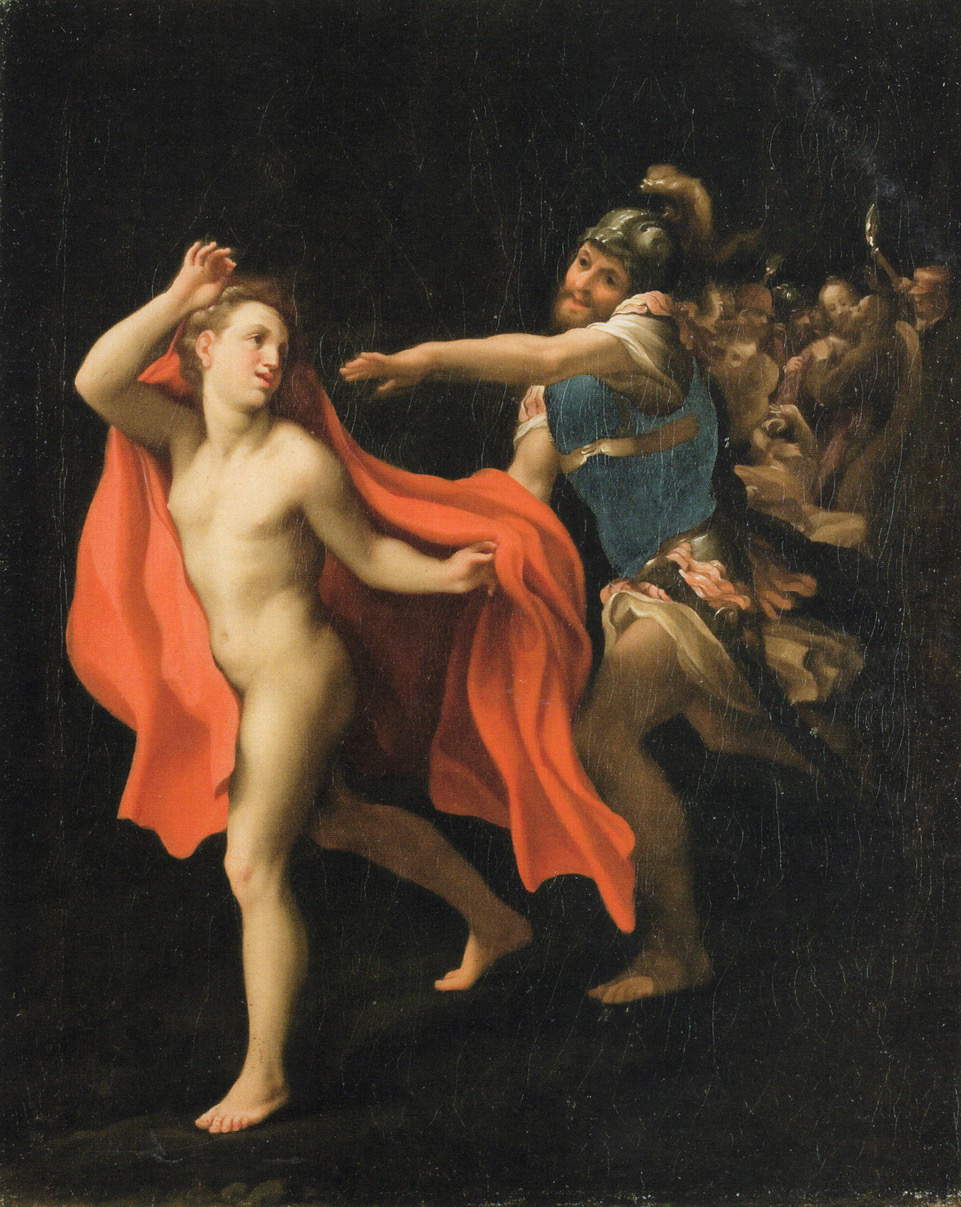
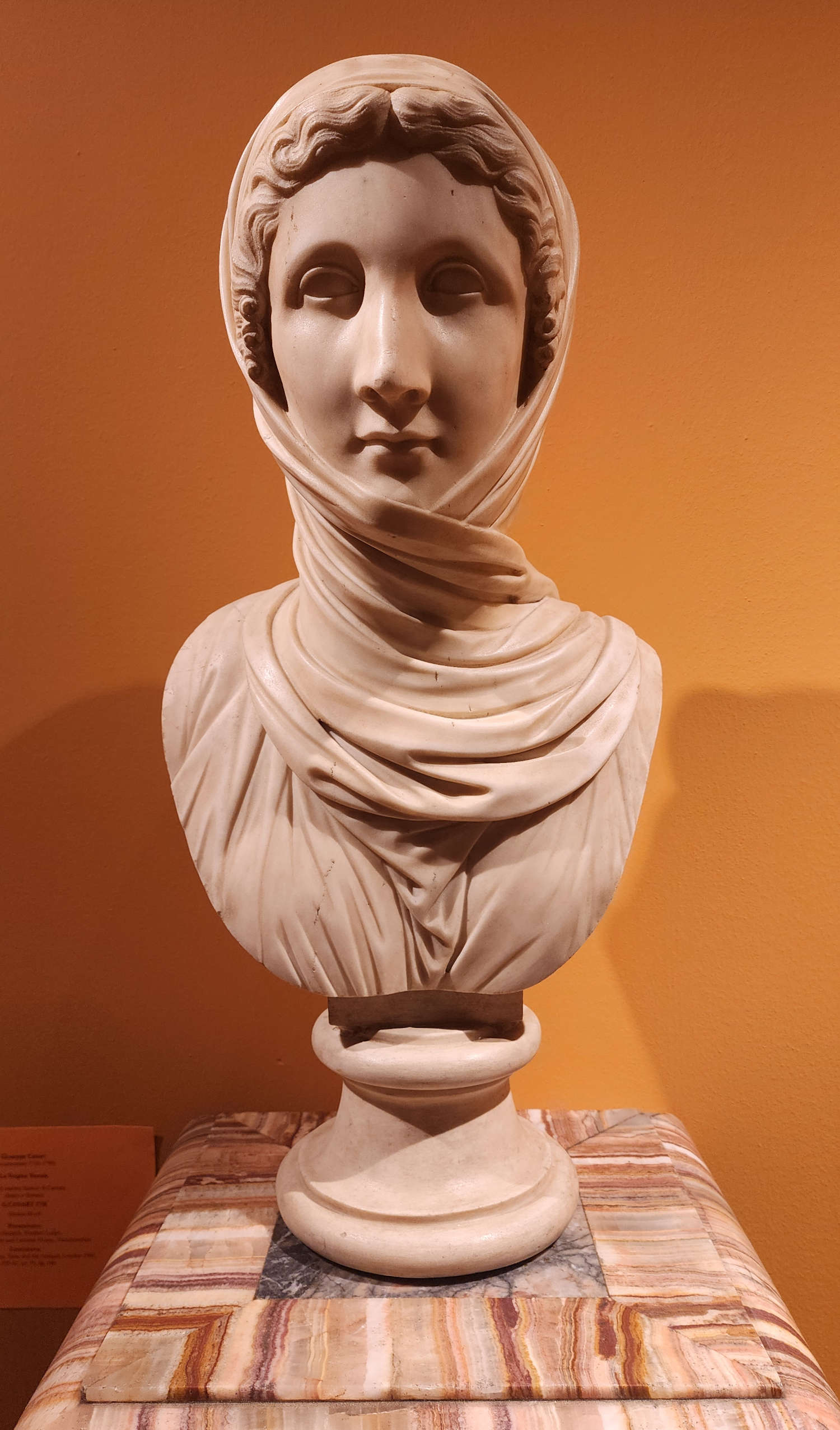
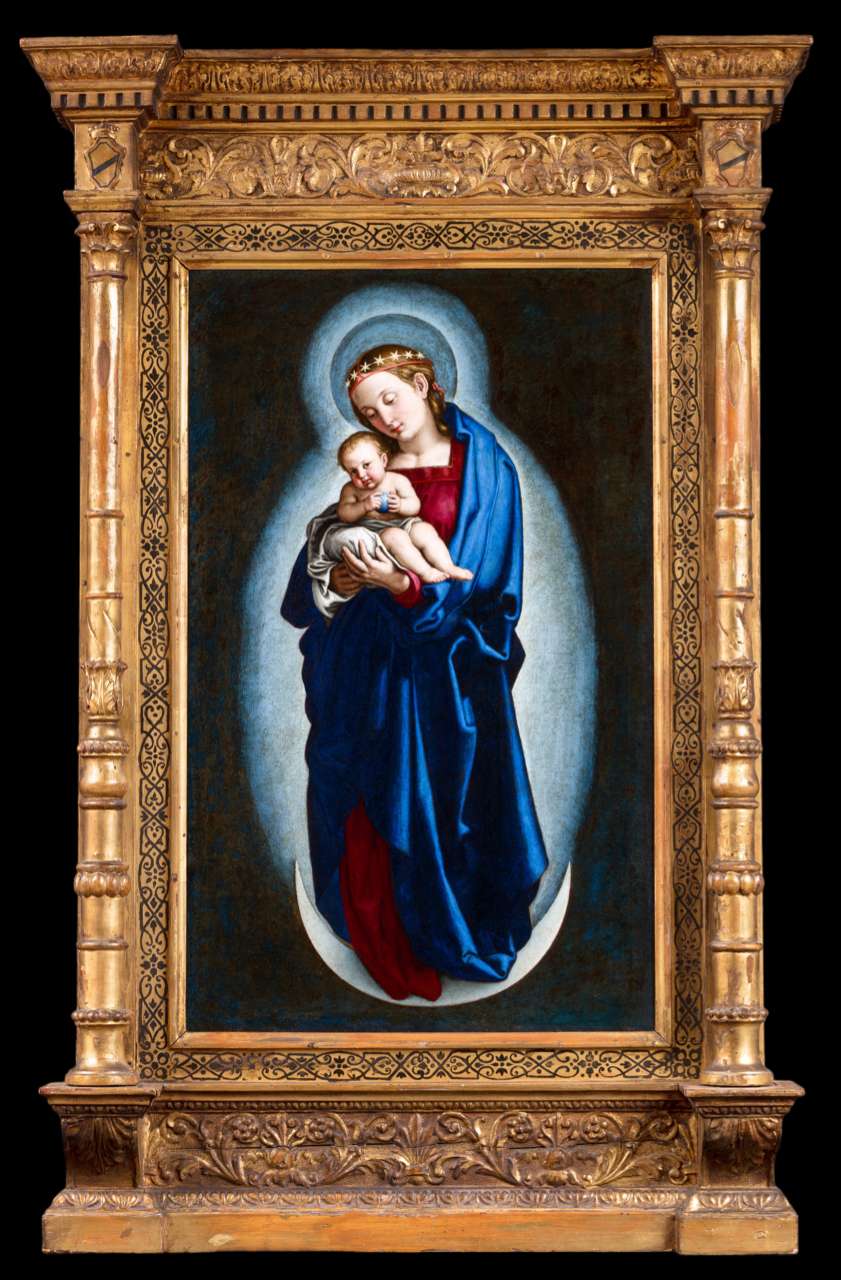
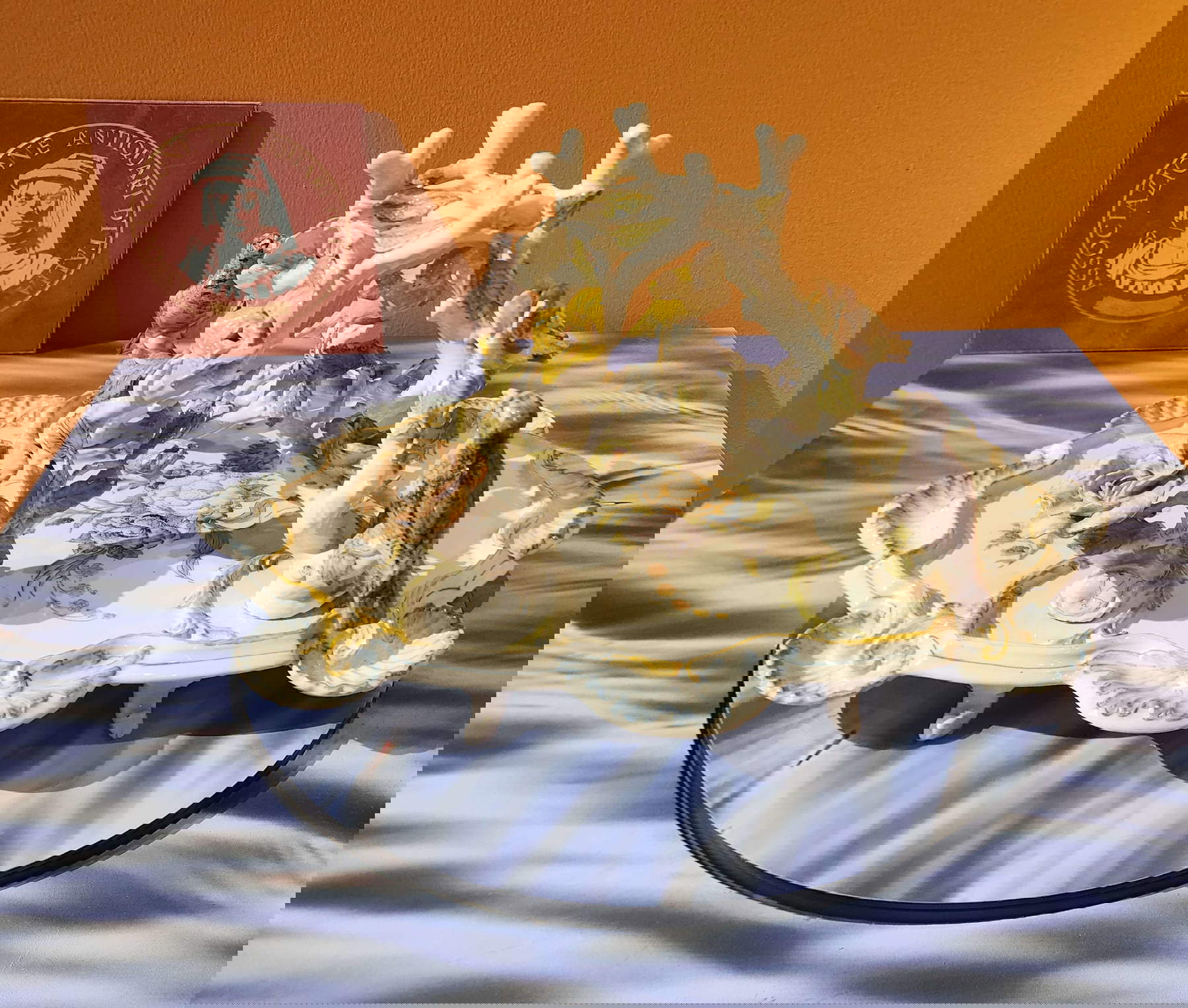
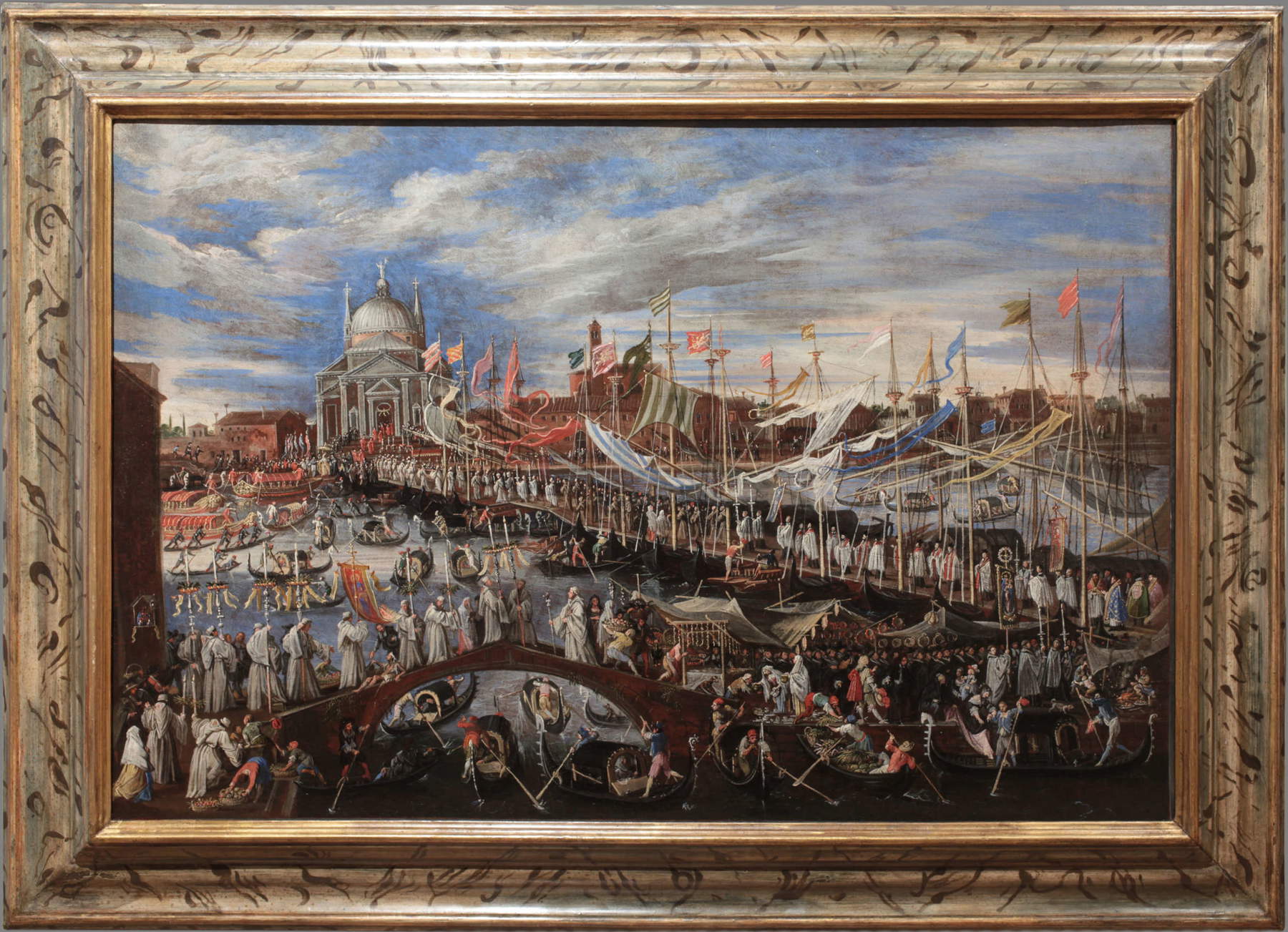
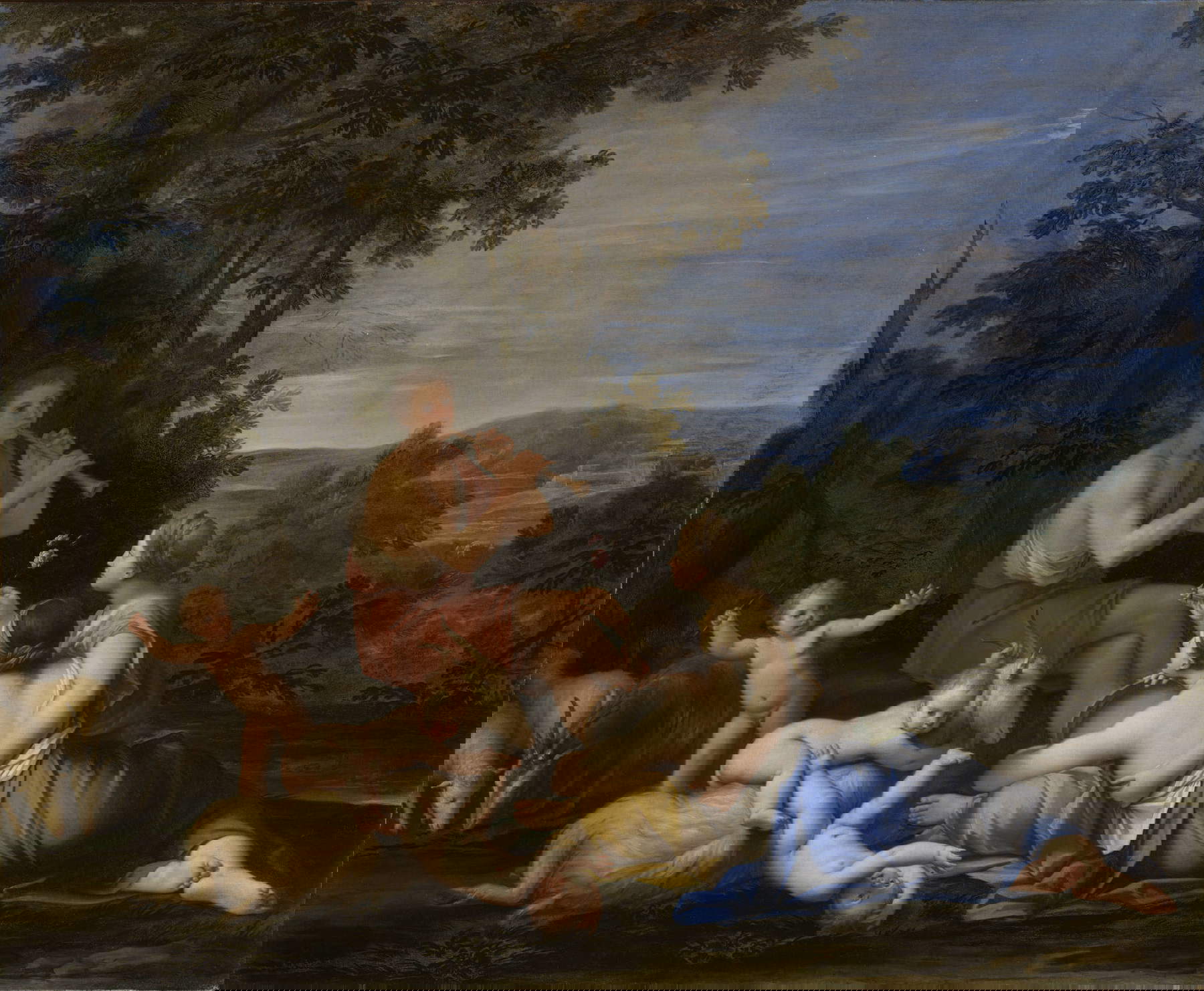
The section of the collateral exhibition entitled The Portrait between Sacred and Profane is grafted into the itinerary of Modenantiquaria with a thematic slant that focuses on the representation of the individual, declined between devotion, allegory and self-representation. The theme of the face and figure, addressed along a chronological span from the late 16th century to the early 20th century, is translated into a sequence of works that alternate psychological intimacy, narrative tension and symbolic construction.
It begins with Caretto & Occhinegro presenting a panel by Nicolas van Verendael, Lazing Monkeys (allegory of the human condition), datable around 1650, oil on panel, 45,000 euros. The painting, which takes up a motif by David Teniers the Younger, fits into the Flemish tradition of scenes with animals charged with moral significance. The monkeys, depicted in seemingly everyday attitudes, allude to the fragility and vanity of human action. Another young gallery, Goldfinch Fine Arts, is exhibiting Gaetano Gandolfi’s St. Joseph with Baby Jesus, executed between 1763 and 1765, €90,000. The work is in the early phase of the Bolognese master and reflects a sensibility that is still fully eighteenth-century. Saint Joseph, caught in an affectionate and participating attitude, supports the Child in a composition that privileges the tenderness of the father-son relationship. The light, soft and enveloping, gradually shapes the figures and leads the eye to focus on the faces of the two figures, while the light palette restores an atmosphere of composed serenity.
Romano Fine Art gallery offers Gian Girolamo Balzani’s Portrait of Galeazzo di Antonio Maria Nelli, offered at 9,000 euros. The painting, of limited format, focuses attention on the face of the protagonist, soberly restoring his physiognomic features and clothing. The construction is essential, devoid of superfluous elements, and aims at a direct definition of the subject’s social identity only through posture and gaze.
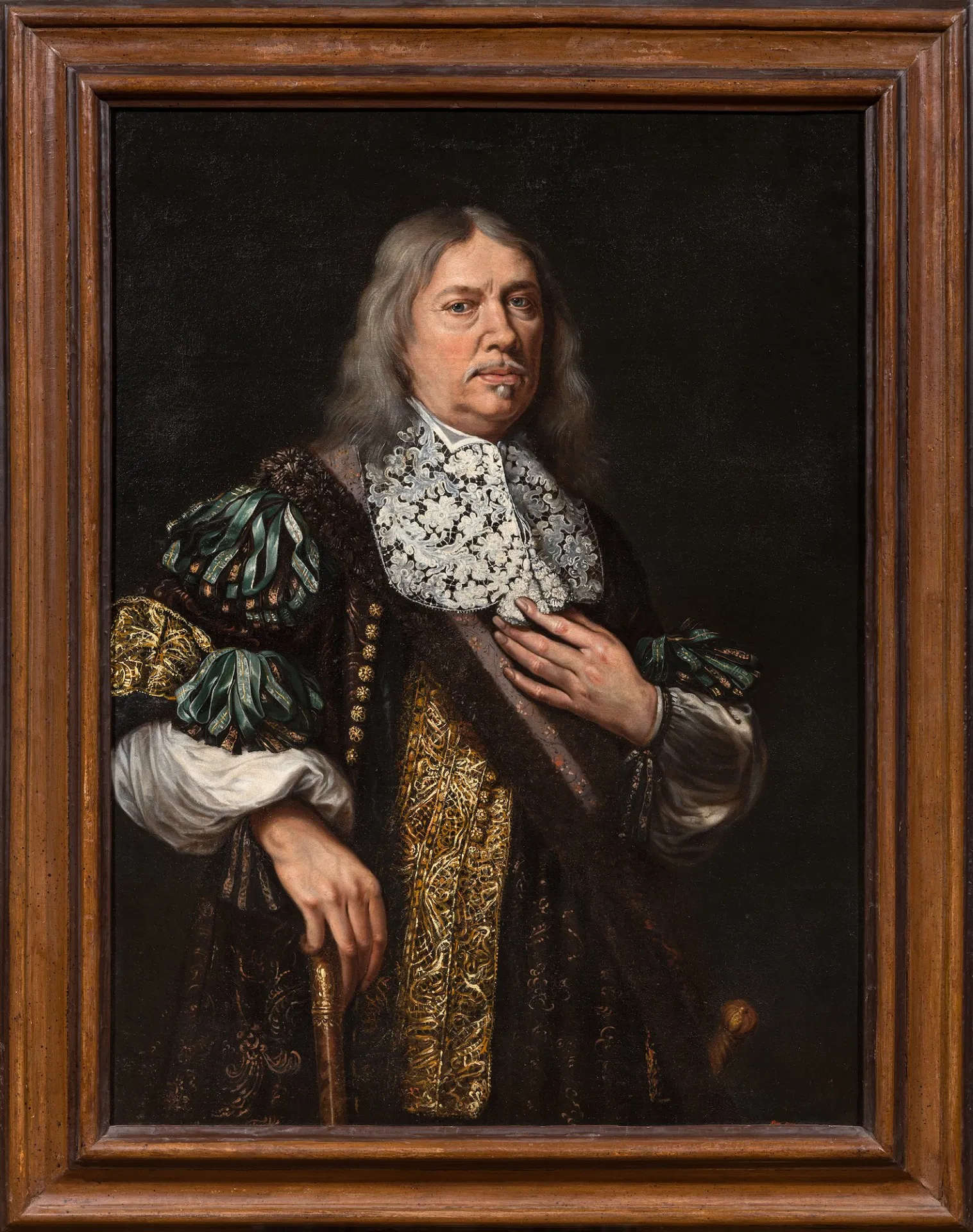
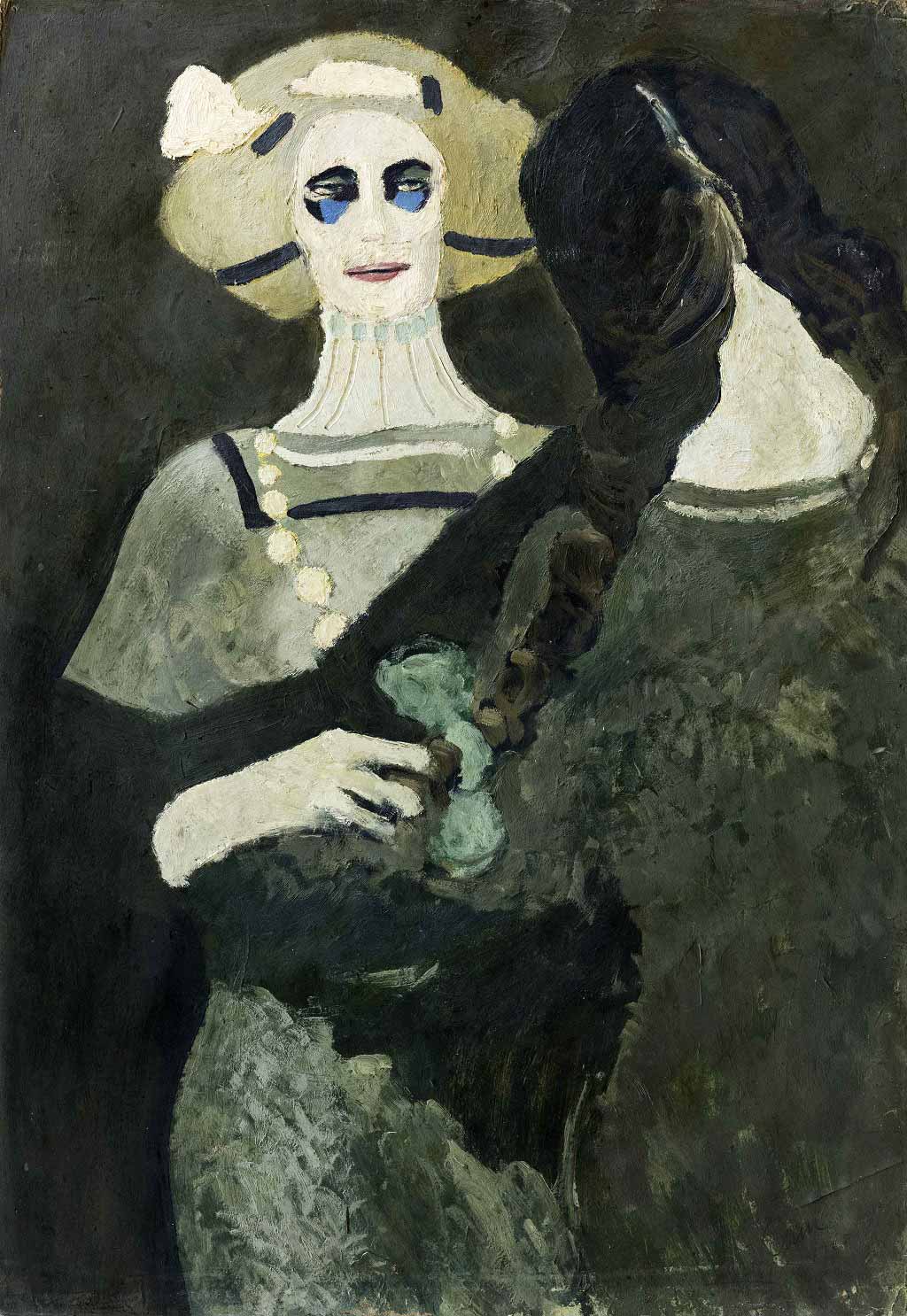
Cantore Galleria Antiquaria presents a Portrait of a Gentleman by Benedetto Gennari, €95,000. The work is within the framework of late 17th-century Emilian portraiture, in dialogue with the Guercino tradition. The figure, set at half-length, emerges from a dark background that accentuates its plastic presence. Attention to the details of clothing and careful definition of features are accompanied by a search for introspection that goes beyond mere physiognomic registration. With the Frediano Farsetti Gallery, the path shifts to the early twentieth century. Lorenzo Viani’s Le Parigine, dated 1908 and offered at 140,000 euros. The work testifies to the season in which the artist, during his stay in Paris, came into contact with the avant-garde and a changing urban environment. The female figures, synthesized in sinewy lines, an essential color palette and rendered in singular ways (one with her back turned, the other with makeup that makes her look almost like a mask), reflect an expressive tension that goes beyond naturalistic description to a more rugged and personal vision. Miriam Di Penta Fine Arts exhibits a Judith with the Head of Holofernes by Onorio Marinari, 32,000 euros. The biblical theme, with a strong iconographic impact, is interpreted according to a late 17th-century Florentine sensibility. The figure of Judith, caught in the moment after the action, combines grace and determination. The light emphasizes the complexion and iridescent fabrics, while the contrast with the severed head heightens the narrative tension without, however, indulging in gory effects.
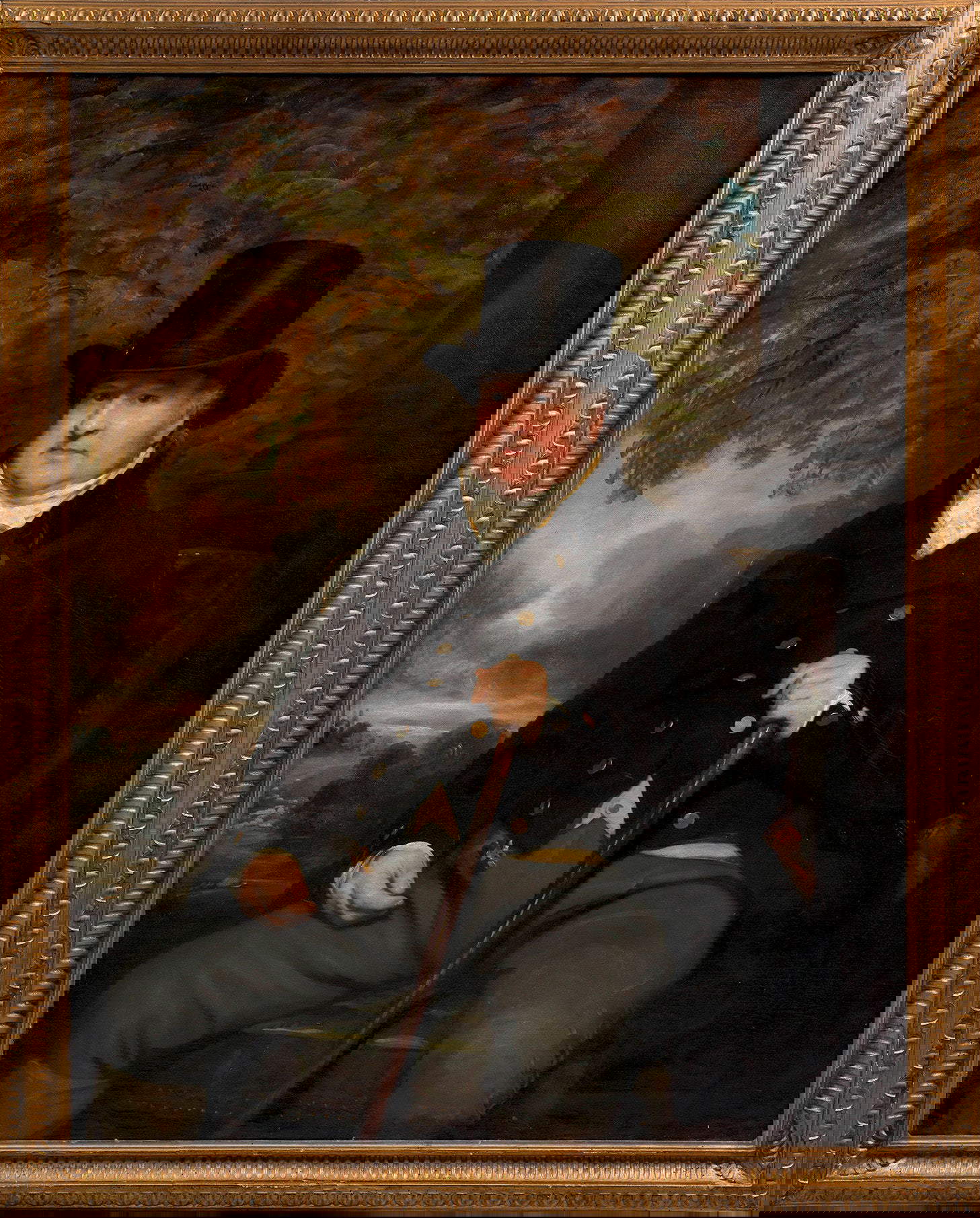
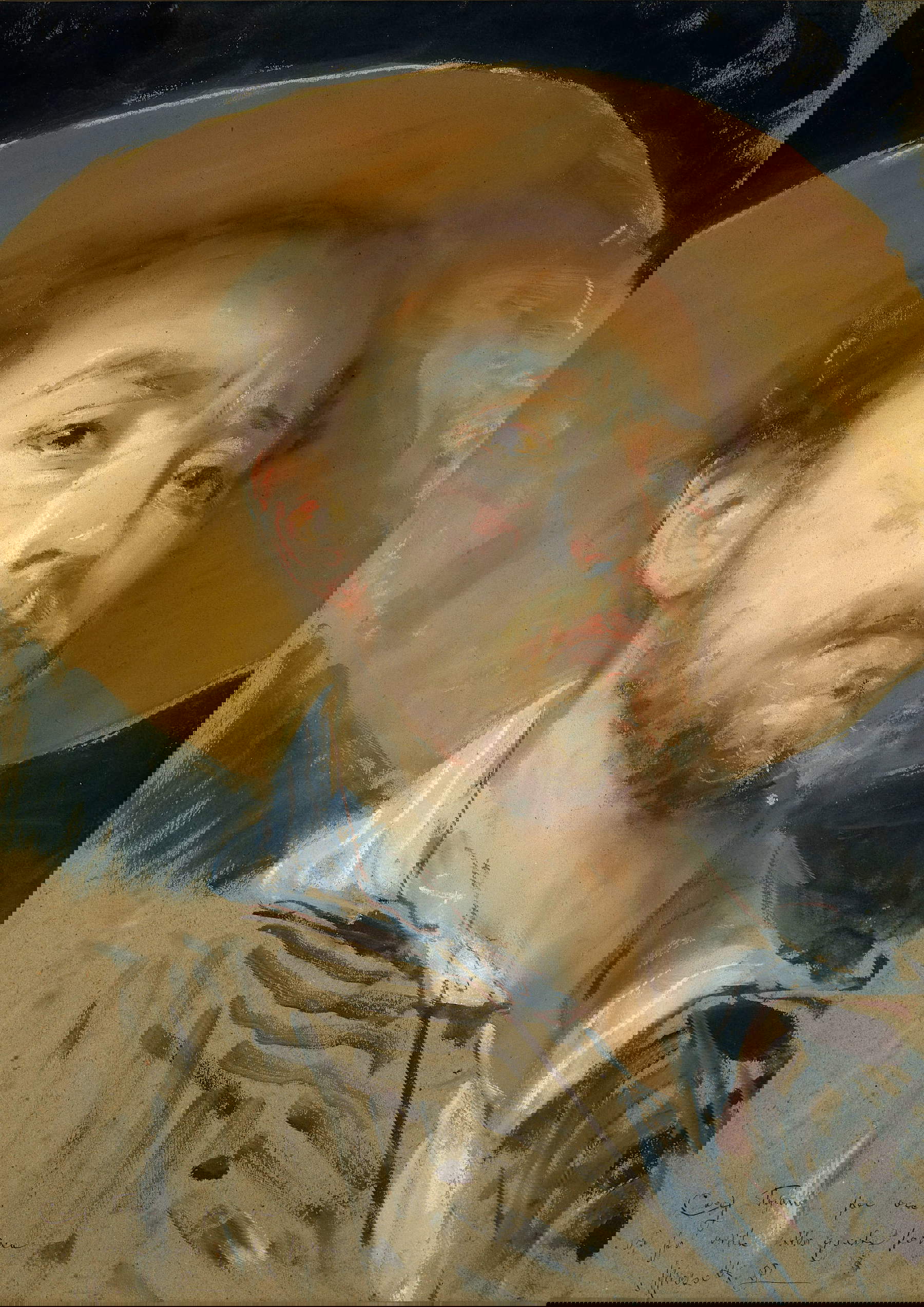
Of British scope is Henry Raeburn’s Portrait of a Landowner, presented by Giorgio Baratti Antiquary, 25,000 euros. The confident pose and vigorous rendering of the face reflect the artist’s interest in individual characterization. Continuing, Antonacci Lapiccirella Fine Art offers a Self-Portrait with Hat by Francesco Paolo Michetti, datable around 1800, executed in pastel and tempera on brown paper and offered at 52,000 euros. The work, by technique and setting, returns a direct and concentrated image of the artist. The face stands out against the brim of the hat, which alone occupies half of the composition; the choice of support and materials accentuates the intimate dimension of the self-portrait.
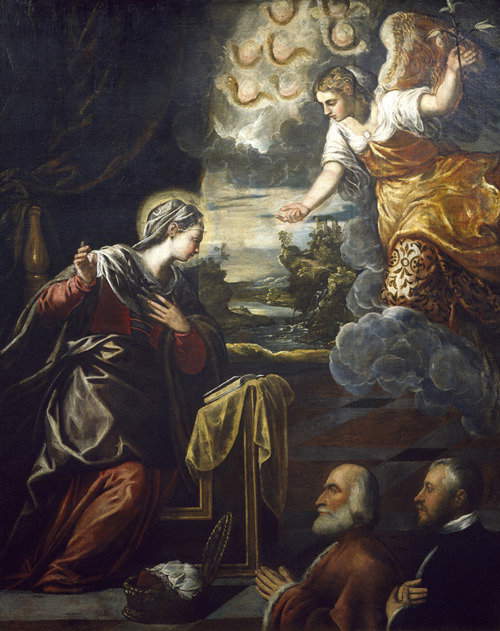
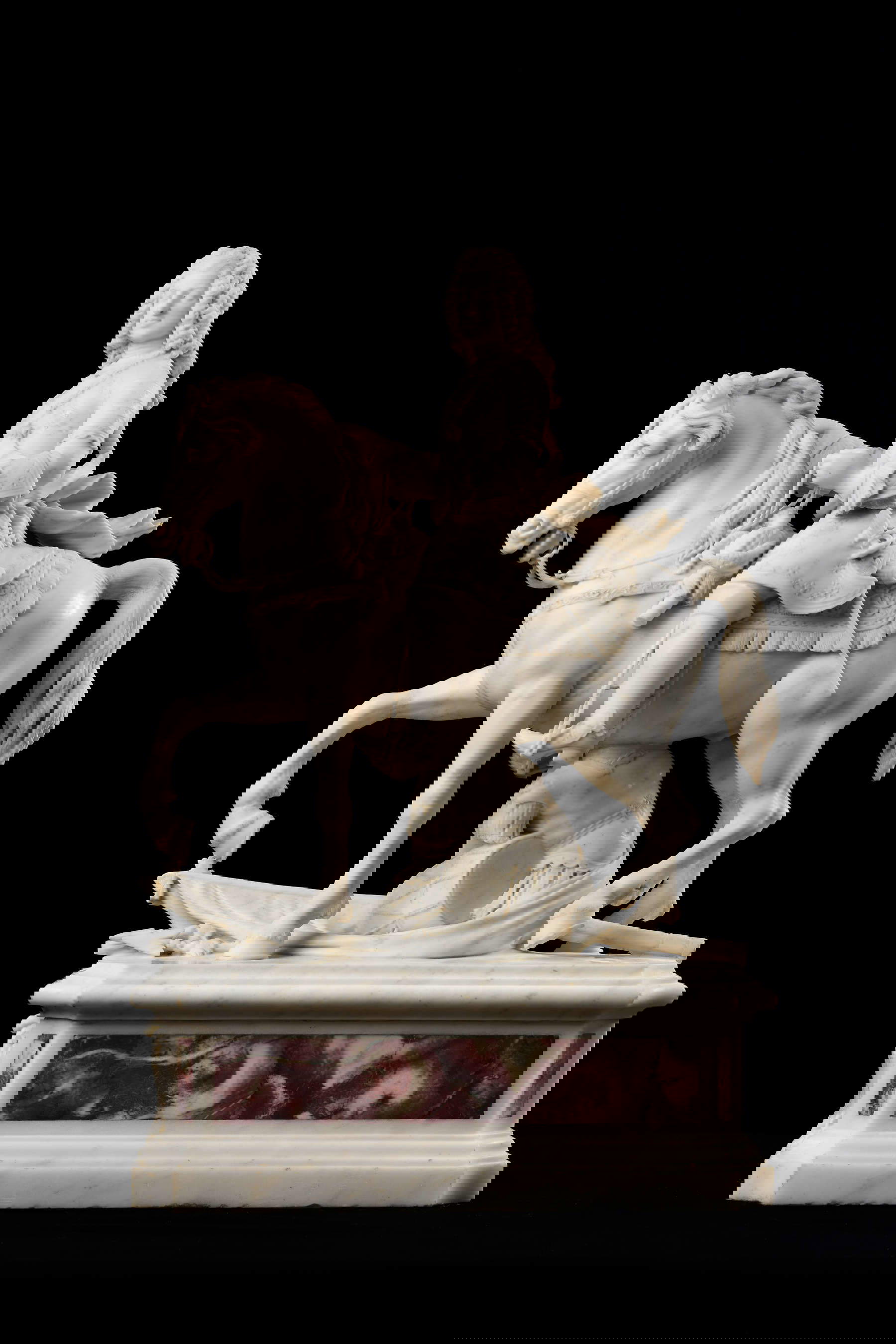
Frascione Gallery presents an important Annunciation by Domenico Robusti, son of Tintoretto, datable around 1595, offered at 180.000 euros, while Altomani & Sons closes the itinerary with a work now well known to antiques fairgoers, since it has been exhibited with some frequency lately (and was also awarded best work at Modenantiquaria 2025): this is the Model for the Equestrian Monument to Francesco III d’Este Duke of Modena by Francesco Antonio Panzetta Cassarini, a sculpture in statuary white Carrara marble with red marble inserts on the base, offered at 300.000 euros.
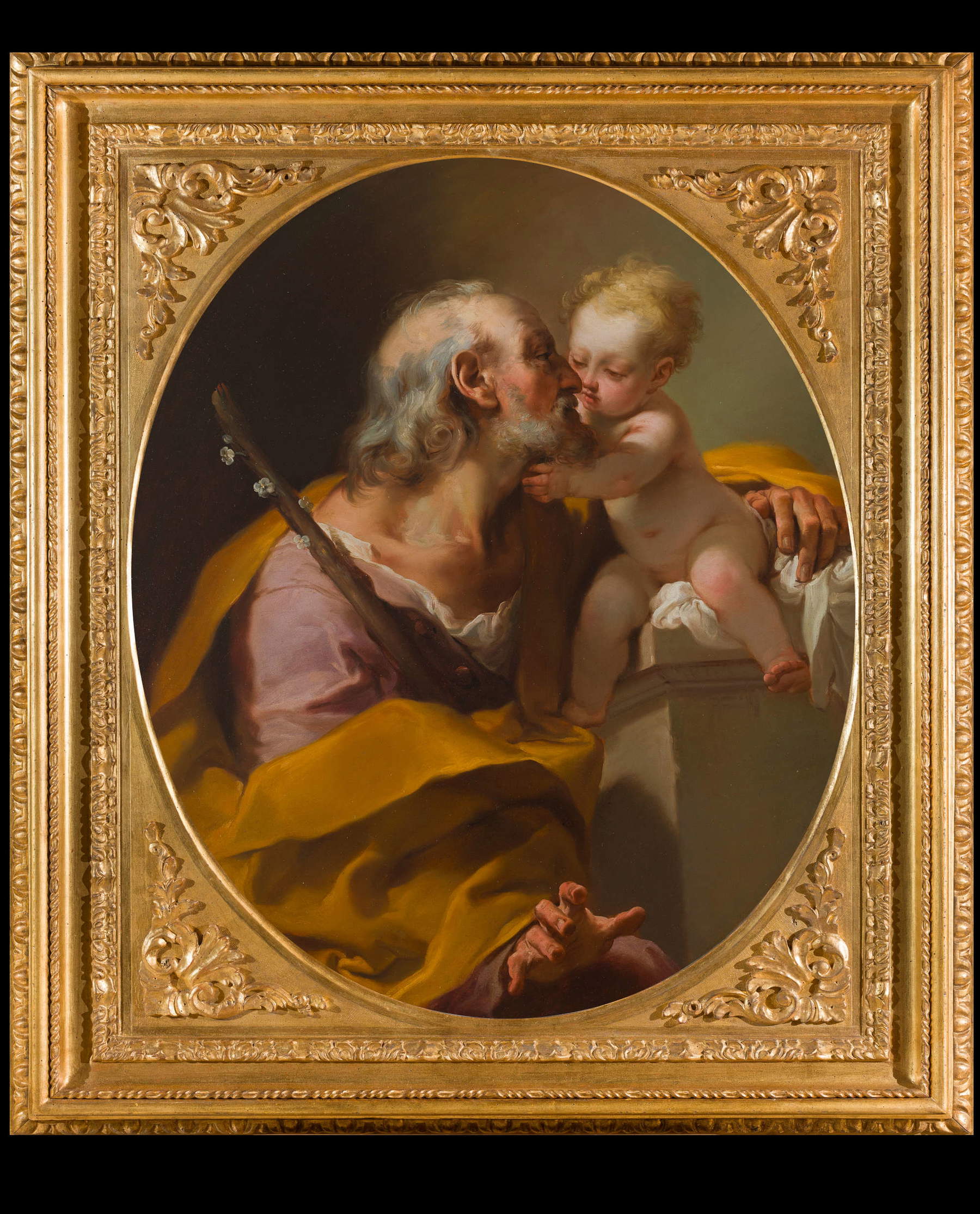
While gallery owners report interesting sales and significant audience numbers, some interesting news are already looming for 2027, when the 40th anniversary edition will take place. The mayor of Modena, Massimo Mezzetti, anticipated something during the inauguration: the fair, in particular, could be housed in the former Sant’Agostino Hospital, now the headquarters of the Ago Foundation, an old hospital complex located in the historic center, just opposite the Palazzo dei Musei that houses the Galleria Estense. Venue, however, is convenient: it is within walking distance of the station, and the Center’s large parking lot is located five minutes away. We shall see what new things are in store for us at what is now in fact one of the most important antiques fairs on the European scene.

The author of this article: Federico Giannini e Ilaria Baratta
Federico Giannini. Giornalista, co-fondatore di Finestre sull'Arte, direttore responsabile della testata. Nato a Massa nel 1986, si è laureato nel 2010 in Informatica Umanistica all’Università di Pisa. Nel 2025 ha scritto il libro Vero, Falso, Fake. Credenze, errori e falsità nel mondo dell'arte (Giunti editore). Per la tv è stato autore del documentario Le mani dell’arte (Rai 5) ed è stato tra i presentatori del programma Dorian – L’arte non invecchia (Rai 5).
Ilaria Baratta. Giornalista, co-fondatrice di Finestre sull'Arte, caporedattrice della testata. È nata a Carrara nel 1987 e si è laureata a Pisa in Lingue e Letterature Straniere.
Warning: the translation into English of the original Italian article was created using automatic tools. We undertake to review all articles, but we do not guarantee the total absence of inaccuracies in the translation due to the program. You can find the original by clicking on the ITA button. If you find any mistake,please contact us.























 IT
IT FR
FR DE
DE ES
ES CN
CN


