





At the Stanze della Fotografia, on the island of San Giorgio Maggiore in Venice, a new in-depth exhibition dedicated to protected landscapes opens. From Dec. 2, 2025 to Jan. 6, 2026, the second floor of the exhibition spaces welcomes Dolomites. A Protected Landscape, a project built around the photographs of Manuel Cicchetti and narrative text by Antonio G. Bortoluzzi. The exhibition stems from the book of the same name published by Marsilio Arte in co-edition with the Veneto Region, part of a publishing line aimed at territories recognized by UNESCO.
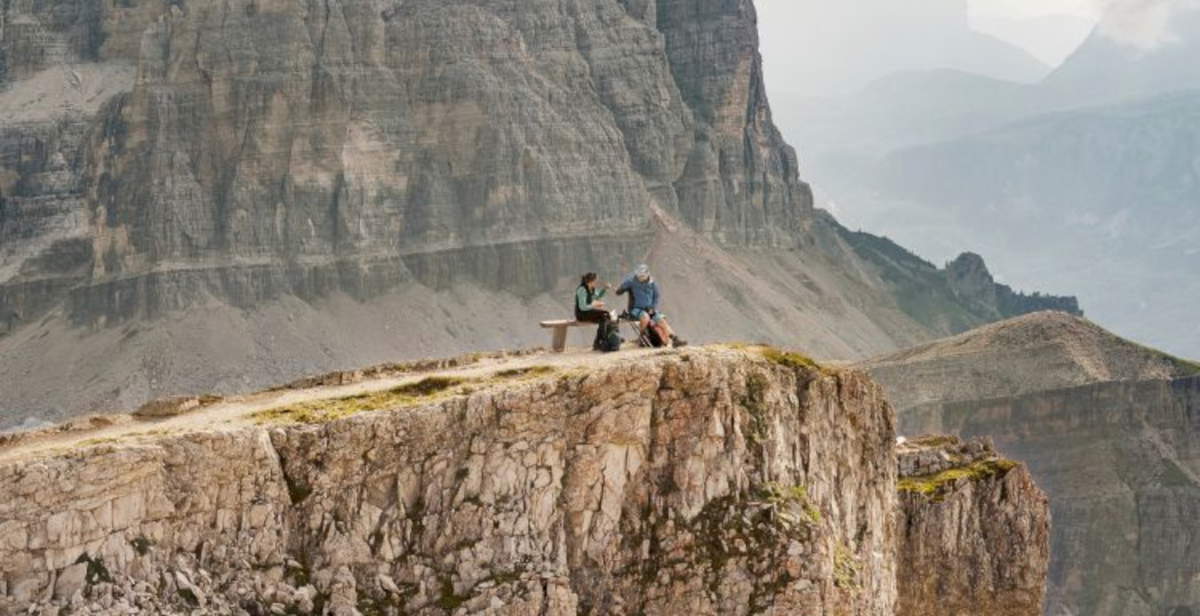
The visual heart of the exhibition consists of 45 photographs that investigate the Dolomite landscape without resorting to celebratory settings. Cicchetti directs attention to the morphology of the mountains, alternating sweeping scenery with details that reveal traces of human presence. In his shots appear paths cut out of the rock, isolated dwellings in the valleys, infrastructures that fit into the alpine environment with outcomes that are sometimes discreet, sometimes more evident. Thus, photography is placed at the meeting point between natural elements, slow transformations and interventions necessary for life at altitude. The result is a reading that restores the complexity of a mountain system recognized as a world heritage site for its geological and landscape value. The project is part of the series that Marsilio Arte dedicates to UNESCO sites in the Veneto, following the volumes on the Prosecco Hills of Conegliano and Valdobbiadene and on Venice and its lagoon, both published in 2025. The common goal is to produce a narrative capable of associating documentation, awareness and attention to the transformations of the territories. The editorial approach is reflected in the exhibition through an itinerary that aims not to exalt the monumental character of the Dolomites, but to reconstruct an observatory on the relationship between communities, altitudes and landscape changes.
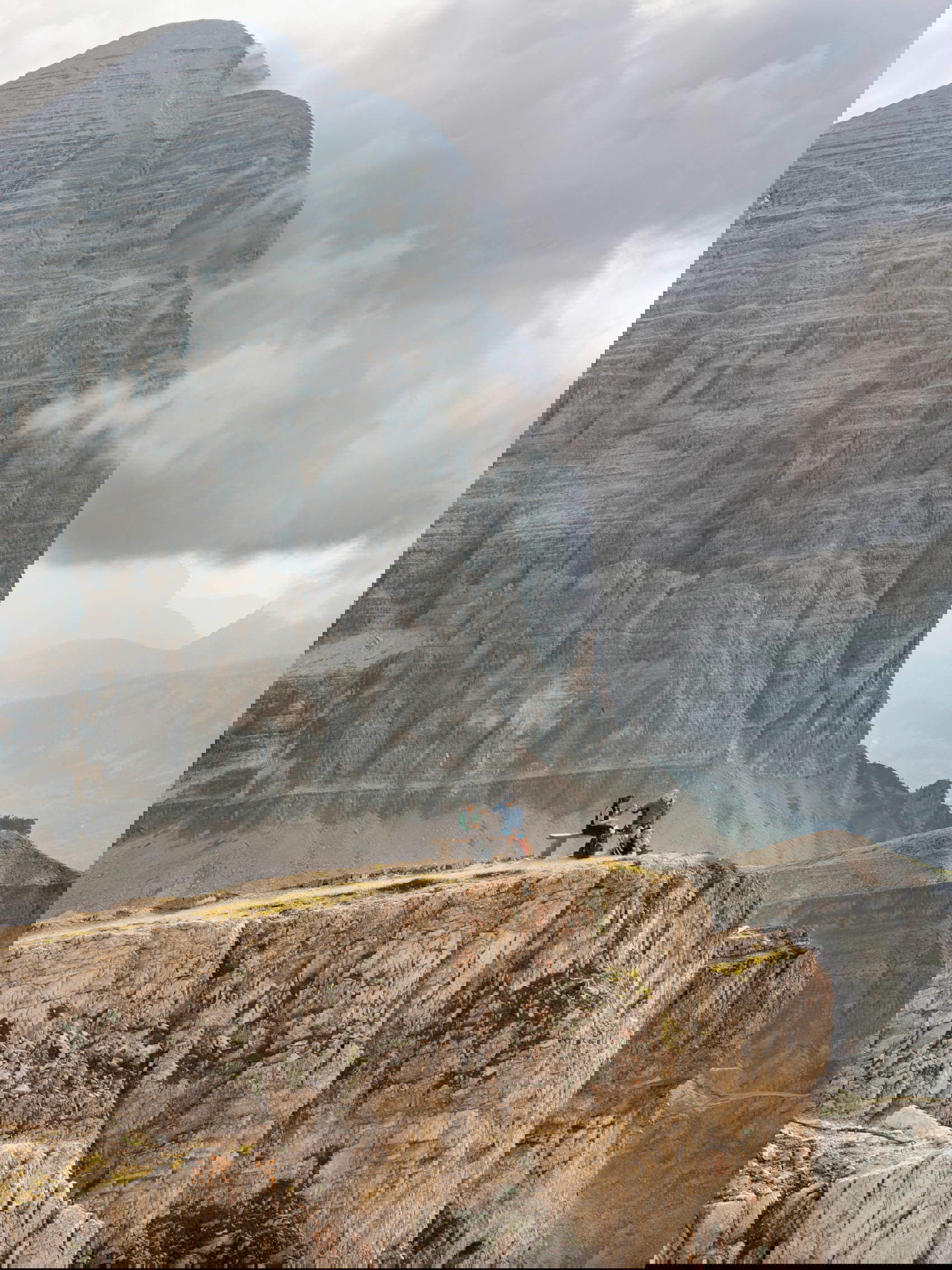
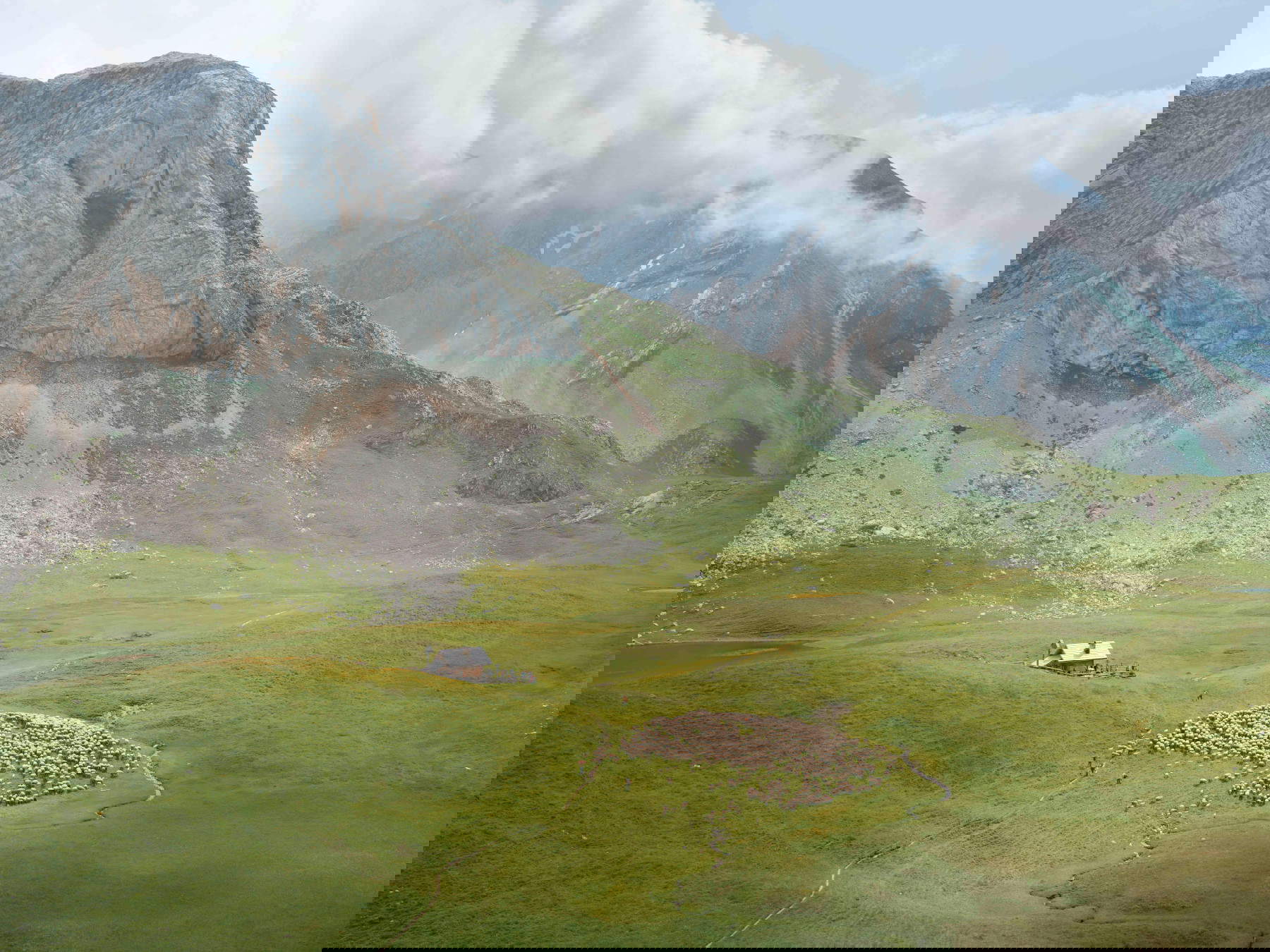
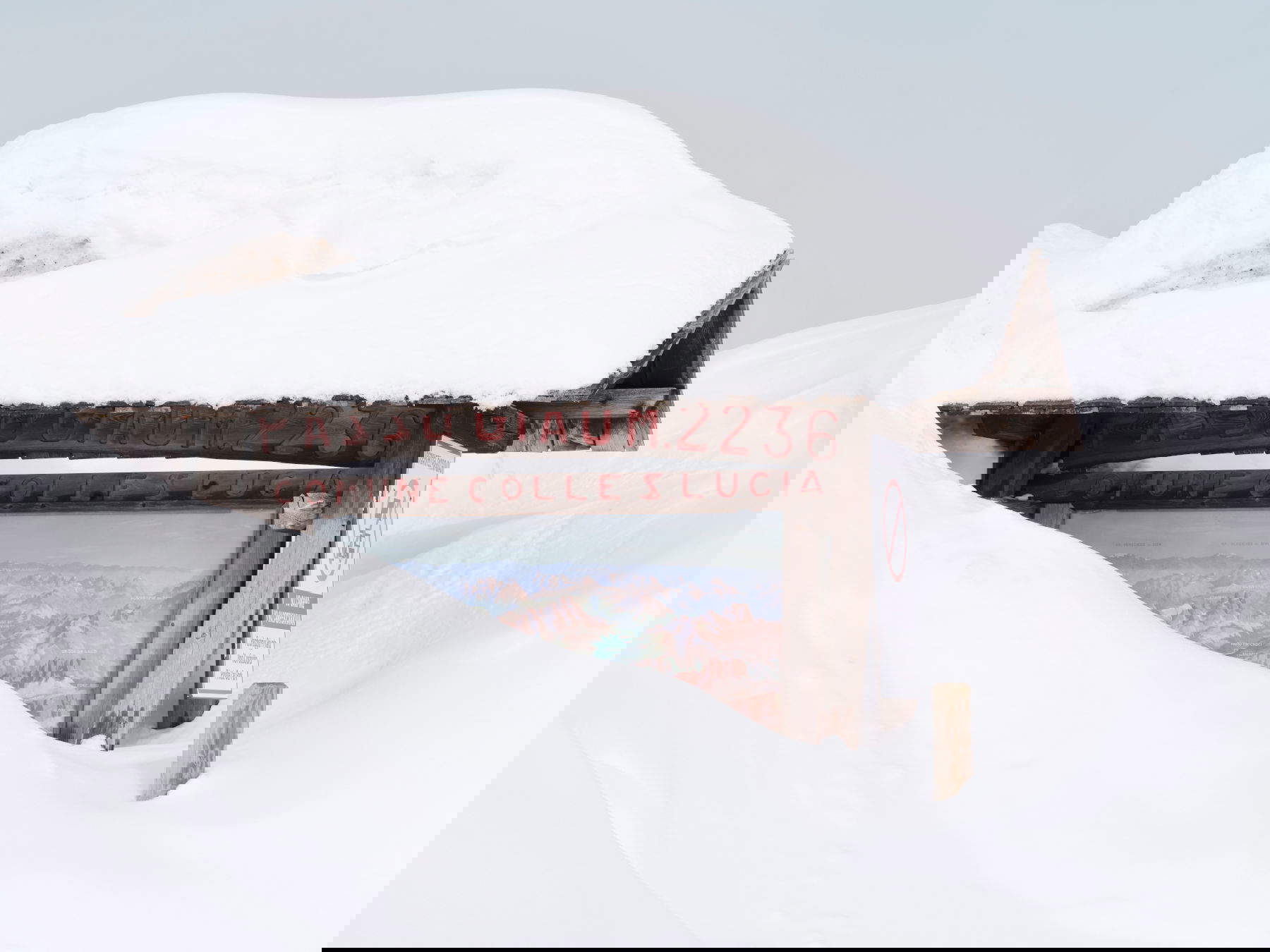
The exhibition is divided into five thematic sections: Ascendere, Mirabilia, Persistence, Signs, Limit. Each proposes a specific interpretation of the relationships that have shaped the mountains over time.Mirabilia addresses the theme of wonder as a still possible experience in the Dolomite landscape. The introductory text recalls the ability of mountains to generate an immediate relationship with the territory, especially when one moves away from metropolitan areas to find oneself in front of scenery that is possible to embrace with one’s gaze, likened to a meeting after a long absence. Ascendere, on the other hand, focuses on upward movement, understood as slow and gradual progression. The section evokes the transition from forest to alpine meadows, from ledges to forks, to peaks. The text accompanies the theme of ascent by recalling the ancient history of mountains, shaped over time and traversed by prehistoric and historic peoples, to the villages that developed at their feet.
Limit introduces the theme of contemporary perceptions of mountains, often influenced by media reproduction and social media. The text emphasizes how the extreme nature of the Dolomite environment remains a central element, highlighting the need to recognize its risks and unpredictability. Without this awareness, the mountains cannot convey any lessons, even by reaching high altitudes. Signs explores the visible traces of human intervention in the landscape. The image of the ancient Gardona tower, overlooking the bed of the Piave River, introduces the reflection on the Seven Ways of the Mountain, identified as ancient, modern and even postmodern paths. Persistence, finally, links the landscape to the manual experience of the generations that have inhabited the Dolomites. The text refers to the hands of the elderly and the activities of farming and caring for the land, relating them to the gestures of contemporary climbers. The continuity between the human body and the mountain, detectable in the act of grasping a crack or a rock step, is presented as a condition for avoiding a fall. The Rooms of Photography, born from the collaboration between Marsilio Arte and the Giorgio Cini Foundation, have long operated as a center dedicated to contemporary visual culture. The initiative is developed with the partnership of the Venice Foundation and San Marco Group and with the support of Grafica Veneta and NeoTech. The production of the exhibition also benefits from collaboration with DWF and Rhythm, a permanent project of Sport4Impact and Fondazione La Nuova Musica.
 |
| Dolomites, a protected landscape: Manuel Cicchetti's photo exhibition in Venice |

Warning: the translation into English of the original Italian article was created using automatic tools. We undertake to review all articles, but we do not guarantee the total absence of inaccuracies in the translation due to the program. You can find the original by clicking on the ITA button. If you find any mistake,please contact us.
























 IT
IT FR
FR DE
DE ES
ES CN
CN


