





Bologna is preparing to welcome an exhibition that traverses the main Italian artistic currents of the first half of the 20th century. On Thursday, Jan. 22 at 3 p.m., the exhibition “Futurism” and “Return to Order” in the Collections of the Fondazione Carisbo, an event included in the calendar of ART CITY Bologna 2026 and the ART CITY White Night on the occasion of Arte Fiera, opens in the rooms of Casa Saraceni, headquarters of the Fondazione Carisbo. The exhibition, which can be visited until July 26 and is curated by Angelo Mazza, curator of the Fondazione Carisbo’s Art and History Collections, brings together a selection of works from the Foundation’s Art and History Collections, articulated around the two major artistic strands that marked the Italian cultural debate between the Belle Époque and the 1920s.
The exhibition offers an in-depth look at Futurism, a cultural movement founded in 1909 by poet Filippo Tommaso Marinetti. The exhibition highlights how Futurist production, in the Foundation’s Collections, ranges from painting to sculpture, graphics to architecture, including literature, music, photography and film. Futurism was set in a historical context of strong social and technological transformations: political changes, the winds of war, the rise of new wireless communications and innovations in locomotion, which had introduced trains, automobiles and airplanes, led artists to explore speed, simultaneity and a new conception of space and time.
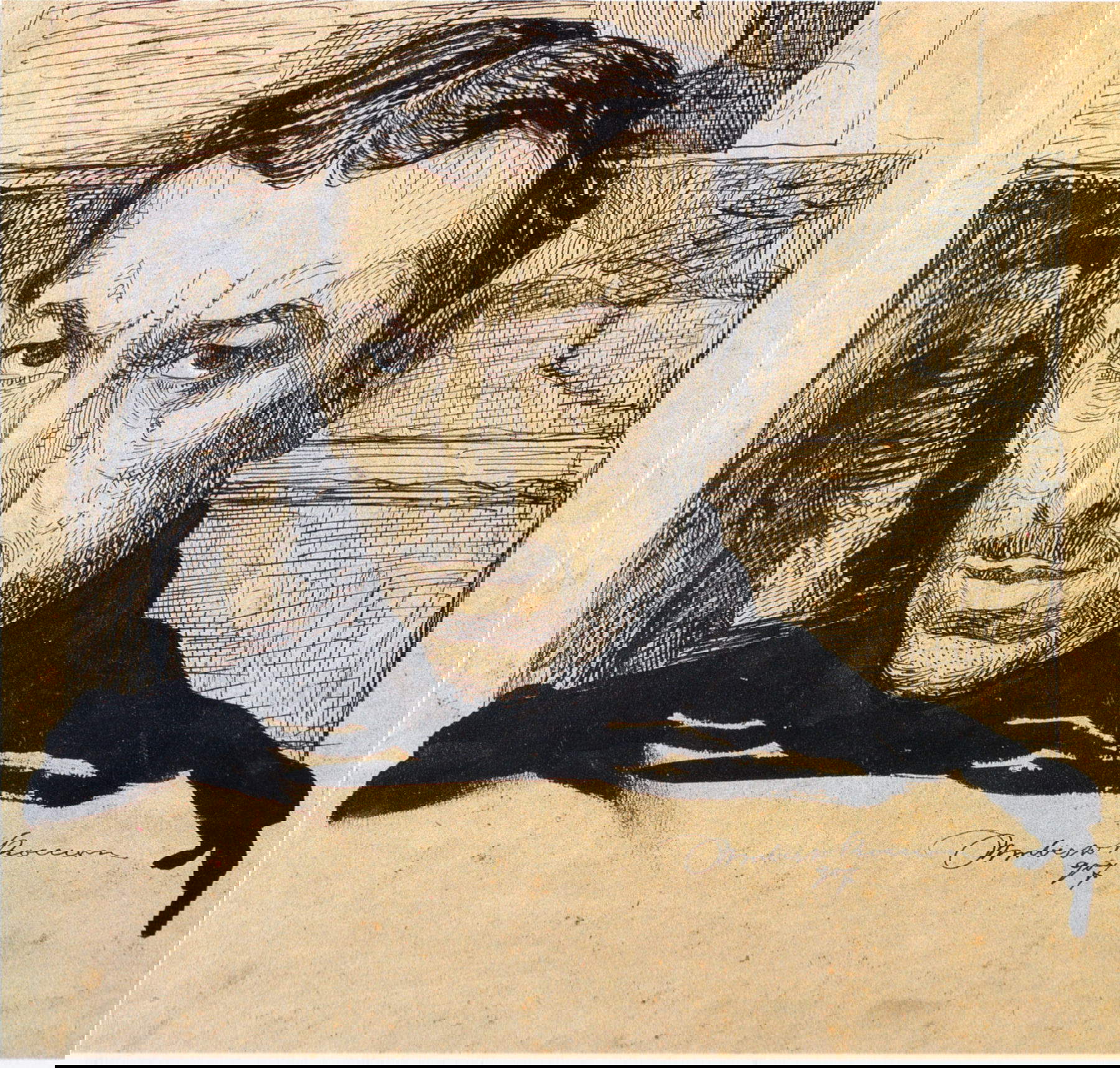
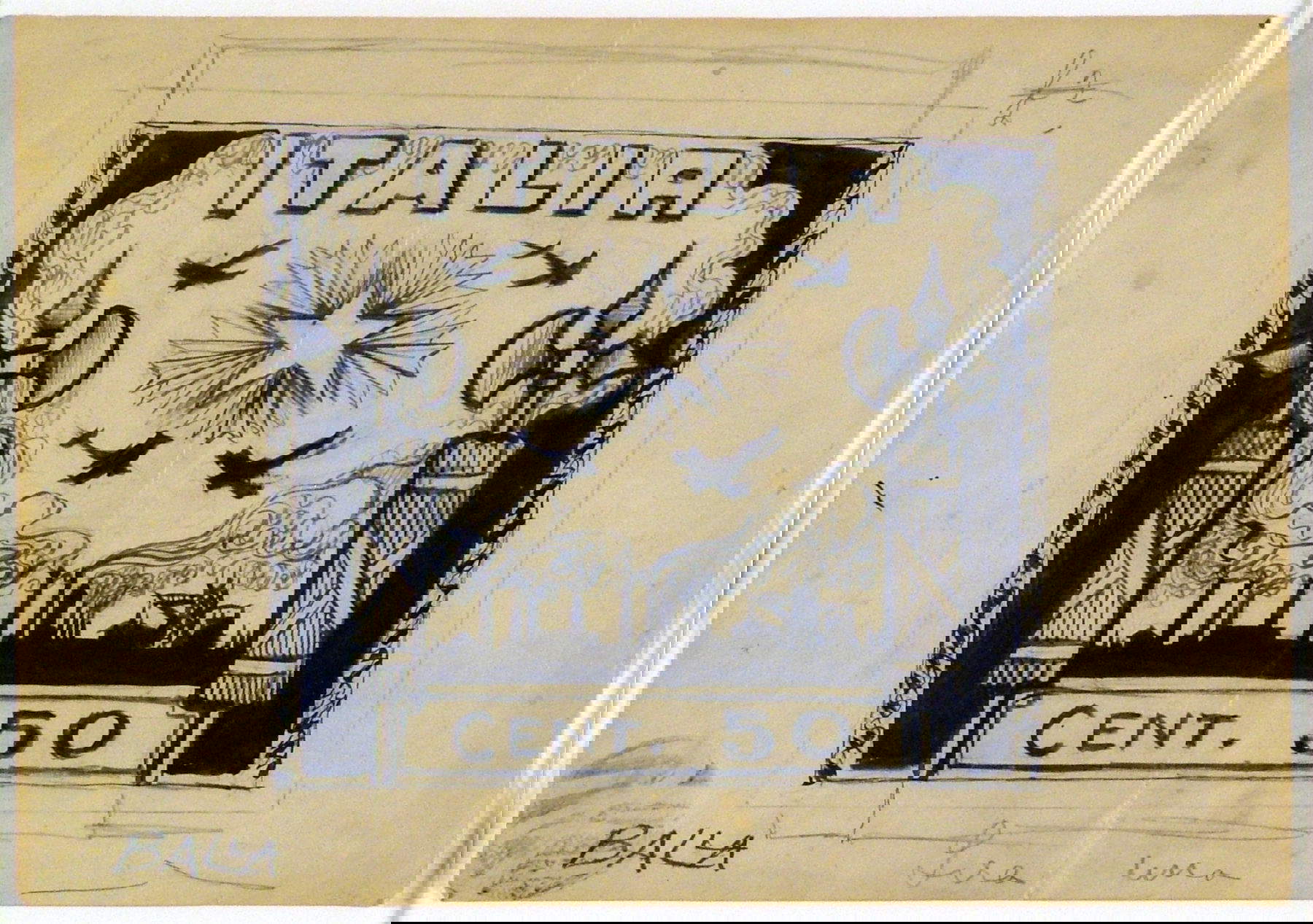
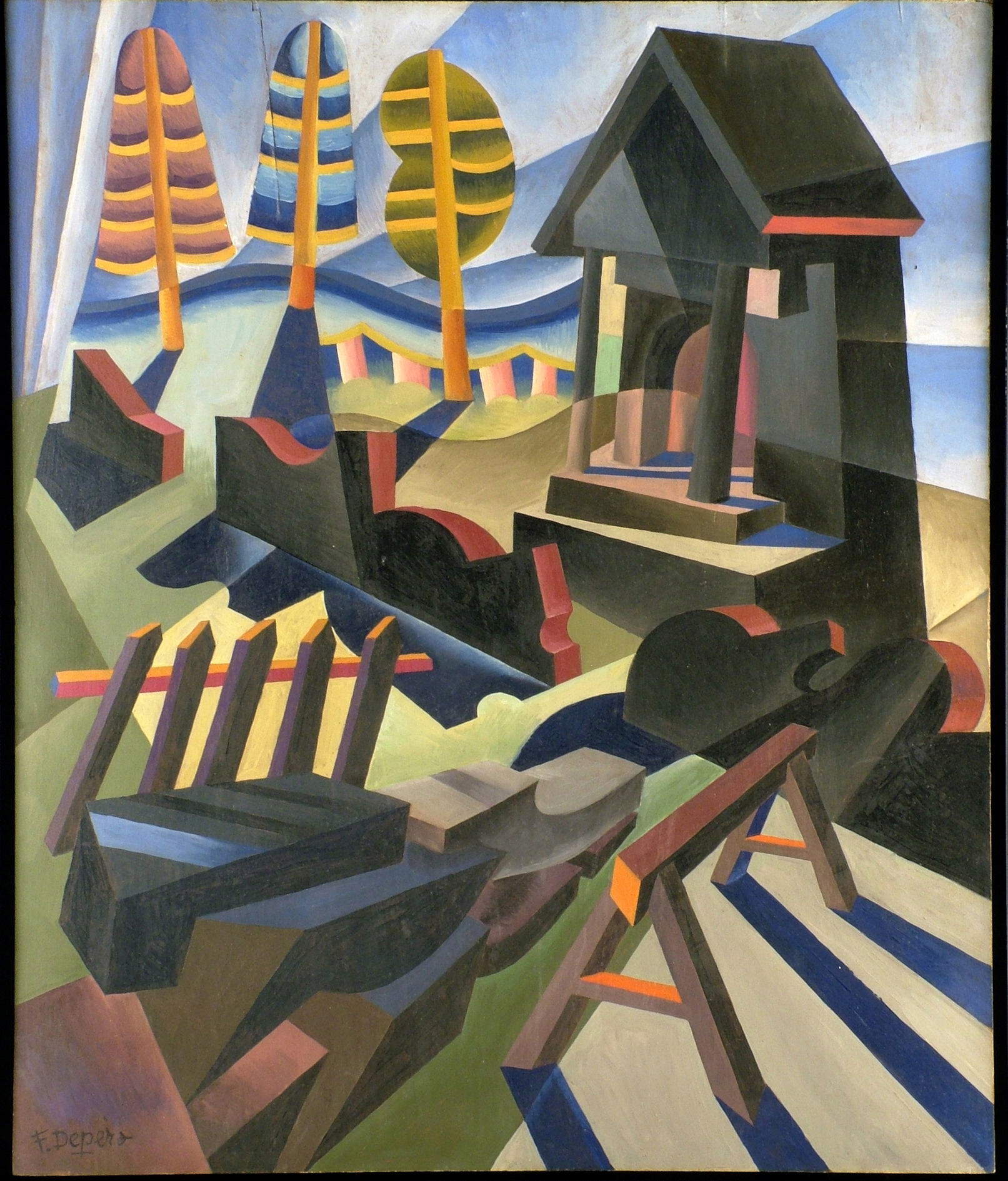
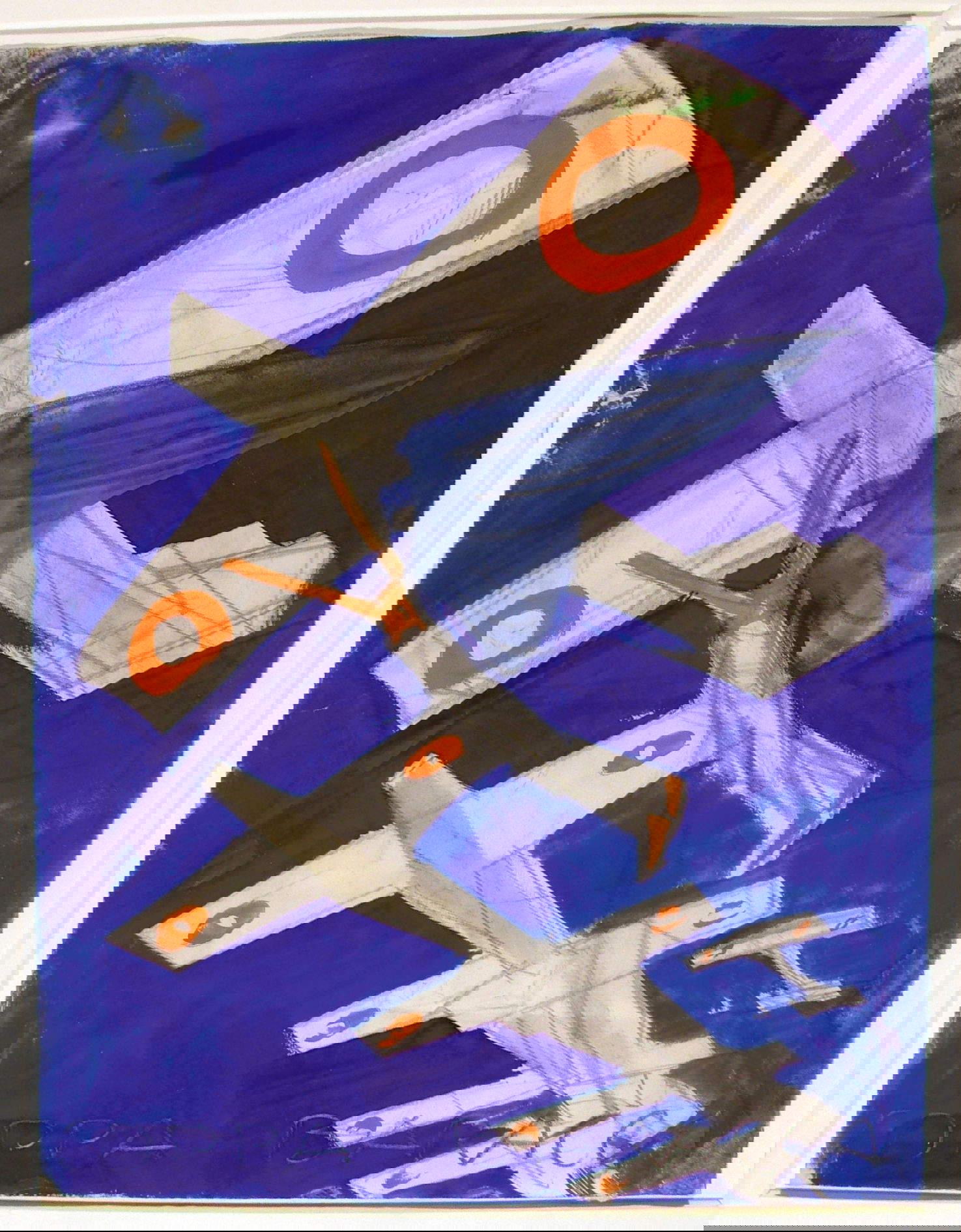
The works on display include pieces by Marinetti, Giacomo Balla, Umberto Boccioni, Roberto Marcello Baldessari, Alessandro Bruschetti, Mino Rosso, Fortunato Depero and other leading exponents of Futurism. Notable items include a postage stamp sketch by Balla and Boccioni’s PenSelf-Portrait. Ample space is also devoted to aeropainting with works by Alfredo Gauro Ambrosi, Mario Sironi, Giulio D’Anna, Mino Delle Site, Tato (Guglielmo Sansoni) and, in particular, the Bolognese Angelo Caviglioni, present in the Foundation’s Collections with more than 100 works thanks to generous donations.
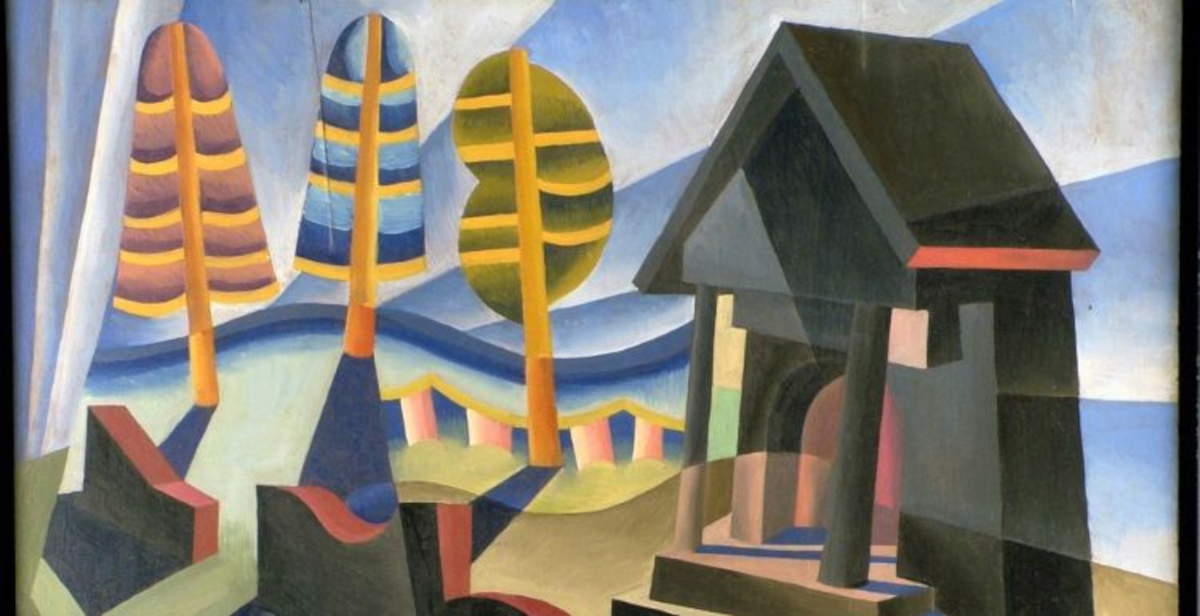
Alongside Futurism, the exhibition addresses the Return to Order, an artistic movement that developed after World War I as a response to the experiments of the avant-garde. The reaction to the rejection of the past and Futurist radicalism led artists to seek new forms of expression rooted in tradition, the recovery of classical canons and attention to compositional stability. The magazine Valori plastici, published between 1918 and 1921 by Mario Broglio, represented a point of reference for this movement, bringing together critics and artists such as Giorgio De Chirico, Carlo Carrà, Giorgio Morandi and Alberto Savinio.
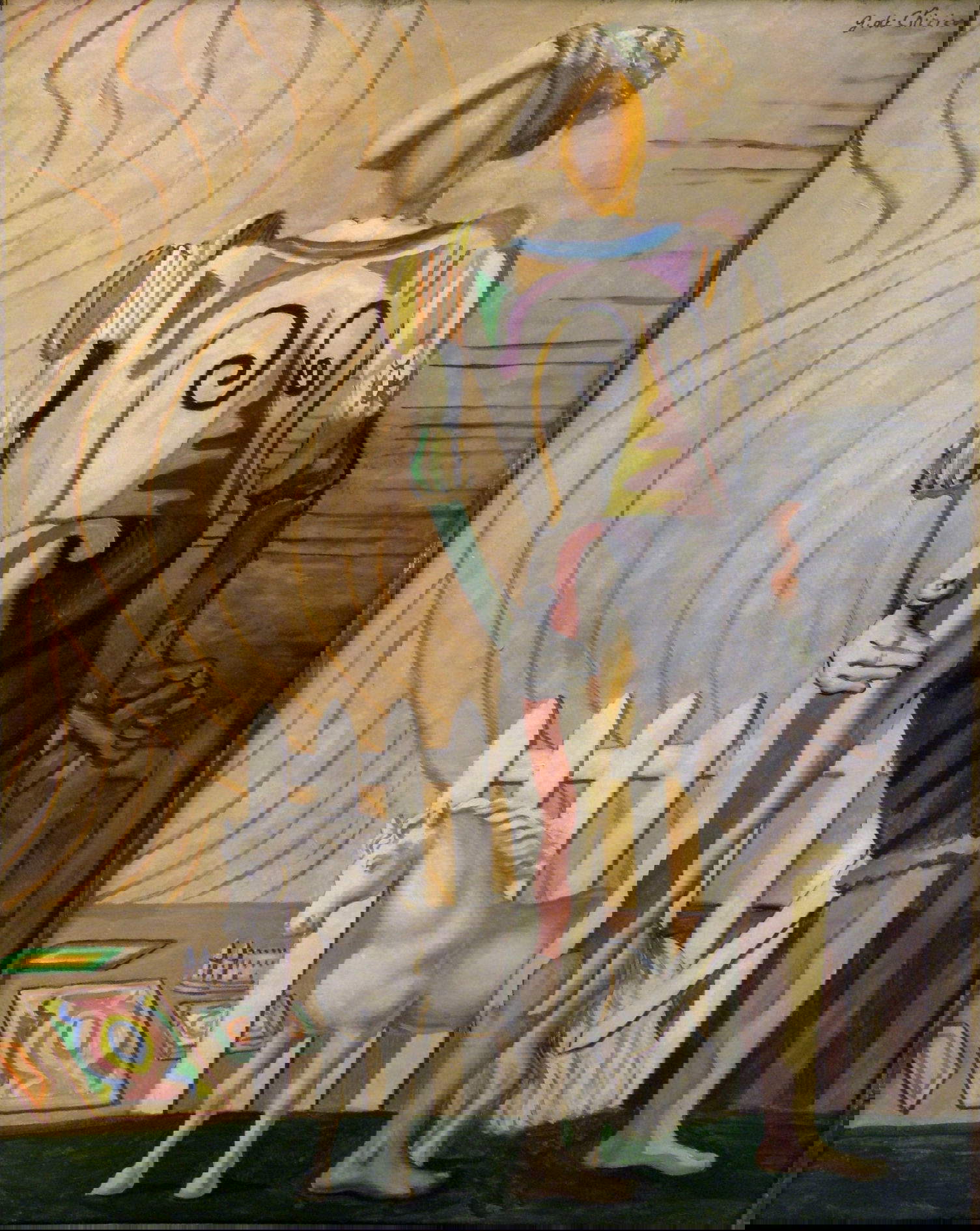
In the Foundation’s Collections, the Return to Order finds expression in works that stand out for their formal rigor and continuity with the artistic past. These include Adolfo Wildt’s marble relief La Madre, Mario Sironi’s Famiglia di lavoratori, Arturo Martini’s bronze Torso di giovinetto, and monumental sculptures such as Daedalus and Icarus and Opere assistenziali. Charity. Painting is represented by works such as Lucio Fontana’s ceramic bust Ritratto di fanciulla, Filippo De Pisis’ homage to antiquity in Il piede romano, Giorgio De Chirico’s Gentiluomo in villeggiatura, and Felice Casorati’s Donna vicino al tavolo. Works by Galileo Chini complete the itinerary, including La trebbiatura, preparatory cartoon for the wall paintings of the Casa del Contadino in Bologna, now the headquarters of CGIL.
The exhibition will remain open with differentiated hours: Tuesday through Friday from 3 to 6 p.m., Saturday and Sunday from 10 a.m. to 6 p.m., with special openings on the occasion of ART CITY Bologna 2026. In particular, on February 5 and 6 the spaces will be accessible from 10 a.m. to 6 p.m. and 10 a.m. to 7 p.m., while on February 7 White Night will extend the opening until 11 p.m. and on February 8 until 7 p.m. On Monday they will be closed, while during the holidays of Easter, Easter Monday, April 25, May 1 and June 2 the halls will be open from 10 a.m. to 6 p.m.
 |
| Futurism and Return to Order: the Carisbo Collections on display at Casa Saraceni |

Warning: the translation into English of the original Italian article was created using automatic tools. We undertake to review all articles, but we do not guarantee the total absence of inaccuracies in the translation due to the program. You can find the original by clicking on the ITA button. If you find any mistake,please contact us.


























 IT
IT FR
FR DE
DE ES
ES CN
CN


