




by Redazione 31/01/2026



Categories: Exhibitions / Disclaimer
From Jan. 31 to Oct. 31, 2026, the Palace of the former Bishop's Seminary in Palestrina will host a major archaeological exhibition dedicated to the birth of Gabii, including unpublished finds, written evidence and the exceptional return of the Fibula Prenestina.

From Jan. 31 to Oct. 31, 2026, the Palace of the former Episcopal Seminary of Palestrina (Rome), overlooking the Forum of Praeneste, will host the exhibition Gabii: the Origins, a never-before-seen exhibition project that accompanies the public to discover the genesis of one of the main centers of ancient Latium. The exhibition is intended as an opportunity for study and dissemination in order to restore an updated and scientifically rigorous picture of the earliest phases of the history of Gabii, a city that played a central role in the political, cultural and linguistic development of central Italy.

Curated by Martina Almonte, Marco Fabbri and Federica Zabotti, and with loans granted by some of the most prestigious museums of the Ministry of Culture, such as the National Etruscan Museum of Villa Giulia, the National Roman Museum - Baths of Diocletian and the Museum of Civilizations, the exhibition was born from the encounter between archaeological research, epigraphic investigation and heritage enhancement, and presents a selection of finds of great historical value. The exhibition is based on materials largely from recent excavation campaigns conducted by the University of Rome Tor Vergata in the Gabii area, which in recent years have returned significant new evidence on the origins of the settlement. Among the most relevant nuclei are the unpublished White-on-Red pottery vessels, finds of exceptional archaeological interest that help to redefine the chronological and cultural framework of the earliest phases of the city’s life.


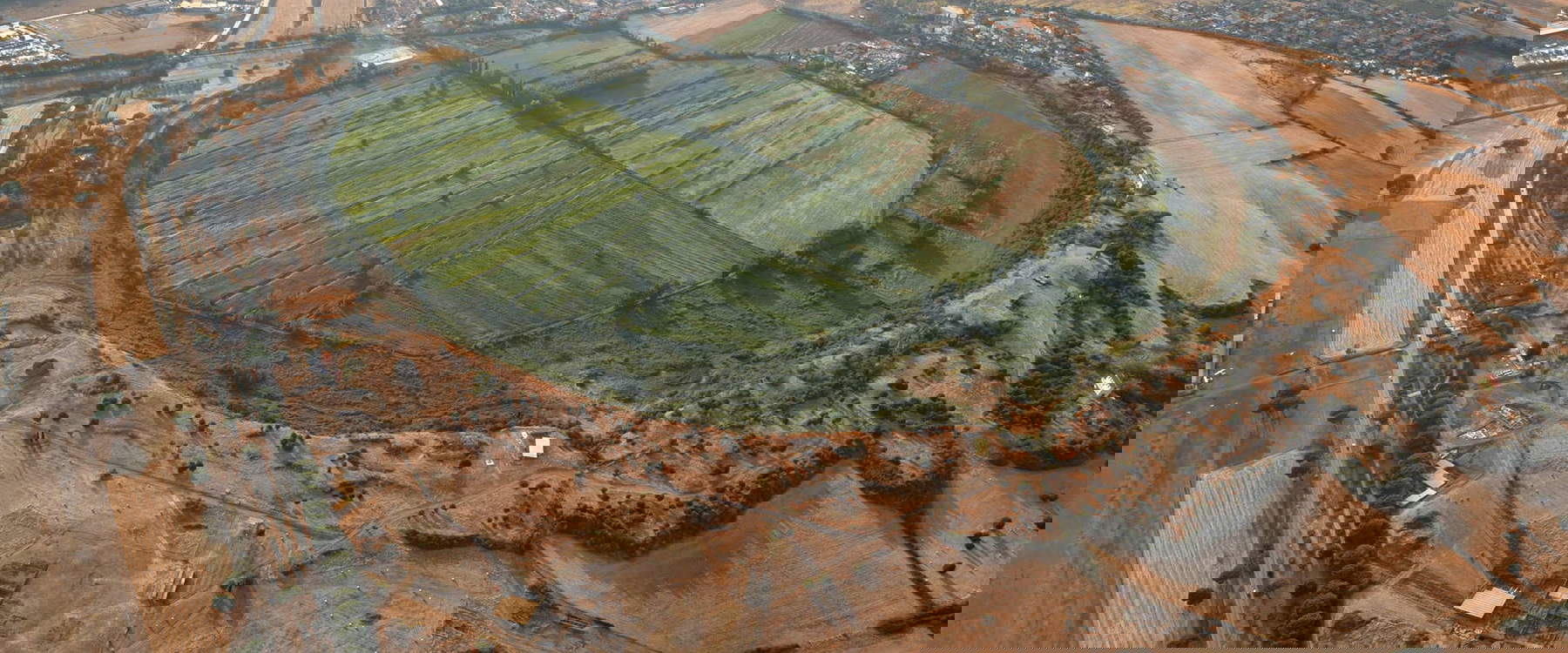
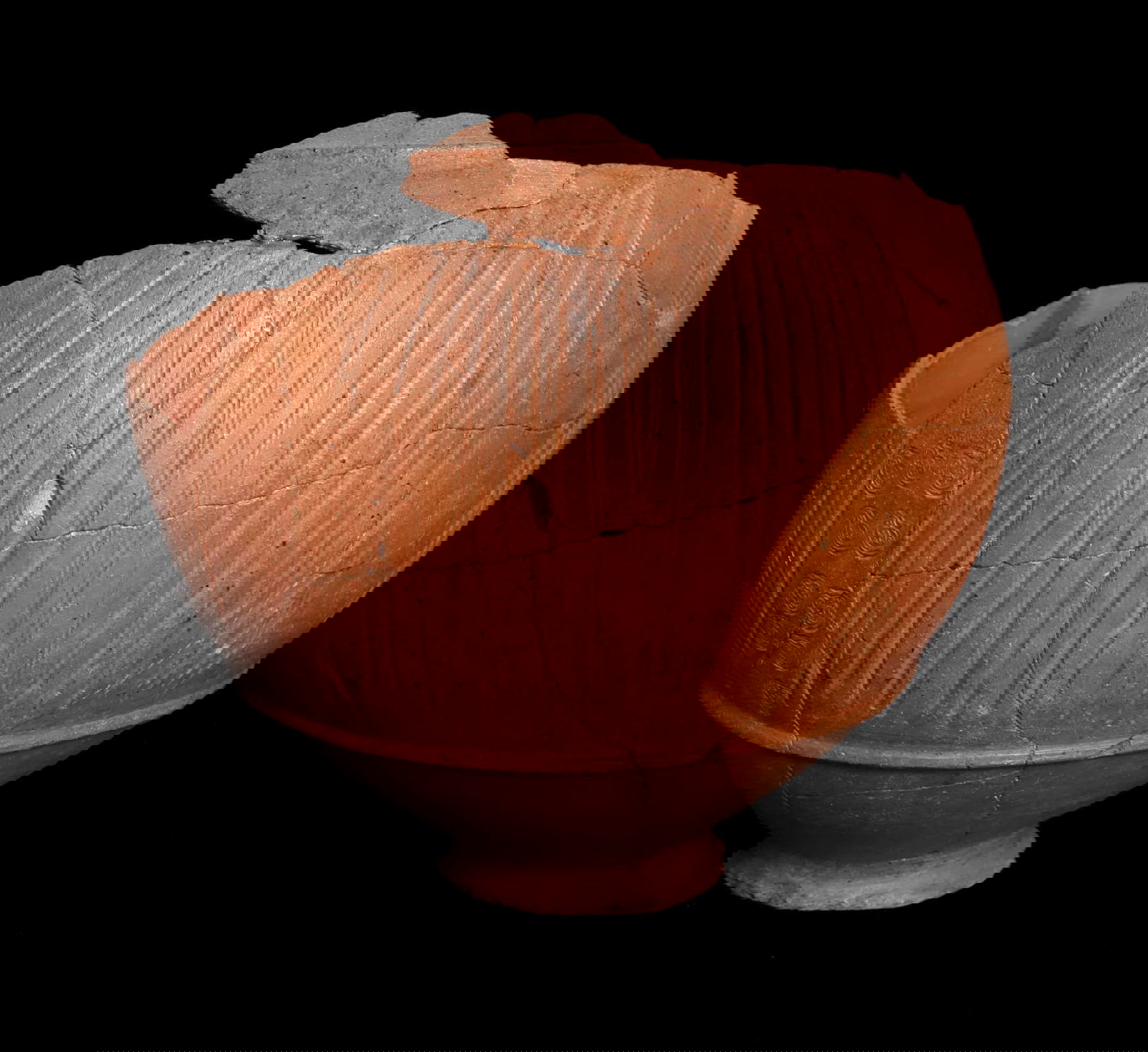
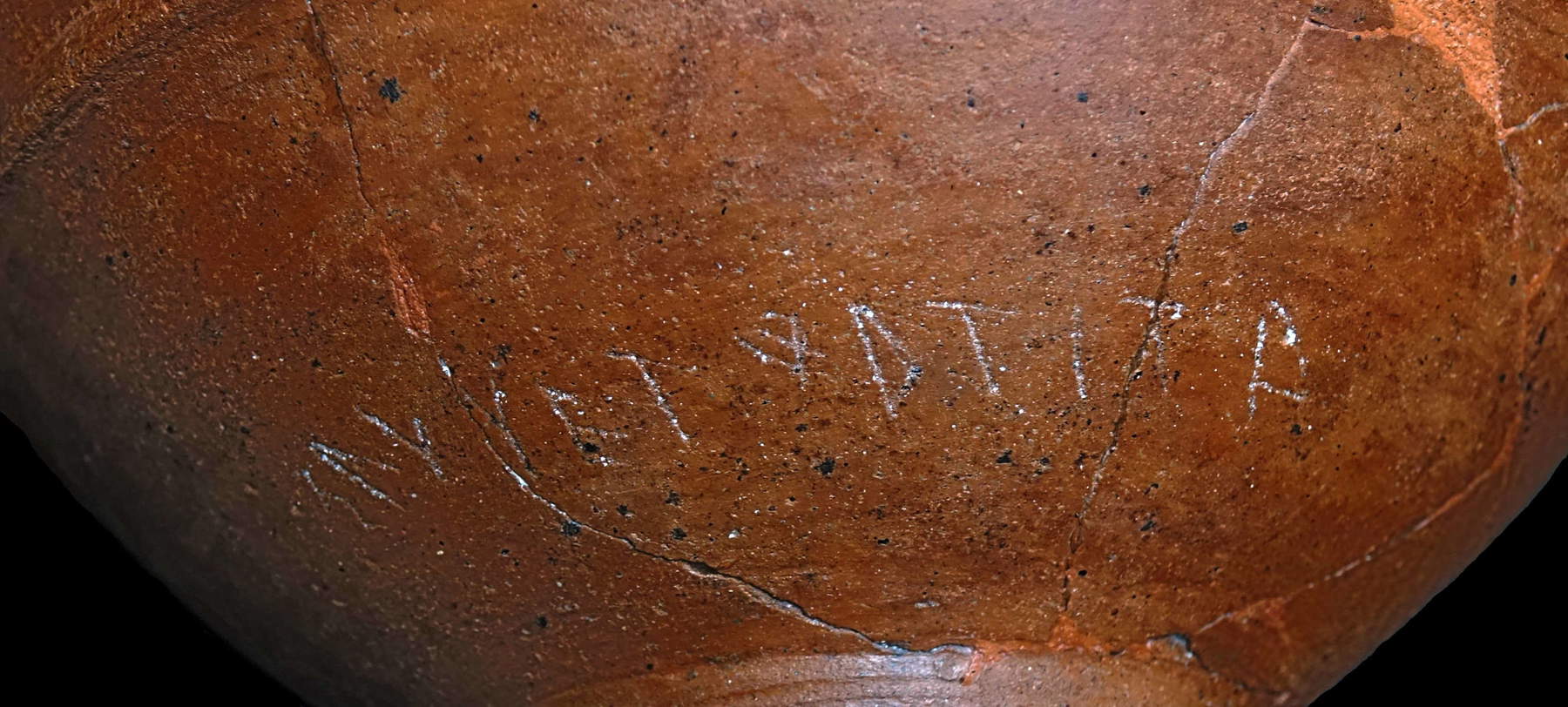
The heart of the exhibition is the account of the beginnings of ancient Gabii, developed through early material and scriptural evidence. The exhibition sheds light on how, from its origins, the Gabian center was embedded in a network of intense cultural exchanges that affected the entire territory of Latium Vetus. In this context, the exhibits document not only the birth and evolution of the urban settlement, but also the processes that led to the formation of the Latin language.
In addition to constituting the first systematic investigation dedicated to the genesis of Gabii, the exhibition aims to bring together in a single exhibition context some of the most significant evidence of writing in Latium Vetus from a homogeneous territorial area. Writing, understood not only as a tool of communication but as an indicator of cultural and social identity, thus becomes one of the leading threads of the entire itinerary.
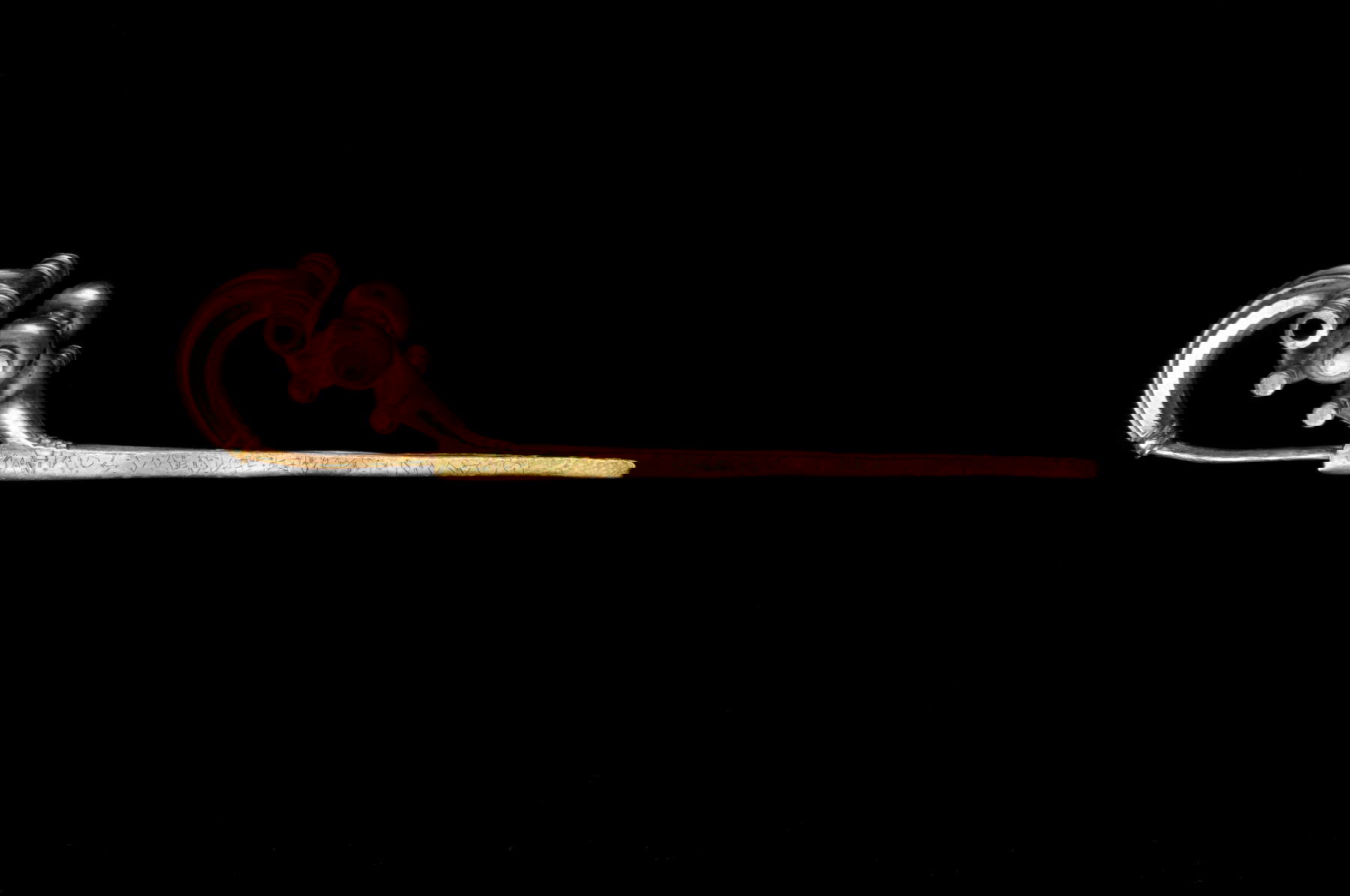
In this context, the exceptional return to Palestrina of the Fibula Prenestina, one of the most famous and debated finds in Italian archaeology, takes on special significance. After years of scientific debate about its authenticity, now definitively confirmed by solid scientific evidence, the fibula is presented as one of the oldest currently known written attestations in Latin. The inscription, MĀNIOS MĒD FHEFHAKĒD NVMASIŌI, which can be translated as “Manio made me for Numasius,” represents a fundamental testimony for the understanding of the origins of the Latin language and the first writing systems in the Latium area. Its display in Palestrina, although temporary, takes on a strong symbolic and scientific value, strengthening the link between the find and the territory from which it takes its name.
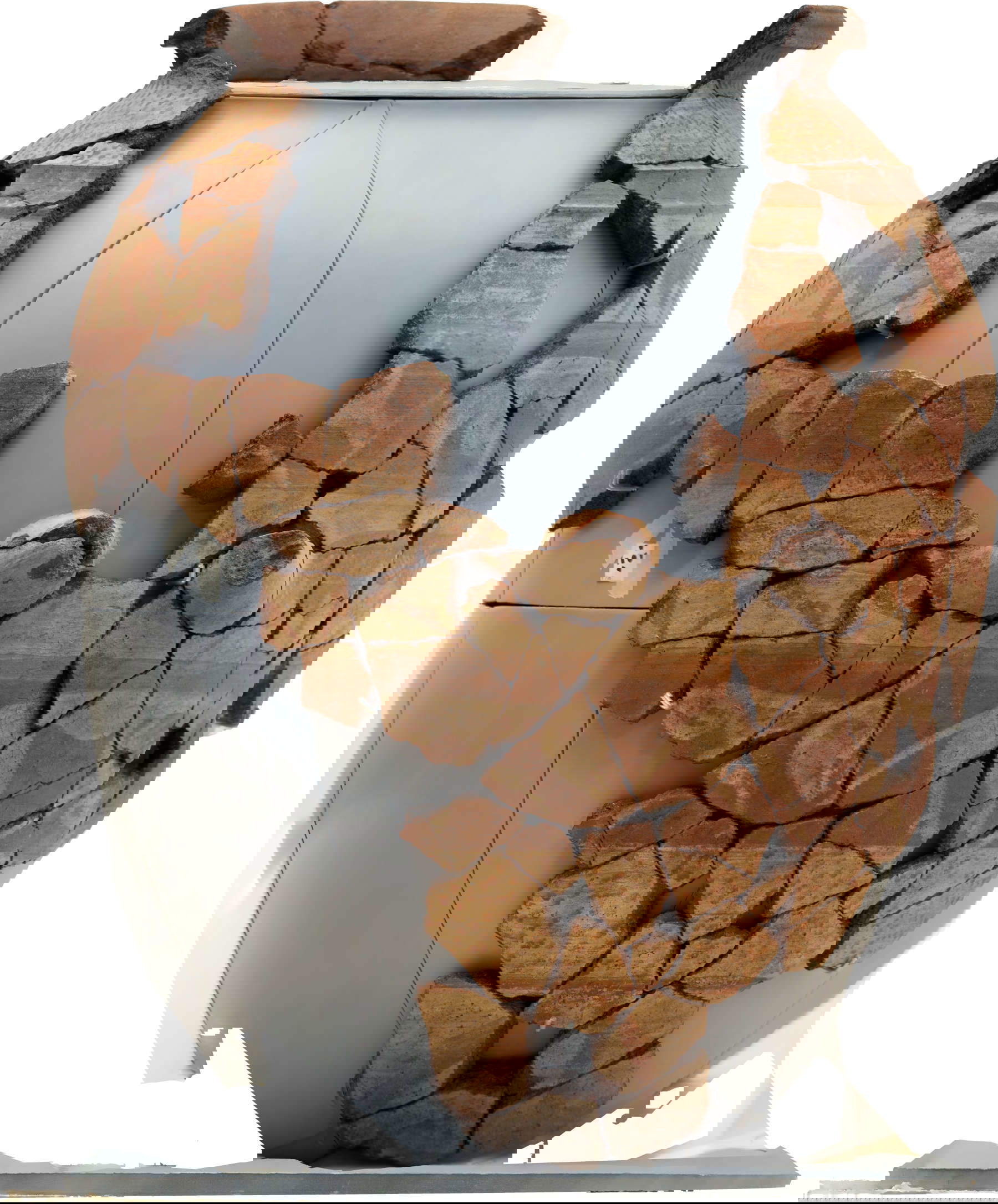
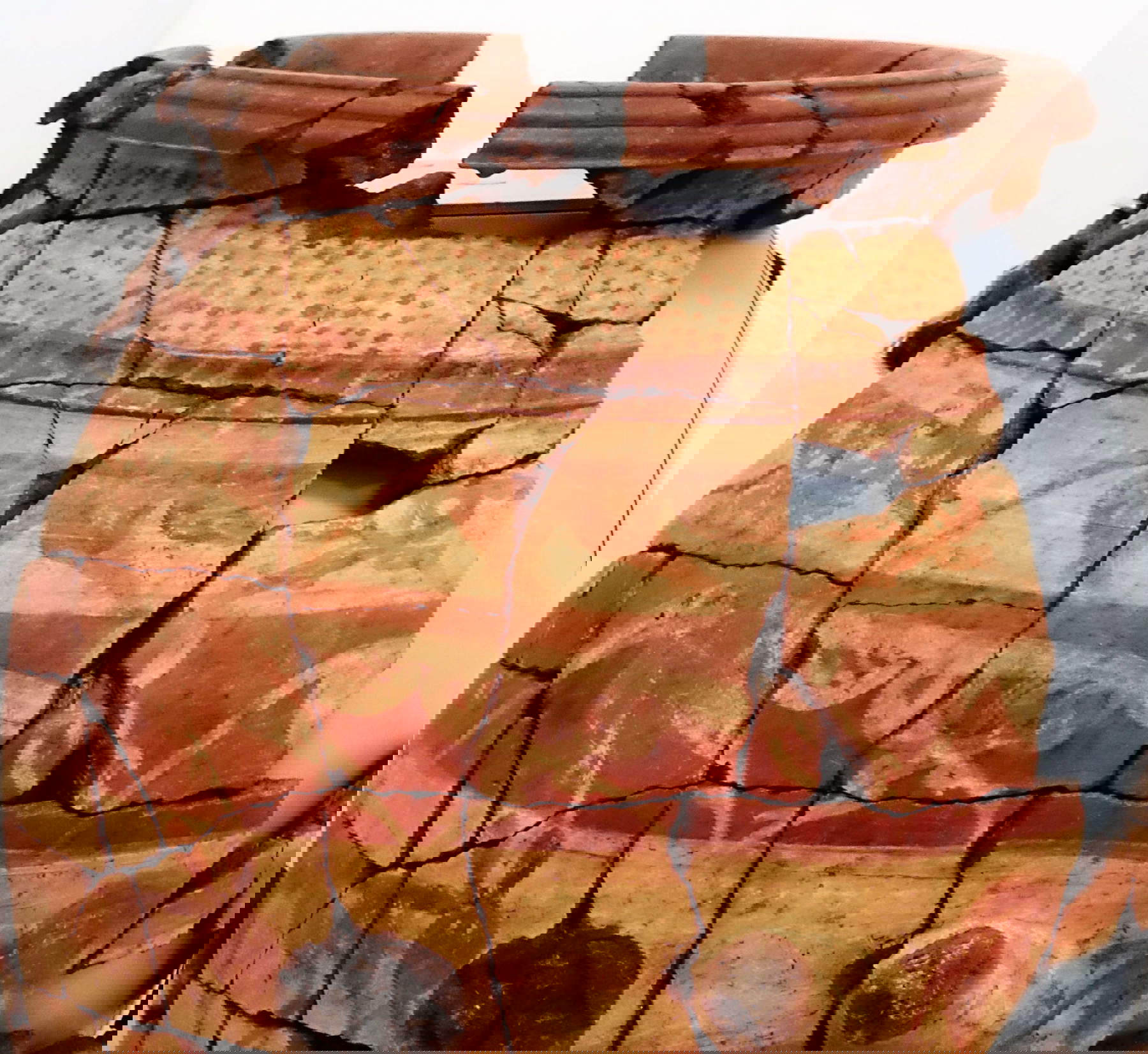
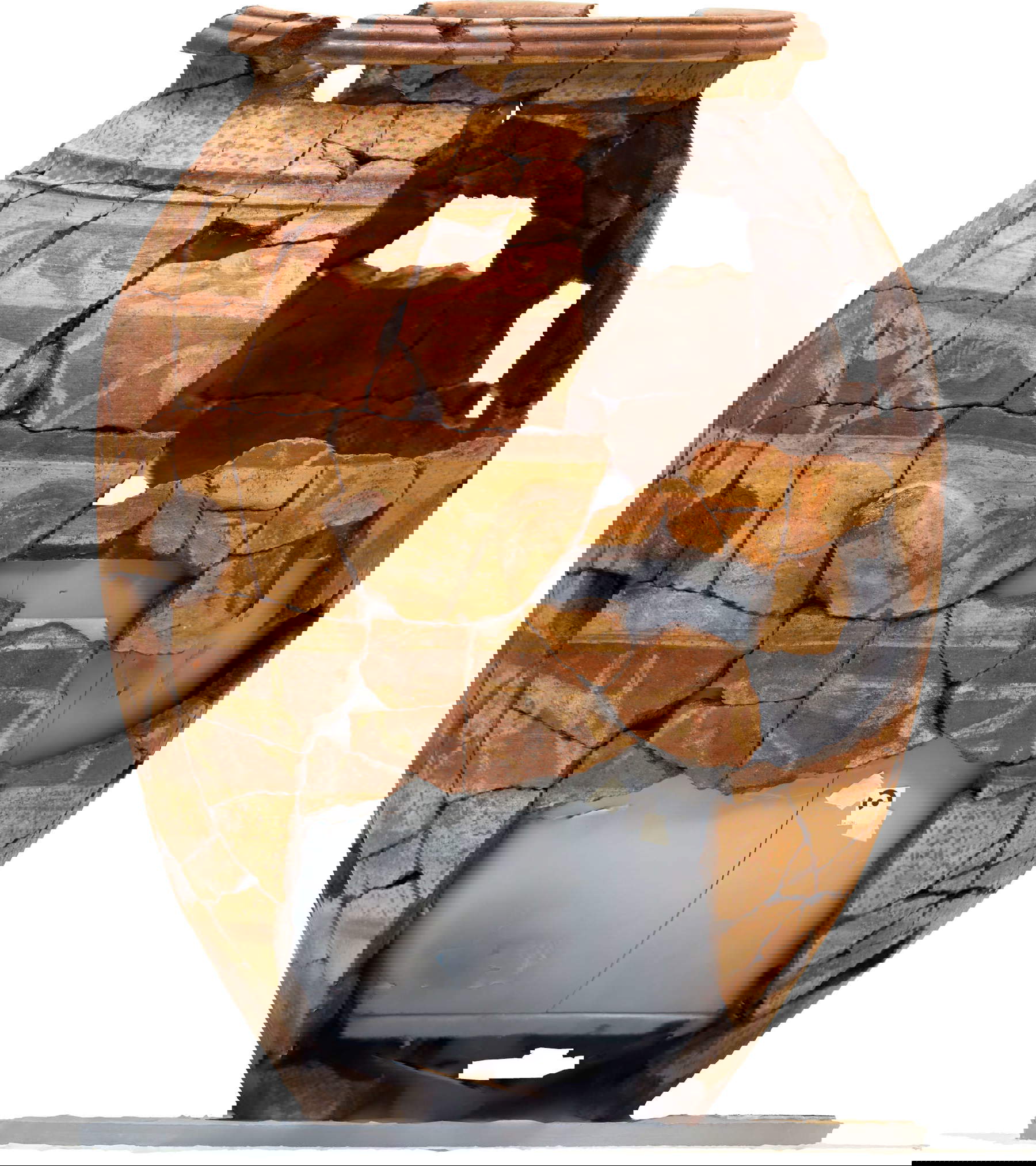
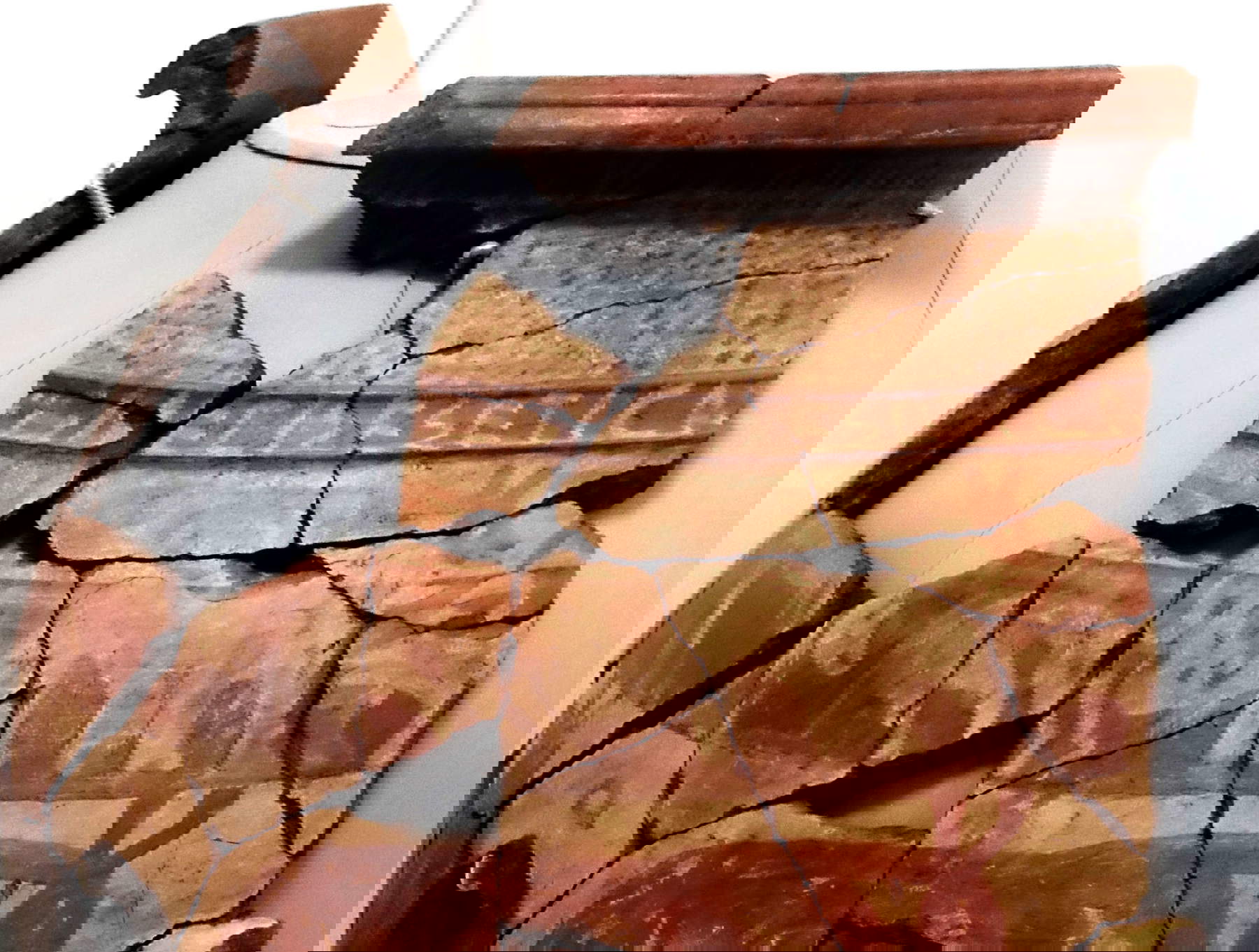
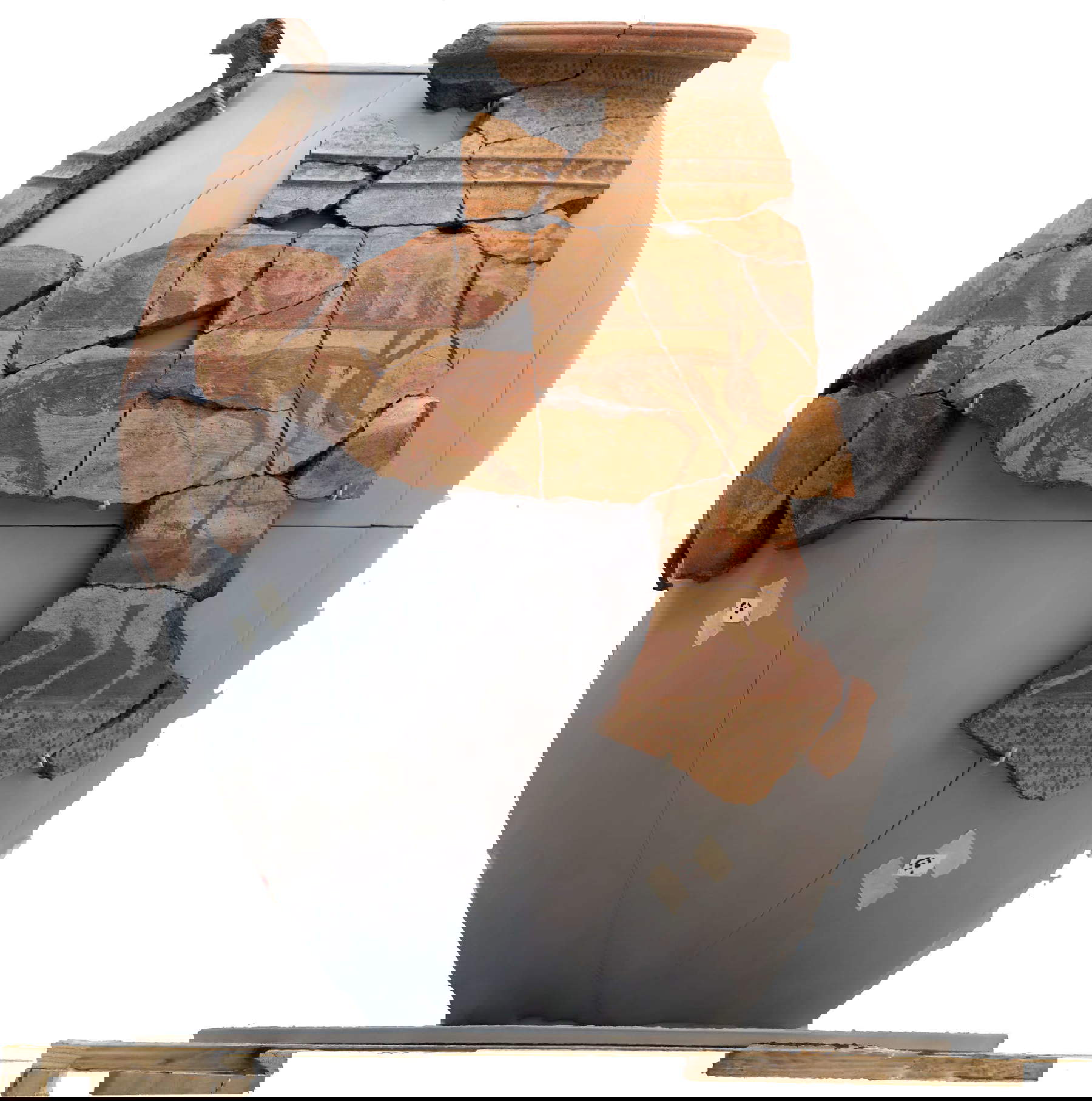
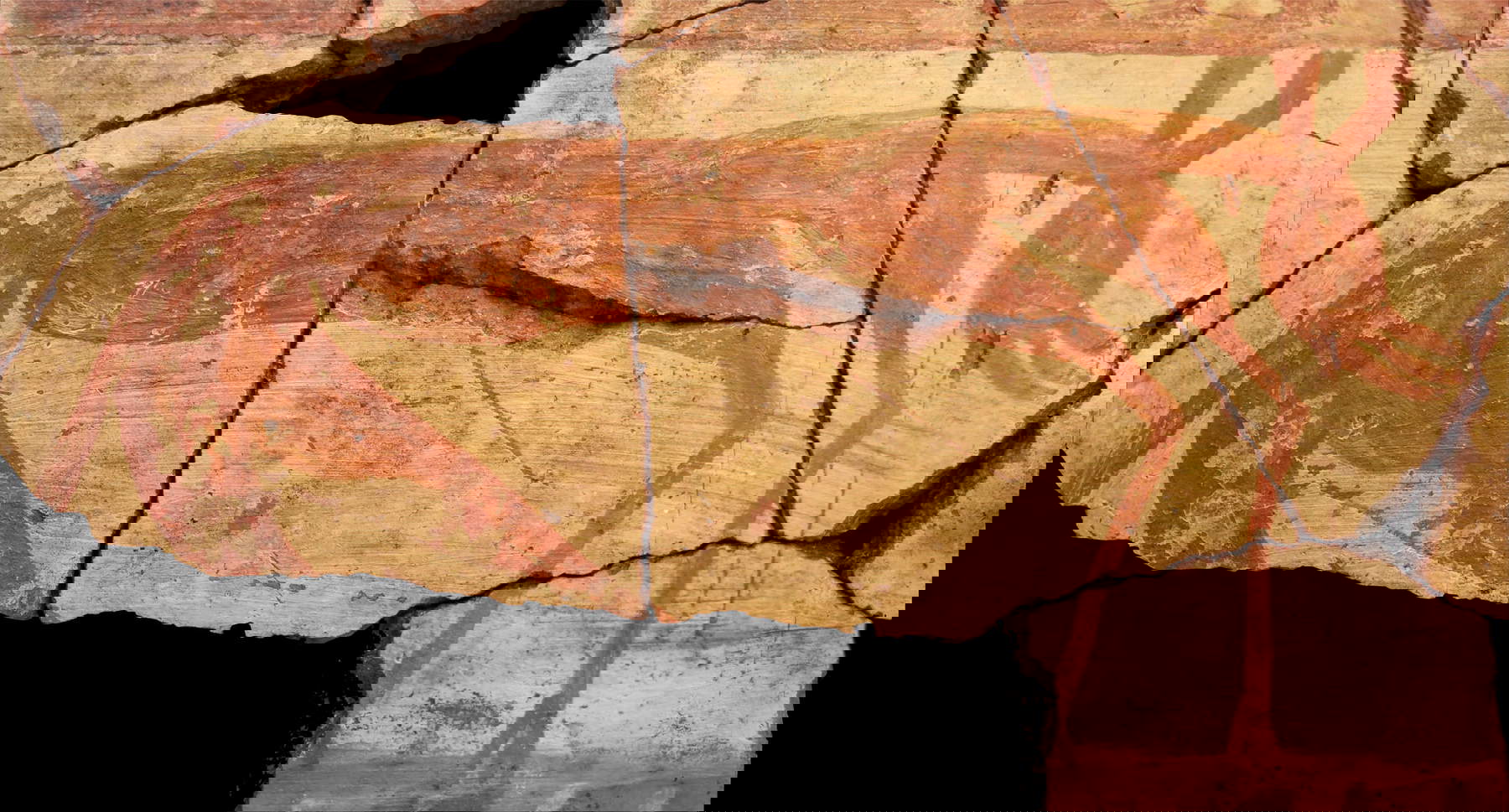
Gabii: Origins is also part of the larger project to enhance the new Museums and Archaeological Parks Institute of Praeneste and Gabii, a body recently established with the aim of promoting a permanent cultural dialogue between the two sites. United since Roman times by the Via Praenestina, Gabii and Palestrina share a millenary history and an archaeological heritage of extraordinary richness, which finds its greatest expression in the great sanctuary complexes, among the most monumental in the whole of ancient Latium.
“The exhibition,” said Martina Almonte, director of the Institute of Museums and Archaeological Parks of Praeneste and Gabii, “strengthens the link between the two archaeological complexes, promoting an integrated vision of research, protection and enjoyment of the territory. This is the first step in a major project dedicated to the origins of Gabii, which has the ambition of enhancing one of the most significant archaeological sites in ancient Latium.”
Accompanying the exhibition is an articulated program of conferences and scientific meetings, promoted by the Museums and Archaeological Parks of Praeneste and Gabii. The cultural journey will find its concluding moment in the summer of 2026, with a study day entirely dedicated to Gabii, organized in collaboration with the General Directorate of Museums of the Ministry of Culture.
|
| Gabii: Origins. An exhibition in Palestrina on the beginnings of ancient Latium. |
Warning: the translation into English of the original Italian article was created using automatic tools. We undertake to review all articles, but we do not guarantee the total absence of inaccuracies in the translation due to the program. You can find the original by clicking on the ITA button. If you find any mistake,please contact us.