




by Redazione 25/04/2026



Categories: Exhibitions / Disclaimer
Germany's Kunsthaus Apolda is hosting until May 3, 2026, the posthumous exhibition of Günter Rössler, one of the most outstanding figures in twentieth-century German photography. He devoted himself above all to fashion and the nude.

Through May 3, 2026, Kunsthaus Apolda, Germany, is hosting the exhibition Günter Rössler. Fashion and Nude Photography, curated by Kirsten Schlegel.
Among the most significant figures in twentieth-century German photography, Günter Rössler exerted a profound influence on the evolution of the language of photography. Born in Leipzig in 1926, he trained at the city’s Academy of Fine Arts between 1947 and 1950. After his studies, he embarked on a career as a freelance photojournalist, working with major magazines and producing reportages and photo essays devoted to everyday life in East Germany and several southern and eastern European countries.
Central to his research was the observation of ordinary life. Rössler focused on ordinary people, portraying them while avoiding any form of explicit judgment or commentary. In this approach he developed a recognizable style based on essentiality, spontaneity and authenticity. His images, realistic and formally curated, combine artistic quality and historical value.
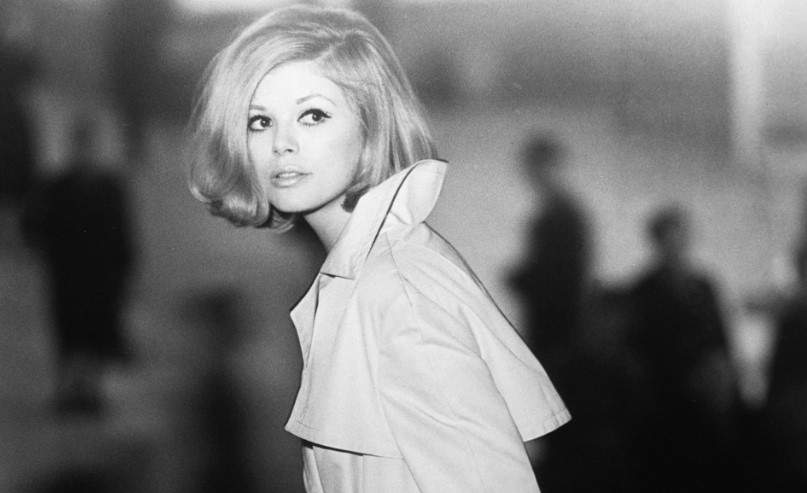
Rössler was also a central figure in fashion photography, which he interpreted in continuity with the language of reportage. For him, fashion was not to be isolated from everyday life, but placed in a real context. His first collaborations were with magazines such as Der Rundfunk, Putz und Pelz, Der Brühl and Die Bekleidung.


Between the 1960s and 1970s, her photographs helped define a modern image of women. Her work profoundly influenced the style of Sibylle magazine. From 1967 to 1990 he was also responsible for the photography and layout of Modische Maschen magazine, contributing to the spread of new female models in East Germany. His fashion images are distinguished by a timeless visual language that is still capable of fascination today. In addition to their aesthetic value, they are considered important cultural documents of the period in which they were made.
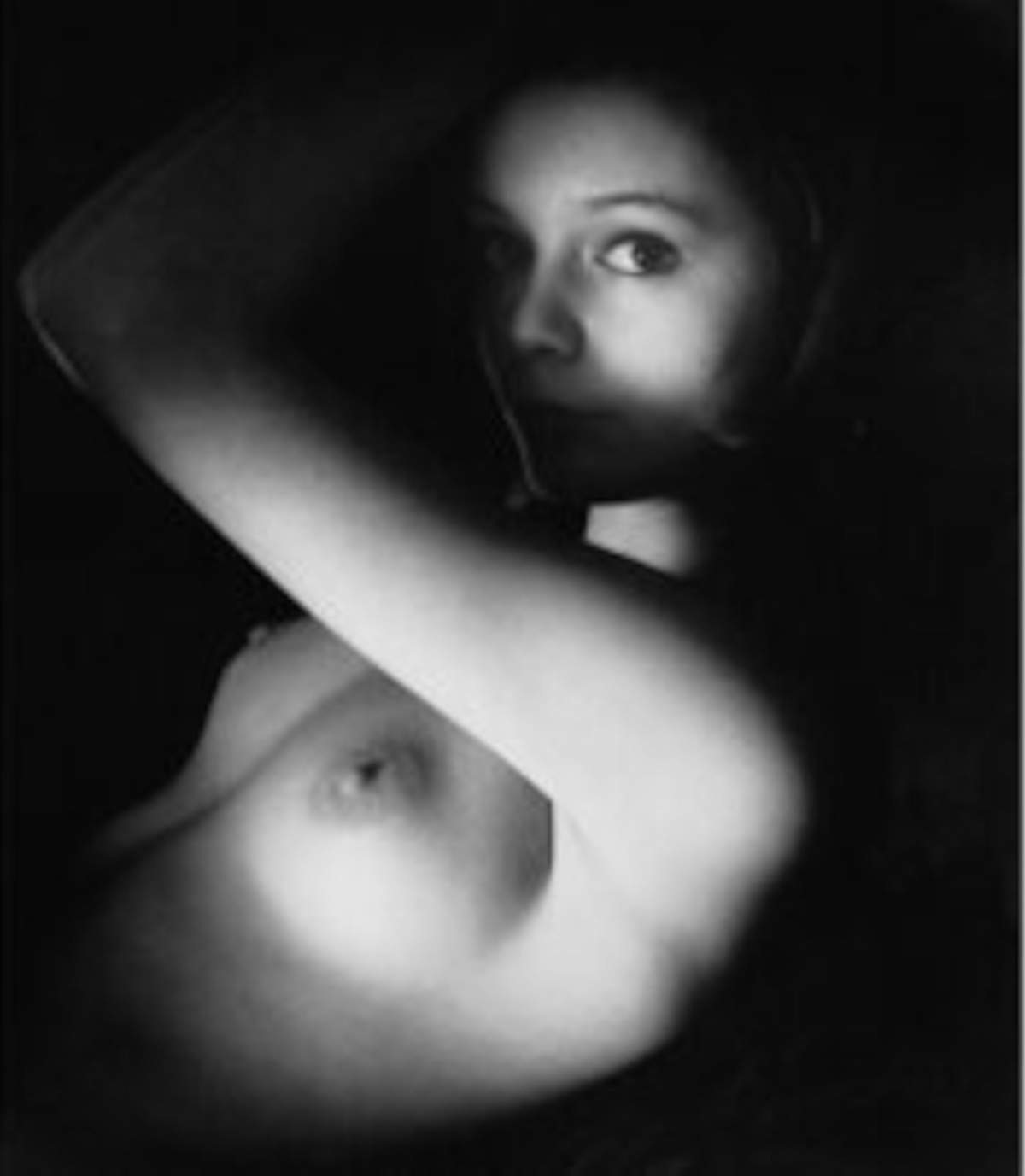
Beginning in the 1960s, Rössler devoted himself intensively to nude photography, a field in which he became a leading figure in East Germany. With his first solo exhibition in 1979 he helped legitimize the photographic nude as an autonomous art form. The regular publication of his images in Das Magazin magazine further expanded his notoriety. A distinctive quality of his nudes is authenticity: no contrived constructions, no attempts to conceal or mitigate. Often the women portrayed look directly at the lens, establishing a dialogue with the viewer. Theuse of black and white, along with precisely calibrated light, gives the bodies an almost sculptural dimension. It is precisely the simplicity of the staging that makes his visual language particularly intense.
Rössler always worked with analog photography, personally following all stages of the process. In the darkroom he took care of the development and printing of the images, intervening in exposure, enlargement and contrast to precisely define the relationship between light and shadow. The result is understated but powerful photographs in which formal balance reflects a deep technical mastery.
After more than sixty years of activity, Günter Rössler passed away on December 31, 2012, in Leipzig. A reserved person far removed from any form of prominence, he remained true to his own vision throughout his life. His work reflects his vision: essential, intense and elegant photography, capable of combining human sensitivity and formal rigor.
|
| In Germany, at Kunsthaus Apolda, the fashion and nude photographs of Günter Rössler |
Warning: the translation into English of the original Italian article was created using automatic tools. We undertake to review all articles, but we do not guarantee the total absence of inaccuracies in the translation due to the program. You can find the original by clicking on the ITA button. If you find any mistake,please contact us.