





From March 21 to September 27, 2026, Lecco ’s Palazzo delle Paure will host the exhibition HOKUSAI. The Secret of the Wave Across Europe, dedicated to the great Japanese master Katsushika Hokusai. Curated by Paolo Linetti, director of the Museo d’Arte Orientale Collezione Mazzocchi in Coccaglio (Brescia), the exhibition is produced by ViDi cultural and Ponte43, in collaboration with the Municipality of Lecco and the Sistema Museale Urbano Lecchese. On display are 43 works by Hokusai documenting key moments in the stylistic evolution of the artist, whose poetics is based on careful observation of nature to transform it into an image of universal value.
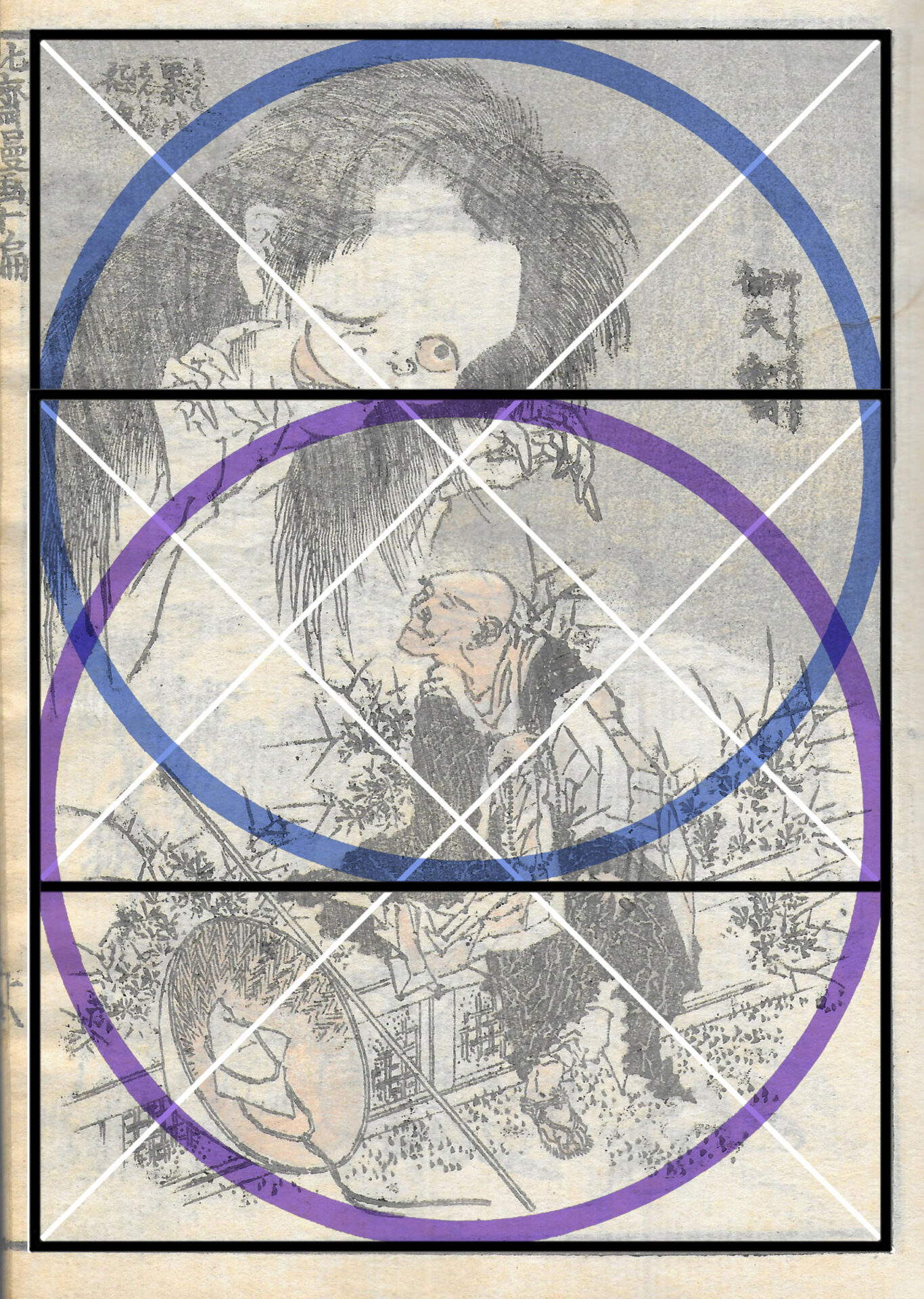
One of the exhibition’s central themes is the analysis of Hokusai’s adherence to compositional principles akin to Western canons, based on geometric harmonies and rigorous proportions. This element would help explain the extraordinary fortune of his works in Europe, which fascinated audiences culturally distant from the Eastern context.
The itinerary revolves around The Great Wave off Kanagawa. The exhibition investigates its compositional structure, revealing the architectural system underlying the arrangement of lines, angles and figures, designed to generate balance and visual elegance. In particular, two geometric patterns identified by Paolo Linetti in 2021 are presented, patterns that Hokusai would employ in the construction of many mature works, thus offering a new interpretive key to his creative process. “The impulse that guided me in this research work,” says Paolo Linetti, “arose from the need to understand the deeper roots of the universal fascination exerted by Hokusai’s works. I wanted to identify the reasons that allowed the Japanese master to achieve such extraordinary results, capable of fascinating both Eastern and Western cultures.”
![Hokusai Katsushika, The [Great] Wave off Kanagawa from The 36 Views of Mount Fuji series (second half 19th century; polychrome woodcut on mulberry paper, 257 x 379 mm; private collection)](https://cdn.finestresullarte.info/rivista/immagini/2026/fn/hokusai-la-grande-onda-collezione-privata.jpg)
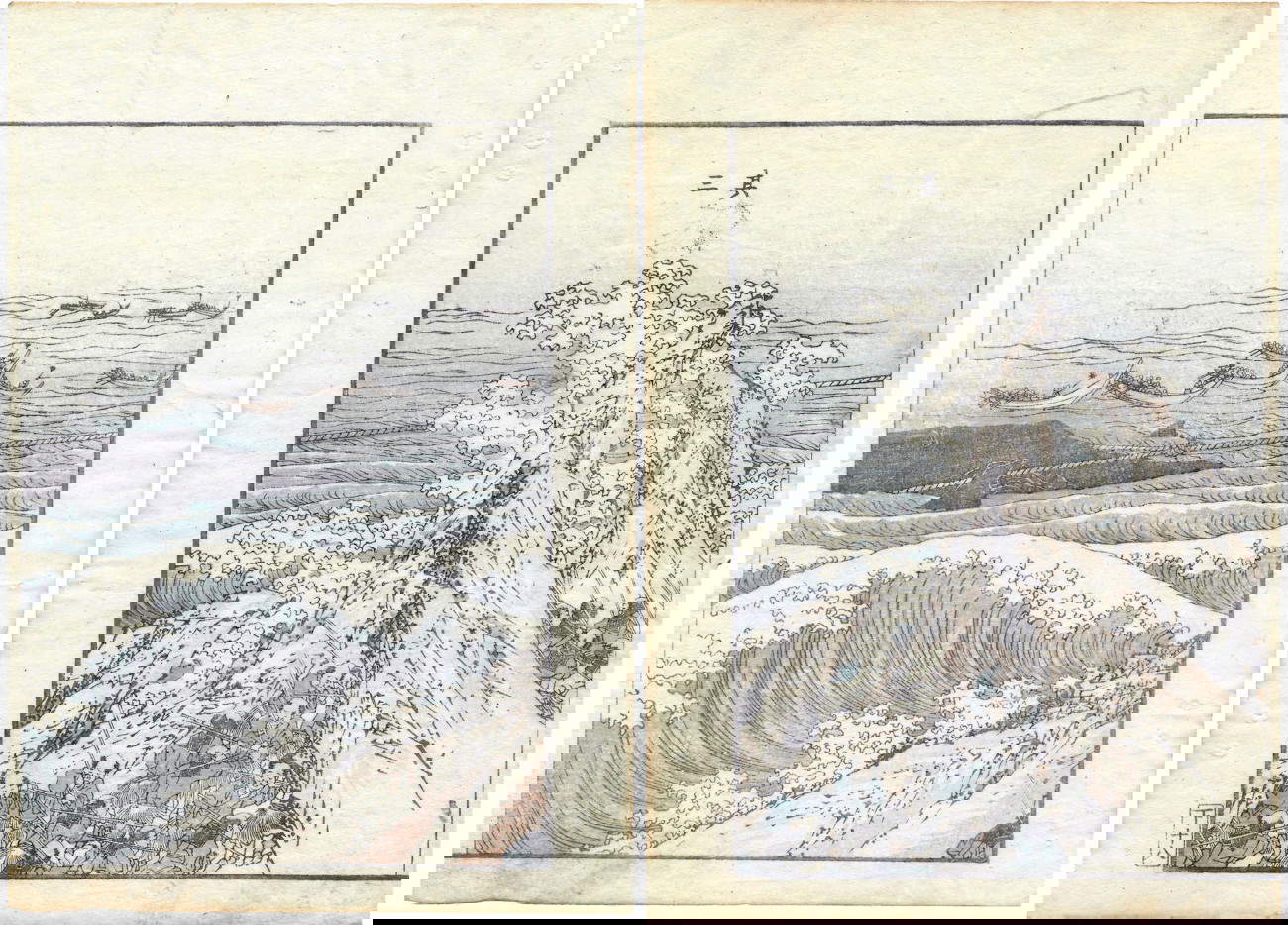
Prominent among the masterpieces on display is the woodcut Whaling, taken from the second volume of theHokusai shashin gafu (Album of drawings from life). The scene depicts a dramatic fishing trip observed from the shore: a tightrope runs through the composition, accentuating the tension between the strength of the animal and that of the fishermen. In the foreground, the symbolic meeting of two waves recalls, on the one hand, The Boat in the Midst of the Waves (1805) and, on the other, anticipates in shape and froth the famous Kanagawa Wave.
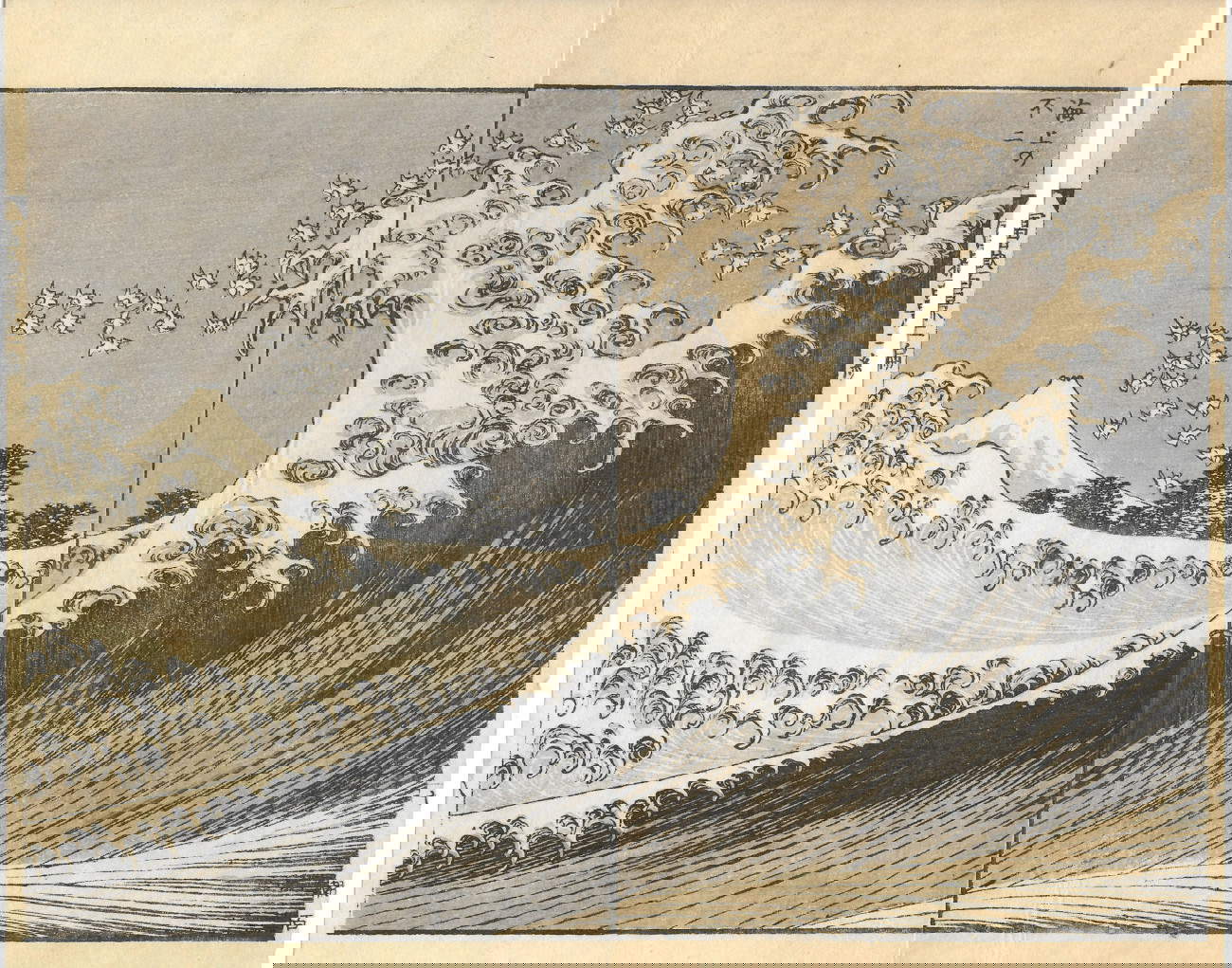
Of a different sign is The Fuji Seen from the Sea, belonging to the second volume of The Hundred Views of Mount Fuji (1834-1835). Here the water takes on a monumental but pacified character, lacking the violence expressed in the KanagawaWave. The fluid movement guides the eye without dramatic tension; the dissolving foam recalls, according to tradition, the plovers born of sea foam. If theWave embodies the destructive power of nature, the Fuji from the sea instead celebrates its generative energy: two complementary visions of the same element.
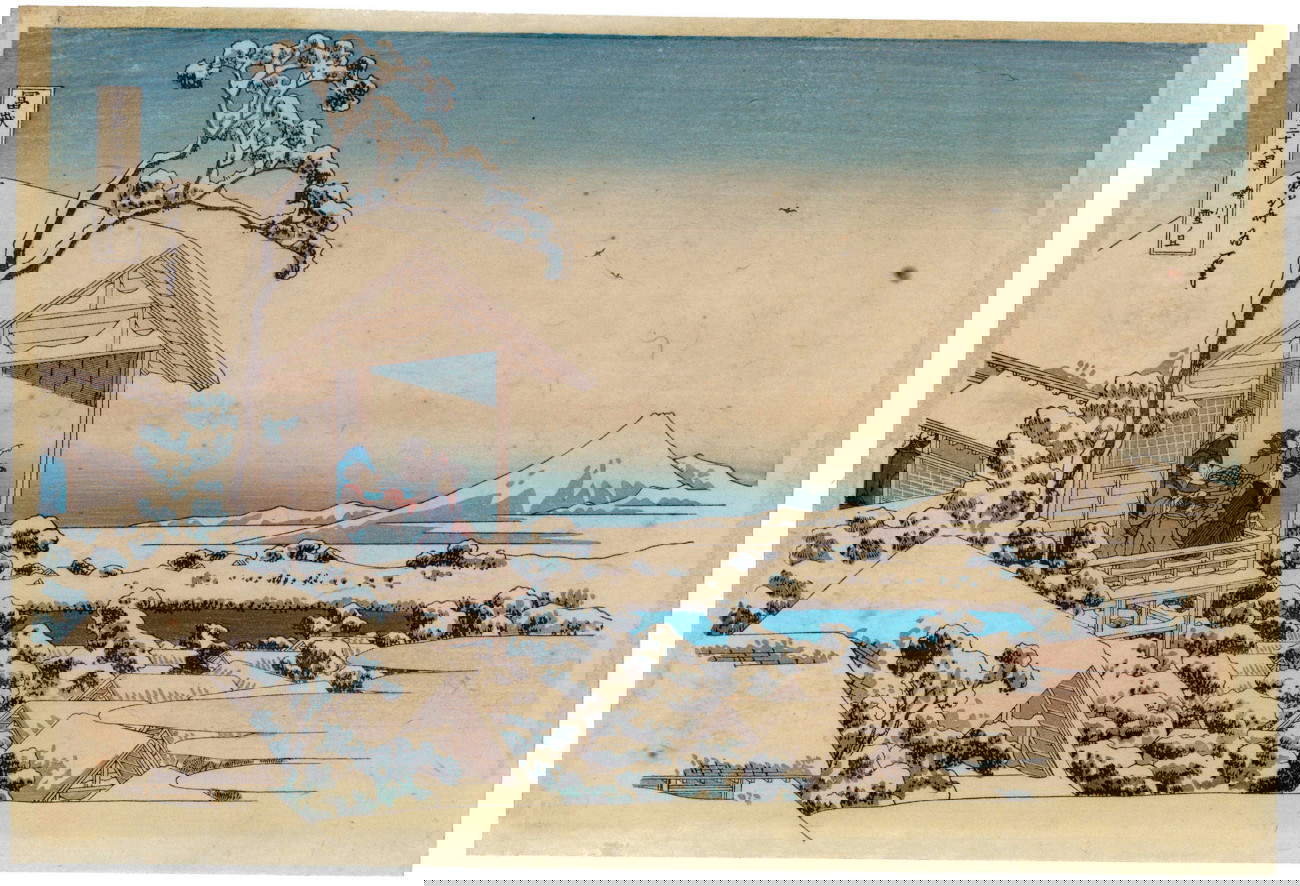
A specific section is devoted to Japanism and the influence of Japanese art on Western languages from the mid-19th century onward. Enthusiasm for Japan invested Europe, transforming bourgeois taste and profoundly affecting artistic research, from Claude Monet to James McNeill Whistler, from Vincent van Gogh to Henri de Toulouse-Lautrec.
In the video room, a film with a narrative and explanatory slant curated by Simona Bartolena accompanies the public in discovering the many facets of Japonism.
Finally, as in the previous exhibition, a contemporary artist dialogues with the exhibition’s theme: the section dedicated to Japonism features Homage to Hokusai by Armando Fettolini, an author who has long looked to the fluctuating world ofukiyo-e as a source of inspiration.
Hours: Tuesday from 10 a.m. to 2 p.m.; Wednesday through Sunday from 10 a.m. to 6 p.m. Closed Mondays.
|
| In Lecco, the Palazzo delle Paure dedicates an exhibition to Hokusai and his affinity with Western geometric canons |

Warning: the translation into English of the original Italian article was created using automatic tools. We undertake to review all articles, but we do not guarantee the total absence of inaccuracies in the translation due to the program. You can find the original by clicking on the ITA button. If you find any mistake,please contact us.














 IT
IT FR
FR DE
DE ES
ES CN
CN


