





Palazzo Te in Mantua is preparing to host, from September 26, 2026 to January 10, 2027, the exhibition Inventing Nature. Leonardo, Arcimboldo, Caravaggio, curated by Barbara Furlotti and Guido Rebecchini. The exhibition, conceived on the occasion of the Cinquecentenario, is set in dialogue with the exceptional decorative apparatus designed by Giulio Romano, offering an in-depth investigation into the relationship between the natural world, artistic production and the culture of the court in the 16th century.
The exhibition, produced by the Municipality of Mantua and Fondazione Palazzo Te, presents works by Leonardo, Arcimboldo, Caravaggio, Annibale and Agostino Carracci, along with sculptures, drawings, precious objects, exotic materials and automata, from leading Italian and European museum institutions. The aim of the exhibition is to show nature as a phenomenon to be investigated through science, art and technology, in a constant tension between wonder and awe, bewilderment and desire for control. The Chamber of the Giants, among the palace’s most spectacular rooms, thus becomes a space for reflection on the relationship between artistic order and uncontrollable natural forces. The exhibition is divided into seven thematic sections: Create, Destroy, Surprise, Know, Reproduce, Amaze and Animate.
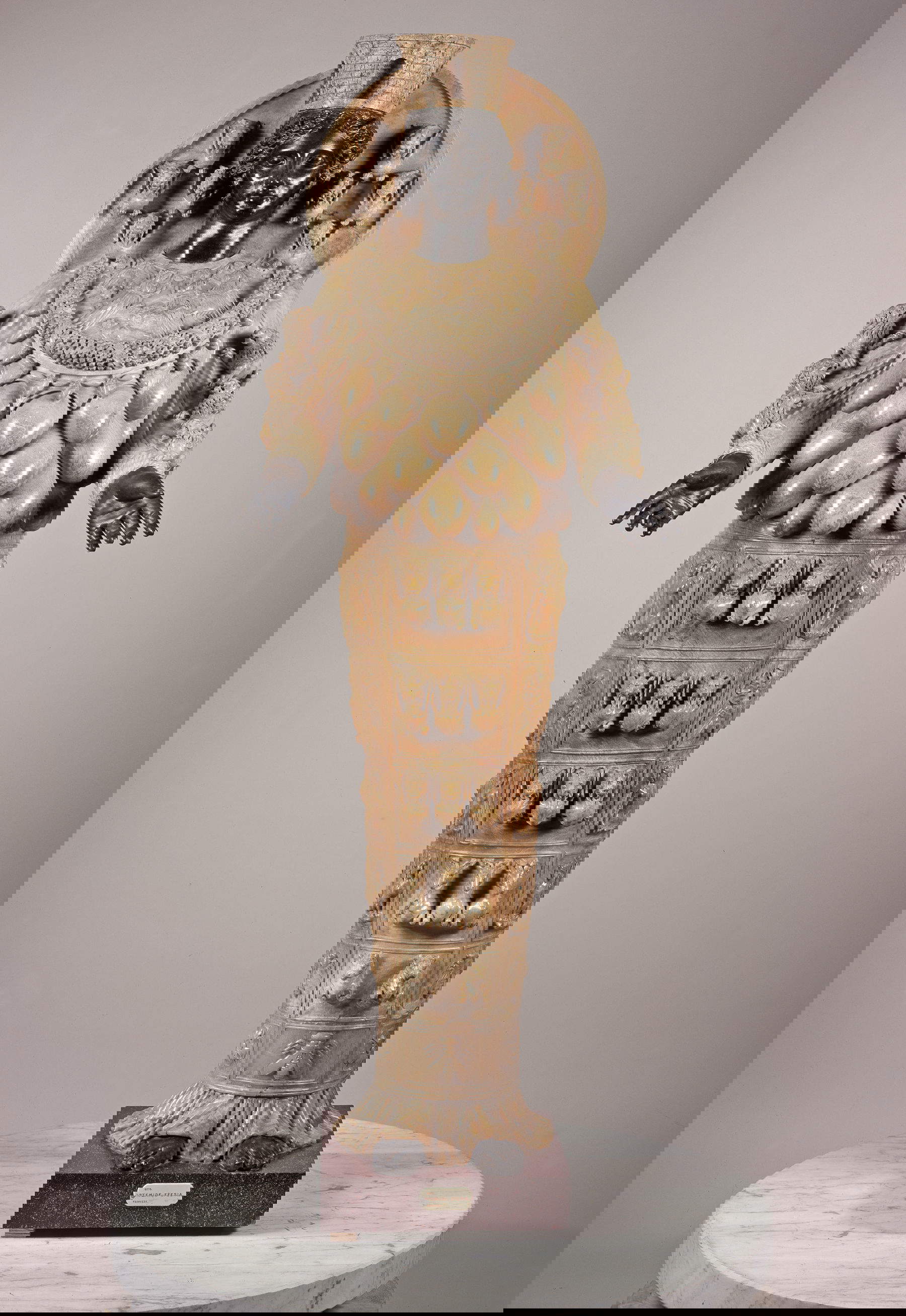
In Creare, housed in the Camera degli Stucchi, the generating force of nature is presented through the representation of the Goddess Nature, also the protagonist of the fresco decorations of Palazzo Te. The alabaster and bronze effigy of Diana Ephesian, from the Archaeological Museum in Naples, dialogues with Niccolò Tribolo ’s 16th-century version made for the garden of Fontainebleau, and with Francesco Primaticcio’s drawing Scenes from the Story of Proserpine with Hermes of Priapus, Ceres, Cybele and Bacchus, kept at the Louvre Museum. Also included in this section are works by contemporary artist Christiane Löhr, including Drei Quader and Bogenform und kleine Erhebung (Acquisition FAI Fondo per l’Ambiente Italiano - Villa and Panza Collection, donation by the artist).
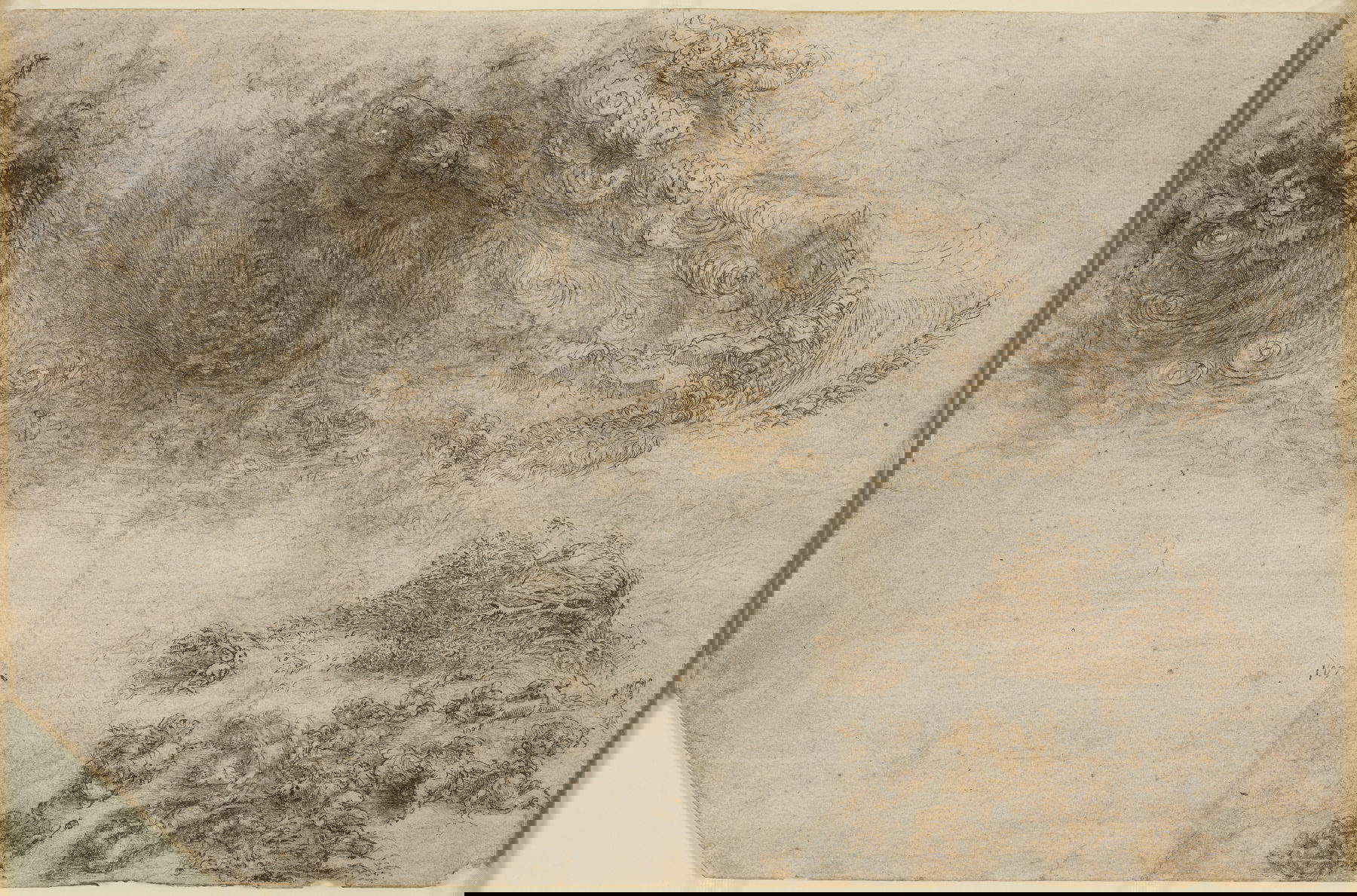
The second section, Destroy, in the Chamber of the Emperors and the Chamber of the Giants, showcases the uncontrollable phenomena of nature. Leonardo da Vinci’s drawings Storm and Landslide, from the Royal Collection, stand alongside Jacopo Bassano ’s The Flood of Colmeda and stucco and terracotta sketches by Niccolò Tribolo and Giambologna. Here, the tapestry on cardboard from Raphael’s workshop St. Paul in Prison (Vatican Museums) depicts an earthquake as a giant shaking the underground, introducing to the imposing figures of the titans disrupting the natural order in the Chamber of the Giants, where only Jupiter’s intervention can restore balance.
Surprise, in the third section at the Camerino delle Grottesche, recreates the atmosphere of the grottoes and fountains typical of Renaissance gardens. Three small bronzes from the Bargello Museum, Owl and Pheasant attributed to Bartolomeo Ammannati and Eagle attributed to Giambologna, evoke the spaces intended for court recreation, emphasizing the spectacular dimension of nature in art.
The fourth section, Knowing, in the Candelabra Room, explores the scientific and descriptive approach to the natural world in the 16th century. Drawings of plants and animals from, among others, the Aldrovandi Museum and the Medici collections are displayed, along with canvases such as Vincenzo Campi’s La pescivendola, Natura morta by the Master of Hartford, Bartolomeo Passerotti ’s Portrait of a Botanist, and Ferrante Imperato ’s volume Historia naturale preserved at the Biblioteca Comunale Teresiana in Mantua. The section highlights the role of figures such as Ulisse Aldrovandi, who catalogued the variety of nature through painted and printed images kept in studioli and scientific cabinets.
In Reproduce, housed in the Camera delle Cariatidi, the itinerary shows sixteenth-century attempts to reproduce nature with scientific precision. Bronzes, ceramics and casts highlight the interaction between art and naturalistic study. There are bronzes by Andrea Riccio, ceramics from the circle of Bernard Palissy and silver casts attributed to Wenzel Jamnitzer, along with a portrait of the artist Nicolas de Neufchatel and a selection of his objects. These works reveal the permeability between artistic creation and scientific observation, transforming natural elements into artistic artifacts.
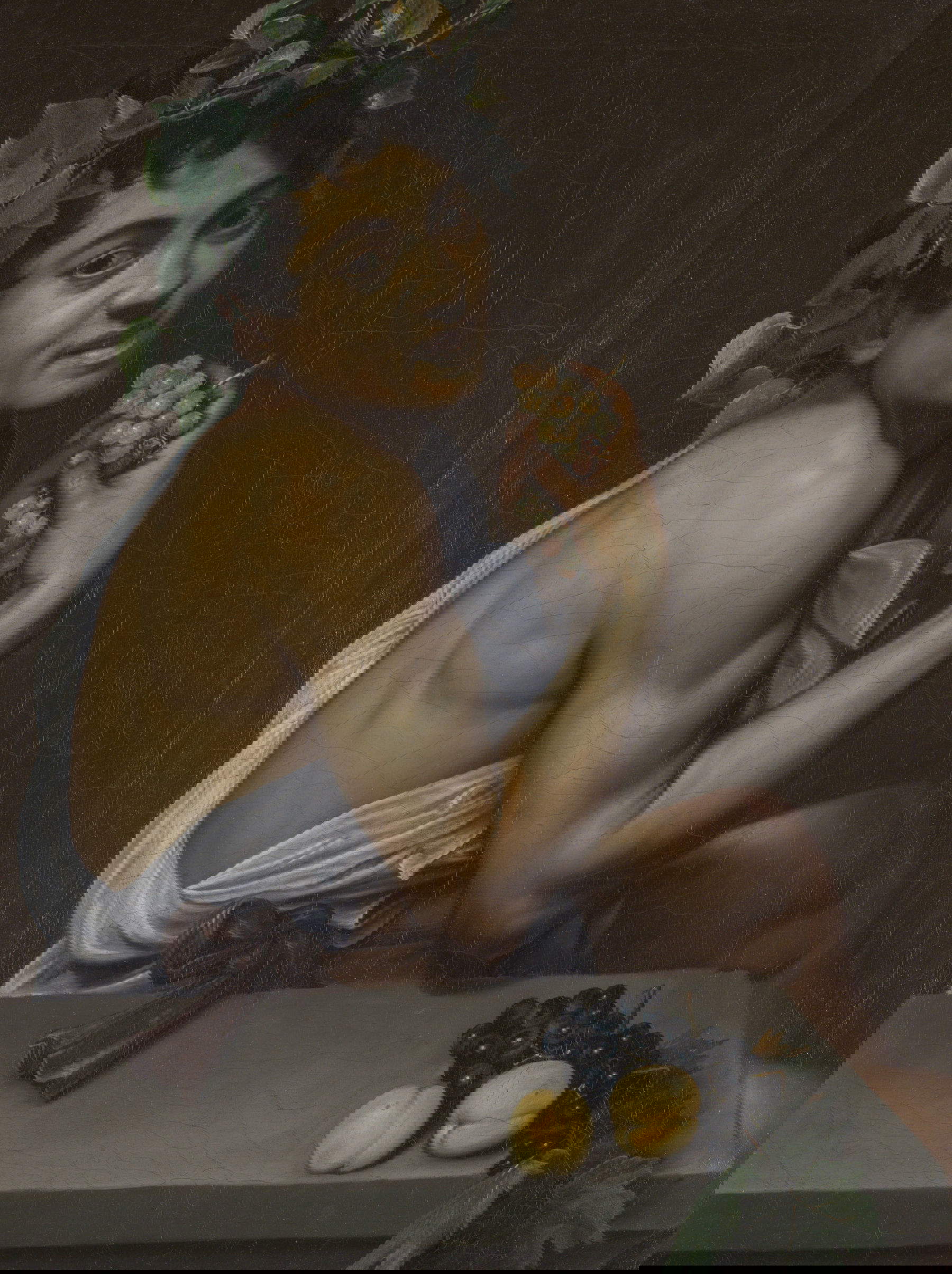
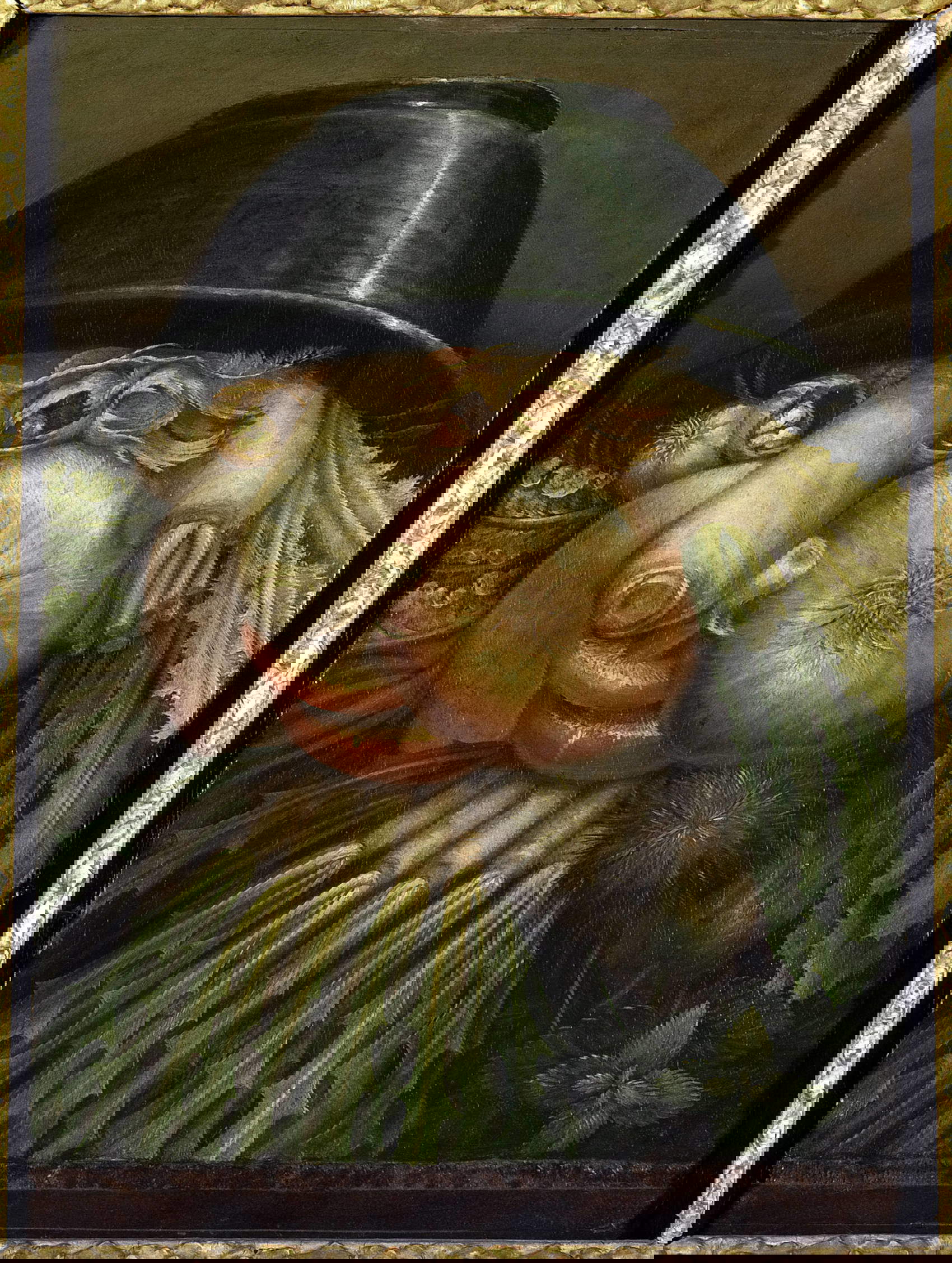
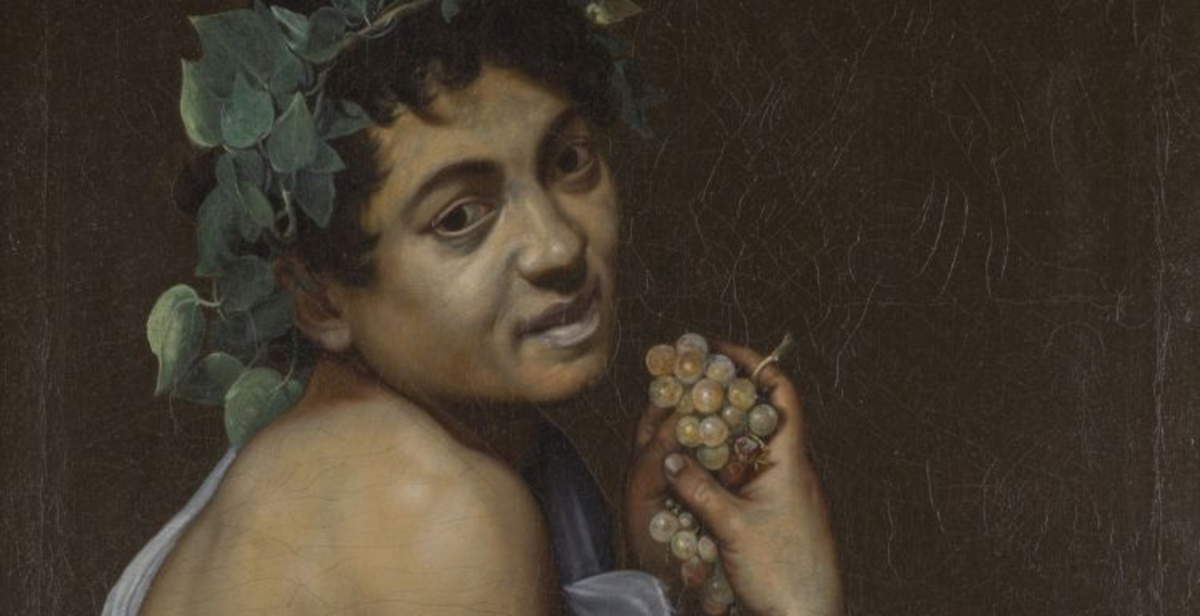
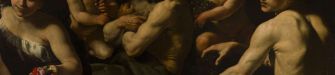
The sixth section, Amaze, in the Hall of Captains, explores the relationship between nature and Renaissance courts. Caravaggio’s Self-portrait in the guise of Bacchus, Hortolanus and The Cook by Giuseppe Arcimboldo are on display, accompanied by a Wunderkammer collecting precious objects and natural curiosities such as ostrich eggs, coconuts, nautilus and narwhal teeth. This section includes works by Teodoro Ghisi, Agostino Carracci, and Annibale Carracci, documenting their interest in exotic animals and unusual phenomena.
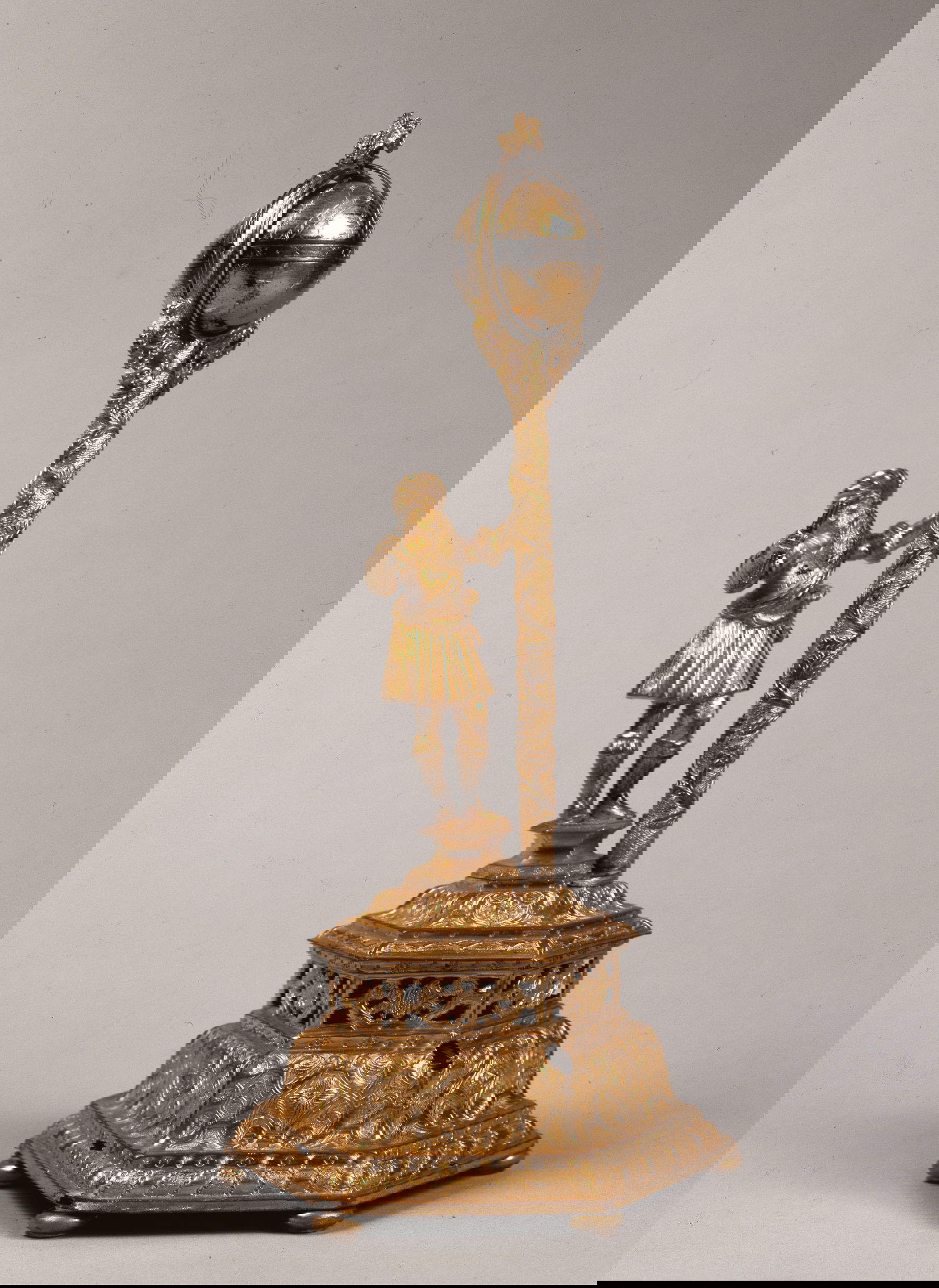
The tour closes with Animare in the Camera delle Vittorie, dedicated to automata and mechanisms designed to imitate sounds and movements of nature. Joachim Friess’ hunting trophy Diana the Huntress from the Pinacoteca Ambrosiana and Nikolaus Schmidt the Elder’sClock with Tower Automaton for Ferrante Gonzaga of Castiglione are on display, along with German artifacts such as globe clocks and automata in the shape of Turk, bear and ostrich.
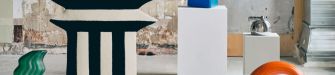
The installation is curated by AMDL Circle and Michele De Lucchi, with small metal architectures and fine fabrics dialoguing with Giulio Romano’s frescoes, while the graphic design is by Ludovica Niero. The exhibition will be accompanied by a catalog published by Marsilio and benefits from a network of institutional collaborations, including FAI Fondo per l’Ambiente Italiano, Fondazione Banca Agricola Mantovana, Fondazione Comunità Mantovana, Amici di Palazzo Te e dei Musei Mantovani, and Mantova Città d’Arte e di Cultura, with media partnerships of Gruppo Editoriale Athesis and Adnkronos, and technical support from Gruppo Saviola. Parallel to the exhibition itinerary, Fondazione Palazzo Te will promote a calendar of educational activities, meetings and performance events aimed at stimulating dialogue between historical heritage and contemporary practices related to environmental care.
"Continuing our reading of the secrets inscribed in the pictorial and architectural narrative of Palazzo Te, we have moved from Metamorphosis to Nature," says Stefano Baia Curioni, director of Fondazione Palazzo Te. “In this exhibition, deeply in dialogue with the palace, we explore the sixteenth-century comporsi of the idea and representation of nature as ’other’ than human, wonderful and conquerable, destined to shape modernity. A vision whose origin also needs to be traced in order to arrive at its overcoming today.”
"With Inventing Nature. Leonardo, Arcimboldo, Caravaggio Palazzo Te confirms itself as a dynamic space of research and cultural production," says Mantua Mayor Mattia Palazzi, “capable of hosting projects of strong scientific ambition and museographic quality. The exhibition offers an unconventional path that interweaves art history, science and material culture of the 16th century, putting Leonardo, Arcimboldo and Caravaggio in dialogue around the theme of nature as a tension between observation, imagination and knowledge. In this dialogue, Palazzo Te is not merely a frame but an integral part of the story: a space that amplifies meanings and relates them. Palazzo Te thus confirms itself not only as the custodian of an extraordinary heritage, but also as a place of research and cultural production, a space open to the confrontation between epochs, languages and sensibilities, in which the art of the past is not only preserved, but continually put back into play in the living dialogue with the present.”
“The city of Mantua has always experienced nature in a peculiar way,” comments Giovanni Pasetti, president of Fondazione Palazzo Te. “Nature has enabled its defense and its life from the early Middle Ages onward. Today the countless natural paths that mark it are an integral part of its beauty. The exhibition at Palazzo Te aims to open up to those peculiar places that in our territory determine a combination of history, art and collections that have their basis in the experience of encountering fauna and flora, thus creating a network in which individual artifacts, natural evidences and architectural masterpieces come together in the sign of an extended and engaging Wunderkammer.”
 |
| Inventing nature: Leonardo, Arcimboldo and Caravaggio in Mantua |

Warning: the translation into English of the original Italian article was created using automatic tools. We undertake to review all articles, but we do not guarantee the total absence of inaccuracies in the translation due to the program. You can find the original by clicking on the ITA button. If you find any mistake,please contact us.

















 IT
IT FR
FR DE
DE ES
ES CN
CN


