



by Redazione 01/04/2026



Categories: Exhibitions / Disclaimer
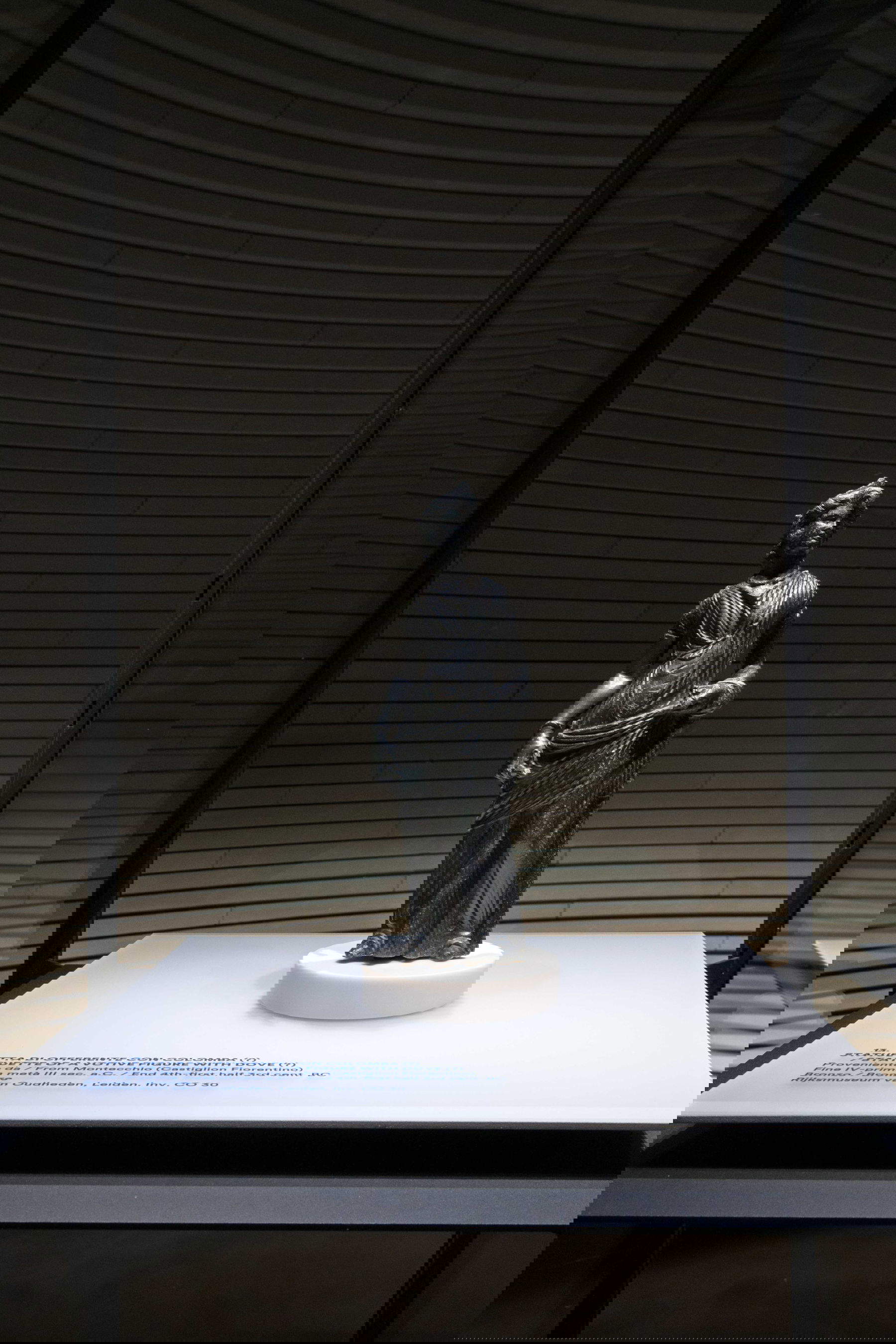
From April 1 to October 4, 2026, the Luigi Rovati Foundation is hosting the exhibition "The Etruscans and Holland. A/R of the Corazzi Bronzes." On display, after centuries in the Netherlands, is a nucleus of Etruscan bronzes from the Corazzi collection preserved at the Rijksmuseum van Oudheden in Leiden.

From April 1 to October 4, 2026, the Luigi Rovati Foundation in Milan presents the exhibition The Etruscans and the Netherlands. A/R of the Corazzi Bronzes, an exhibition project that temporarily brings back to Italy a nucleus of Etruscan bronzes that belonged to the Cortona-based Corazzi collection and are now preserved in the Netherlands. The initiative is organized in collaboration with the Rijksmuseum van Oudheden in Leiden, MAEC - Museum of the Etruscan Academy and the City of Cortona, and the Municipality of Cortona.

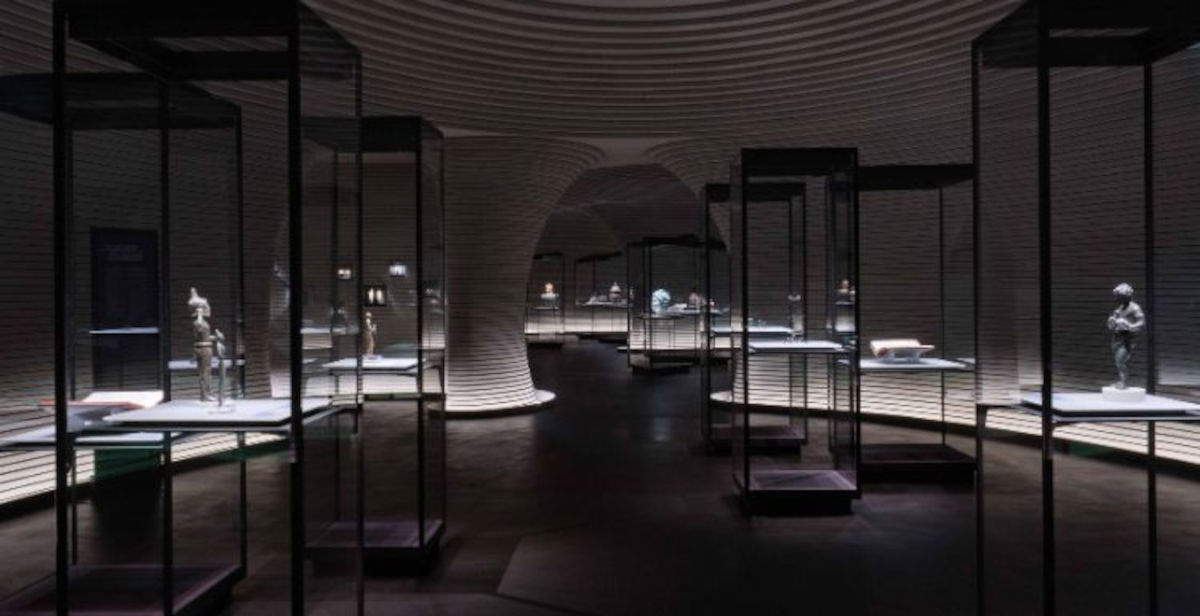
The exhibition is hosted at the Hypogeum Floor of the Luigi Rovati Foundation Art Museum and is part of a research path dedicated to the history of antiquarian collecting and the circulation of works of art in Europe. The project resumes and develops the path started at the MAEC in Cortona, focusing in particular on Etruscan finds from the Corazzi collection and on the role played by private collections in the formation of cultural heritage between the local dimension and the international context.
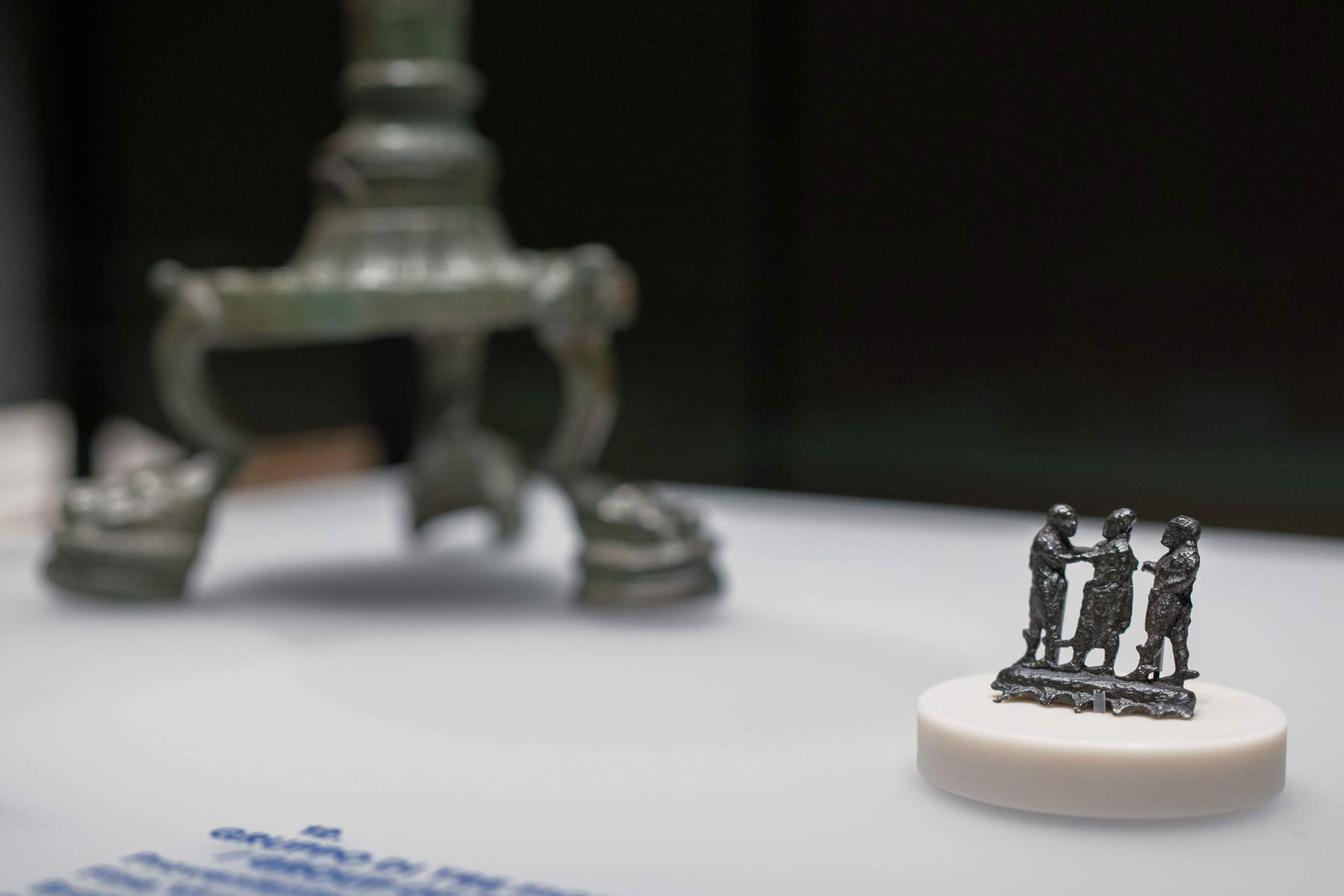
The main core of the exhibition consists of a selection of Etruscan bronzes from the collection of Galeotto Ridolfini Corazzi. These are works that over time have found their way into the collections of the Rijksmuseum van Oudheden in Leiden and are now temporarily returning to Italy to be presented to the public. The display offers a reflection on the history of the collection and the dynamics through which, between the 18th and 19th centuries, archaeological finds and works of art entered the circuits of European collecting.




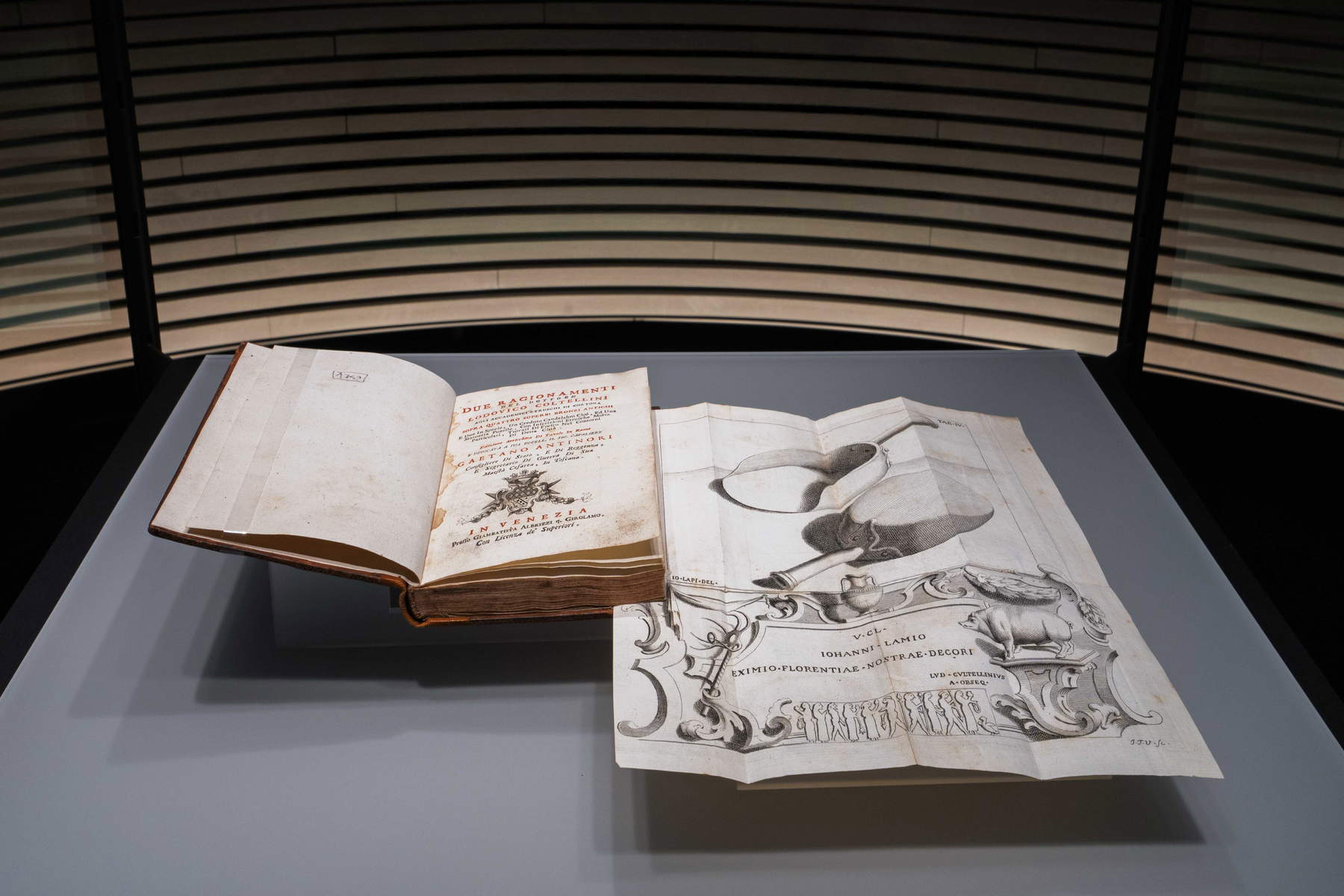
In fact, the formation of the Corazzi collection dates back to the 18th century, in a historical context characterized by the increasing spread of intellectual freedoms and the emergence of an international elite interested in the study of ancient civilizations. In that period antiquarians, scholars and collectors contributed to the circulation of archaeological objects and the building of collections that would later form the nucleus of many European museums. The case of the Corazzi collection bears witness to this phenomenon and allows us to observe how private collecting played an important role in the preservation and transmission of archaeological heritage.
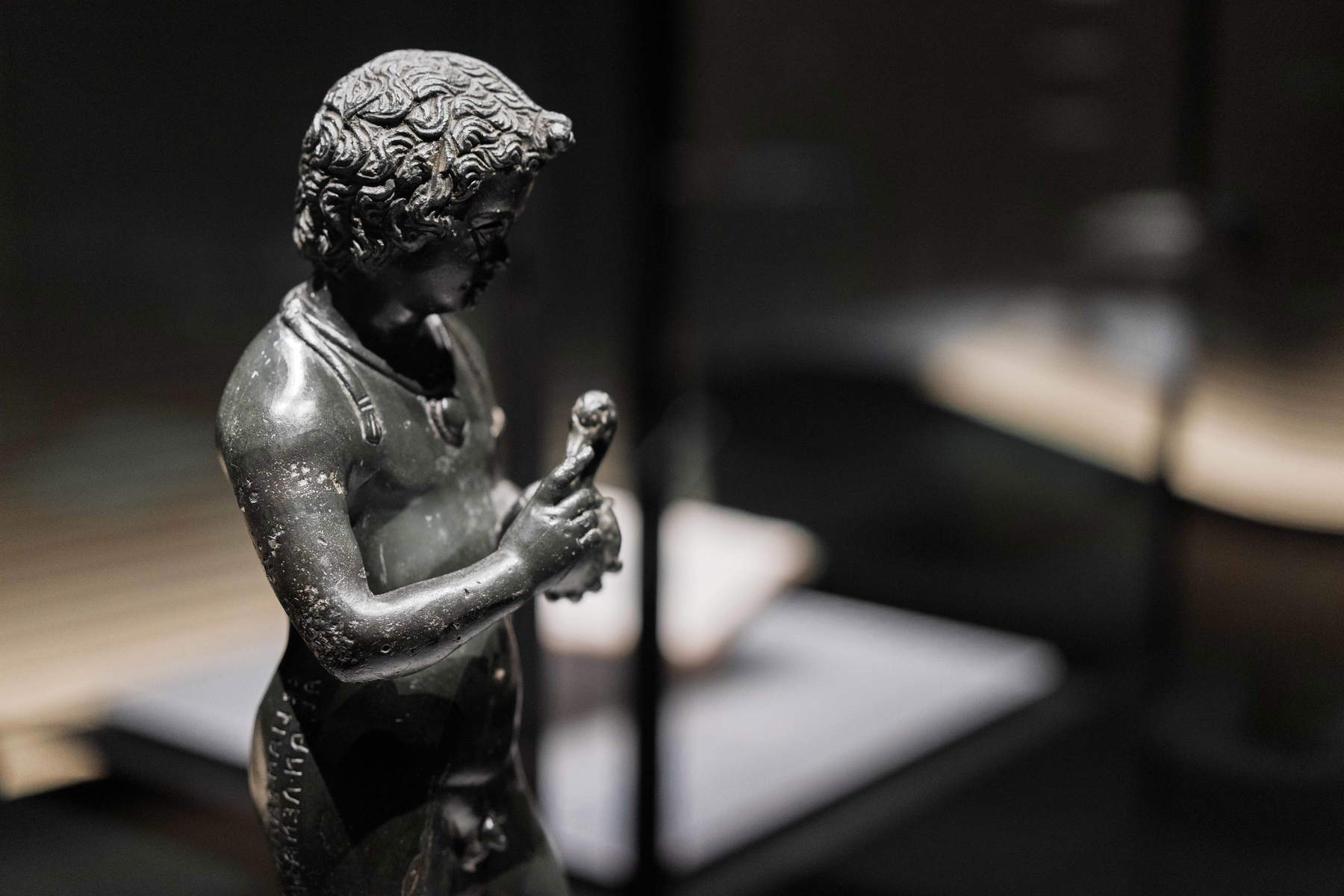
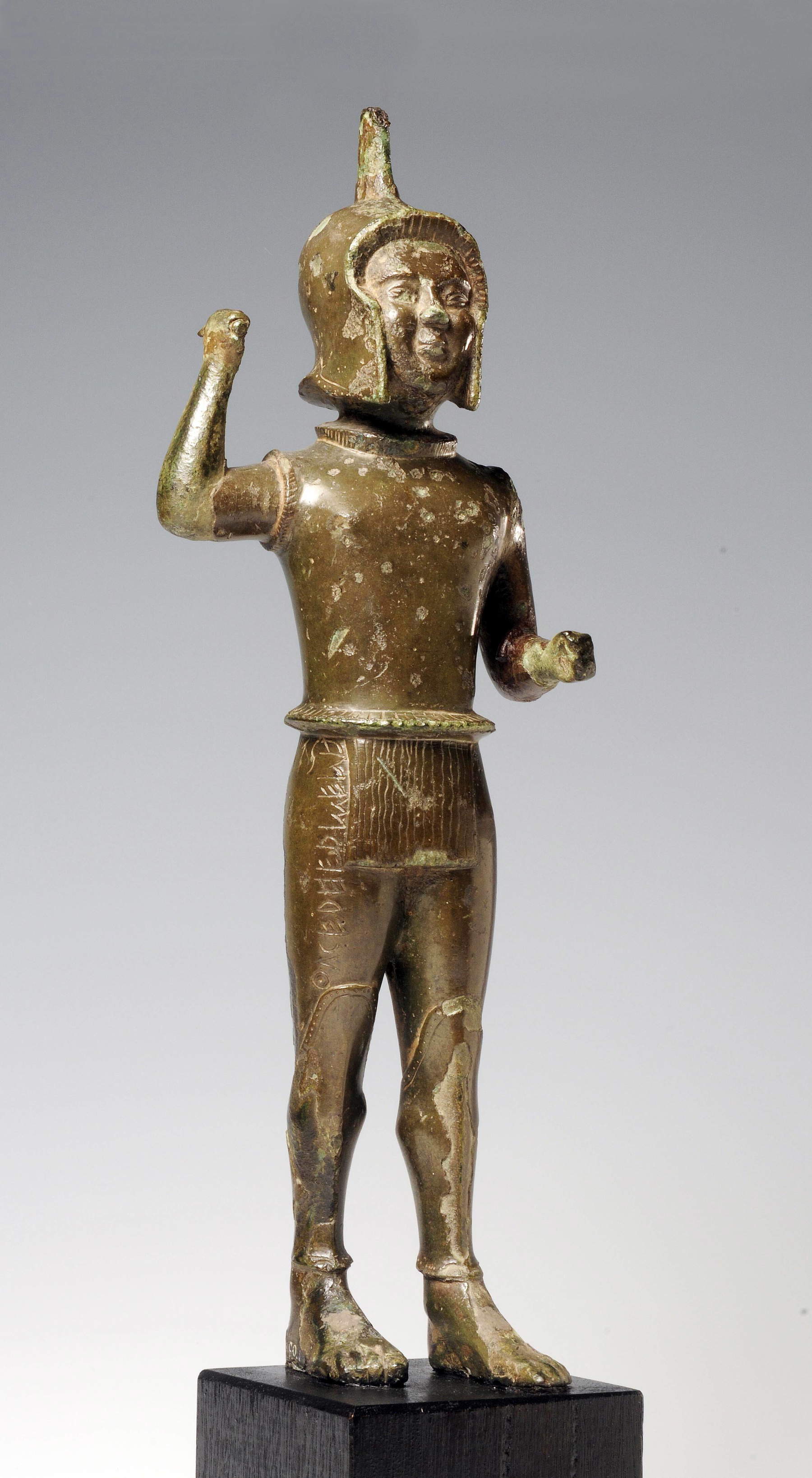
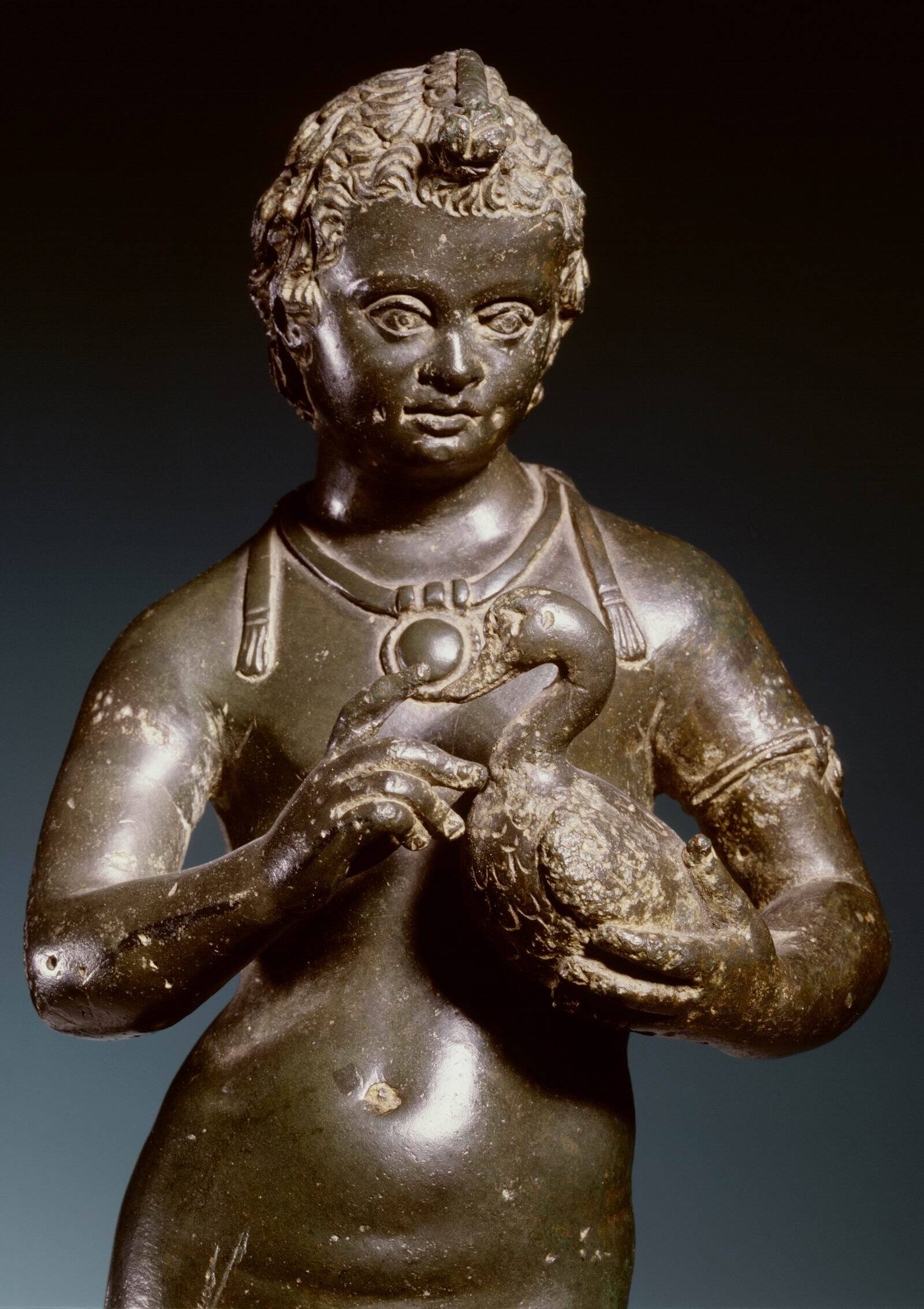
Among the works on display are several statuettes and bronze artifacts of votive and cultic character. Prominent among them is the Child with Goose, depicting a naked child holding a goose and wearing a bulla around his neck. The inscription on the work’s right leg indicates a votive purpose for the object. A similar function is attested by the bronze statuette depicting Laran, an Etruscan deity of war depicted in armor and helmet, dated between 540 and 520 BCE. In contrast, the bronze statuette depicting a griffin, a fantastic creature that combines the characteristics of the lion, considered king of the earth, and the eagle, associated with the dominion of the sky, dates to the mid-4th century BCE. On the right side of the body appears a dedicatory inscription to Tinia, an Etruscan deity linked to lightning and celestial power.
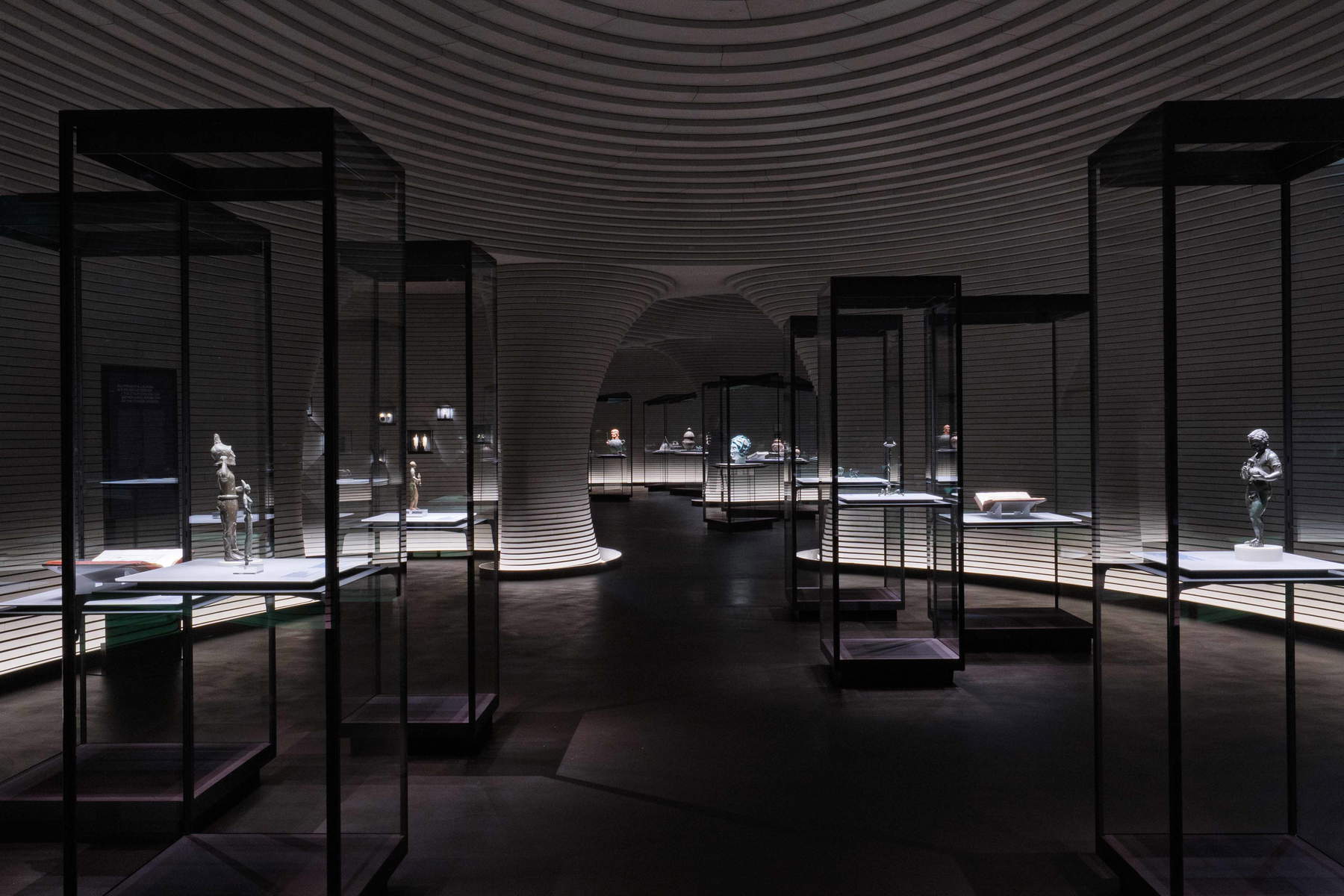
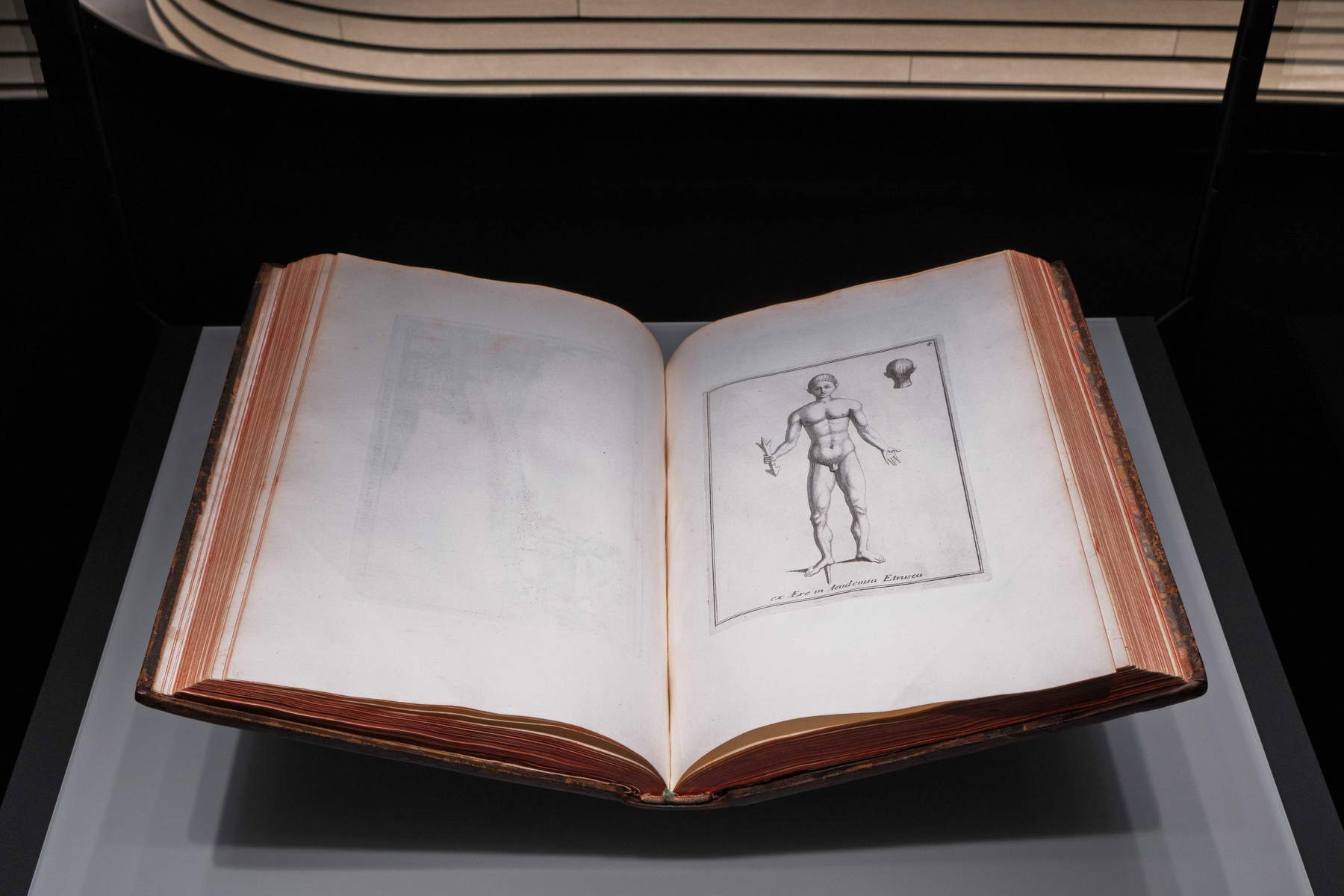
Alongside the Corazzi bronzes, the exhibition includes a selection of ancient volumes that document the critical fortune of the works and allow reconstructing the history of studies and collecting related to the Cortona collection. Among the texts on display are a copy of Ad monumenta Etrusca operi Dempsteriano additae explanationes et conjecturae by Filippo Buonarroti, published between 1723 and 1724, the Due ragionamenti del dottore Lodovico Coltellini agli Accademici Etruschi di Cortona sopra quattro superbi bronzi antichi[...] by Lodovico Coltellini of 1750, and the Museum Cortonense by Francesco Valesio, Antonio Francesco Gori and Ridolfino Venuti, also of 1750.
The presence of books within the exhibition introduces a reflection on the role of bibliographic sources in the transmission of knowledge about works of art. Antique publications constitute fundamental tools for the study of the history of taste and for the reconstruction of collecting events. In some cases, the book takes on the function of a curatorial device capable of keeping the memory of an object alive even when it is not physically accessible, because it is dispersed, distant or temporarily absent. In this way, a relationship is established between the work and the book dedicated to its description and interpretation, understood as two different communicative spheres that contribute to the preservation and transmission of material memory.
The initiative is accompanied by a number of accessibility tools and collateral activities. The video guide in Italian sign language was produced in collaboration with the Ente Nazionale Sordi and is available through the Foundation’s app, which can be downloaded at the museum. As part of the Stare bene insieme project, developed in collaboration with the La Meridiana Cooperative, a guide booklet dedicated to people with neurodegenerative diseases and their carers is also available at the ticket office.
The program of activities also includes moments of in-depth study. On April 1 at 3 p.m. Giulio Paolucci, curator of the Luigi Rovati Foundation Art Museum and director of the MAEC in Cortona, leads a tour reserved for FLR Card holders. Starting in the following weeks, there will be guided tours open to the public every Saturday at 11 a.m., with a ticket costing 20 euros that includes admission to the museum.
Accompanying the exhibition is the published catalog The Etruscans and Holland. A/R of the Corazzi Bronzes, published by the Luigi Rovati Foundation. The volume includes contributions by Paolo Bruschetti, Luigi Donati, Ruurd Binnert Halbertsma, Paolo Giulierini, Giulio Paolucci and Patrizia Rocchini.
Statements
"The Etruscan Academy of Cortona is particularly pleased that the exhibition The Etruscans in the Netherlands, which has just concluded at MAEC, Museum of the Etruscan Academy and the City of Cortona, is moving to the Luigi Rovati Foundation Art Museum in Milan," comments Paolo Bruschetti, president of the Etruscan Academy of Cortona. “This is another opportunity to strengthen the ties between our two institutions and, at the same time, to present in such a prestigious venue as the Milanese museum the city of Cortona and its extraordinary archaeological riches. A heritage that, during the course of the nineteenth century, flowed into one of the most important collections of the National Museum of Antiquities in Leiden. After the exhibition of the famous Chandelier and the comparison of the two Etruscan bronzes with works of contemporary art, this new stage will help further consolidate the dialogue between our city and one of Italy’s most prestigious museums.”
“The collaboration with the Etruscan Academy of Cortona is confirmed as a virtuous example of institutional cooperation, aimed at the shared enhancement of the archaeological and artistic heritage,” says Giovanna Forlanelli, president of the Luigi Rovati Foundation. “At the Foundation, the juxtaposition of the bronzes with a selection of historical volumes introduces a further level of reading: the book is not only an instrument of transmission and interpretation of the work, but is itself configured as an object endowed with its own formal and cultural quality. In this sense, the volumes on display fully participate in the museum narrative, in a confrontation that enriches the itinerary, expanding the ways in which objects, sources and the contemporary gaze relate to each other and offering visitors an articulate and in-depth knowledge experience.”
 |
| Milan, at the Rovati Foundation the exhibition on Etruscan bronzes from the Corazzi collection |
Warning: the translation into English of the original Italian article was created using automatic tools. We undertake to review all articles, but we do not guarantee the total absence of inaccuracies in the translation due to the program. You can find the original by clicking on the ITA button. If you find any mistake,please contact us.