





From Feb. 1 to July 26, 2026, the halls of IKS Photo Düsseldorf, Kunsthalle Darmstadt, SCHAUWERKSindelfingen and the Draiflessen Collection in Mettingen, Germany will hostNo Place Like Home / Nessun posto come casa, the first major retrospective devoted to Italian photography from the 1980s to the present. The exhibition is curated by Ralph Goertz, director of IKS Photo Düsseldorf, and was conceived in collaboration with the partner institutions. The exhibition brings together some 300 works by 42 photographers and offers a comprehensive look at the country’s visual evolution from the postwar economic boom to the new sensibilities of contemporary photography.
The exhibition explores the emergence of an autonomous Italian photographic language capable of recounting the country’s daily life, social relations, political tensions and historical legacy, avoiding the clichés of Dolce Vita and Bella Italia. The exhibition’s itinerary highlights the intersecting influences that have marked Italian photography since the 1980s: on the one hand, the legacy ofArte Povera and Neorealism; on the other, the reflections of American New Color Photography and German schools, including the teachings of Otto Steinert at the Folkwangschule in Essen and Bernd and Hilla Becher at the Kunstakademie in Düsseldorf. Historic pieces include vintage prints and rare works from the early 1980s, including works by Guido Guidi, Gabriele Basilico, Luigi Ghirri and Marina Ballo Charmet, who helped define the country’s visual identity during that period.
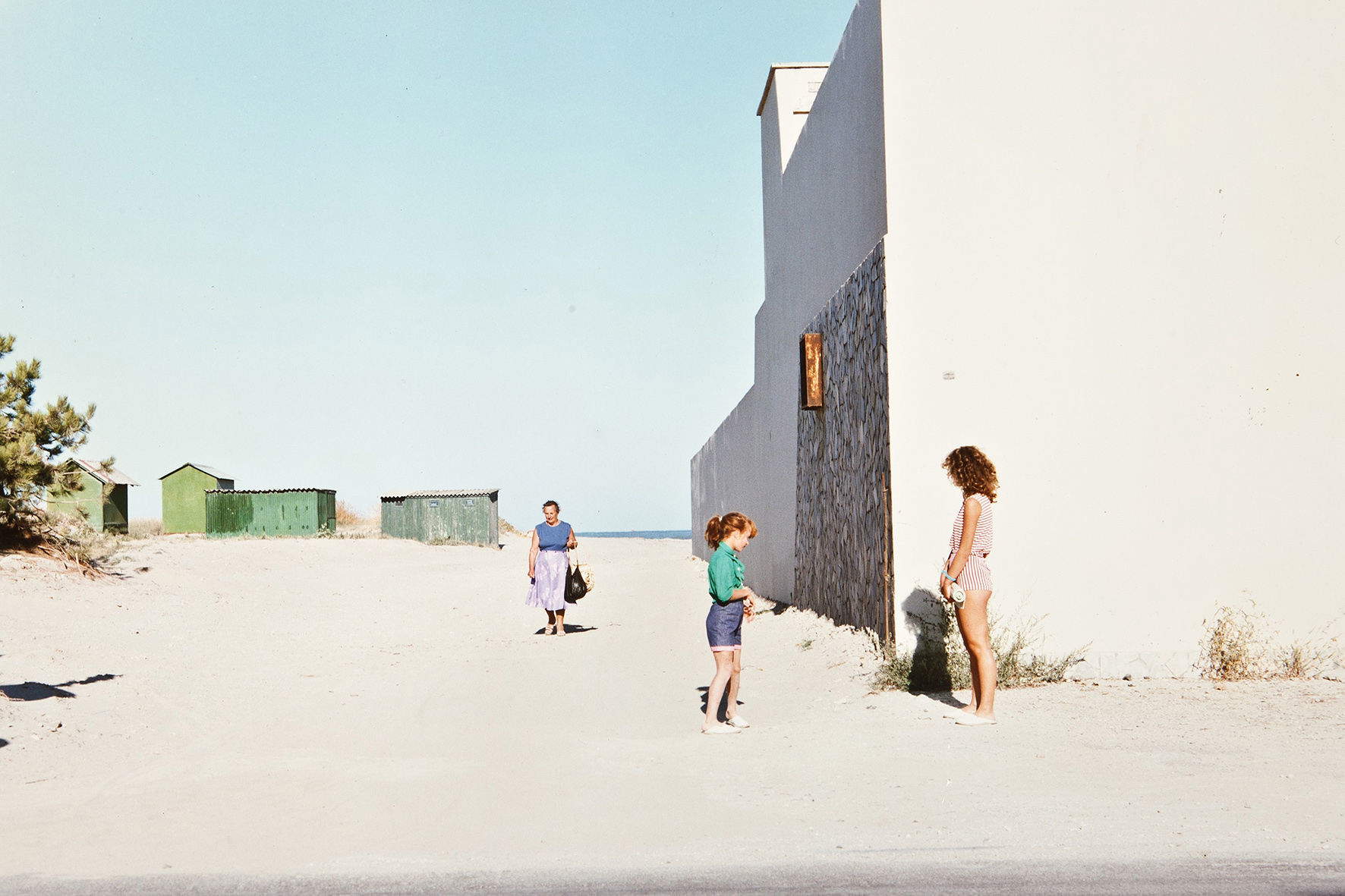
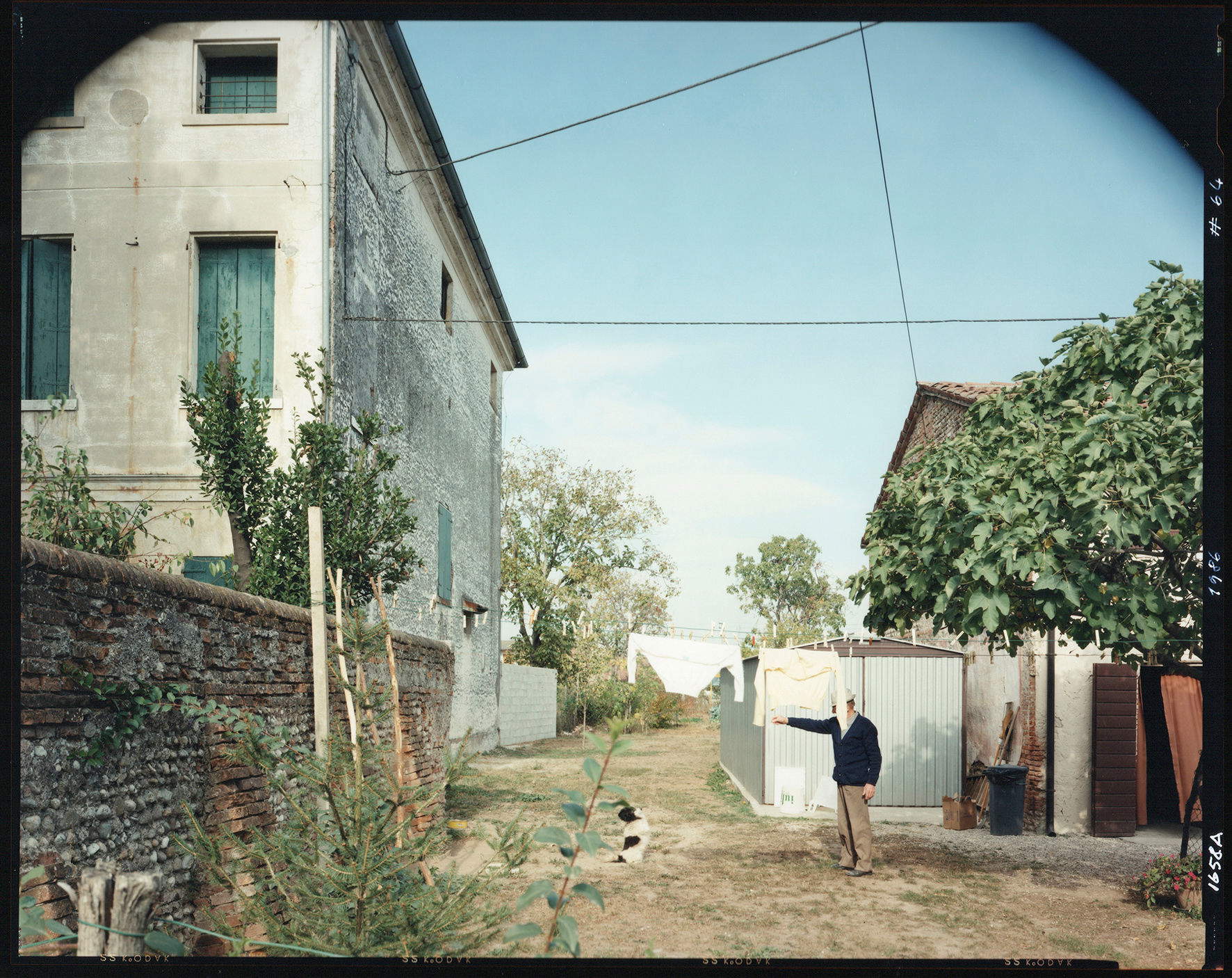
The exhibition includes portraits, conceptual and serial works, photographs with strong social and political connotations, as well as landscapes that have played an important role in Italian photography. In particular, the so-called photography of places that emerged in the 1980s explored collective identity, allowing authors to assert their artistic autonomy through careful observation of the territory. In the 1990s, economic development and the first effects of globalization shifted the attention of photographers such as Ballo Charmet, Paola De Pietri, William Guerrieri and Paola Di Bello to urban spaces, the loss of place identity and emerging social issues.
With the beginning of the new millennium, various social and political crises have stimulated new photographic strategies and artistic approaches. The themes of social injustice, gender equality and migration provided a cultural context that generated a new generation of authors, including Marcello Galvani, Francesco Neri, Luca Nostri, Allegra Martin and Cesare Fabbri, students and collaborators of Guido Guidi. These photographers continued to explore provincial urban spaces, establishing themselves as heirs to an established tradition. In parallel, other artists developed new narrative methods related to the reportage photography of the 1970s: the socially critical works of Michela Palermo, Nicola Lo Calzo, Giulia Iacolutti, Davide Degano, Michele Borzoni, and Simone Donati show affinities with representatives of the Folkwangschule such as Joachim Brohm, Wendelin Bottländer, and Petra Wittmar.
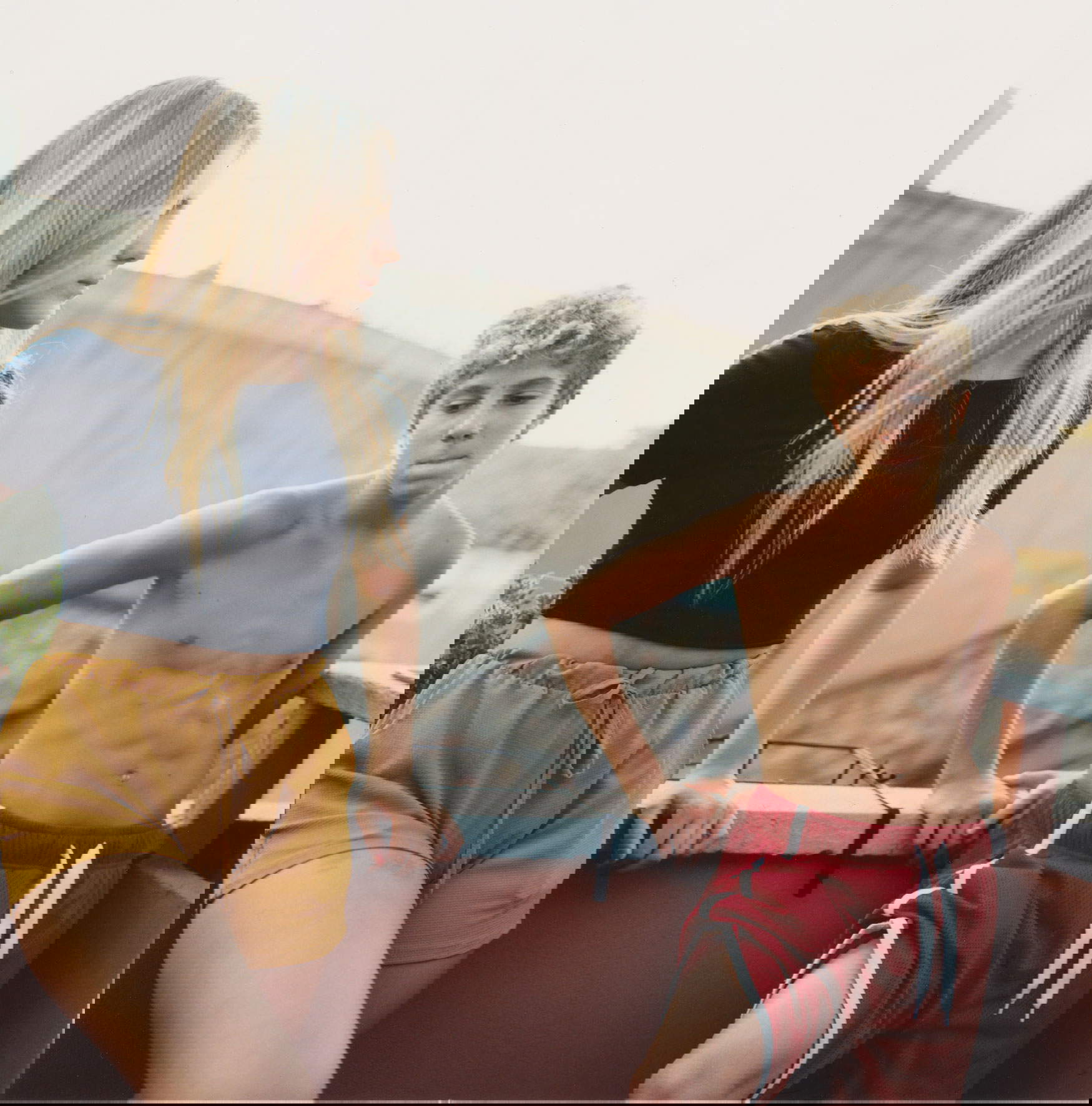
Other authors, including Andrea Botto, Maurizio Montagna and Alessandro Ruzzier, have built their works on real or invented moments, following the principles of postmodernism and objective photography of the Kunstakademie Düsseldorf, represented by Thomas Ruff, Thomas Struth, Candida Höfer and Axel Hütte. In contemporary Italian photography, younger authors such as Francesca Iovene, Carmen Colombo, Matteo Di Giovanni, Tomaso Clavarino, Giulia Agostini, Federico Clavarino and Iacopo Pasqui shift their focus from public space to freer investigations of narrative, individuality and community. Their often biographical series privilege the juxtaposition of figurative elements charged with symbolic values, investigating the concept of home and one’s origins. The exhibition is accompanied by an illustrated catalog published by Walther und Franz König, with forewords by León Krempel, Svenja Frank, Corinna Otto and Ralph Goertz and texts by Nicoletta Leonardi and Goertz himself.
Artists featured include Giulia Agostini, Marina Ballo Charmet, Olivo Barbieri, Fabio Barile, Gabriele Basilico, Michele Borzoni, Andrea Botto, Michele Buda, Michele Cera, Federico Clavarino, Tomaso Clavarino, Carmen Colombo, Mario Cresci, Paola De Pietri, Davide Degano, Paola Di Bello, Matteo Di Giovanni, Simone Donati, Alessandra Dragoni, Cesare Fabbri, Marcello Galvani, Luigi Ghirri, William Guerrieri, Guido Guidi, Giulia Iacolutti, Francesca Iovene, Armin Linke, Nicola Lo Calzo, Sara Lorusso, Rachele Maistrello, Allegra Martin, Marco Marzocchi, Sofia Masini, Maurizio Montagna, Francesco Neri, Walter Niedermayr, Luca Nostri, Michela Palermo, Sara Palmieri, Iacopo Pasqui, Piero Percoco, and Alessandro Ruzzier.
 |
| No place like home: exhibition on Italian photography since the 1980s in Germany |

Warning: the translation into English of the original Italian article was created using automatic tools. We undertake to review all articles, but we do not guarantee the total absence of inaccuracies in the translation due to the program. You can find the original by clicking on the ITA button. If you find any mistake,please contact us.

















 IT
IT FR
FR DE
DE ES
ES CN
CN


