



by Redazione 03/04/2026



Categories: Exhibitions / Disclaimer
CAMBIO Cultural Center hosts from April 3 to September 20, 2026 the exhibition curated by Sergio Risaliti and Eva Francioli, which presents one hundred works from the Alberto Della Ragione Collection, including well-known artists and figures neglected by the official system of the Italian twentieth century.
CAMBIO Cultural Center of Castelfiorentino (Florence) in collaboration with Museo Novecento, presents from April 3 to September 20, 2026 the exhibition Cento opere dalla Raccolta Alberto Della Ragione. From Morandi to Vedova, curated by Sergio Risaliti and Eva Francioli. The exhibition aims to retrace one of the most complex and fertile moments of20th-century Italian art through the independent gaze of Alberto Della Ragione, collector and critical observer of his own time.
The initiative stems from the desire to bring back to the center the importance of the Florentine civic museums’ collection, which represents a precise cultural choice. A naval engineer, Della Ragione began collecting after visiting the Quadriennale in 1931. His collection was first oriented toward recognized artists, then focused on less aligned figures often overlooked by the official Regime system. The collection is characterized by its internal coherence and ability to restore the complexity of an artistic season marked by tensions, returns to tradition and innovative experimentation.


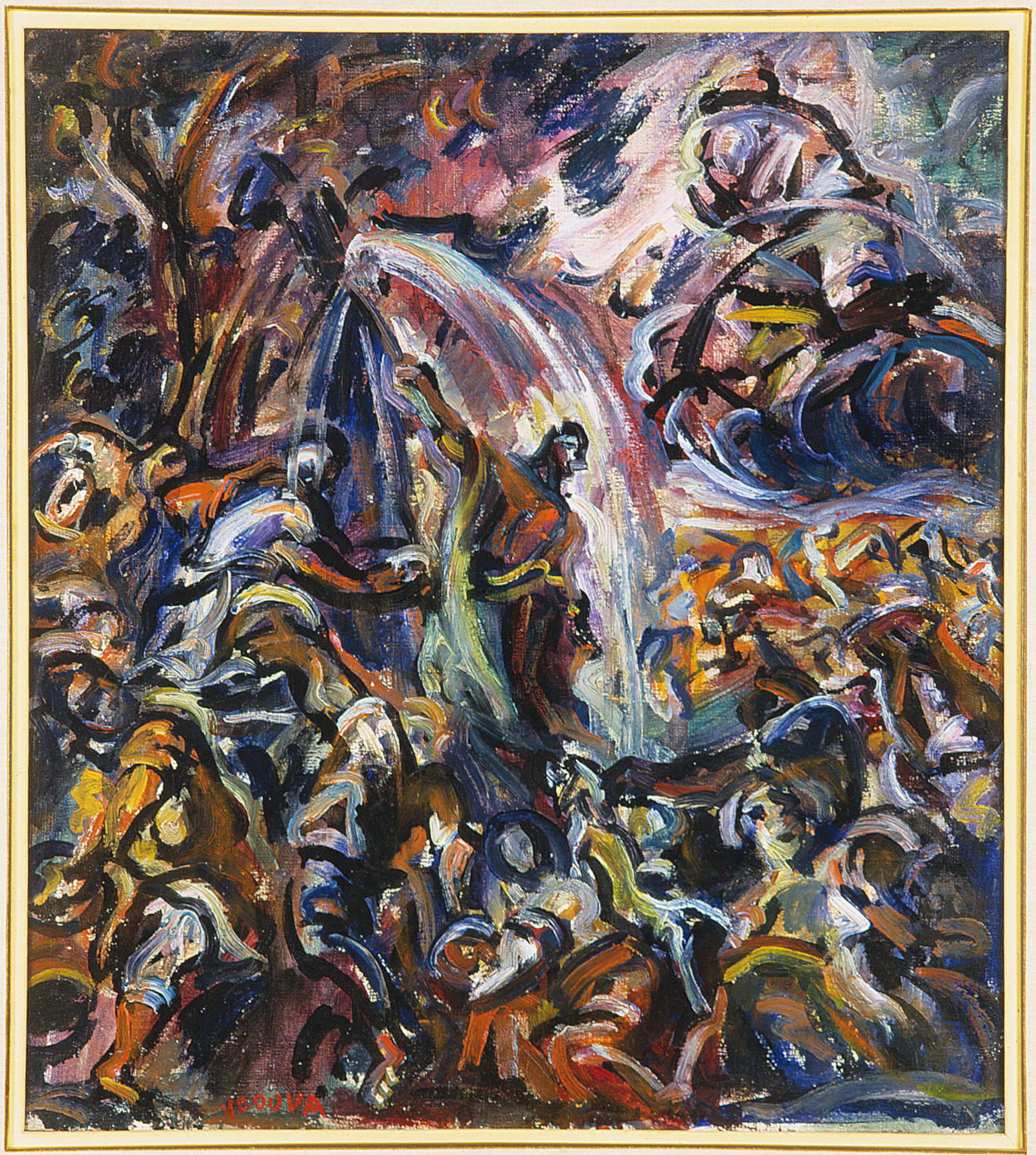
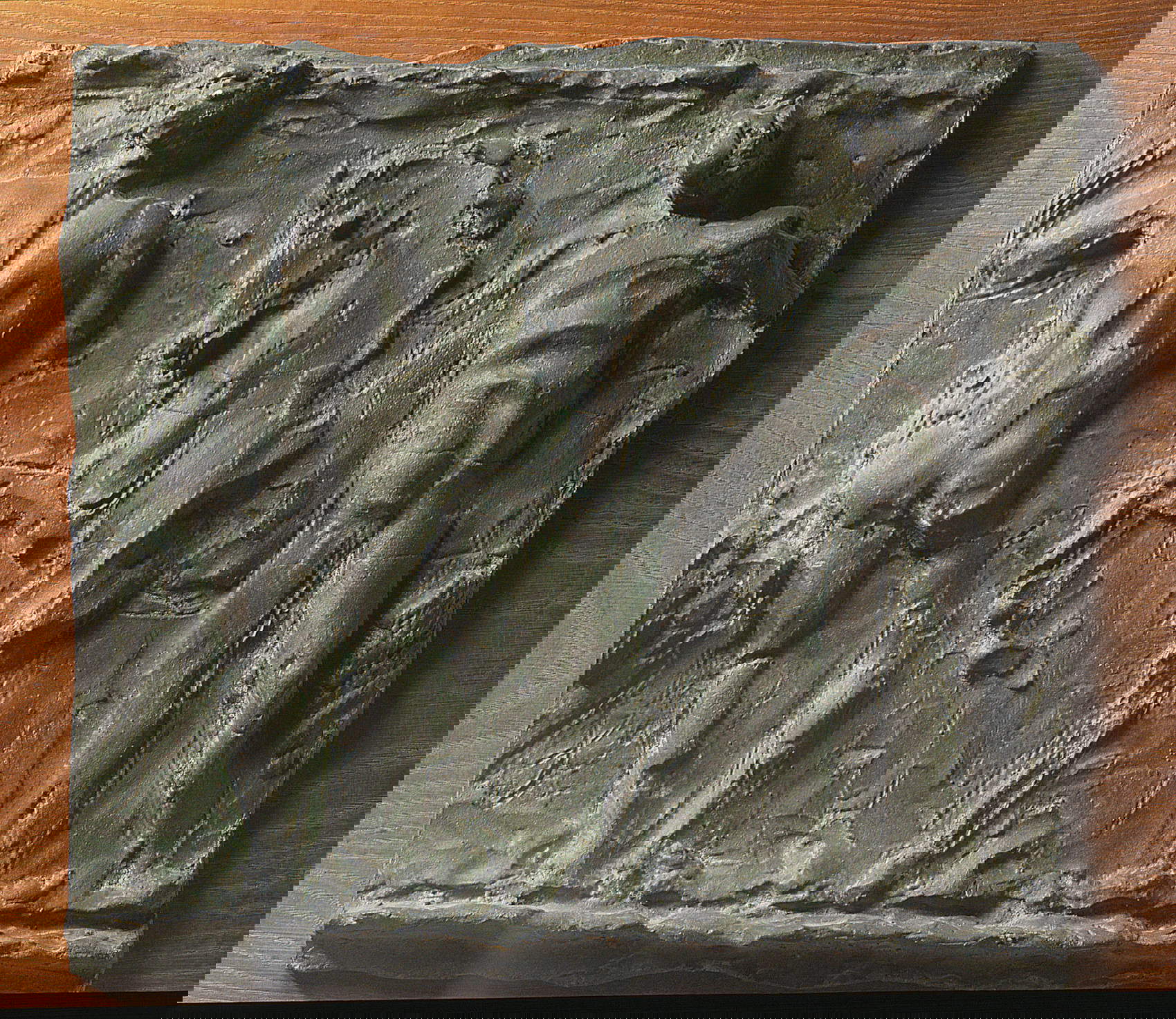
The defining gesture is the donation of the collection to the city of Florence after World War II, a fundamental contribution to the formation of civic collections in the 20th century. The public act, sanctioned in 1970 with the declaration “I give you my life,” reflects the conscious intent to renew Florentine patronage in a modern key. The exhibition itinerary stems from the question of what really attracted Della Ragione: what themes, images and forms guided his choices. The result is an articulated but continuous layout, presenting one hundred works many of which have not been on view for some time. The exhibition offers a comprehensive overview of the figurative language of the twentieth century, without foregoing visionary and experimental forays.
Prominent among the protagonists are Giorgio Morandi, Marino Marini, Mario Sironi, Renato Guttuso and Emilio Vedova, with works that cross genres and subjects without lapsing into a didactic approach. Landscapes become mental spaces in which nature is transformed into structure, light or memory; still lifes abandon their descriptive function to interrogate painting itself; the atelier is presented as a symbolic place of creation, where tools and figures suggest processes rather than results.
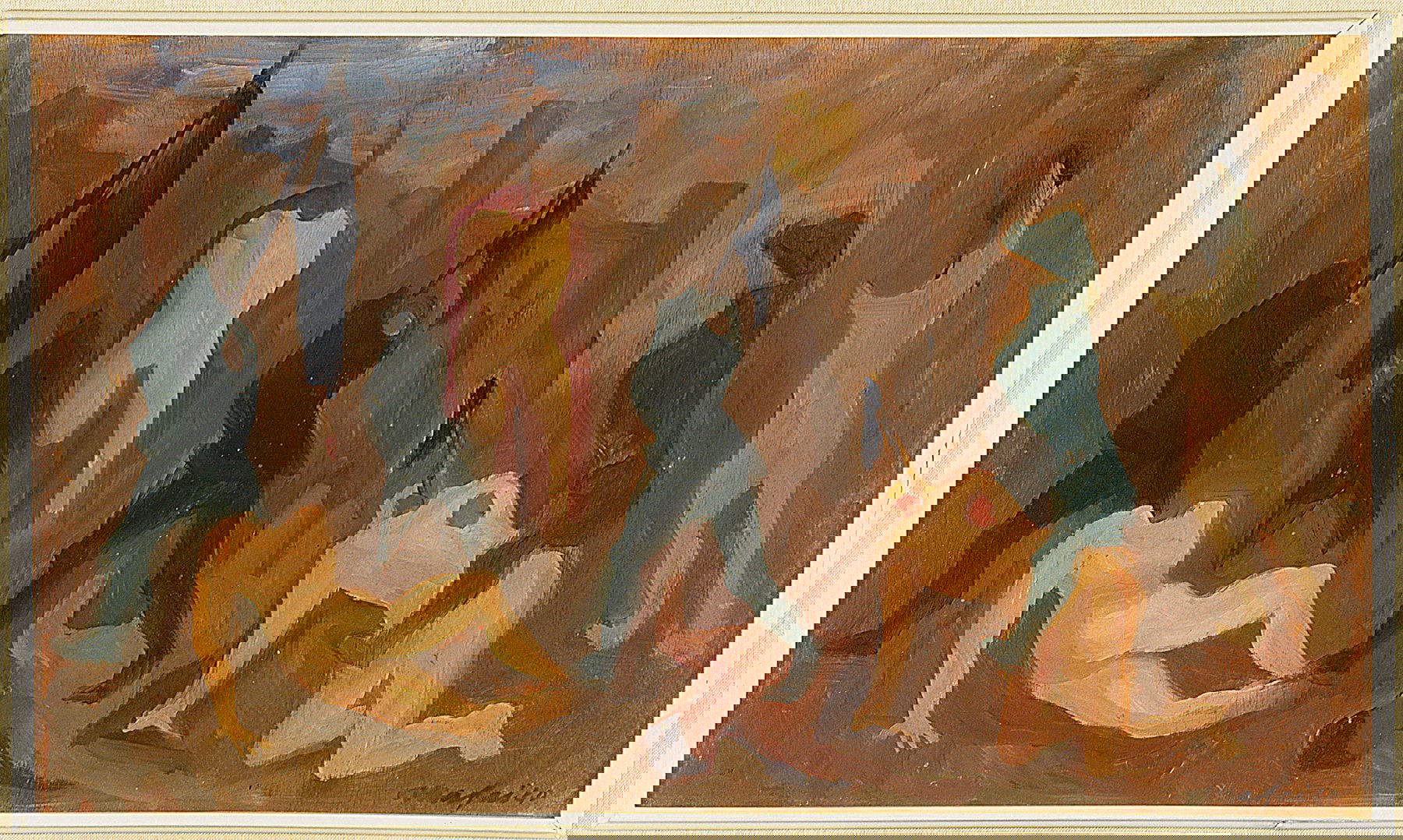
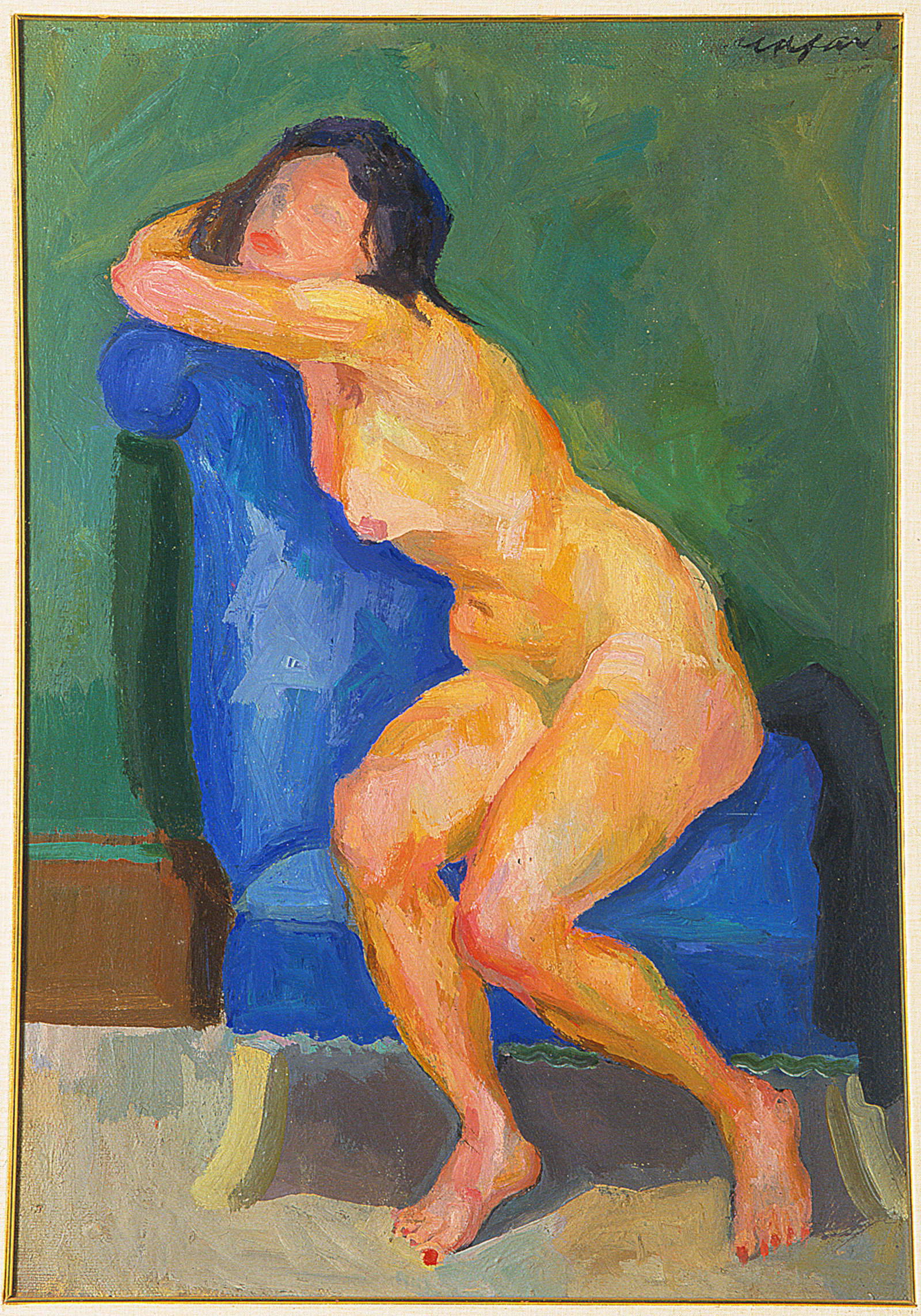
The theme of chivalry is charged with narrative tension and plastic energy, oscillating between tradition and modernity. The female universe emerges through sequences of images marked by silences, expectations and constructions of the gaze, characterized by a subtle but constant distance. Portraiture addresses the crisis of twentieth-century identity, alternating realistic restitutions with deformations and stylizations.
The so-called “little theaters” open up to enigmatic dimensions, in which objects and figures converse in scenarios suspended between logic and the absurd, recalling Giorgio de Chirico’s metaphysical investigations. Sections devoted to futurism show dynamics of speed, energy and transformation, while segments on the relationship between art and history and between art and devotion highlight the artists’ ability to confront the tensions of their own time, amid conflict, spiritual restlessness and the search for meaning.
Statements
“This exhibition represents in an exemplary way the sense of the commitment that Banca Cambiano 1884 has always carried out in favor of the territory: investing in initiatives capable of increasing not only the cultural offerings, but also the vitality and identity of the local community,” says Paolo Regini, President of Banca Cambiano 1884 S.p.A. “Hosting in Castelfiorentino one hundred works spanning one of the most intense and complex moments of 20th-century Italian art means putting the territory in relationship with a heritage of the highest value and creating a concrete opportunity for growth, participation and openness. It is a consistent way of interpreting the Bank’s founding principles - proximity, responsibility, attention to people and community development - in the belief that culture and territory can grow together.”
“This initiative,” says Francesca Giannì, Mayor of the Municipality of Castelfiorentino, “represents very well the idea of the city we want to build: a city in which culture is not marginal, but an integral part of a political vision oriented toward civic growth, social cohesion and the enhancement of the territory. Bringing high-profile projects to Castelfiorentino means investing in the community’s quality of life, but also strengthening the city’s role in a wider network of cultural and institutional relations. This is how to build a territory capable of expressing identity, attractiveness and future.”
“This exhibition represents a valuable opportunity to reread, with a current look, one of the most significant collections of the Italian twentieth century preserved in the Florentine civic museums,” said Culture Councillor Giovanni Bettarini. “Alberto Della Ragione’s collection is a conscious choice to support the art of its time, even when it was uncomfortable and non-aligned. Bringing this heritage outside Florence today means strengthening an idea of widespread culture, capable of creating relationships and new opportunities for knowledge in the territory. The route, which passes through authors such as Giorgio Morandi, Marino Marini, Mario Sironi, Renato Guttuso and Emilio Vedova, restores the complexity and vitality of a central season of the 20th century. As a municipality we continue to invest in the enhancement of our civic collections, not only as a heritage to be preserved, but as living tools to interpret the present and renew the Florentine cultural tradition.”
“Hosting the masterpieces of Morandi, Fontana, Guttuso and Vedova,” says Franco Spina, Councillor for Culture Municipality of Castelfiorentino, “allows us to retrace an extraordinary season in the history of Italian art and, at the same time, to democratize access to art, making the heritage that Alberto Della Ragione donated to the community usable to all. We are grateful for this collaboration, which complements the path of Castelfiorentino Casa di Artisti and broadens its impact. Through art, we continue an open dialogue between community, territory and prestigious cultural institutions, helping to build a more aware and participatory community, in the sign of Art.”
“Welcoming an exhibition such as this realized in collaboration with the Museo Novecento, means fully implementing the vision with which this cultural center was born: to make culture a shared experience, accessible and capable of generating value for the community,” continues M. Cristina Giglioli, Director Fondazione Cambiano ETS. “Bringing to Castelfiorentino an exhibition itinerary built around one of the most significant collections of the Italian 20th century, with works by artists such as Morandi, Sironi, Guttuso, Marini and Vedova, means offering the territory an opportunity of extraordinary quality, normally reserved for large urban centers. At the same time, an exhibition of this profile strengthens the area’s attractiveness and confirms how even places off the metropolitan circuits can become a destination for attentive and qualified cultural tourism.”
“The exhibition that we are presenting today in Castelfiorentino,” concludes Sergio Risaliti, Director of the Museo Novecento, “with one hundred works from the Alberto Della Ragione Collection, is the result of a process of valorization that stems from the valuable collaboration between the Museo Novecento and the Centro Culturale CAMBIO, a reality born from an enlightened vision shared between the public and private sectors, which has endowed Castelfiorentino with a tool for social growth and cultural inclusion.The Museo Novecento has made synergy with the metropolitan city’s administrations a strategic goal, and we have found a fertile territory of beautiful ambitions on which to build sensitive actions and artistic education. Della Ragione was not a neutral collector, nor a mere accumulator of masterpieces: he was a direct interlocutor of the artists of his time, an observer who chose to expose himself, to take risks, to take a stand in years crossed by deep political and cultural contradictions. In this sense, his collection is in itself a critical narrative, a narrative that spans the Italian twentieth century and defines its taste and aesthetics. Alongside the most recognized names such as Morandi, Casorati, Fontana, Guttuso, De Chirico and Vedova, we also find less aligned presences, sometimes marginalized by the official system of their time, but today indispensable to truly understand the complexity of the Italian twentieth century. It is in this ability to hold together center and margin, tradition and experimentation, that the collection reveals its extraordinary relevance. The donation to the city of Florence was a generous act. When Della Ragione writes ”I give you my life,“ he is not simply handing over works, but entrusting the community with a vision, an idea of culture as a common good, as a space of responsibility and confrontation. Starting again today from that phrase means questioning what it means for a public institution to guard an artistic heritage and, at the same time, to reactivate its inexhaustible energy. Taking a collection ”outside“ means not only expanding its reach, its extra muros resonance. In fact, we bring it into being new in order to rediscover it different. Transferring an object to a different context, as Duchamp taught us, means wresting it from the loss of aura and commercial fetishism, which, when we do so with a work of art or a collection, means wresting it from the fetishism of historicization and the blurring of the gaze, which does not see but consumes images devoid of aura. I thank all those who wished, wanted and made it possible for this cultural operation to happen. I share this recognition with Eva Francioli, invaluable in supporting the effort and adding her expertise and sensitivity to the curatorship.”
Practical information
CAMBIO CULTURAL CENTER
Closed Monday; Tuesday through Sunday 10 a.m.-1 p.m. / 4 p.m.-7 p.m.
Open Easter Monday (April 6), April 25, May 1
10.00 - 13.00 / 16.00 - 19.00
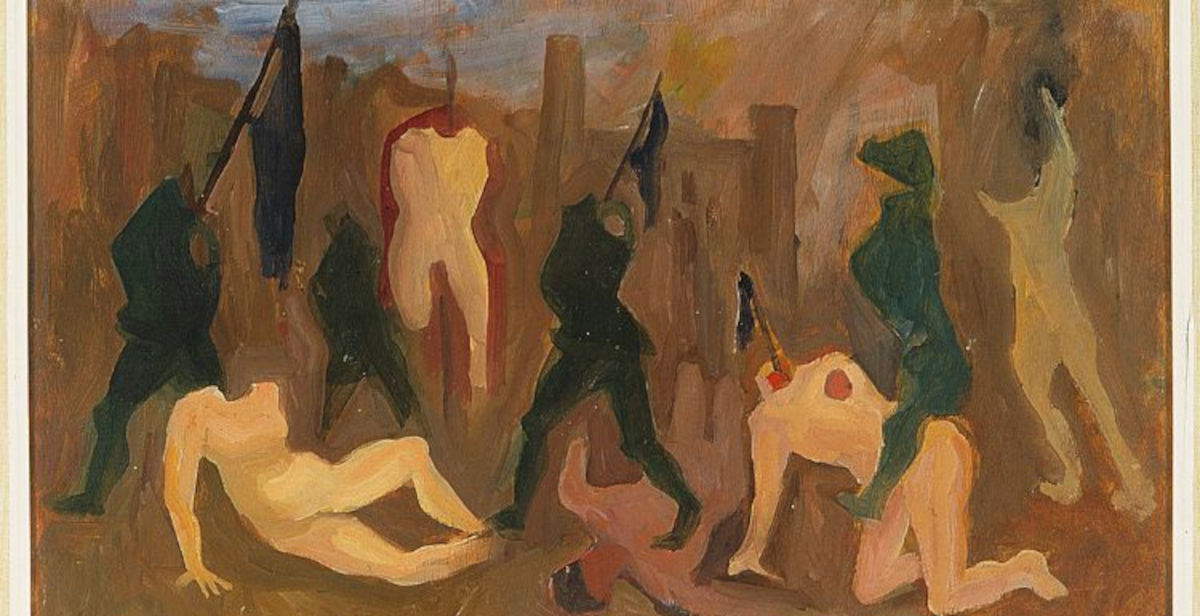 |
| One hundred works from the Della Ragione Collection, from Morandi to Vedova, in Castelfiorentino, Florence. |
Warning: the translation into English of the original Italian article was created using automatic tools. We undertake to review all articles, but we do not guarantee the total absence of inaccuracies in the translation due to the program. You can find the original by clicking on the ITA button. If you find any mistake,please contact us.