



by Redazione 20/03/2026



Categories: Exhibitions / Disclaimer
From March 19 to July 12, 2026, the National Archaeological Museum in Taranto is hosting "Timeless Forms," an exhibition that connects Roberto Capucci's creations with the museum's ancient artifacts, including diffuse installations and multimedia paths.
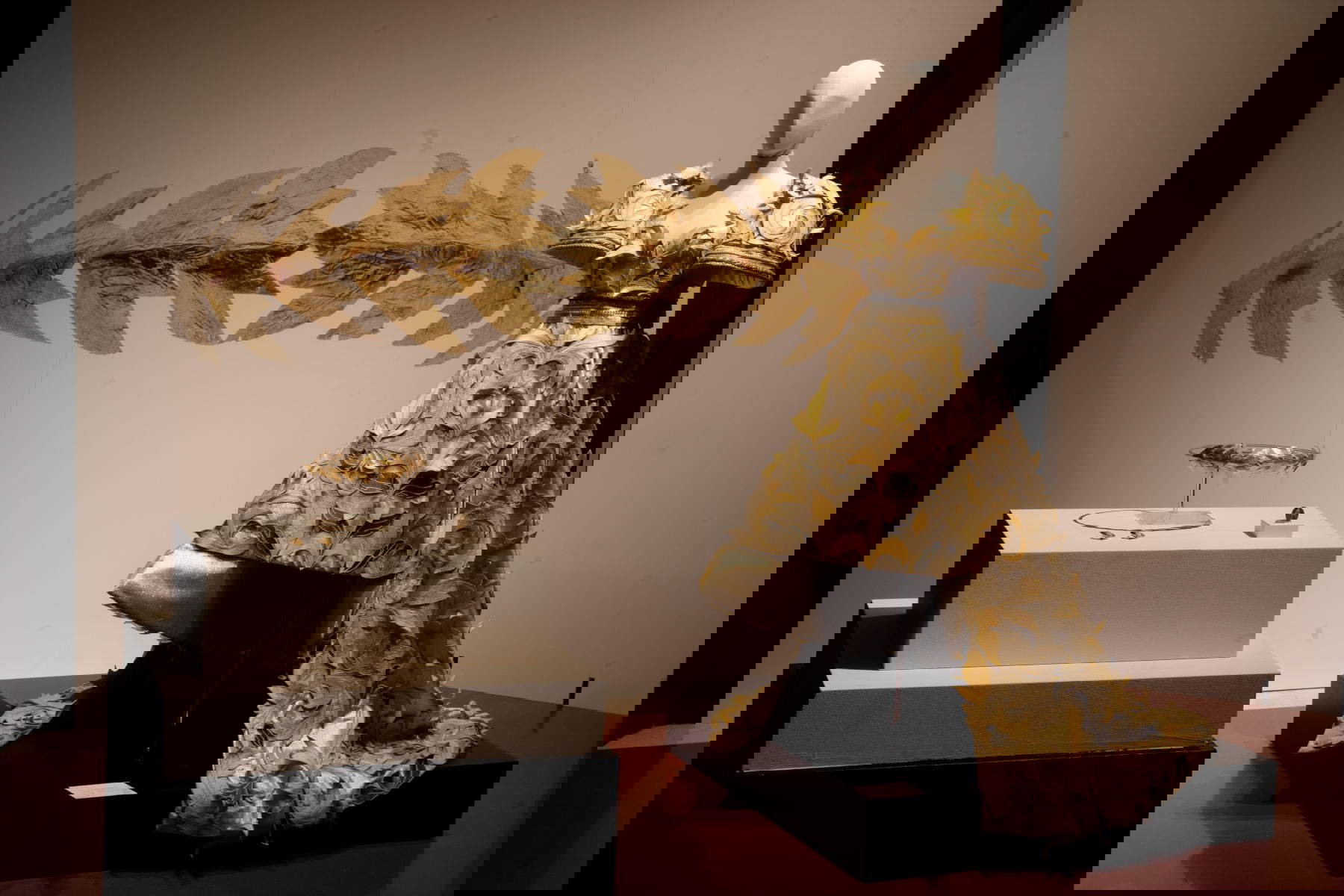
From March 19 to July 12, 2026, the National Archaeological Museum of Taranto welcomes Forme senza tempo - Roberto Capucci dialogues with MArTA, an exhibition project that relates the designer’s production with the artifacts preserved in the Apulian institution, along a chronological span that extends from the Paleolithic to the Middle Ages. The initiative is developed within the area dedicated to temporary exhibitions, but also extends to other areas of the museum, including elements of haute couture in some of the most representative rooms. The path is based on a comparison of materials and languages belonging to different eras and areas. On one side are archaeological evidence, including clays, gold artifacts, glass, stones and ceramics; on the other are Roberto Capucci’s creations, characterized by the use of silks, taffetas, georgette and lamé. The exhibition is built around this relationship, highlighting formal affinities and suggestions that cross time. The bond is further intensified when one of Capucci’s iconic pieces appears in the installation: the famous dress known as Foglie d’Oro.
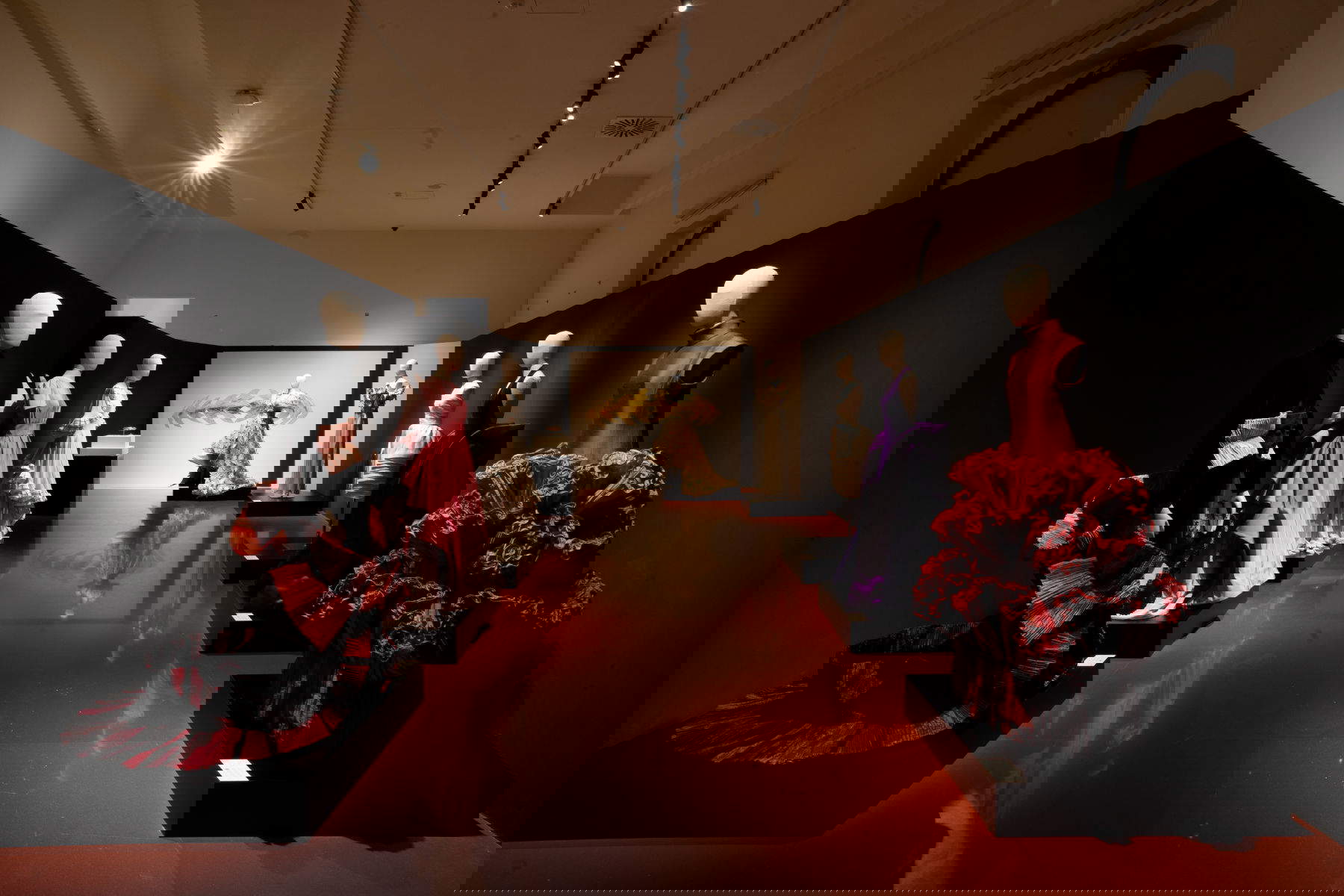
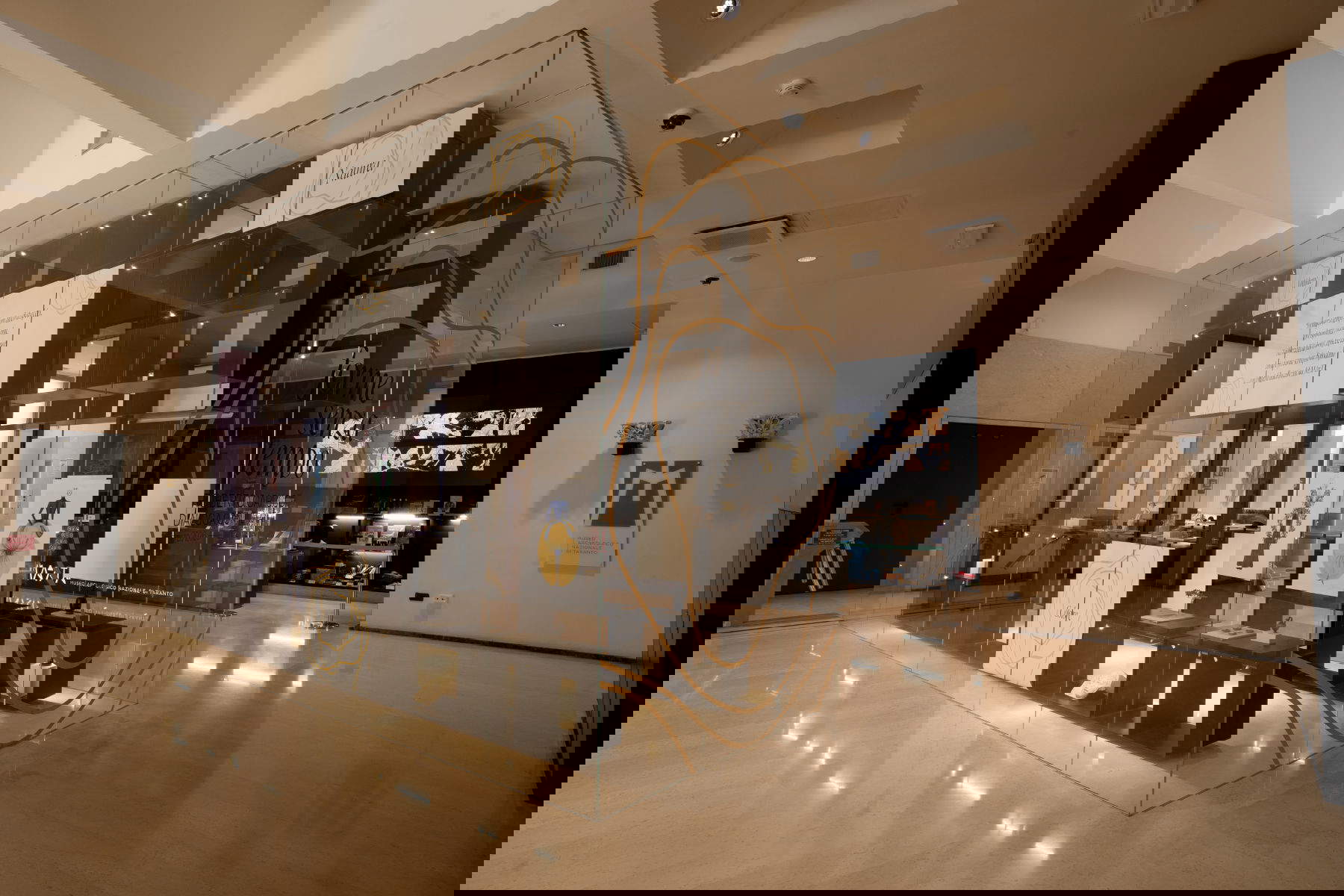
The installation brings together twenty haute couture gowns and seventy drawings including design sketches and period photographs, flanked by a selection of museum artifacts such as clay statuettes and gold diadems. The dialogue between the works aims to highlight the references and resonances between the designer’s inspiration and the forms of ancient civilizations. The exhibition approach is distinguished by the intent to directly relate the source and its contemporary reworking. The project is conceived and curated by the National Archaeological Museum of Taranto together with the Roberto Capucci Foundation, represented by general director Enrico Minio Capucci, with the organization entrusted to Civita Sicilia. The exhibition intervention involves the entire area of temporary exhibitions, the entrance showcase of Temporary Art, and includes the placement of five creations also inside the first and second floors of the former Convento degli Alcantarini, the museum’s 18th-century headquarters.


An additional level of reading is entrusted to a multimedia apparatus that complements the itinerary. Through QR codes placed near the clothes, visitors can access content that suggests connections with exhibits in the permanent collections. In this way, the exhibition extends beyond the physical space of the temporary display, inviting a broader enjoyment of the museum’s heritage. Maison Capucci, founded in 1950 with its first atelier in Via Sistina in Rome, is the starting point of a research that over time has intertwined fashion and architecture, an element that also emerges in this exhibition.
Timeless Forms - Roberto Capucci Dialogues with MArTA can be visited during the museum’s opening hours, from 8:30 am to 7:30 pm, excluding Mondays. Admission is included in the entrance fee to the National Archaeological Museum of Taranto, which can be purchased on site or through the institutional website.
Statements
“In the dialogue between past and present, between archaeological matter and contemporary creation,” comments Museums General Director Massimo Osanna, “we recognize one of the most fruitful trajectories through which museums renew their narrative today. The exhibition builds a system of visual and conceptual relations based on the comparison between the clothes and artifacts in the MArTA collection: this approach reflects a vision of the museum as a dynamic place, capable of generating new readings and activating unexpected connections, through different languages and contaminations that amplify its evocative and cognitive potential.”
“The most striking aspect is the three-dimensionality achieved through the skillful use of fabrics and color in Maestro Capucci’s sartorial creations,” says the Director of the National Archaeological Museum of Taranto, Stella Falzone, “the waves and pleats of the Stylist’s dresses offer an opportunity for an unprecedented dialogue with the MArTA’s collection of terracotta female statuettes, which testify to the ’attention in representing ancient multicolored garments in their variety; likewise, the enigmatic masks on some of Capucci’s dresses in the exhibition recall the antefixes of the temples now in the Museum’s halls, just as the sharp geometries recall the tesserae of the mosaics of Roman Taranto, in a play of mirrors between forms of the past and the present.”
“The dress reveals surprising connections with Greek gold diadems preserved in Taranto’s Archaeological Museum. What can we say then about Capucci’s peplums,” says Enrico Minio Capucci, director of the Roberto Capucci Foundation, “which, unlike those of Mariano Fortuny (Spanish painter and designer - ed.), are revisited through his creative vein, in which, however, it is difficult not to recognize the lesson of the ancient world.”
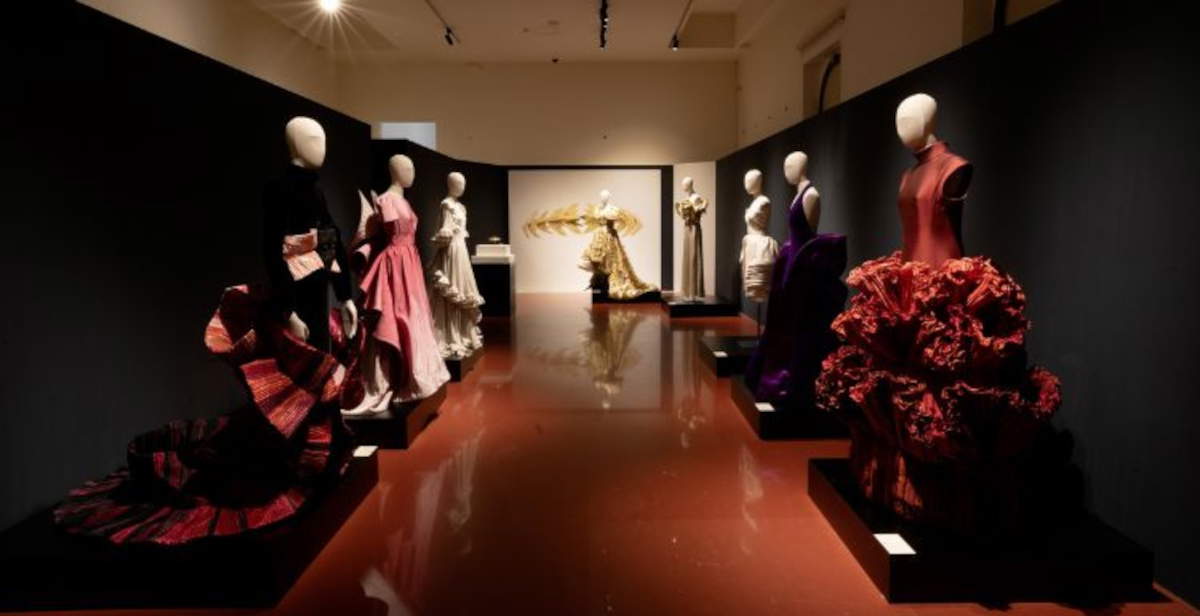 |
| Taranto, Capucci at MArTA: high fashion dialogues with history |
Warning: the translation into English of the original Italian article was created using automatic tools. We undertake to review all articles, but we do not guarantee the total absence of inaccuracies in the translation due to the program. You can find the original by clicking on the ITA button. If you find any mistake,please contact us.