





Before becoming the home of the Royal Madames, before being associated with the history of the Savoy family and the architectural interventions of Filippo Juvarra, Palazzo Madama was a castle. It is from this observation that the exhibition The Rediscovered Castle. Palazzo Madama from the Roman Age to the Middle Ages, set up in the Medieval Court of the Turin palace from Dec. 2025 to March 23, 2026. The exhibition aims to restore to the public a little-known phase in the monument’s history, focusing on its origins and the transformations that took place between the Roman Age and the late Middle Ages.
The site on which Palazzo Madama stands has its roots in Roman times, when the Porta Decumana of the colony of Augusta Taurinorum stood here. There is still visible material evidence of this phase, which is one of the starting points of the exhibition itinerary. From here the narrative moves through the early Middle Ages to the 15th century, a period when the castrum (a fortified encampment) of Porta Fibellona became the residence of the princes of Savoy-Achaia, assuming a central role in the political and administrative life of the territory. The exhibition is produced in collaboration with theUniversity of Bergamo as part of the PNRR CHANGES (Cultural Heritage Active Innovation for Sustainable Society) project, funded by the European Union - NextGenerationEU. The joint work between scholars and conservators has made it possible to conduct extensive scientific research based on 15th-century documentary sources, including inventories written in Latin and French preserved at the State Archives of Turin, and on the analysis of medieval material remains still present in the building.
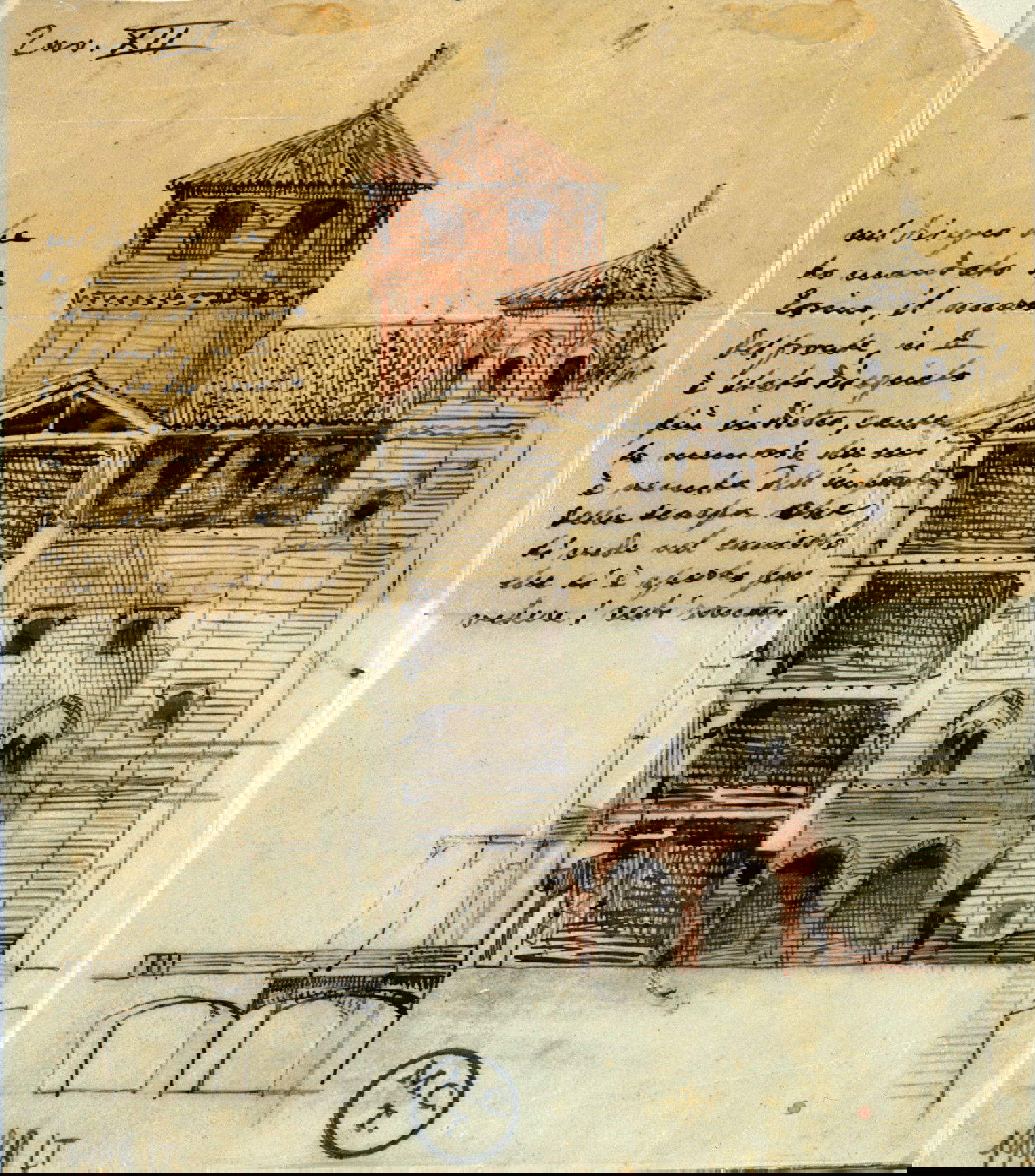
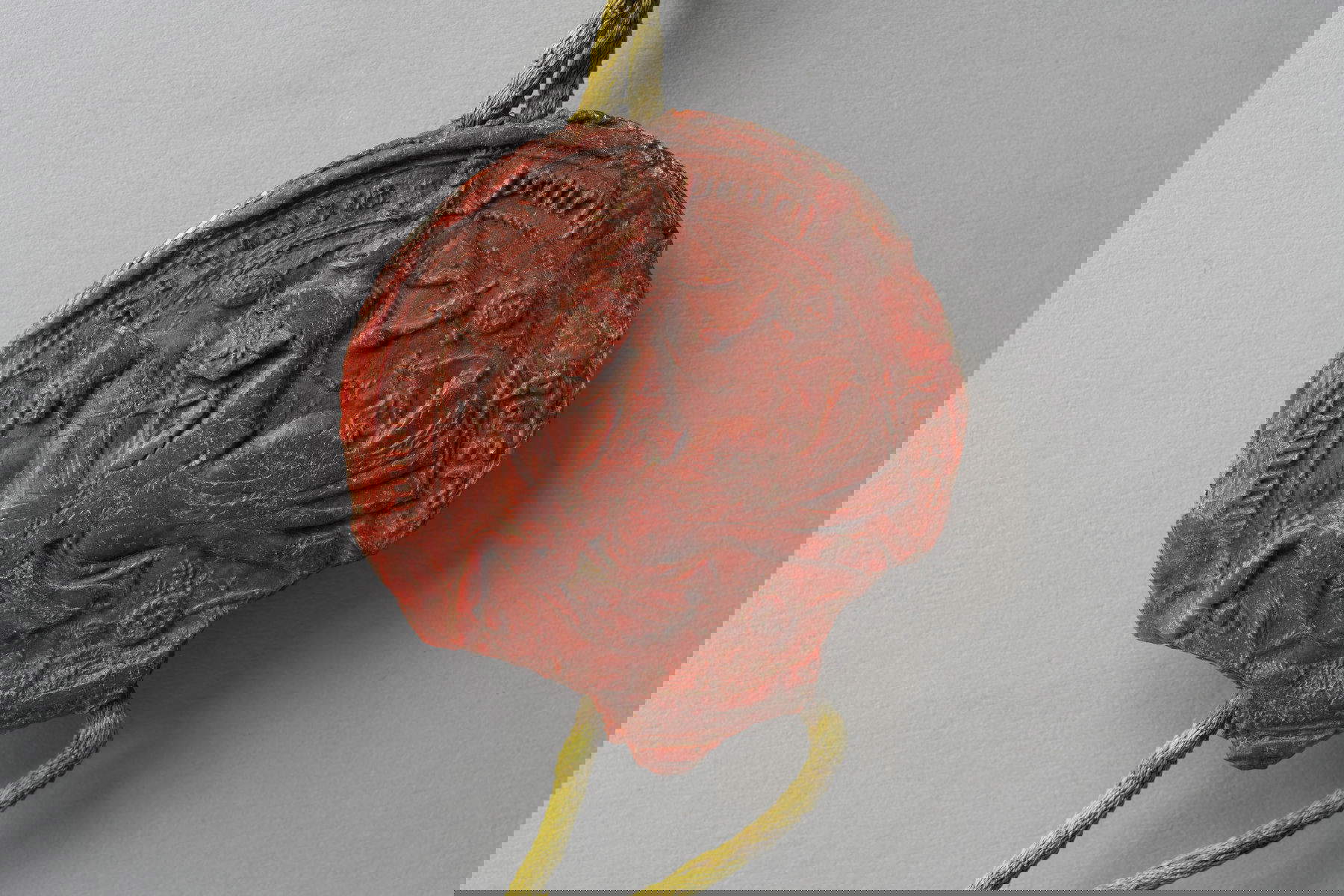
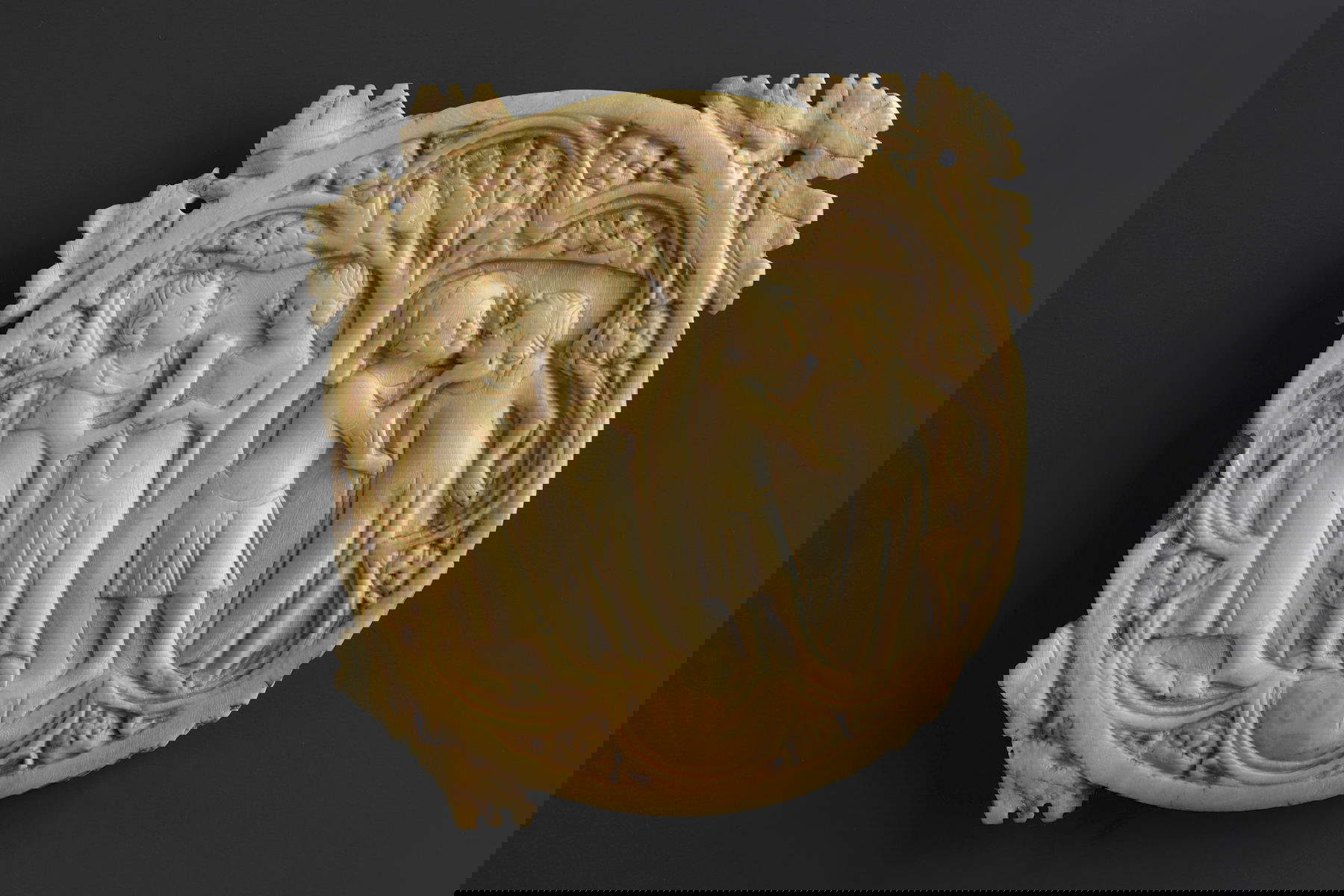
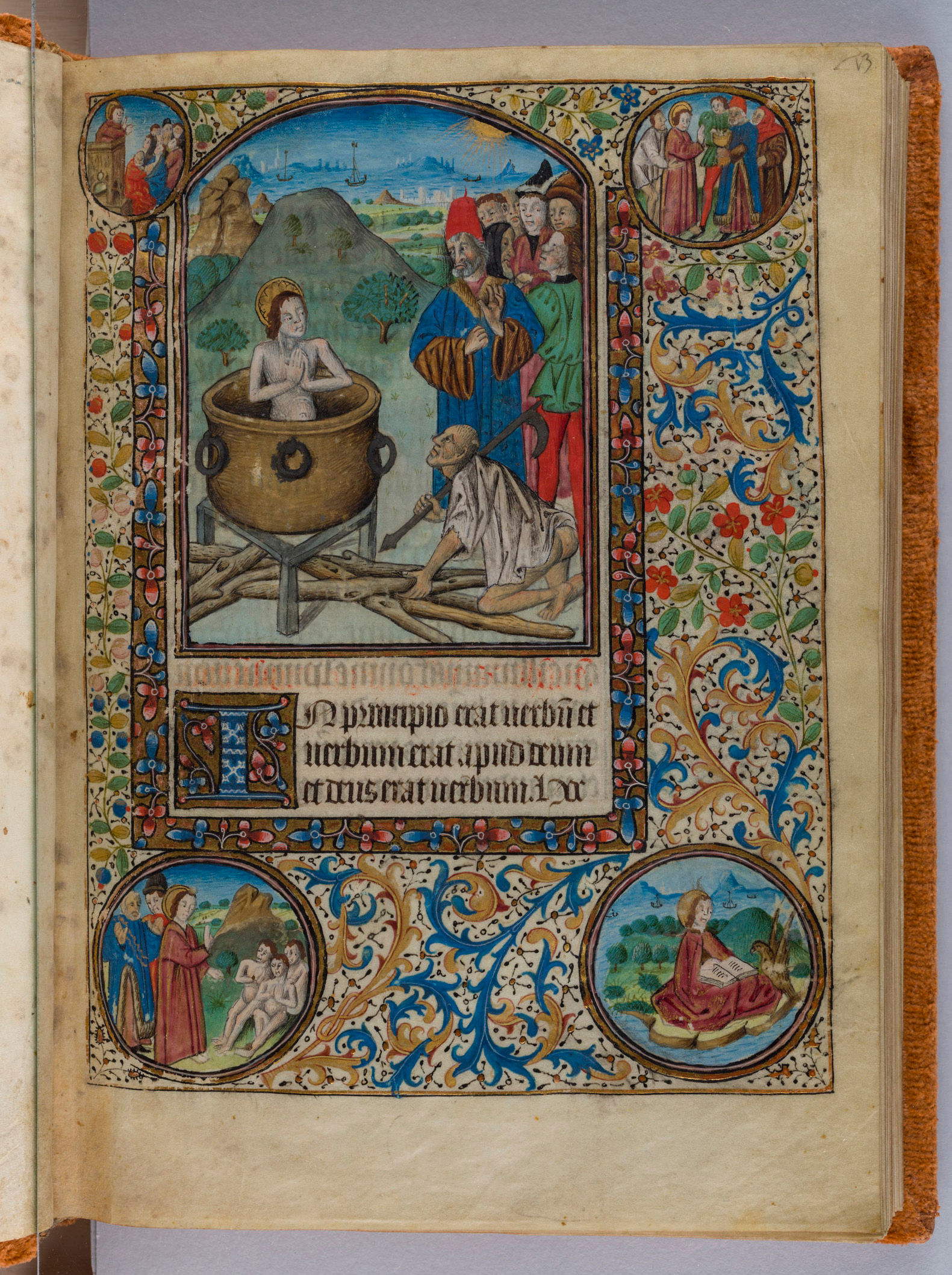
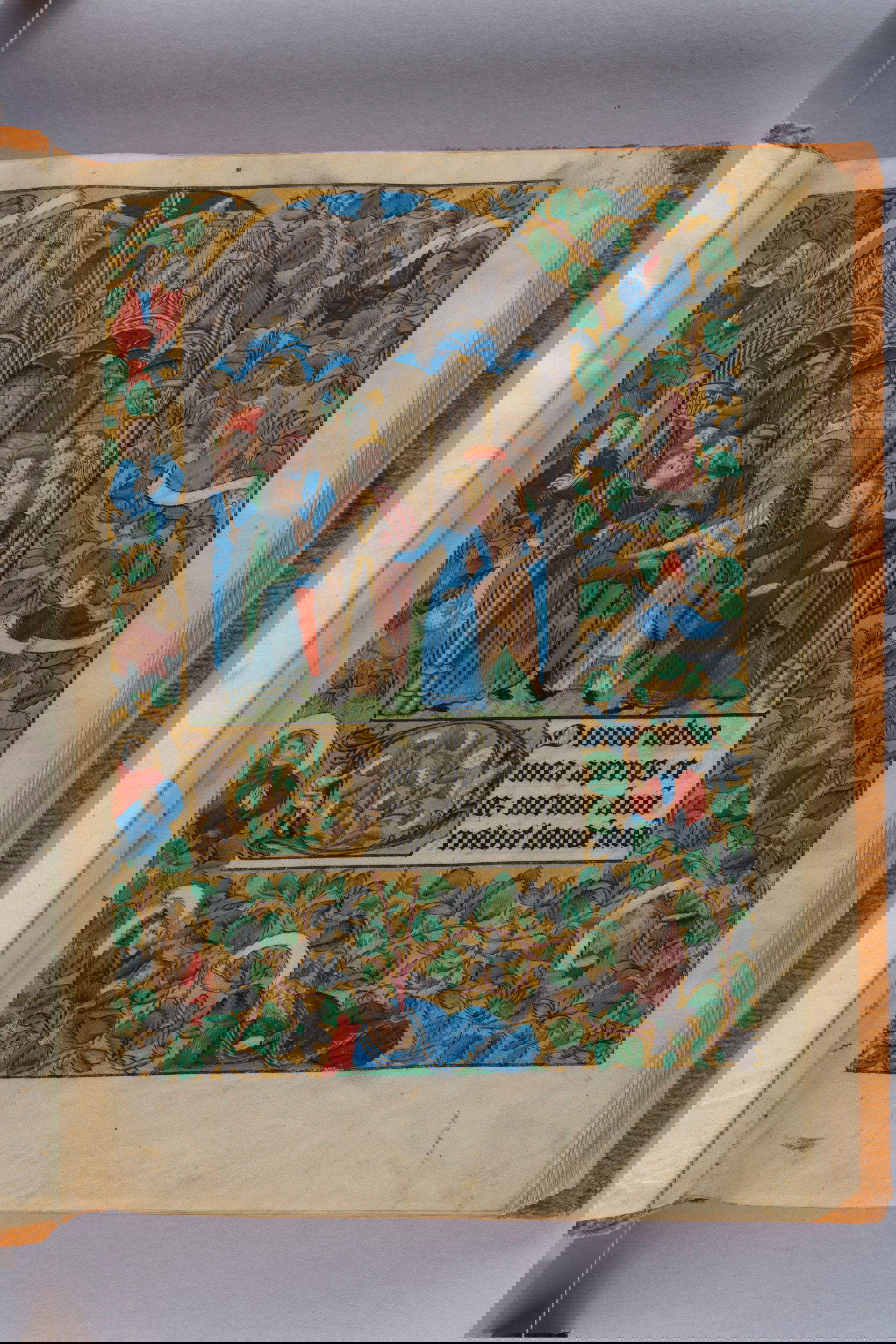
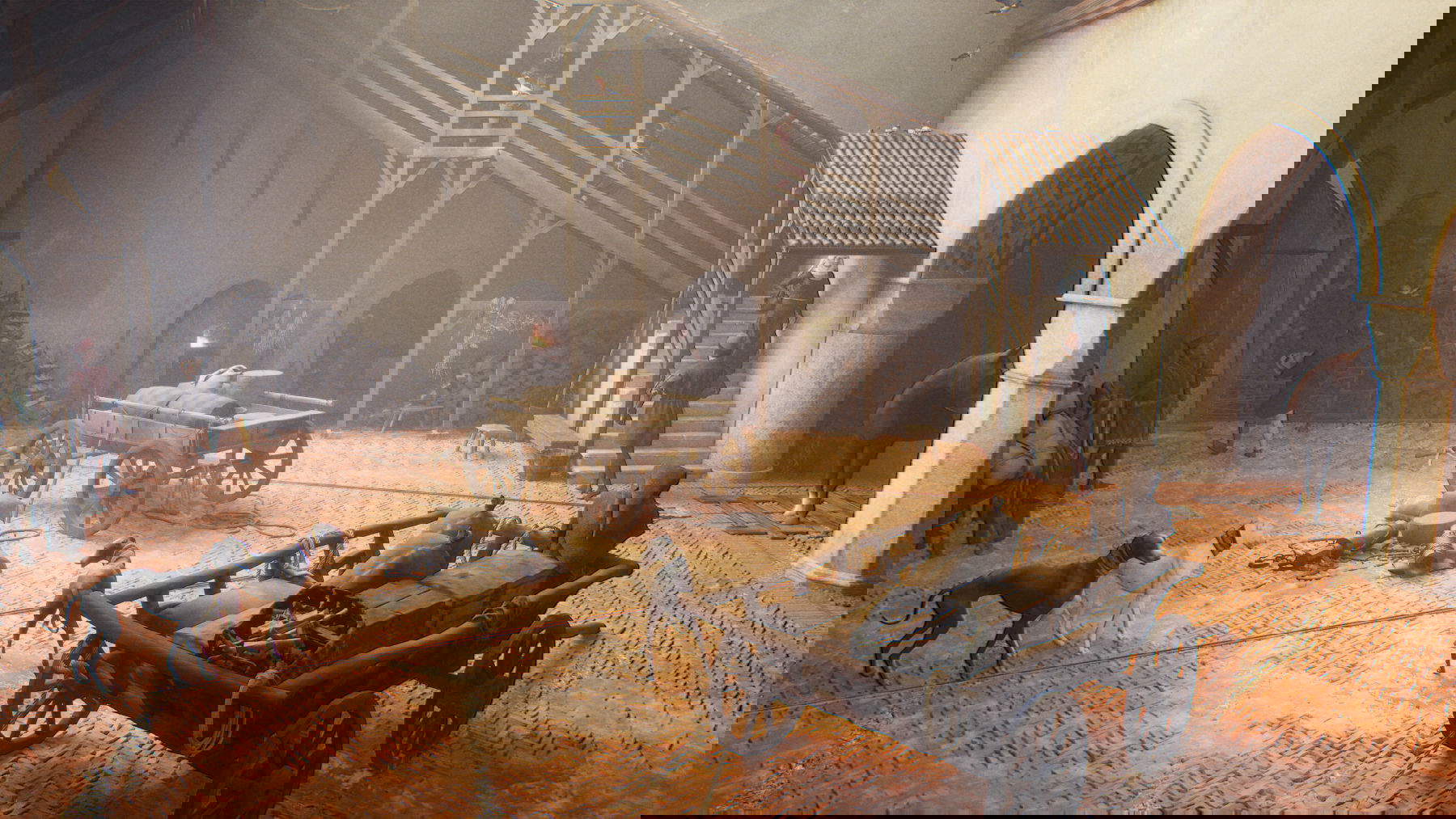
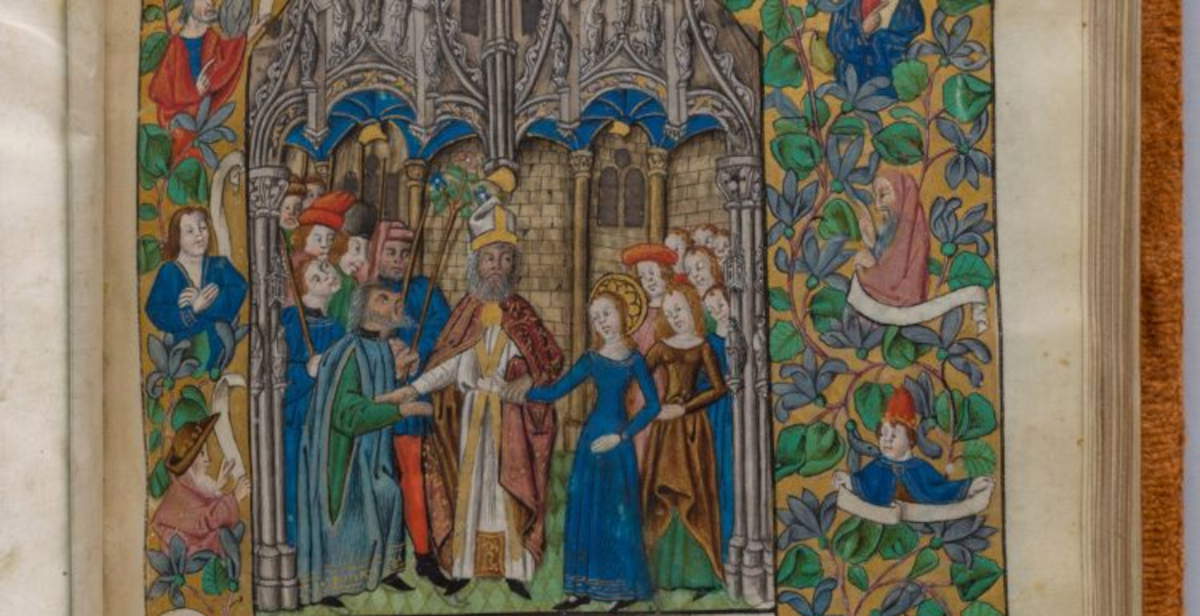
The Medieval Court has been the subject of a new layout that reconstructs the 14th-century arcade on the west side, now lost, and enhances the area connected to the Roman gate, integrating Roman and late antique finds. The exhibition itinerary is developed through twelve thematic stations dedicated to daily life in the 15th-century castle, addressing aspects related to building techniques, spaces of devotion, art and court artists, leisure, luxury and food. Works on display include evidence of Ostrogothic goldsmithing from the Treasury of Desana, the Embriachi Triptych, the Deloche Book of Hours attributed to the Master of the Prince of Piedmont, as well as everyday objects that have emerged from archaeological excavations. The itinerary is complemented by works from the collections of Palazzo Madama and loans from the Museum of Antiquities. A central role is given to digital technologies. 3D reconstructions and 2D pictorial interventions allow visitors to visualize rooms and spaces that have been profoundly transformed today, offering a hypothetical but well-founded restitution of the interiors of the medieval castle.
Four videos allow a virtual tour of the courtyard, the Lower Great Hall, the present-day Achaia Hall, the kitchen and the Prince of Piedmont’s chamber, clarifying their original functions and arrangements. At the end of the exhibition, the digital contents will be integrated into the permanent tour of Palazzo Madama. The results of the research will also flow into two scholarly publications: the exhibition catalog and the critical edition of the documentary sources analyzed. The rediscovered castle is thus part of a process of historical reinterpretation of the monument, bringing attention back to a long phase prior to the Baroque splendor, which has often remained in the background in the public perception of the palace.
 |
| The rediscovered castle: Palazzo Madama from the Roman Age to the Middle Ages |

Warning: the translation into English of the original Italian article was created using automatic tools. We undertake to review all articles, but we do not guarantee the total absence of inaccuracies in the translation due to the program. You can find the original by clicking on the ITA button. If you find any mistake,please contact us.





















 IT
IT FR
FR DE
DE ES
ES CN
CN


