




From March 14 to November 1, 2026, the Bailo Museum in Treviso is hosting the exhibitionNino Springolo (1886-1975) and “the two companions,” curated by Fabrizio Malachin, Eleonora Drago and Manlio Leo Mezzacasa. The exhibition, promoted by the Civic Museums of the City of Treviso and realized under the patronage of the Province of Treviso, the contribution of the Treviso-Belluno Dolomites Chamber of Commerce and the support of Main Sponsor Generali Valore Cultura, offers an in-depth look at the work of Springolo, a central but secluded artist of the early 20th century Veneto scene.
The exhibition is presented on the occasion of the 50th anniversary of Nino Springolo’s death and 140th anniversary of his birth, with the aim of restoring to the public and critics the complexity of his pictorial research. The artist emerges as an independent figure, distinct from the historical avant-garde and the Treviso artistic context, characterized in the same years by a lively generation of artists between Treviso and Venice, particularly linked to Ca’ Pesaro.
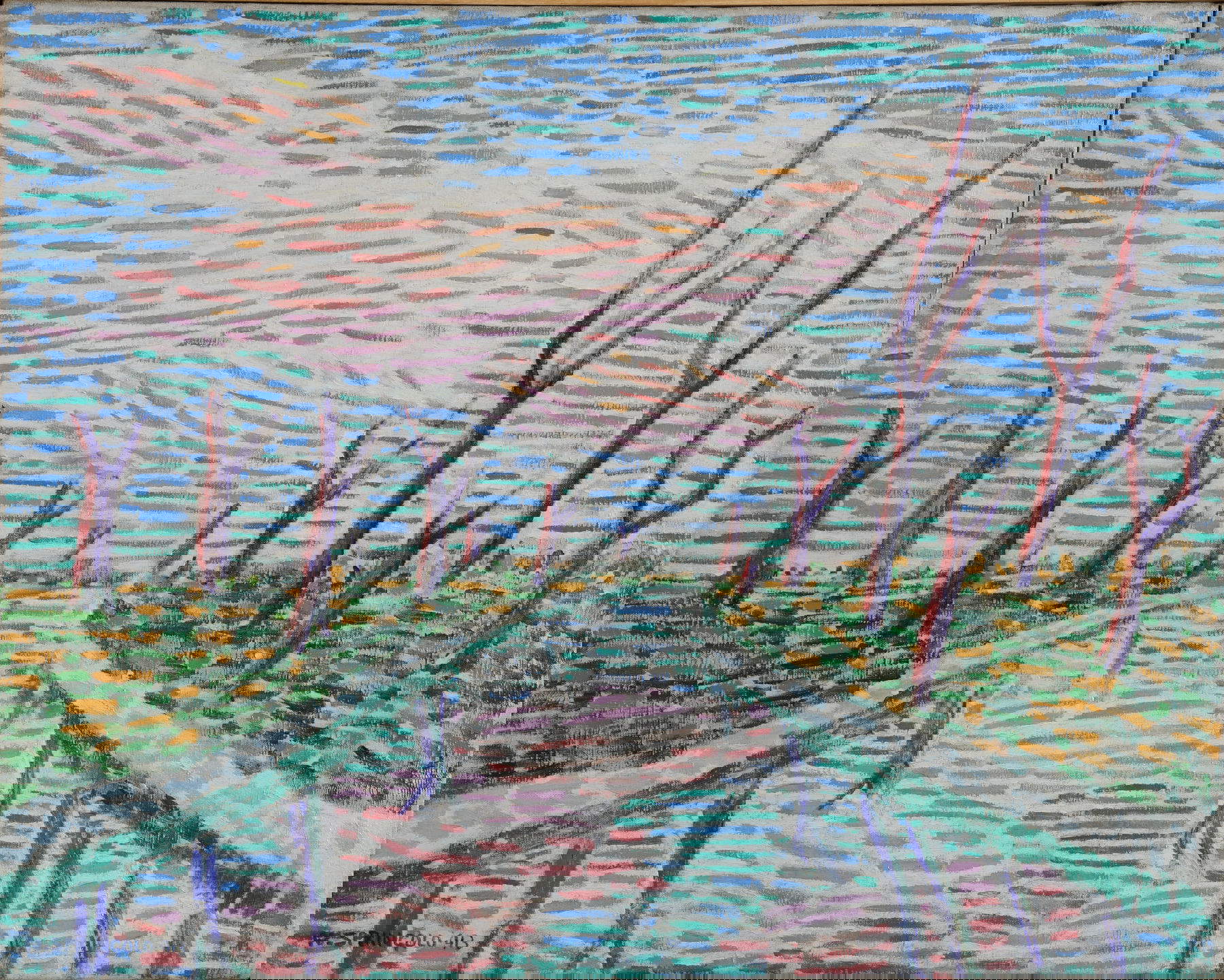
The exhibition includes about one hundred works from public and private collections and recounts an artist faithful to a rigorous artistic honesty, far from fashions and programmatic adhesions. Springolo studied the dissected chromatism of the Post-Impressionists, experimented with Divisionist solutions, assimilated the lesson of Cézanne and reflected on the tradition of the Old Masters, until developing, in his later works, a painting with almost naïf features. Each influence is reworked in a personal key, in line with the advice he received from Cesare Laurenti in 1909: “Always seek yourself,” a warning that accompanies the artist’s entire output.
Springolo’s approach to painting is thus distinguished by an intense inner research, aimed at a meditated relationship with the observer. The slowness of execution, five or six paintings a year recall Biason and Buzzati, does not represent a limitation, but rather a method: as the artist himself emphasized, “I have produced little because I have always worked so much.” The exhibition at the Bailo Museum thus returns a complete picture of his creative autonomy and the path of a painter who, while rooted in the European context, followed a deeply personal artistic itinerary.
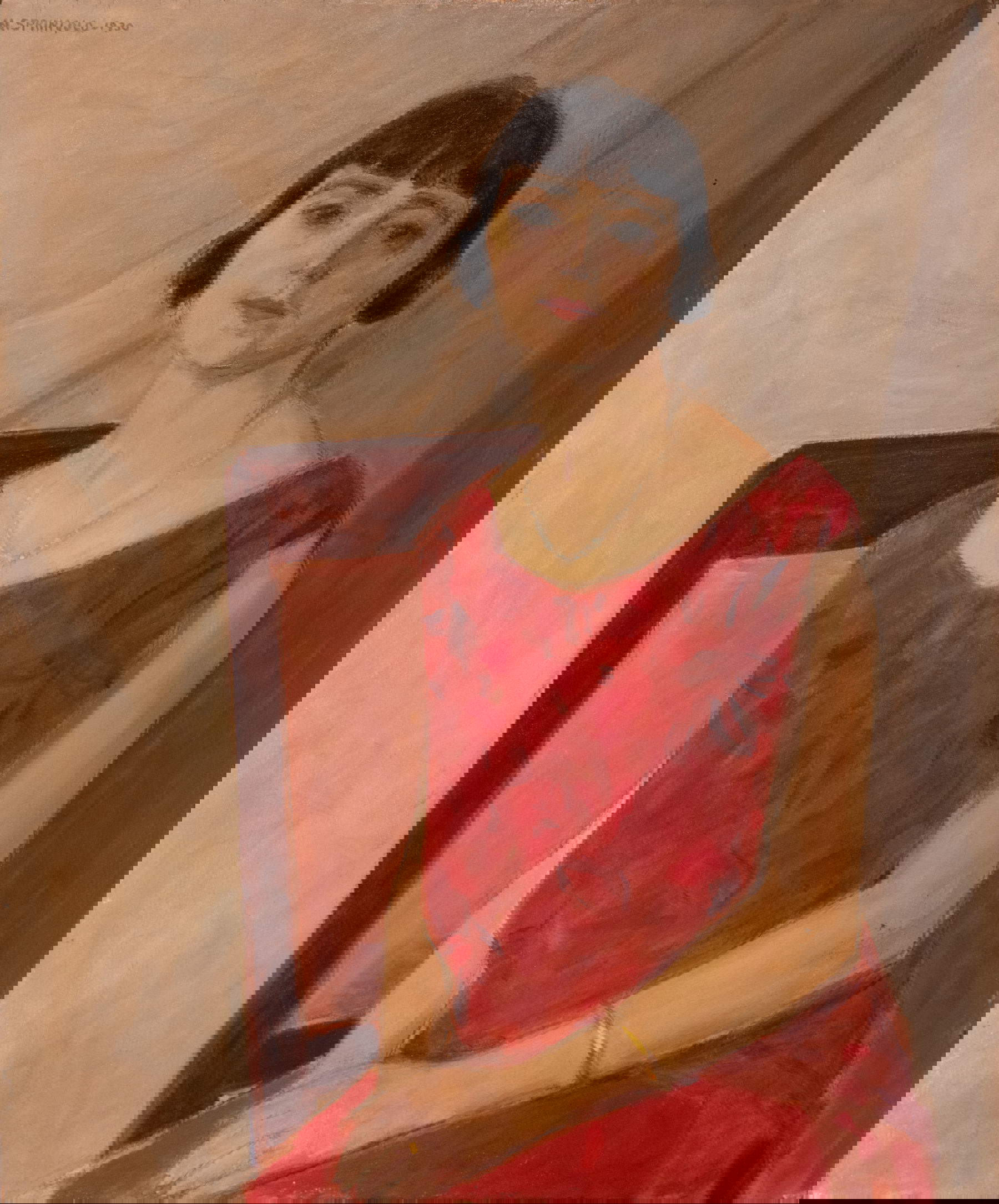
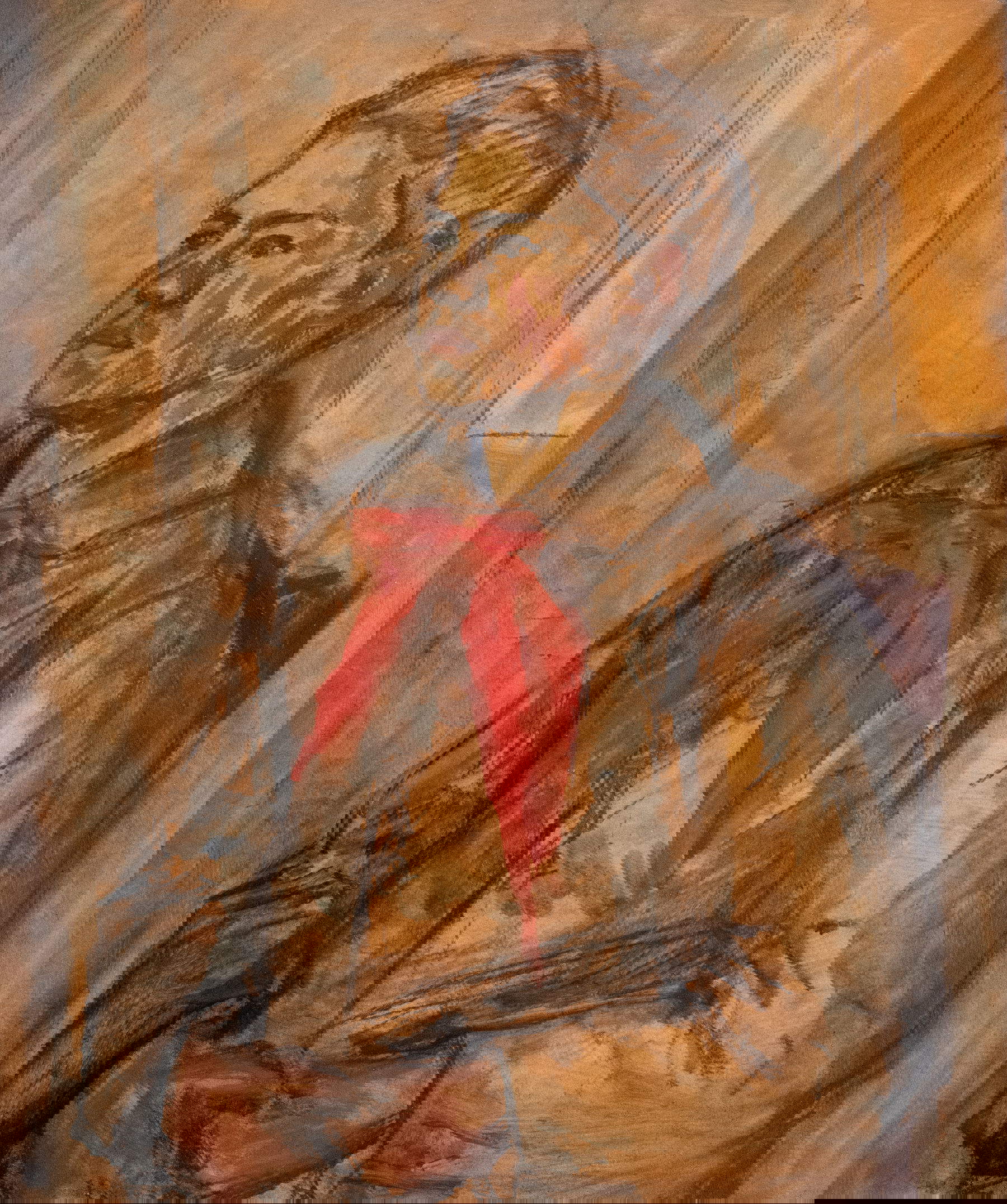
Illustrating the goals and perspectives of the exhibition are curators Eleonora Drago and Manlio Leo Mezzacasa, who, interviewed by Finestre sull’Arte, explained the reasons behind the decision to dedicate an exhibition to Nino Springolo today.
NC. Why dedicate an exhibition to Nino Springolo today, fifty years after his passing?
ED. This exhibition is part of a string of exhibitions that in recent years the Bailo Museum in Treviso has dedicated to highlighting 20th-century Treviso artists. It starts from the most famous names, such as Canova and Arturo Martini, to figures such as Antonio Carlini, Juti Ravenna and Nino Springolo. For Juti Ravenna, too, as often happens, the occasion of an anniversary is a good time to rediscover and explore new aspects of his work, compared to what has already been shown in previous exhibitions. The same is true for Nino Springolo. In collaboration with the family, which owns a large part of Springolo’s collection of works, and other private collectors, a project has been set up that goes beyond a simple monograph. The exhibition also includes Springolo’s so-called “two companions,” namely those Treviso artists of the early decades of the twentieth century who shared a path close to his, such as Gino Rossi and Arturo Martini, while each maintaining distinctive artistic characteristics.
MLM. Treviso museums hold an important collection of Springolo’s works, and the exhibition provided an opportunity to show the public many works that are not usually accessible, being kept in private collections.
ED. The exhibition also included works by Gino Rossi and Arturo Martini. The initiative also led to the establishment of a depository, as the exhibition will last six months, and at the same time a two-year loan of works by Arturo Martini was initiated. The inclusion is part of a path already begun in the last two years, with the long-term expansion of the Furlan collection in Montebelluna, also dedicated to Martini. The Bailo Museum, already the holder of the vast public collection of Martini’s works, thus further enriches its holdings. The last section of the exhibition, dedicated to Martini, presents among the new additions the latest arrivals on loan, which will remain at the museum even after the conclusion of the exhibition. Among these works, some come from the collection of the artist’s second companion, a detail that adds further historical and human value to the section.
NC. Why was the title Nino Springolo (1886-1975) and the two companionschosen ?
MLM. The reference to the two companions recalls a novel by Giovanni Comisso, one of the most relevant intellectuals of the 20th century, even outside the Veneto region. In the novel, the real protagonists are hidden behind the names of literary characters: these are precisely Nino Springolo and his companions on his artistic journey. In this portrayal, Springolo appears in a kind of mixture of figures: sometimes with Martini’s features, sometimes with those of Comisso himself.
ED. It should be remembered that Treviso is also the city of Giovanni Comisso, and that Comisso was a cousin of Nino Springolo. In addition to the more official and literary exchanges, there was thus a family connection that ensured a direct and personal acquaintance between the two.
NC. Do the two companions tell more about society or about the artist’s lonely interiority? How does the setting help the audience grasp this tension?
MLM. The exhibition definitely focuses on the personality of Nino Springolo, peculiar within a context in which the other protagonists are instead extremely vivid or marked by extreme life experiences, as in the case of Gino Rossi, who spent many years in an asylum. Springolo, from a middle-class background and with different economic dispositions, did not experience the difficulties typical of a painter’s life; he chose his career with consistency and pursued it with an intimacy and dedication perhaps not found in the other companions. The title companions serves to place him within a broad and varied artistic, but also social, context, that of Treviso in the early decades of the twentieth century, which was in close dialogue with Venice, one of the epicenters of Italian artistic development in those years. In support of this framework, Eleonora’s essay details Springolo’s participation in major exhibition events at Ca’ Pesaro.
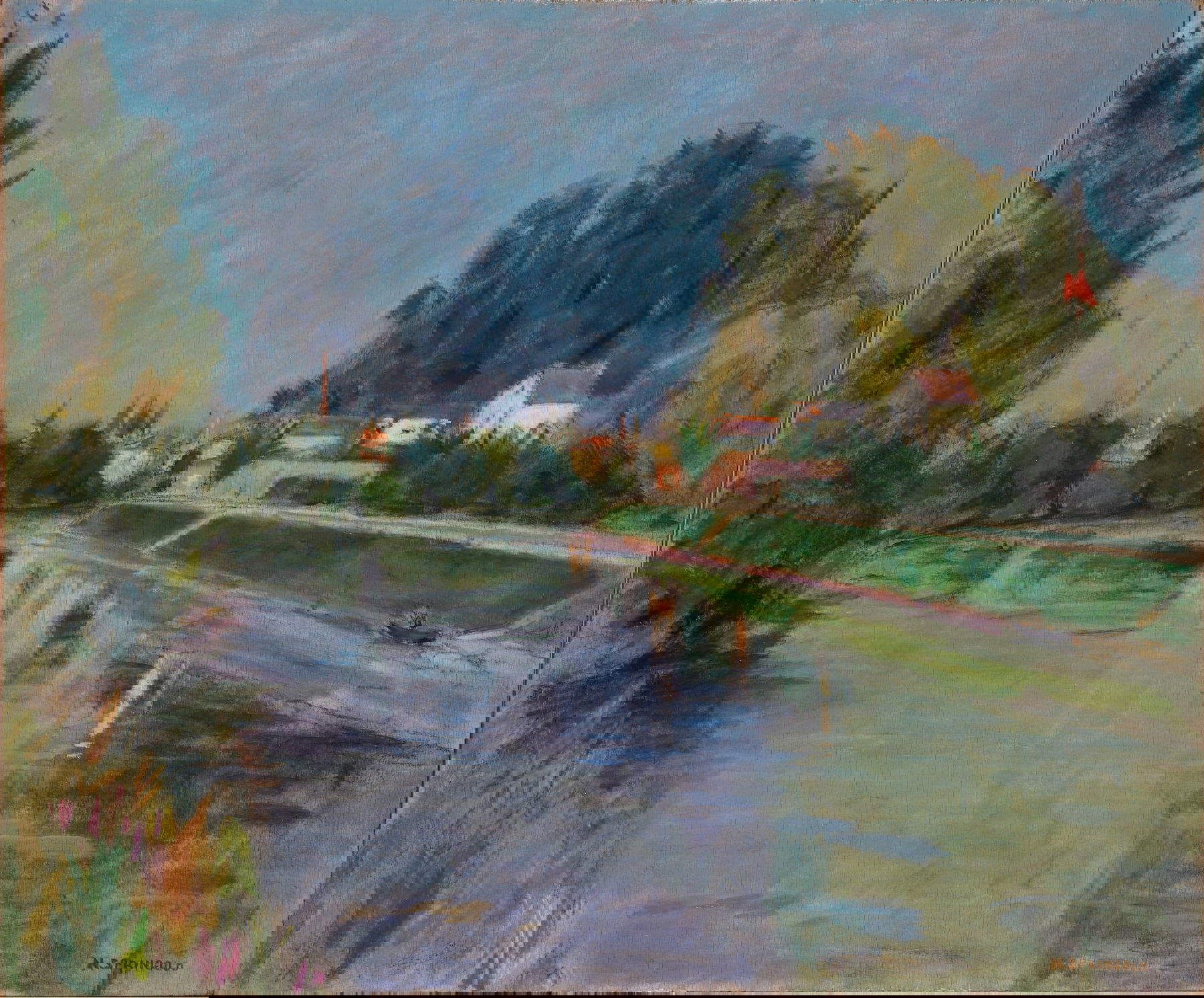
ED. Venice and Treviso artists in the early decades of the twentieth century were also often seeking visibility and opportunity, and the exhibitions at Ca’ Pesaro represented an important career opportunity for them. Springolo, like Gino Rossi and Arturo Martini, participated in these exhibitions. The link with Rossi is illustrative: after World War I, from which they both returned profoundly changed, challenged and in search of new inspiration, it was their friendship with Rossi and assiduous frequentation that prompted Springolo to return to exhibitions at Ca’ Pesaro. From 1923 onward can be considered the beginning of a period of exhibition and critical success, although Springolo maintained his reserved and introverted nature, not seeking worldliness like other artists. This relationship with Rossi represented a real turning point in his career and life. The exhibition also highlights the contrast between the two paths: one section is devoted to Rossi’s drawings and sketches made during his hospitalization at Sant’Artemio, Istituto Gris and other psychiatric institutions, works that stand out for their intense and dramatic aesthetics. Opposite, Springolo’s postwar paintings, especially from the 1950s, show a very different tone: in the little villa outside the walls of Treviso, the artist paints the quiet, sunny suburbs in what was considered Treviso’s “little Athens,” a serene and orderly environment reflecting a stable, middle-class everyday life.
What are the main themes that the Treviso Bailo Museum’s exhibition aims to highlight?
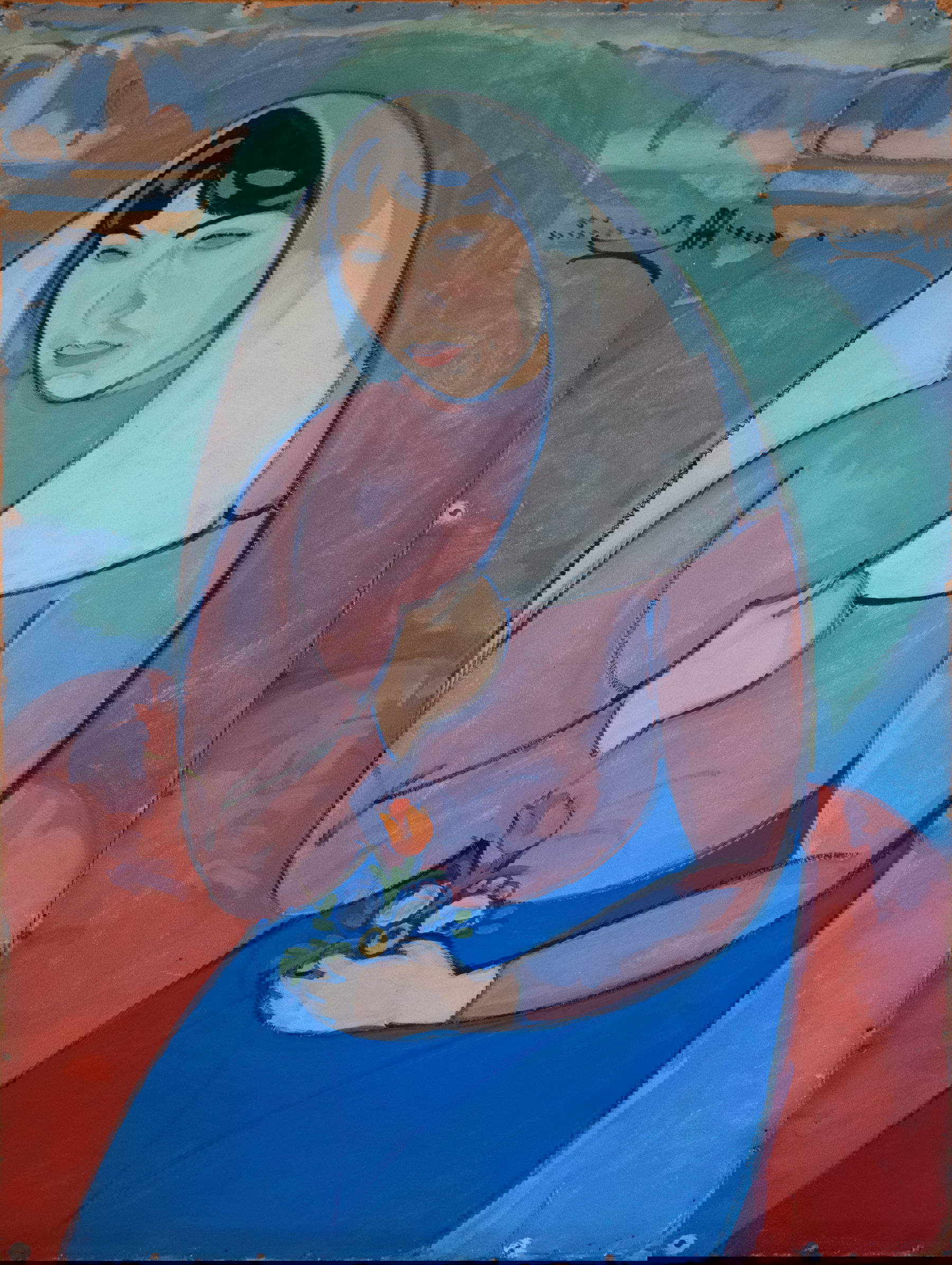
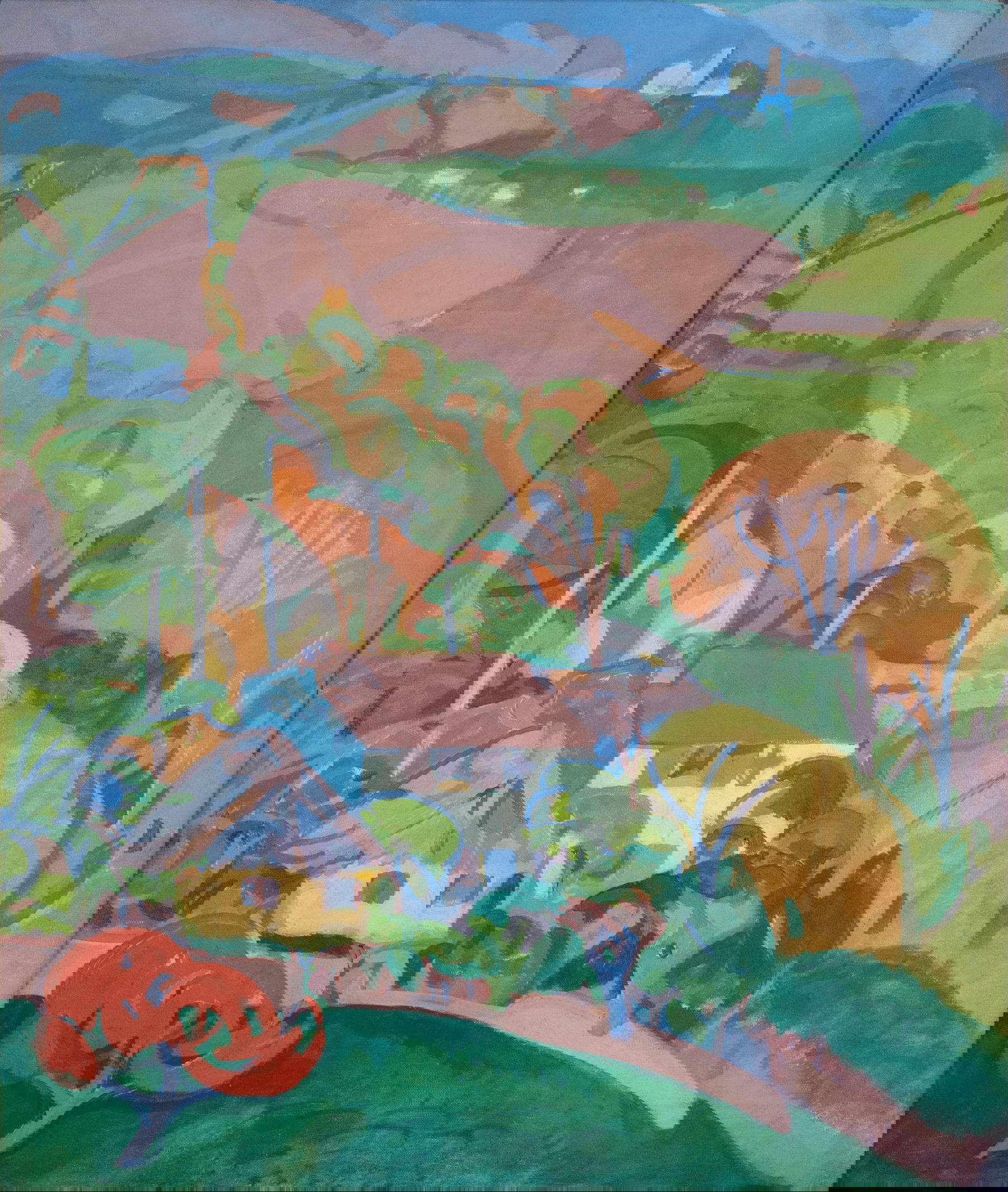
MLM. The Bailo Museum has an extensive collection, and those visiting the exhibition also have the opportunity to enjoy the permanent collection. The exhibition is structured in thematic sections, ordered within them chronologically, to show the evolution of Springolo’s painting over the decades and to highlight the peculiarities of the different genres. Landscape, perhaps the best known and also the most sought-after genre, occupies a central role. After World War II, Springolo achieved a fair amount of commercial success, but, thanks to his family status, he sought neither fame nor earnings: he allowed himself to paint with great freedom and, consequently, also with a certain slowness and thriftiness. Next to landscapes, figure painting is of fundamental importance to him. It is a technical tool for structuring and giving texture to the landscapes themselves. The still lifes, although placed in the same environment, remain separate from the landscapes: in each case they share an intimate and familiar character. The figures portrayed belong to the artist’s closest and most personal sphere: his wife, his son, the women of the house, the girls who frequented the maids, the doctor’s daughter who taught her son. Even the still lifes, as shown in the exhibition through the use of objects from Springolo’s home, depict glimpses of domestic life, intimate and everyday spaces that the artist knew closely.
NC. How did Springolo’s ability to rework postimpressionist influences, or the lesson of Cézanne, guide the arrangement and rhythm of the works in the exhibition?
ED. The exhibition catalog contains letters and testimonies that complement the exhibition vision, presenting a complementary depth to the room arrangement, which follows a thematic-chronological criterion. The panels themselves contain quotations that help to understand the relationships and exchanges between the artists, particularly between Springolo and Gino Rossi, who had exchanged notes specifically on Cézanne. It is documented that the two exchanged notes and reflections, for example about the 1920 Venice Biennale. The exhibition played an important role in Springolo’s and Rossi’s education, but it is worth mentioning that Springolo had already had the opportunity to observe some works at the Roman Secession, assimilating artistic seeds from an early stage. This path of growth is evident by following the paintings in chronological order: after World War I, with the start of the exhibitions, Springolo matured his definitive style, characterized by thoughtful painting, vivid and luminous colors, and a dry sign, where the influence of Cézanne is clearly perceived. In his beginnings, in both landscapes and portraits, Springolo still seeks his own way. In this period he developed a personal pointillism, with thin strips of color detached from each other. His training took place under Cesare Laurenti, in the context of a late Venetian-interpreted Symbolism of the late 19th century. It was only after World War I that his assimilation of Cézanne fully emerged, visible in all his later works.
MLM. As Eleonora reminds us, the room materials contribute to making the installation particularly engaging: in addition to the paintings, there are blow-ups and educational materials, designed to offer a more thematic path than a simple chronological succession of works. The panels include quotations from epistolary exchanges, poems and illustrations that recall specific moments or particular events in Springolo’s life.
NC. Which work in the exhibition do you think is most representative for understanding Springolo’s artistic figure?
MLM. It is difficult to select one work in particular, because starting after the war Springolo developed a well-defined pictorial language, while in the first phase of his career he was much more experimental. The exhibition therefore presents an opportunity to observe the evolution of his artistic personality over time.
ED. One can also place this consideration in the context of Springolo’s critical fortune. After his death, especially in Treviso, the artist has often been remembered as the painter of tranquil Treviso views, of glimpses of the suburbs, the Sile River and the surrounding countryside, an image that especially reflects the production from 1925 onward. In any case, during his lifetime, Springolo also participated in important exhibitions, such as the first and second exhibitions of the Italian Novecento, and received requests for portraits. In these works, already in those years, a dry and personal style emerged, as in Portrait of a Boy or Portrait of Gigetta, works that formally anticipate what would later be developed in landscapes. Comparisons with contemporaries such as Bepi Fabiano, an artist active between Venice, Treviso and Padua, who also participated in similar exhibitions in the 1920s, can also be seen in the exhibition. These juxtapositions show how, in the years of the Italian twentieth century and the so-called return to order, each artist sought to interpret this trend in a personal way. Considering Springolo’s entire critical fortune, it is therefore difficult to identify one work more representative than another. To fully understand his art, it is more useful to look at the works in relation to the different stages of his career.
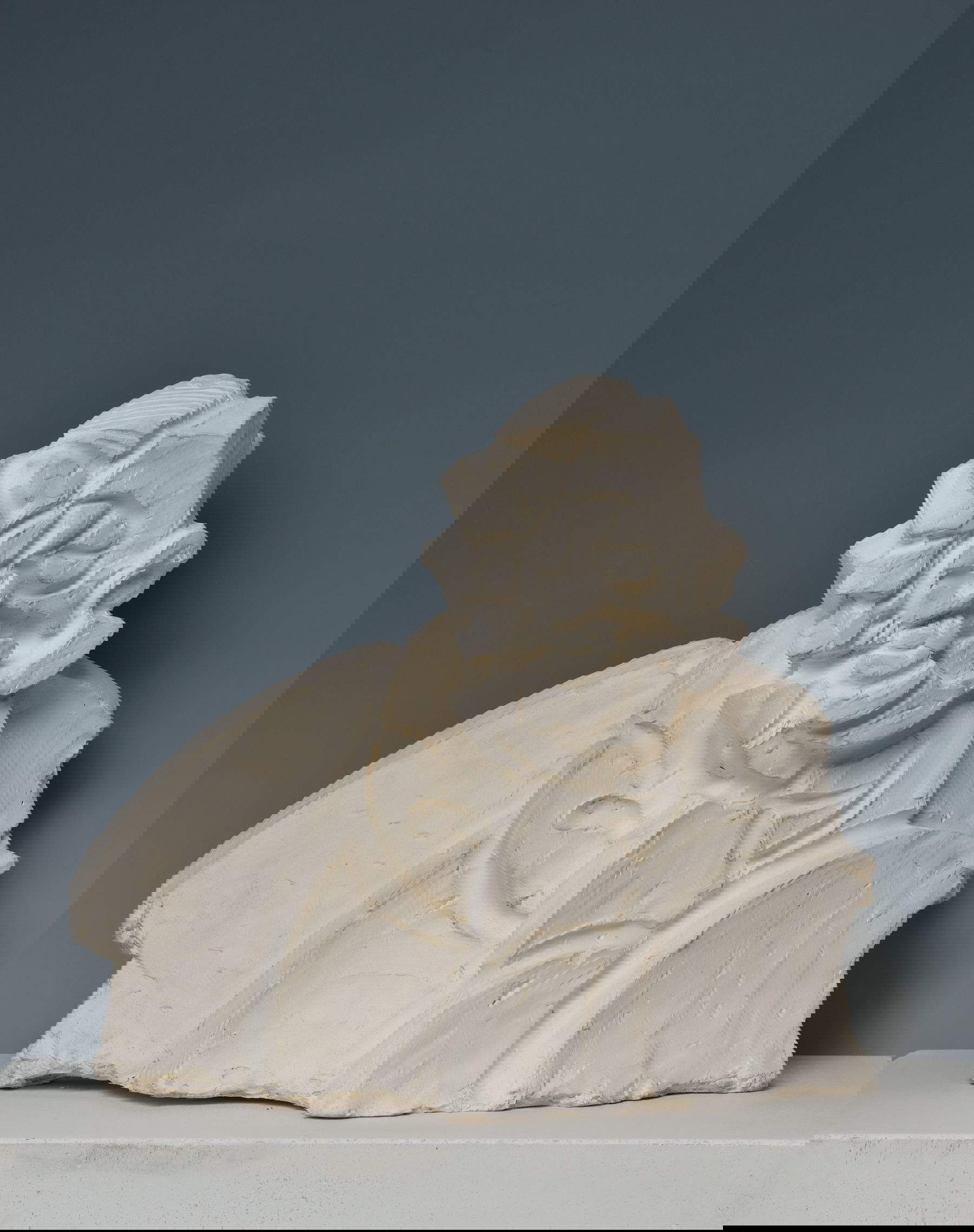
MLM. It should be emphasized that, clearly, the center of the exhibition remains Nino Springolo, but the room devoted to the confrontation between Rossi and Martini represents a real climax. Here some works of absolute caliber are placed in dialogue: for example, Martini’s Portrait of Homer Soppelsa alongside Gino Rossi’s Brutus, along with other portraits, following Springolo’s life and artistic path. The effect is almost a slap in the face: the visitor is confronted with two painters who lived and discussed with Springolo, each traveling a radically different path. The comparison highlights even more how consistent Springolo’s choice was: his style, which some might call conservative, is the result of a conscious decision, an expression of a personal language and a strong artistic identity.


The author of this article: Noemi Capoccia
Originaria di Lecce, classe 1995, ha conseguito la laurea presso l'Accademia di Belle Arti di Carrara nel 2021. Le sue passioni sono l'arte antica e l'archeologia. Dal 2024 lavora in Finestre sull'Arte.Warning: the translation into English of the original Italian article was created using automatic tools. We undertake to review all articles, but we do not guarantee the total absence of inaccuracies in the translation due to the program. You can find the original by clicking on the ITA button. If you find any mistake,please contact us.



















 IT
IT FR
FR DE
DE ES
ES CN
CN