




by Redazione 24/12/2025



Categories: Museums / Disclaimer
Unanimous approval of Greek Culture Ministry boards for the expansion and modernization of the National Archaeological Museum in Athens. A 40-million-euro intervention, signed by David Chipperfield, that aims to transform the main museum of Greek antiquity into a comprehensive cultural hub, integrated into the city and open to the public.

Greece is preparing to redesign the future of its most important museum. The National Archaeological Museum in Athens, the richest repository of ancient Greek art in the world, is heading toward a profound process of expansion and modernization after the highest advisory bodies of the Ministry of Culture gave unanimous approval to all preliminary studies of the project. The Central Council of Modern Monuments and the Central Archaeological Council approved the architectural and structural solutions that outline an intervention intended to affect not only the museum building but also the surrounding urban fabric.

The architectural design was entrusted to David Chipperfield Architects , which will work together with local Alexandros Tombazis Architects, while the preparation of the studies began after the Greek Parliament ratified a contract worth 40 million euros in April 2024. The funding, guaranteed by Greek tycoon Spyros Latsis and his wife Dorothy, in memory of his parents Yiannis Latsis and Erietta Tsoukala, fully covers the costs of the studies and covers the entire building and museum complex, which also includes the Epigraphic Museum, a unique institution internationally.


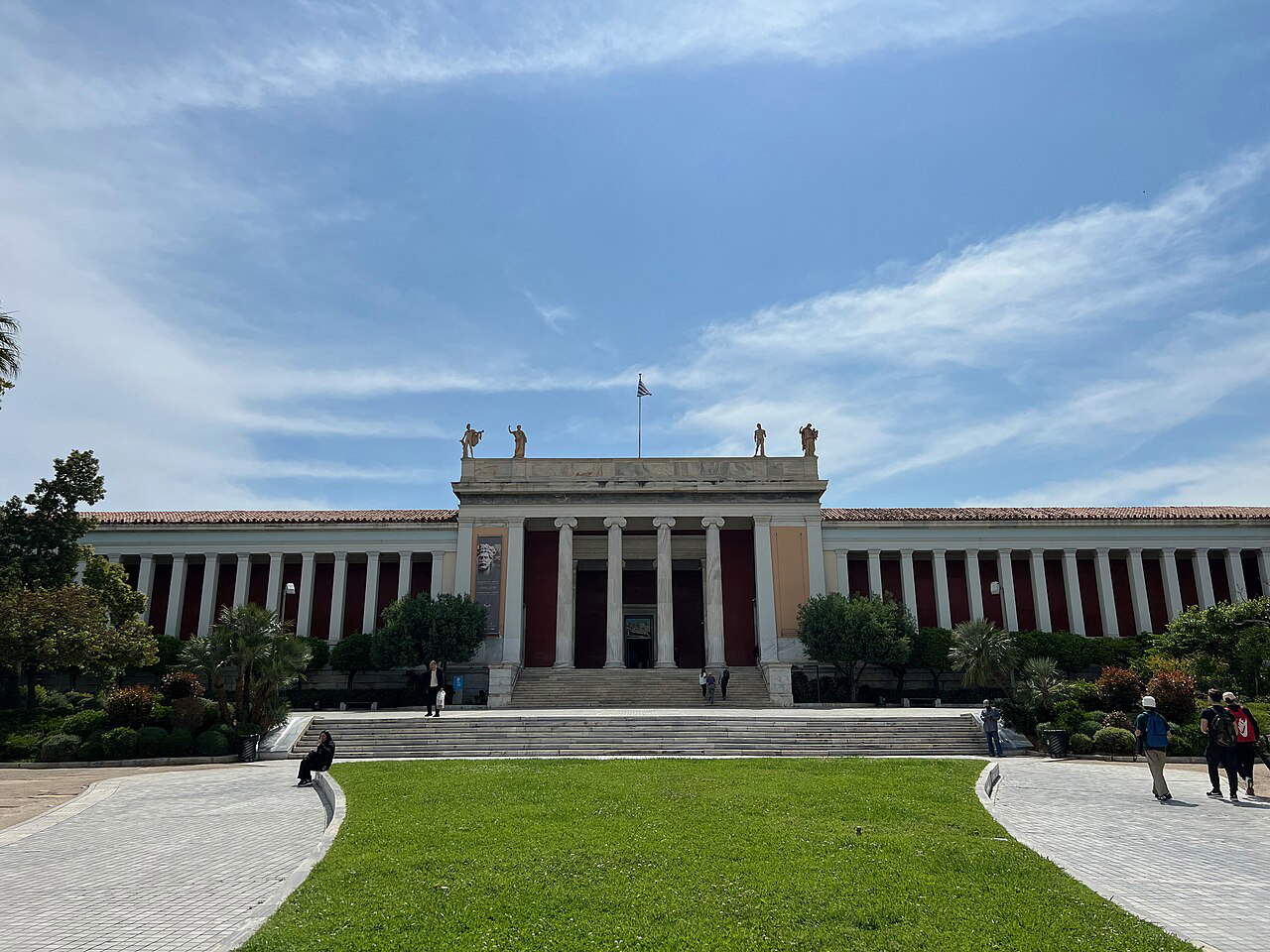
Underlining the historic significance of the intervention was Culture Minister Lina Mendoni, who spoke of a decisive step for the country’s cultural heritage. According to Mendoni, Greece is “finally getting the National Archaeological Museum it deserves,” she said. Indeed, the museum’s architectural identity is the result of complex layering, in which neoclassical principles and later modernist interventions are intertwined. While maintaining its historic character, the building has adapted over time to the functional and museological needs of different eras. However, the exhibition spaces designed in the second half of the 19th century are no longer able to meet the needs of a contemporary museum, especially in the face of visitor numbers that have more than doubled in recent decades.
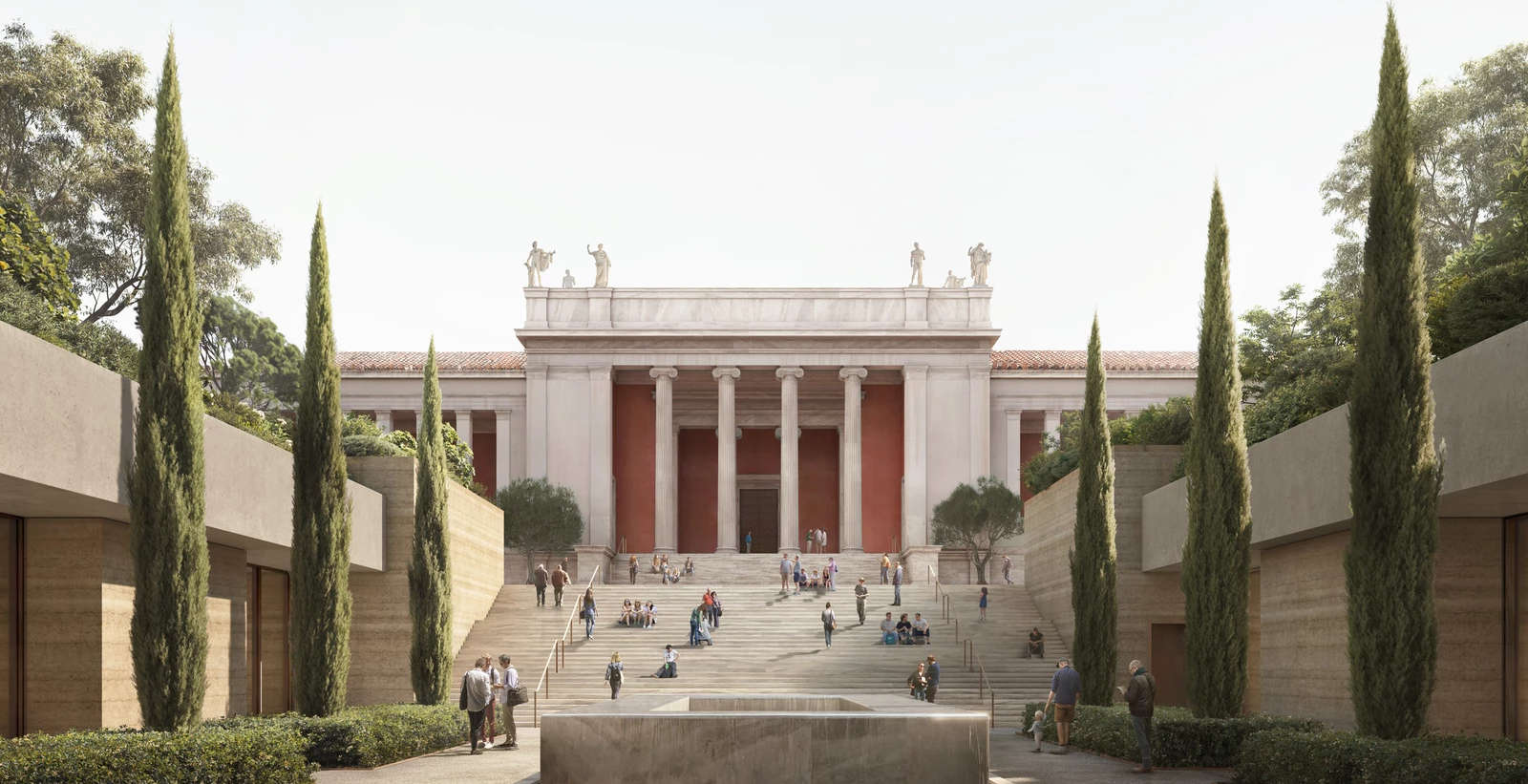
The expansion and modernization aim to overcome this critical issue by giving the complex a unified and coherent character, eliminating the fragmentation derived from later interventions and additions. The project involves the restoration of elements of the original structure and an overall improvement of functions to meet the standards of a museum of global significance. The stated goal is to transform the National Archaeological Museum into not only a cultural, but also an urban landmark, capable of attracting citizens and visitors through new public spaces and an open garden.
Great attention has also been paid to technical and conservation aspects. The project addresses historical structural problems such as moisture and water infiltration, strengthens the building’s earthquake protection, and focuses on energy efficiency and sustainability. For the first time, appropriate environmental conditions for the display and conservation of antiquities are ensured in terms of humidity, sunlight and temperature control, both in the expanded spaces and in several rooms of the historic building.
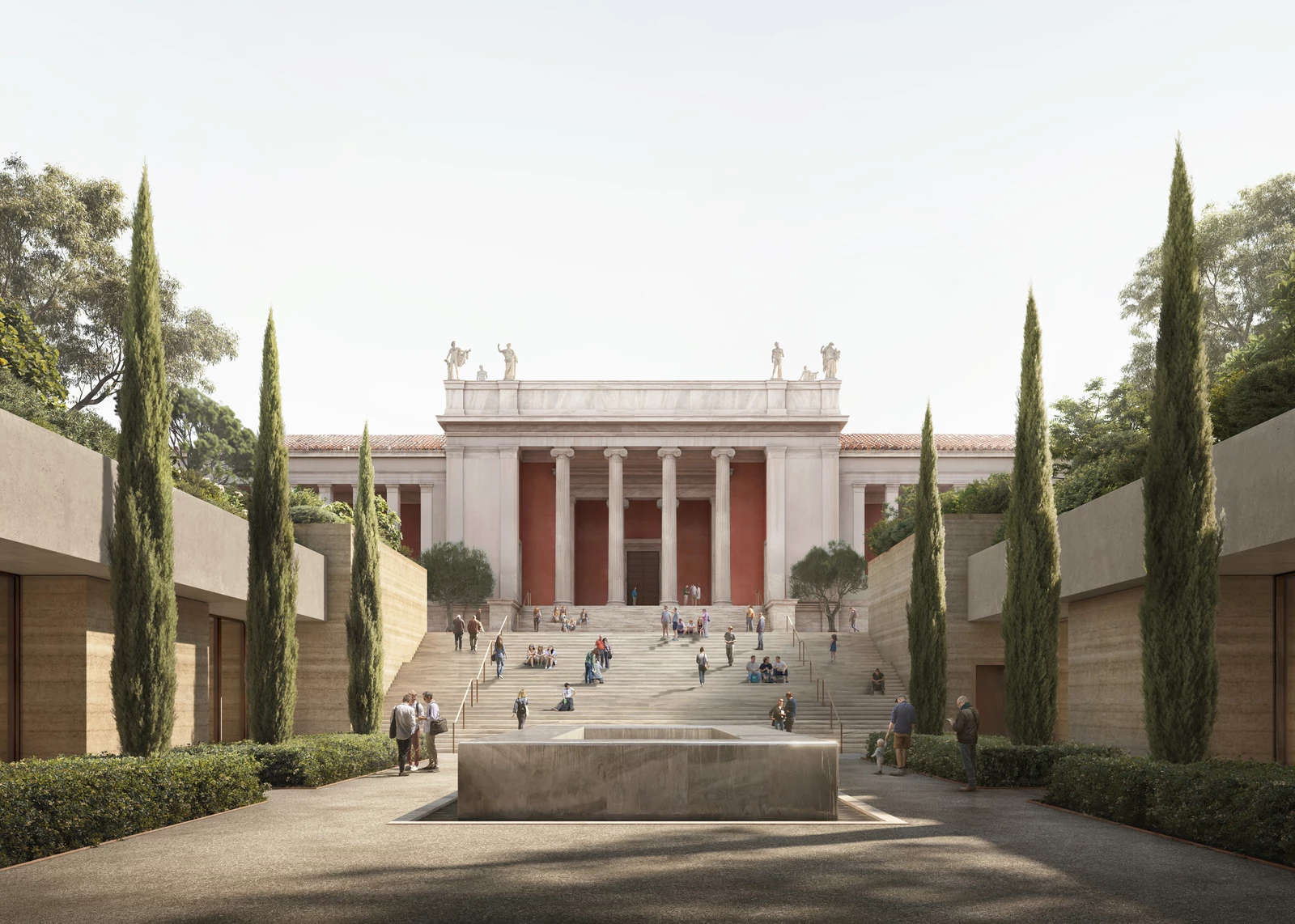
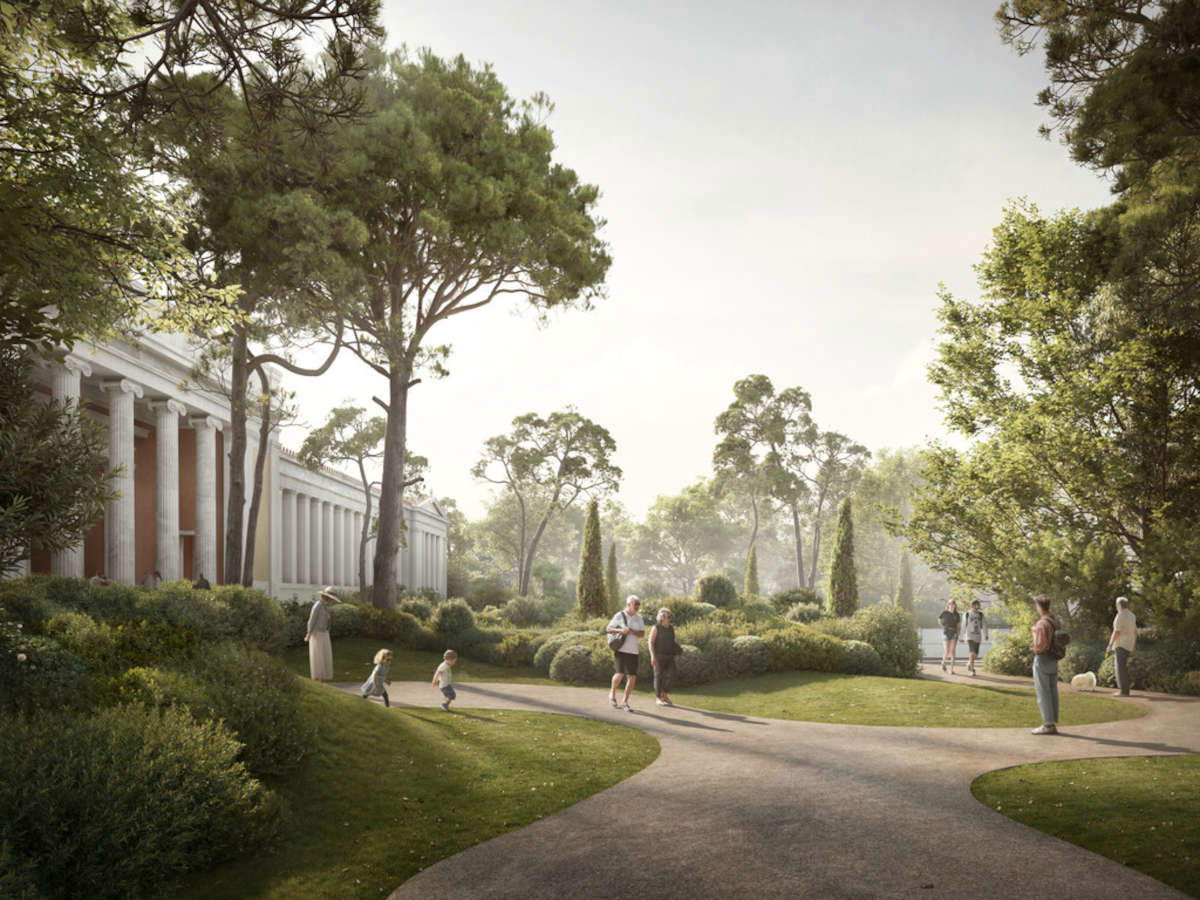
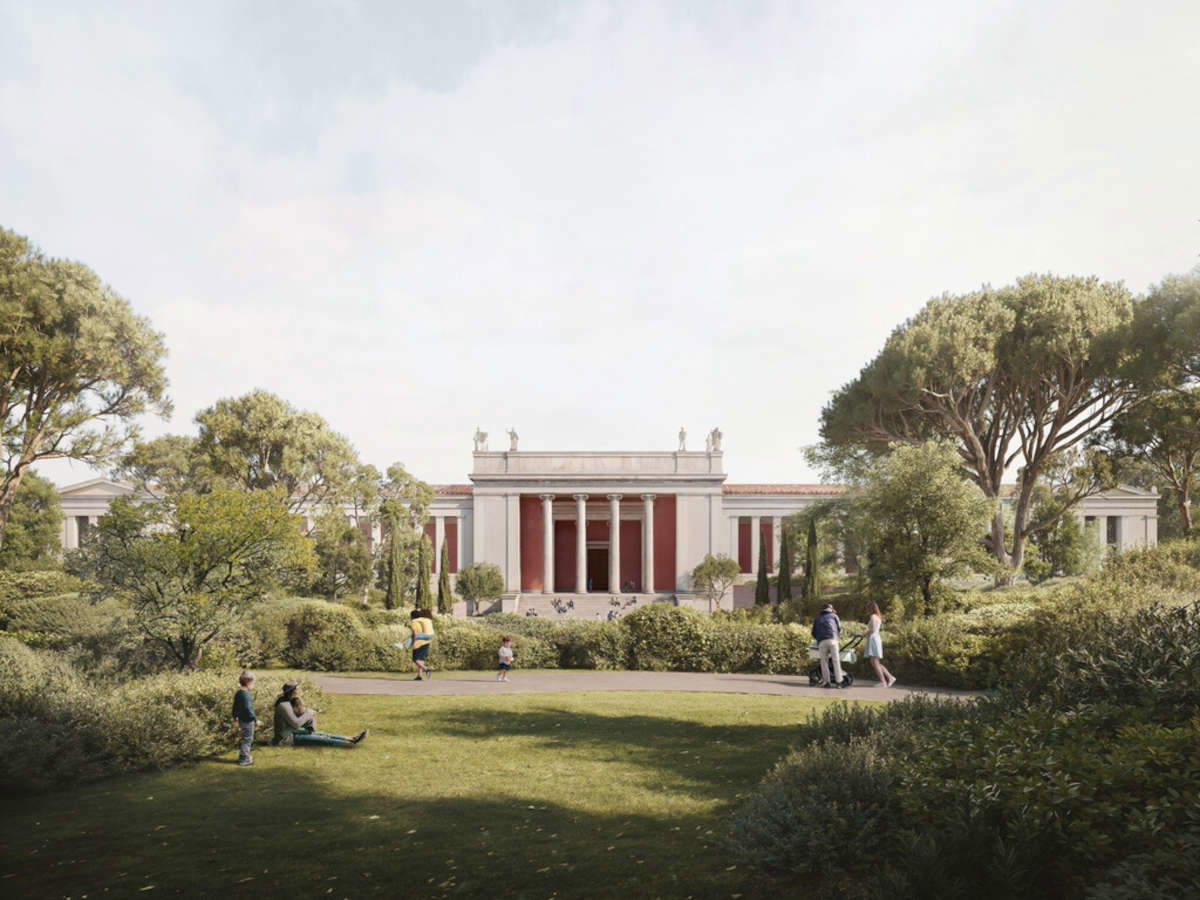
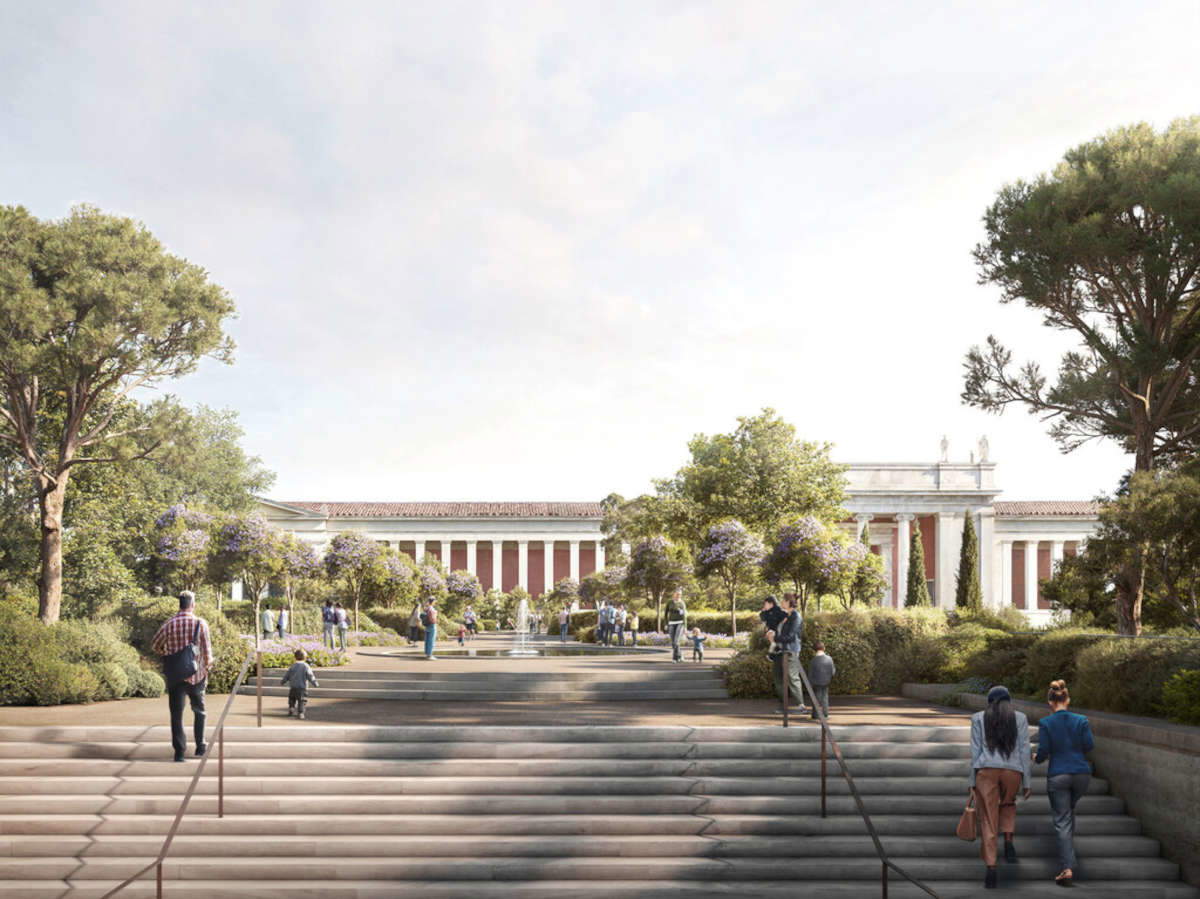
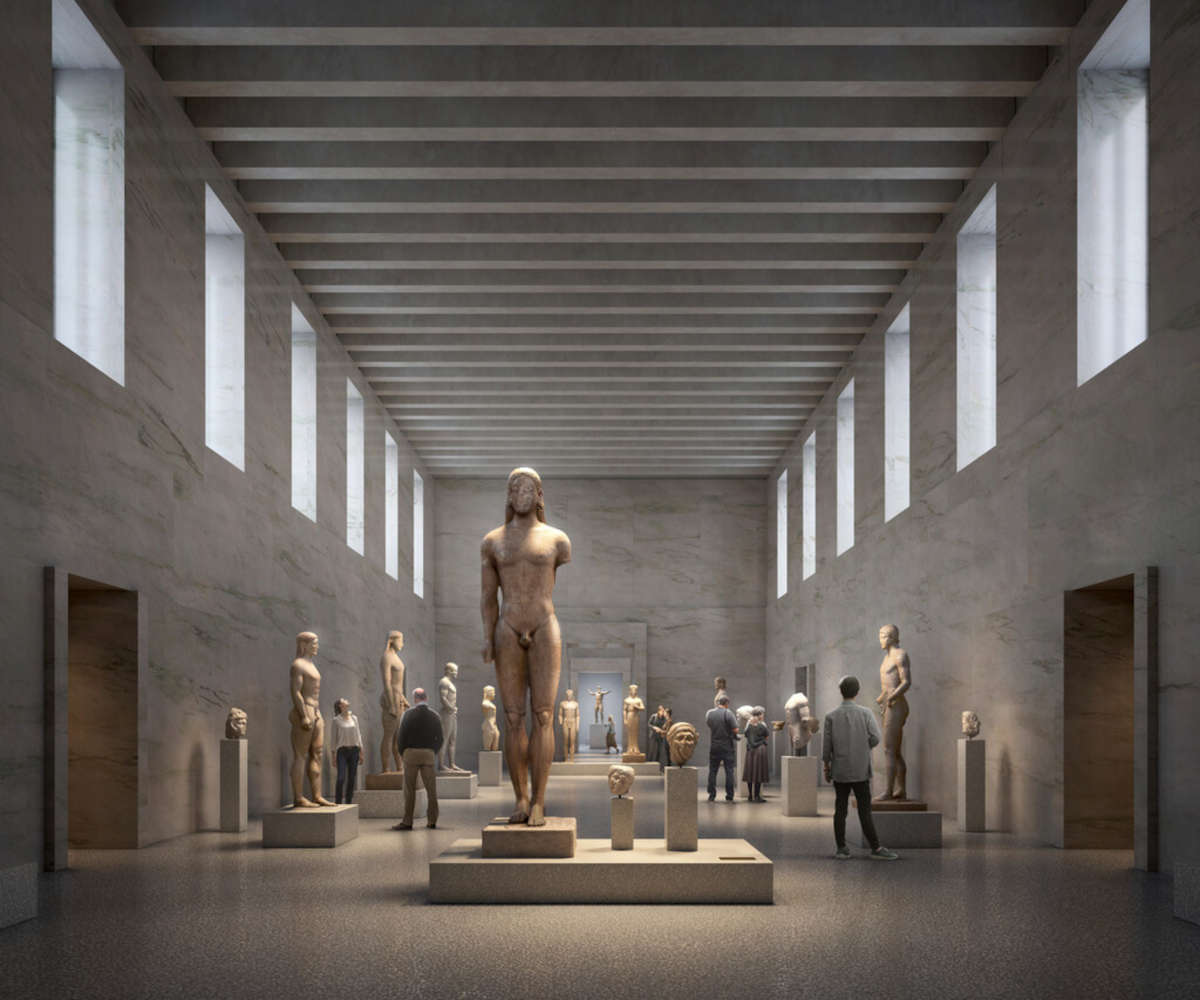
Architecturally, the proposal for the expansion and enhancement of the museum is based on three main objectives: to provide the city with a large public park, to promote Greek identity to an international audience, and to expand functions and exhibition spaces, reinforcing the museum’s role as a beacon of national culture. The intervention strategy includes new infrastructure and exhibition spaces while respecting the neoclassical façade, creating a new main entrance on Patision Street with a plaza and public foyer, and improving internal coherence and accessibility through new connections with the monumental building.
Alongside this, the project introduces a green, open, public park of high urban quality, equipped with a bistro and courtyard, designed as a place to meet and rest. The monumental building will be enhanced through the renovation of the halls from the 1950s, interventions on the central axis to improve its structure and orientation, and the upgrading of the research center with modern laboratories and offices. Visitor facilities will also be profoundly renovated, with a central atrium, lockers, checkroom, toilets, restaurant, a gadget and souvenir store, and spaces dedicated to temporary exhibitions.
The museographic plan includes a significant expansion of exhibition and support spaces. About 17,000 artifacts will be displayed in two major thematic areas divided into thirteen sections, with numerous subsections and thematic routes. The prehistoric collections, which include the Neolithic, Cycladic, and Mycenaean, will see their space more than doubled from 1,100 to 2,500 square meters. Areas for temporary exhibitions will also grow substantially, exceeding 1,000 square meters, with separate storage and logistics spaces.
The project pays special attention to the educational and scientific dimension. Spaces for educational programs will be expanded, as well as storage and maintenance workshops, which will almost double in size. The library and historical photo archives will be upgraded, while the interior atriums will be integrated into the museum itinerary, helping to create a modern, functional and educationally rich environment.
The intervention also has a strong urban significance. The preliminary study aims at the overall redevelopment of the Exarchia, Patission, and Metaxourgeio areas, creating a new cultural axis that will connect the museum to the National Technical University of Athens, the Acropolis, and Pedion tou Areos Park. In this vision, the National Archaeological Museum becomes the hub of a cultural network capable of redefining the relationship between historical heritage and the contemporary city.
The approved concept proposes a comprehensive chronological itinerary that accompanies the visitor from the Neolithic to Late Antiquity, developing on four levels, two in the extension and two in the monumental building. A central axis provides narrative clarity and orientation, with a naturally lit atrium displaying key objects representative of the different historical periods. In the historic building, the sequence of rooms along the central axis offers a variety of scales and natural light conditions, enhancing the visitor experience and highlighting the evolution of Greek sculpture from the Archaic to the Classical period.
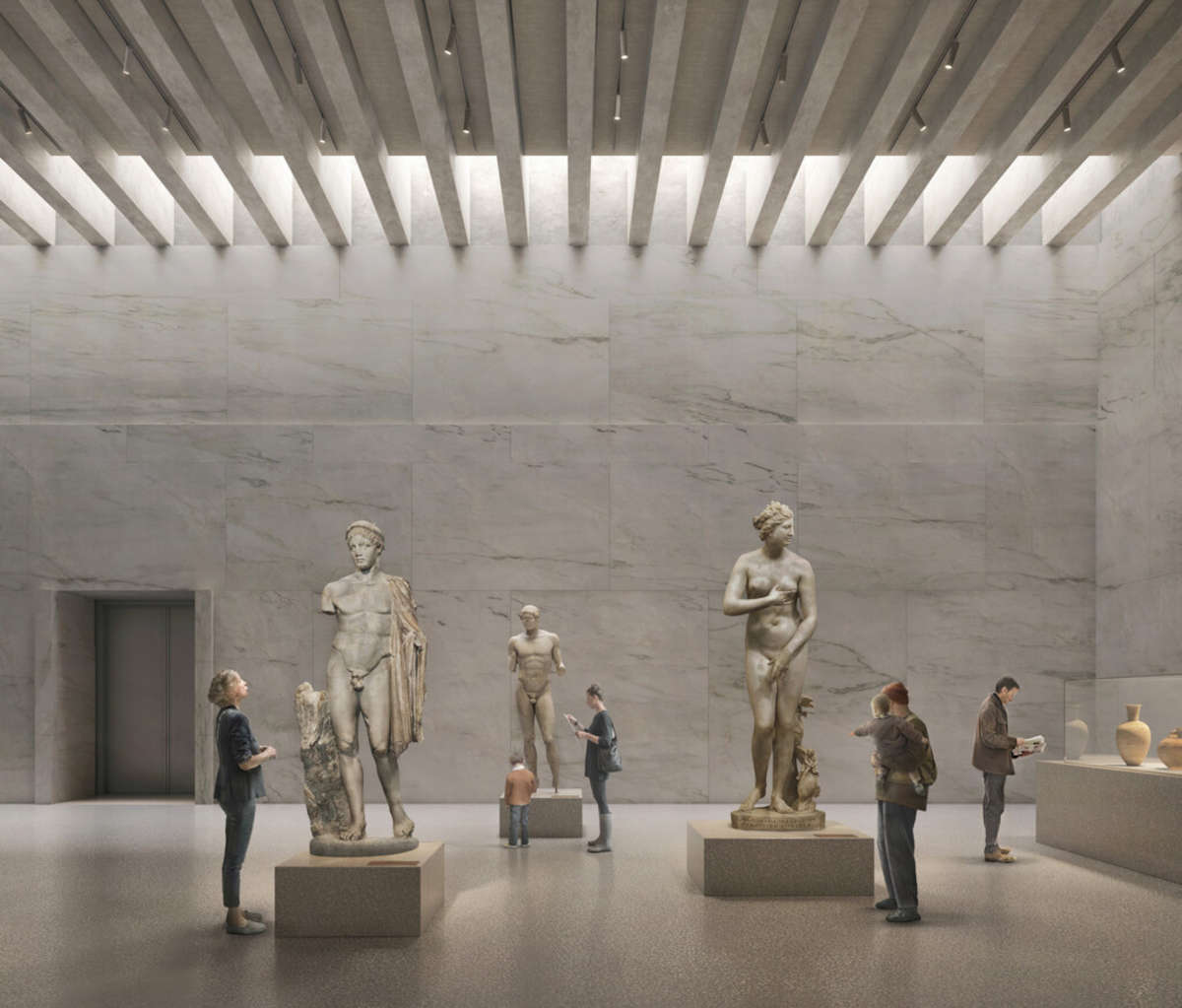
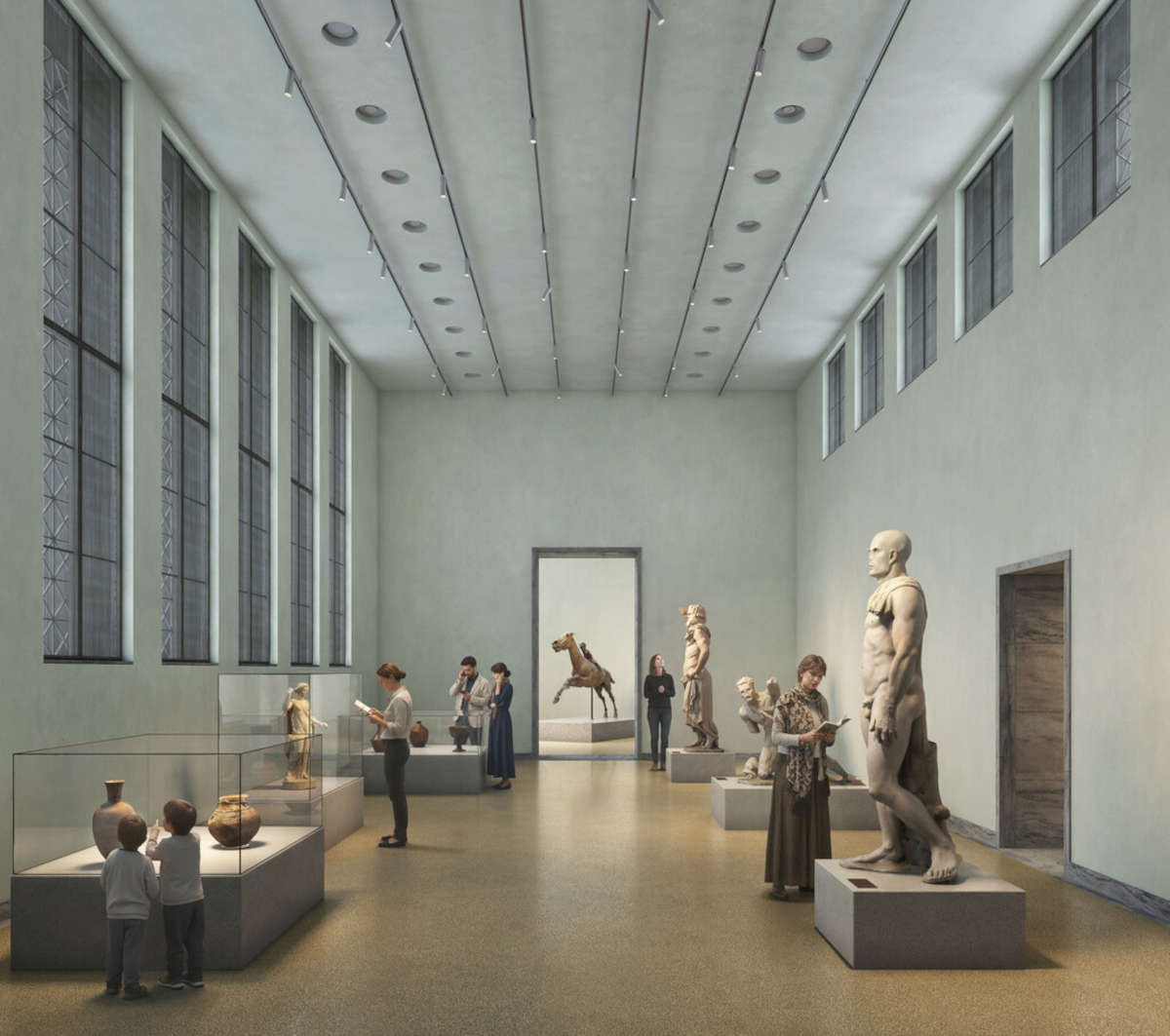
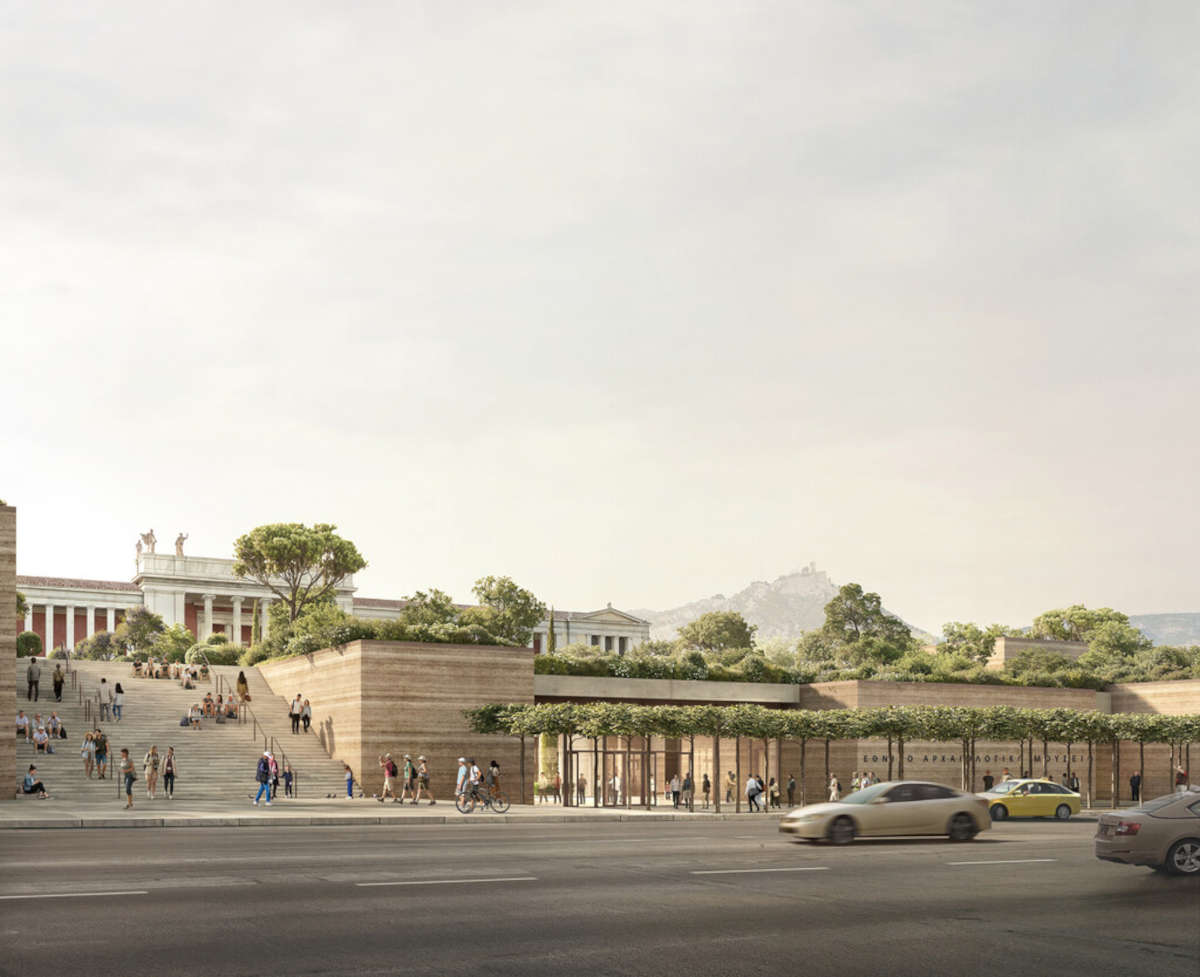
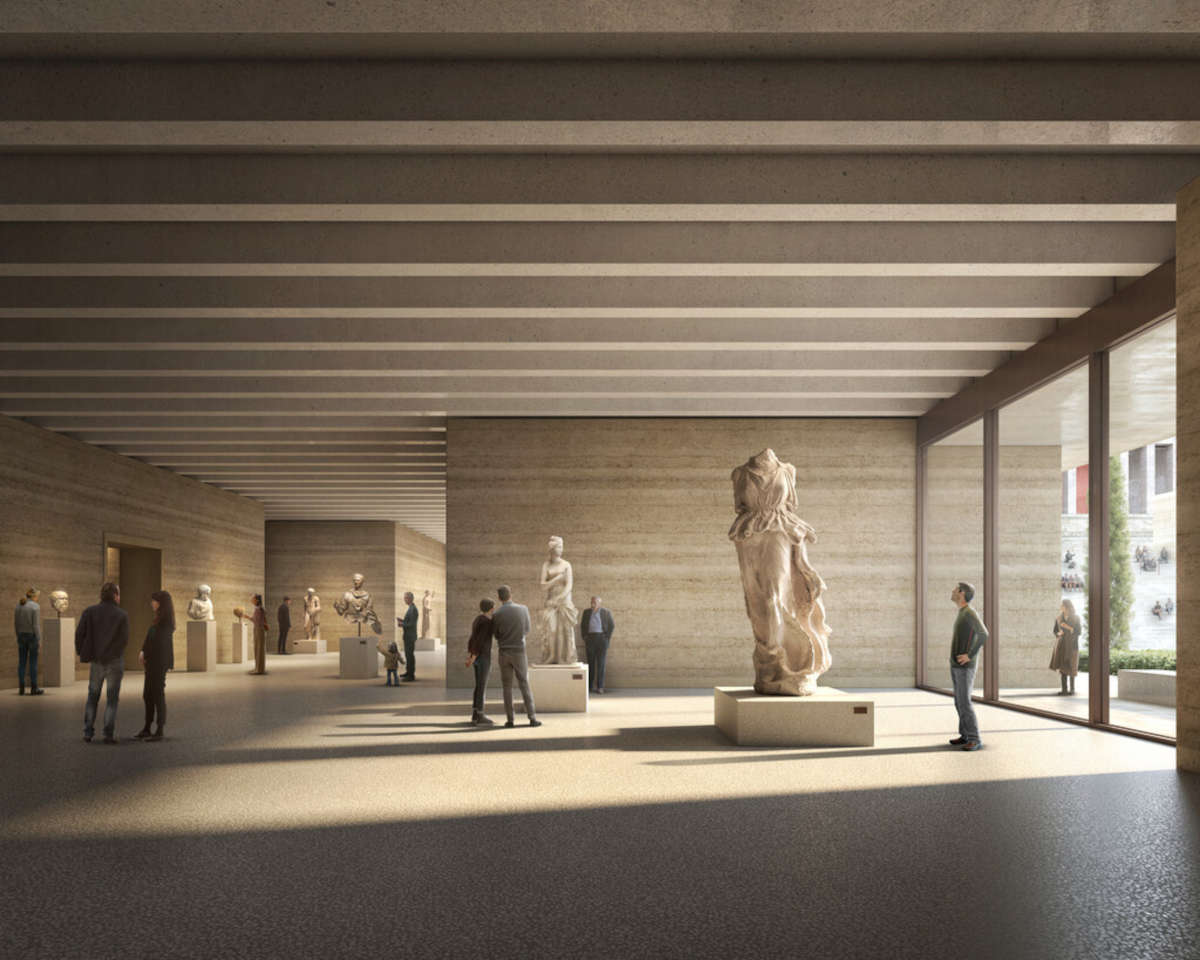
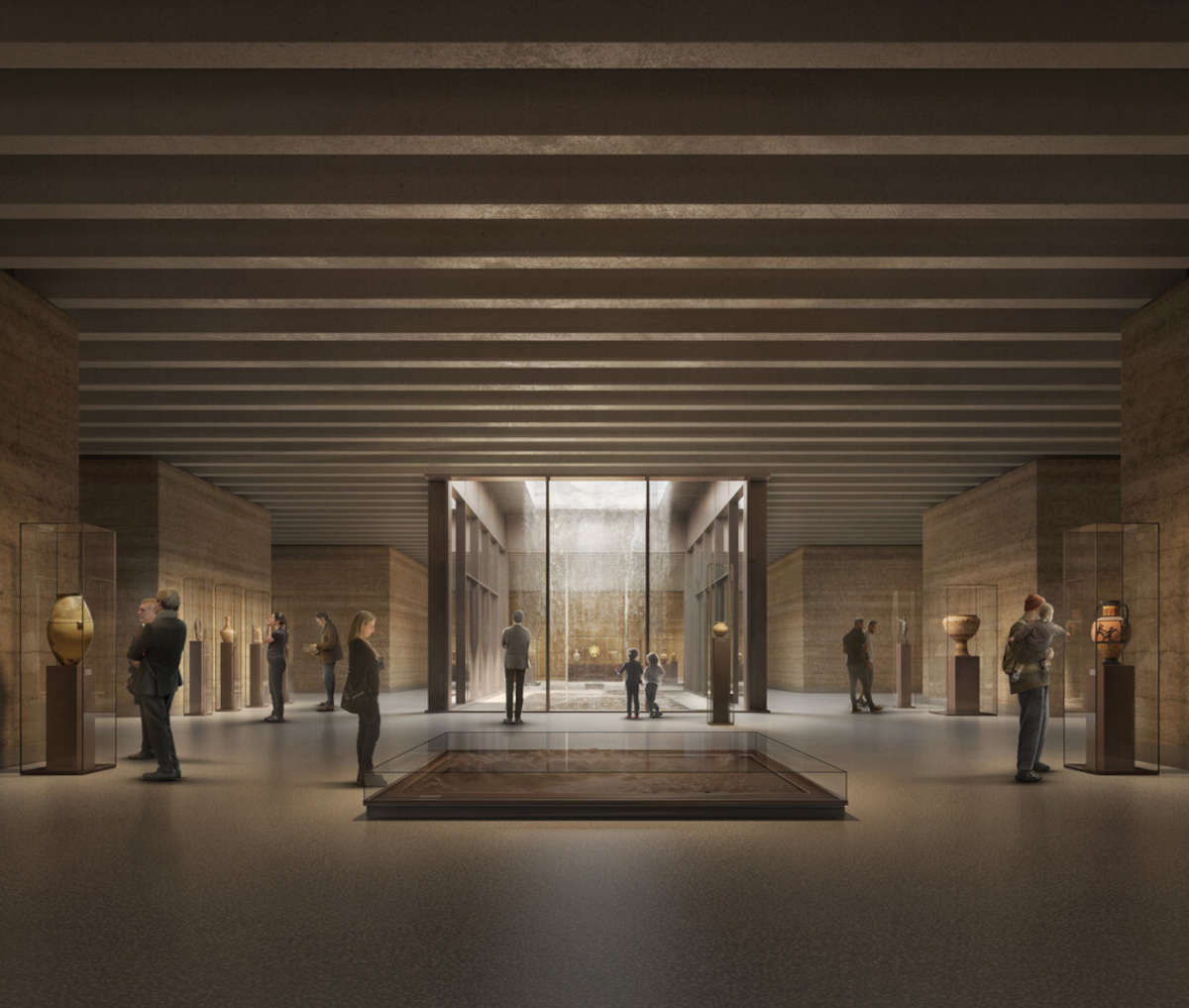
The design dialogues with Ernst Ziller’s historic 1889 building and recovers the nineteenth-century Romantic garden aesthetic through sinuous paths, perspective plays, and vegetation designed to broaden the perception of space. At the entrance on Patision Street, a grove of plane trees acts as an urban filter, improving the microclimate and creating a welcoming waiting area for visitors. Accessibility is provided for all by stairs, ramps, and elevators, while the park will be enclosed at night with fencing systems integrated into the greenery.
Facilities are designed to ensure protection of exhibits, optimal environmental conditions, energy conservation and ease of maintenance, including plumbing, fire protection, air conditioning, ventilation, electrical systems and elevators. The building’s load-bearing structure, characterized by sections made in different eras, was also analyzed in detail to ensure full seismic and functional safety.
The project is part of a long architectural history that began in 1865 with the first building designed by Ludwig Lange and later modified by Panayis Kalkos, Armodios Vlachos, and Ernst Ziller and developed through extensions, renovations, and modernist interventions (theextension of the east wing from 1903-1906, the construction of the new east wing between 1932 and 1939, Patroklos Karantinos’ interventions between 1947 and 1964) until the reinforcements following the 1999 earthquake and the 2004 Olympics. With this new intervention, the National Archaeological Museum is preparing for a new phase, with the ambition to combine protection, research, accessibility and urban quality, reaffirming its central role in the cultural life of Greece and in the international museum scene.
 |
| Athens will have its new National Archaeological Museum: transformation kicks off |
Warning: the translation into English of the original Italian article was created using automatic tools. We undertake to review all articles, but we do not guarantee the total absence of inaccuracies in the translation due to the program. You can find the original by clicking on the ITA button. If you find any mistake,please contact us.