





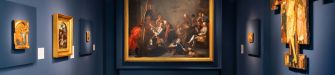
A wide-ranging intervention for the Palazzo Reale museum in Genoa kicks off these days, with the start of work on the complete renovation of the lighting system. The initiative, financed with PNRR funds managed by the Ministry of Culture, aims to improve the safety, energy efficiency and usability of the exhibition spaces, while enhancing the museum’s architecture and collections. The overall project, worth about 1 million euros, includes two main lines of intervention. The first concerns the lighting adaptation of the entire museum route, while the second focuses on the energy efficiency of the fixtures of the offices of the Regional Directorate National Museums Liguria. The aim is to reduce operating and maintenance costs, as well as to increase the quality of light in the rooms, thus improving the enjoyment of the works and architecture.
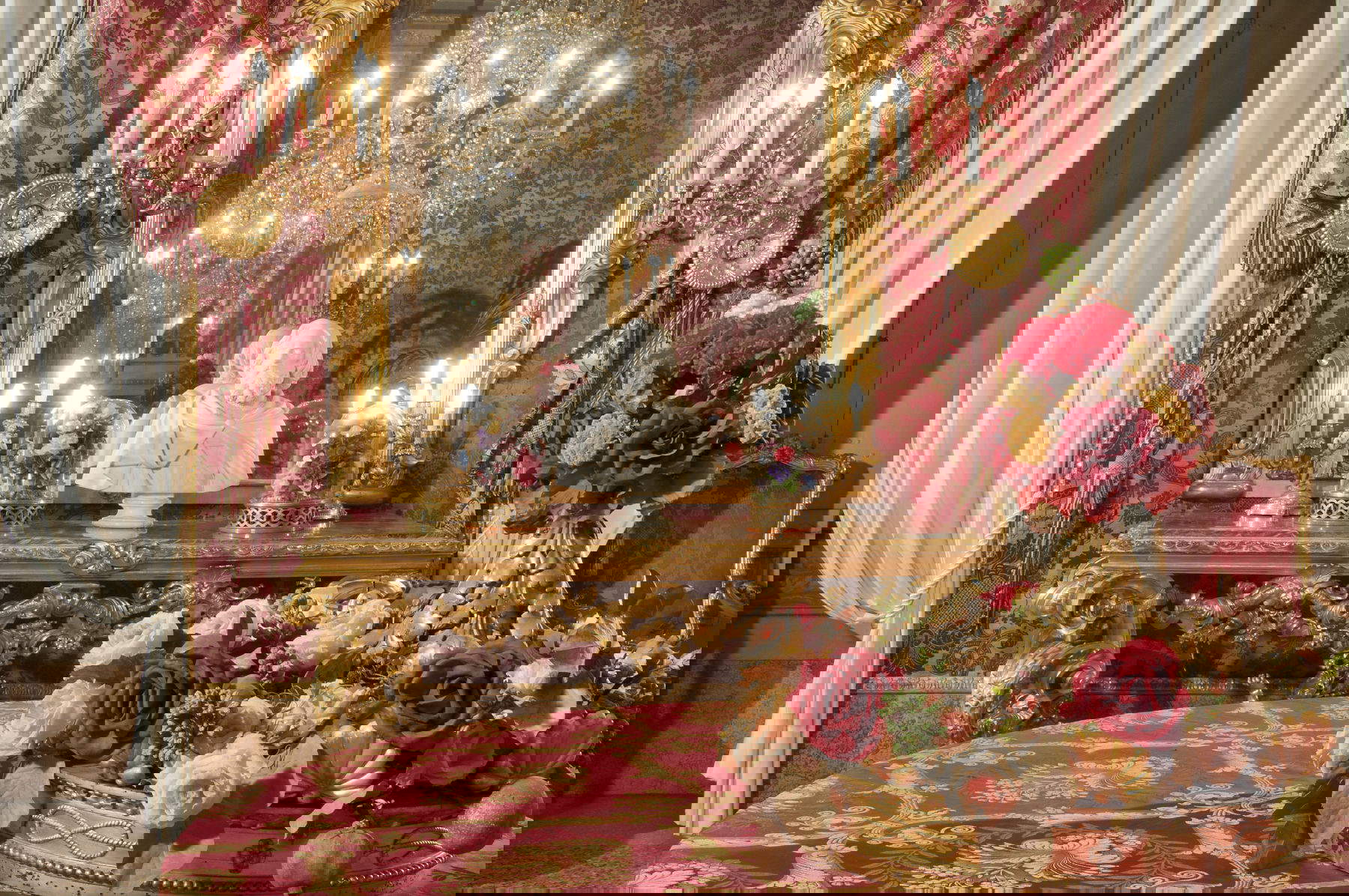
The work is being carried out in three separate phases, with completion scheduled for May 2026. The first phase will affect the central body of the Second Piano Nobile, involving the temporary closure of all rooms. During this period, the rooms of the First Piano Nobile, richly refurnished in 1842 on the occasion of the wedding of Victor Emmanuel of Savoy and Maria Adelaide of Habsburg-Lorraine, hereditary princes of the throne of Sardinia, will be extraordinarily open to the public. The ten rooms offer an immersion into the nineteenth-century era, when the Savoy family became owners of the Palazzo Durazzo, renaming it “Royal.” Each of the rooms was redecorated with furniture, curtains and objects in the fashion of the time, including furnishings designed by Henry Thomas Peters for the last three rooms reserved for Duchess Maria Adelaide. On the walls are paintings by Giovanni Benedetto Castiglione known as Il Grechetto, Vincenzo Camuccini, Luca Cambiaso, Carlo Maratta and Domenico Parodi, as well as portraits of the Savoy family. The apartment, formerly known as “del duca degli Abruzzi,” housed Luigi Amedeo of Savoy-Aosta, a famous explorer, navigator and mountaineer. In fact, theApartment of the Crown Princes is usually not accessible to visitors. Site operations will coordinate with other activities already planned within the museum, including the movement and restoration of important works. In particular, Luca Giordano’s large canvases, The Struggle between Perseus and Phineas and Clorinda Rescues Olindo and Sofronia, will be relocated to the Throne Room upon completion of their restoration. Another large painting, Domenico Fiasella’s The Last Supper, will undergo later conservation work.
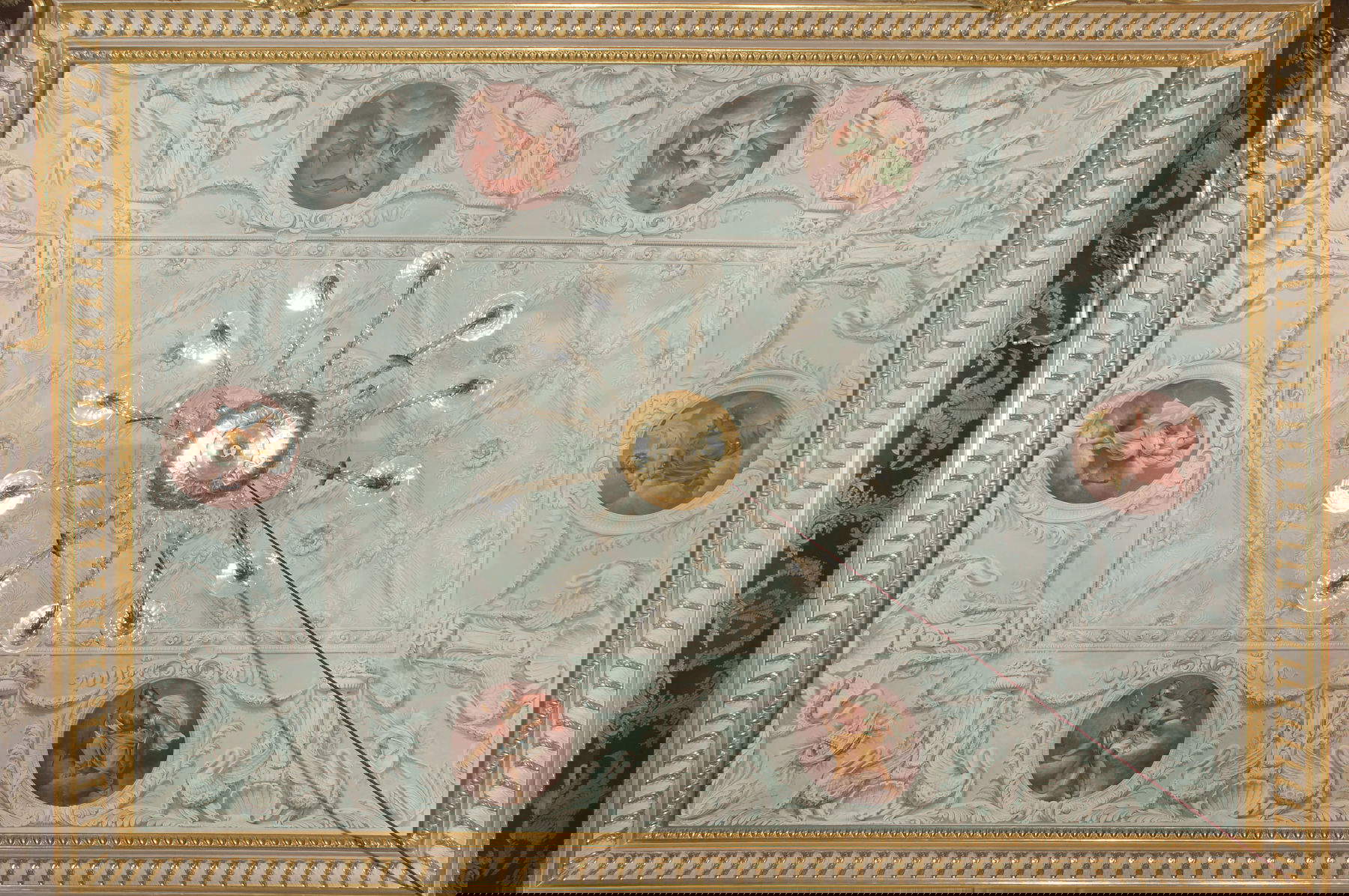
The second phase of the work will involve the apartments of the king and queen, with the procedure for the restoration of the window frames and shutters of the queen’s apartment beginning. The third and final phase will involve the rooms of the Duke of Genoa’s apartment. The complete reopening of the museum itinerary is scheduled for May 2026, with the return to full use of all the rooms on the Second Noble Floor, including the Vestibule, the Ballroom, the Hall of Battles, the Drawing Room of Time, the Drawing Room of Peace, the Veronese Room, the Chapel Gallery, the Throne Room, the Diana Drawing Room, the Tapestry Room, and the Drawing Room of Dawn.
The construction site is being supervised by an external construction management, assisted by technical staff from the Ministry of Culture. The intervention includes both plant engineering activities and qualified construction assistance, according to the standards of the current Cultural Heritage Code. The funding is part of PNRR investment 1.3, “Improving the energy efficiency of cinemas, theaters and museums,” Objective 1, aimed at promoting eco-efficiency and reducing energy consumption in state museums and cultural sites.
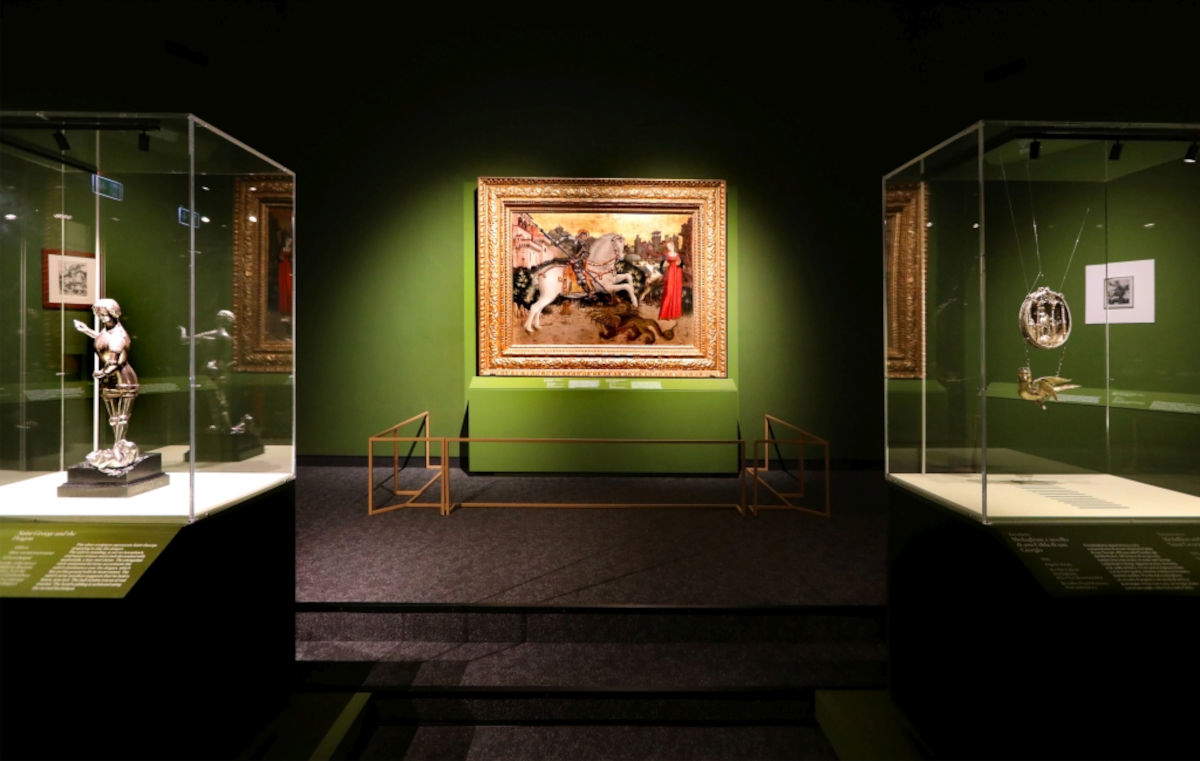
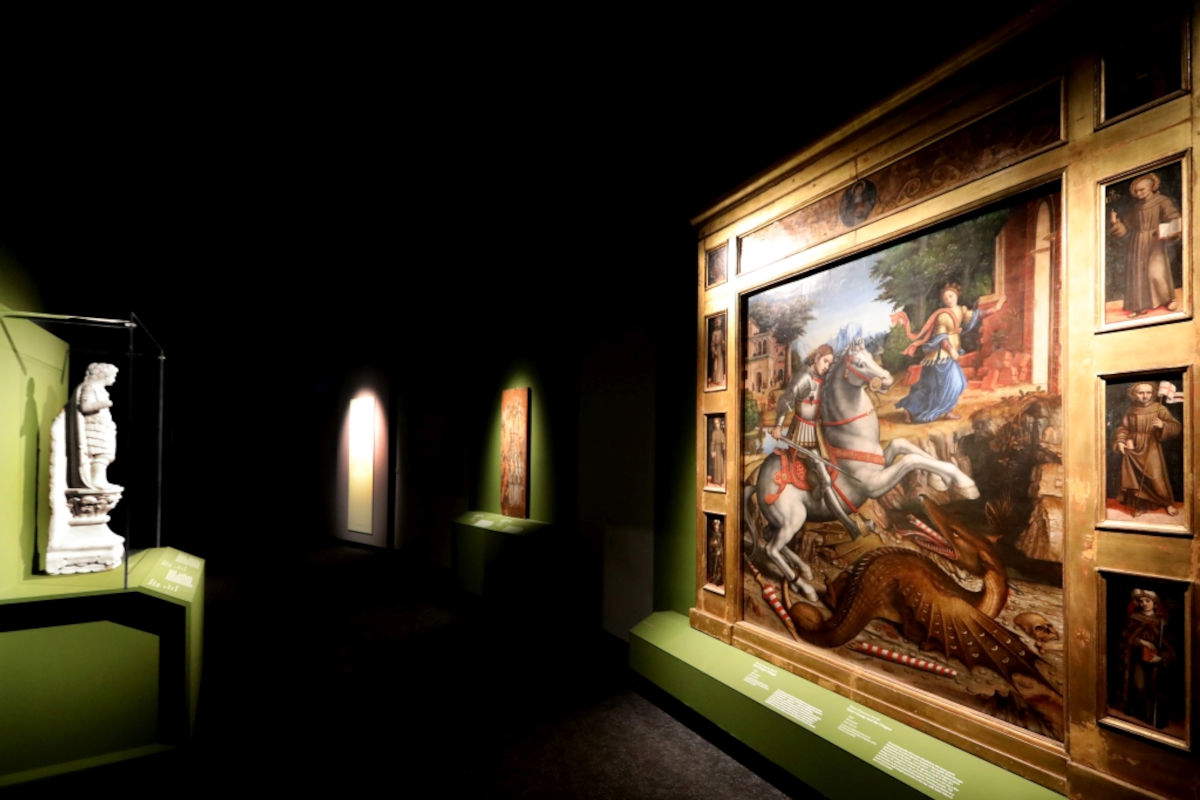
In parallel with the work, the first major exhibition dedicated to St. George, entitled St. George. The Journey of a Traveling Saint from the East to Genoa, open until Feb. 28. The exhibition traces the figure of the saint, whose image has for centuries functioned as a devotion and symbol of protection in European and Mediterranean countries. The display features works and objects from Italian and European loans, illustrating the iconography of St. George from the Middle Ages to the mid-16th century, from palace portals to official documents to the banner of the city of Genoa. Of particular note are interpretations of the dragon legend by artists such as Cosmè Tura, Ercole dè Roberti, Vittore Carpaccio, and Andrea Mantegna. Short videos delve into St. George’s connection with the city, his narration in the Golden Legend and depictions in medieval portals in Genoa’s historic center. The exhibition brochure invites visitors to discover depictions of St. George in the city, from ancient portals to contemporary murals. The exhibition also offers a rich calendar of meetings and guided tours, with activities also dedicated to children and families. Highlights include lectures on the history and iconography of the saint, workshops for different age groups, and educational tours in collaboration with local associations. Opening hours and booking information are available on the museum’s official website.
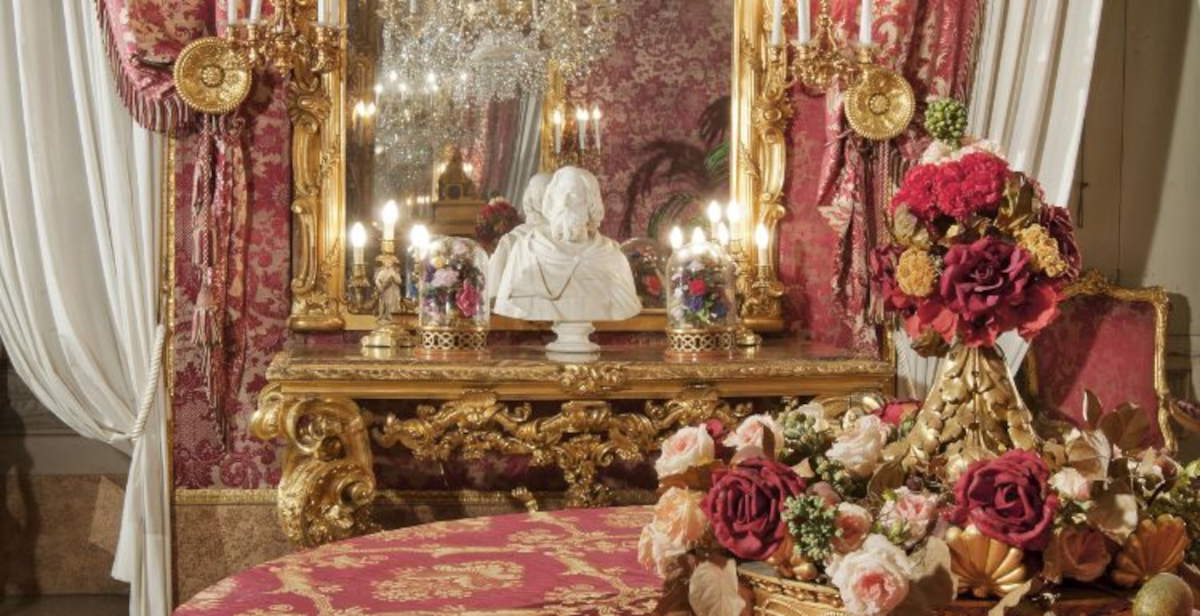 |
| Genoa, lighting works at the Royal Palace and extraordinary opening of the First Noble Floor |

Warning: the translation into English of the original Italian article was created using automatic tools. We undertake to review all articles, but we do not guarantee the total absence of inaccuracies in the translation due to the program. You can find the original by clicking on the ITA button. If you find any mistake,please contact us.


























 IT
IT FR
FR DE
DE ES
ES CN
CN


