




by Redazione 26/12/2025



Categories: Museums / Disclaimer
After a six-year closure period, the Medagliere of the National Roman Museum returned Dec. 23 to welcome visitors. It currently has more than half a million objects.

After a six-year closure period, the Medagliere of the National Roman Museum returned Dec. 23 to welcome visitors. Its origins coincide with the very birth of the Museum: in the early twentieth century it was housed in some spaces of the Baths of Diocletian, while since 1996 it has had a permanent location in Palazzo Massimo at the Baths.
The Medagliere is characterized by a dual nature. On the one hand, it preserves numismatic materials from archaeological excavations, mostly found in the territory of Rome and Latium during the urban renewal works of the new capital of the Kingdom of Italy and the works for the development of the course of the Tiber; on the other hand, it collects materials of collectors’ provenance, the result of donations and acquisitions over time. Notable among the latter are the nuclei from the Kircherian Museum, which included Roman series in cast bronze, a collection of medals and a large number of coins, among which stand out the thousands of specimens found in the famous Vicarello stipe, a locality located on the shores of Lake Bracciano, near Rome. These materials are flanked by those from private collections, the most notable of which is that of Francesco Gnecchi, a passionate collector from Milan, consisting of more than 20,000 coins from the Roman period.


On display today from the Gnecchi collection is the prized Italian walnut wood cabinet-medagliere, made on commission by the same collector as a case for his collection; inside it stands out the extremely rare one-of-a-kind three-solids from the Ostrogothic king Theodoric. The display is complemented by a selection of coins belonging to the collection of Victor Emmanuel III of Savoy, which as a whole includes about 120,000 specimens from Italian mints of medieval and modern times.
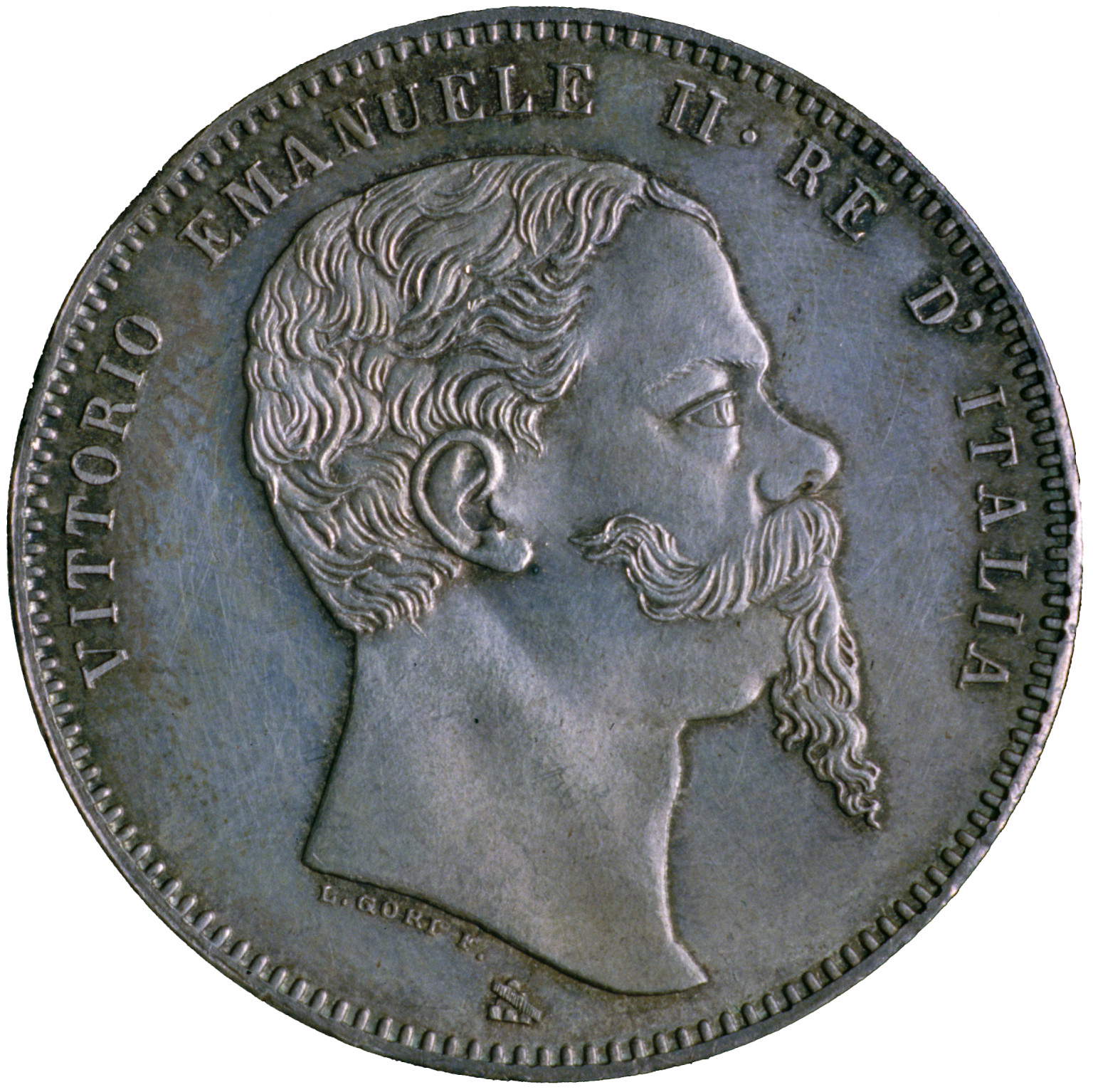
Currently, the Medagliere has more than half a million objects, including coins, medals, monetary weights, tesserae, and minting tools, as well as gems, goldsmithing, furnishings and other valuable metal artifacts. The numismatic collections of the Roman National Museum’s Medagliere cover an extremely broad chronological span, ranging from around the fifth century B.C. to the period of the Kingdom of Italy.
On the occasion of the reopening, the Museum staff, under the direction of Federica Rinaldi and the coordination of officials Marta Barbato, Agnese Pergola, and Simona Ricchitelli, has worked to make some important improvements to the entire Medagliere sector, both in terms of conservation aspects and services to the public, and in terms of layout and enhancement, including scientific enhancement, with exhibits that have always been kept in the vault and are now visible to all.
“Today’s occasion is certainly very important and shows how it is possible to stay true to the goals set when work, dedication and passion contribute to the result. The reopening of the Medagliere was announced last June as a 2025 goal and revitalization of the National Roman Museum,” said Alfonsina Russo, Head of the Department for the Enhancement of Cultural Heritage. “With Interim Director Dr. Edith Gabrielli, the foundations of this goal were laid, and today with the new Directorate the Medagliere, one of the most important and extensive coin collections internationally, reopens and is once again available for anyone to enjoy. This is a fundamental achievement for the protection and knowledge of the numismatic collection, but also strategic for the reputation of the Museum, which after years returns to the community of scholars, enthusiasts and the curious a museum section that has always been very popular.”
“Preparatory actions for the reopening of the Medagliere have been the focus of my interim direction of the National Roman Museum, from November 2024 to October 2025. As is well known, the Medagliere houses and brings together various nuclei of numismatic collecting. Some - I’m thinking in particular of the one related to Victor Emmanuel III of Savoy - also have significant cultural significance in themselves,” said Edith Gabrielli, Director General of Vittoriano and Palazzo Venezia. “The reopening of the Medagliere to the public, the result of authentic teamwork, finalized by Director Federica Rinaldi, therefore constitutes a remarkable event. Visiting the Medagliere will offer new perspectives to scholars and tourists alike and will help consolidate and increase the reputation of this great and important state museum.”
“Returning one of the most important medagliere in the world to the city and the world represents an important cultural goal for the National Roman Museum,” said Federica Rinaldi, director of the National Roman Museum. “This extraordinary collection of coins, medals, luxury objects and jewelry, which tell centuries of political, economic and artistic history, finally returns to be accessible as a place of knowledge and dialogue with History. Reopening the Medagliere, after adequate environmental, conservation, scientific and exhibition improvement works, reaffirms the new role of the National Roman Museum, committed to positioning itself as a living, inclusive and participatory space. It is a gesture that also testifies to the commitment of the different institutions involved within the Ministry of Culture and the desire to strengthen the link between our cultural heritage and all communities today.”
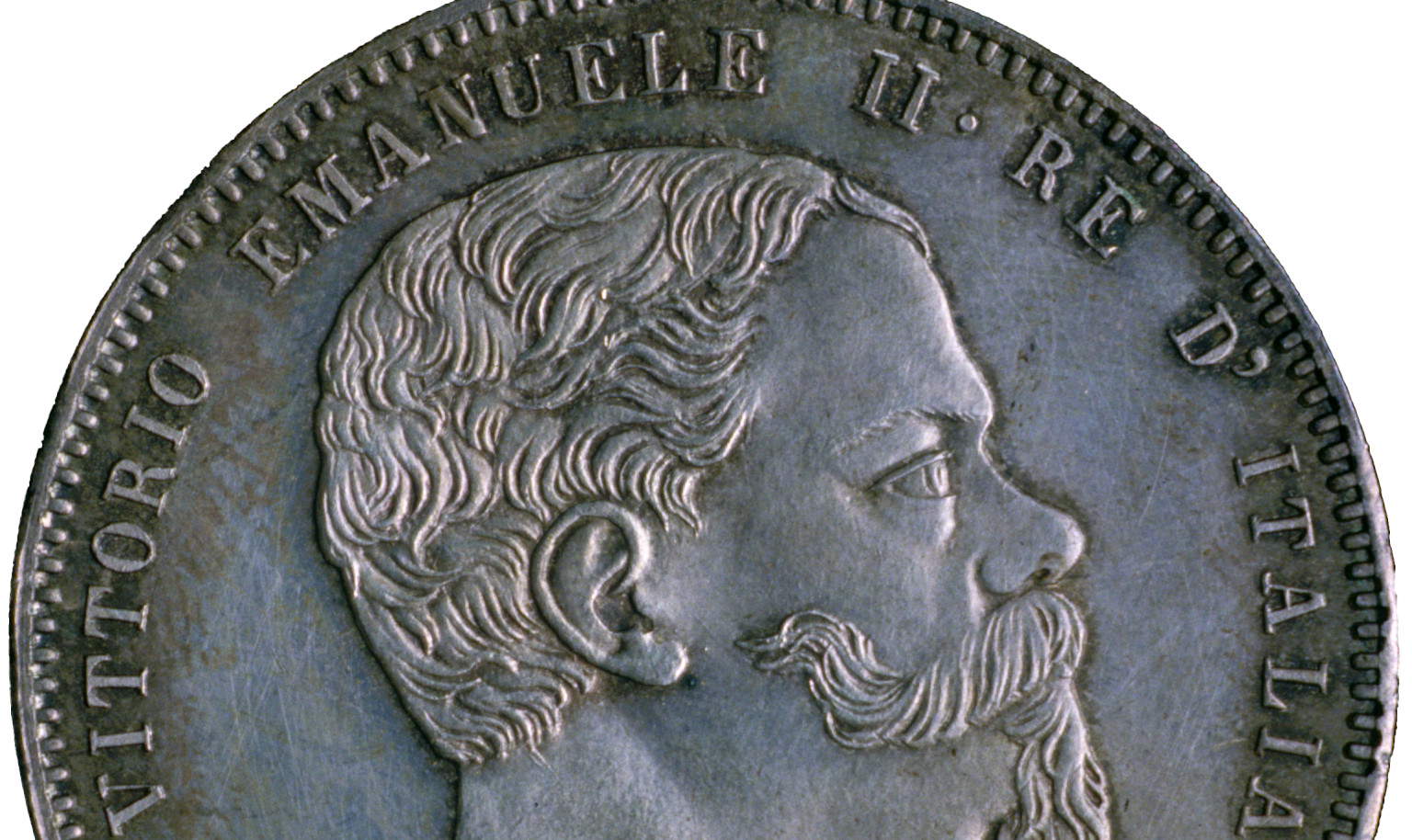 |
| Reopened to the public after six years, the Medagliere of the National Roman Museum |
Warning: the translation into English of the original Italian article was created using automatic tools. We undertake to review all articles, but we do not guarantee the total absence of inaccuracies in the translation due to the program. You can find the original by clicking on the ITA button. If you find any mistake,please contact us.