





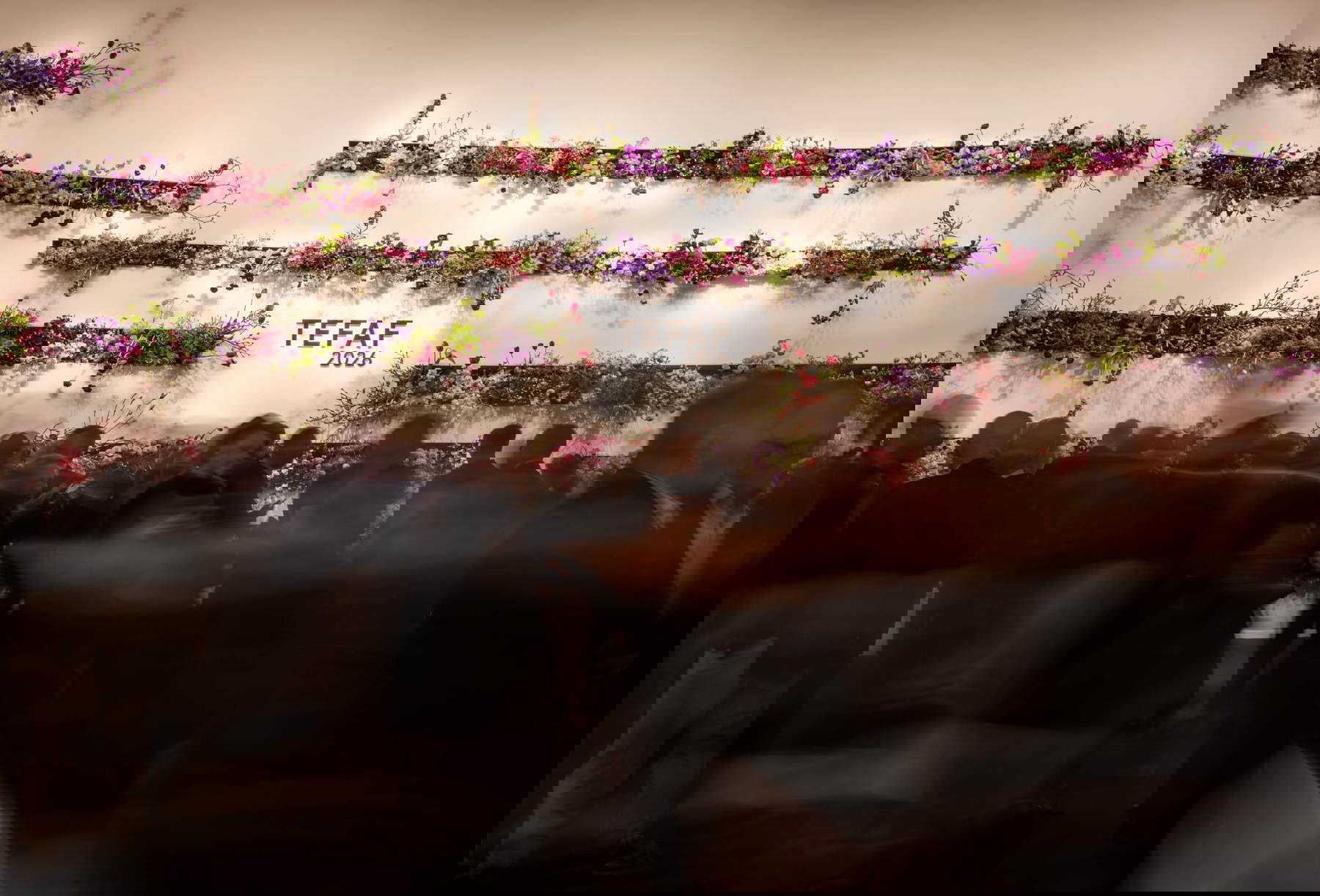
There was a TEFAF claim that many still remember today. It went something like this, "We sell the best contemporary art of the last 4,000 years." A brilliant line, but also the perfect summary of what this fair has represented for decades.
Born as an event among antiquarians in the small and secluded city of Maastricht, TEFAF has over time become the world’s benchmark for the art market, able to bring together in the same place works spanning millennia of history: from ancient and pre-Columbian art to Greco-Roman sculpture, from Old Masters to modern, design and jewelry. More than a fair, it is a kind of temporary museum for sale, where the scientific quality and rarity of the works are the real distinguishing features. This is also why, among the corridors of MECC in Maastricht, one does not only meet collectors and dealers. One mostly meets museum directors and curators who have come from all over the world to consider possible acquisitions. In the first days of the preview we crossed paths with, among others, the director of the Detroit Institute of Arts, Salvador Salort-Pons, but also Angelo Crespi, general director of the Pinacoteca di Brera, and Eike Schmidt, at the head of the Museo e Real Bosco di Capodimonte. They are joined by dozens of curators and patrons from American and international institutions, a presence that remains one of the true barometers of the fair’s health. And it is precisely the museum dimension that is one of the elements that distinguishes TEFAF from other major market events: works destined to enter public collections are purchased here, often after long and thoughtful negotiations.
The 2026 edition opens in a complex international context, marked by geopolitical tensions and economic instability, as well as some logistical difficulties (such as the transport strike that hit Belgium during the very days of the preview). Yet the public responded enthusiastically: in the first two days visitors increased by more than 5 percent, while institutional presence grew by more than 10 percent, with some 450 museum institutions represented. The market, in short, is there. This may not be an edition characterized by impulsive, million-dollar purchases in the very first hours, but negotiations are numerous and often involve major works.
And the stands have no shortage of masterpieces. A number of historic galleries present works of absolute weight: from Dickinson with an important painting by John Constable, to Landau with works by Joan Miró, Juan Gris and Josef Albers. At the same time, the fair continues to offer a very wide range of prices: from multimillion-dollar museum works to works in the tens of thousands, making it possible for different types of collectors to enter.
Also striking, as is often the case in Maastricht, is the quality of the layout and organization. An almost perfect mechanism that is even more surprising when one considers thatthe entire operational structure of the fair consists of just 25 people. An edition that many operators call one of the brightest in recent years, capable of confirming how, even in difficult times, the high-quality art market continues to find its epicenter here.
If there is one thing TEFAF continues to demonstrate, it is that the art market does not react like other markets. It may slow down, it may reflect, it may take the time to go back in front of the same painting two or three times. But when the quality is high-and in Maastricht it almost always is-the market keeps moving. Maybe not with the nervous jerkiness of the most speculative fairs, but with the long, reasoned pace of those who know they are looking at four thousand years of art history. And it is not every day that one can buy them.
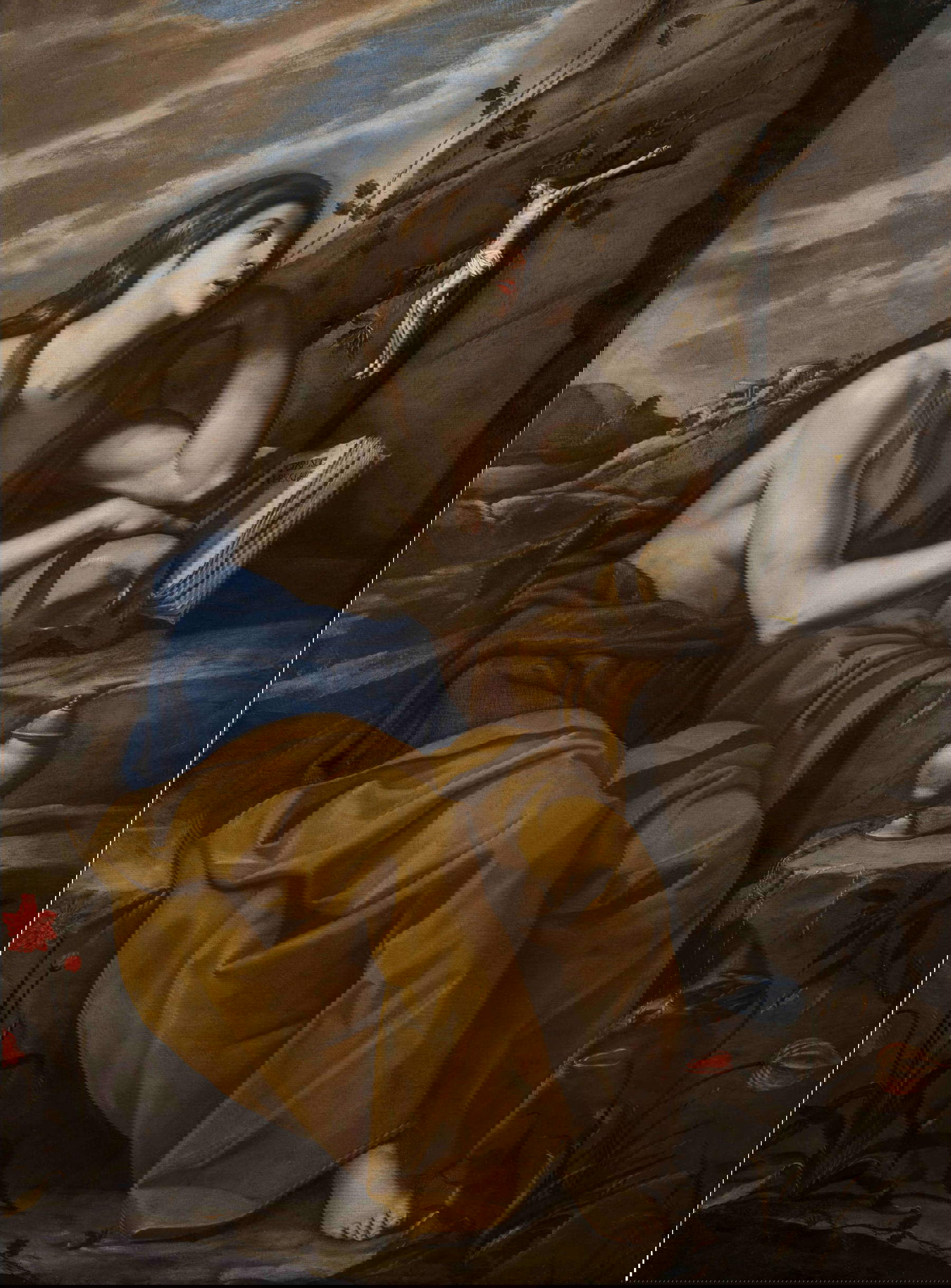
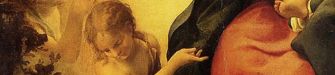
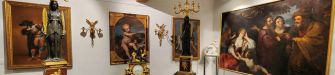
For Tiziana Sassoli, of the Fondantico gallery in Bologna, the first days of the fair were well attended by collectors and professionals, despite the complex international context and the transport strike that affected Belgium right during the preview. Notable meetings included those with numerous American and international museum directors. Several institutional negotiations are already underway at the gallery’s booth, including an American museum’s interest in two important works: a rare panel painting by Lorenzo Costa, preserved in excellent condition, and a Magdalene by Artemisia Gentileschi, particularly prized for its expressive power. Some foundations have also requested in-depth studies of other works on display, including the scene with Gaetano Gandolfi ’s The Argonauts and a portrait of Queen Elizabeth made in the early 20th century by Annigoni and Stefanelli. According to Sassoli, this edition of TEFAF is also distinguished by the presence of many young visitors, who are intrigued by the variety and quality of the works on display, with paintings, furniture and objects of great rarity.
Marco Voena of Robilant + Voena tells us that TEFAF remains a unique event. “TEFAF is like a museum for sale, with the difference that here you can almost touch the works, like in the supermarket,” comments the gallerist. The booth had a strong presence of American collectors, traditionally among the most active at the fair. Works sold included works by Carlo Dolci, Pompeo Batoni (with a portrait of Thomas Kerrich), Lucio Fontana, with a ceramic from the Concetto spaziale series. The range of works sold was between 200,000 and 500,000 euros.
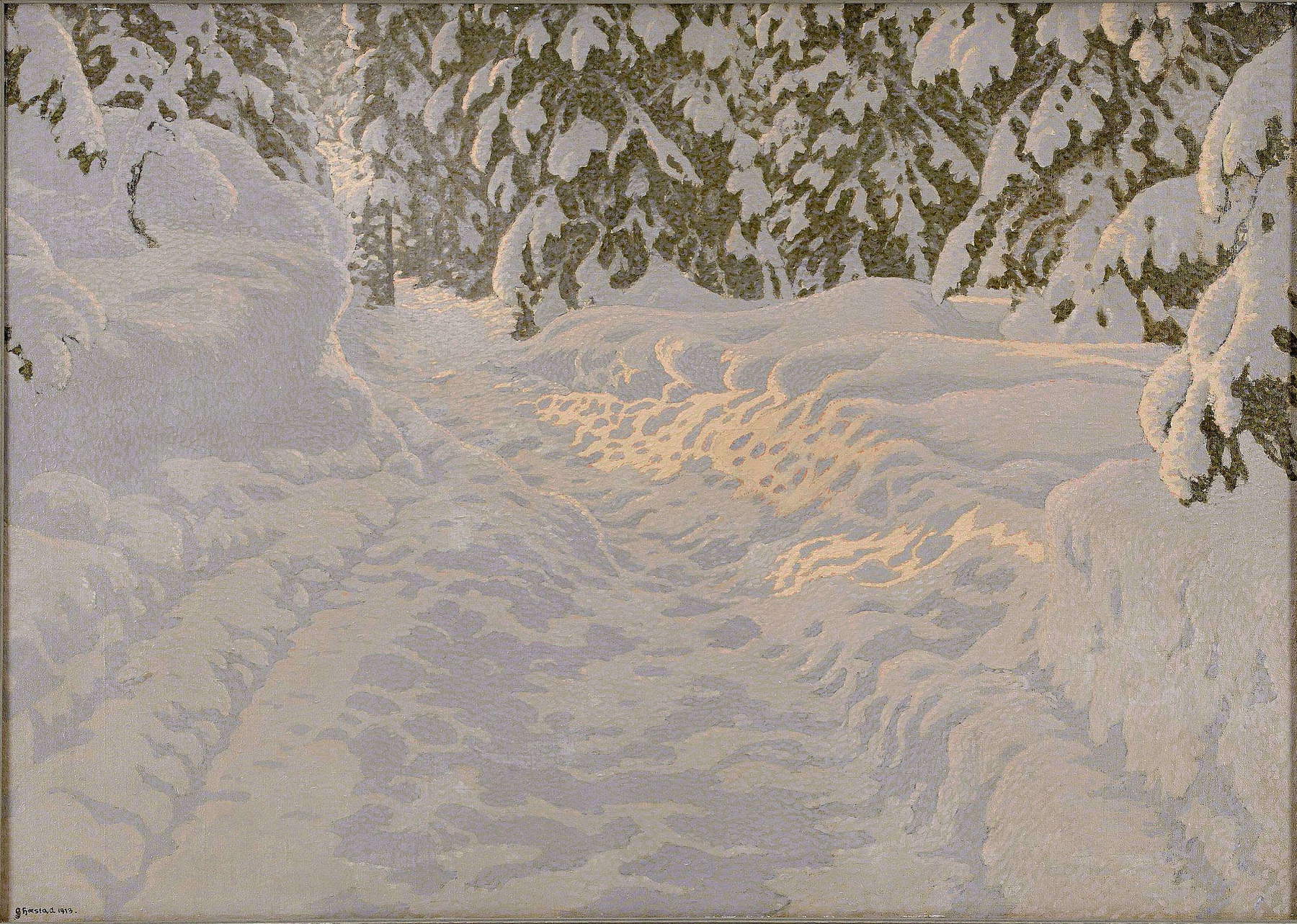
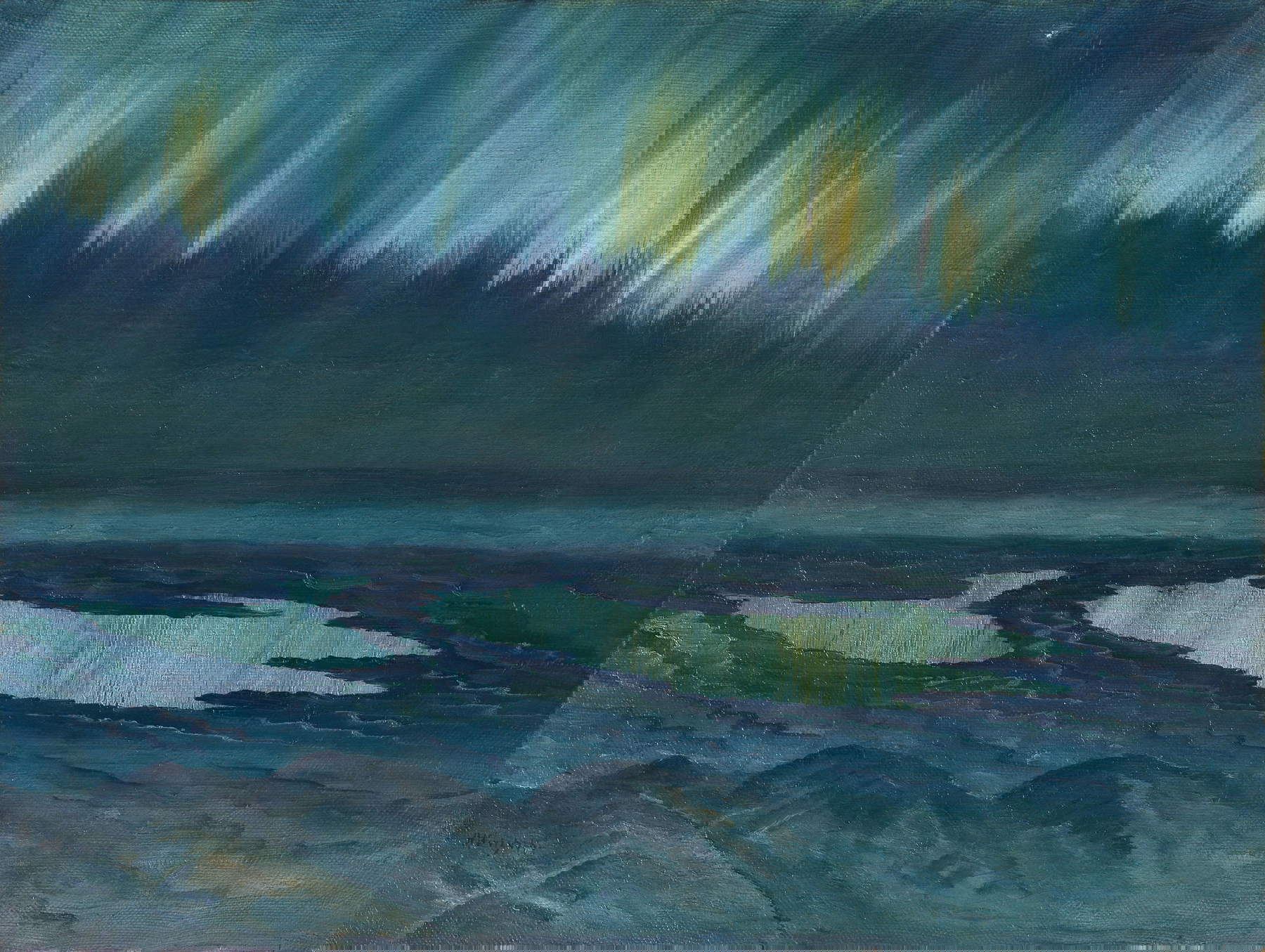
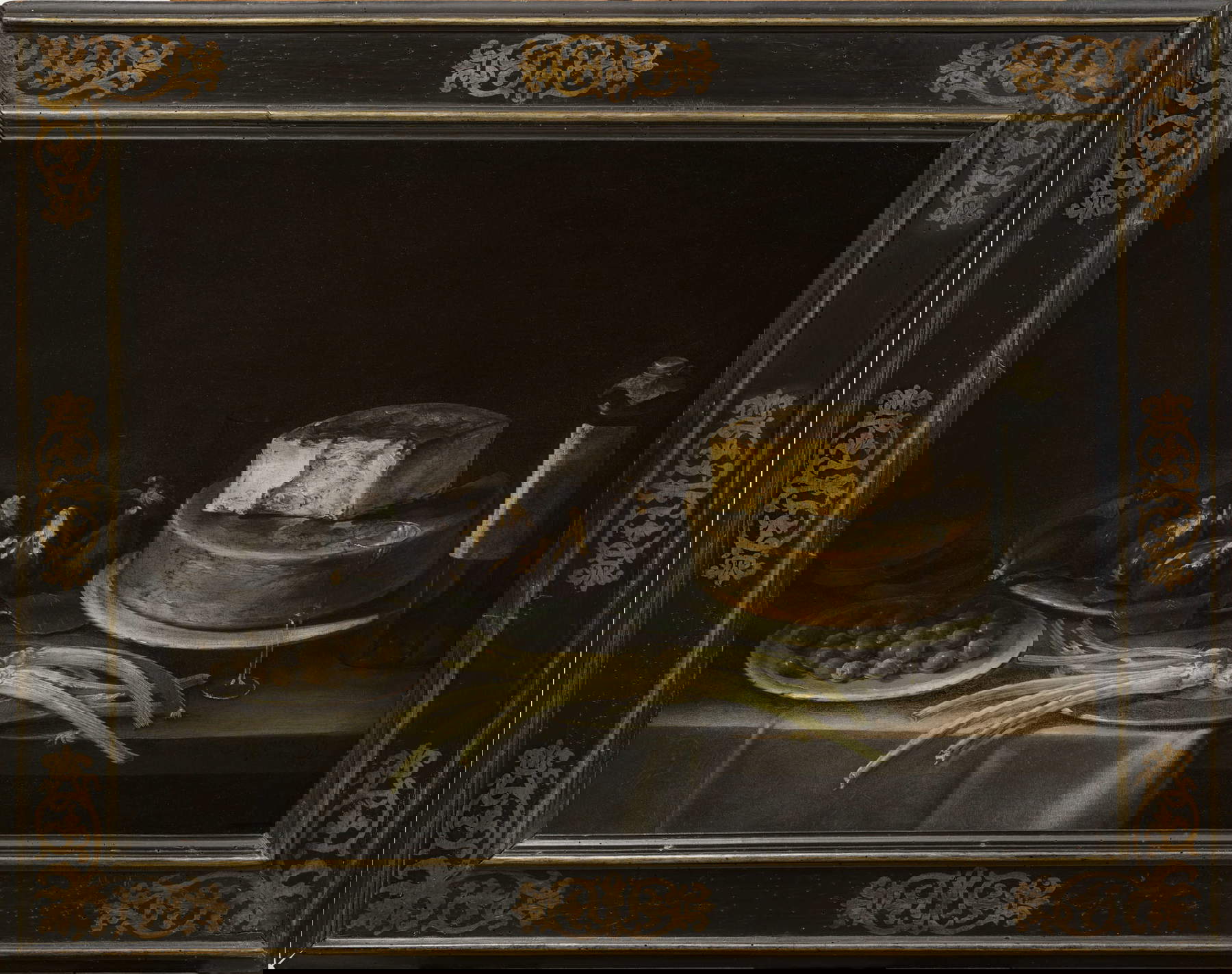
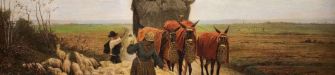
As for Antonacci Lapiccirella Fine Art, Francesca Antonacci, the first days of TEFAF 2026 proved to be very successful both in terms of public and sales. Notable transactions included two paintings by Gustaf Fjaestad, presented within the Swedish Lights focus, both of which sold for six-figure sums, one acquired by amajor European collection, and the other by a Canadian foundation. Other notable sales include an oil sketch by Swiss artist Johann Jakob Frey purchased by an American museum and Angelo Morbelli’s painting Glacier (1896), sold to a European collector. There is also strong museum interest in other works on the stand, including the very rare Aurora Borealis by Swedish painter Helmer Hertzhoff, which is being appraised by two American museums, and the rediscovered Self-Portrait at the Easel by Parisian artist Henriette Daux, followed by a French museum.
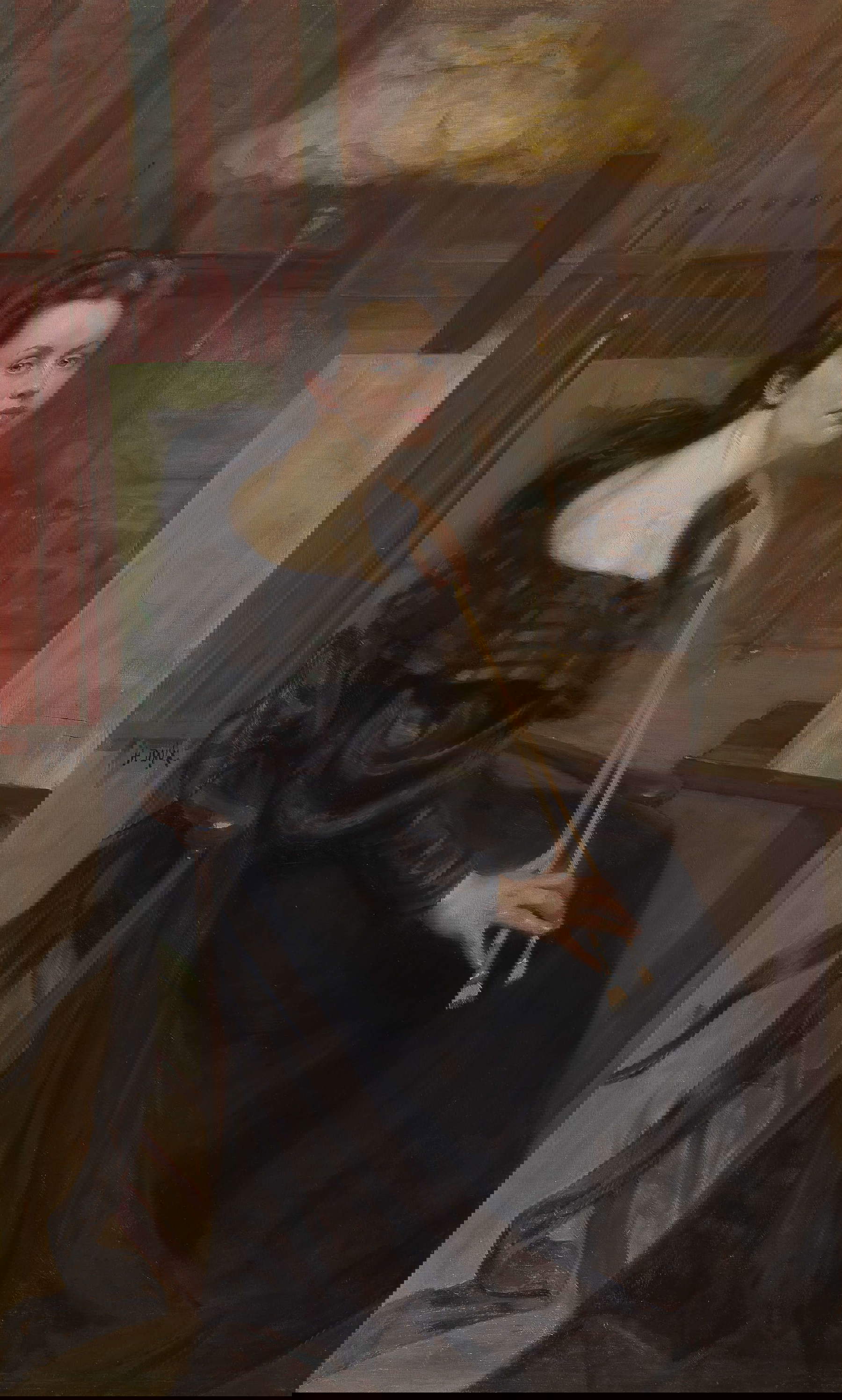
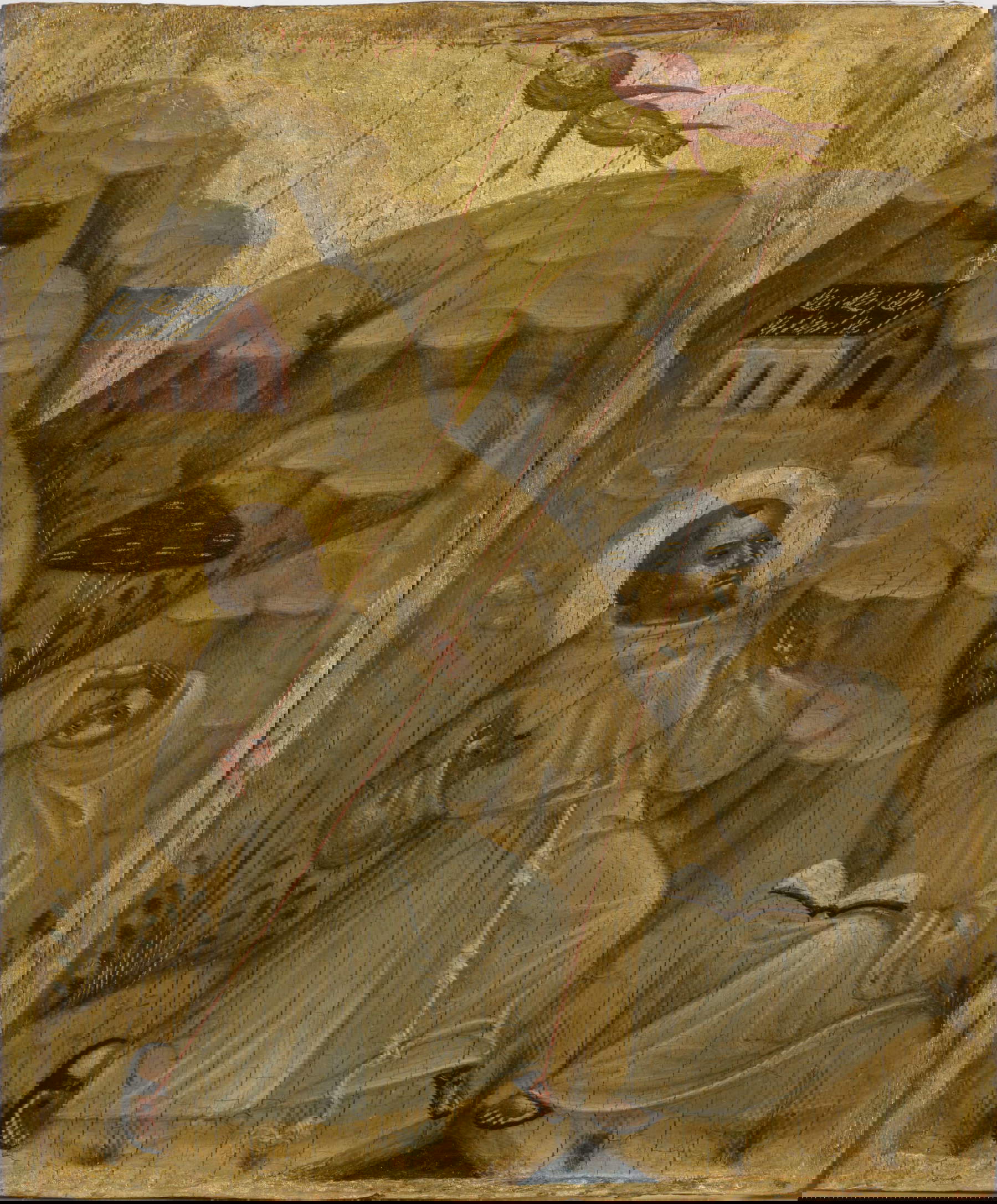
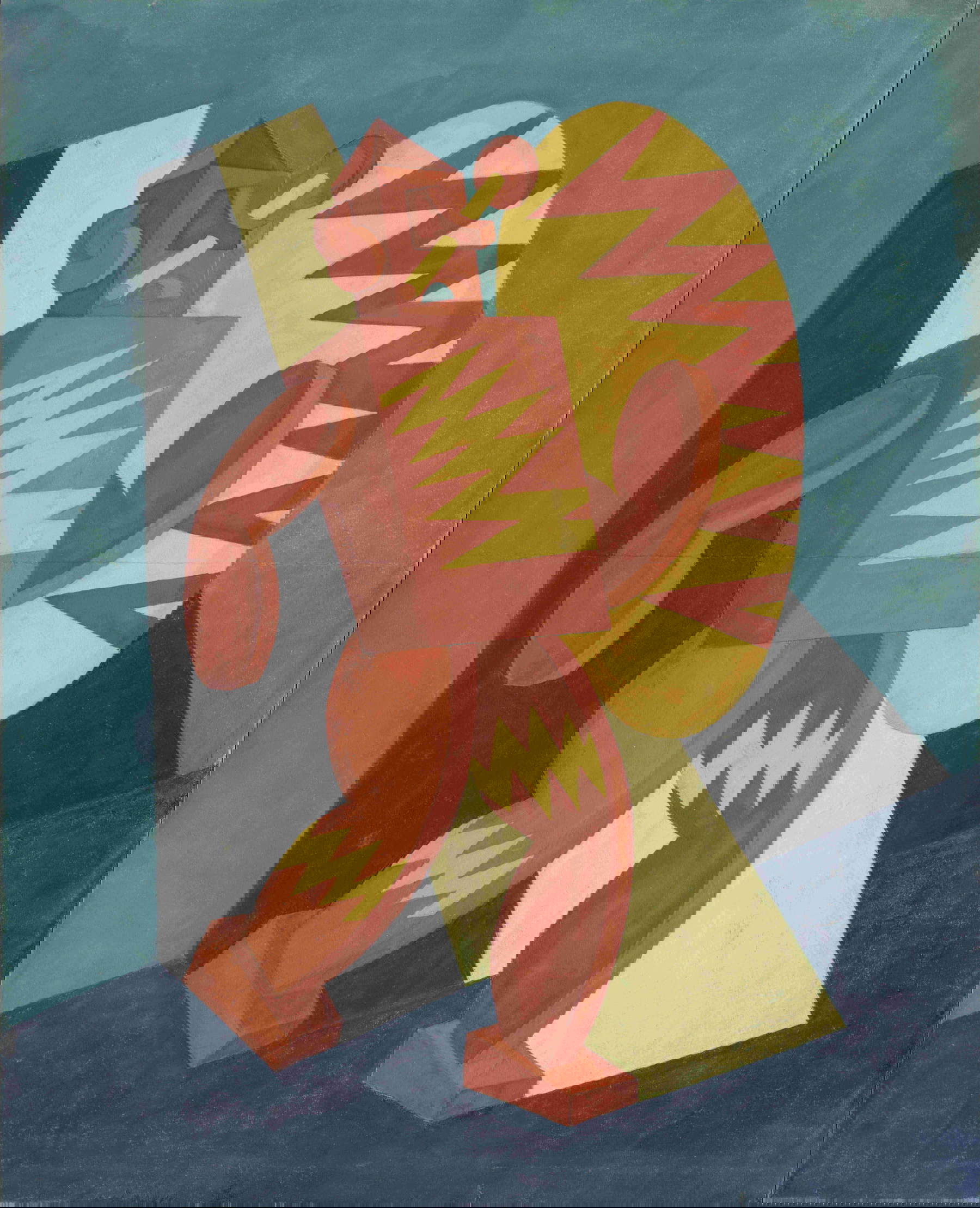
For Matteo Salamon of Salamon Fine Art, TEFAF 2026 looks like aparticularly dynamic edition. “A sizzling edition,” notes the gallerist, “with an offer from exhibitors that seems to exceed past ones and with a public that responds positively.” Works sold or under negotiation include works by: Jacobello del Fiore, Giacomo Cipper, Fortunato Depero.
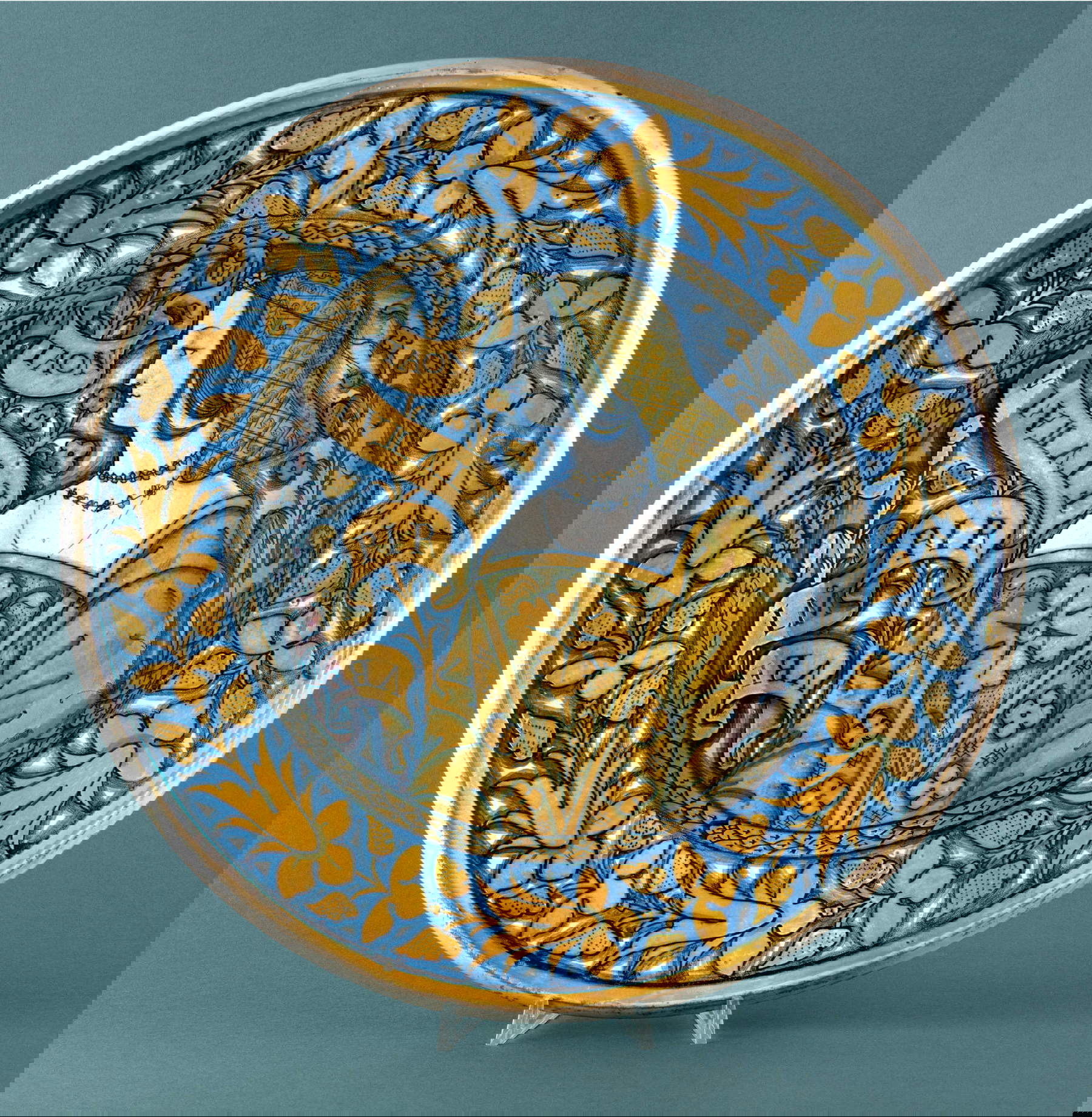
This is also a positive trend for Andrea Ciaroni of Ciaroni Arte, who describes the fair with an effective joke: “From the amount of red stickers, it almost looks like a measles exhibition.” However, the gallerist points out that the main clientele remains American museums, with whom some significant sales were concluded. Works placed include Renaissance majolica and bronzes, with a price range from 100,000 euros to one million. Among the pieces sold was a 16th-century Renaissance dish from Deruta: a “Bella Donna” lustre plate with the motto “Un bel morir tutta la vita onora,” decorated in blue on lustre majolica.


The author of this article: Giacomo Nicolella Maschietti
Giacomo Nicolella Maschietti è giornalista professionista, critico e curatore. Da oltre vent'anni collabora con Class CNBC come esperto di mercato dell'arte. Direttore di Collezione da Tiffany, scrive regolarmente per Cottura Creativa, Private e Patrimoni e ha collaborato con Milano Finanza, GQ, Marie Claire Maison e con le principali testate italiane del settore (Flash Art, Artribune, Artslife). Conduce settimanalmente la rubrica culturale Grand Hotel su UP TV, la moving TV delle metropolitane e degli aeroporti italiani. Si occupa di mercato, collezionismo e sistema dell'arte, con particolare attenzione ai rapporti tra patrimonio culturale, istituzioni e contemporaneità.Warning: the translation into English of the original Italian article was created using automatic tools. We undertake to review all articles, but we do not guarantee the total absence of inaccuracies in the translation due to the program. You can find the original by clicking on the ITA button. If you find any mistake,please contact us.



















 IT
IT FR
FR DE
DE ES
ES CN
CN


