





The controversy over Russia’s presence at the Venice Biennale is enriched by a new chapter. After the political and diplomatic tensions of the last few days, culminating with the request for resignation made by Culture Minister Alessandro Giuli to the board member in the Ministry of Culture quota, Tamara Gregoretti, in favor of the return of the Russian pavilion, the president of the Biennale, Pietrangelo Buttafuoco, intervened by announcing two initiatives dedicated to the theme of dissent.
The news was anticipated by Buttafuoco himself in a letter published by the newspaper Il Foglio, in which the president of the Venetian Foundation chose to make public two cultural projects that, as he writes, would be presented later in the event’s program. The first concerns the commemoration of the 50th anniversary of the “Biennale del Dissenso,” the initiative promoted in 1977 by Carlo Ripa di Meana that marked one of the most significant moments in the cultural history of the Venetian event. The event, organized during the Cold War, represented then a strong political and cultural gesture in favor of freedom of expression against authoritarian regimes. To celebrate that anniversary, the Biennale is working on inviting five contemporary personalities considered undesirable to their respective governments. According to what Buttafuoco anticipated, the figures involved will come from different political backgrounds and represent dissenting situations from the United States, Israel, China, Russia and even the European Union. However, the president of the Biennale did not reveal the names of the invited protagonists. The decision to maintain confidentiality, he explains, is motivated by obvious reasons related to the sensitivity of the political situations in which these personalities operate.
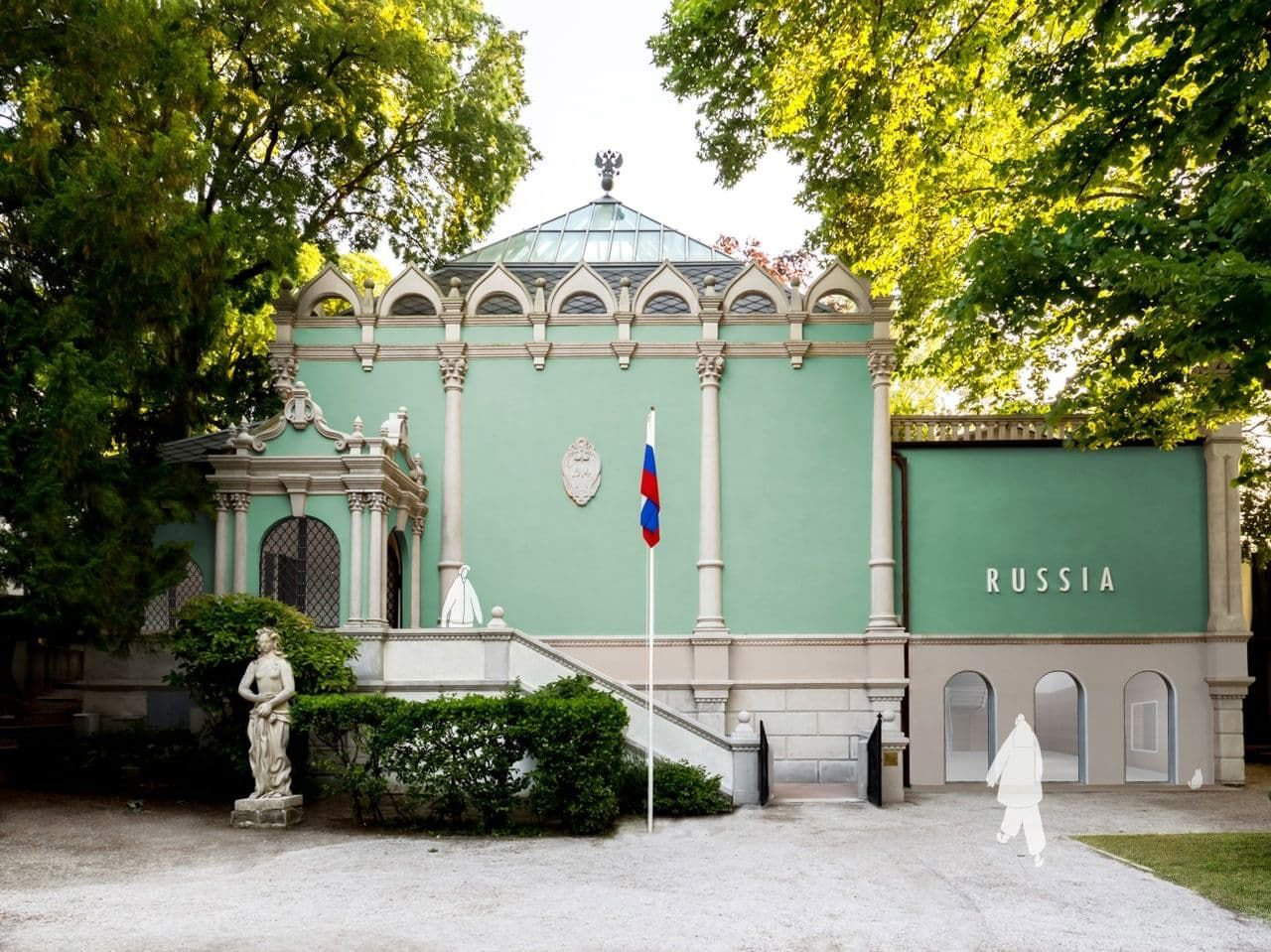
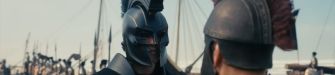
In his speech, Buttafuoco also mentioned how the Biennale has already hosted figures critical of their countries’ political power in recent years. One example cited was that of Russian director Aleksandr Sokurov, known for his oppositional stances toward President Vladimir Putin: Sokurov, who moreover was one of the artists in the 2019 Russia Pavilion, was a guest at the Venice Film Festival last year. Also as part of the Venetian film festival, the president recalled, one of the most politically anticipated films was The Wizard of the Kremlin, a film that attracted particular attention alongside another much-discussed title dedicated to the story of a Palestinian girl child.
Alongside the commemoration of the Biennial of Dissent, Buttafuoco announced a second initiative concerning the thought of Russian philosopher and theologian Pavel Florensky. The project, titled The Pillar and Foundation of Truth, will take shape through five evenings dedicated to the thinker’s figure and work. Florensky is considered one of the most important personalities of 20th-century Russian culture. A philosopher, theologian and scientist, he was persecuted by the Soviet regime and was killed by the KGB in Leningrad in 1937. His figure is often remembered as that of an intellectual who paid with his life for his witness to freedom and faith. In presenting the initiative, Buttafuoco called him a “martyr among the martyrs of Russia,” emphasizing the value of his intellectual and spiritual legacy. The president of the Biennale spoke of Florensky as a beacon of Christian sentiment and as a central figure in the philosophical and scientific reflection of his time. Again, details of the initiative have not yet been released. Buttafuoco explained that he did not want to anticipate the names of the artists and protagonists involved in the meetings, preferring to wait for a time closer to the staging of the project.
The two initiatives come at a particularly sensitive time for the Venice Biennale, which is at the center of a heated political debate over Russia’s participation in the next edition of the cultural event. The discussion has intensified following the EU’s intervention, which contemplates withdrawing funds from the Biennale if Russian participation is confirmed, and Culture Minister Alessandro Giuli’s call for the resignation of the Biennale’s board advisor in favor of Russia’s return among the participating countries. The affair has ignited a confrontation involving not only Italian institutions but also the international context.
|
| Russia at the Biennale, Buttafuoco proposes two initiatives dedicated to dissidents |

Warning: the translation into English of the original Italian article was created using automatic tools. We undertake to review all articles, but we do not guarantee the total absence of inaccuracies in the translation due to the program. You can find the original by clicking on the ITA button. If you find any mistake,please contact us.

















 IT
IT FR
FR DE
DE ES
ES CN
CN


