





Seven pages of a report arrived on the table of Palazzo Chigi at the center of the case involving the Russian pavilion at the Venice Biennale and the management of compliance with the European sanctions regime. The document, as reported by L’Espresso newspaper, prepared as part of the Ministry of Culture’s audits, was reviewed on Monday and anticipated by Corriere della Sera. The line illustrated by the inspectors was that there would be no formal invitation from the Fondazione Venice Biennale to Moscow.
According to the report, the Foundation would verify compliance withinternational sanctions as far as possible, while reiterating that the Russian pavilion would remain closed to the public for the entire duration of the Exposition. The measure is cited as consistent with the European regulatory framework on restrictions and cultural relations in the context of the ongoing conflict.
The minutes also clarify the nature of the events planned within the pavilion. The vernissage, scheduled between May 5 and 8, will be organized as a private event and accessible by invitation only. Thereafter, from May 9 until Nov. 22, the space will not be open to the Biennale public. Visitors will only be able to observe the recording of the performance entitled The Tree is Routed in the Sky from the outside, without access to the interior exhibition spaces.
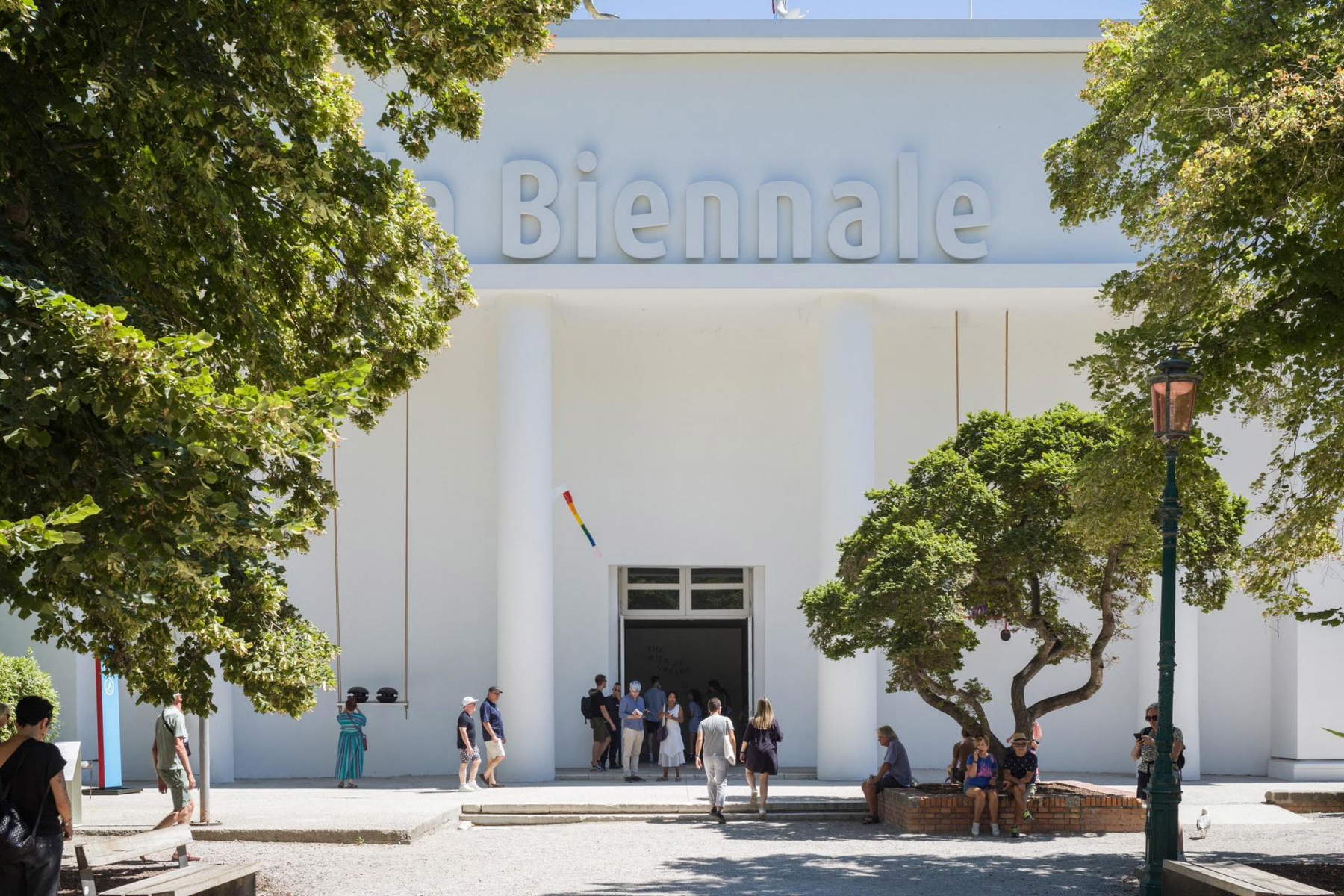
The document also reports the position of the Biennale Foundation that the Russian Federation was not formally invited by the Venetian institution. The presence of the pavilion is traced back to Russia’s autonomous choice to use a space it owns located at the Giardini in the exhibition area of the event. The interpretation was also reiterated in a memorandum sent to Palazzo Chigi and the relevant ministries by the president of the Biennale, Pietrangelo Buttafuoco. The text stressed that if the government had deemed the presence of the pavilion inappropriate, it would have had instruments of preventive intervention through the foreign and interior ministries. This reconstruction is part of the institutional confrontation over the perimeter of responsibilities in the handling of the case.
Within the same file, the chapter related to the event’s jury also emerges. After a formal warning fromIsraeli artist Belu-Simion Fainaru, who raised the prospect of compensation action for alleged discrimination, the Foundation notified the jurors of the possible personal risk of exposure to claims for damages. The decision had a direct impact on the body’s composition, leading to the resignation of the international jury and the subsequent reorganization of the system of awarding prizes through the so-called Visitors’ Lions.
As L’Espresso reports, on the political level, the affair generated an additional level of tension. Culture Minister Alessandro Giuli described the overall management as a mess attributed to Buttafuoco, further claiming that the president of the Biennale would be self-commissioned. In the same position, however, it was ruled out that a formal commissioning of the institution was ever actually considered. Meanwhile, the Biennale’s programming is proceeding. The invitation-only opening of the Russian pavilion is scheduled for May 6 at 5 p.m., with the participation of some 30 artists not exclusively from Russia, but also from Argentina, Brazil, Mali and Mexico.
As the paper reports, also on May 6 a mobilization promoted by activists and dissidents is planned under the title From the Margins of Empire to the Open Lagoon. At the same time, a letter signed by Russian artists, lecturers and opponents asked the Biennale chair to give space to the voices of so-called true dissidents, recalling how 31 Russian artists are currently detained for anti-war positions.
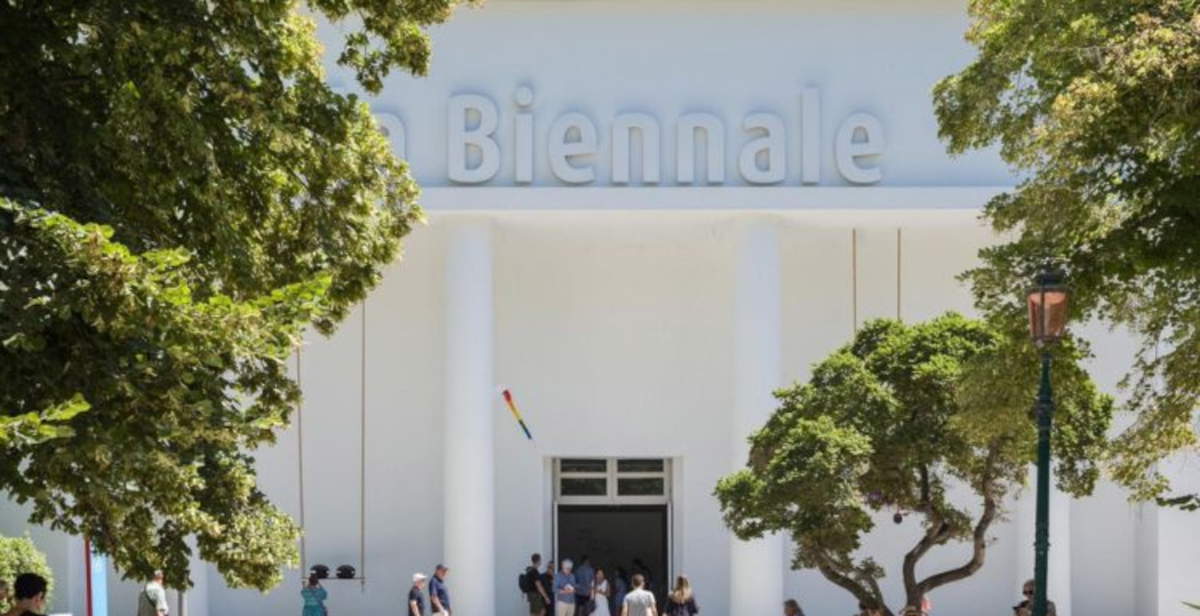 |
| The Russian Pavilion at the Biennale will remain closed after the opening. Moscow had not been invited |


The author of this article: Noemi Capoccia
Originaria di Lecce, classe 1995, ha conseguito la laurea presso l'Accademia di Belle Arti di Carrara nel 2021. Le sue passioni sono l'arte antica e l'archeologia. Dal 2024 lavora in Finestre sull'Arte.Warning: the translation into English of the original Italian article was created using automatic tools. We undertake to review all articles, but we do not guarantee the total absence of inaccuracies in the translation due to the program. You can find the original by clicking on the ITA button. If you find any mistake,please contact us.



















 IT
IT FR
FR DE
DE ES
ES CN
CN


