




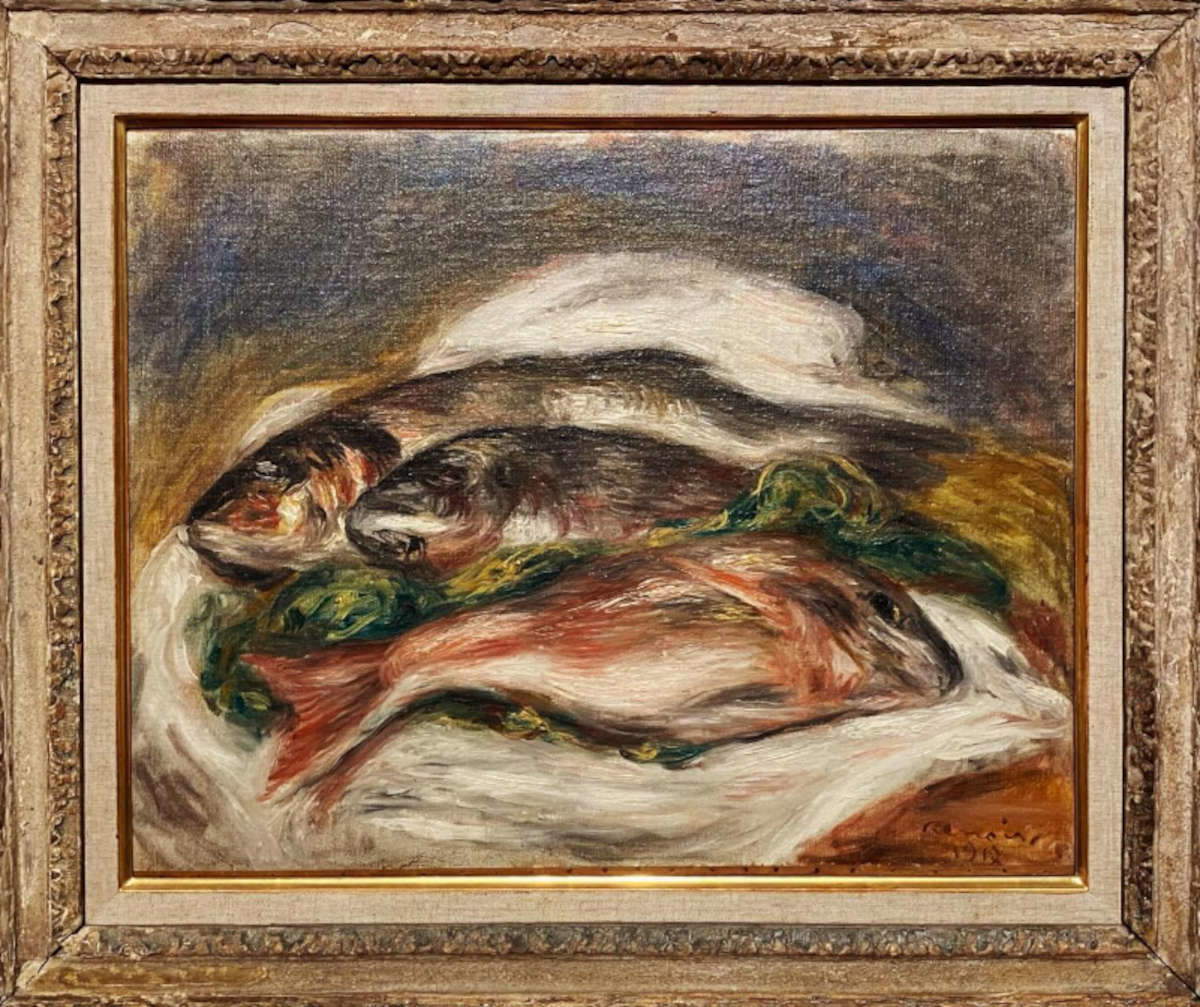
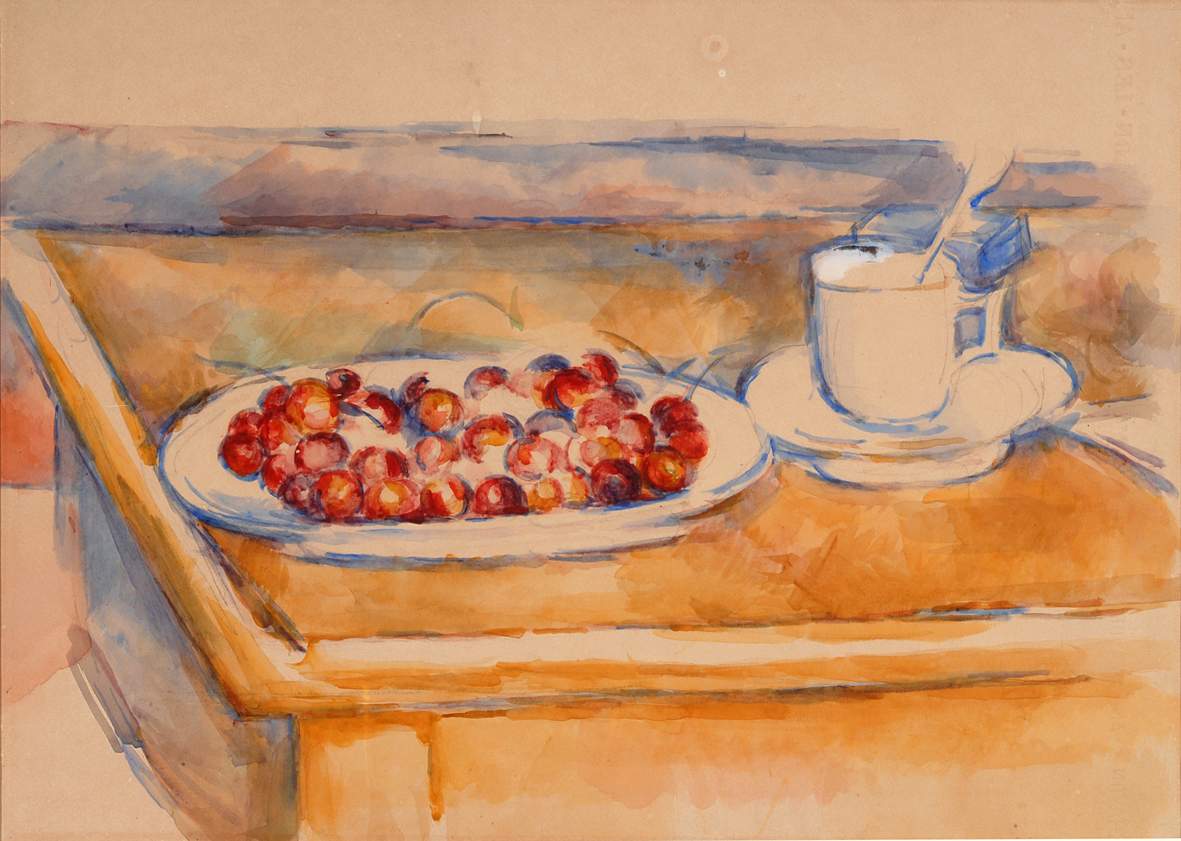
After the theft from the Magnani-Rocca Foundation in Mamiamo di Traversetolo, an affair that has hit Italian cultural heritage hard, the Foundation itself is launching a collective appeal to react through participation and sharing of beauty. After the theft of the three works (one by Pierre-Auguste Renoir, one by Paul Cézanne and one by Henri Matisse) from the permanent collection of the Magnani-Rocca Foundation, the institution itself chose to intervene publicly with an open letter addressed to the public, the media, institutions and the productive world.
The theft occurred on the night of March 22-23, 2026 inside the Villa dei Capolavori in Mamiano di Traversetolo, in the province of Parma. Thieves took away three paintings from the Hall of the French Masters. Three works symbolically described by the Foundation as “windows on the world,” an integral part of founder Luigi Magnani’s cultural vision.
The investigation is currently being conducted by the Carabinieri Unit for the Protection of Cultural Heritage, to whom the Foundation expressed explicit thanks for their promptness and commitment. A swift intervention that, according to what was stressed, prevented even more serious consequences, thanks in part to the coordinated action with the internal guards and the security service.
However, the Foundation’s reaction is not limited to the judicial dimension. The circulated text represents a sharp stance on the meaning of art and its public function. Central to the reflection is the idea that beauty cannot be materially taken away, because it does not coincide with the physical object, but with the experience it generates. “Beauty is not the canvas,” the letter reads, “but the astonishment that that canvas provokes in those who look at it.” Below is the full text:
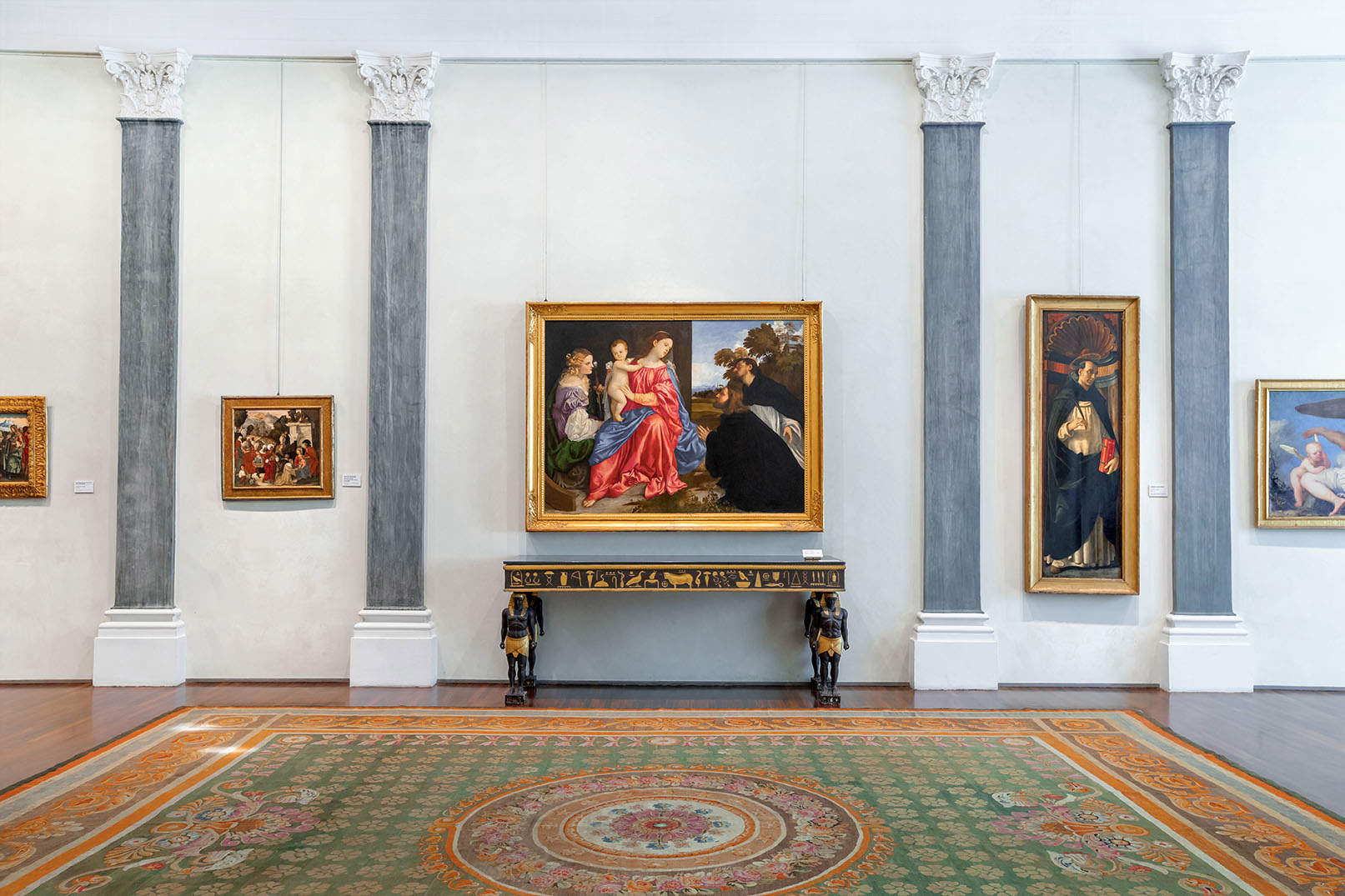
"The Magnani-Rocca Foundation was born from an act of love. Luigi Magnani (musicologist, essayist, and one of the finest intellectuals of the Italian twentieth century) transformed his home into a gift for all: a house-museum where Titian dialogues with Goya, Morandi lives next door to Dürer, and the Romantic Park still holds the white peacocks that were the symbol of his worldview.
Among these rooms still resound the very fine conversations Magnani had with his illustrious guests such as Morandi, Montale, Guttuso, and Ungaretti. A unicum that has no equivalent in Italy, appreciated and studied internationally. Nestled in the Parma countryside, the Villa dei Capolavori is truly an oasis of beauty.
On the night of March 22-23, someone broke into the Villa and took three works from the Hall of the French Masters. One Renoir. A Cézanne. A Matisse. Three windows to the world that Magnani had opened for all of us. Without the promptness of our guards, Carabinieri and Metronotte - to whom we owe our most sincere gratitude for their courage and promptness - the consequences would have been even more serious. The investigation is ongoing.
It is an act that hurts. And one that deserves a response. Those who acted that night thought they were stealing beauty. But beauty is not carried away under one’s arm. Beauty is not the canvas. It is the amazement that that canvas causes in those who look at it. It is the silent transformation that takes place in those who stop in front of a masterpiece and for a moment forget everything else. This does not rip off a wall.
Art has always had this ability: to pull the virtuous out of a hideous thing. To respond to violence with creation, to subtraction with gift.
When you choose to open your beauty to the world, you become vulnerable. That is the price of generosity. But suffering violence is not a reason to stop opening up; if anything, it is a reason to do so even more.
Luigi Magnani could have kept everything to himself. Instead, he chose to share. That choice made this place what it is: a legacy for all. Today we pick up that same legacy and make the same choice. They want to close the art in a drawer. We want to show it to everyone. The best way to respond to those who steal beauty is to come and see it again: tell about it, share it.
The Magnani-Rocca Foundation is open. The exhibition Symbolism in Italy (more than 150 works, among the most important exhibitions in recent years) is going on, continuing until June 28. The permanent collection awaits you, wounded but still wonderful.
Come, Bring someone with you. Let’s not give it away.
In these hours, thousands of people from all over the world who love art, beautiful things and culture are asking how they can help us and make us feel their closeness.
The answer is simple: do what Luigi Magnani wanted. Come and share the beauty. It is the most concrete, most powerful and most necessary gesture there is.
Preserving beauty and keeping it open to the world has always been a collective act.
Those who govern this foundation do so completely free of charge, out of service to the community. A foundation that welcomes thousands of children each year with free educational programs, trains teachers, reaches more than 10 million people with its communications, and has seen the highest audience numbers in its history in recent years.
That community already exists, and today we invite it to become even larger.
We ask institutions and companies that share these values to become closer. Not as a response to theft, as a field choice. Help us to keep this home open, to make it known, to bring it to life. We are building Friends of the Magnani-Rocca Foundation program: a space for those who choose to stand on the side of beauty, structurally and permanently. For those who want to know more, We are sposizione.
To journalists and media from around the world who have contacted us in recent days, we ask something simple: come. Not to report on the theft, but to find out what exists, a story bigger, older and more beautiful than any crime.
The damage done that night is a damage to the cultural heritage of all Italians.
Beauty cannot be allowed to be trampled upon. Come and defend it.
Magnani-Rocca Foundation."
|
| Theft at Magnani-Rocca, appeal to the public: "Come defend beauty" |

Warning: the translation into English of the original Italian article was created using automatic tools. We undertake to review all articles, but we do not guarantee the total absence of inaccuracies in the translation due to the program. You can find the original by clicking on the ITA button. If you find any mistake,please contact us.













 IT
IT FR
FR DE
DE ES
ES CN
CN