





In India’s northeastern state of Meghalaya, the village of Mawlynnong has introduced an unusual measure for a popular tourist resort: since January, visitors have been barred from entering on Sundays. The decision, as reported by The Print newspaper, affects one of India’s best-known ecotourism destinations, often cited as “the cleanest village in Asia,” and marks a deliberate choice by the local community to limit tourist influx at least one day a week.
The new rule went into effect in early 2026 and requires visitors to be denied entry during the day on Sunday. The notice appears on a small sign at the village entrance that reads “No visitors allowed on Sunday” (“No visitors allowed on Sunday”). There are no physical barriers, but residents manning the ticket booth invite tourists to return on another day. The measure, as The Print reports, was communicated through social media, as well as through cab drivers and tour operators who take visitors to the area.
The move also has consequences for those planning a visit. Shailendra Singh, an Indian Air Force medic recently transferred to Shillong, had to take two days off work to visit Mawlynnong with his family. The village is about ninety kilometers from the city, and Sunday, the day she would have preferred for the excursion, is no longer accessible to tourists.
The decision stems from a years-long discussion within the community. Mawlynnong is located in the East Khasi Hills district and has just over 100 families. Despite its small size, it has over time become one of the most well-known sustainable tourism destinations in India. The notoriety dates back to 2003, when Discover India magazine named it the cleanest village in Asia. Since then, numerous international media, including BBC and Condé Nast, have covered the story of the resort, also referred to as “God’s Own Garden” (“God’s Garden”). Several travel blogs and travel guides have also listed it among the country’s top ecotourism destinations. Mawlynnong’s reputation is linked to a model of collective management of the cleanliness of public spaces. Each household contributes to the upkeep of the roads and interior pathways, where bamboo baskets are placed for waste collection. The use of single-use plastic and plastic bags is prohibited, and waste is separated before disposal. Anyone caught littering may receive an immediate fine imposed by the village committee.
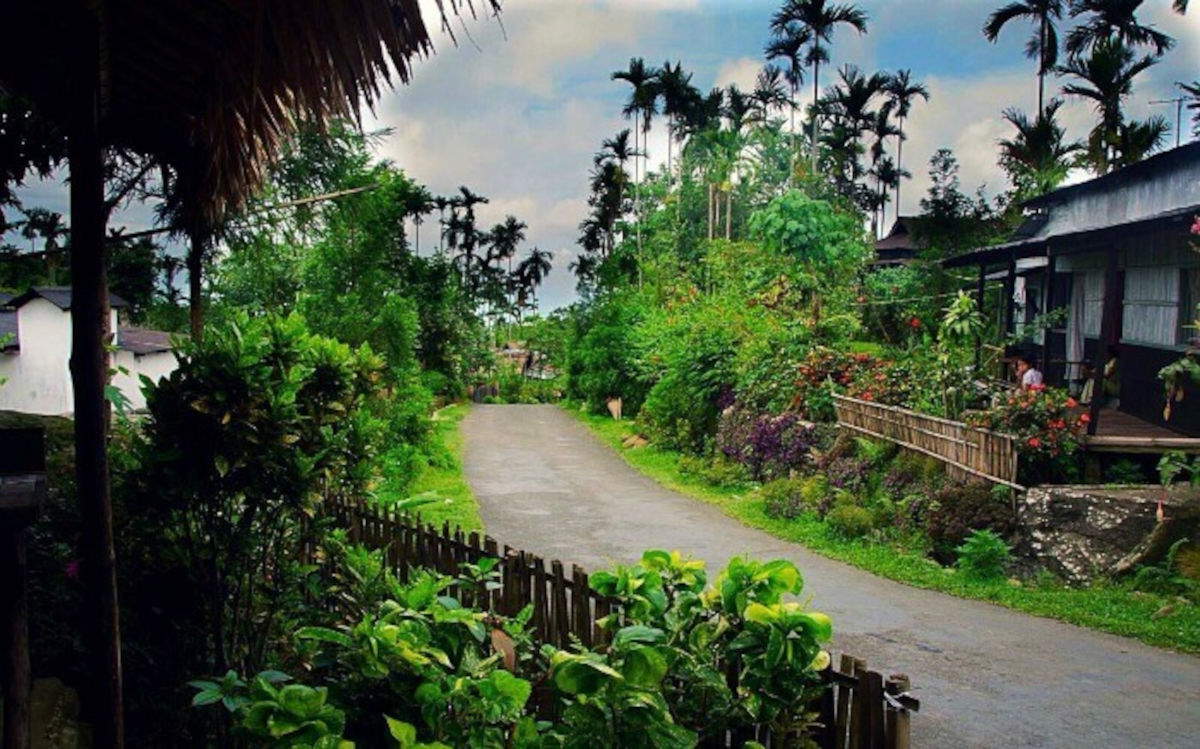
The focus on cleanliness has historical roots that residents trace back to the late 1800s, when Christian missionaries arrived in the Khasi Hills. According to local tradition, at that time the village was struck by serious diseases, including the plague. The missionaries, in addition to spreading Christianity, promoted hygiene norms such as washing clothes, boiling drinking water and keeping living spaces clean. Over time, these practices became an integral part of daily community life. The cleaning of domestic spaces and streets has taken on symbolic and religious value, so much so that many villagers describe the village order as a form of collective discipline.
In recent years, however, the growing popularity of tourism has created tensions. Mawlynnong receives an average of about three hundred visitors a day, a number that can reach five hundred during the peak season between October and April. The influx also increased after the Covid-19 pandemic, with tourists coming not only from neighboring states such as Assam and West Bengal but also from large Indian cities such as Delhi, Mumbai, and Bengaluru. The increase in visitors has made it more difficult to maintain the standards of cleanliness that characterize the village. In the past, road maintenance and garbage collection were handled informally by the villagers themselves. With the increase in tourism, the local government has had to hire some residents to take care of cleaning public spaces and garbage collection.
Along with the practical difficulties, problems have also emerged related to the behavior of some tourists. Residents report incidents of visitors arriving in groups on weekends with loud music or environmentally unfriendly attitudes. In a recent case that went viral on social media, a Finnish man married to a Khasi woman scolded some Indian tourists who had thrown plastic bottles on the ground. The video generated over one thousand eight hundred comments on Instagram, many of which criticized the visitors’ lack of civic sense.
The Print also adds that the issue was discussed at length at weekly village council meetings. During the dorbar, the community’s annual meeting, a proposal was finally made to ban tourists from entering on Sundays. Before making the decision, the committee consulted families and owners of accommodations in the village. According to Bah Precious, financial secretary of the local committee, many residents, in fact, already previously closed their businesses on Sundays.
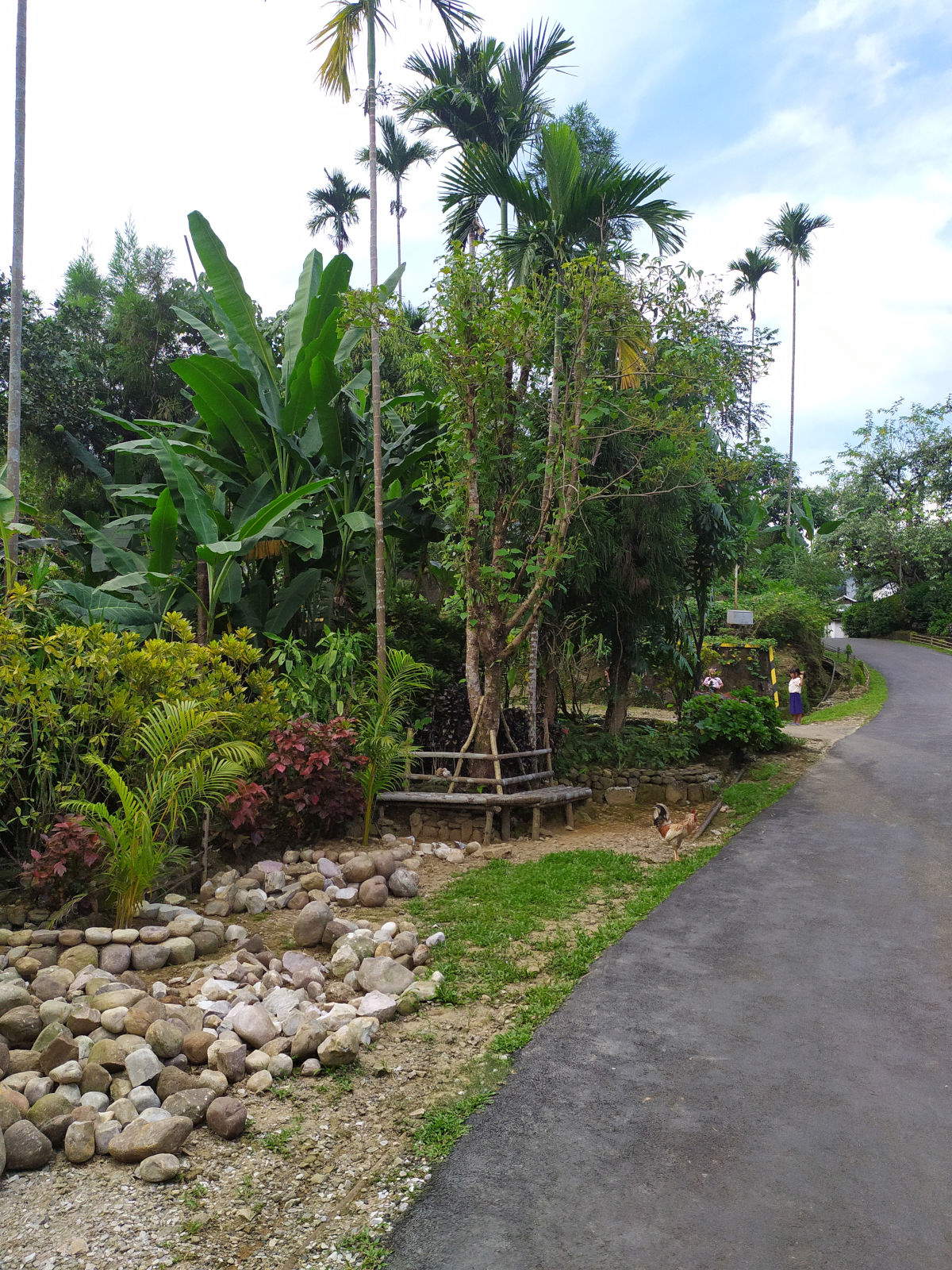
Official reasons circulated on social media point to three main reasons: the need to ensure religious services were held, the desire to reserve Sunday for community life, and the inconvenience to visitors who found many activities closed on that day anyway. The choice seems counterintuitive from an economic point of view. Tourism is now a major source of income for the village. Traditional activities, such as growing betel nuts and grass for broom production, have gradually been joined by visitor-related services. There are seven homestays (lodgings) run by local families in the village, while there are nearly a hundred registered on online booking platforms in the surrounding area.
Visitors also pay a parking fee, amounting to about two hundred rupees per vehicle (about 1.87 euros), and frequent small restaurants and souvenir stalls. Accommodation facilities charge rates ranging from one thousand to five thousand rupees per night (about 46.70 euros), depending on the size of the rooms and services offered. With the increase in tourists, new outlets have also appeared along the main road, and many homes display signs indicating available rooms or small kiosks for tea and snacks.
Despite this, the community has decided to forgo Sunday takings. According to some residents, the measure could help maintain the village’s tourist appeal over time by establishing clearer rules for visitors and preserving the balance of local life. Among the village’s activities is the small café run by 24-year-old Barisukh Khongjee, which serves simple dishes to passing tourists. Even before the new rule was introduced, the café remained closed on Sundays. Under the new measure, the closure has become general for all businesses. Mawlynnong is not the only village in the area to have adopted similar restrictions. In some nearby localities, such as Nongjrong, the viewpoint from which sunrise is observed remains closed on Sundays. The Sky View Bangladesh viewpoint and stores and markets in Riwai also suspend activities during the worship day.
The area in which Mawlynnong is located includes other places of tourist interest. About a kilometer away is the village of Riwai, known for one of the living bridges made by weaving tree roots, while the town of Dawki is famous for the Umngot River with particularly clear waters. However, the reputation of Asia’s cleanest village has not extended equally to surrounding communities. Indeed, outside the boundaries of Mawlynnong, waste management is less organized, and plastic bottles and snack wrappers left by visitors accumulate along access roads. Some residents of nearby villages report that tourist vehicles often stop along the road before entering Mawlynnong, leaving waste in the surrounding areas.
 |
| India's cleanest village closes to tourists on Sunday: Mawlynnong opts for a break |

Warning: the translation into English of the original Italian article was created using automatic tools. We undertake to review all articles, but we do not guarantee the total absence of inaccuracies in the translation due to the program. You can find the original by clicking on the ITA button. If you find any mistake,please contact us.





























 IT
IT FR
FR DE
DE ES
ES CN
CN


