




A singular portraitist: this could be the definition of photographer Lia Pasqualino (Palermo, 1970), whose work is imbued with a deep sense of humanity and silence. Granddaughter of the painter Lia Pasqualino Noto (Palermo, 1909 - 1998), she trained in her native Palermo, a fertile land that saw the birth and growth of such masters as Ferdinando Scianna and Letizia Battaglia, whose pupil she was, initially approaching reportage as well. However, over time, and beginning photography at a very young age, Pasqualino has built up a varied gallery of faces, from famous personalities from the world of culture (including Jeanne Moreau, Michel Piccoli, Emmanuel Carrère, Leonardo Sciascia and Mimmo Paladino) to anonymous figures, such as children from the working-class neighborhoods of Palermo or “couples” immortalized behind glass.
The distinctive feature of her work lies in her ability to transform the portrait into the capture of a special moment, which she calls “the time of waiting.” An instant, in short, that becomes infinite, like the title of the exhibition(L’instant infini. Lia Pasqualino. Portraits) that the Italian Cultural Institute in Paris has dedicated to her from Nov. 12, 2025 to Jan. 30, 2026, curated by Antonio Caldbi. Pasqualino is not interested in portraits that aim to become the canonical and definitive image of the subject, such as those created by historical photographers such as Irving Penn or Richard Avedon, who also remain etched in the collective memory despite not claiming absolute truth. Pasqualino’s ambition is different: while she is undoubtedly a portraitist, the paradox of her work, as Ferdinando Scianna has noted, is that her portrayed subjects rarely seem to be fully aware of her presence.
Scianna noted that her portraits are deeply “steeped in silence” and acknowledged the fact that although the subjects rarely show that they are aware of the photographer’s presence, the shots turn out to be unmistakably portraits, capable of expressing the essence of the person. This is because, according to Scianna, Lia Pasqualino is a person who is “very silent,” but whose presence is ineradicable, and the subjects portrayed are aware of it. Portraiture, then, is configured as the ability to recognize and fix a moment of suspension in the flow of existence, a moment of silence that, thanks to the mystery of photography, can come to reveal the essence of the person.
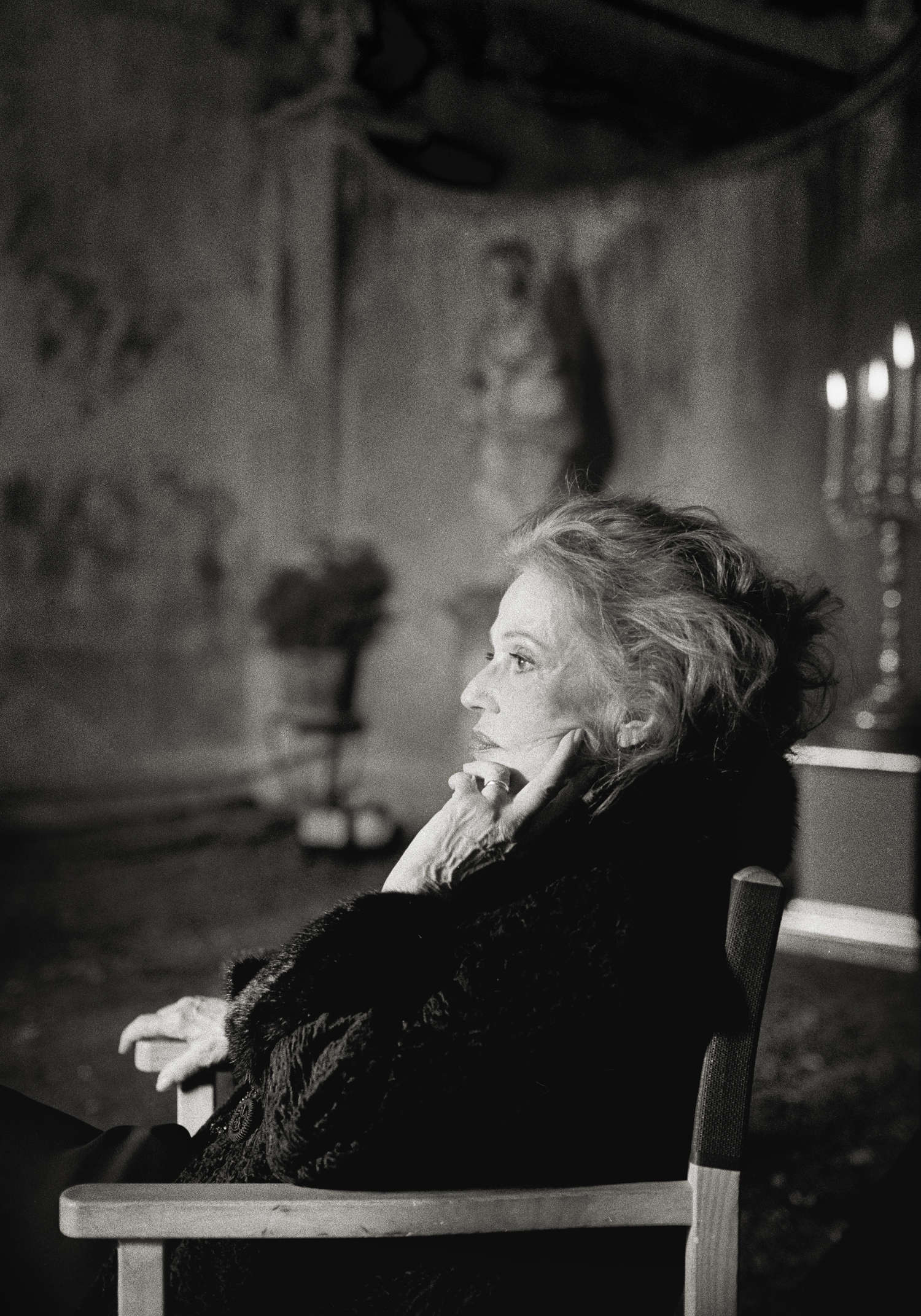
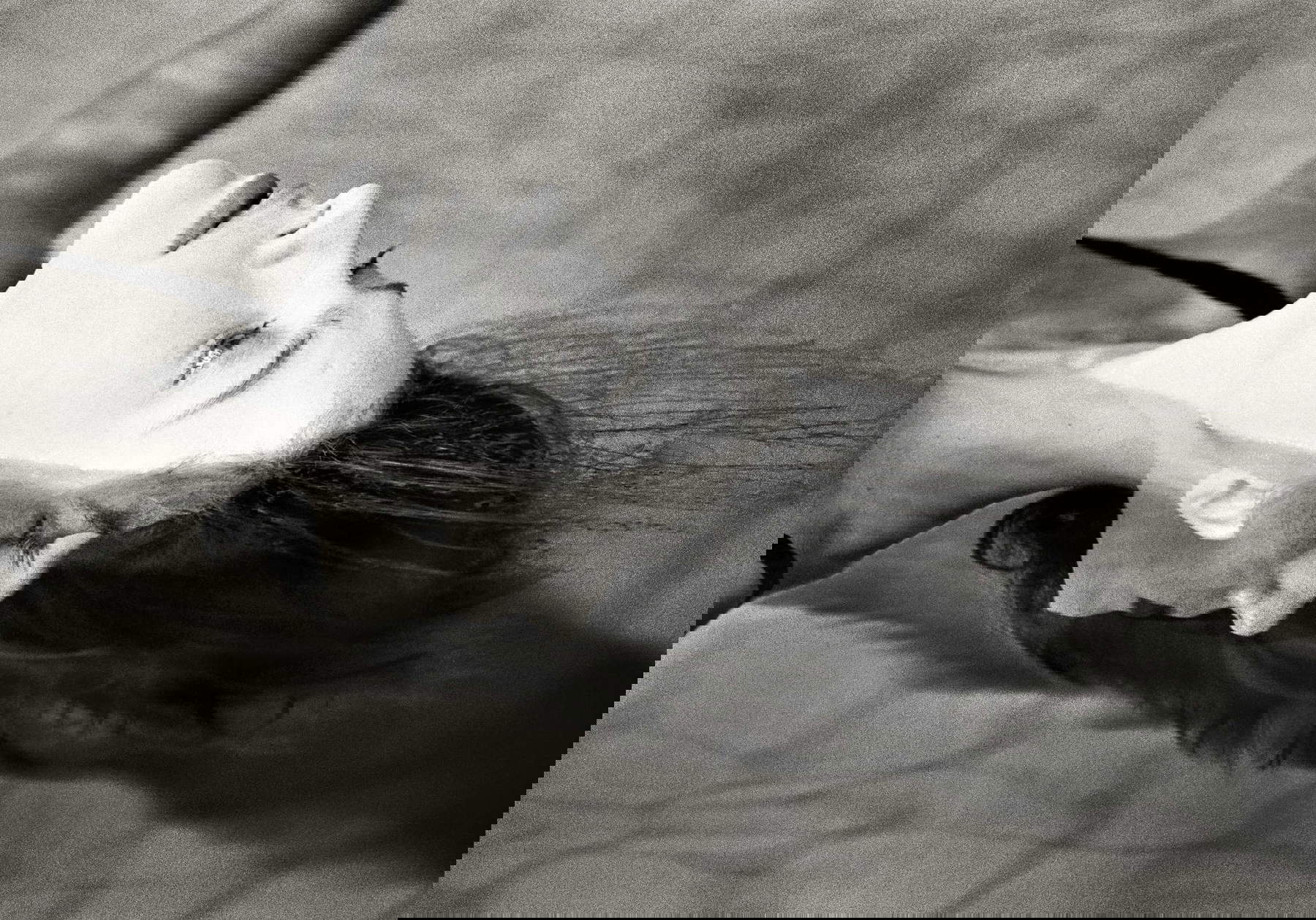
Lia Pasqualino, thanks to her non-intrusive stance, implicitly invites her subjects to behave as if she were not there. This operative strategy allows her to avoid the premeditation of the pose, leaving room for shots that appear improvised and instinctive, unfolding in silence and recollection. The photographer, moved by a deep “idea of humanity,” establishes a relationship of complicity and empathy with the subject, almost of friendship or fellowship. Her goal is to return a portrait that is not only truthful, but as true to the person as possible, capturing his or her own identity and light. Many of his works emanate calmness and reveal that sweetness that resides in every individual, even when this is obscured by the public dimension that turns people into characters. Antonio Calbi sums up the ambition of her work as an attempt to capture “the glitter of the soul through the malice of the gaze.”
Her gaze as a woman photographer is capable of acting in expectation, according to an approach opposed to the male eye, which is often “rapacious” and imposing according to Calbi. Women, in her view, would instead be accustomed to the fullness of waiting, and this is reflected in Pasqualino’s ability to maintain the time of her portraits as a suspended time, a non-time, yet precise.
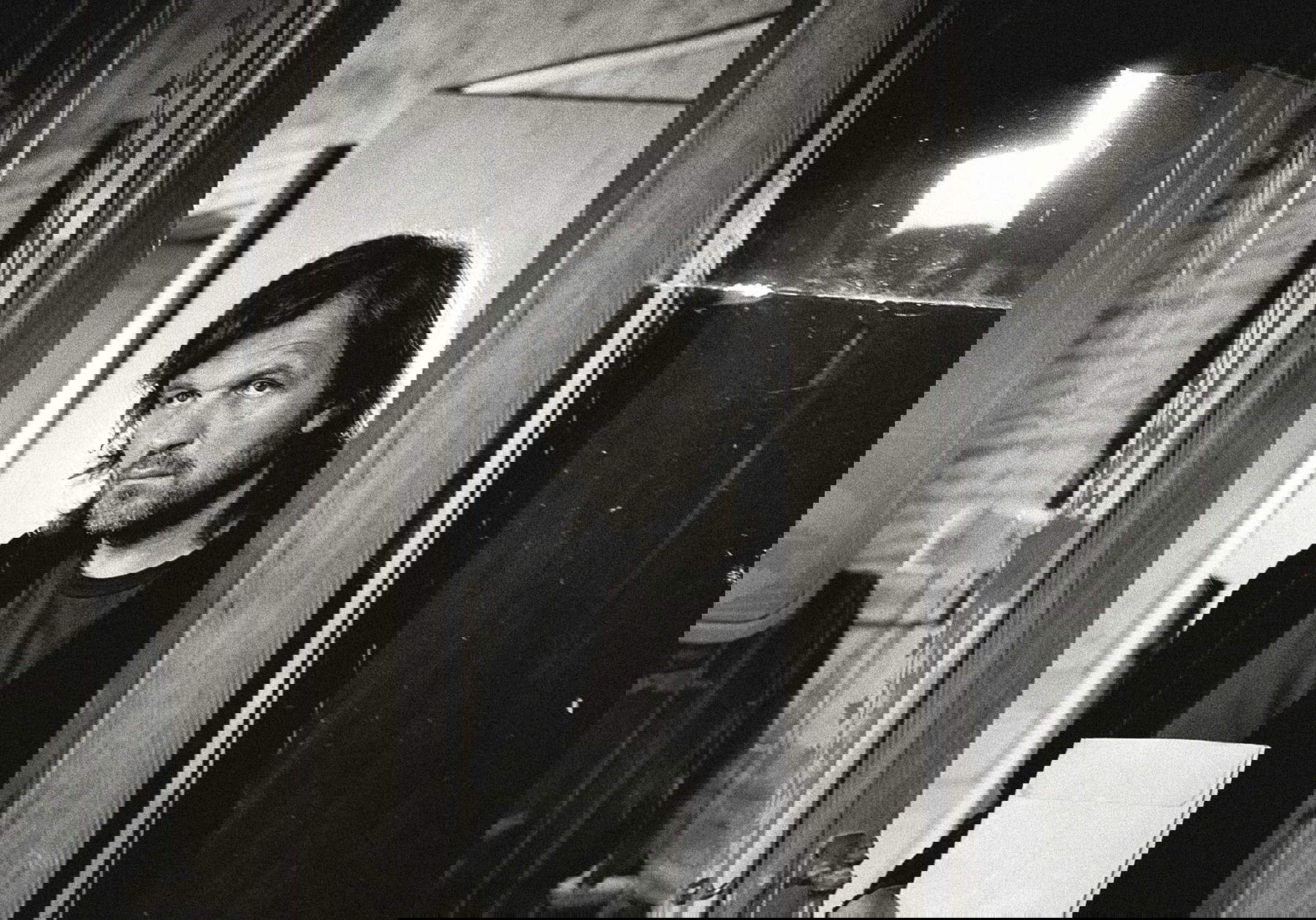
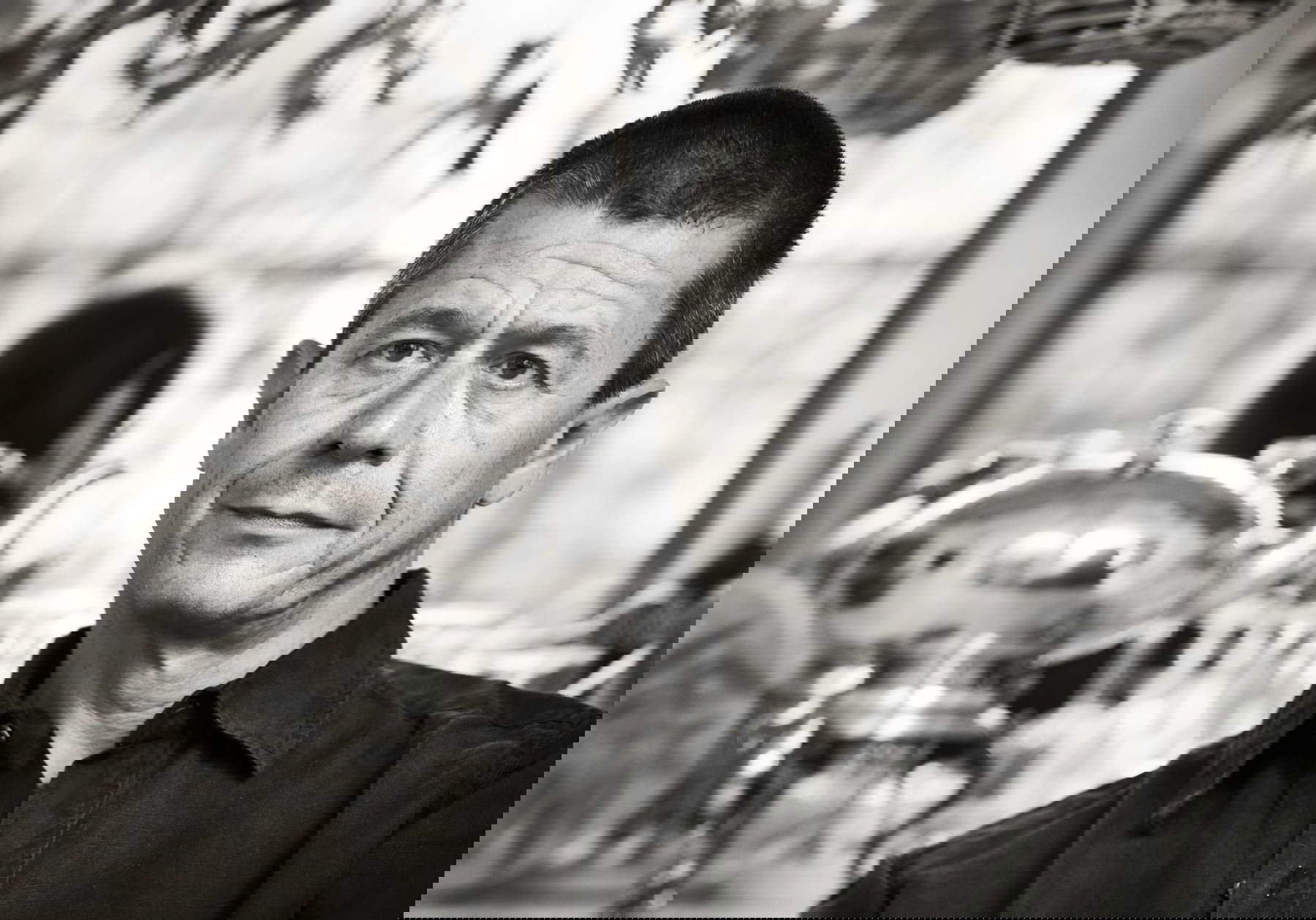
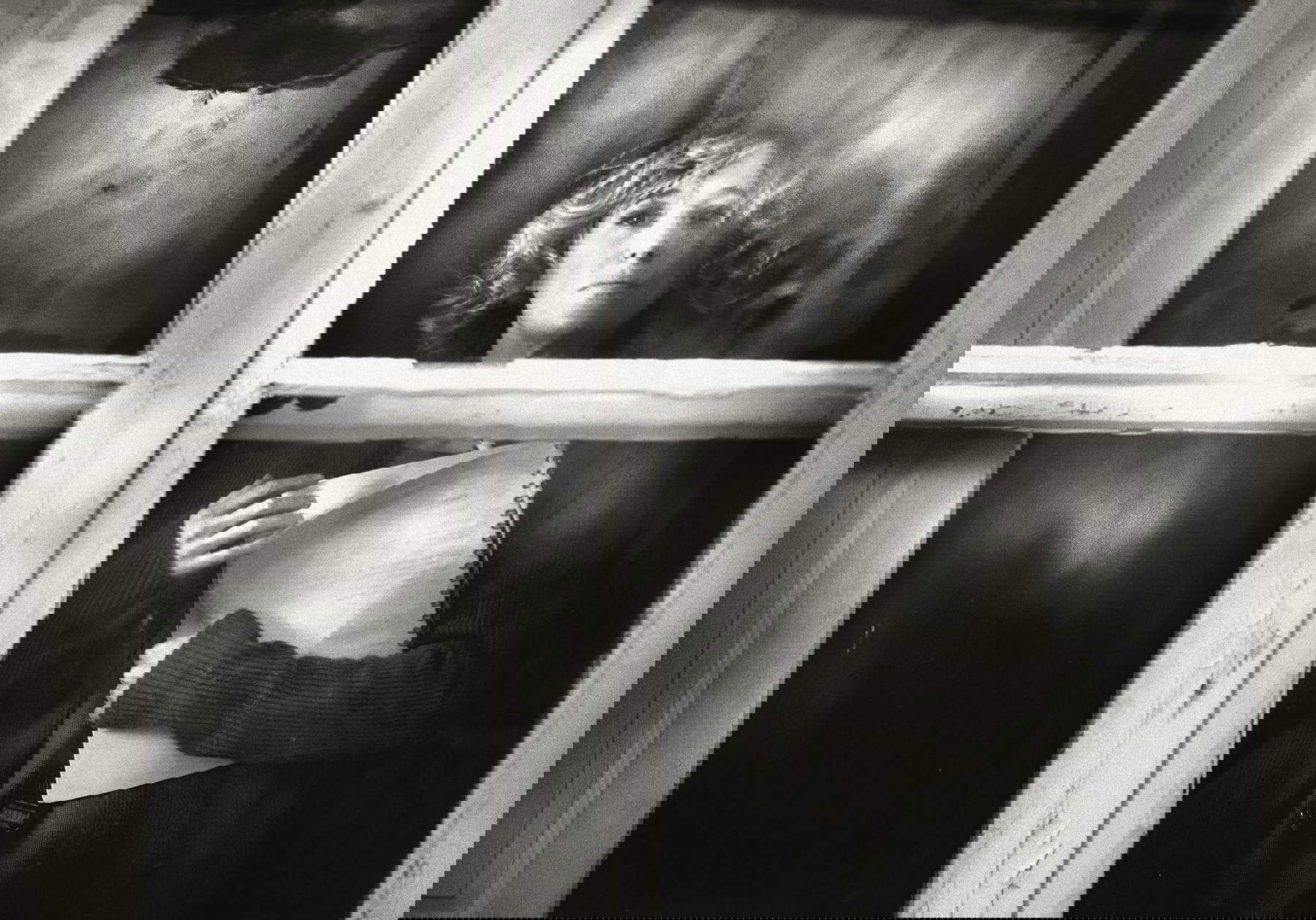
Lia Pasqualino, who has frequented both theatrical and film sets (being married to director Roberto Andò), has built a vast gallery of portraits of great finesse and varied expressiveness. Famous faces, such as Jeanne Moreau, Michel Piccoli, Emmanuel Carrère, Mimmo Paladino, Leonardo Sciascia, Eugenio Scalfari and Dacia Maraini, alternate with anonymous figures, such as the “children of Palermo” or the “couples behind a glass.” The photographer has thus been able to decline the portrait genre in different experiments. One of her innovations is the introduction of the triptych format, that is, three sequential shots of the same person, born during the filming of Habemus Papam with Nanni Moretti. This format stems from the difficulty of settling for a single image and the need to dilate time, offering the viewer a more complete and three-dimensional view of the subject and his psychological profile.
Another relevant cycle is Just as if nothing had happened (2009), in which people are portrayed through the surface of a glass. In these images, the glass acts as a filter, establishing, Roberto Andò wrote, a “special and unrepeatable bond between the person, the emotion, the memory and the silence coagulated in the time of the shot.” The subject, observed through this barrier, seems to appear and disappear as if unbound by time, almost detached from reality. Roberto Andò pointed out how in this series Pasqualino acts almost like a co-director, appropriating subjects identified in the flow of a performance to construct hallucinated instants that go beyond stage time.
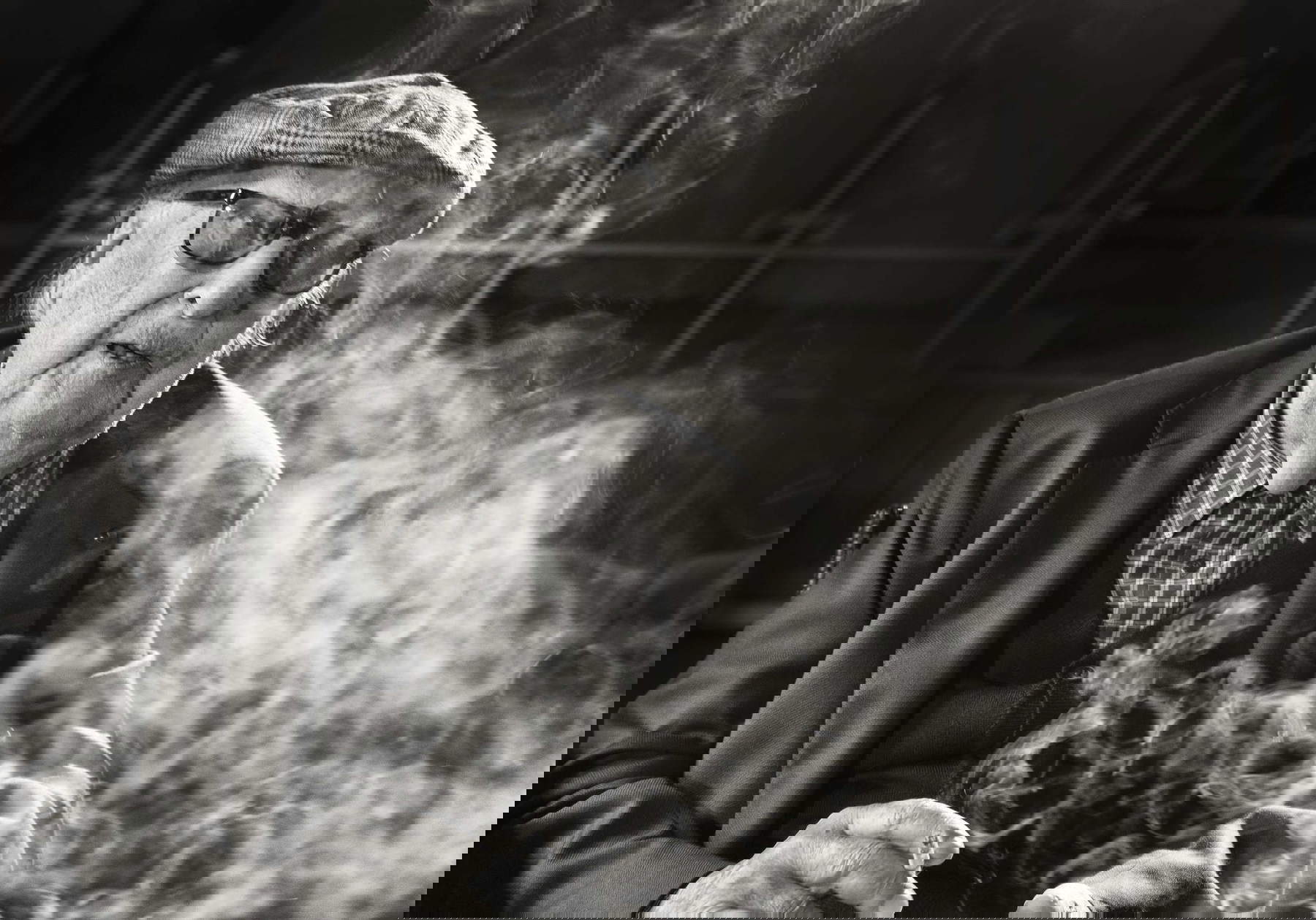
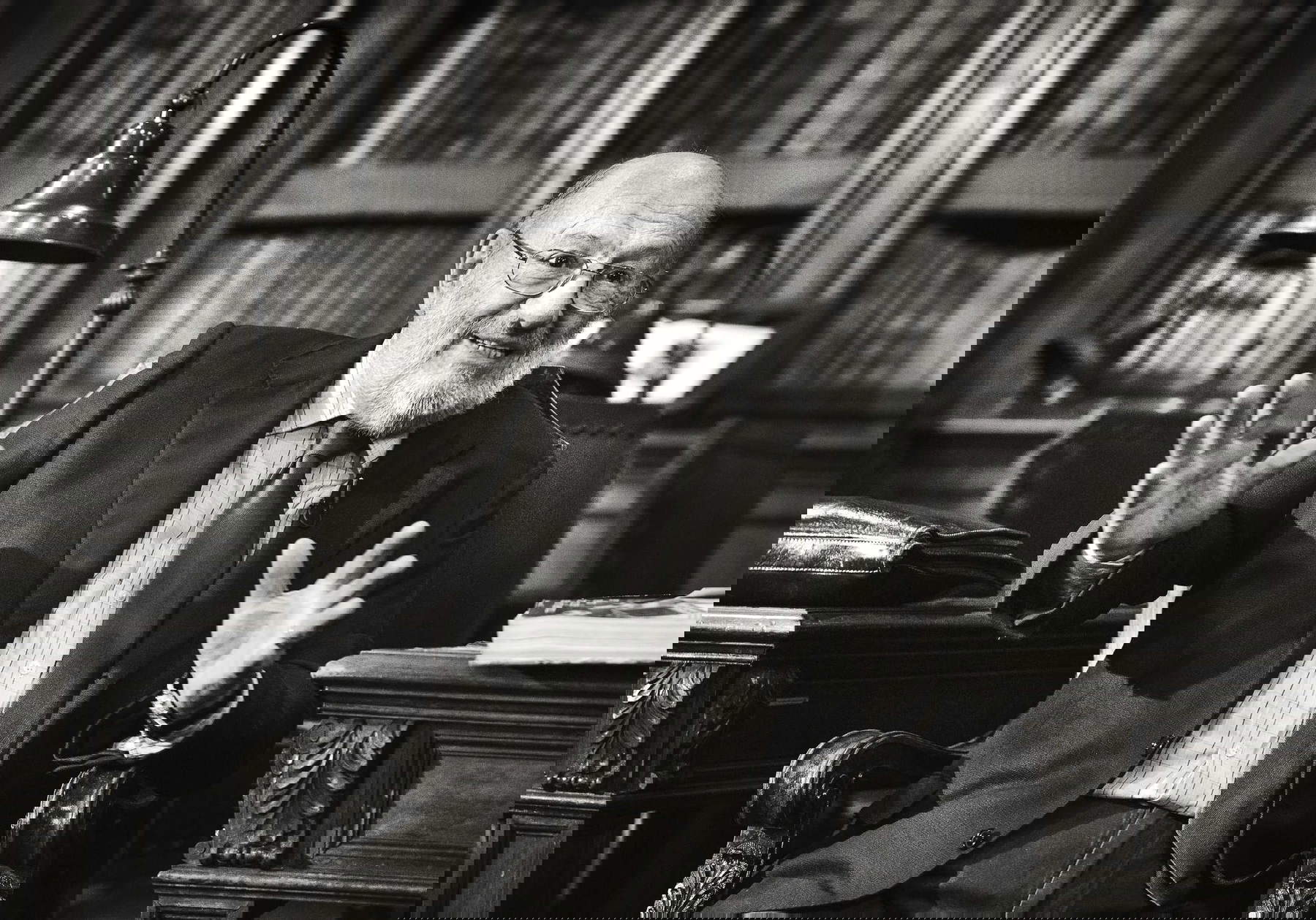
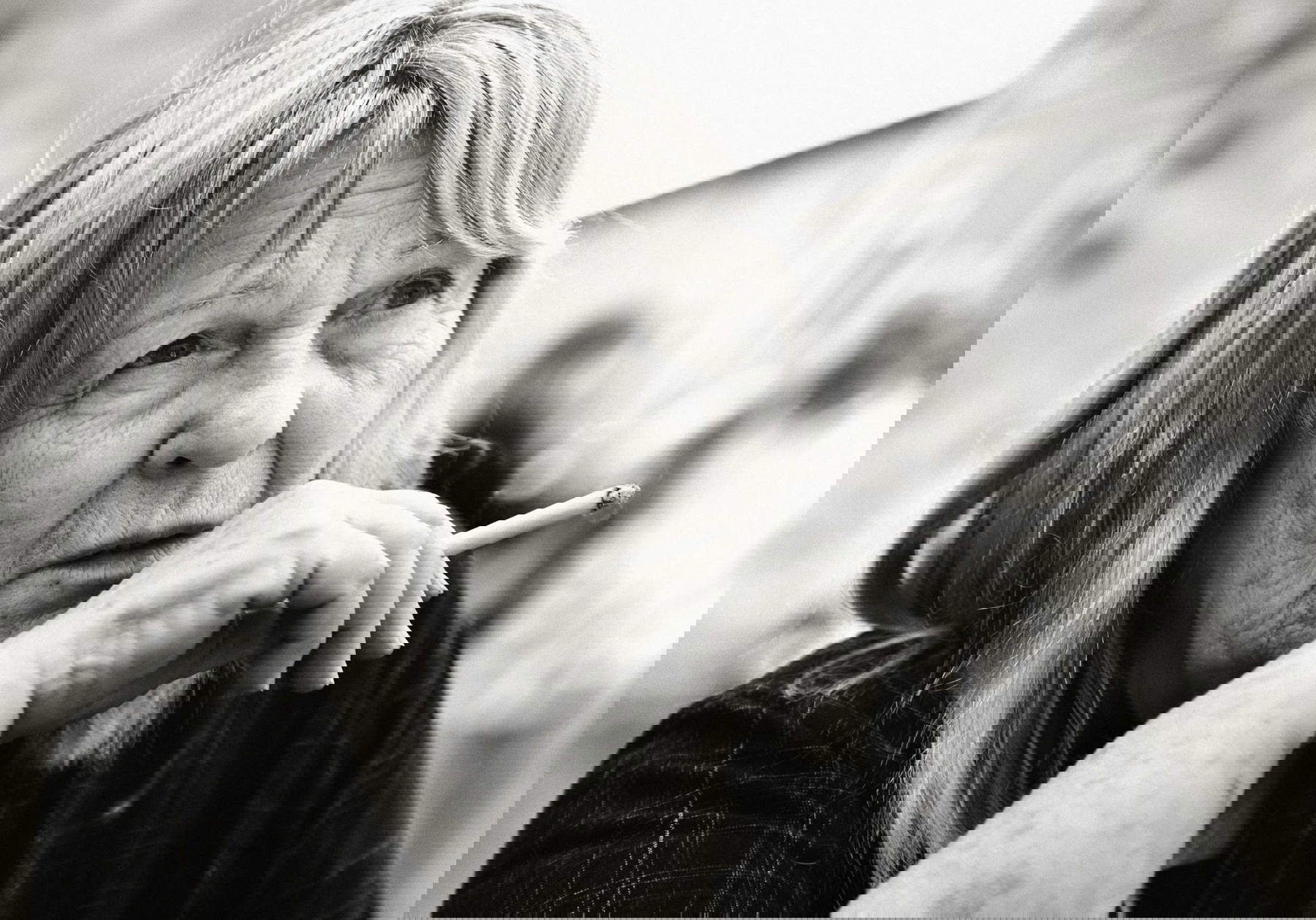
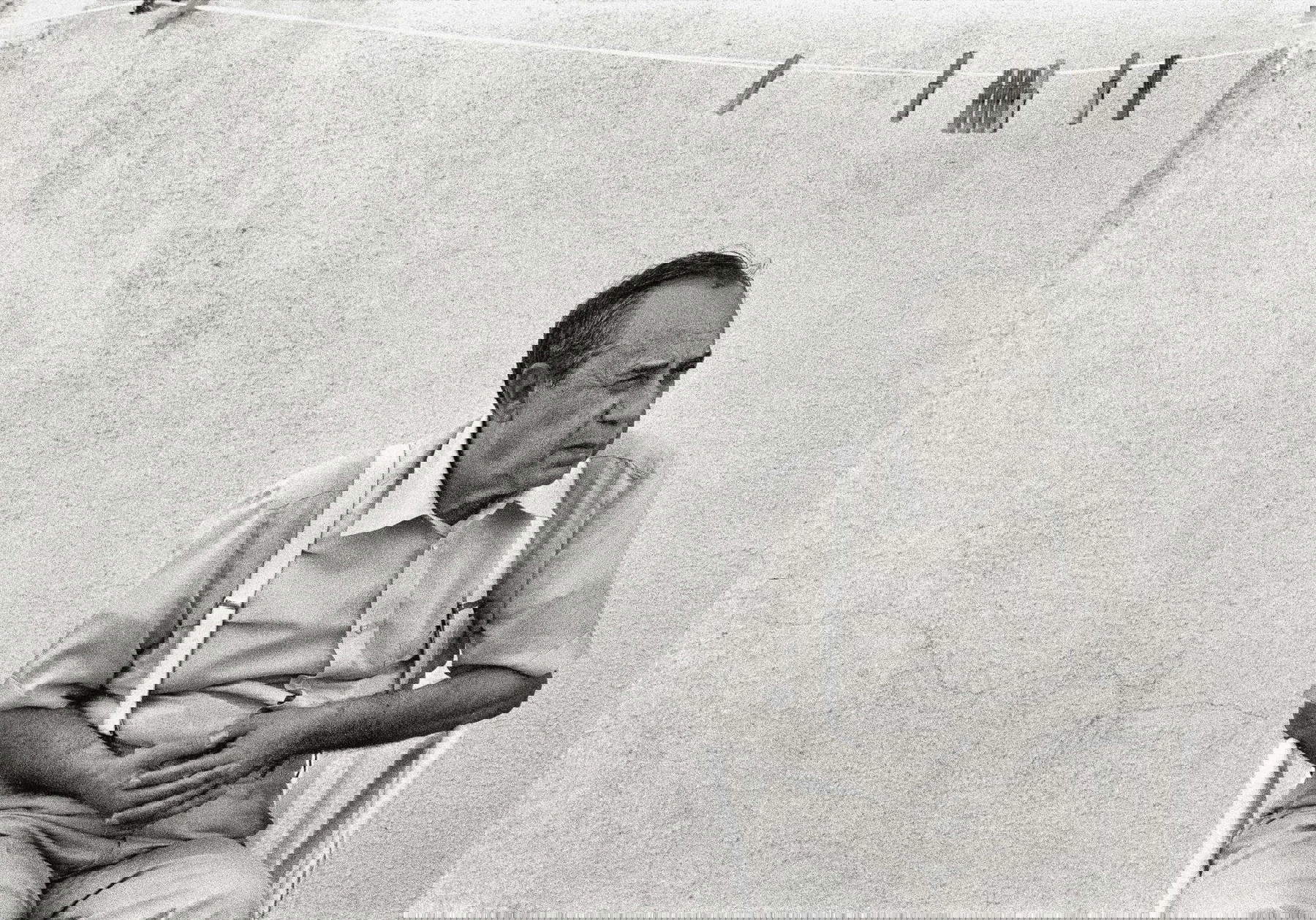
Analysis of individual portraits confirms Pasqualino’s focus on inner revelation. For example, the portrait of Mimmo Paladino (2002) is rendered with a rich palette of grays and returns a man absorbed in thought, expressing calmness and introspection. In Leonardo Sciascia’s portrait (1985), the man is collected in himself, and his dark figure stands out against a bright white backdrop. The image, while showing few details of his interiority, suggests the well-known introflection attributed to Sicilians.
Even more complex is the horizontal portrait of Javier Marías (2005), in which, in addition to the illuminated face of the writer in the foreground, another, slightly blurred face, that of a woman, appears in the upper right corner. The cross-reference between the two faces creates a second level of reading, emphasizing the complexity of the representation. In the portrait of Dacia Maraini (2007), too, a play of gazes and representations emerges: the author is caught in her studio, and a portrait of her painted by Carlo Levi looms above her, creating a dialogue between the photographic and the pictorial effigy. In the case of Eugenio Scalfari (2015), the focus is on his raised right hand, typical of an intellectual accustomed to working with words, while his weather-marked face exudes wisdom.
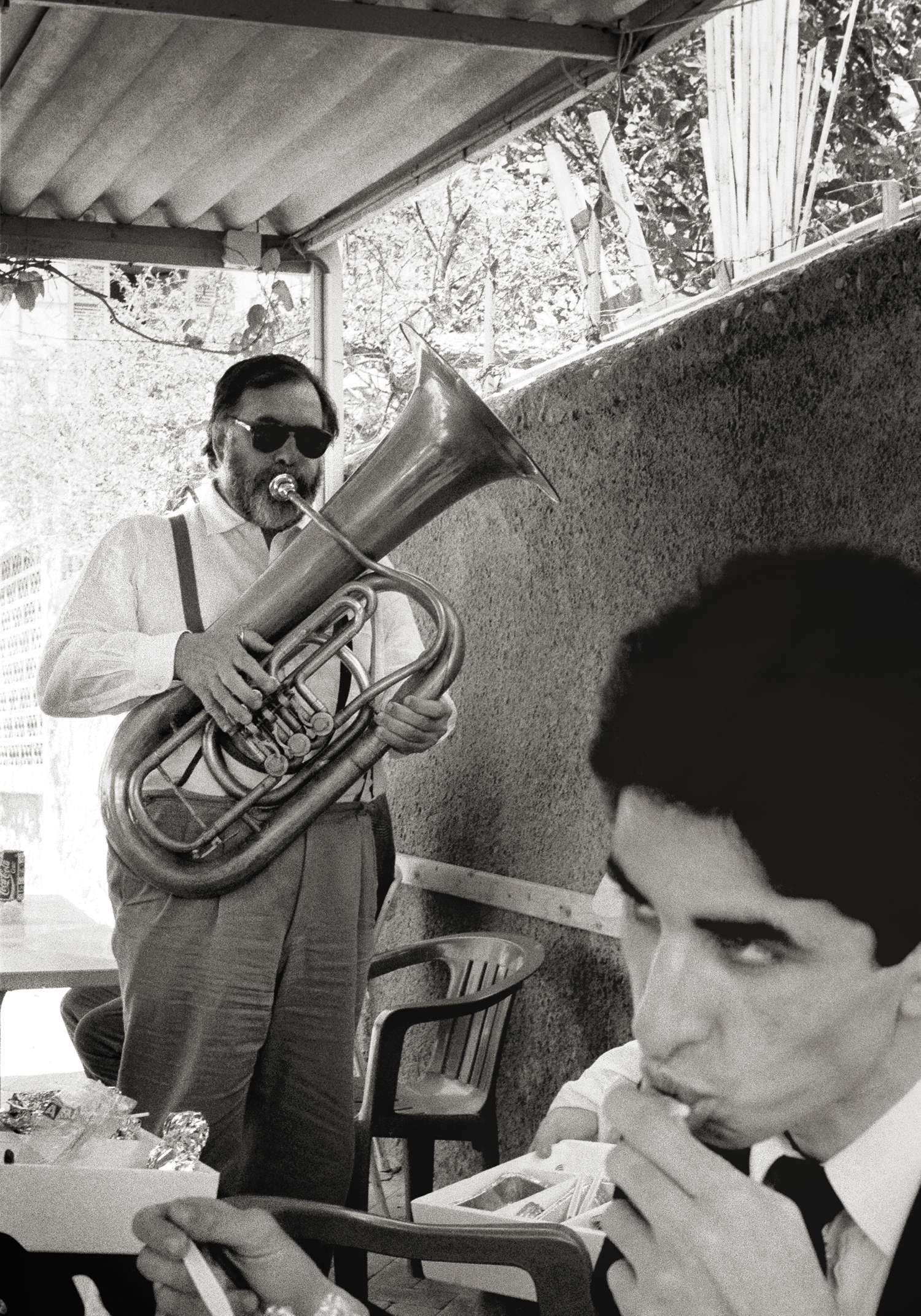
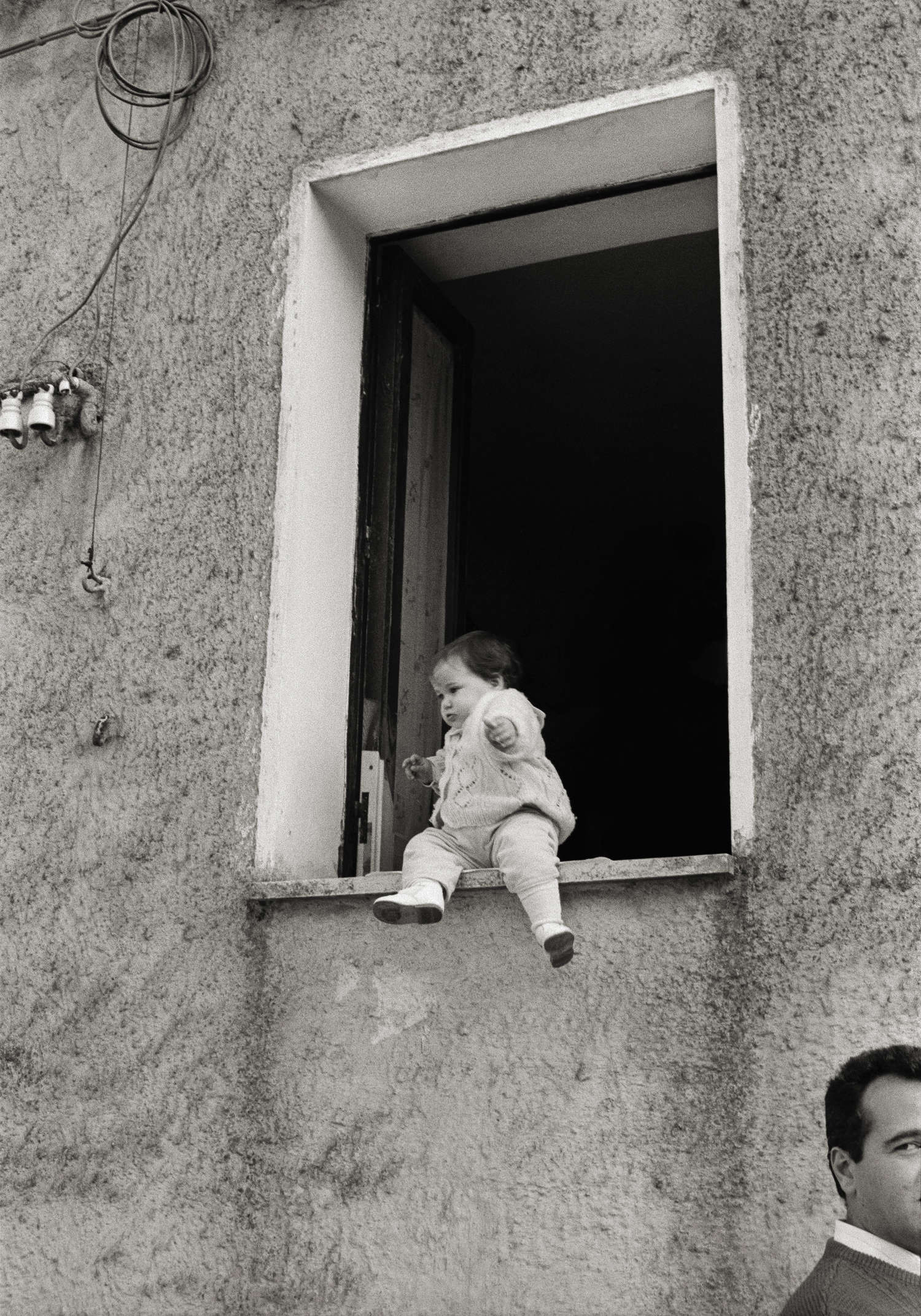
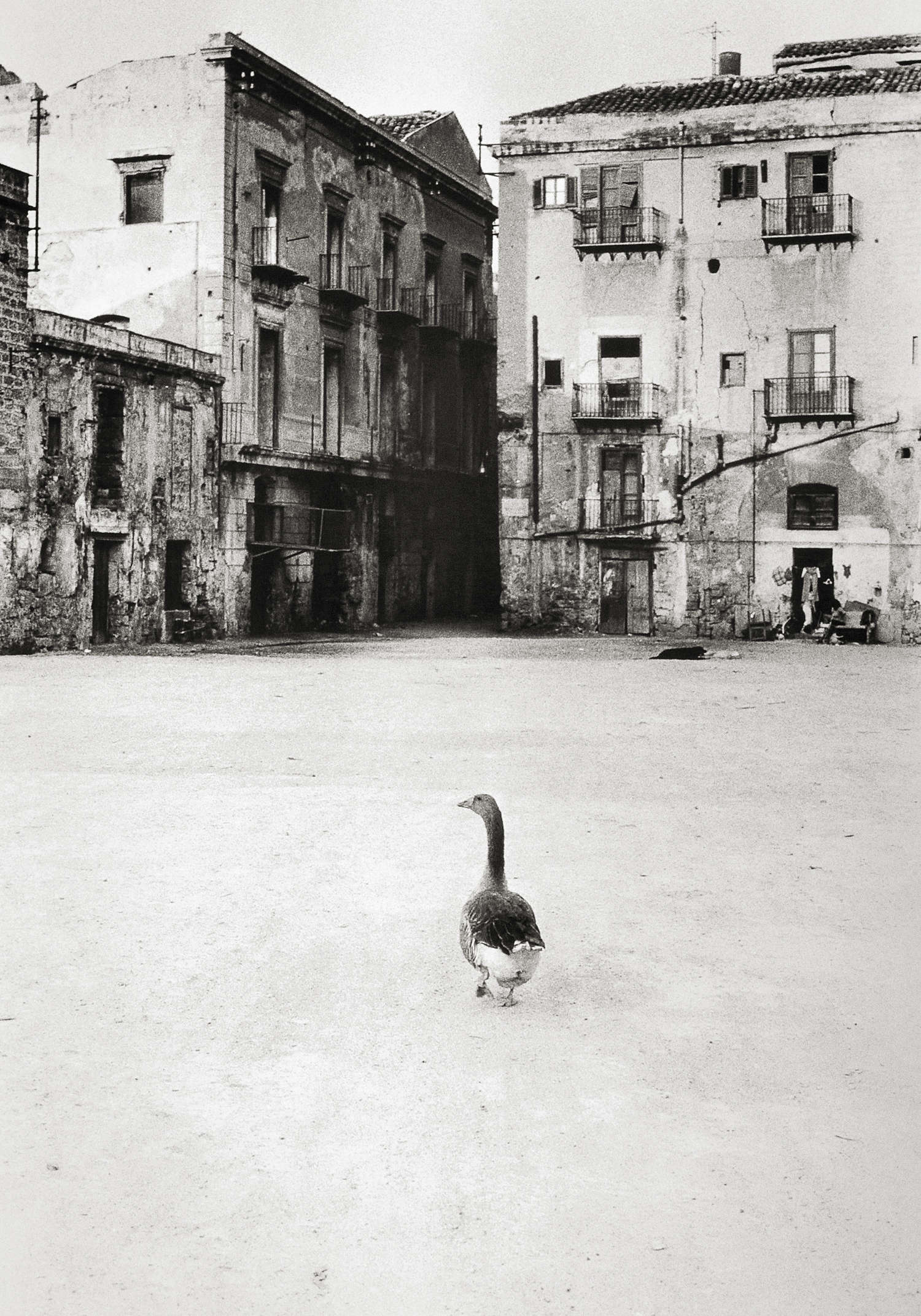
Although Lia Pasqualino is celebrated today for her signature portraits, the roots of her photographic practice lie in reportage. Following the teachings of Letizia Battaglia, she has been documenting the working-class neighborhoods of Palermo since 1987, with an approach that has always rejected disturbance, almost as if the photographs were taken with reluctance. Her early images, such as those of a woman with her children in the Kalsa or portraits of street children, return a popular humanity with respect, bestowing dignity on individuals who are fragile or in revolt. Her photographs taken in the alleys of the Kalsa are described by Calbi as a “picture of popular humanity tinged with poetry.”
Lia Pasqualino’s photographic journey is a constant search for the other, a gait that attempts to capture the glitter of the soul in order to make the subjects portrayed known to other people, passing them on beyond the contingency of history. The portrait is ultimately nothing more than a revelation, an unveiling, which is accomplished when the subject lowers his or her defenses and gives himself or herself as he or she is, allowing the photographer to capture the moment.
Lia Pasqualino’s skill lies in creating a special relationship, almost an act of love between herself and the subject, a pact of complicity into which the camera fits. This bond is then renewed in the final image, which transforms a fleeting instant into absolute time.

Warning: the translation into English of the original Italian article was created using automatic tools. We undertake to review all articles, but we do not guarantee the total absence of inaccuracies in the translation due to the program. You can find the original by clicking on the ITA button. If you find any mistake,please contact us.





















 IT
IT FR
FR DE
DE ES
ES CN
CN


