





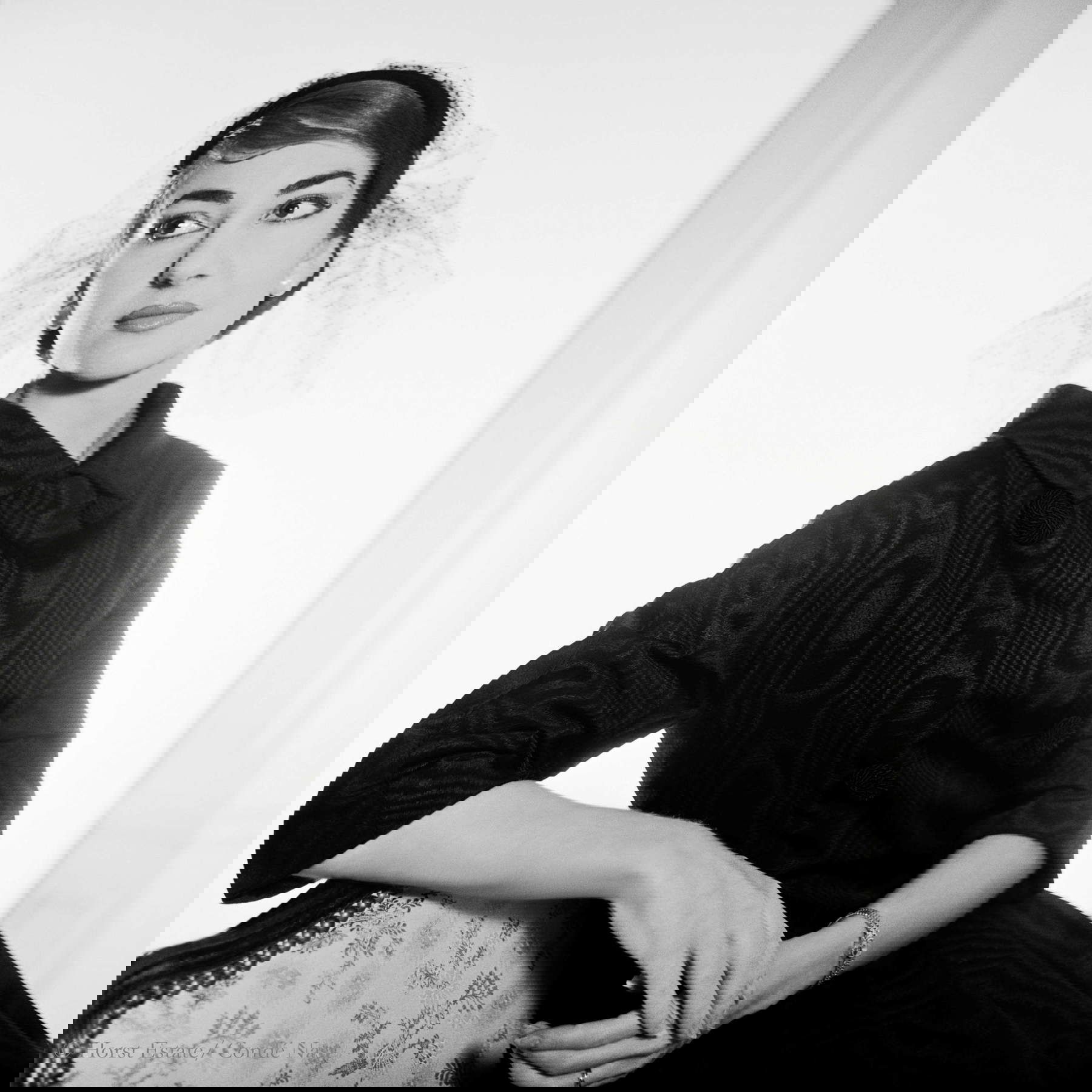
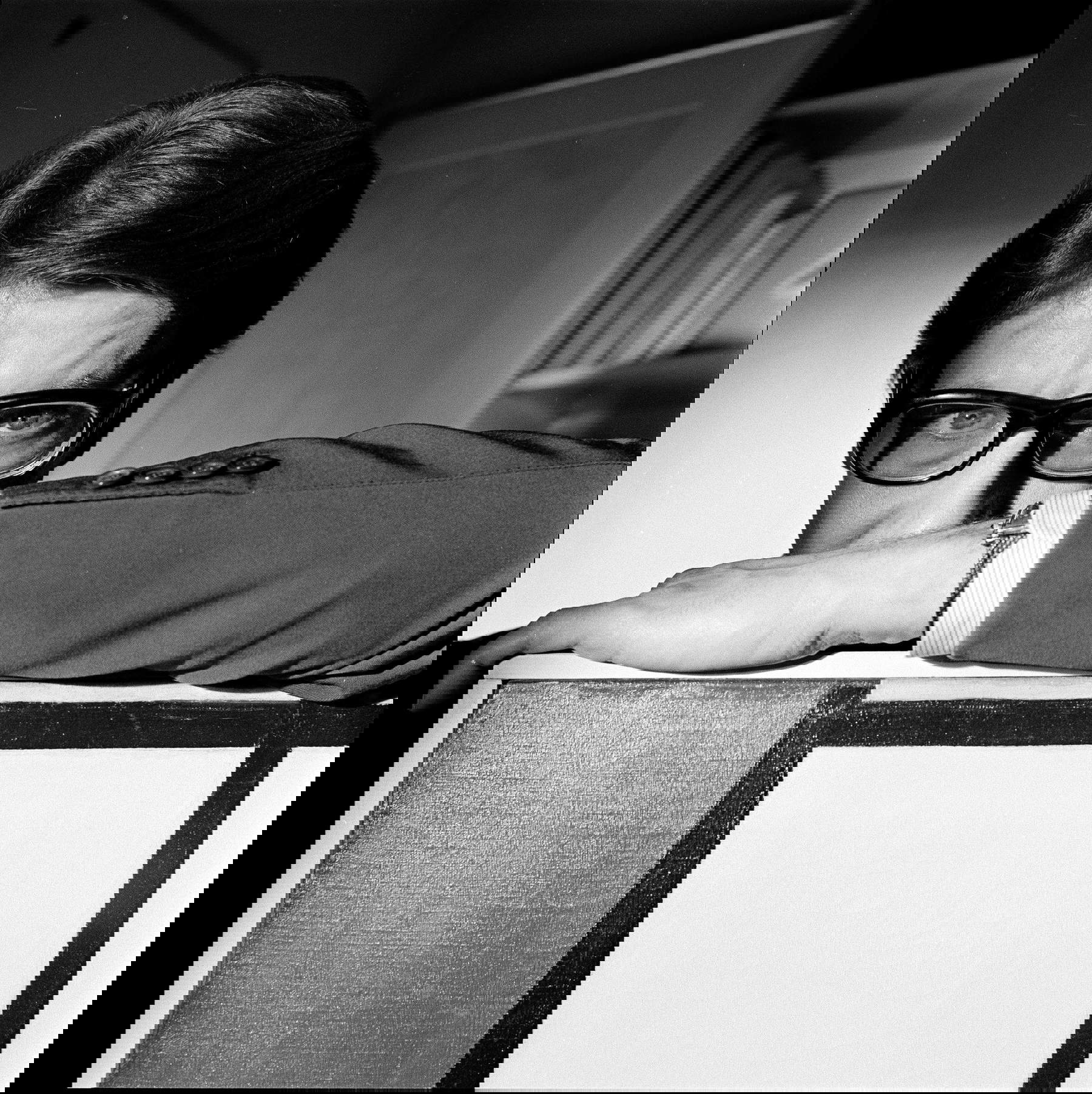
The visual universe of Horst P. Horst (Weissenfels, 1906 - Palm Beach, 1999) was never simply a matter of clothes or passing trends. On the contrary, for the German naturalized American photographer, each shot represented an opportunity to build worlds. His career, spanning more than 60 years, redefined the concept of elegance, elevating fashion photography to a cultured and architectural art form. His legacy, extensively investigated by the exhibition titled The Geometry of Grace, curated by Anne Morin and Denis Curti (in Venice, Le Stanze della Fotografia, Feb. 21 to July 5, 2026), which brings together hundreds of works to restore the complexity of an author capable of dialoguing with the giants of the 20th century. Horst did not just portray beauty: he calculated it, constructed it and made it eternal through a skillful use of shadows and proportions.
Born in 1906 as Horst Paul Albert Bohrmann, he brought to photography the rigor of his German roots and the influence of the Bauhaus, transforming the photographic studio into a plastic laboratory where light acted as an organizing principle. His path saw him move from Le Corbusier ’s construction sites to the editorial offices of Vogue, becoming the privileged witness of an era of extraordinary cultural transformation. In his images, the human body takes on the monumentality of Greek sculptures, while textiles fold following precise spatial logics, creating what many call a secret encounter between the archaic and the modern. This introduction to his world is not just a tribute to a fashion photographer, but an exploration of an artist who has tirelessly sought “divine proportion” in every detail of the visible, from the faces of Hollywood divas to the ribbing of a leaf. To understand Horst is to understand how technique can become poetry and how rigor can flow into sophisticated and timeless sensuality. Here are ten key points to delve into the figure of this “architect of style,” as Denis Curti calls him.
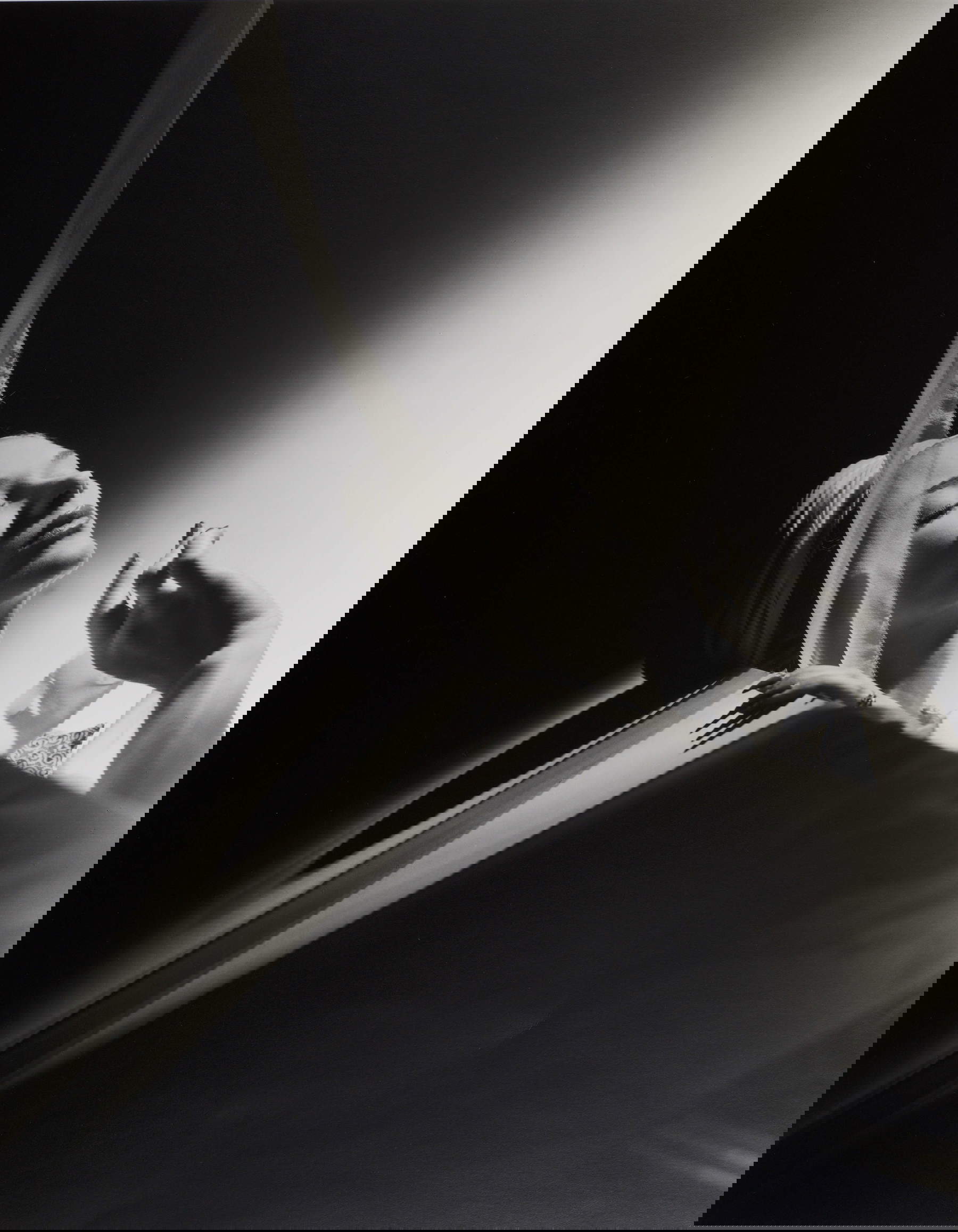
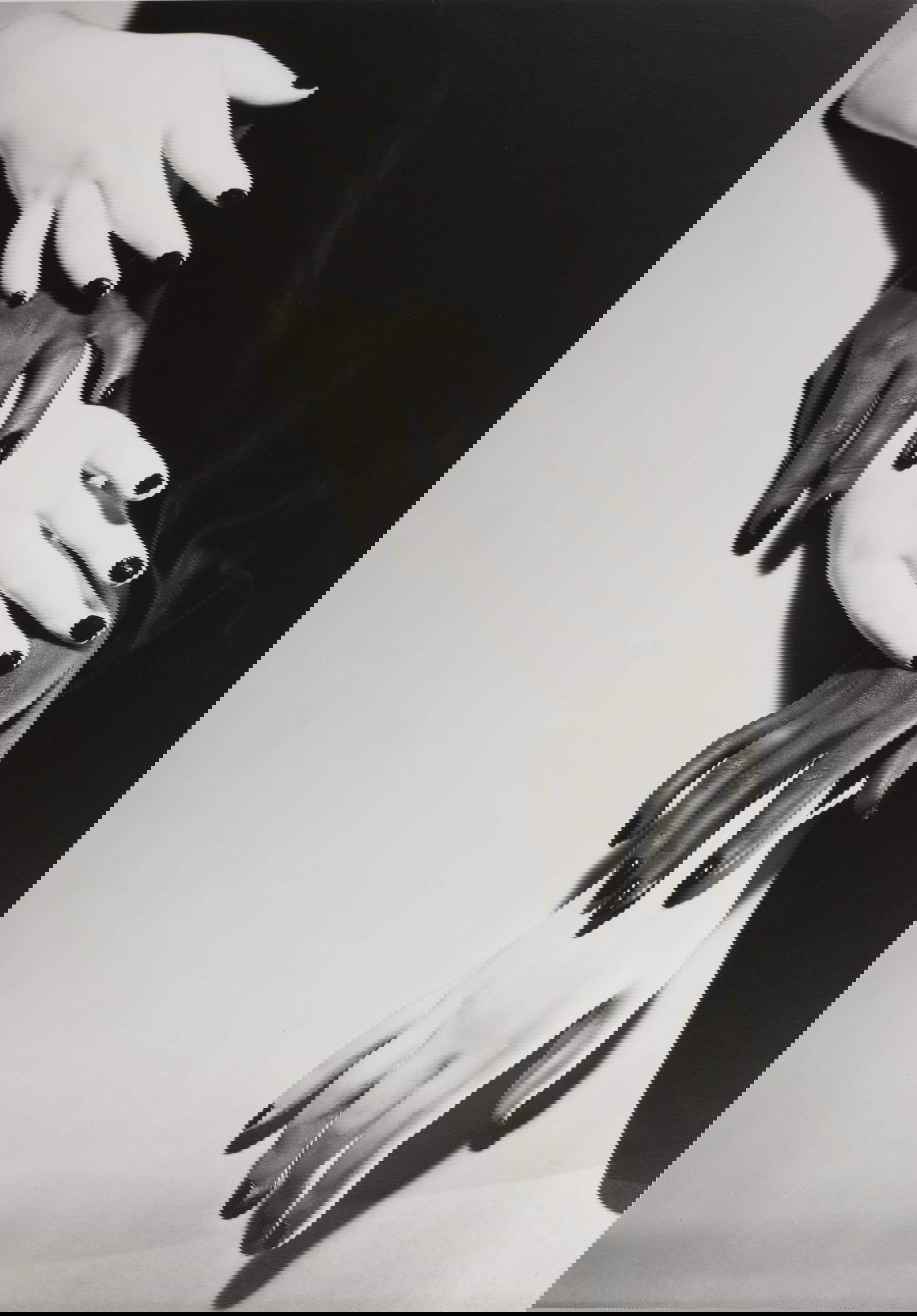
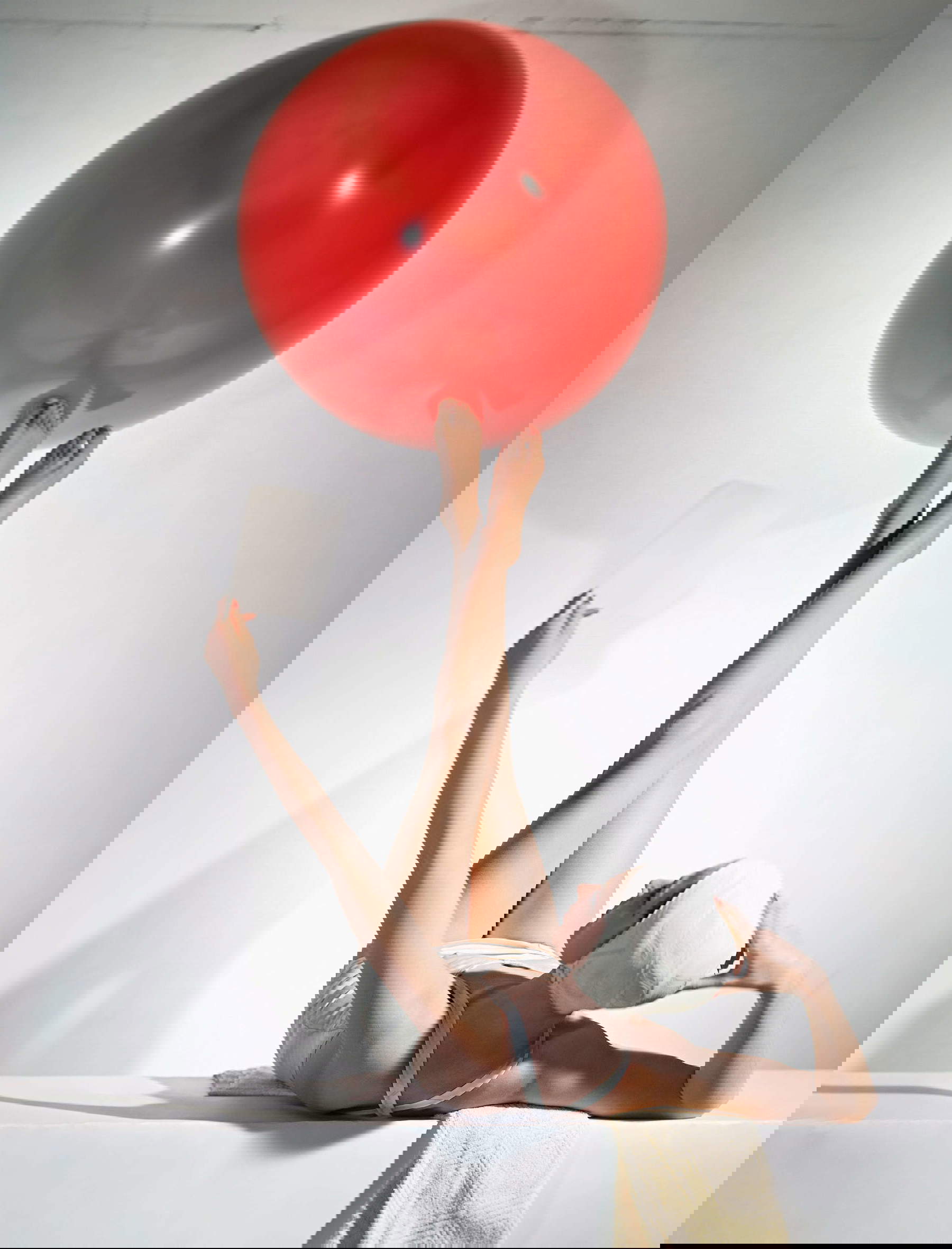
The secret of Horst’s compositional stability lies in his youthful studies. Before he picked up a camera, the artist devoted himself passionately to architecture and furniture design at the Kunstgewerbeschule in Hamburg. There he was fortunate enough to train under Walter Gropius, founder of the Bauhaus, from whom he learned the importance of the union of art, craft and technique. This modernist imprint led him in 1930 to Paris, where he managed to get hired as an apprentice in the studio of the legendary Le Corbusier.
Although his collaboration with the Swiss architect was brief, it was decisive: Horst absorbed the concept of “minimal space” and the theory of the Modulor, which he would later transpose into his shots. For him, photography became a kind of architecture of light, in which every element had to meet criteria of functionality and mathematical balance. It is no accident that his sets were often constructed with clean geometric volumes and references to monumental structures, transforming the studio into a mental space in which depth was not only optical but conceptual. Each model thus became a unit of measurement of space, just like Leonardo da Vinci’s Vitruvian man or the figures of the Lecorbusierian Modulor.
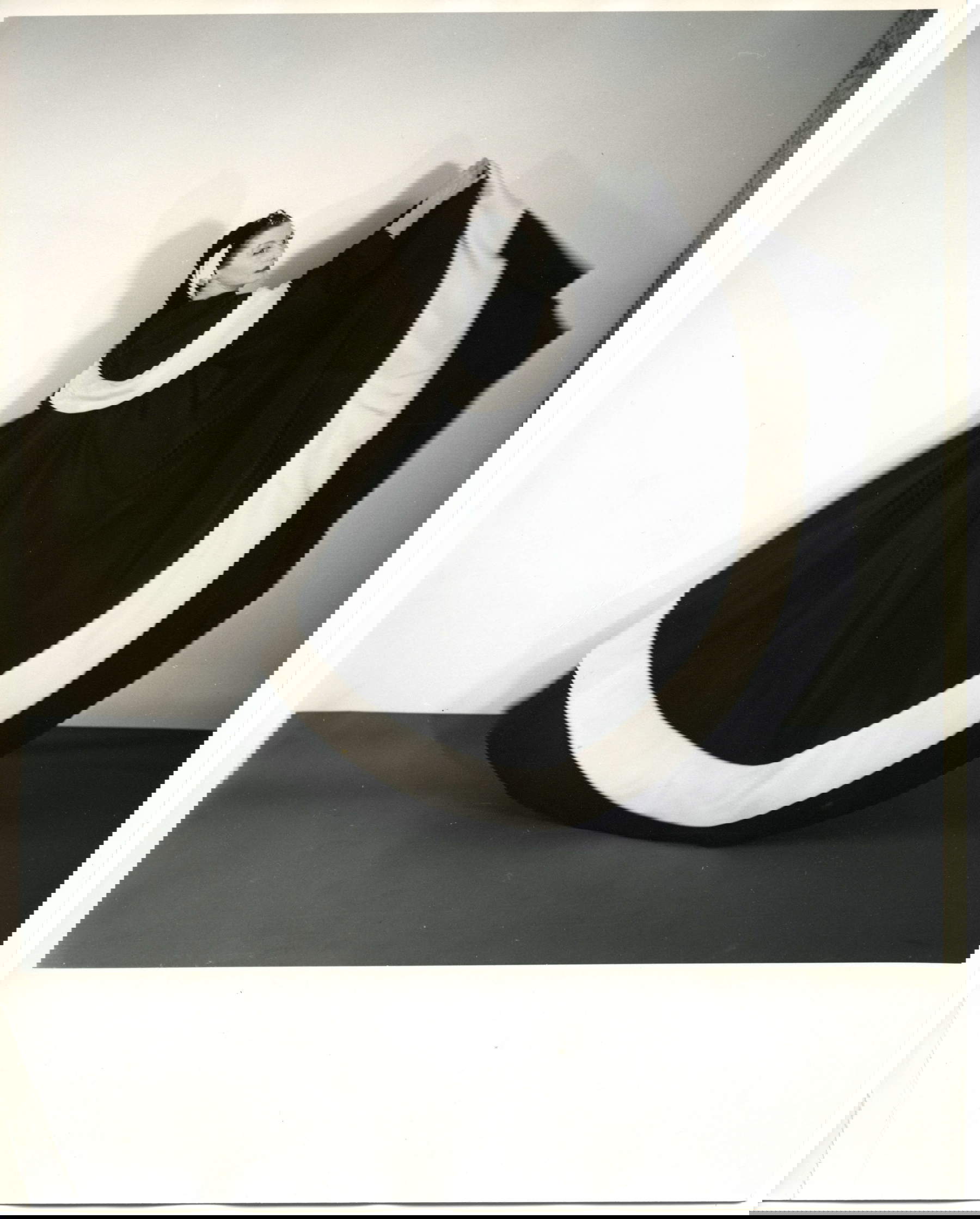
The name by which we know him today is actually the result of historical and personal necessity. Born as Horst Paul Albert Bohrmann, the photographer faced a moment of great identity crisis during World War II. In 1941, when Germany declared war on the United States, Horst found himself considered an “enemy alien” on American soil. In addition to work restrictions that forced him to stay out of the Vogue studio, an unwieldy homonymy weighed on him: his last name, Bohrmann, too closely resembled that of Martin Bormann, one of Adolf Hitler’s closest collaborators.
To distance himself permanently from any ties to the Nazi regime and facilitate his integration into the U.S., he decided to legally change his name. In 1943, on the day he was sworn in as a U.S. citizen after joining the army, he chose the original appellation of Horst P. Horst. This repetition of the name has often been interpreted as a geometric reflex, almost a visual symmetry consistent with his artistic style. From that moment on, the “Cherub” (as his friends called him) left behind his German past to become in effect a pillar of American visual culture.
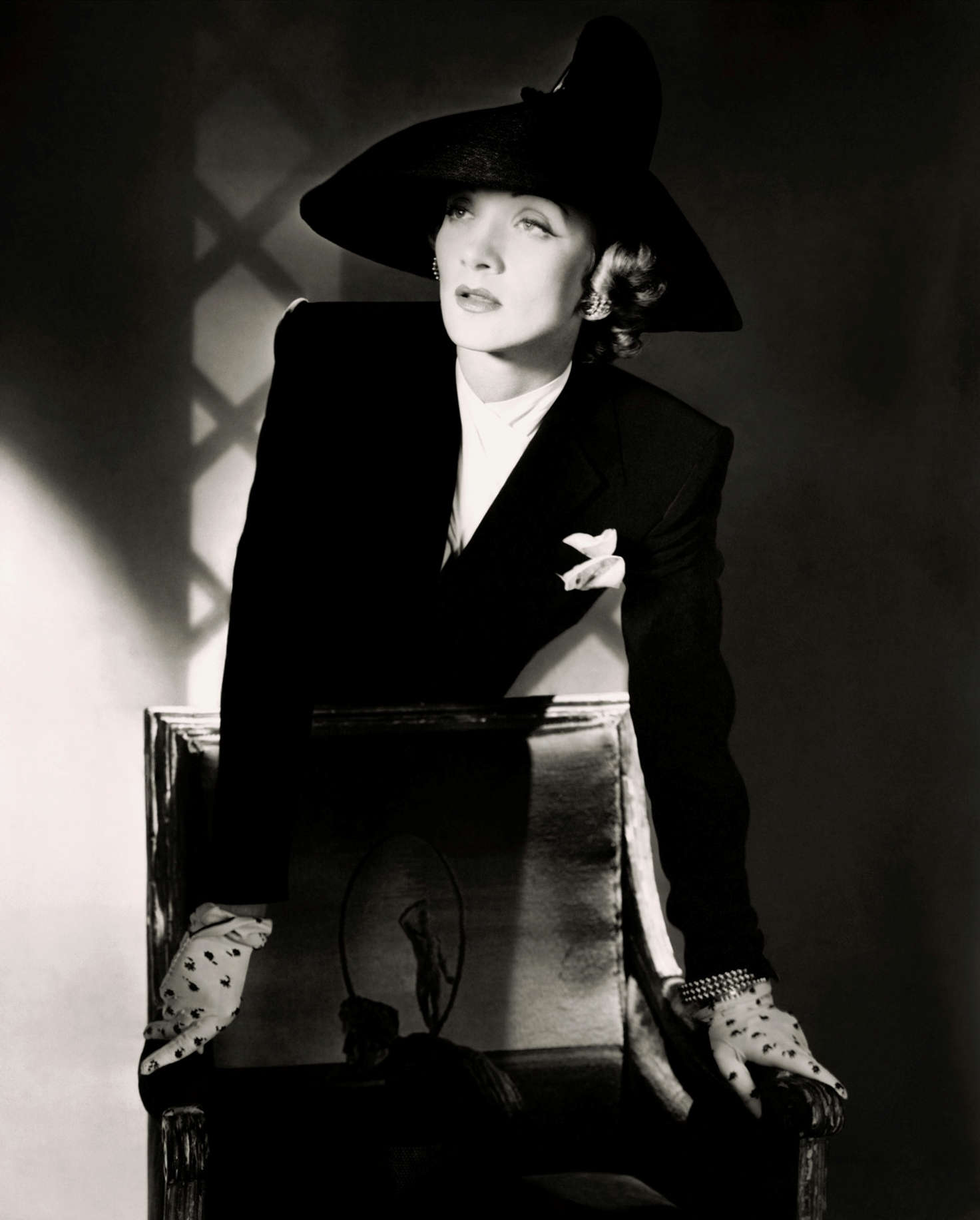
Horst’s photographic career would probably never have taken off without his pivotal meeting with Baron George Hoyningen-Huene, then chief photographer for Vogue France. Huene was not only a teacher, but also a life companion and guide who introduced young Horst to the Parisian intelligentsia of the 1930s. Horst began as his assistant, pupil and even model, learning the secrets of dramatic lighting and theatrical composition.
Under Huene’s wing, the young artist developed a sensibility for neoclassicism, traveling together to Greece to study the Parthenon marbles and ancient sculptures. When Huene abruptly resigned from Vogue in 1935 to take over competition from Harper’s Bazaar, Horst inherited his role as chief photographer, proving that he had surpassed his master in terms of formal rigor and innovative vision. The bond between the two remained strong throughout their lives, so much so that when Huene died in 1968, Horst inherited his entire photographic archive, cherishing it for decades.
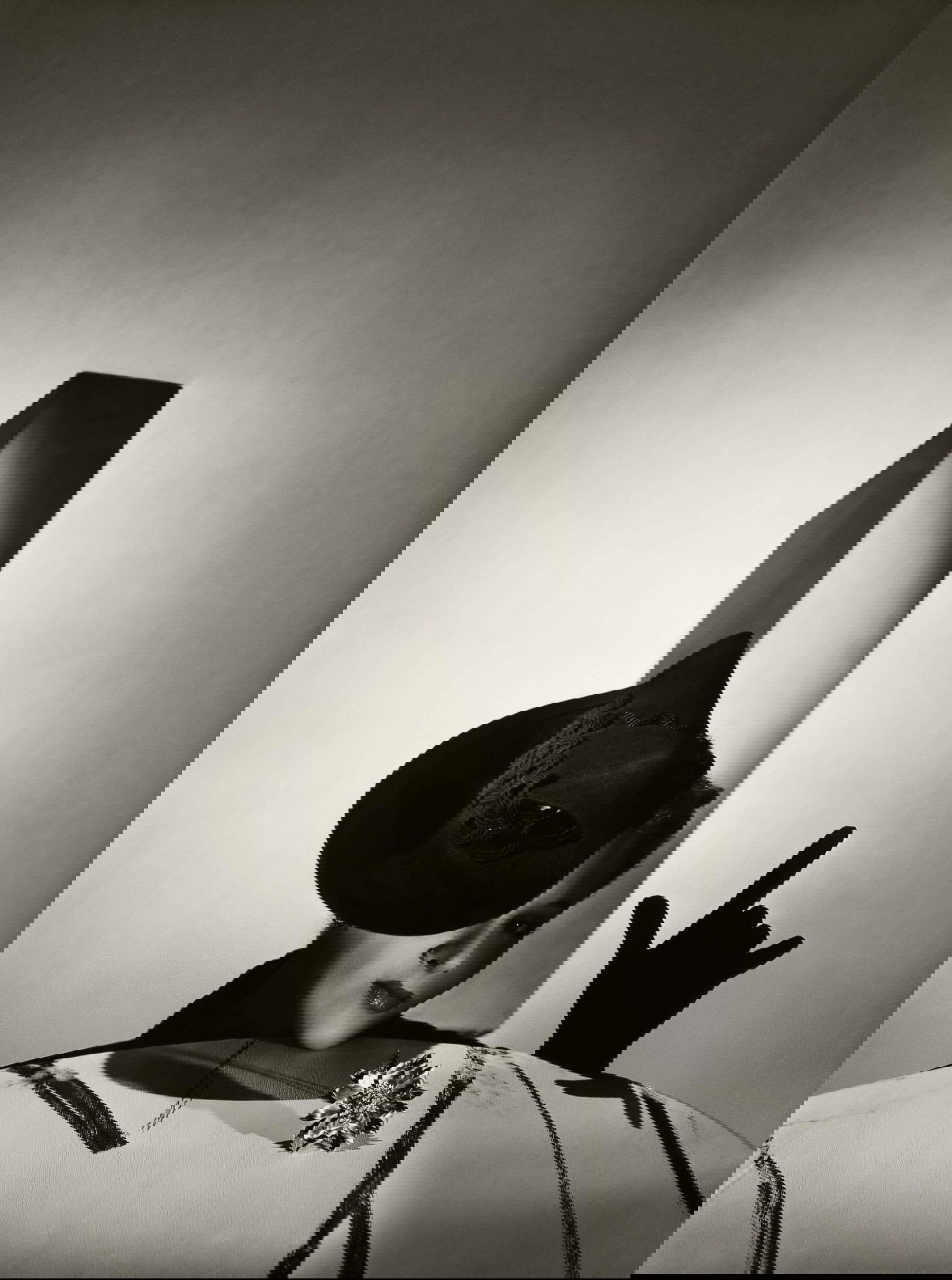
Among the thousands of photographs taken by Horst, one in particular has entered the myth: the Corset Mainbocher of 1939. This shot represents the perfect synthesis of his language and is charged with extraordinary symbolic value. Taken in the Paris studios of Vogue shortly before the photographer embarked for New York to escape the imminent outbreak of World War II, the image depicts a model from behind wearing an expertly laced corset.
The light sculpts the woman’s back and the folds of the fabric with a chiaroscuro reminiscent of Baroque atmospheres, while the composition exudes a quiet calm that contrasts with the chaos that was about to engulf Europe. Horst himself described that image as his farewell to the world he had known until then: a new artist was born, however, a continuous builder of worlds. “Horst,” wrote Denis Curti, “is interested in building new inner worlds capable of transporting us even further. Everyone who has written about him describes him as a meticulous builder of fantasies. Every detail, in his visual architectures, is calibrated with Cartesian precision, leaving out the domain of the fortuitous. His models are not even remotely thought of as mere mannequins. Under a shower of controlled light, they become central figures in an almost theatrical space, a stage for a visual performance in which candid backdrops and props are reduced to an almost monastic essentiality.”
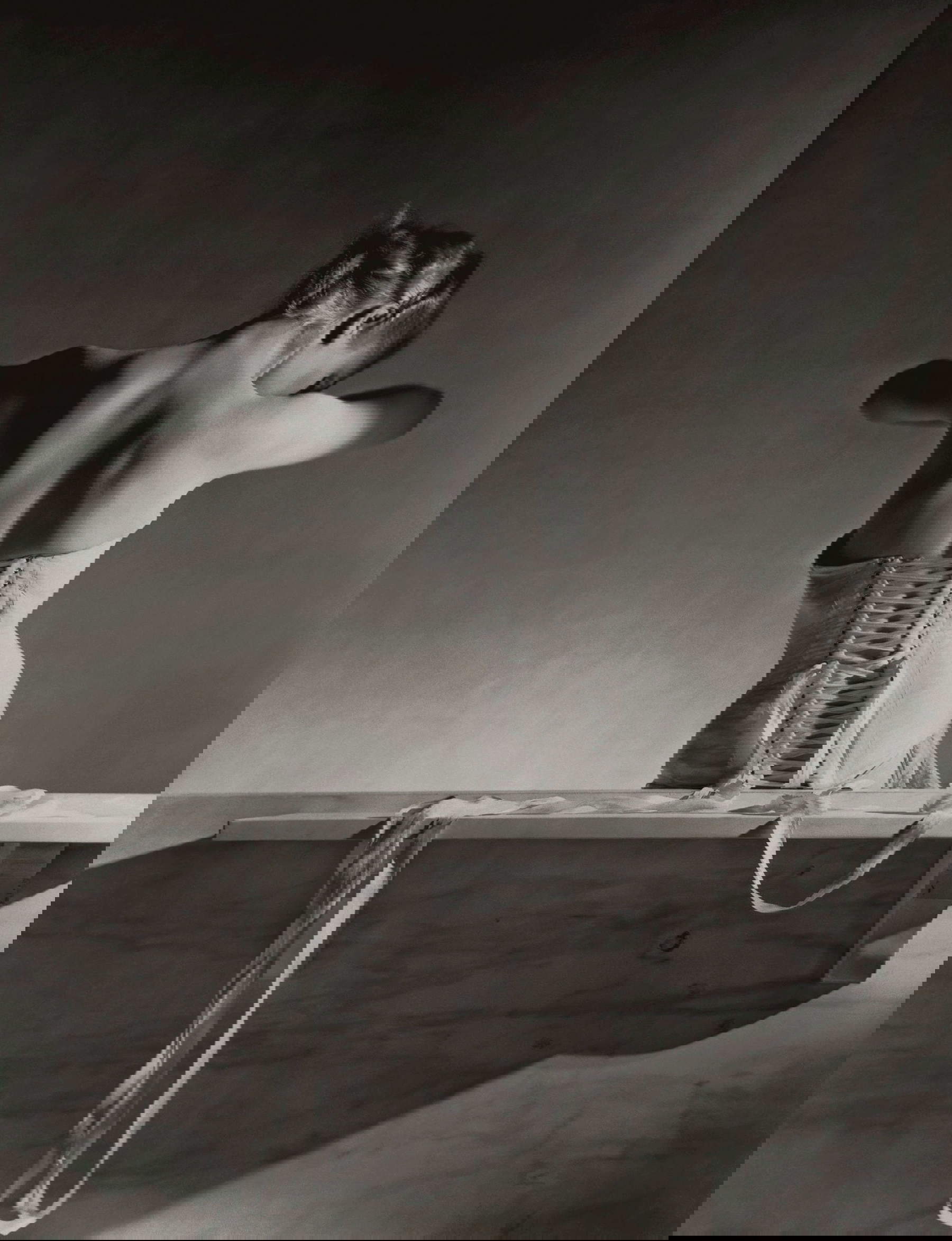
For Horst, beauty was not a fortuitous event, but the result of a calculated mathematical harmony. Influenced by the classical proportions described by Euclid and Luca Pacioli’s “divine proportion,” Horst constructed his images as visual equations. In each of his photos, whether a portrait or a fashion shoot, one can discern a constant dialogue with Greek statuary: models are often placed in “juxtaposition,” like the marbles of Phidias or Polyclitus, transforming themselves into living sculptures.
This quest for perfection led him to almost obsessively attend to the arrangement of light and shadow, using the principle of Nōtan (the Japanese balance between light and dark) to define space. For Horst, a bent arm or the draping of a dress were not just aesthetic elements, but vectors of force that organized vision according to universal laws. This formal discipline elevated the image beyond the mere commercial realm of fashion, transporting it to a metaphysical and sacred dimension where time seemed to stand still. “His photographic language,” explains Anne Morin, “is not limited to capturing the visible, but refers to a search for the essence, for that living and vibrant dimension of reality where each image contains within itself that ’splendor of truth’ which, according to Plato, embodies beauty par excellence. Horst’s work is thus inscribed in a philosophical tradition in which beauty cannot be reduced to the mere perceptible aspect, but rather should be understood as a concrete manifestation of that which surpasses the real, goes beyond and transcends it.”
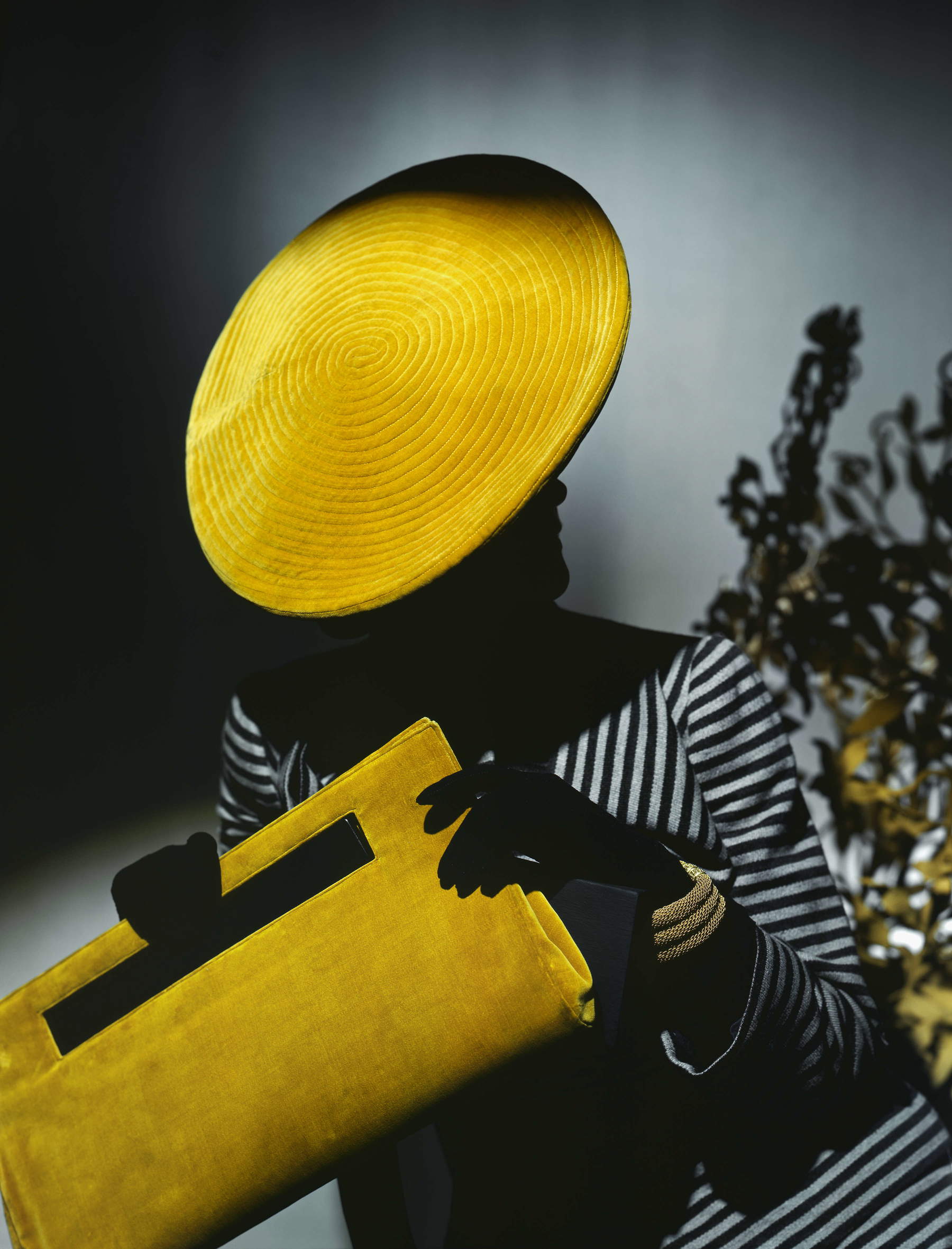
In the lively Parisian environment, one of the most influential figures in Horst’s life was undoubtedly Coco Chanel. Theirs was an enduring friendship based on mutual intellectual esteem and a shared vision of elegance. Horst photographed Chanel countless times, capturing her essence with a restraint and intensity that few others could match. This rigor may have inspired one of the most famous quotes often associated with Horst’s aesthetic: “Fashion is an expression of time. Elegance is something else.”
This distinction was crucial for the photographer, who always sought to go beyond the trends of the moment to capture something lasting. “Fashion is much more than clothing, it is an expression of personality, a style statement and a vehicle to explore the whole world and different cultures,” Curti explains. “It is amazing to note how Horst P. Horst’s photographs never age, maintaining a freshness and sophistication that transcends passing fashions.” His relationship with the designer was so close that she regularly hosted him and sent him personal letters, documents that are now part of the valuable archival material that accompanies his exhibitions. Chanel represented the perfect muse for him: a combination of bold modernity and respect for the classic line, the same elements that defined his photographic style.
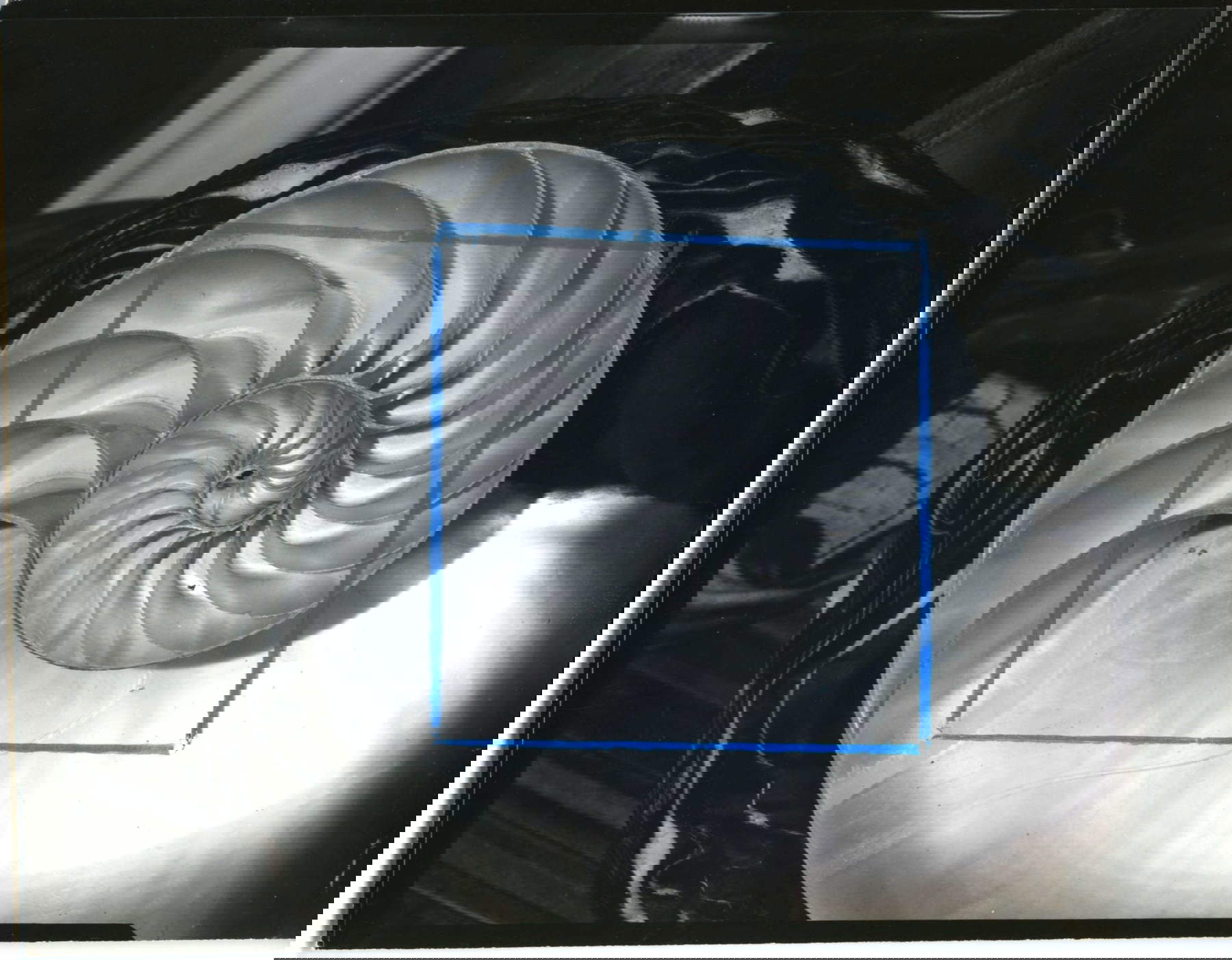
After the war, Horst felt the need to temporarily step away from the glamour of fashion to investigate the primal structures of nature. In 1946 he published Patterns from Nature, a series of close-up photographic studies of plants, flowers, shells and minerals. With the eye of a biologist and the sensitivity of an artist, Horst isolated the morphological details of natural elements, revealing their unsuspected fractal geometries and perfect symmetries.
This work, influenced by Ernst Haeckel’s scientific tables, demonstrated that the laws of beauty are universal and can be found as much in great architecture as in microorganisms. In these photos, a leaf becomes a geometric abstraction and the section of a shell is transformed into a modernist spiral staircase. This experimental interlude was crucial for Horst: it allowed him to further refine his visual vocabulary, later applying that sense of rhythm and organic texture to his later work for House & Garden and Vogue.
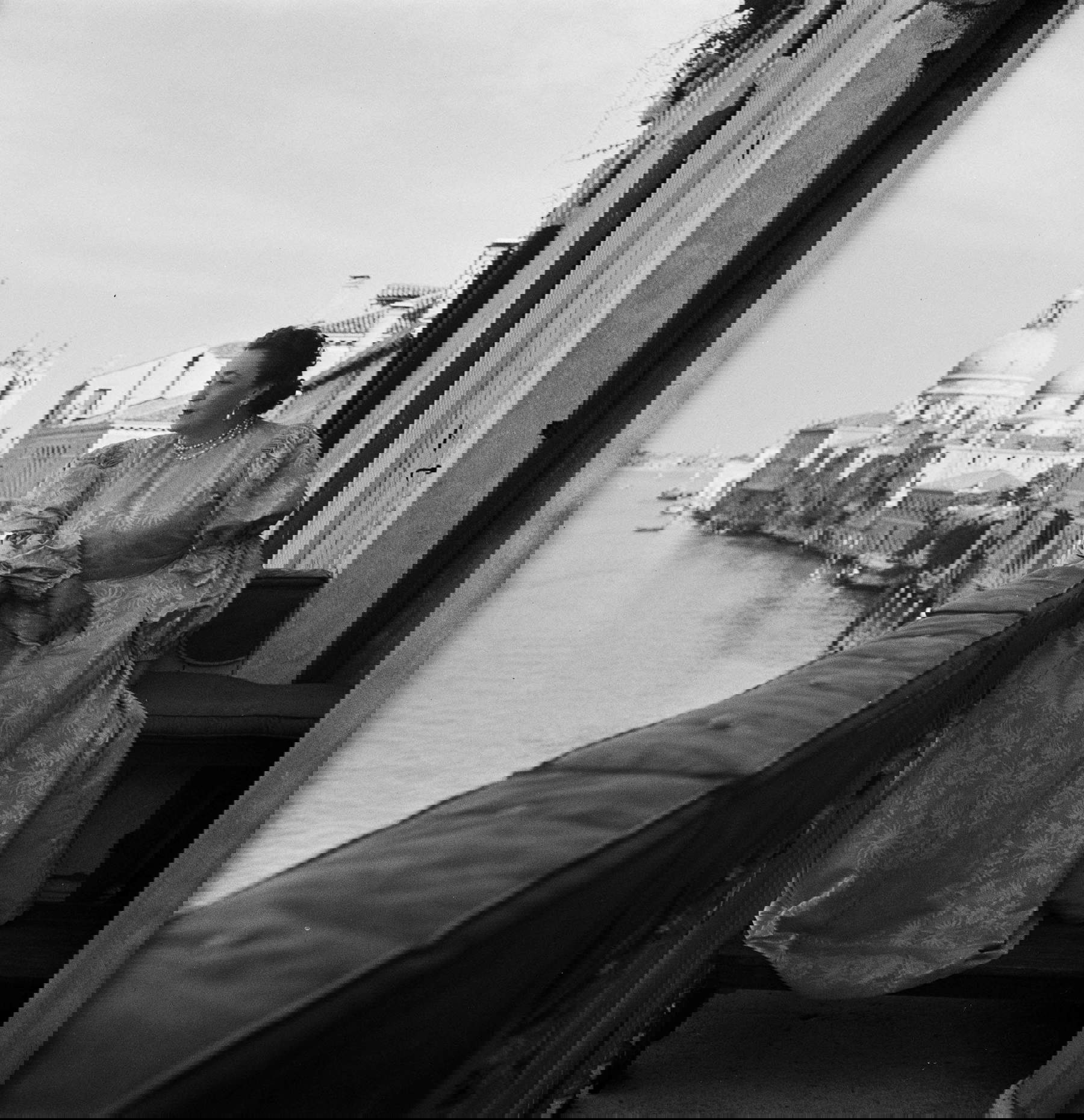
A key chapter in Horst’s career is related to his collaboration with legendary editor-in-chief Diana Vreeland. It was Vreeland who suggested to him in the 1960s that he devote himself to a series of photo shoots of the homes and gardens of celebrities and international aristocracy. Horst thus became a master of interior photography, capable of portraying not only environments but the spirit of those who inhabited them.
His subjects included such names as the Dukes of Windsor, Cy Twombly, Karl Lagerfeld and Yves Saint Laurent. These shots, collected in highly successful volumes, showed how for Horst there was no difference between the human body and a room: both were volumes to be organized with light to create harmony. His ability to bring objects, works of art and architectural spaces into dialogue turned these reportages into true lessons in style and the culture of living, solidifying his reputation as an all-around “art director.”
Although his aesthetic was deeply rooted in classicism, Horst had an incredible impact on contemporary mass culture. The most striking example is the video for Madonna’s song “Vogue.” Director David Fincher was explicitly inspired by Horst’s atmospheres and compositions from the 1930s and 1940s to make the clip. Madonna not only recreated the Mainbocher Corset pose, but adopted the language of sharp lighting and statuesque poses that Horst had made iconic in Vogue decades earlier.
The photographer, while flattered by the tribute, commented on the incident with his typical irony, but the global success of the video served to rediscover his genius to new generations. This episode demonstrates how Horst’s “visual equations” never grow old: their strength lies in a formal logic so pure that it continues to vibrate and be relevant even in contexts completely different from the original ones.
Toward the end of his life, Horst returned to focus on a classical pictorial genre: still life. When his eyesight began to decline due to a degenerative disease in the 1990s, he chose to photograph flowers and small everyday objects in his Oyster Bay retreat. These images, often in color, have been described as “ephemeral vanitas,” silent meditations on the fragility of beauty and the passage of time.
With great humility, Horst used what he had on hand--glasses, scraps of paper, fallen petals--to create compositions that resemble surrealist rebuses. Even in these last works, made shortly before his death in 1999, the rigor of proportion was never lost: each petal was placed with the precision of an architect. These shots represent the spiritual testament of an artist who, until his last moment, sought to order the world through beauty, convinced that at the heart of every natural form lies a secret rendezvous between the human and the divine.

Warning: the translation into English of the original Italian article was created using automatic tools. We undertake to review all articles, but we do not guarantee the total absence of inaccuracies in the translation due to the program. You can find the original by clicking on the ITA button. If you find any mistake,please contact us.



















 IT
IT FR
FR DE
DE ES
ES CN
CN


