





A study published in the journal Nature titled TheNatufian Epipalaeolithic and Pre-Pottery Neolithic in the desert of northern Arabia presents new archaeological evidence of human settlements dating to about 13,500 years ago in northern Arabia. The research, conducted by the Saudi Heritage Commission at the Sahout site, located on the southern edge of the Nefud Desert between the Arnan and Al-Misma mountains, documents the presence of human communities capable of developing sophisticated lithic techniques and adapting to desert environments during the late Ice Age and early Holocene.
Stratified excavations have recovered distinctive stone tools, including the so-called Helwan Lamellae, small artifacts used as arrowheads or components of hunting tools. These finds, associated with the Natufiana culture, confirm the existence of groups with high technical skills and cultural connections that extended as far as the Levant, demonstrating that the Arabian Peninsula was part of networks of exchange and contact as early as prehistoric times.
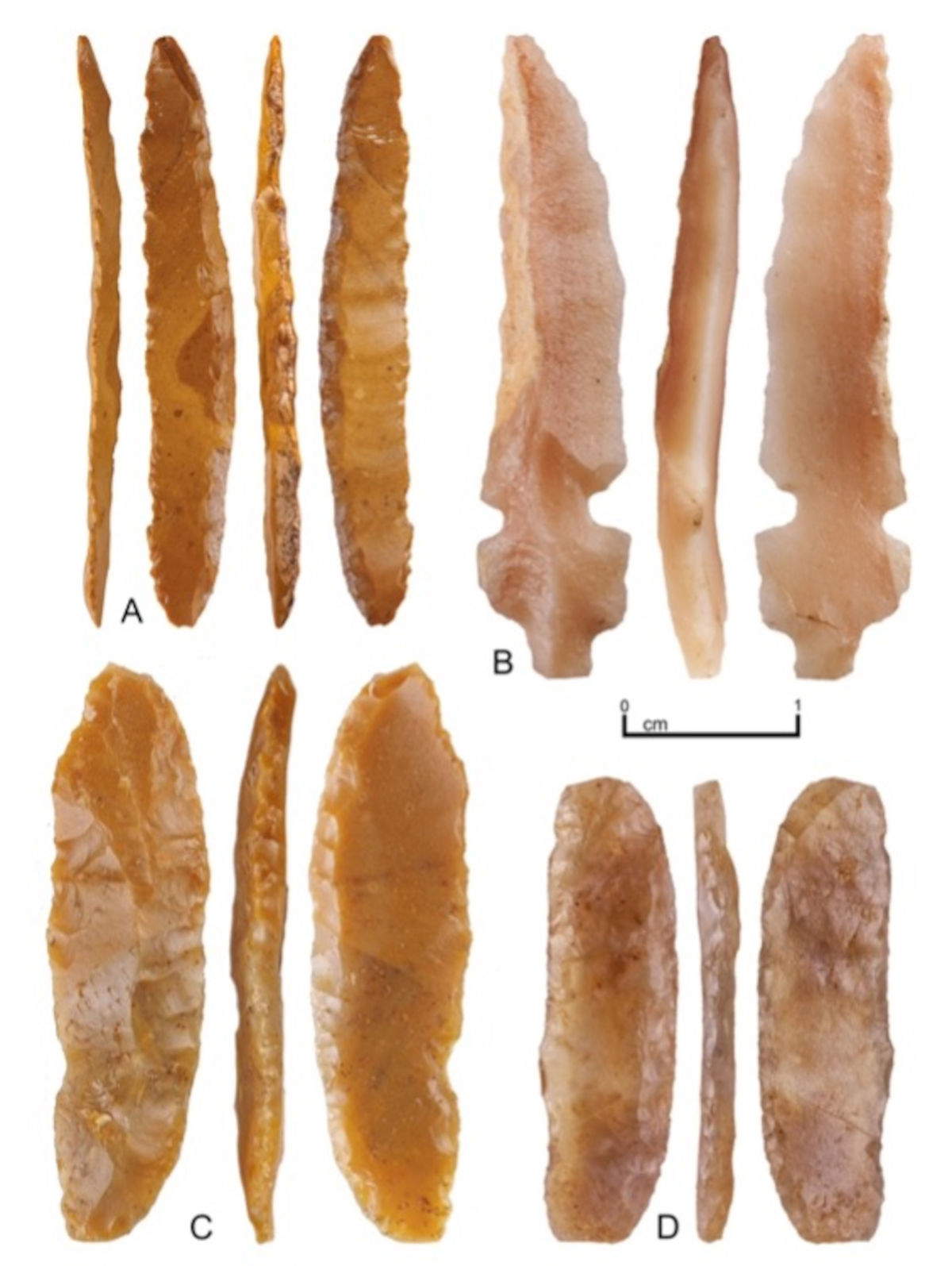
A later phase of the settlement, dated between 10,300 and 8,700 years ago, shows a higher population density and technological development in lithic production, with the appearance of the so-called Abu Salem arrowheads , finely worked arrowheads used in hunting. These findings provide evidence of complex communities, able to organize themselves and exploit environmental resources with great awareness, typical of the Pre-ceramic Neolithic. Geochemical analyses revealed that the obsidian used to make the tools came from Jabal Al-Abyad, in the Khaybar region, about 190 km south of the site. This evidence indicates the presence of communication and exchange networks over long distances, confirming advanced cultural and technological interactions among the people of the region.
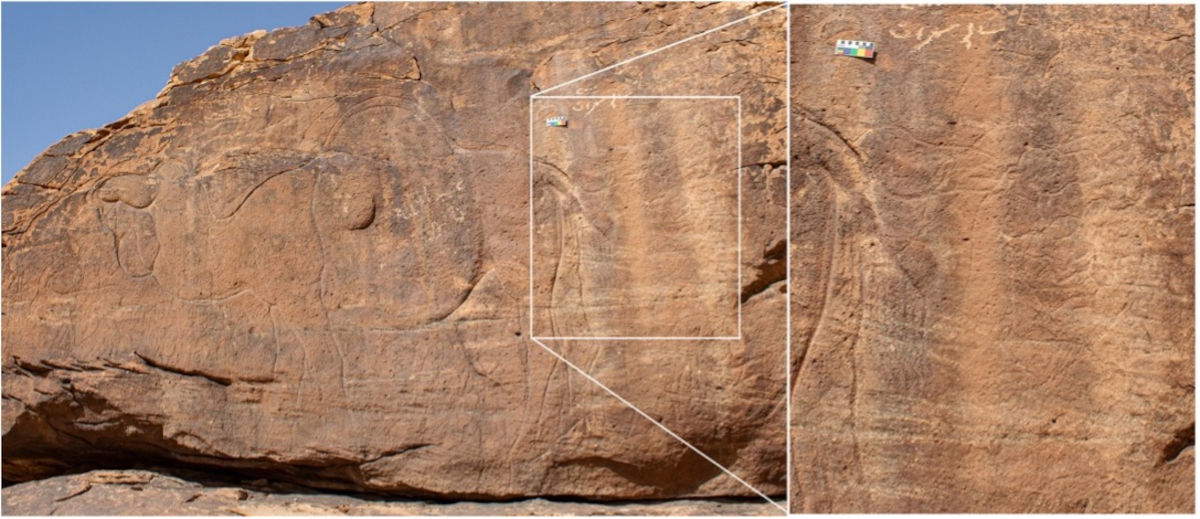
The link between settlement and artistic production emerges clearly from the engraving tools found in the archaeological levels, alongside life-size depictions of camels and human figures. The evidence provides an accurate chronological picture of the development of artistic expression in northern Arabia and confirms that artistic production was an integral part of the cultural life of communities at the time. The results of the study reinforce the Kingdom of Saudi Arabia ’s commitment to the preservation of cultural heritage, the development of historical knowledge and the enhancement of early human communities in the region. The discovery of the Sahout site offers new insights into the role of northern Arabia in the human settlement processes and cultural and technological networks of the prehistoric Near East.
 |
| 13,500 years ago in Arabia: discovery of one of the first human communities |

Warning: the translation into English of the original Italian article was created using automatic tools. We undertake to review all articles, but we do not guarantee the total absence of inaccuracies in the translation due to the program. You can find the original by clicking on the ITA button. If you find any mistake,please contact us.



























 IT
IT FR
FR DE
DE ES
ES CN
CN


