



by Noemi Capoccia 02/03/2026



Categories: Archaeology / Disclaimer
The joint mission between the Supreme Council of Antiquities and the Zahi Hawass Foundation has identified, in the southwestern area of the courtyard of Seneb's tomb at Qurna (Luxor, Egypt), a Third Intermediate Period depository with mummies, embalming-related vessels and eight rare papyri, some still with clay seals.

In the southwestern sector of the courtyard of Seneb’s tomb in the Qurna area on the west bank of Luxor, Egypt, a joint Egyptian archaeological mission between the Supreme Council of Antiquities and the Zahi Hawass Foundation for Antiquities and Heritage identified a deposit of painted wooden sarcophagi containing mummies, along with a group of rare papyri dating to the Third Intermediate Period (1070/1069-712 BCE.C.).
According to a statement by Minister of Tourism and Antiquities Sherif Fathy, the discovery is part of recent research activities supported by the Egyptian state as part of a strategy to protect and enhance cultural heritage. The minister stressed the Ministry’s attention given to the restoration work and scientific study accompanying finds of this nature, with the aim of ensuring conservation according to international standards and subsequently arranging for the appropriate display of the materials, also in the light of cultural tourism, with particular reference to the Luxor area.


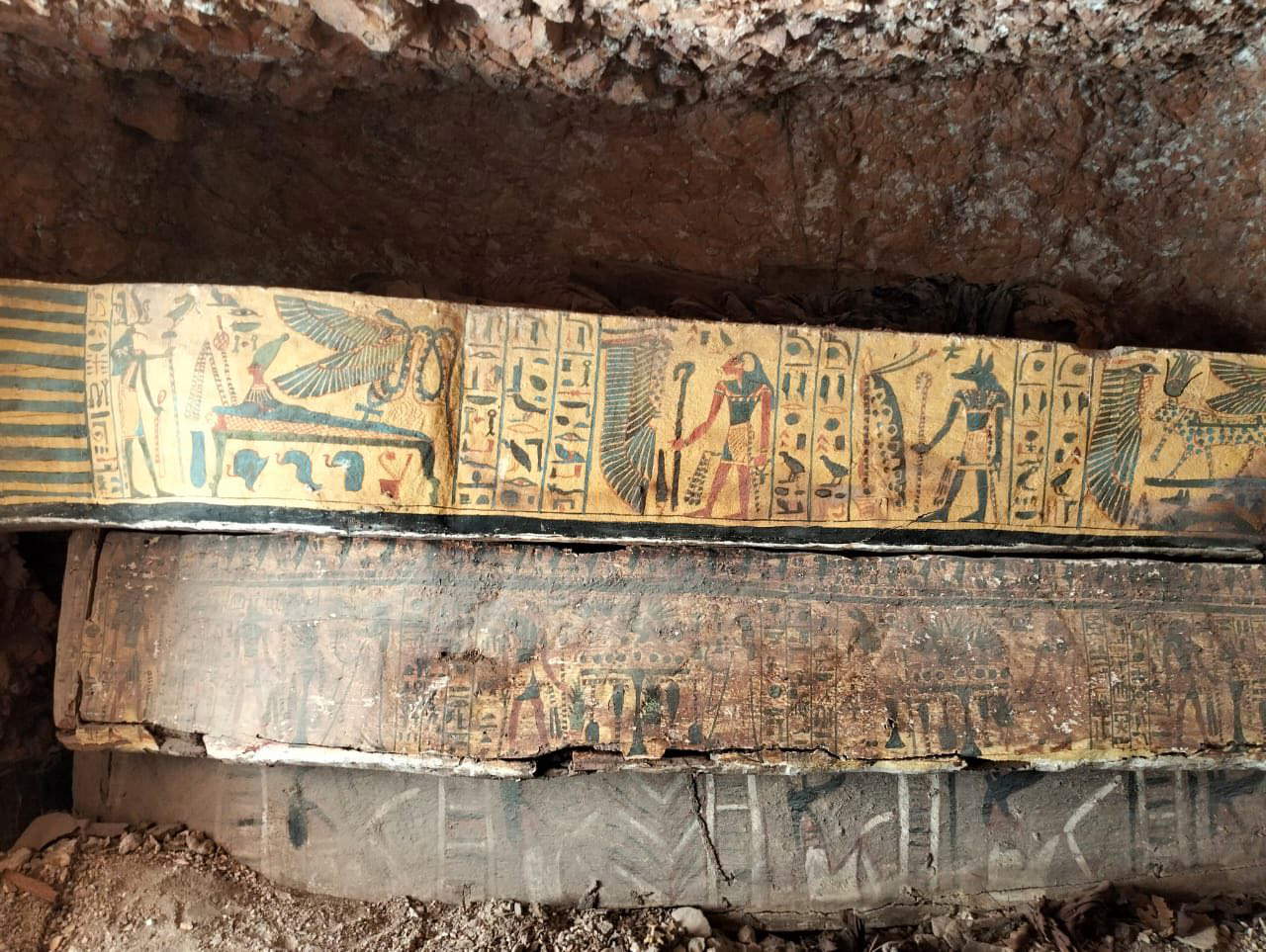
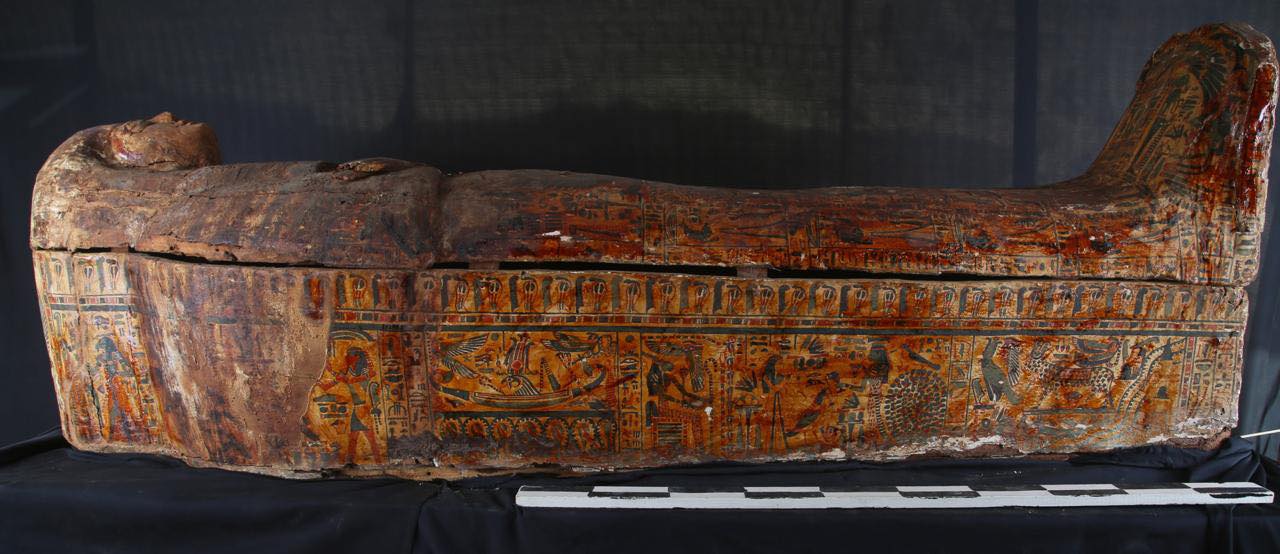
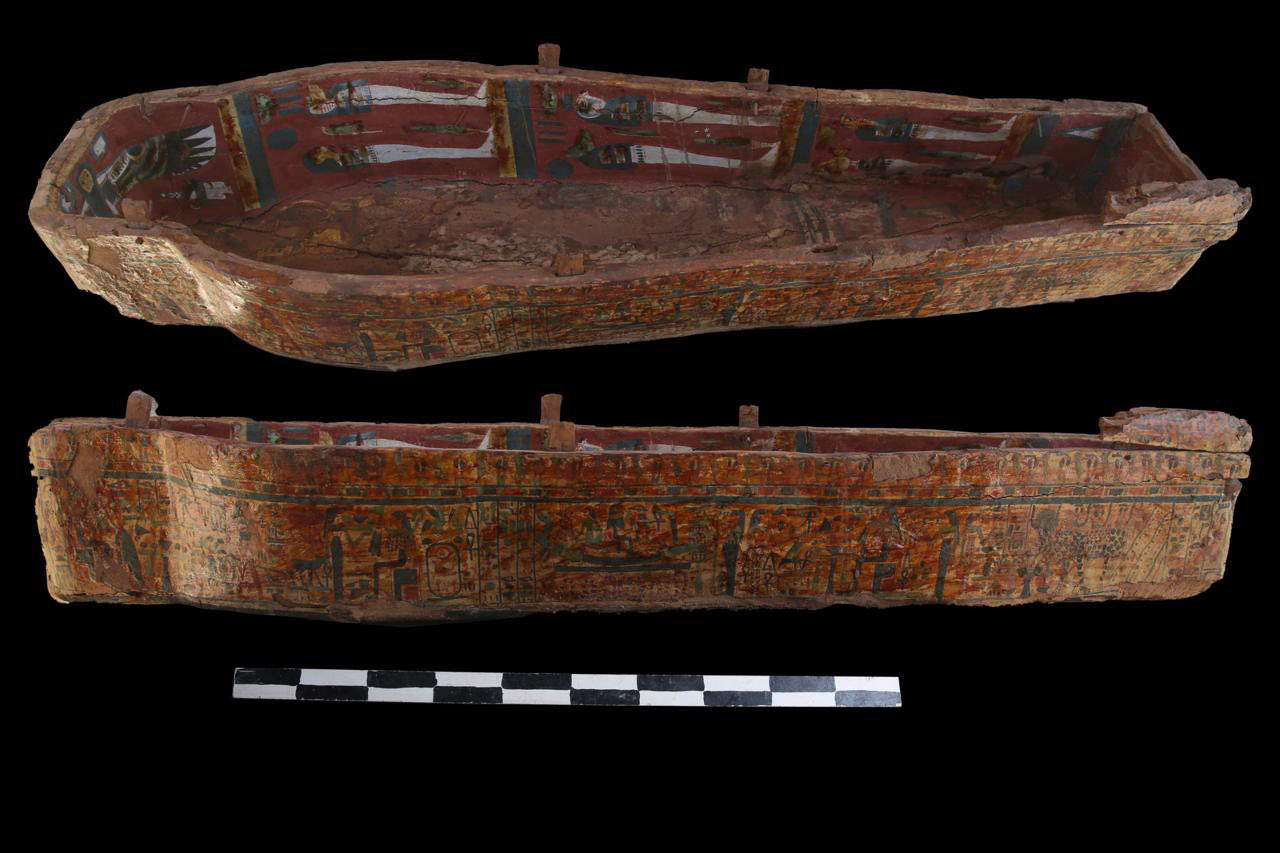
The mission’s director, Zahi Hawass, called the find of significance for knowledge of the Third Intermediate Period. Investigations uncovered a rectangular chamber carved into the rock, which was used as a funerary storehouse. Inside, 22 polychrome wooden sarcophagi arranged on several levels were found. The internal organization of the repository shows a precise exploitation of space: the sarcophagi were placed in ten overlapping horizontal rows, with the lids separated from the chests to optimize the capacity of the room. Next to the sarcophagi, the mission recovered a group of ceramic vessels, believed to be functional for storing the residues of the materials used during the embalming process.
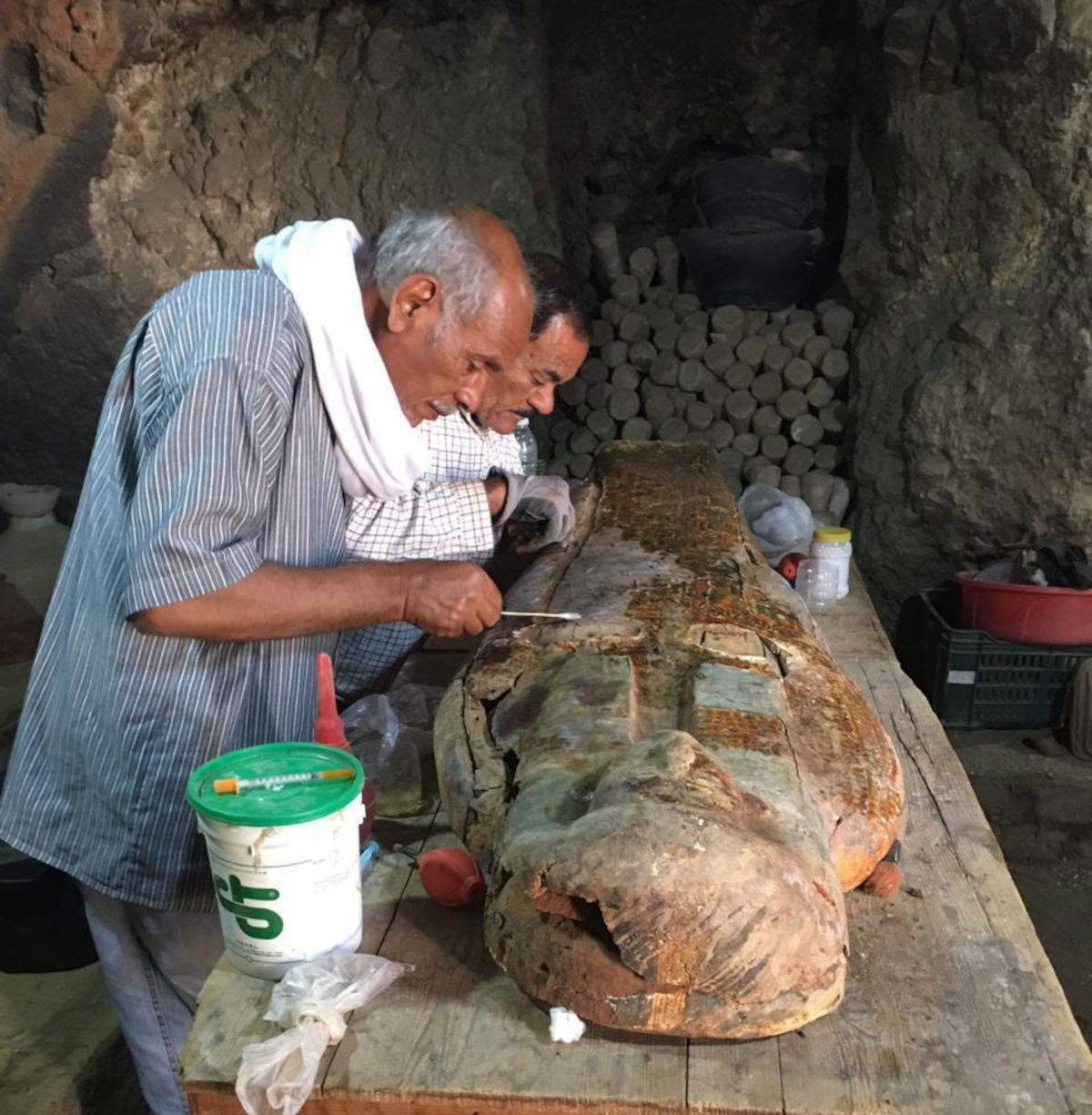
Secretary General of the Supreme Council of Antiquities, Hisham El-Leithy, pointed out that studies are underway aimed at clarifying the identity of the deceased. Most of the sarcophagi bear professional titles instead of personal names. The most recurrent appellation is that of “Amun’s singer,” an element that opens up research perspectives on the class of musicians and singers active in the cult of the god Amun during the Third Intermediate Period. The conservative condition of the wooden artifacts necessitated immediate intervention by the mission’s restoration team. Operations included consolidation of compromised wood fibers, treatment of polychrome facing surfaces affected by detachments, and thorough mechanical cleaning to remove surface deposits without altering the vibrancy of the original colors. Each item was also subjected to photographic and architectural documentation before transfer to storage warehouses. The mission supervisor, Afifi Rahim, attributed the deposit to the Third Intermediate Period, corresponding to the XXI-XXV dynasties. Despite the absence of personal names, the mummies still appear to be inside their respective sarcophagi. Investigations continue with the goal of identifying the original tombs from which the artifacts would have been transferred.
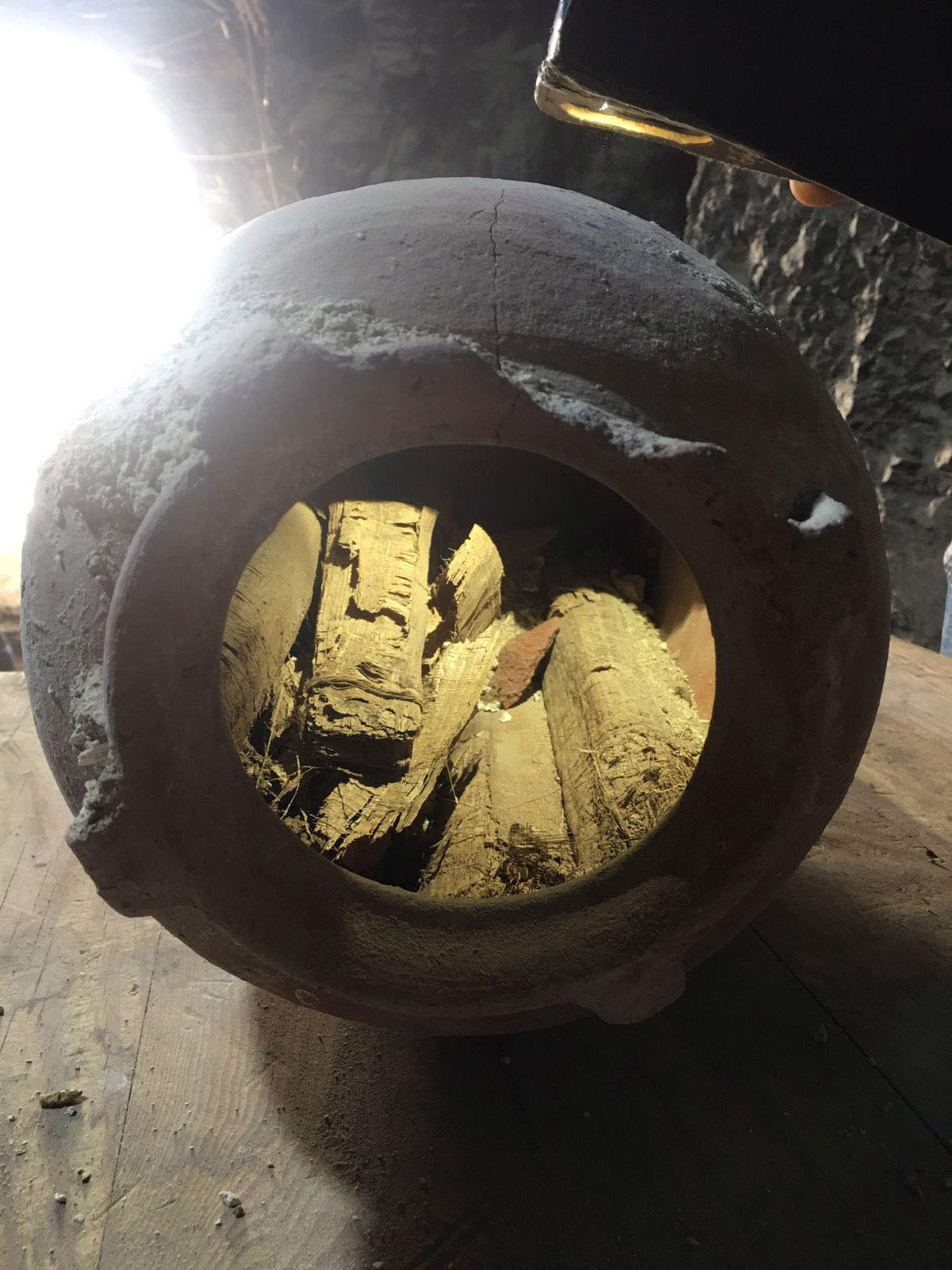
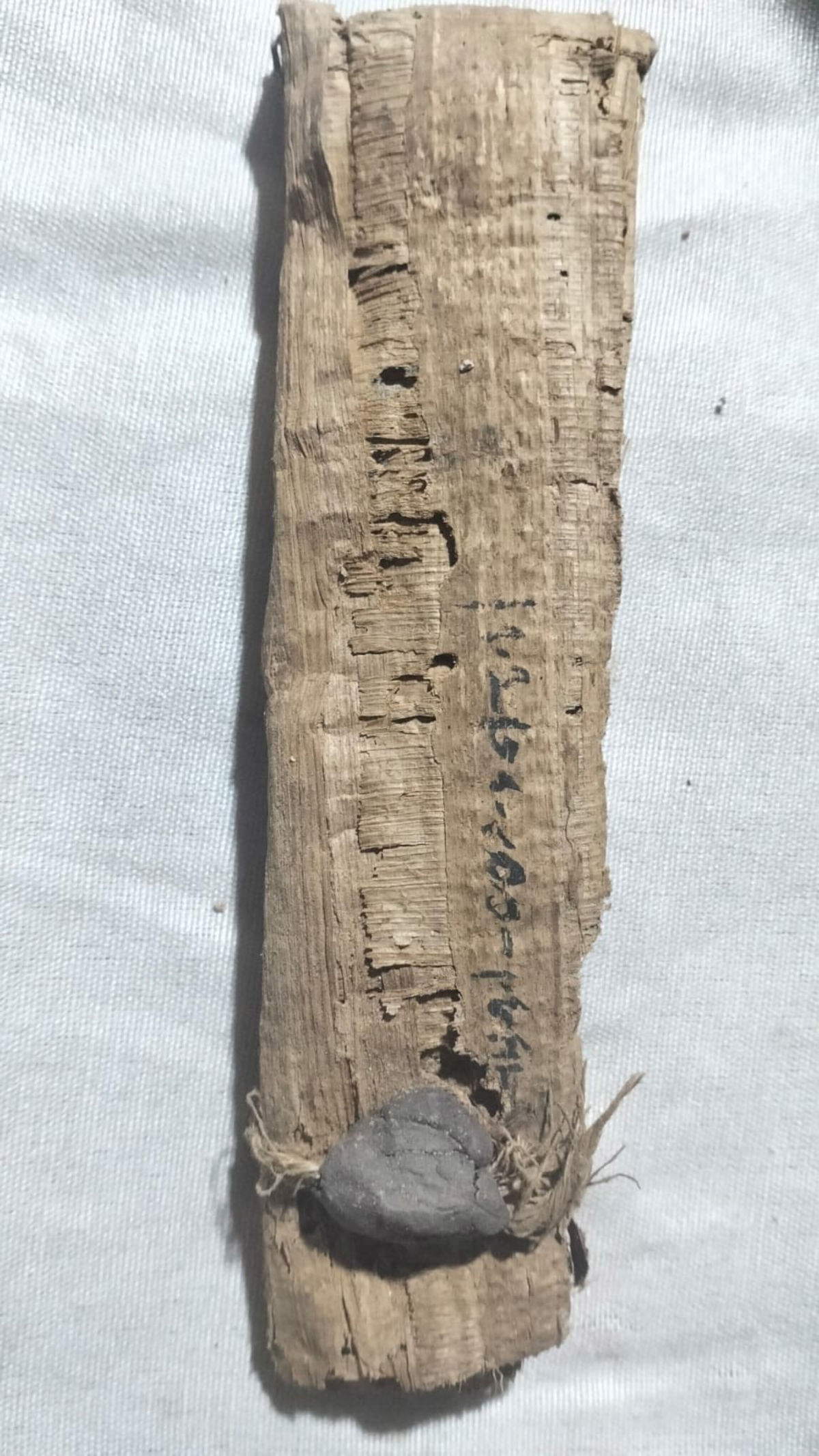
Finally, the discovery of eight papyri, found inside a large terracotta vase, is of particular significance. Some specimens still retain the original clay seal. The documents vary in size and will be subject to restoration work and subsequent translation and study.
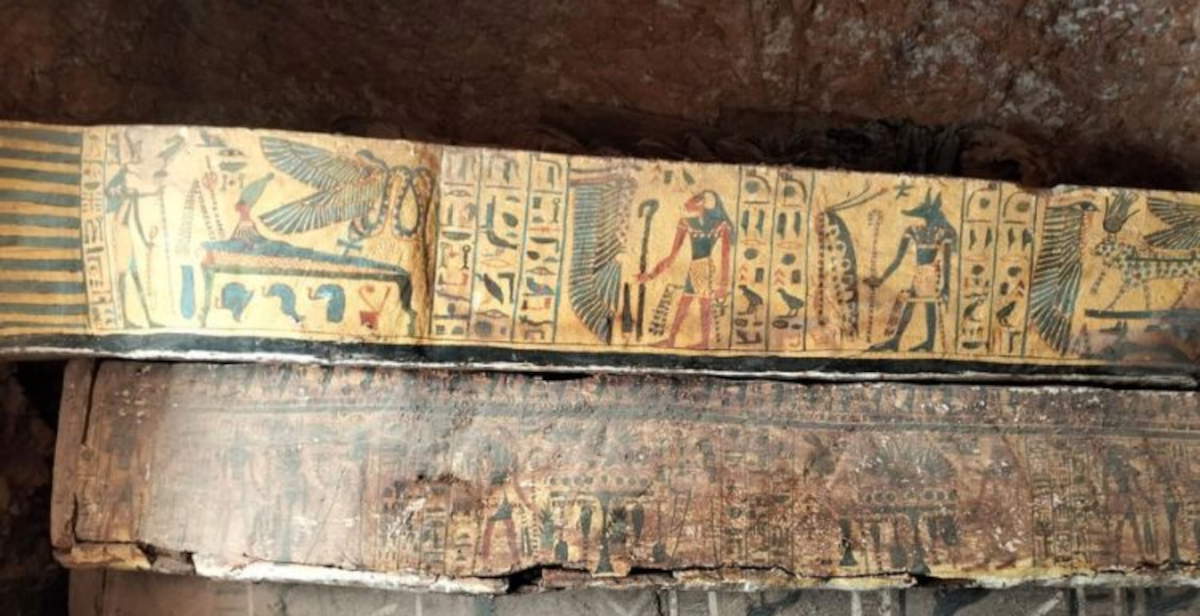 |
| Egypt, deposit of 22 sarcophagi of 'singers of Amun' discovered in Luxor with 8 papyri |
Warning: the translation into English of the original Italian article was created using automatic tools. We undertake to review all articles, but we do not guarantee the total absence of inaccuracies in the translation due to the program. You can find the original by clicking on the ITA button. If you find any mistake,please contact us.