




by Redazione 17/12/2025



Categories: Archaeology / Disclaimer
An Italian archaeological mission identifies one of the oldest solar temples of the Old Kingdom at Abu Ghurab, offering new insights into the architecture and religious life of Fifth Dynasty Egypt.


An archaeological mission from theUniversity of Turin, in collaboration with theUniversity of Naples L’Orientale, has unearthed a remarkable find near Cairo. Excavations conducted at the site of Abu Ghurab have identified a valley temple within the solar complex of Pharaoh Nyuserra, ruler of the 5th dynasty in the 3rd millennium BCE.

The valley temple represents a key element in ancient Egyptian architecture, as it connected the upper sanctuary located on a desert hill to the Nile valley, through which offerings and personnel arrived. The Nyuserra complex, known as the earliest example of a temple dedicated explicitly to the Sun god Ra, had already been identified in the late 19th century by archaeologist Ludwig Borchardt. In any case, the possible temple downstream had not been excavated because of the high water table. The changing course of the Nile and the construction of the Aswan Dam lowered the groundwater level, making archaeological investigation possible today. The 2024 and 2025 campaigns, led by Massimiliano Nuzzolo for the University of Turin and Rosanna Pirelli for the University of Naples, focused on the area that served as access to the sanctuary.


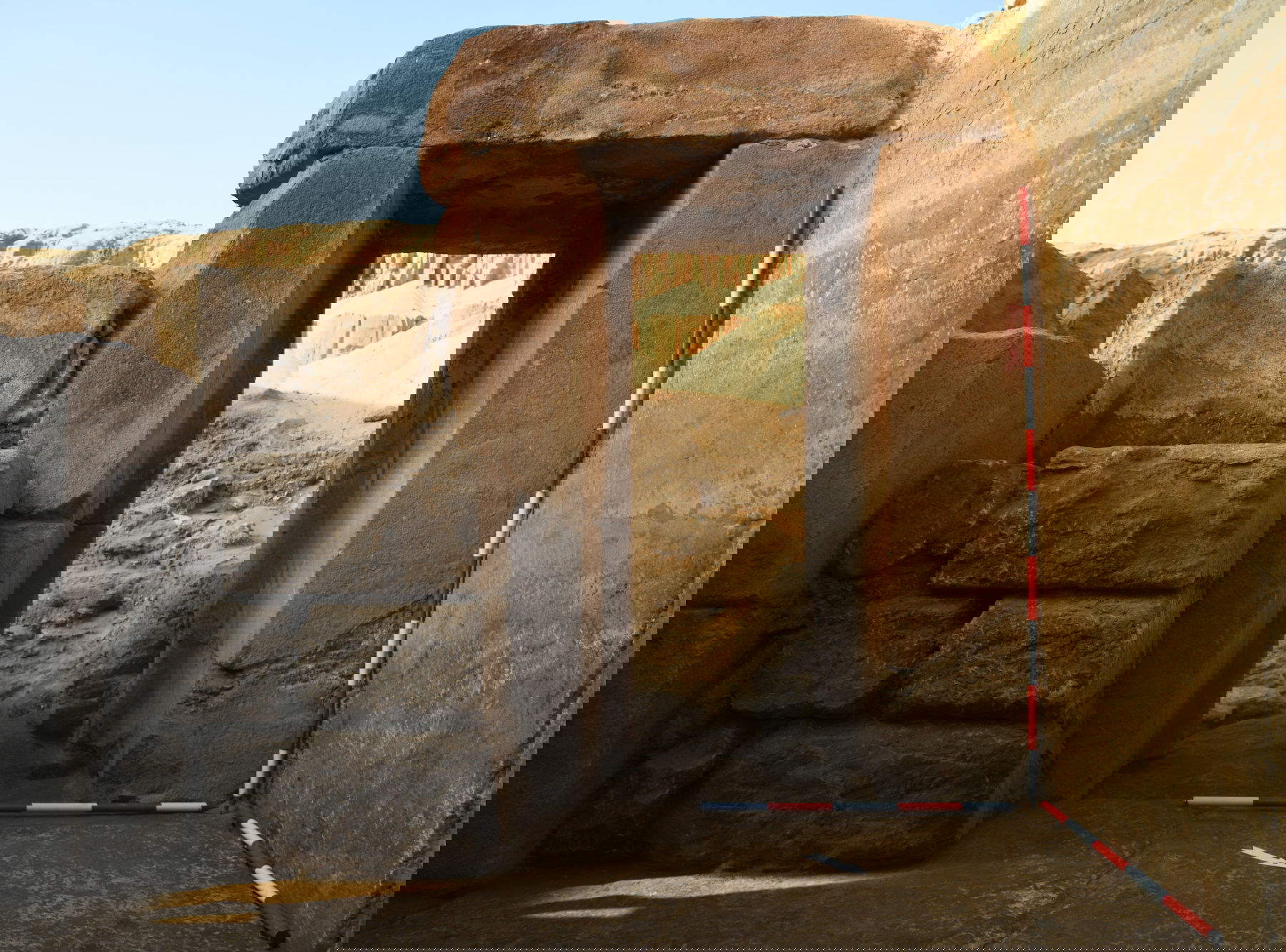
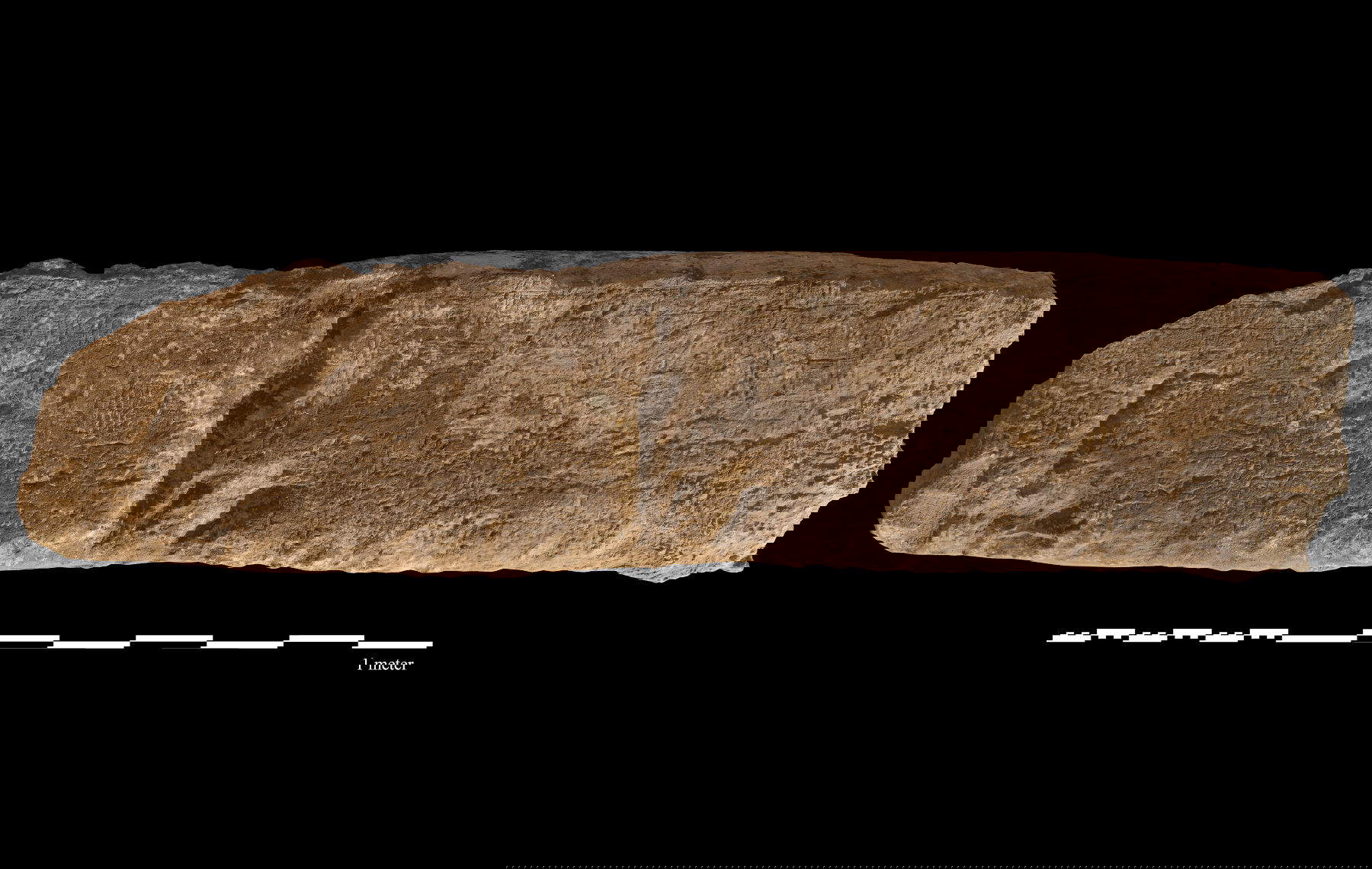
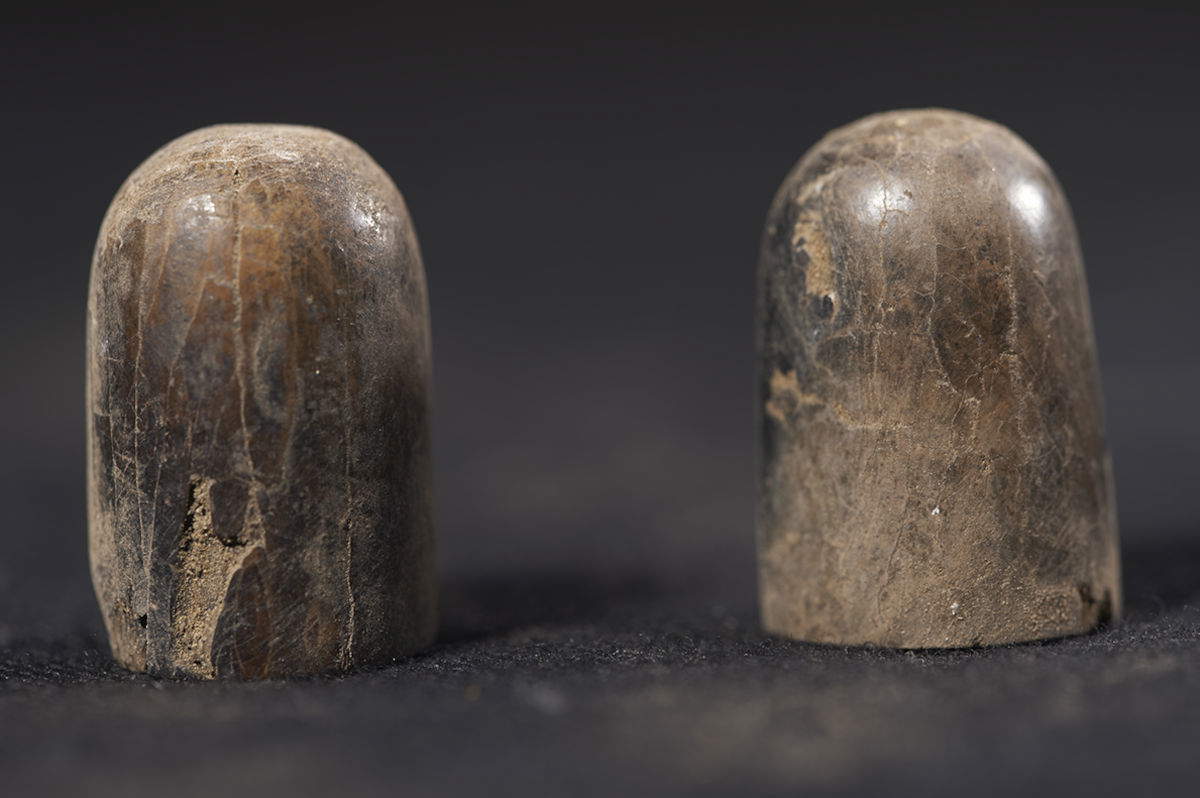
The Egyptian Ministry of Antiquities and Tourism officially confirmed the findings, which document one of the very rare valley temples related to an Old Kingdom solar complex. Emerging structures indicate a monumental building, spread over more than 1,000 square meters, equal to half of the entire sanctuary. The building exceeded 5.5 meters in height and was made of fine materials such as pink granite, fine white limestone and red quartzite. Several blocks bore inscriptions with Nyuserra’s name and references to religious holidays, probably part of a ritual calendar displayed outside. The survey also showed that the shrine, which was used for about a century, was later abandoned and reoccupied by local communities for more than three hundred years.

“The crucial importance of this discovery,” says Professor Massimiliano Nuzzolo, “lies in the fact that this temple is one of only two examples of ’valley temples’ of solar complexes known to exist in ancient Egypt and thus provides us with new insight into the architectural achievements of the age of the great pyramids. Moreover, in the Memphite area where the temple is located, it is not uncommon to come across structures used as temples and then reused as settlements, but never has an example been found that is so well preserved and especially used for so long.”
The mission, financed by Italian universities and the Ministry of Foreign Affairs and International Cooperation, has obtained excavation permits from the Egyptian Ministry of Antiquities and Tourism and is receiving technical support from the Saqqara Inspectorate and diplomatic support from the Italian Embassy and the Italian Cultural Institute in Cairo. Work will continue to further explore the site and provide new information on the development of solar temples and religious life in ancient Egypt.
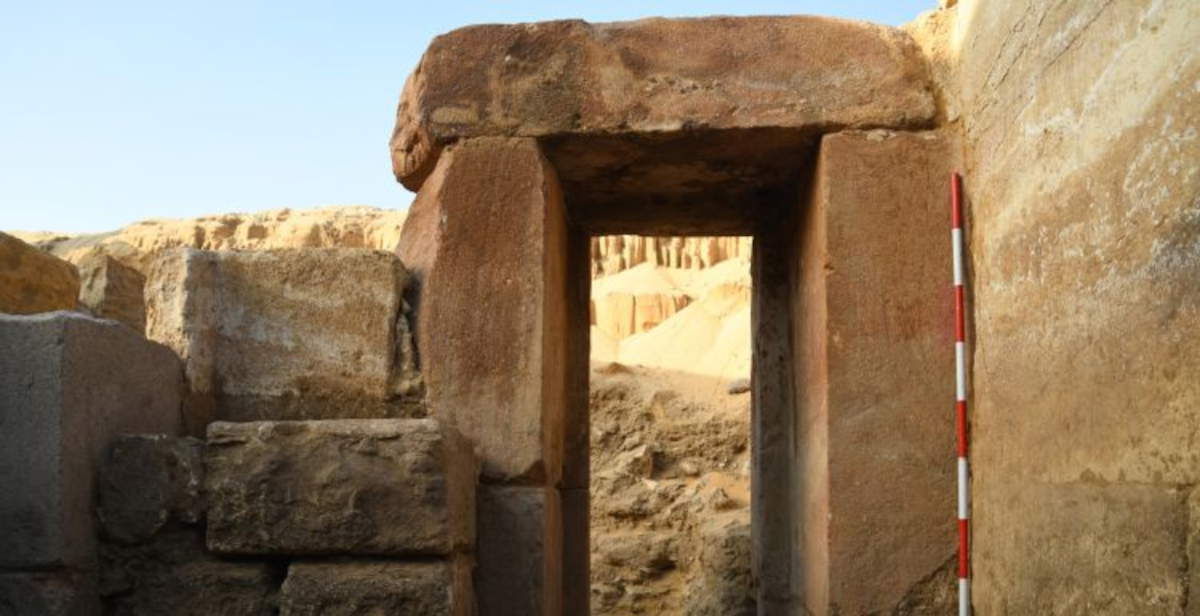 |
| Egypt, Italian archaeological mission discovers near Cairo |
Warning: the translation into English of the original Italian article was created using automatic tools. We undertake to review all articles, but we do not guarantee the total absence of inaccuracies in the translation due to the program. You can find the original by clicking on the ITA button. If you find any mistake,please contact us.