





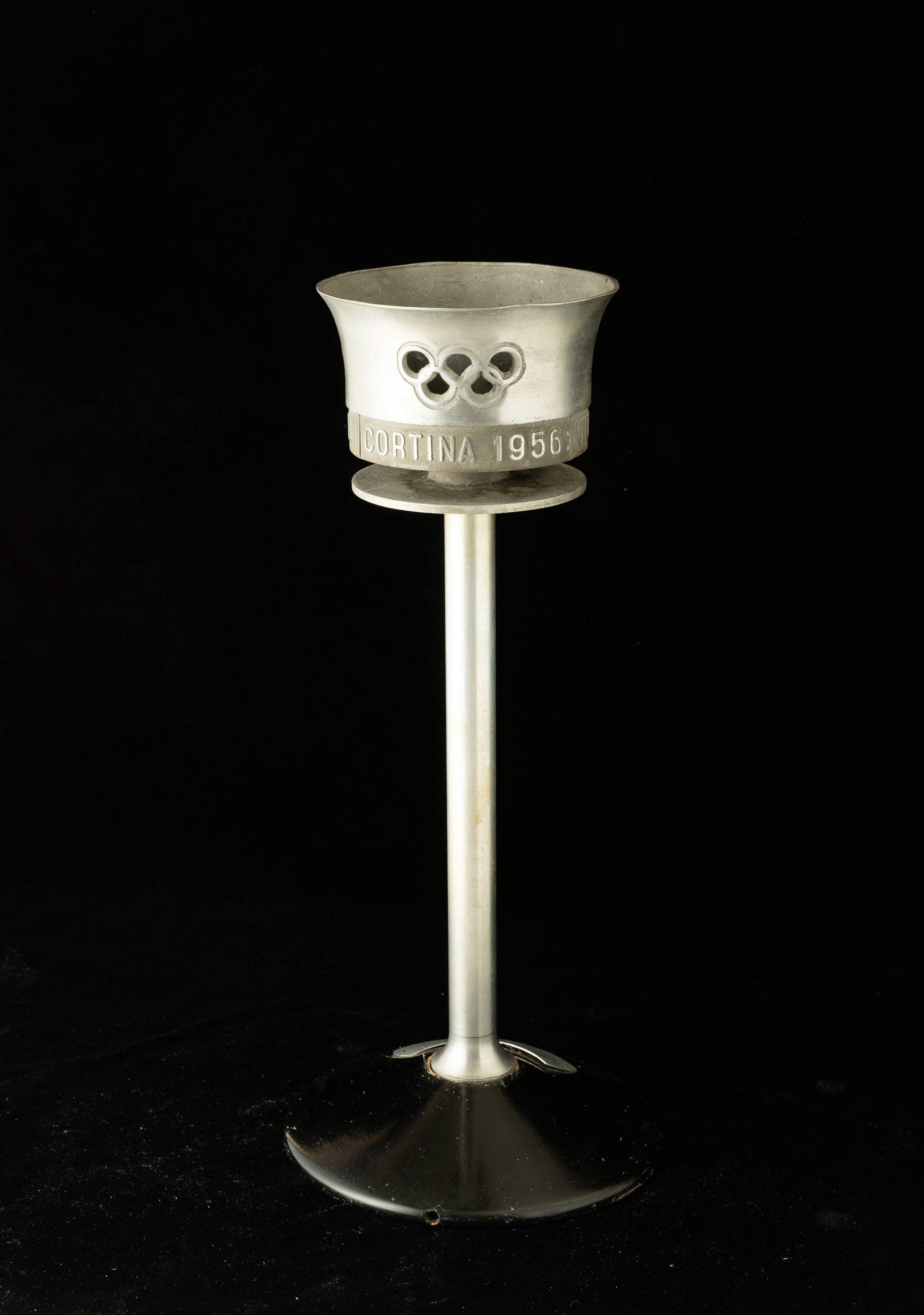
A special timed auction organized by Cambi Auction House kicked off on January 30, 2026, entirely dedicated to a single lot of great historical and symbolic importance: a rare original Olympic flashlight from the 1956 7th Winter Olympic Games in Cortina d’Ampezzo. The sale of the flashlight, which starts from an auction base of 9 thousand euros (estimate 10-15 thousand euros) will end on February 6, 2026 at 8:00 p.m., on a date chosen not coincidentally, as it coincides with the Opening Ceremony of the Milan Cortina 2026 Winter Olympic Games. A time alignment that reinforces the evocative value of the auction, creating an ideal link between two Italian Olympic editions separated by seventy years, but united by a common sporting and cultural heritage.
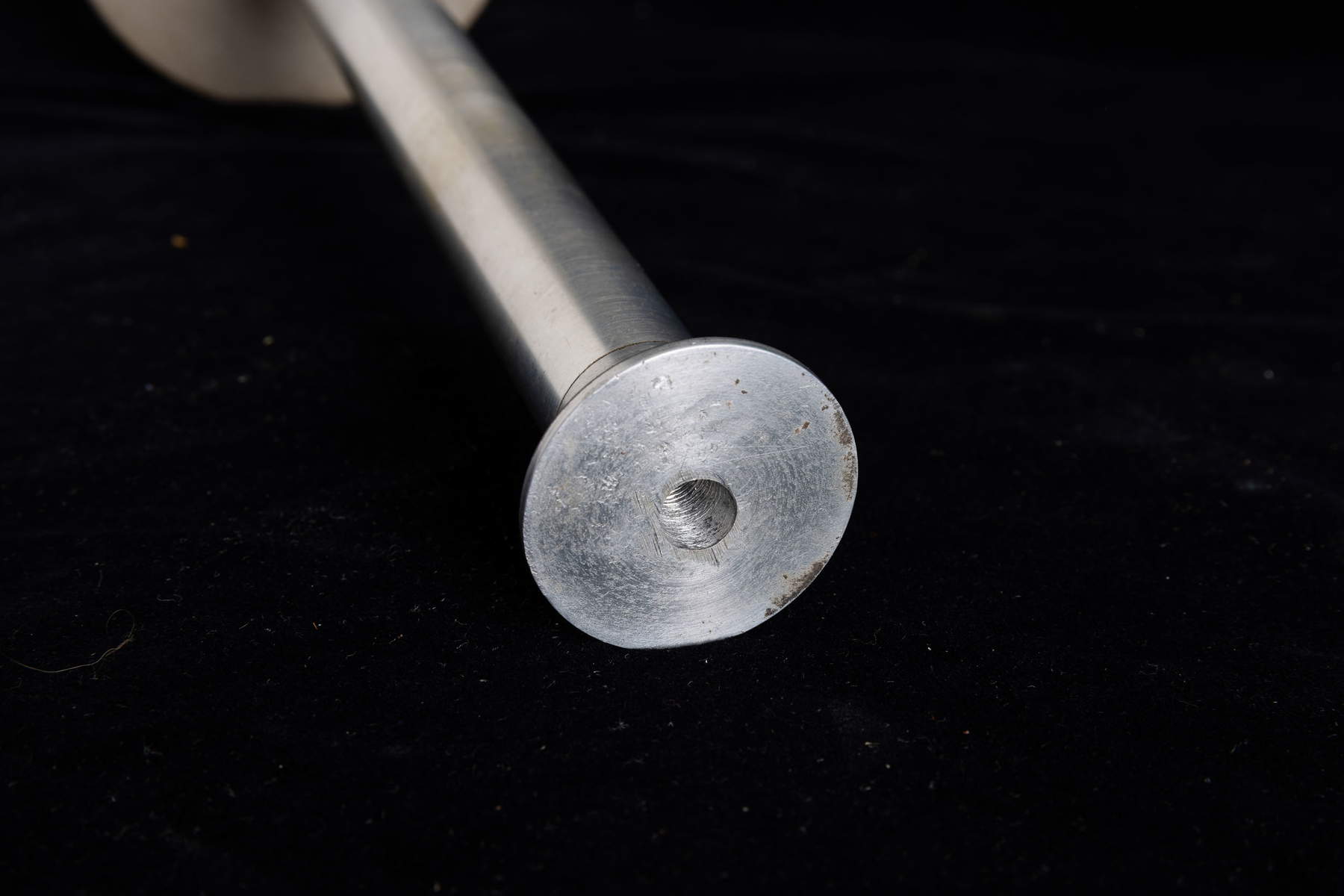
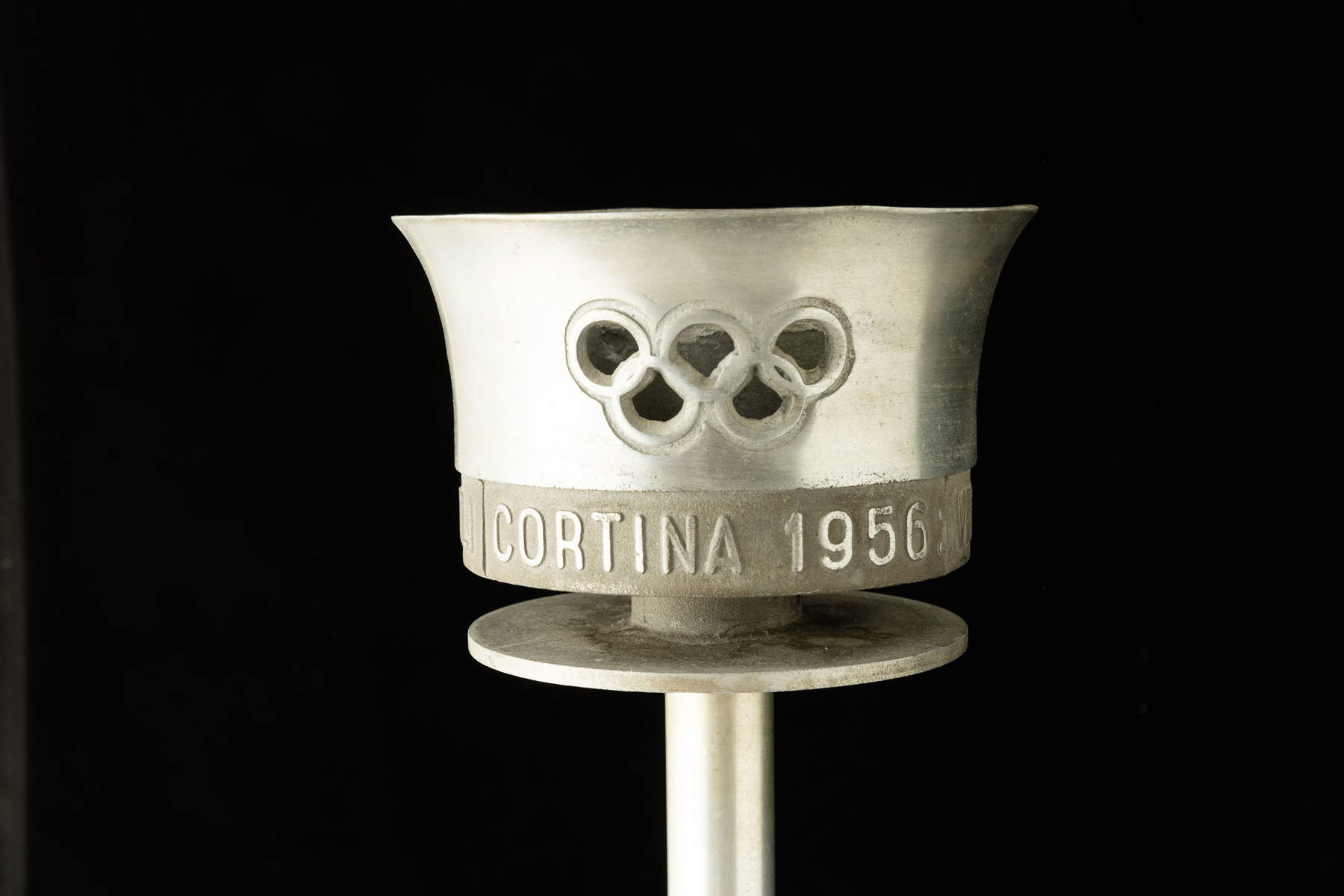
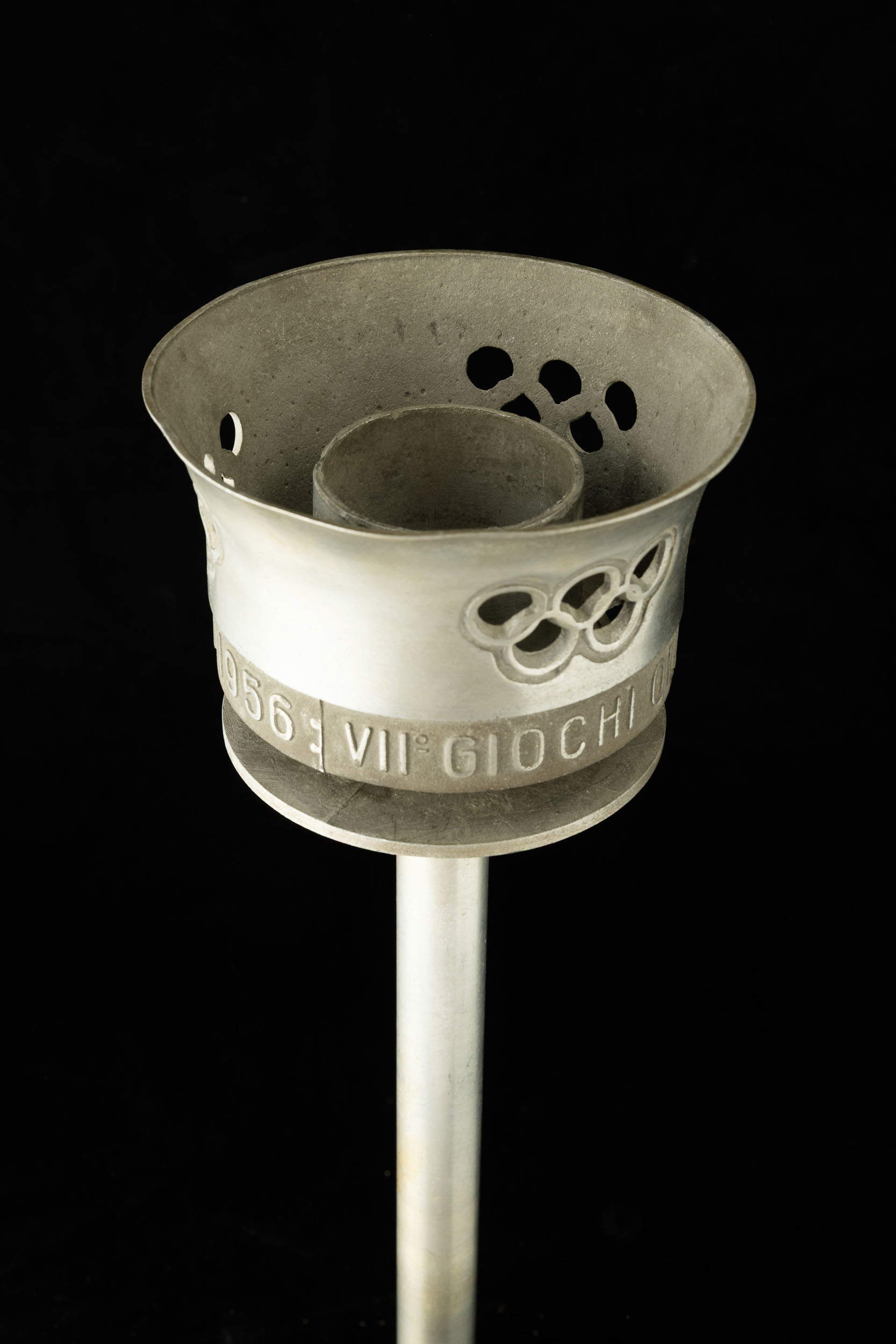
The proposed lot represents an authentic testimony to one of the most significant moments in Italian Olympic history. The flashlight is a rare original specimen made of aluminum alloy, designed by Ralph Lavers, a central figure in Olympic design after World War II. Lavers signed some of the iconic objects of the Games of his time, and the model adopted for Cortina 1956 traces the one already used for the 1948 London Olympics, later also employed for the 1956 Melbourne and Stockholm Games. Production was entrusted to E.M.I. Factories Ltd and High Duty Alloys Ltd, companies that specialize in working with innovative materials that combine functionality, strength and formal recognition.
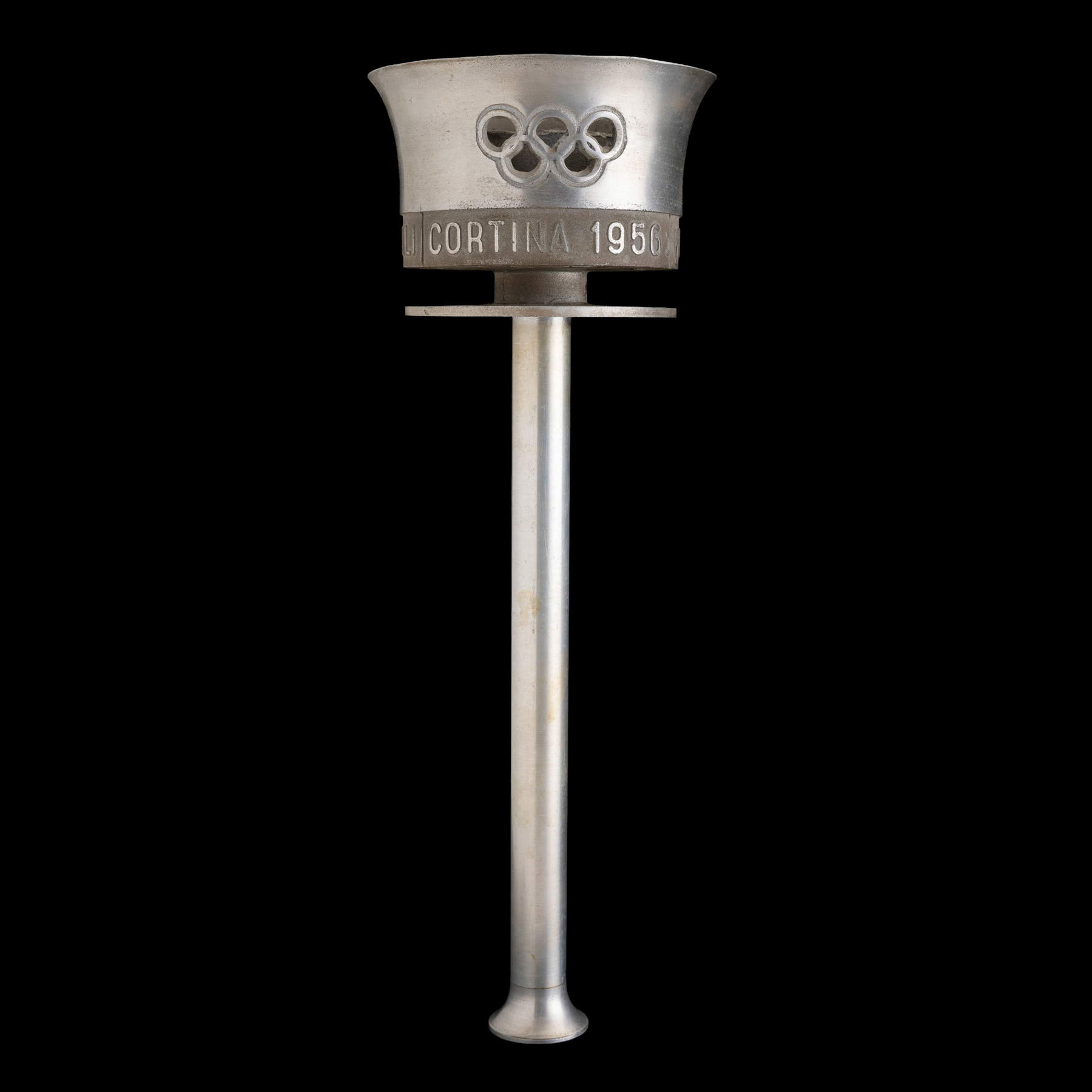
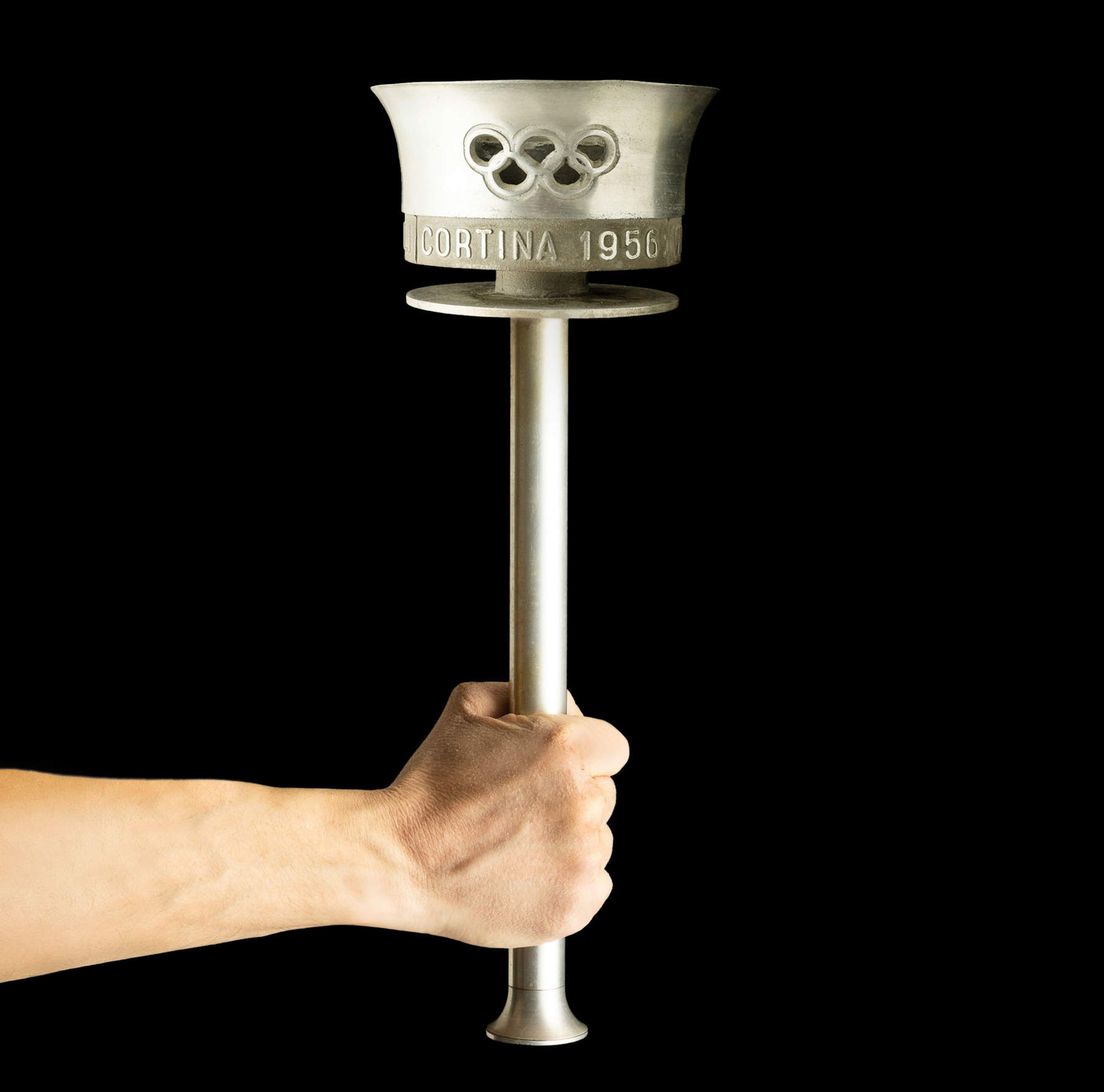
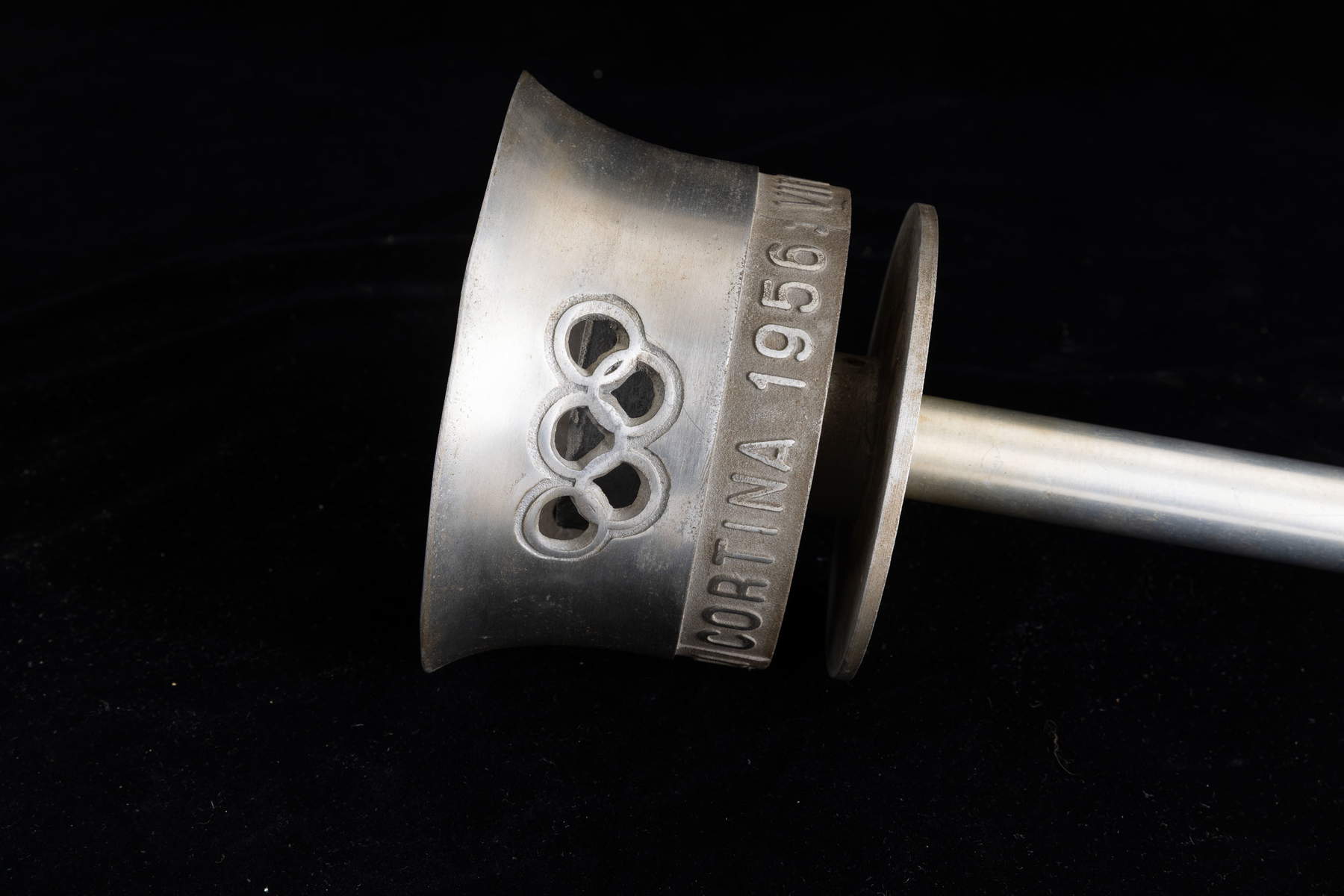
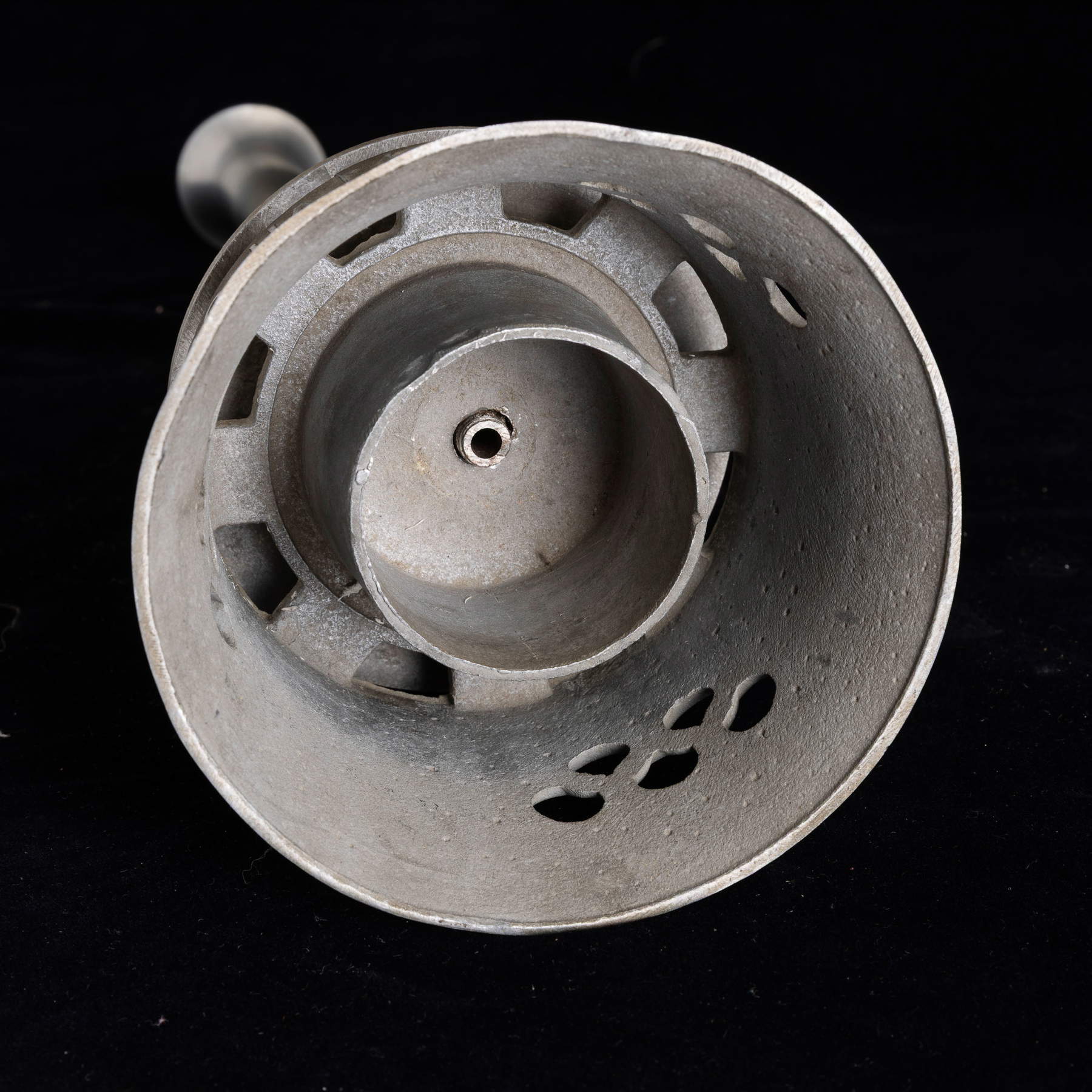
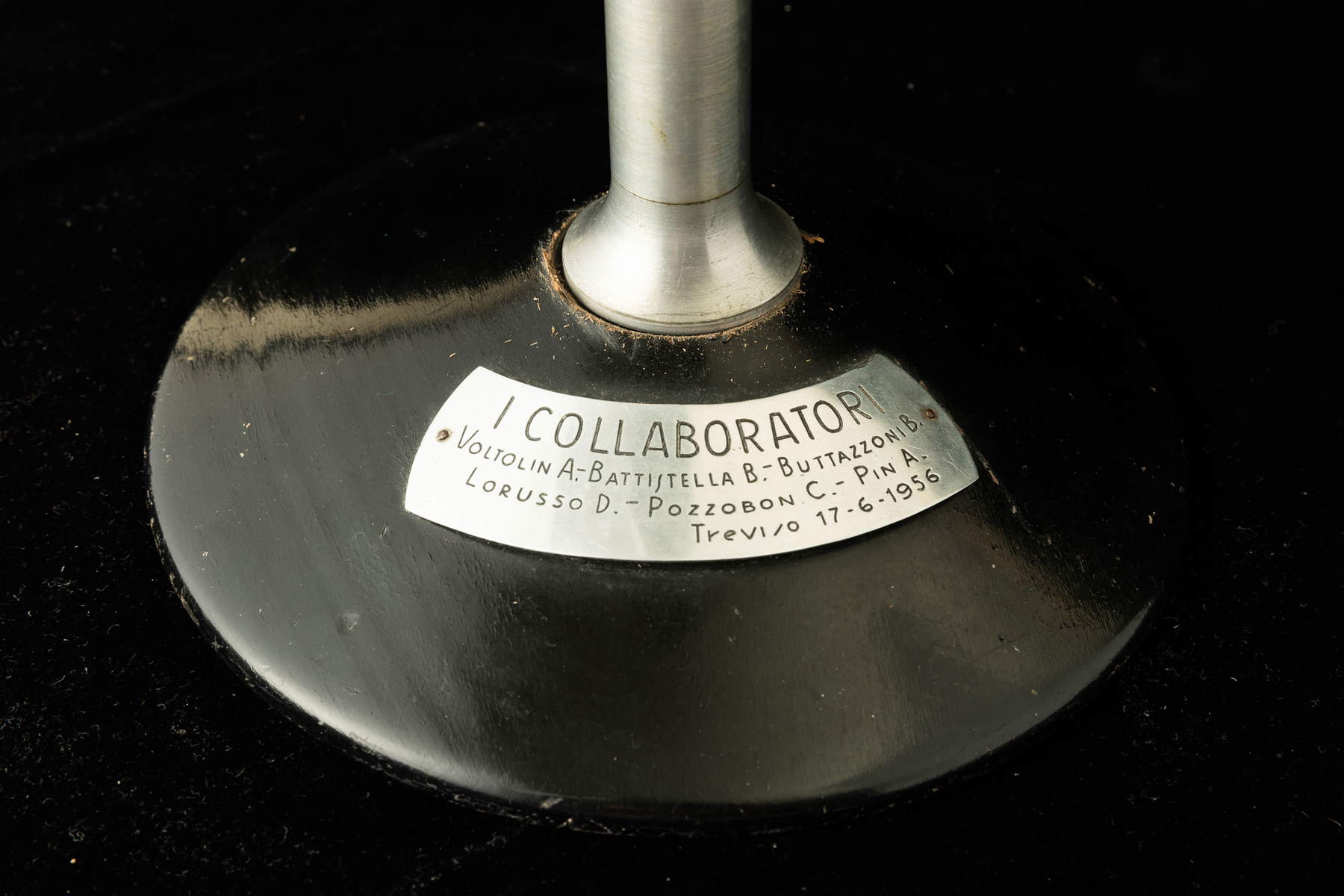
The flashlight bears the inscription “Cortina 1956 - VII Olympic Winter Games” and is mounted on a wooden base with a plaque dated June 17, 1956. Beyond its material characteristics, the flashlight retains intact its symbolic value, linked to the ritual of the Olympic flame and the message of continuity, peace and sports competition that it represents. What makes the lot particularly significant is its direct and documented provenance. The principal of the auction is the grandson of the first owner, Nicola Manganaro, who held the position of telephone services manager during the 1956 Olympics in Cortina. At the end of the Games, the flashlight was given to him by his co-workers as a token of gratitude and as a tangible reminder of an unrepeatable professional and human experience, lived at a time when the organization of an Olympic event represented a technical and logistical challenge of enormous complexity.
This gesture recounts a time when Olympic objects were not conceived as memorabilia destined for collecting or museum display, but as lived testimonies, entered into the everyday life of those who had personally contributed to the success of the event. The flashlight thus became a private object, charged with memory and meaning, preserved as a symbol of a shared experience and an unrepeatable moment in the country’s history.
The object also bears witness to a relay race that has entered history. The Olympic flame of the 1956 Winter Games, in fact, was not lit in Olympia, Greece, as is traditionally done today, but in Rome, on the steps of the Capitoline Temple of Jupiter, on January 22, 1956. From there began a complex journey that crossed Italy following an articulated and highly symbolic route. The flame initially traveled by car to Ciampino, continued by plane to Venice, crossed the Grand Canal in a gondola and then continued on foot, on skates and finally on skis, until it reached Cortina d’Ampezzo.
On January 26, 1956, the day of the Opening Ceremony, the flame arrived at Cortina’s Ice Stadium thanks to a relay team composed of some of the greatest Italian athletes of the time. Torchbearers included Adolfo Consolini, Zeno Colò, Severino Menardi and Enrico Colli, down to the last torchbearer, Italian speed skating champion Guido Caroli. It was Caroli himself who lit the Olympic brazier in front of the audience in the stands and the first television cameras, in a moment destined to enter the collective memory. While entering the stadium, Caroli tripped over the television cables, but still managed to keep the torch lit and complete the symbolic gesture. It was not a flawless debut for the first internationally televised Winter Games, but that is precisely why that episode became memorable.
The 1956 Cortina Games are indeed remembered not only for their sporting significance, but also for being the first Winter Olympic Games to be televised on an international scale and for the debut of Soviet athletes. It was an edition that marked a turning point in the history of sports and communication, helping to spread the image of the Olympics and winter disciplines to a much wider audience than before.
The exact number of flashlights produced and used during the 1956 Winter Games relay is not specified in the official sources of the time. Unlike modern relays, in which each torchbearer retains his or her own flashlight, in 1956 each specimen was presumably reused several times along the route. Considering that about 110 flashlights were produced for the 1956 Summer Olympics in Melbourne, in which the same design was adopted, it is possible to estimate an equivalent number for the winter event in Cortina as well. This extremely limited production, combined with the sporadic appearance of such objects in international auctions, underscores the exceptional rarity of the flashlight offered by Cambi Auction House.
The auction will take place in timed mode until February 6, 2026 at 8 p.m. and will be accessible online, allowing remote participation. The full listing of the lot, with high-resolution images and detailed description, can be viewed on Cambi Auction House’s website. The lot can also be viewed live at Cambi Casa d’Aste’s Milan headquarters at 22 Via San Marco, offering collectors, scholars and enthusiasts the opportunity to take a close look at an object that has spanned the history of sports and the country.
|
| Auctioning a rare 1956 Cortina Olympic flashlight, symbolic bridge to Milan Cortina 2026 |

Warning: the translation into English of the original Italian article was created using automatic tools. We undertake to review all articles, but we do not guarantee the total absence of inaccuracies in the translation due to the program. You can find the original by clicking on the ITA button. If you find any mistake,please contact us.



























 IT
IT FR
FR DE
DE ES
ES CN
CN


