




From Thursday, February 5 to Sunday, February 8, 2026, ART CITY Bologna returns, now in its fourteenth edition. The program of exhibitions and events, promoted by the Municipality of Bologna with the support of BolognaFiere on the occasion of Arte Fiera, sees the artistic direction of Lorenzo Balbi, director of MAMbo - Museo d’Arte Moderna di Bologna of the Civic Museums Sector. Main sponsor of the 2026 edition is Hera Group.
A distinctive element of the event is the Special Program, which under the curatorship of Caterina Molteni continues its path of research and experimentation, inviting Italian and international artists to intervene in places usually excluded from the exhibition circuits: forgotten spaces, little known or not accessible to the public. In this perspective, the 2026 edition inaugurates a special collaboration with theAlma Mater Studiorum - University of Bologna. Founded in 1088, the Alma Mater has been a cultural, political and civil reference point for the city for centuries. Its history is deeply intertwined with that of Bologna and its urban fabric, reflected in the palaces and buildings that have housed university activities over time. Spread throughout the Middle Ages and Renaissance among teachers’ dwellings, religious spaces and public buildings, the University found its first official home in 1563 at the Archiginnasio, then moved to Palazzo Poggi in 1803. Since then, the University has gradually expanded its presence, shaping the university citadel. The Special Program of ART CITY Bologna 2026 pays tribute to this legacy through an itinerary of contemporary art that passes through some of the institution’s most representative places, exceptionally open to the public for the occasion. These include the Alessandro Ghigi Lecture Hall of the former Institute of Zoology, the Atrium of the former Faculty of Engineering, the Sala della Boschereccia of Palazzo Hercolani, the Anatomical Theater of the Archiginnasio Municipal Library, the Federico Zeri Foundation, the Educational Laboratory of the Distretto Navile, and the Aula Magna of the Bologna University Library. The specially commissioned or remounted works establish a direct dialogue with the spaces, activating new readings of the academic, architectural and political history of the University.
As per tradition, the venues of the Special Program are not mere containers, but help define the theme of the edition: knowledge and its transmission. ART CITY Bologna 2026 will thus investigate education and teaching as experiences rooted in the physical and sensitive dimension, going beyond an exclusively abstract or theoretical conception of knowledge. These reflections give rise to the project’s title, The Body of Language, inspired by Giorgio Agamben’s text of the same name, in which the philosopher proposes an anatomy of language understood as a living body, “on the run we do not know where to, but certainly outside every grammatical identity and definitive lexicon.” For Agamben, language takes shape in voice, gestures and relationship with the other: rethinking the body therefore also means rethinking knowledge and how it is transmitted.
giulia deval, Mike Kelley, Ana Mendieta, Alexandra Pirici, Augustas Serapinas, Jenna Sutela and Nora Turato are the featured artists of the 2026 edition. Through their works, knowledge will be investigated from the physicality of knowledge, shedding light on the power structures that traverse educational processes and opening up spaces of resistance and new expressive possibilities. The works will propose alternative models of knowledge production and transmission, questioning the authority and linearity inherent in academic and artistic systems, questioning the nature of the places of education, the rules that govern them and the symbolic, social and political transformations that have marked their evolution, with particular attention to new forms of intelligence.
Choreographer Alexandra Pirici (Bucharest, 1982) weaves dance, sculpture, music and speech into performative environments and actions. For ART CITY Bologna 2026 she presents a new production in the Anatomical Theater of the Archiginnasio Public Library. Starting with the image of the corpse on the anatomical table, the artist subverts the normative gaze of the autopsy, restoring centrality to human and more-than-human bodies. The performer investigates the ways in which bodies produce and transmit knowledge, shaping a figure in constant transformation that escapes the hierarchies of scientific knowledge and the traditional separation of subject and object of study. The emerging body thus becomes active and generative, in dialogue with multiple forms of intelligence (cognitive, emotional, experiential, natural or artificial). The project, which continues a research started in 2024 with Attune, is realized with the support of Banca di Bologna, a historical partner in the institutional program of ART CITY Bologna.
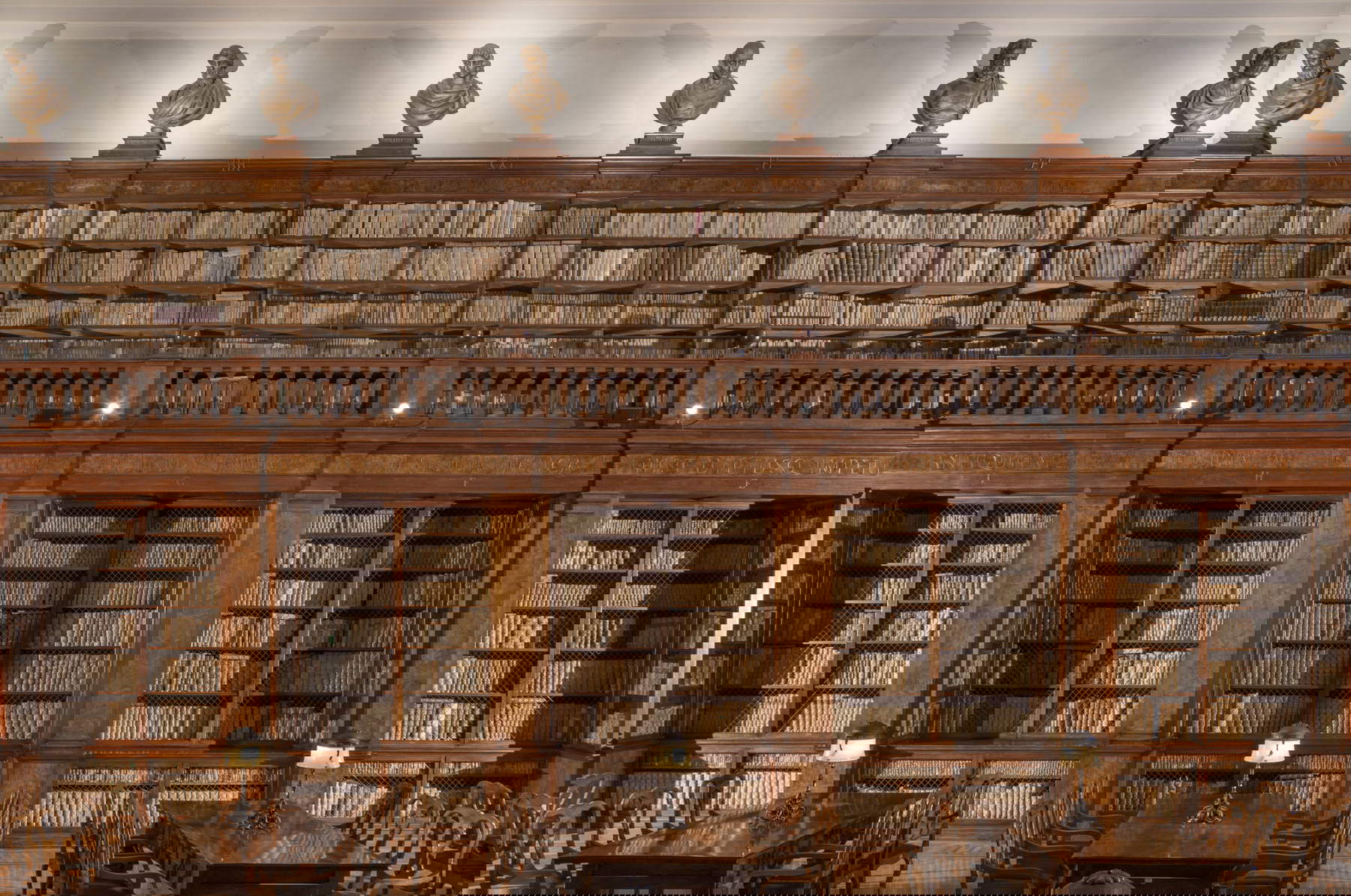
The research of Nora Turato (Zagreb, 1991) focuses on the collective experience of the incessant flow of information that characterizes contemporaneity. Through performances, videos and textual and graphic works, the artist transforms language into plastic, sonic and conceptual matter. For theAula Magna of the BolognaUniversity Library he creates a new site-specific commission that develops into a performance and an audio environmental intervention. Central to the project is the concept of grounding, understood as a return to the sensitive, embodied and erotic experience of knowledge and language. Also used in the field of artificial intelligence to indicate the anchoring of information to reality, the term here takes on an experiential meaning, as an invitation to reconnect with the present and the corporeal dimension of communication.
giulia deval (Turin, 1993) works between experimental music and contemporary art, focusing her research on vocality. The project PITCH. Notes on Vocal Intonation, winner of the Lydia Prize, is a performance-lecture and video essay that investigates the use of high and low tones in human and nonhuman communication, interweaving references to ethology, phonetics and pop culture. With an ironic and analytical approach, the work explores the meanings attributed to different vocal pitches, highlighting how the grave voice has historically been associated with authority, while high tones are often perceived as strident or less authoritative. The work is presented in theAlessandro Ghigi Hall of the former Institute of Zoology in the dual form of performance and video.
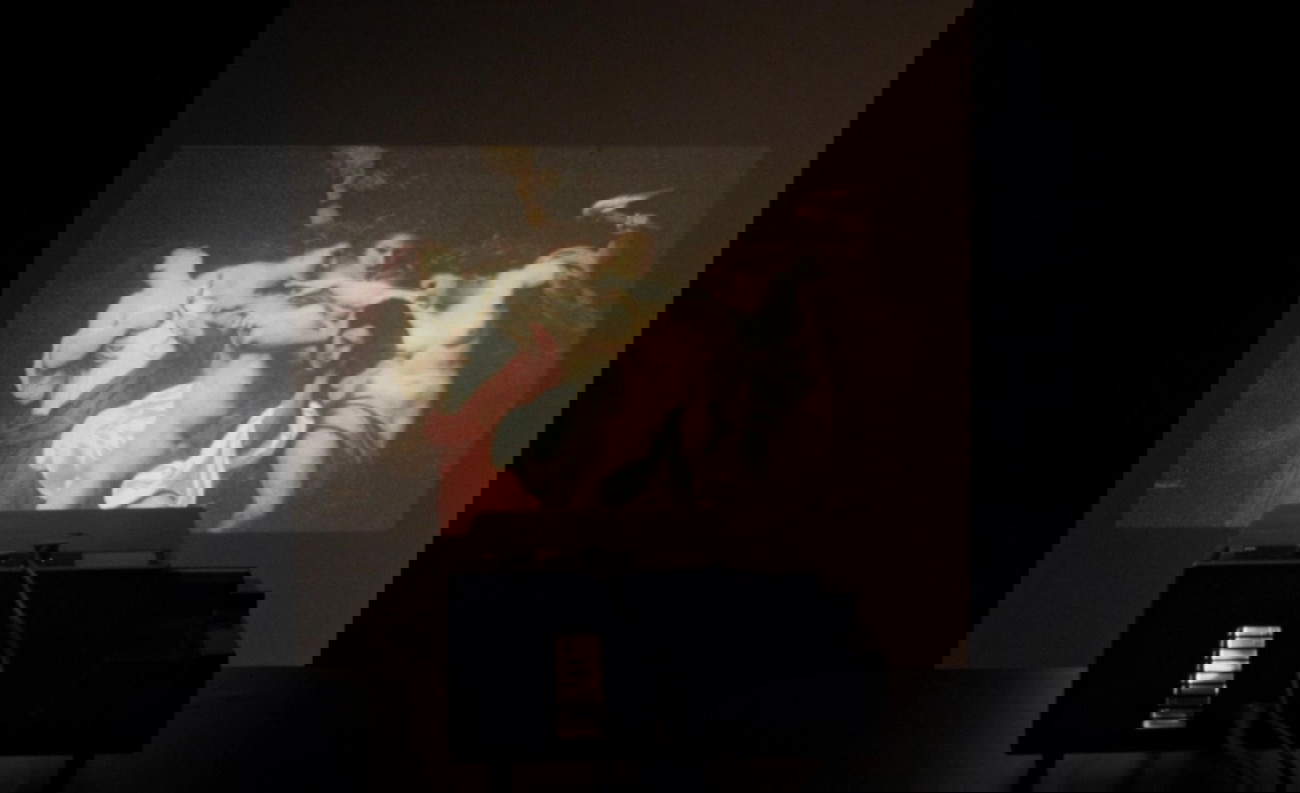
TheAtrium of the former Faculty of Engineering will present the remounting of a historical work by Mike Kelley (Detroit, 1954 - Los Angeles, 2012). Day Is Done brings together 31 musical short films inspired by extracurricular activities in U.S. schools. Through images taken from school yearbooks, Kelley constructs a sequence of ironic and visionary rituals that for the artist represent the expression of the school unconscious, a site of repressed desires, tensions and latent trauma.
The relationship between body, land and identity is central to the research of Ana Mendieta (Havana, 1948 - New York, 1985). Marked by the experience of exile, the artist locates in natural elements and biological processes a form of rootedness and knowledge. In Flower Person, Flower Body a woven body of flowers dissolves in the rhythms of water, while in Esculturas Rupestres Mendieta etches figures of Caribbean Taíno female deities on the walls of a cave, evoking a knowledge inscribed in matter. The works dialogue with the illusionistic frescoes in the Sala della Boschereccia in Palazzo Hercolani, proposing a different idea of mimesis with the natural environment.
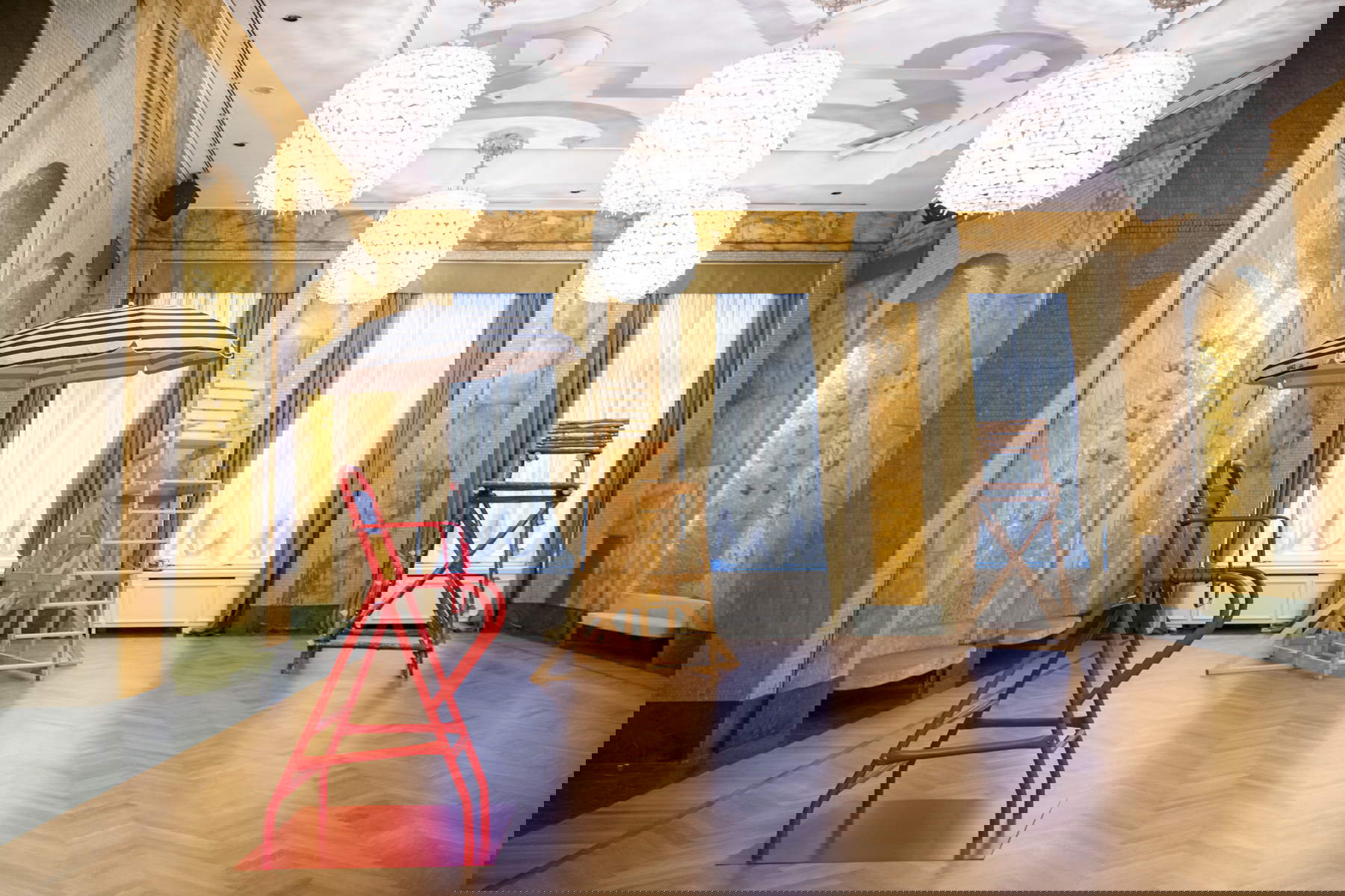
The intervention by Augustas Serapinas (Vilnius, 1990) reflects on the links between space, architecture and perception. The Chair for the Invigilator series presents elevated seats, inspired by lifeguard stations, originally intended for lifeguards. For ART CITY Bologna 2026, the structures are made available to the public as reading stations in the Federico Zeri Foundation library, transforming the act of reading - and thus knowledge - into a bodily experience. The work is part of the Lithuanian Culture in Italy 2025-2026 program.
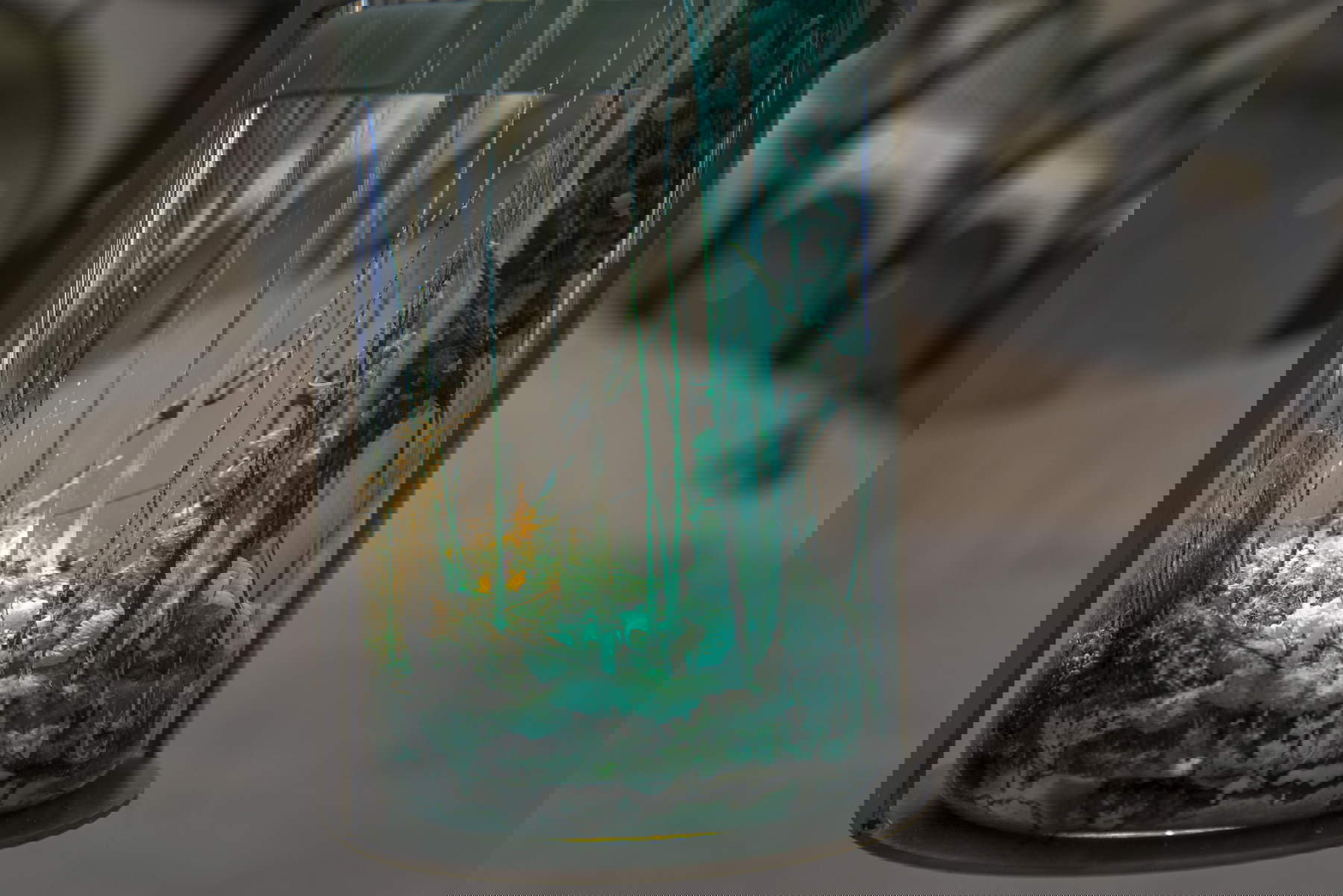
With nimiia cétiï, Jenna Sutela (Turku, 1983) explores the encounter between bacteria and artificial intelligence. The artist asks AI systems to translate the movements of microorganisms into sounds and signs, resulting in a possible Martian language. Inspired by science fiction, the work imagines communication between different life forms mediated by technology. Presented in the spaces of the Distretto Navile Educational Laboratory, the installation takes on an immersive dimension that simulates the hacking of laboratories by aliens in an attempt to communicate with Earth.
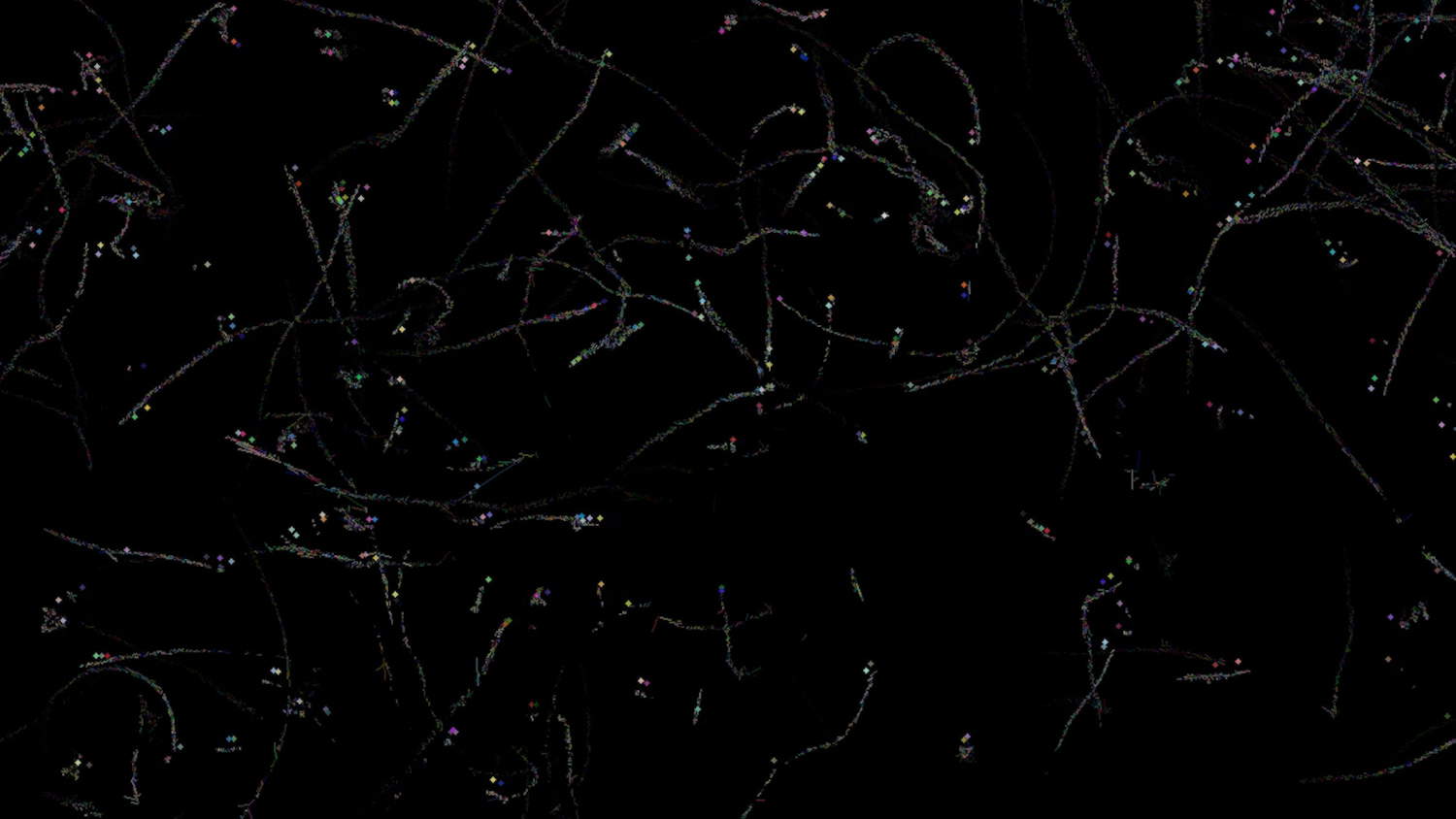
Also contributing to complete the homage to the origins of the Studium is the new visual identity of ART CITY Bologna 2026, designed by Al mare. Studio from the imagery of medieval glossators, whose annotations, signs and references become a contemporary graphic language inspired by the tools of the studio: paper, highlighters, pens, notes and scribbles that transform the word into form.
During the days of ART CITY Bologna, the entire city will be animated by a rich program of initiatives promoted by institutions, galleries and independent spaces.
|
| Back for its 14th edition ART CITY Bologna, dedicated this year to knowledge and its transmission |

Warning: the translation into English of the original Italian article was created using automatic tools. We undertake to review all articles, but we do not guarantee the total absence of inaccuracies in the translation due to the program. You can find the original by clicking on the ITA button. If you find any mistake,please contact us.




























 IT
IT FR
FR DE
DE ES
ES CN
CN


