




by Redazione 25/01/2026



Categories: Exhibitions / Disclaimer
From Jan. 25 to Feb. 22, 2026, MIC Faenza's Project Room is hosting an exhibition on the porcelain of the Hausmalers in Europe in the eighteenth century, those porcelain painters who refused exclusive ties to a factory, preferring to work independently within their own workshops.


From Jan. 25 to Feb. 22, 2026, MIC Faenza ’s Project Room is hosting the exhibition The Porcelain of the Hausmalers in Europe in the Eighteenth Century, curated by Alessandro Biancalana, dedicated to one of the most fascinating and least conventional experiences in European ceramic decoration.


The term Hausmaler, which literally means “painter in the home,” refers to those painters on porcelain active in the 18th century who refused exclusive ties to a factory, preferring to work autonomously within their own workshops. These were extremely heterogeneous figures, difficult to trace to a unified category: among them were silversmiths and goldsmiths, enamellers, painters, and sometimes simple itinerant artisans. Often looked upon with suspicion and contemptuously defined (in Vienna as “cheat painters,” in Meissen as “bungling painters,” hausmalers instead revealed remarkable creative talent and surprising freedom of expression.
The phenomenon found particular diffusion in the German-area territories, especially in Bohemia and Silesia, but it also established itself in England, where these artists were known as china painters, and in Holland, with a significant female presence. Emblematic is the case of the Auffen Werth sisters, Sabina and Anna Elisabeth of Augsburg, perhaps among the greatest porcelain and faience painters of the 18th century. Some cities distinguished themselves as true centers of excellence, giving rise to recognizable decorative traditions: Nuremberg, Dresden, Augsburg, Bayreuth, and Memmingen represent the places where hausmaler activity experienced a particular flowering.




Despite the hostility of official manufactures and rulers, so much so that some of these artists ended up imprisoned precisely because of their independent activity, the practice of the Hausmaler did not end in the eighteenth century, but spanned the entire nineteenth century with the emergence of real painting workshops and reached the contemporary age, helping to keep alive a fundamental tradition in the field of ceramic decoration.
The work of the so-called “home painters” on porcelain also has its roots in an older history, dating back to the glass decorators of the 16th century, revealing a long-lasting technical and cultural continuity.
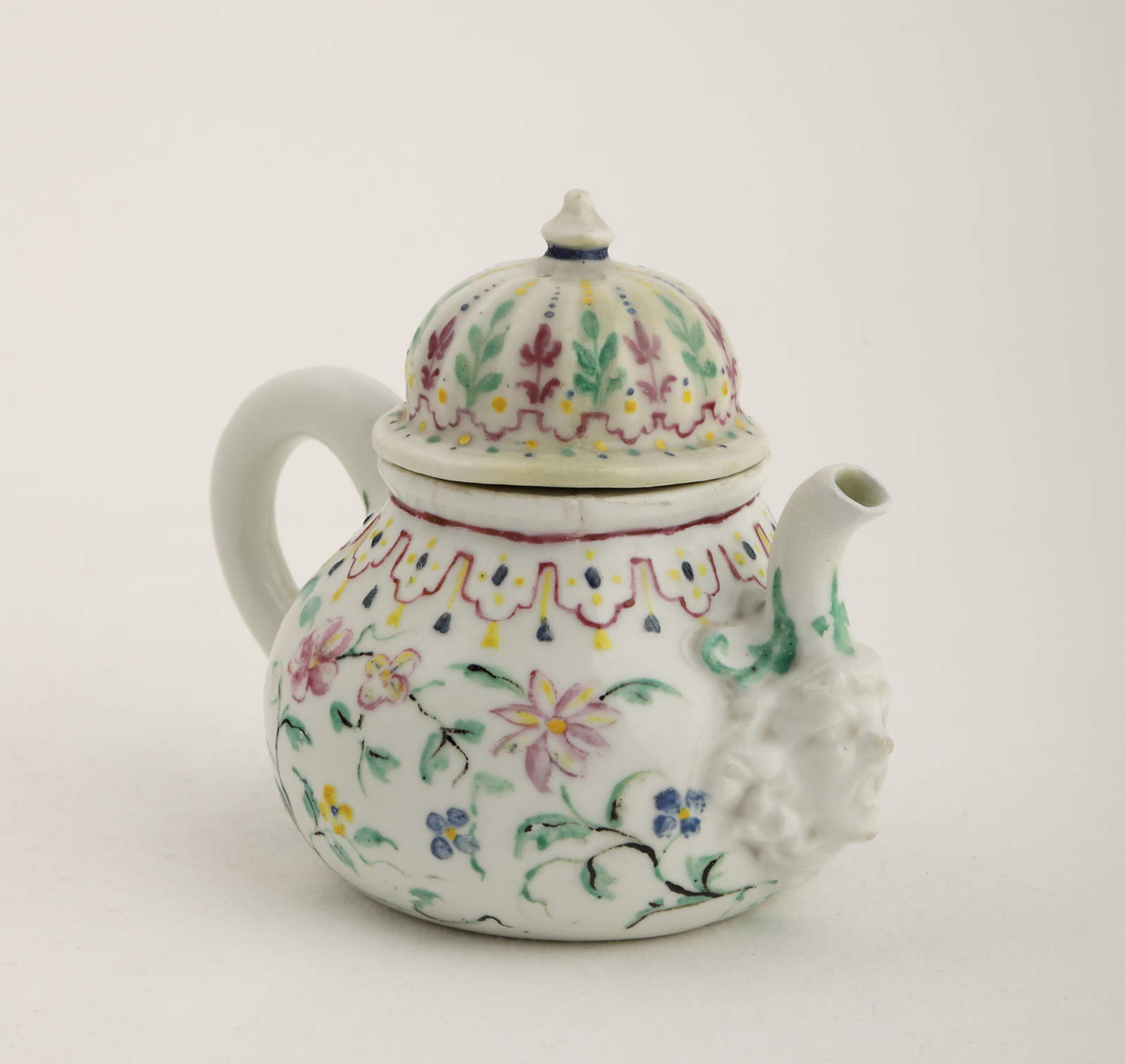
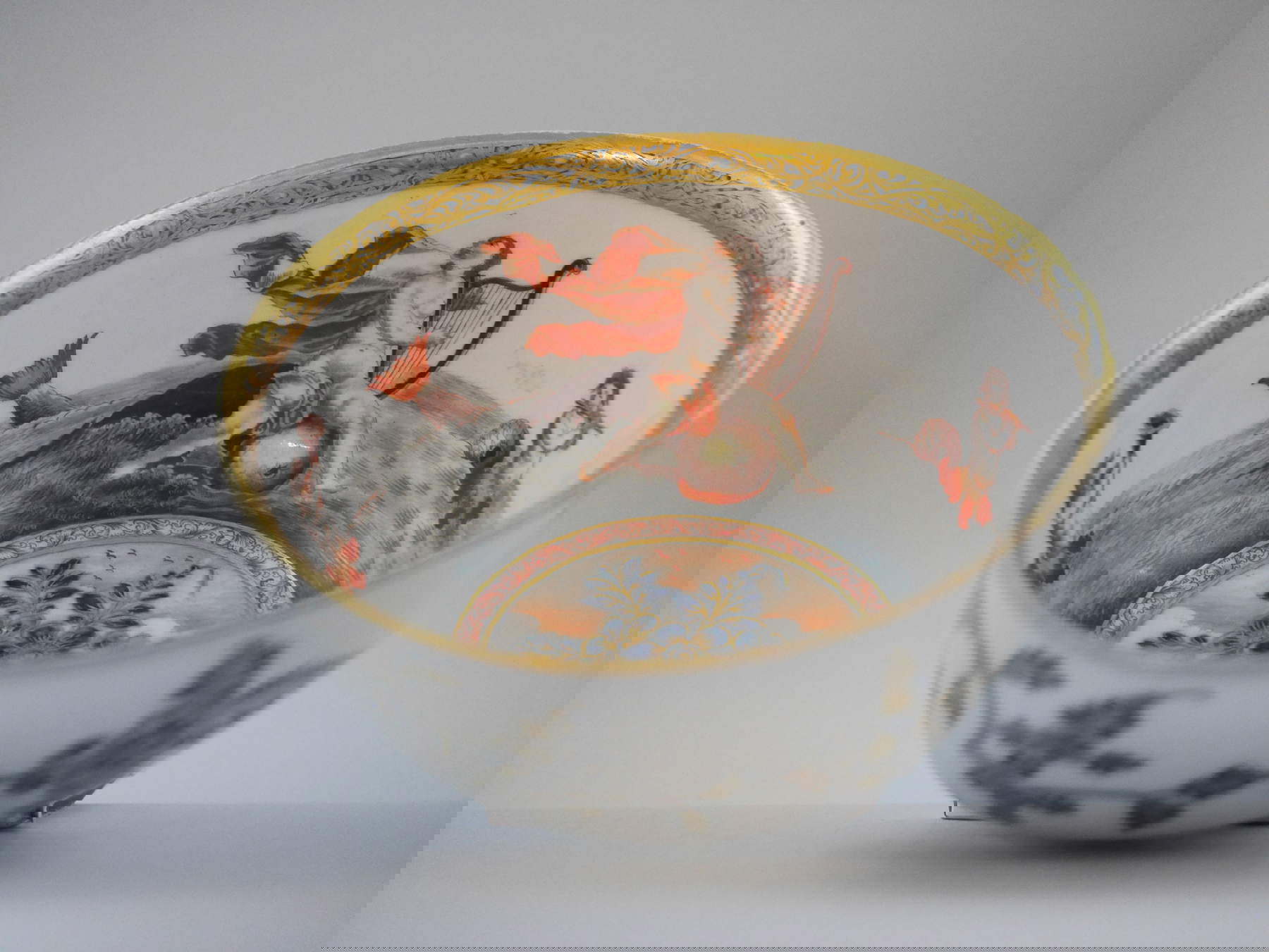
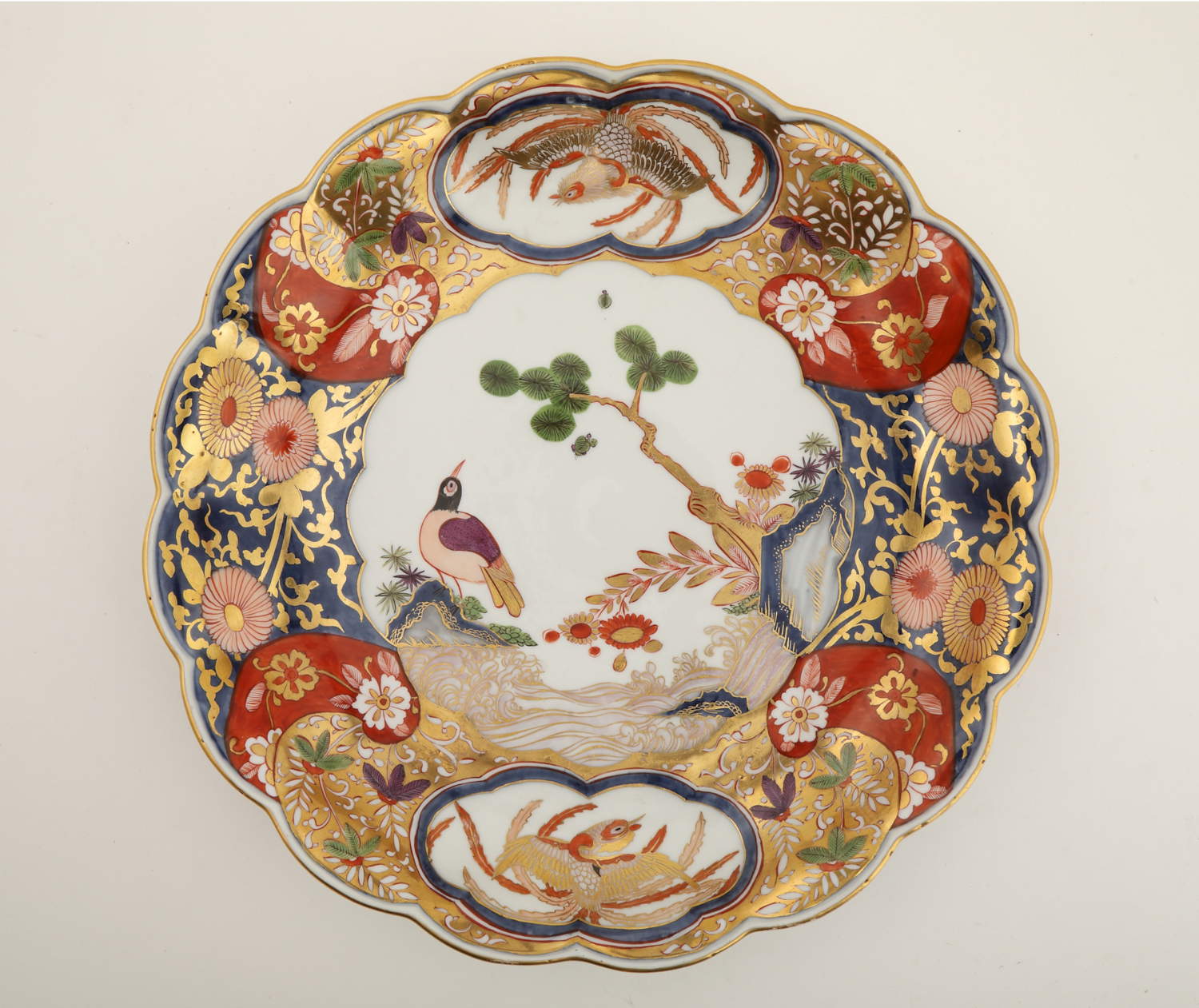
“Around 1715, it was probably Bartholomäus Seuter (1677 - 1754), a goldsmith, engraver, and silk colorist who was one of the first artists to make use of the newly-born European porcelain of Meissen,” points out curator Alessandro Biancalana, “executing fine chinoiserie decorations in scratched gold (radiert) on the body of the porcelain and large bouquets of polychrome European flowers on the faience. From that time on, there was a flourishing of workshops and independent decorators who tried their hand at this activity.”
“This exhibition,” says conservator Valentina Mazzotti, “is the fruit of ta nthousand years of study and collecting, conducted by Alessandro Biancalana, on the subject of hausmalers and anticipates his monographic volume that will be presented at MIC Faenza on Feb. 21. In addition, the European eighteenth century will be a topic of great interest for the Museum in the next two years and will see the creation of a dedicated exhibition itinerary.”
|
| At MIC Faenza an exhibition on the porcelain of the Hausmalers, the painters at home in the 18th century |
Warning: the translation into English of the original Italian article was created using automatic tools. We undertake to review all articles, but we do not guarantee the total absence of inaccuracies in the translation due to the program. You can find the original by clicking on the ITA button. If you find any mistake,please contact us.