




by Redazione 15/02/2026



Categories: Exhibitions / Disclaimer
MUDEC-Museum of Cultures in Milan inaugurates a new stage in the program related to the Milan-Cortina 2026 Cultural Olympiad with an exhibition dedicated to snow, featuring more than 150 works and objects.

With the exhibition The Sense of Snow. Peoples, Ancient Art and Contemporary Looks, which can be visited from February 12 to June 28, 2026, the MUDEC - Museum of Cultures in Milan inaugurates a new stage in the program linked to theMilan-Cortina 2026 Cultural Olympiad. After The Moment the Snow Melts, Chiharu Shiota ’s evocative installation that opened the season in the Agora, the focus shifts to snow understood as a natural event but also as a symbol, artistic expression and anthropological phenomenon. The exhibition, curated by Sara Rizzo and Alessandro Oldani, is flanked by a rich calendar of initiatives inside and outside the museum that, thanks to the collaboration between MUDEC, the Art in Public Spaces Office and the Networks and Cultural Cooperation Office, contribute to building a shared narrative dedicated to snow. Side projects include the new issue of MU - MUdec United magazine, with interdisciplinary insights, and an extensive poster art campaign conceived by studio FM that, starting in February, will also bring the exhibition’s contents to the urban space of Via Ventimiglia, near the museum.
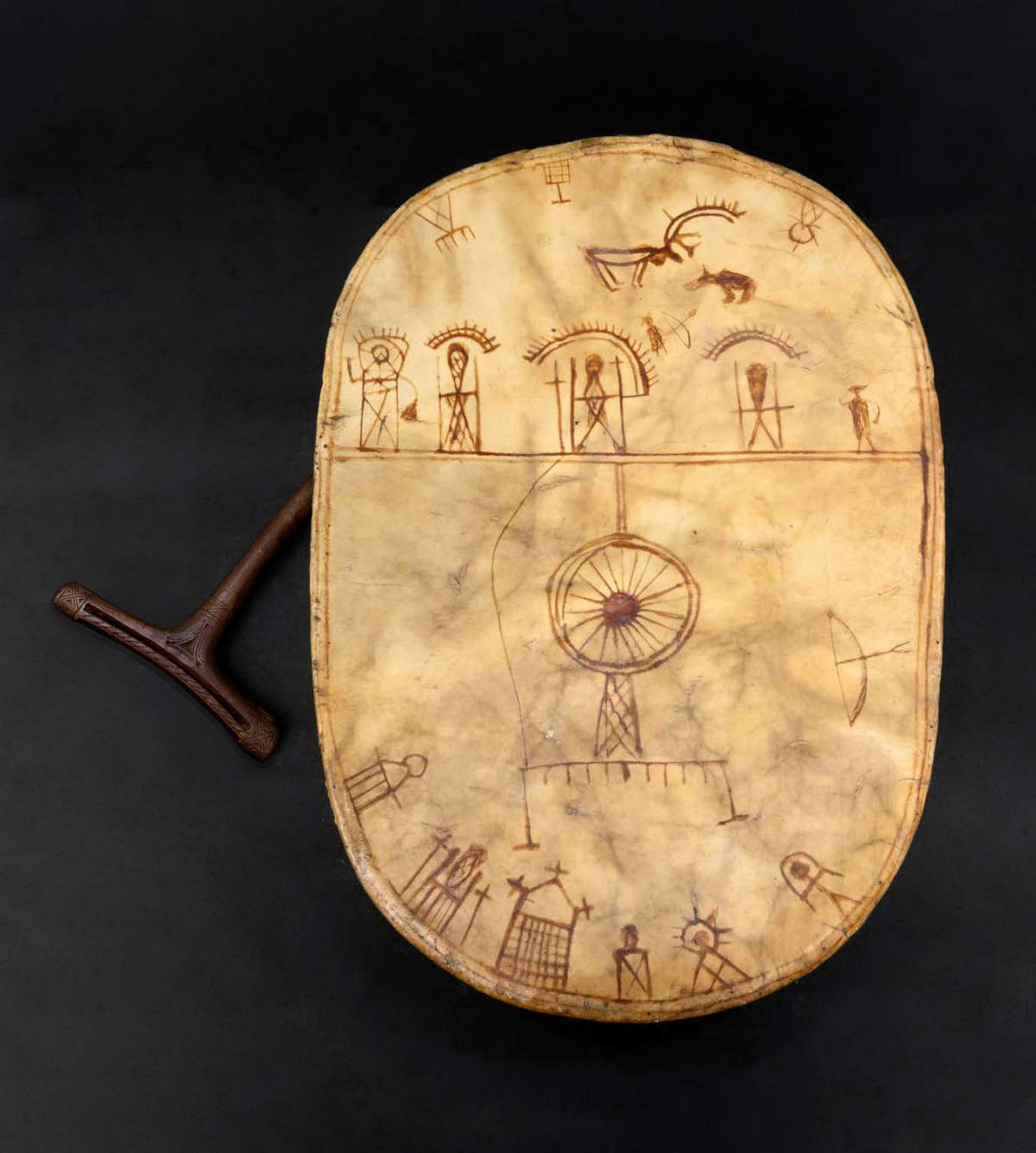
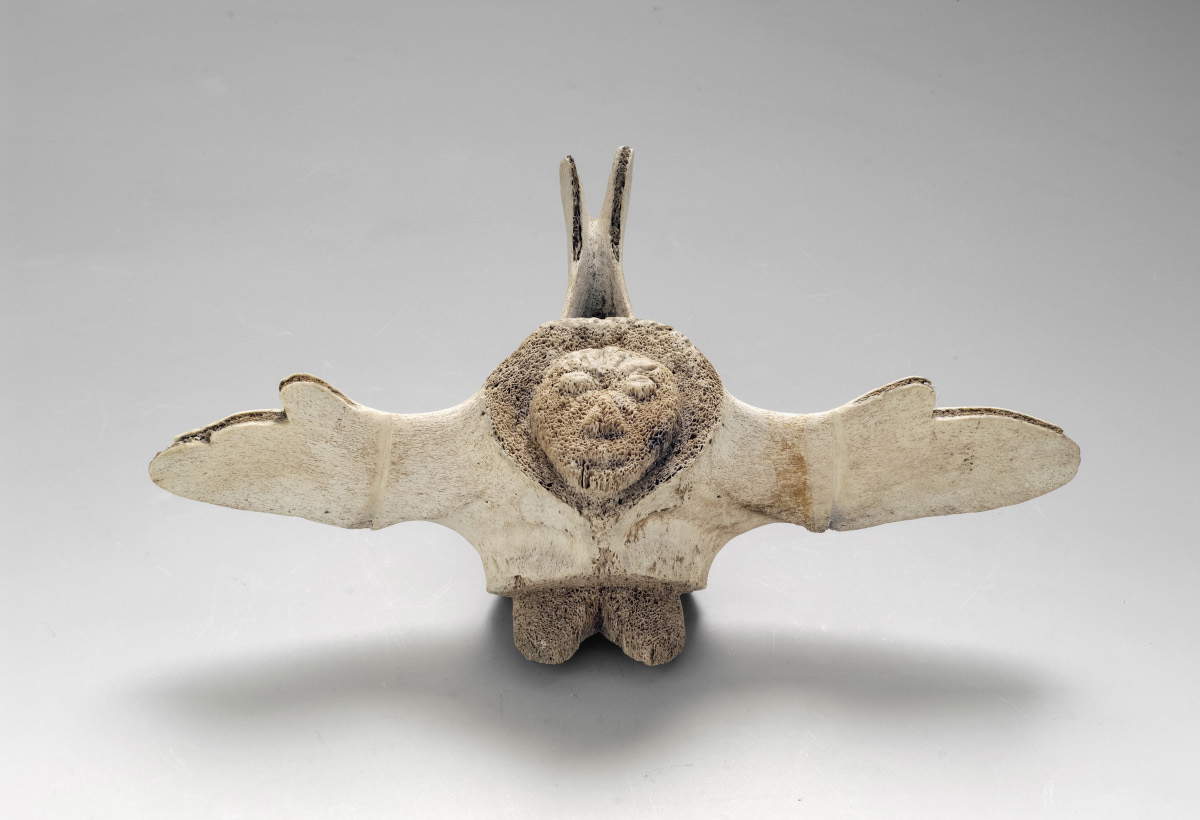
The itinerary brings together more than 150 works and objects including ethnographic materials, scientific documentation, paintings, photographs, videos and contemporary installations, developing an itinerary that starts from the geometric structure of snow crystals, crosses European and Japanese imagery and arrives at the consequences of climate change and overtourism in the mountains. Special attention is given to the Arctic and Tierra del Fuego peoples, with an in-depth look at their systems of adaptation and spiritual practices related to shamanism. Numerous artifacts come from museums belonging to the MIPAM network-Italian Museums with Heritage from the World, established at the instigation of MUDEC in 2025 and composed of more than 25 Italian institutions with collections from Asia, Africa, America and the Pacific, with the aim of promoting dialogue, transparency and good practices in the management of global cultural heritage. Thanks to extraordinary loans, a Sami shamanic drum from the Museum of Civilizations and the first complete reconstruction of a Selk’nam hunter’s outfit from the Civic Museums of Reggio Emilia, including a guanaco fur coat, are on display, among others. A graphic sign along the way identifies works from the MIPAM museums, many of which are being presented to the public for the first time.


The installation, designed by Studio GRACE with graphics by Studio FM, develops in three major thematic sections where ethnographic objects, historical painting and contemporary art dialogue in novel juxtapositions.
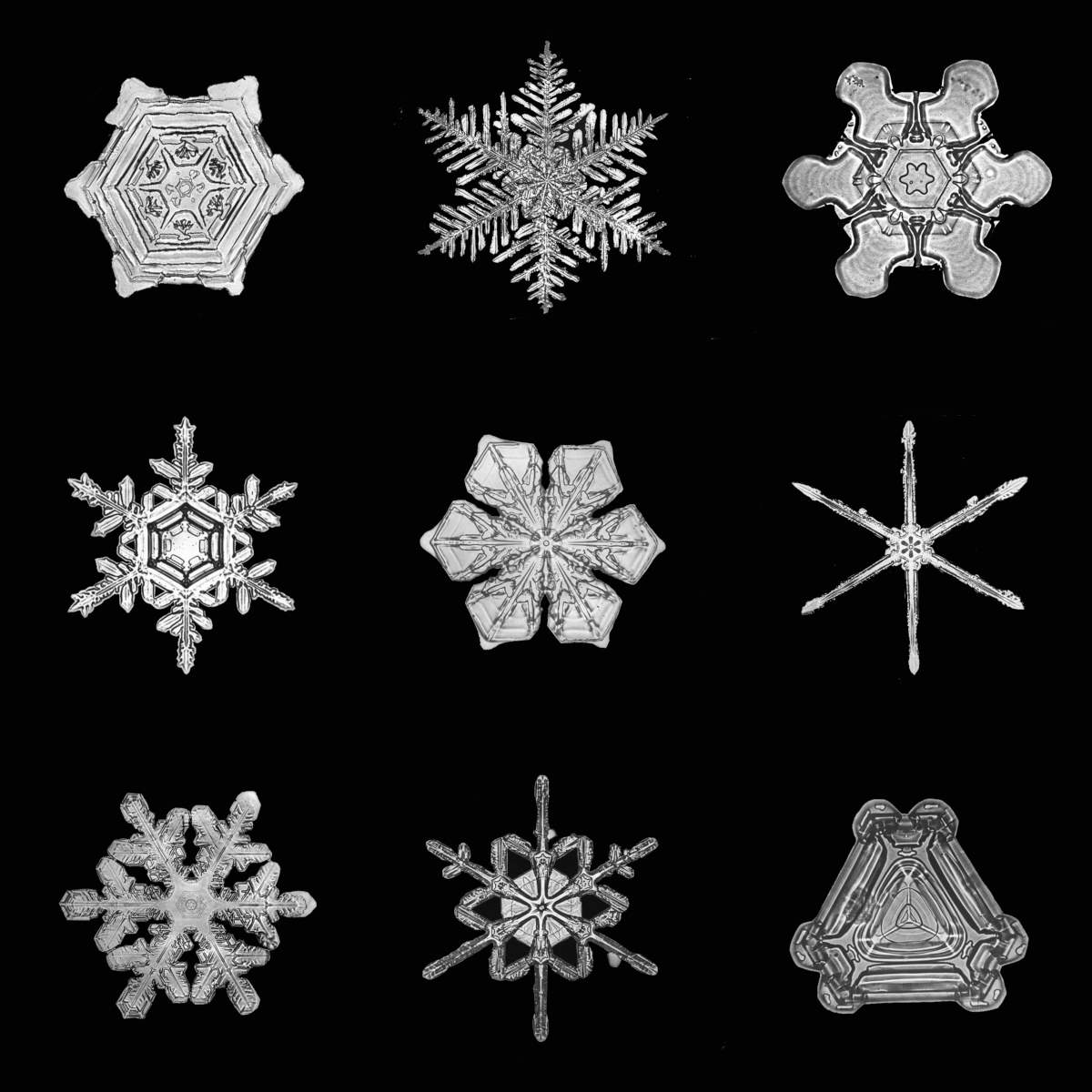
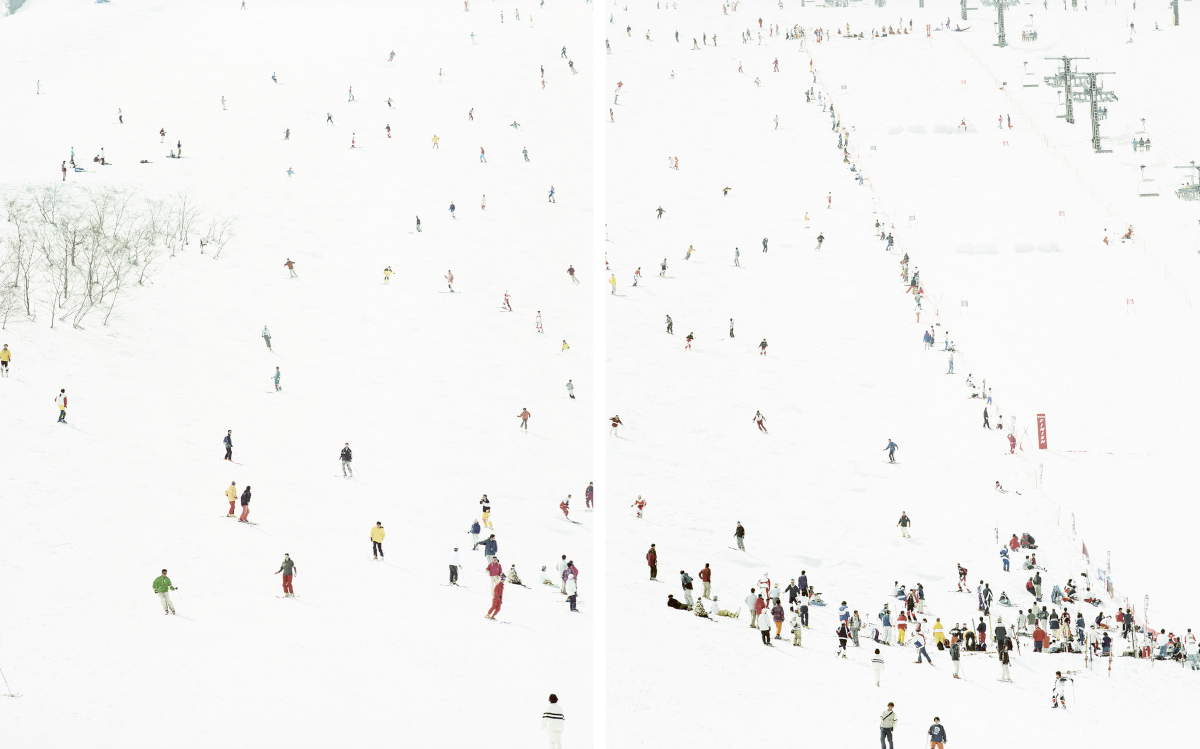
The introduction is Chiharu Shiota ’s site-specific installation in the Agora, a symbolic snowfall composed of threads and sheets of paper that reflects on human relationships, destined to be born, transform and dissolve like snow. The first section explores the relationship between snow, science and the climate crisis: scholars such as Wilson Bentley, author in 1885 of the first photomicrograph of an ice crystal, and Ukichiro Nakaya, who developed a systematic classification of it, testify to scientific interest in the hexagonal symmetry and uniqueness of flakes; the reflection then extends to theAnthropocene and the melting of perennial snows, a phenomenon that changes landscapes thought to be immutable and raises questions about species adaptation, a theme also addressed by contemporary artists such as Shimabuku, Francesco Clerici, Walter Niedermayr, Philipp Messner, and Zhang Huan.
The second section analyzes the role of snow in cultures from the North Pole to the South Pole, highlighting how ice and snowy expanses have nurtured shamanic myths and traditions, with the shaman as the mediator between the human and spiritual worlds, a function documented by Sami, Inuit and Tibetan artifacts; the Inuit, Sami, Ciukci, Selk’nam and Yaghan cultures are explored through objects ofuse and rituals, displayed with the consent of the communities of reference, and the Mario and Andrea Totolo Collection of Inuit art on loan to the museum is also presented, while the different strategies of adaptation to extreme climates are illustrated, from dwellings such as igloos to means of transportation such as sleds and skis, to clothing now used even in Olympic disciplines.
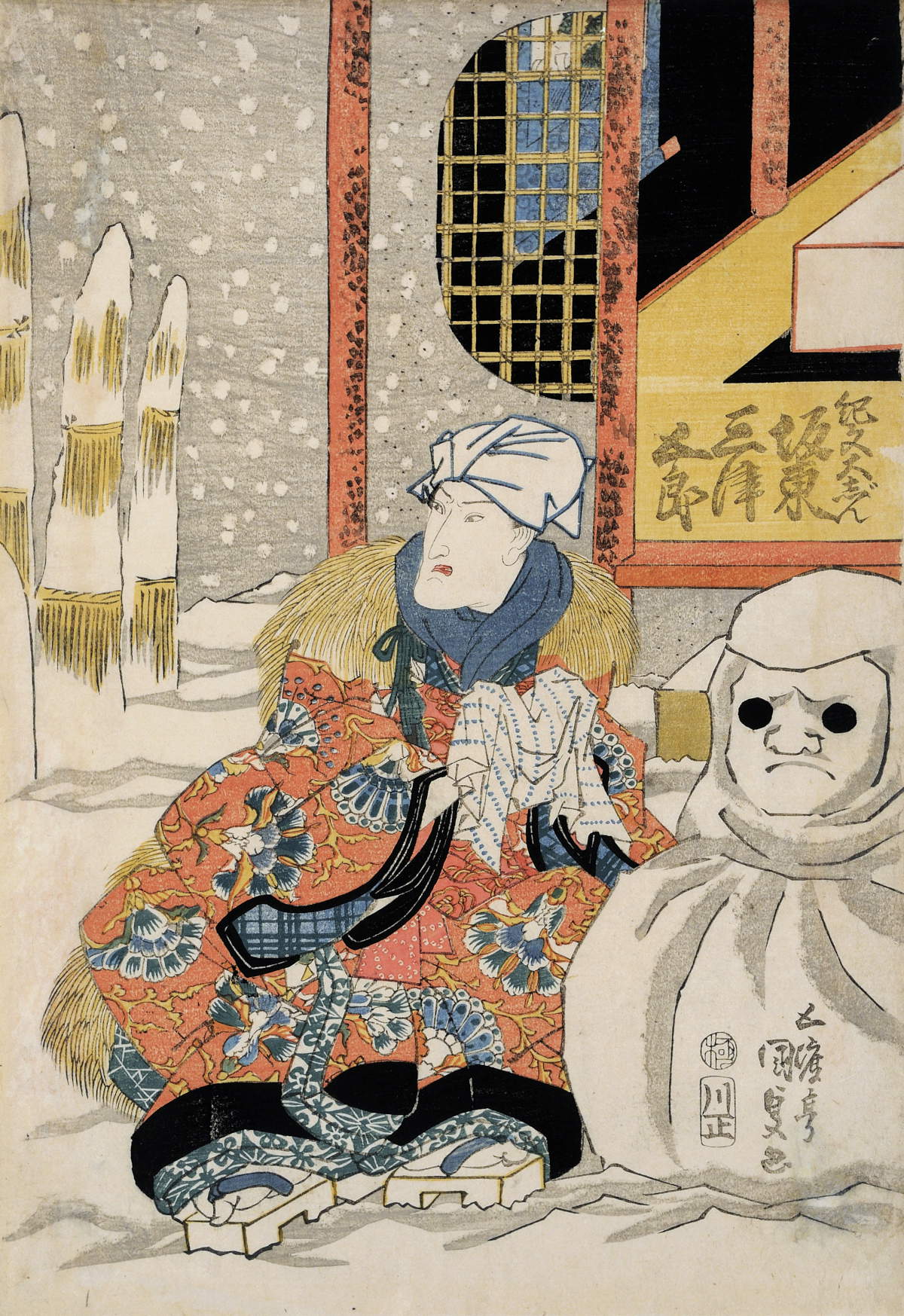
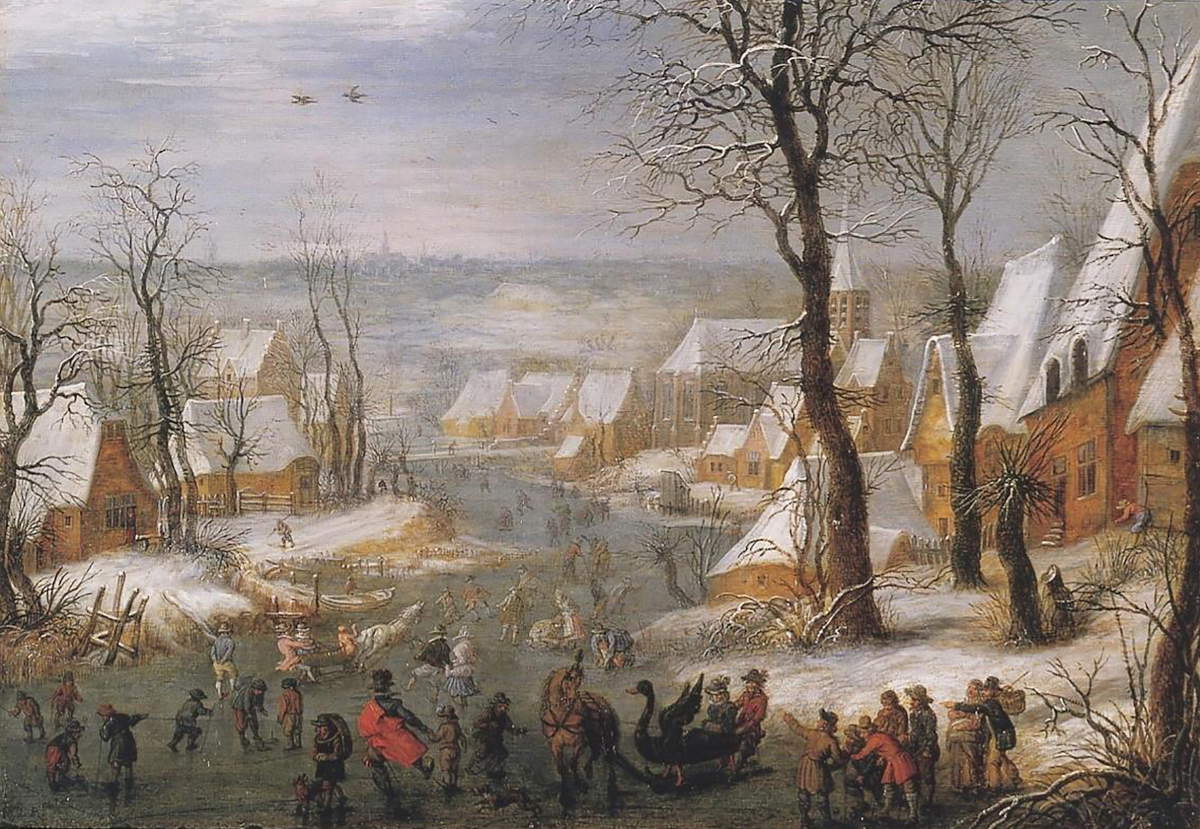
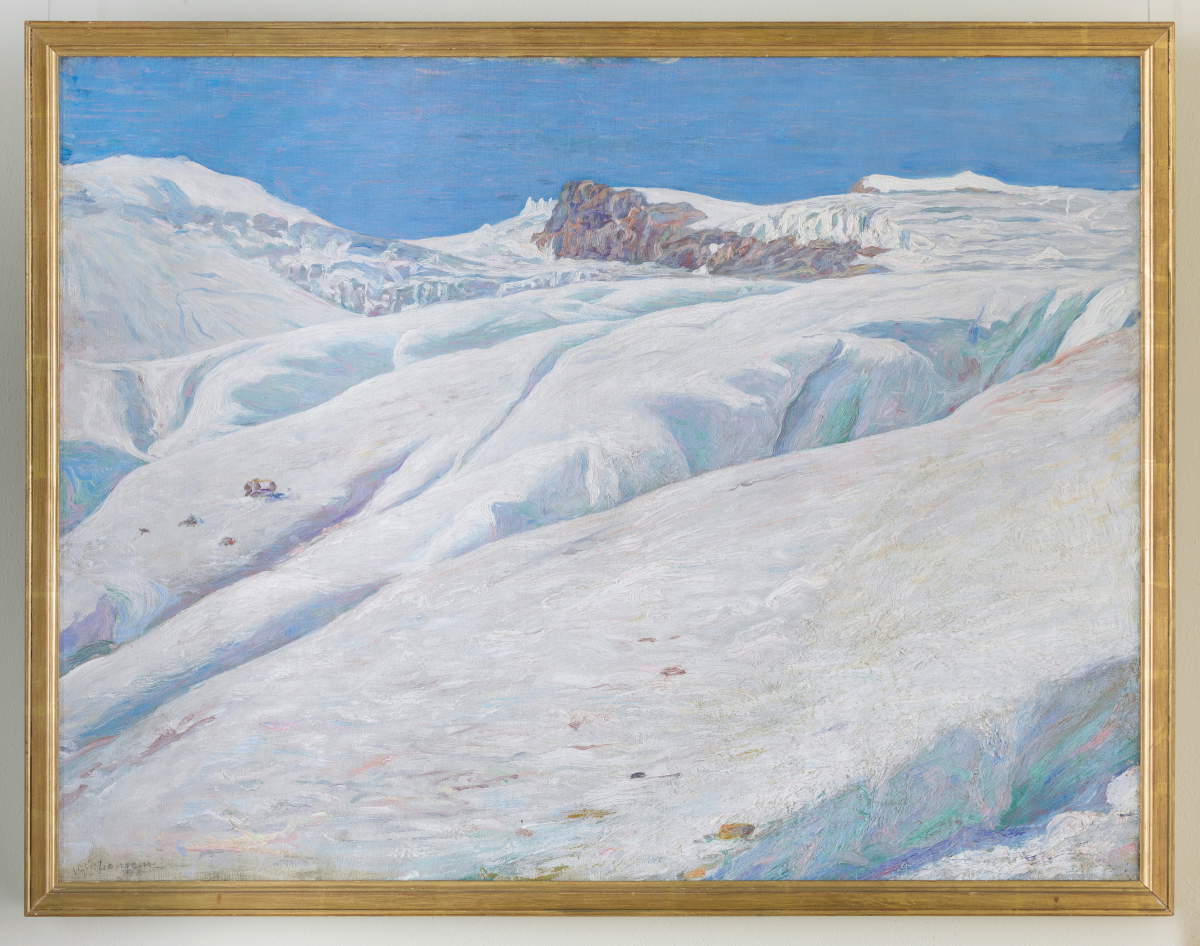
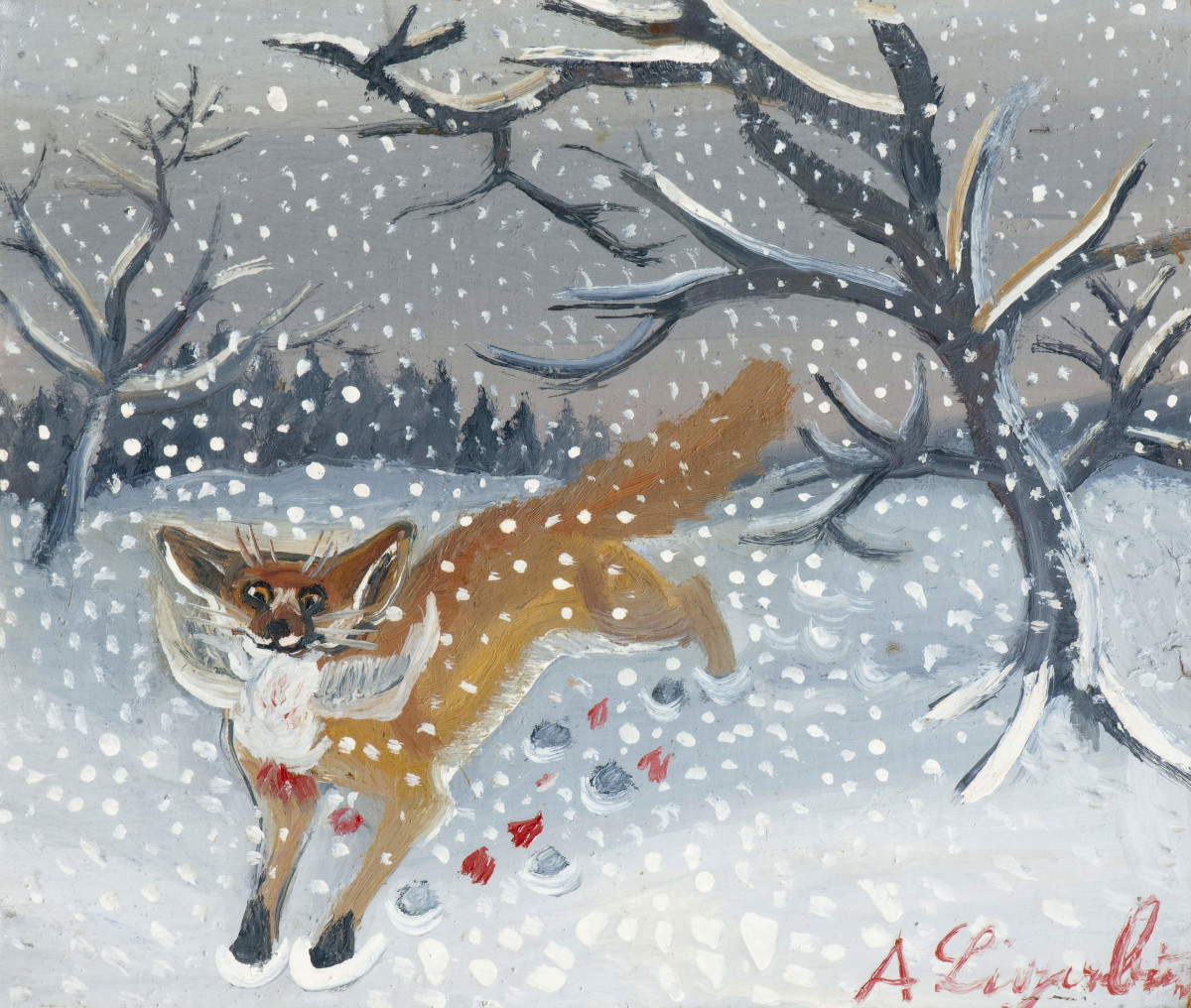
The third section traces the presence of snow in ancient, modern and contemporary art: initially a secondary element in the religious or allegorical scenes of the Western fifteenth century, it becomes in the seventeenth century, especially in northern Europe, a cue for landscapes and genre scenes such as those of Gysbrecht Leytens, and then establishes itself as an autonomous subject with Romanticism; inJapanese ukiyo-e art of Utagawa Hiroshige, Utagawa Kuniyoshi and Utagawa Kunisada, snow recurs frequently both as a seasonal element and as a symbol of purity; between the nineteenth and twentieth centuries it takes on emotional values in the Divisionist and Symbolist landscapes of Angelo Morbelli and Emilio Longoni, while in the twentieth century artists such as Antonio Ligabue maintain a figurative register and Alighiero Boetti makes it a linguistic metaphor; with contemporary art, the theme is reinterpreted through photography, video, performance and installations such as Judy Chicago’s Dry Ice Environment, also addressing issues such as isolation, fragility and the problems of colonization of Arctic regions, as in the works of Pia Arke, while the itinerary concludes with Summer Mei-Ling Lee’s installation When Fox is a Thousand, composed of 85 gauze rolls that evoke a snowy landscape animated by mythological presences made in sumi-e.
Hours: Monday from 2:30 to 7:30 p.m.; Tuesday, Wednesday, Friday, Saturday, Sunday from 9:30 a.m. to 7:30 p.m.; Thursday from 9:30 a.m. to 10:30 p.m.
|
| At MUDEC in Milan, an exhibition on snow as a natural event and anthropological phenomenon, with more than 150 works and objects |
Warning: the translation into English of the original Italian article was created using automatic tools. We undertake to review all articles, but we do not guarantee the total absence of inaccuracies in the translation due to the program. You can find the original by clicking on the ITA button. If you find any mistake,please contact us.