



by Redazione 24/04/2026



Categories: Exhibitions / Disclaimer
From March 27 to August 2, 2026 Palazzo Fava hosts "Banksy Archive 01 - The School of Bristol (1983-2005)," an exhibition that reconstructs the urban, political and cultural context in which Banksy's language was formed.
From March 27 to August 2, 2026, Palazzo Fava in Bologna hosts Banksy Archive 01 - The School of Bristol (1983-2005), an exhibition that systematically addresses the cultural, urban, and political context in which Banksy’s visual language took shape. The exhibition project is promoted by Fondazione Cassa di Risparmio in Bologna as part of the cultural project Genus Bononiae, is produced by Opera Laboratori, and is produced by Fondazione Carisbo and Opera Laboratori under the patronage of the Municipality of Bologna. The catalog is published by Sillabe.
Curated by Stefano Antonelli and Gianluca Marziani, with scientific curatorship by Giovanni Argan, the exhibition is divided into 32 sections entrusted to figures who have accompanied or influenced Banksy’s path, including Felix Braun, Tom Bingle, John Nation, Kye Thomas, Richard Jones and Christopher Chalkley. The project also has a scientific committee consisting of Paul Gough, professor at the Arts University of Bournemouth, Ulrich Blanché, professor at the University of Heidelberg, and researchers Lorenzo Gigante of the Alma Mater Studiorum - University of Bologna and Jacopo de Blasio of the University of Palermo.


The exhibition brings together more than three hundred works, archival materials, unpublished documents and independent academic research, with the aim of reconstructing the period between 1983 and 2005, considered decisive in the formation of the iconography and visual strategies that have made Banksy one of the most recognizable figures in contemporary art. The path allows to observe the genesis of images destined to become emblematic, such as Girl with Balloon, in its original 2004 version, Flower Thrower and Police Kids.
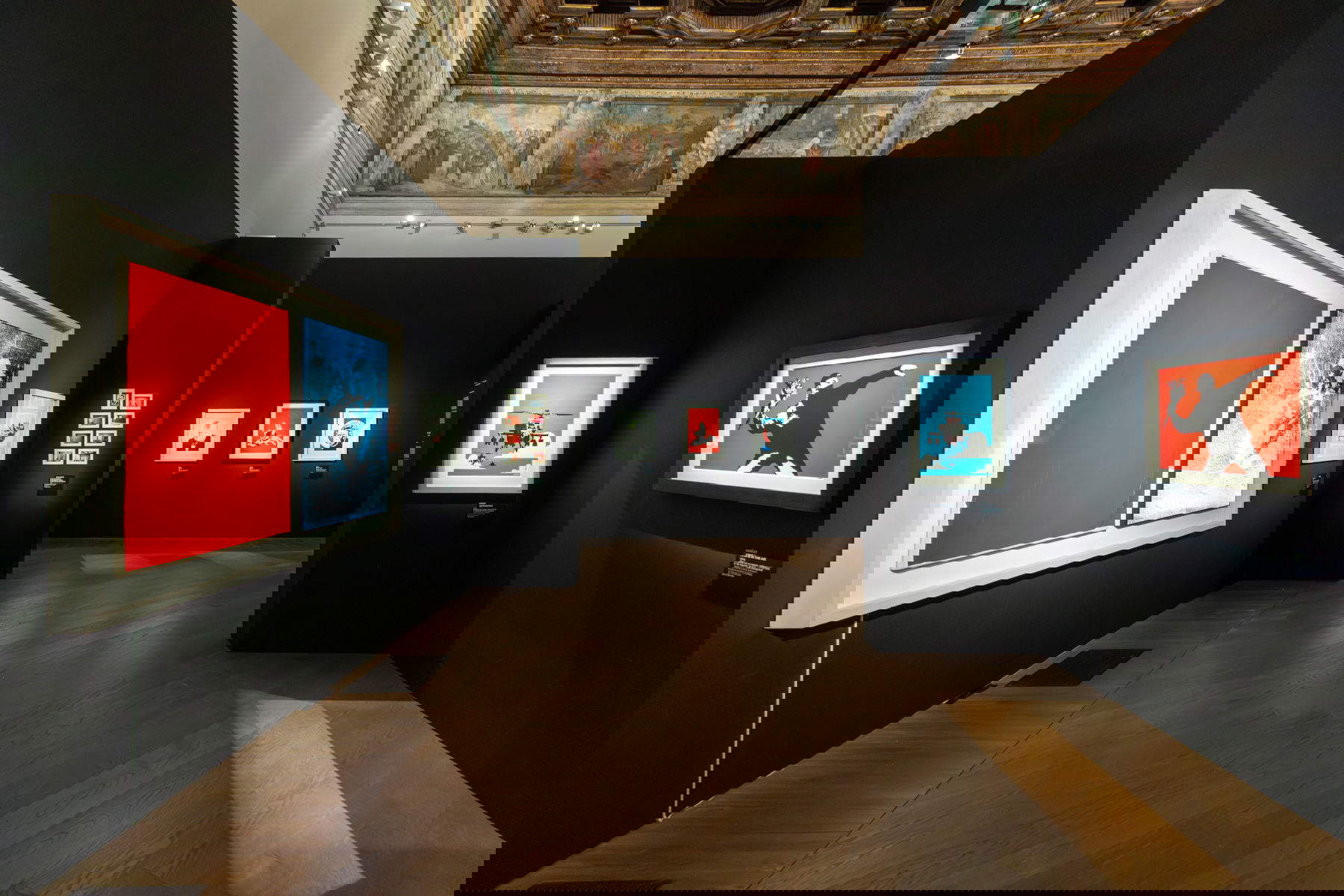
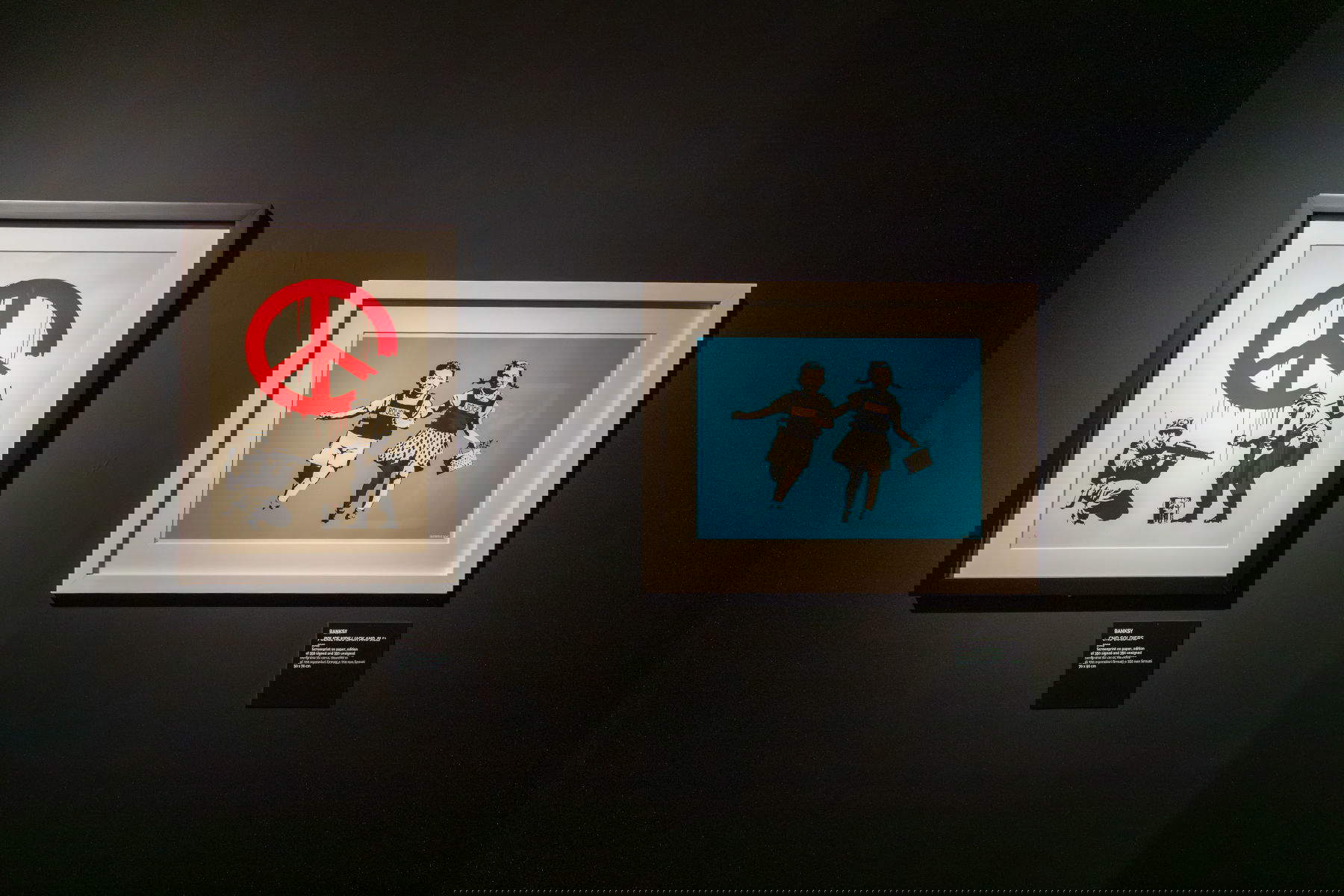
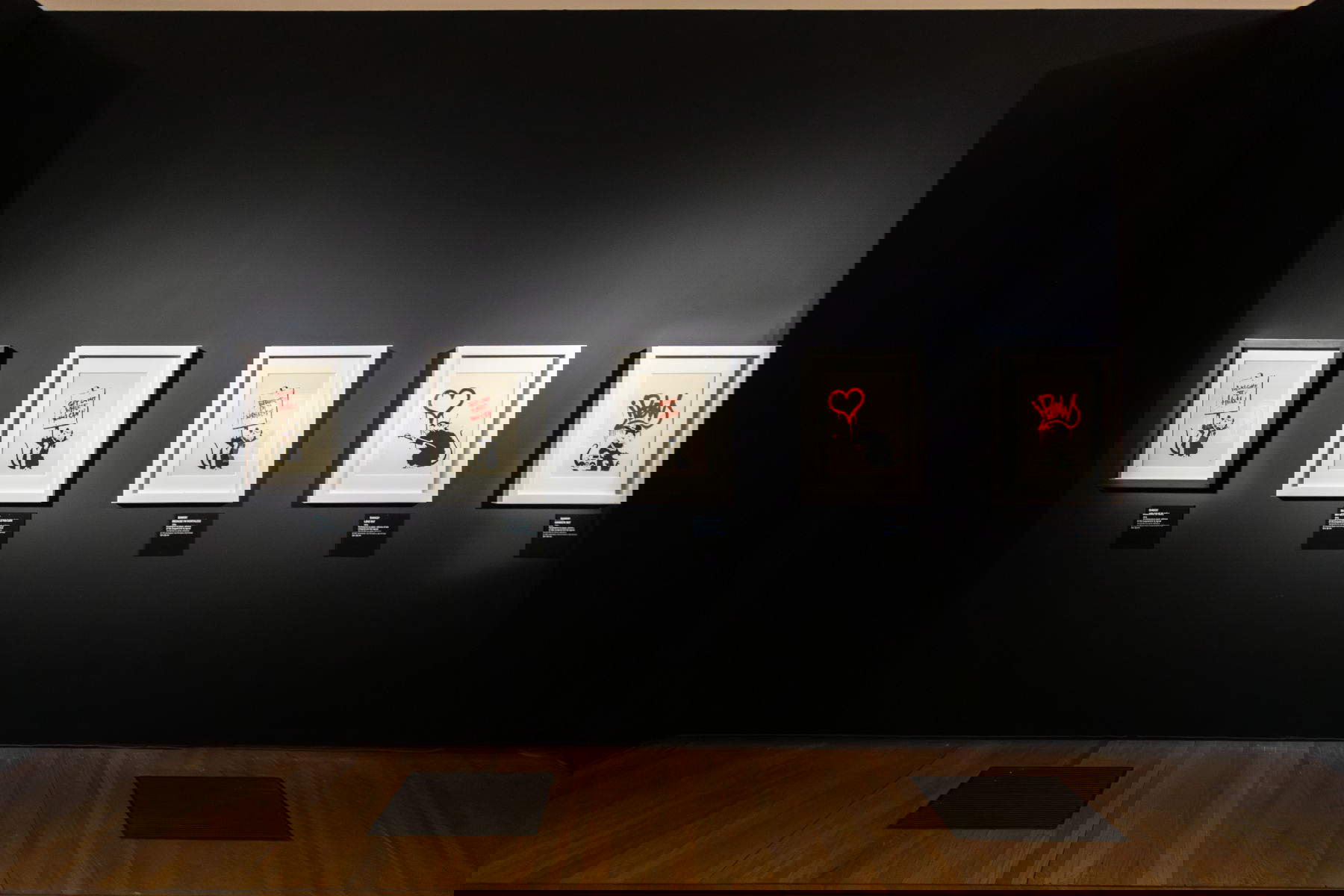
The latter work, also known asJack and Jill, recalls the 18th-century English folk nursery rhyme of the same name and is reread as a reflection on parental overprotection. The childhood scene is thus transformed into an allegory of the anxieties of contemporary society, confirming one of the best-known characteristics of Banksy’s language: his ability to use simple, immediately readable images to address complex social and political issues. At the heart of the curatorial project is the idea of a true “School of Bristol,” defined as a dynamic system of relationships between political dissent, urban history, musical cultures, and visual experimentation. Bristol emerges as a cultural laboratory in which graffiti, musical countercultures, political activism and social transformations redefine the relationship between art and public space.
To understand this scene, the exhibition starts with the city’s own history. Bristol carries with it a long tradition of social conflict and civic participation, marked by a colonial past linked to the slave trade and subsequent political and social mobilizations. In this context, urban space was gradually transformed into a site of confrontation and intervention, where public art took on the role of a critical tool capable of interrogating power, historical memory and inequality.
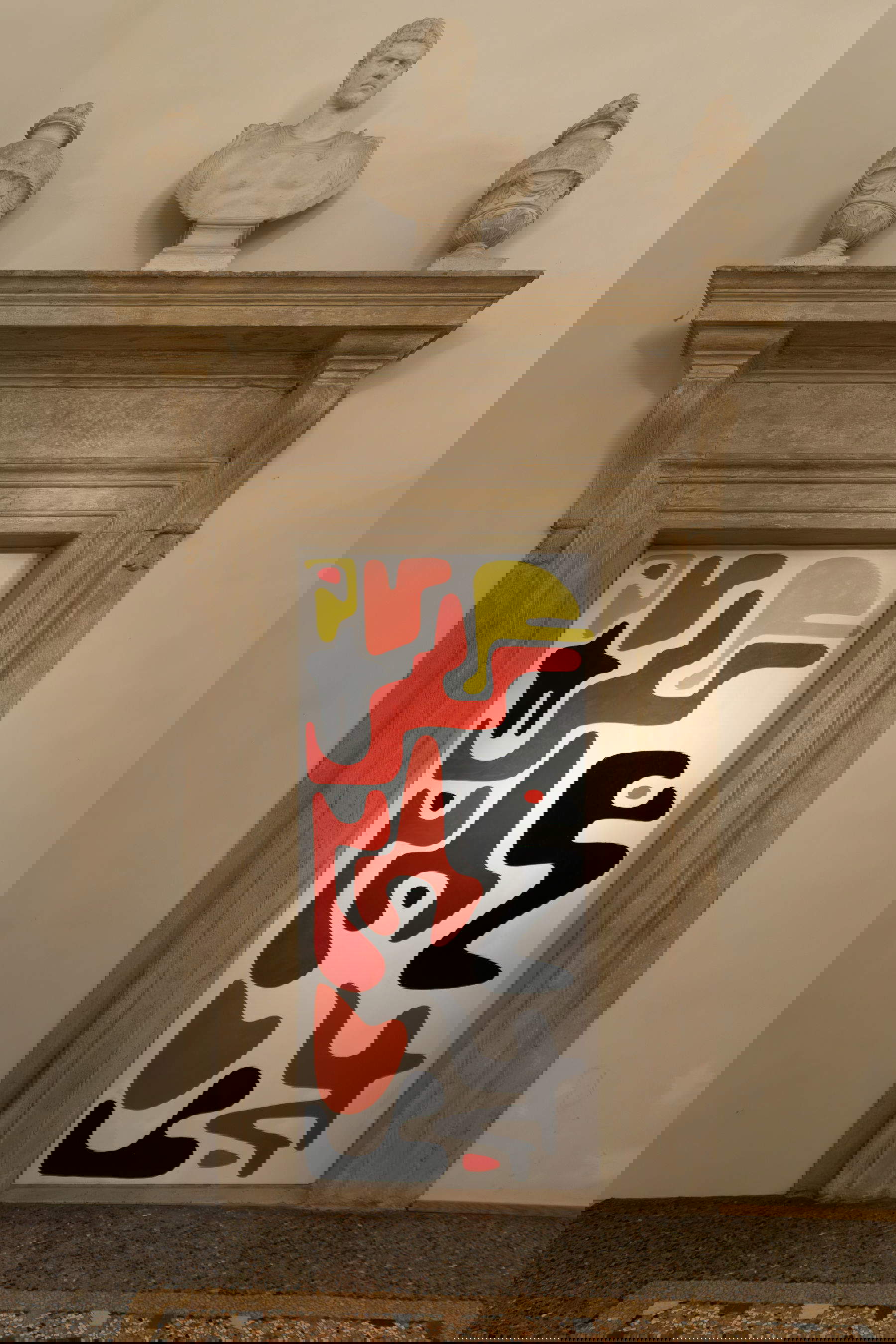
In the 1980s and 1990s Bristol also became one of the most fertile centers of the British graffiti scene. Artists such as Tom “Inkie” Bingle, among Banksy’s closest collaborators, Felix “Flx” Braun and Kyron “Soker” Thomas of the DBZ Crew elaborate a visual language that anticipates many of the later solutions adopted by the artist, in particular the use of the stencil as a quick and incisive synthesis of the visual message. The DBZ Crew, among the most influential groups in the British graffiti scene of the second half of the 1990s, consisted of Kato, Tes, Soker, and Lokey and grew out of the evolution of earlier collectives. The name DBZ, an acronym for DryBreadZ, coexisted with the acronym Bad Applez, used for legal activities, while DBZ primarily identified the group’s clandestine and more radical actions. Figures such as Robert Del Naja, frontman of Massive Attack, and Nick Walker also moved within this collective environment, helping to define a scene in which the street became a narrative surface and a space for direct intervention in social reality.
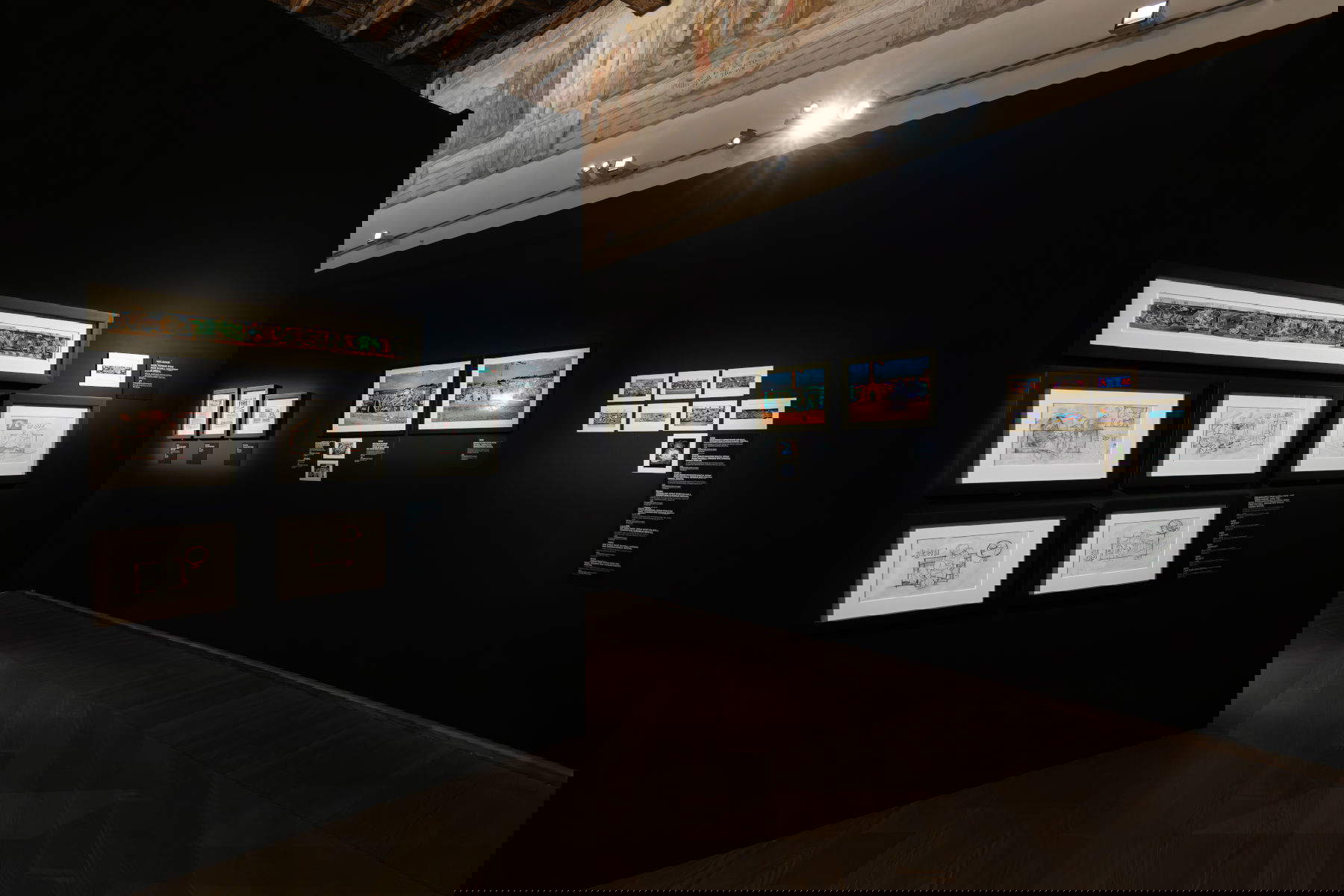
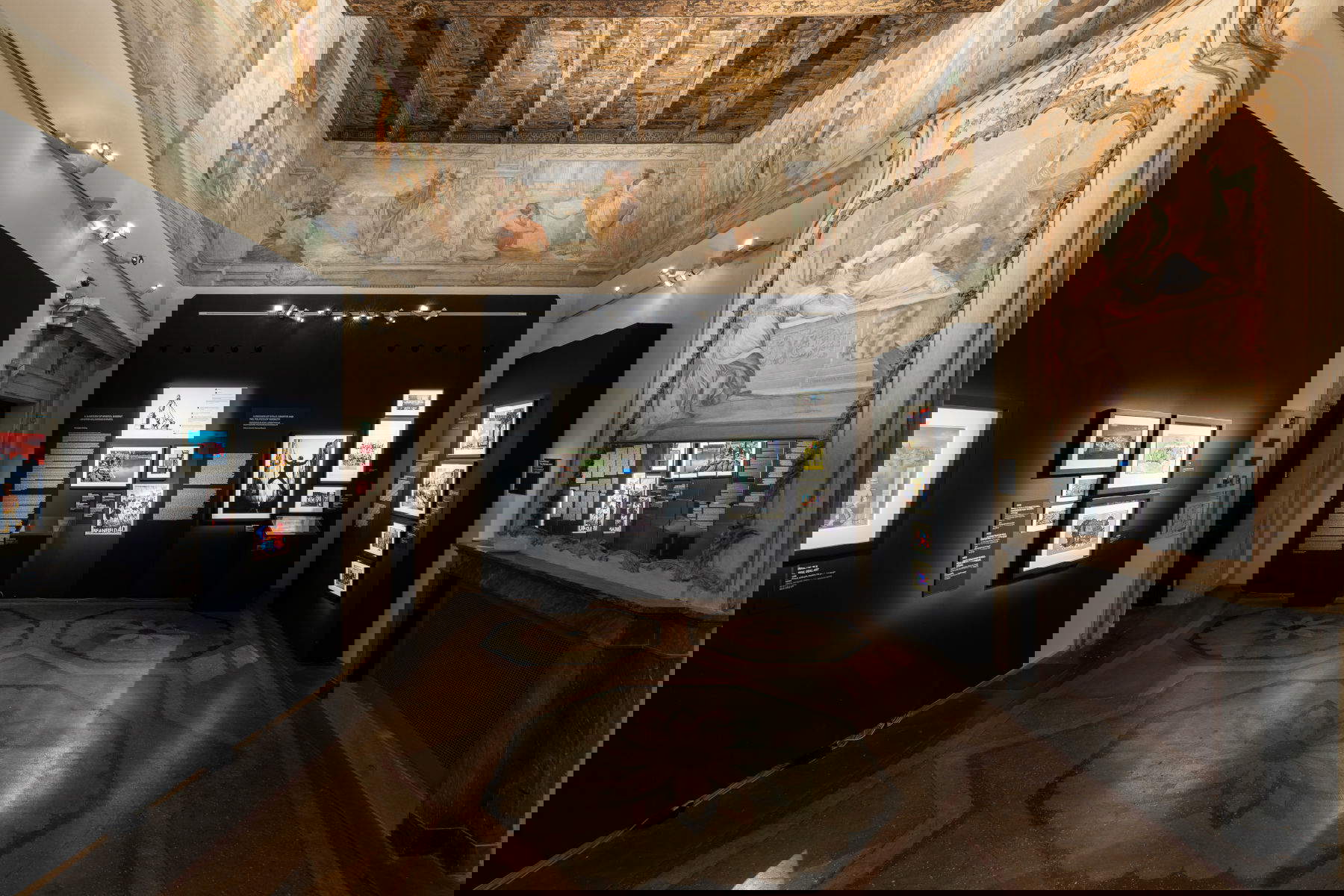
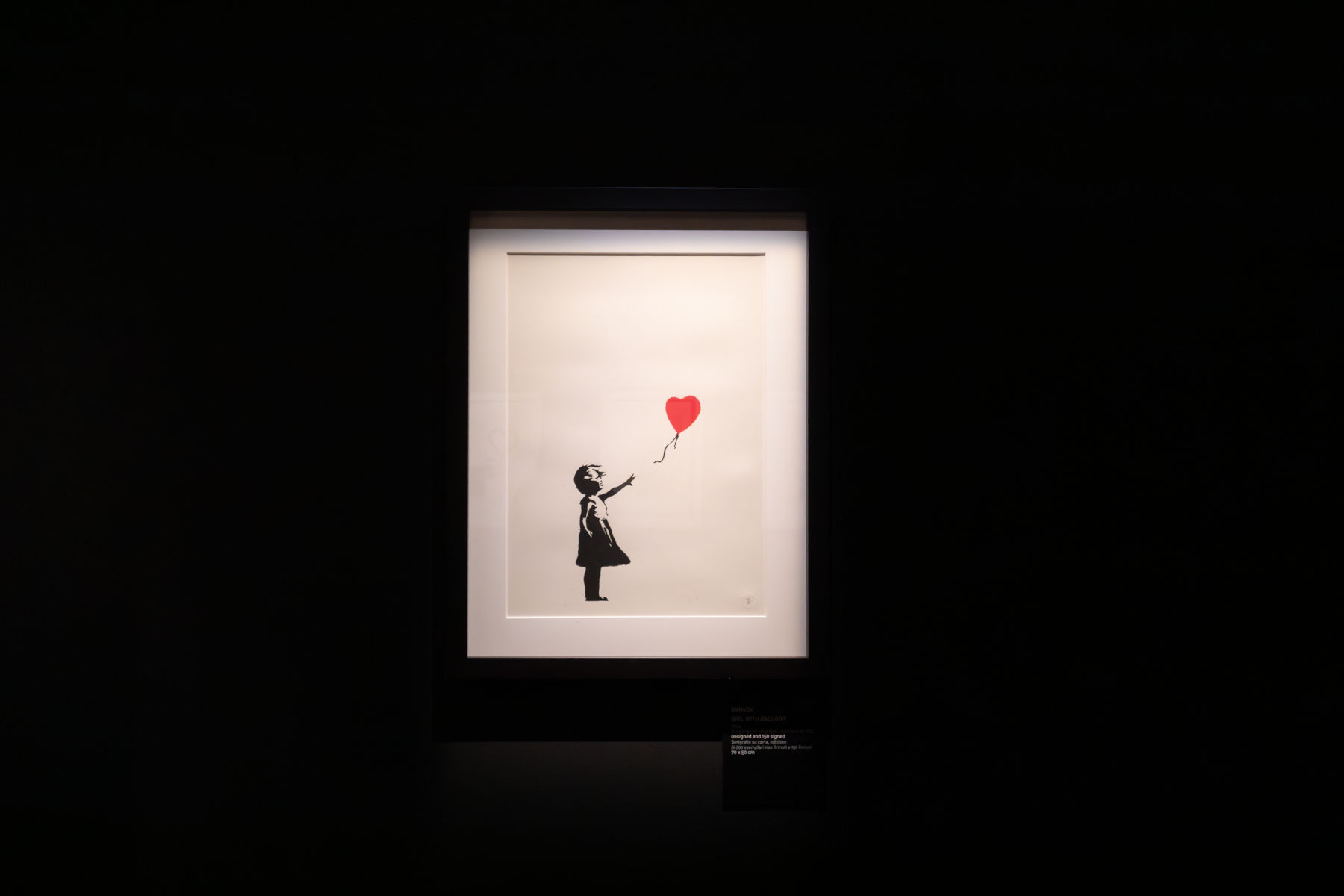
It is precisely in this context that Banksy’s work is developed. For the first time, all the works created by the artist together with the DBZ Crew will be on display. Among the most relevant documents in the exhibition is a 1998 letter signed by Banksy as “Robin Banks,” in which the artist invited the writer Soker to participate in Walls on Fire!, an event organized in Bristol together with Inkie and dedicated to the virtuosity of the wild style. The initiative brought together some of the most important protagonists of the British graffiti scene and is a direct testimony to the relationships and collaborations that ran through that environment. The exhibition itinerary, through its different thematic sections, thus reconstructs a complex cultural genealogy in which Banksy appears as the result of a long stratification of shared experiences, influences and practices. The artistic underground, the tradition of urban protest and radical visual experimentation constitute the three main axes around which the narrative develops.
A program of educational and cultural inclusion activities is also planned alongside the exhibition. In collaboration with ASP Città di Bologna, initiatives aimed at access to culture and integration through the museum experience will be promoted. In parallel, the Liceo Galvani and Liceo Artistico Arcangeli of Bologna will be involved in cultural mediation activities within the exhibition itinerary, with the direct participation of students. Educational activities aimed at schools, families and adult audiences are also planned. The updated calendar and information about the collateral initiatives are available on the Genus Bononiae website.
Guided tours for adults and children’s activities
For adult audiences, guided tours dedicated to the exhibition Banksy Archive 01 - The School of Bristol (1983-2005) are planned, designed to explore the historical and artistic context of the Bristol scene and the relationships that contributed to the formation of Banksy’s language. Appointments will be held on Saturday, April 25 at 4:30 p.m., Sunday, April 26 at 4:30 p.m., Friday, May 1 at 4:30 p.m., Saturday, May 2 at 4:30 p.m., Sunday, May 3 at 4:30 p.m. and Sunday, May 10 at 4:30 p.m.
For families with children ages 0 to 5 accompanied by an adult, however, there is the activity A piccoli passi... con Banksy, a guided tour with workshop scheduled for Sunday, May 3, 2026 at 10:15 am. The tour develops as a sort of playful investigation into the artist’s identity, starting with the mystery that still surrounds Banksy’s face.
Through small clues scattered throughout the rooms of the museum, participants will be taken on a discovery of the artist’s origins, the city where he was formed, and the friendships and collaborations that have marked his path. The visit also focuses on the recurring elements of his visual imagery, such as mice, monkeys, nature and especially children, who are often featured in his works as symbols of freedom and the right to happiness. The final workshop accompanies this exploration in a form suitable for even the youngest children, maintaining the narrative and participatory tone that characterizes the entire educational project.
Statements
“Before being a global name, a cultural brand and a device capable of traversing museums and markets, Banksy was an author rooted in a precise context,” Antonelli and Marziani emphasize.
"With Banksy Archive 01 - The School of Bristol we wanted to promote an exhibition project that intends to return to the public not only the imagery of a global artist, but above all the cultural, social and urban context from which that language took shape," comment the President of Fondazione Carisbo, Patrizia Pasini, and the Sole Administratorof Genus Bononiae, Renzo Servadei. “The initiative is part of the Foundation’s broader commitment to the enhancement of cultural heritage and the realization of important exhibition projects, developed also thanks to the qualified partnership of Opera Laboratori. Once again Palazzo Fava becomes a living space capable of returning stimuli for reflection and knowledge, in continuity with the unprecedented and great exhibition dedicated in Bologna to Ai Weiwei. At a time when the international debate is once again questioning the artist’s identity, with recent hypotheses tracing his figure back to Robin Gunningham, this project invites us to shift our gaze from the individual myth to the richness of a shared cultural scene and history. It is precisely in this perspective that the exhibition acquires an added value: not only recounting Banksy, but restoring to the public the collective roots of a language that continues to speak powerfully to our time.”
“Understanding Banksy,” explains Giuseppe Costa, President and CEO of Opera Laboratories, “also means recognizing this choral dimension. Perhaps this is also why his work continues to speak so powerfully: because behind the immediacy of the images we can sense the depth of a cultural and human context. With this exhibition, Opera Laboratori continues its commitment to building projects capable of combining research, storytelling and openness to the public, helping to make Palazzo Fava a space where art can continue to interrogate the present without losing its connection to the stories from which it was born.”
Practical information
Hours: Tuesday-Sunday, 10 a.m.-7 p.m. Closed Monday
Tickets: full €14, reduced €10, concessions €7
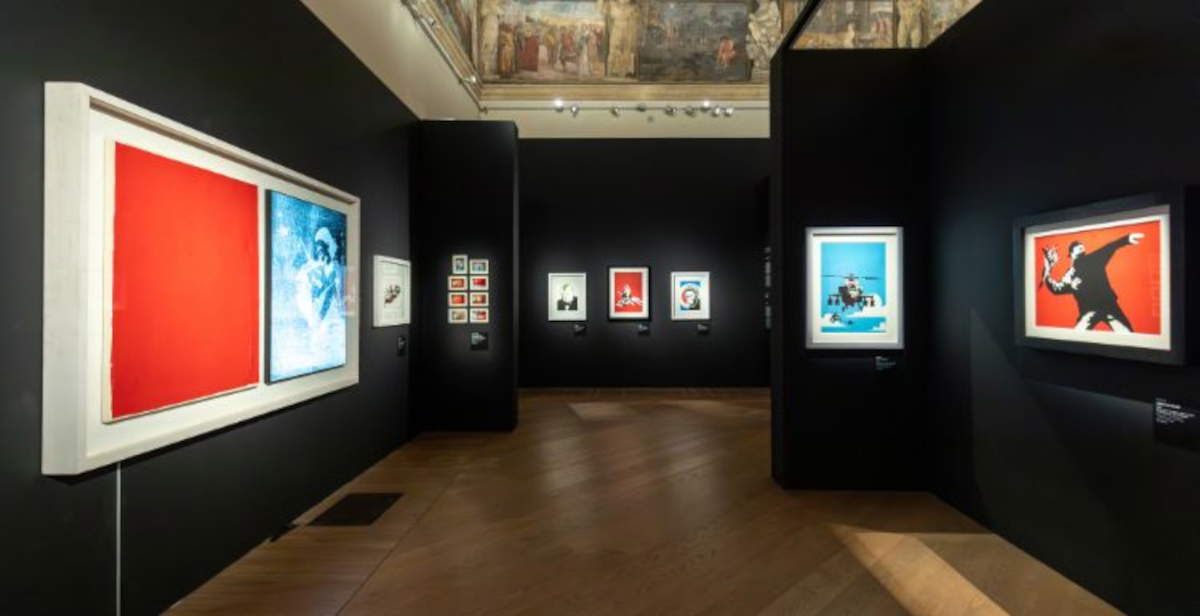 |
| In Bologna, more than 300 works tell the story of Banksy's origins and the School of Bristol |
Warning: the translation into English of the original Italian article was created using automatic tools. We undertake to review all articles, but we do not guarantee the total absence of inaccuracies in the translation due to the program. You can find the original by clicking on the ITA button. If you find any mistake,please contact us.