








On the occasion of the XXV Olympic Winter Games in Milan Cortina 2026, scheduled from February 6 to 22, CONI-Italian National Olympic Committee will be present in the Olympic venues with Casa Italia, the reception space traditionally reserved for athletes, delegations and institutional representatives. For the Italian edition of the Games, Casa Italia takes on an unprecedented configuration, opening for the first time to the public and transforming itself into a meeting and sharing place dedicated to telling the story of sport and Olympic Italy through culture, innovation, sustainability and tradition.
The project is developed as an integrated system of venues and content, articulated between Milan, Cortina d’Ampezzo and Livigno. The three venues, respectively the Triennale Milan, FARSETTIARTE in Cortina and the Aquagranda Olympic Preparation Center in Livigno, are conceived as parts of a single narrative path, capable of accompanying the public into the heart of the Games and returning, on the international scene, a complex and layered image of the country’s cultural, artistic and human heritage. Art, architecture and design become storytelling tools, in constant dialogue with sports and the territories hosting the Olympic competitions.
For Casa Italia Milano Cortina 2026, CONI has chosen Muse as the theme, a reference to the inspirational role that Italy has played over the centuries on the world’s imagination and culture. The reference is to the beauty, history and creativity that have helped build the country’s identity as a globally recognized reference point. In the classical tradition, the Muses guard memory, nurture knowledge and transform thought into harmony through the arts. A symbol of creative insight and knowledge, they represent inspiration that spans time and generates vision. In this perspective, Muse becomes the chosen key to narrate Italy as a continuous source of inspiration.
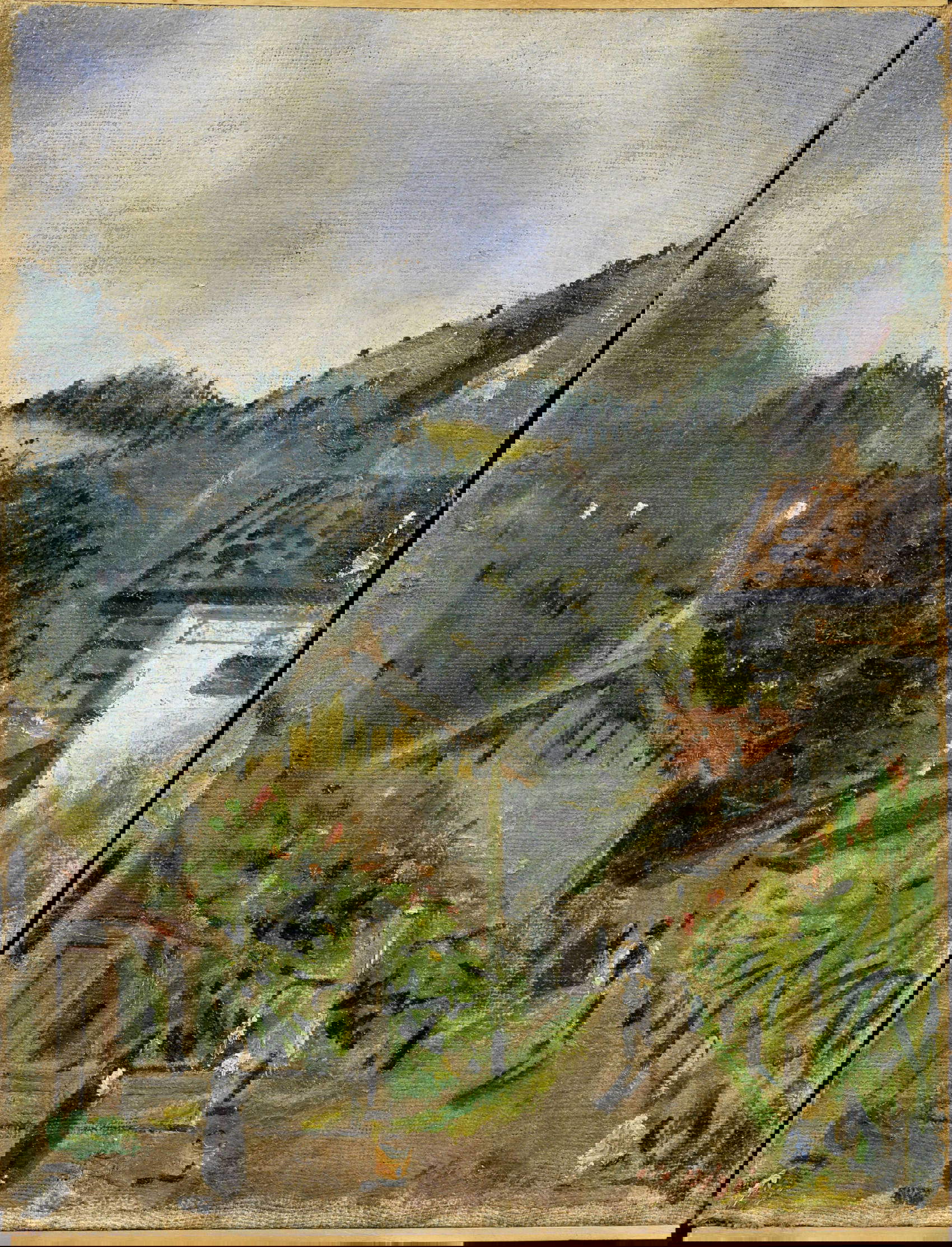
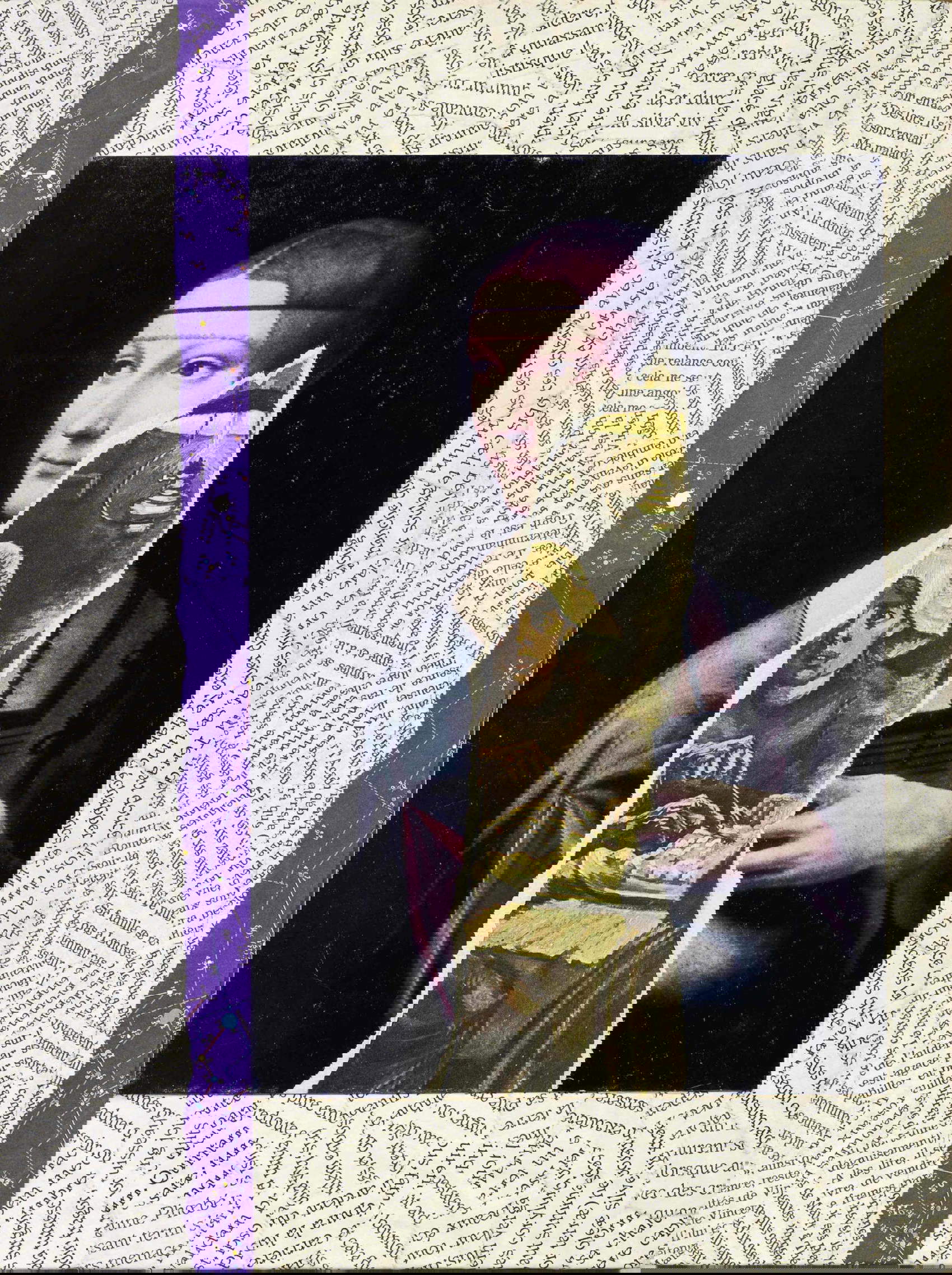
The project aims to return the image of a country characterized by biodiversity, landscapes that ideally cross the North and the South of the world and a millennial history built on layers of different cultures, languages and traditions. An Italy that has influenced and continues to influence travelers, artists and thinkers, presenting itself as a place capable of welcoming and valuing diversity, one of the founding values of the International Olympic Committee. In this sense, Casa Italia is configured as a storytelling space that aims to restore the country’s geographic, cultural and social complexity through a unified gaze.
Musa also represents the point of arrival of an evolutionary process started in 2016, which has gradually transformed the athletes’ house from a simple reception space to a cultural project of international significance. Over the course of previous Olympic editions, Casa Italia has adopted themes that have expanded its scope and symbolic dimension: Horizontal in Rio 2016, dedicated to the contamination between cultures; Prospectum in PyeongChang 2018, focused on the Italian point of view in the dialogue between civilizations; Mirabilia in Tokyo 2020, which placed wonder as an identity figure; Millium in Beijing 2022, where travel was understood as a metaphor for growth; and Ensemble in Paris 2024, focused on harmony and dialogue between languages. With Milan Cortina 2026, Casa Italia returns to Italy and Musa represents its synthesis as the consolidation of a ten-year path that strengthens the role of Casa Italia as a cultural and institutional platform, complementary to sports and projected into a dimension of international relevance.
Developing this unified concept, Casa Italia declines the artistic project in the three venues, transforming them into scenic and emotional paths. Sport, nature, art, architecture, furniture design and lighting design dialogue coherently, building immersive environments that accompany the visitor along a shared narrative. Real exhibition projects take shape within the spaces, with works by Italian and international artists spanning different generations, languages and cultural contexts.
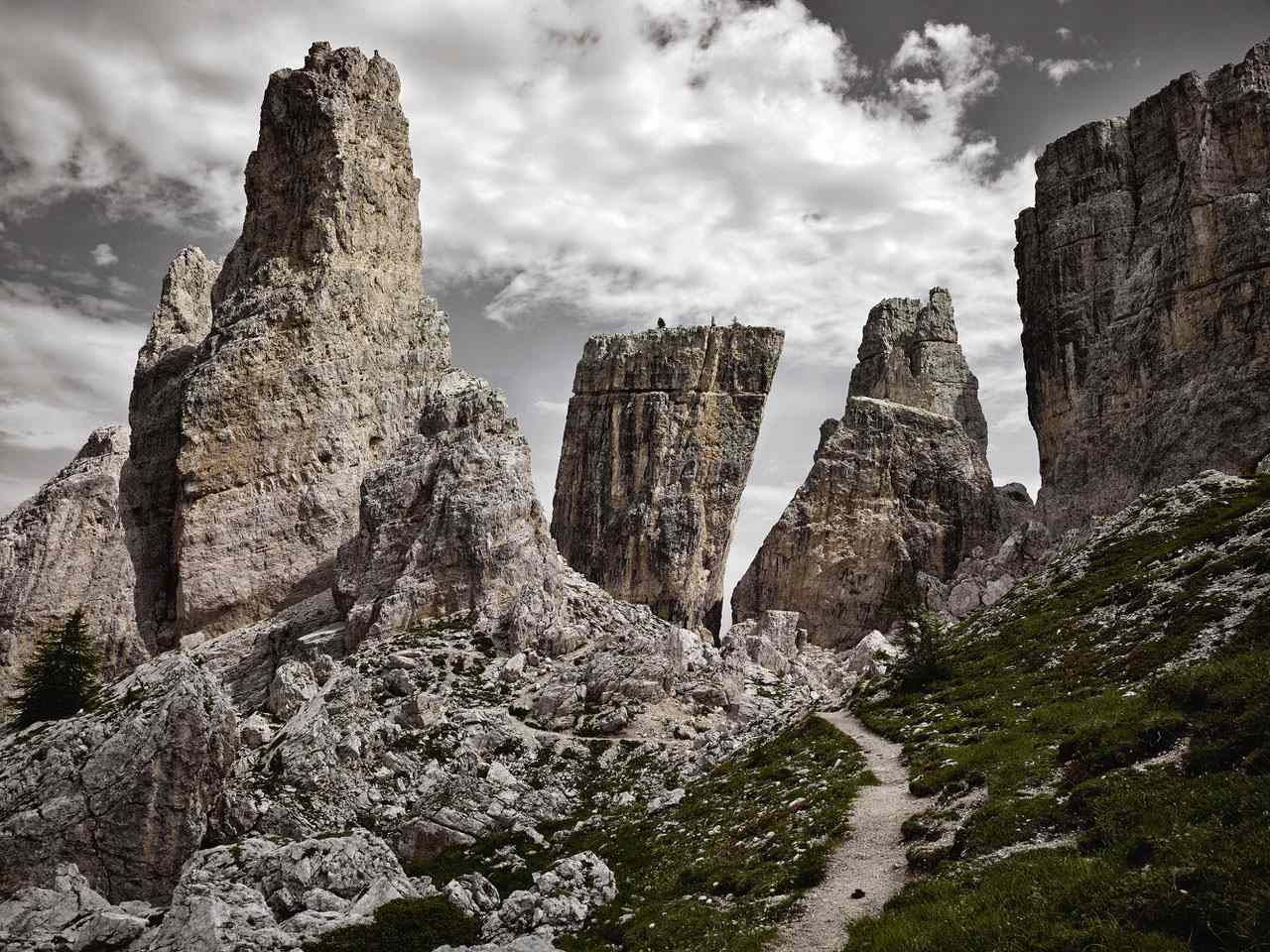
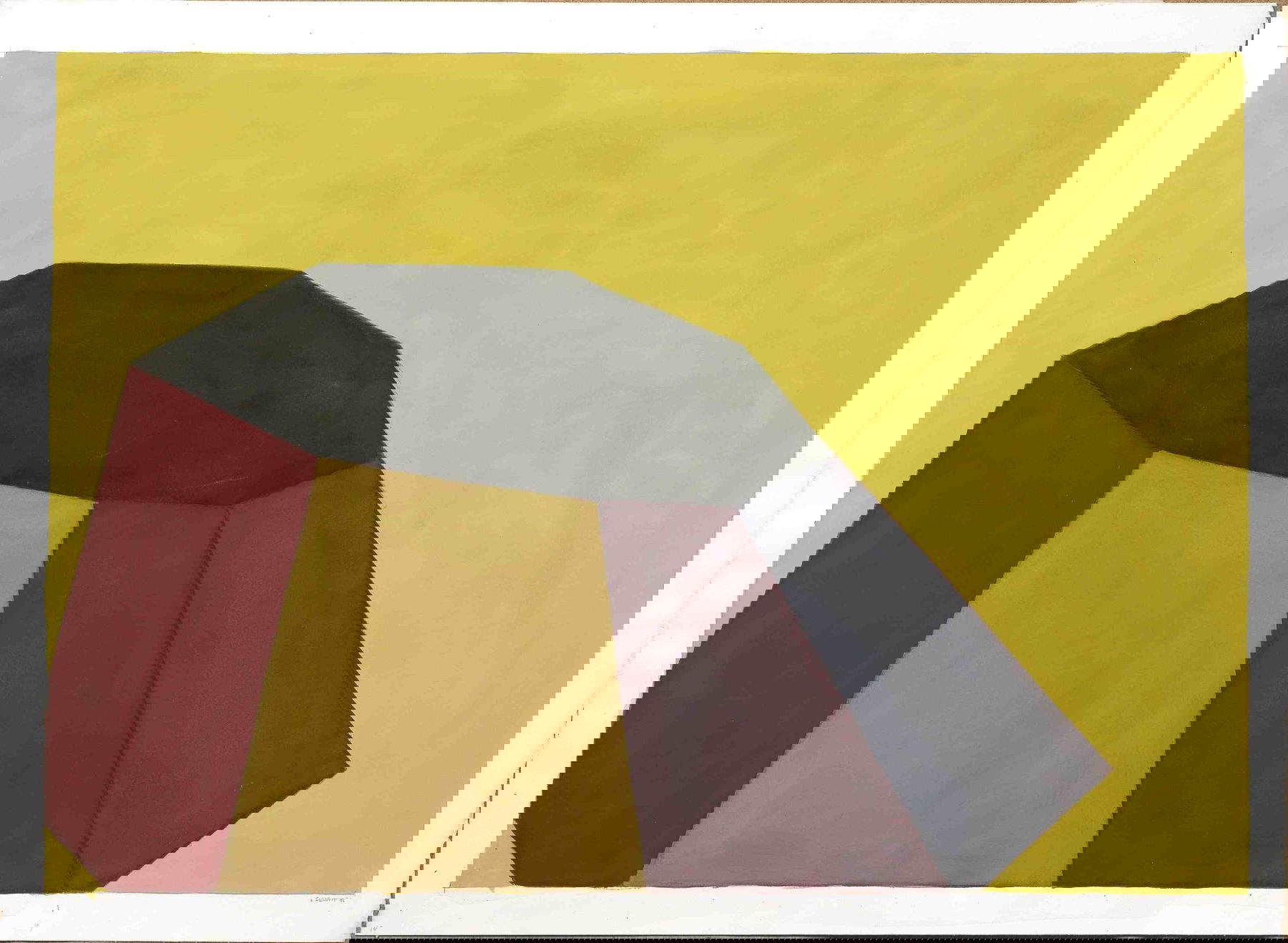
Artists involved include Claudio Abate, Camilla Alberti, Juan Araujo, Arman, John Armleder, Pablo Atchugarry, Atelier dell’Errore, Matteo Attruia, Per Barclay, Giulio Bensasson, Ruth Beraha, Jessie Boswell, Fernando Botero, Stefano Cerio, Massimo Campigli, Luca Campigotto, Mario Ceroli, César, Christo and Jeanne-Claude, Giorgio De Chirico, Filippo de Pisis, Tristano di Robilant, Binta Diaw, Ifeyinwa Joy Chiamonwu, Elmgreen & Dragset, Slawomir Elsner, Bekhbaatar Enkhtur, Elger Esser, Chung Eun-Mo, Jean Fautrier, Gelitin, Piero Gemelli, John Giorno, Itamar Gov, Wang Haiyang, Keith Haring & L.A. II, Craigie Horsfield, Bryan Hunt, Carlos Idun-Tawiah, JR, Hayv Kahraman, William Kentridge, Jiri Kölar, Joseph Kosuth, Jannis Kounellis, Susanne Kutter, Sol LeWitt, Miltos Manetas, Roberto Sebastian Antonio Matta Echaurren, Gerhard Merz, Mario Merz, Jonathan Monk, Davide Monteleone, Vik Muniz, Shirin Neshat, Hermann Nitsch, Denis Oppenheim, Adrian Paci, Park Eun Sun, Yan Pei-Ming, Alejandra Varela Perera, Alessandro Piangiamore, Laura Pugno, Robert Rauschenberg, Davide Rivalta, Ugo Rondinone, Ottone Rosai, Anri Sala, Eva Sajovic, Mario Schifano, Daniel Spoerri, Thomas Struth, Hiroshi Sugimoto, Newsha Tavakolian, David Tremlett, Lihi Turjeman, Tursic & Mille, Cy Twombly, Ben Vautier, Ai Weiwei, Uwe Wittwer, and Sislej Xhafa.
In Cortina d’Ampezzo, Casa Italia is based in the spaces of FARSETTIARTE, located in the center of town and opened in 2020 following a project that transformed the departure station of the historic cable car to Pocol into an exhibition space. The building overlooks the old Town Hall and the Basilica of Saints Philip and James on one side and the mountains surrounding the Ampezzo resort on the other. Here, the Musa project narrates, through the voices of Italian and foreign artists, Italy’s ability to collect, cherish and enhance diversity, in line with one of the core values of the International Olympic Movement.
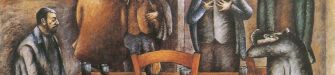
The exhibition hosted by FARSETTIARTE features historical works by Giacomo Balla, Massimo Campigli, Mario Ceroli, Giorgio De Chirico, Filippo de Pisis, Jean Fautrier, John Giorno, Jiri Kölar, Joseph Kosuth, Sol LeWitt, Hermann Nitsch, Robert Rauschenberg, Ottone Rosai, Mario Schifano, David Tremlett and Ben Vautier, as well as two photographs by Luca Campigotto and Piero Gemelli, artists with ties to the Lombardy-Veneto area. The selection, made in collaboration with FARSETTIARTE, highlights how, at different moments of the 20th century and through different artistic languages, Italy has been an active part of the process commonly referred to as inspiration.
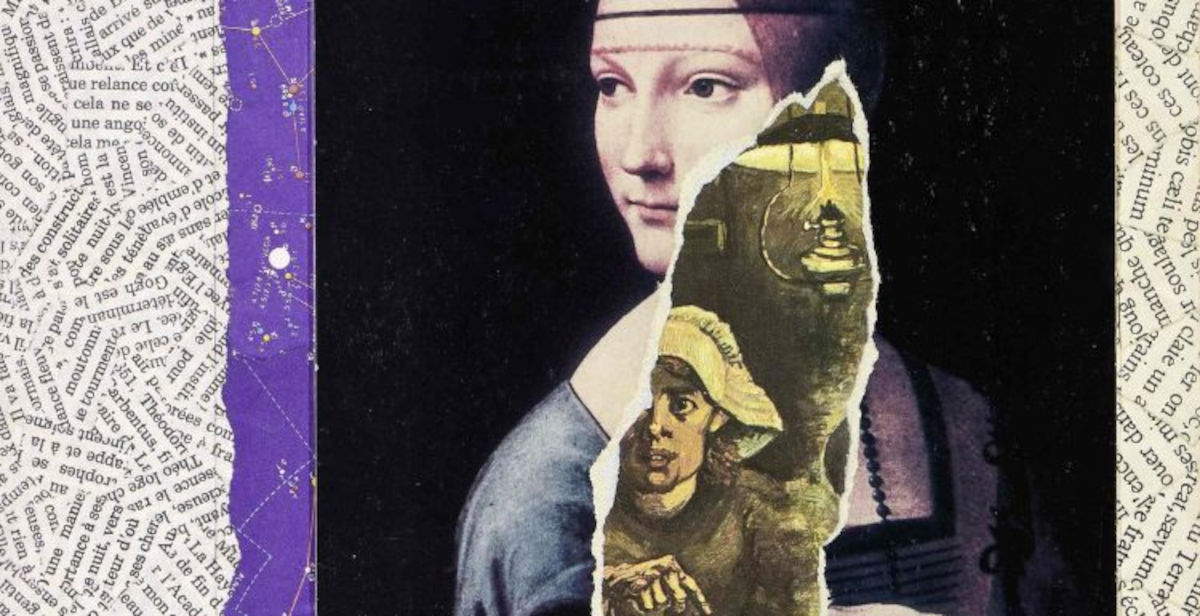 |
| Milan Cortina 2026: in Cortina d'Ampezzo, Casa Italia finds home in the spaces of FARSETTIARTE |

Warning: the translation into English of the original Italian article was created using automatic tools. We undertake to review all articles, but we do not guarantee the total absence of inaccuracies in the translation due to the program. You can find the original by clicking on the ITA button. If you find any mistake,please contact us.



















 IT
IT FR
FR DE
DE ES
ES CN
CN