





Joining the Carlon collection at Palazzo Maffei in Verona is the Dream of the Pomegranate, a masterpiece by Felice Casorati created in 1912 during the artist’s years in Verona. Reappearing in an exhibition only in 2022 after 30 years since its last showing, the work had first been shown in 1913 in Rome at the First International Art Exhibition of the Secession. Indeed, it is the most significant testimony to the influence of Gustav Klimt’s painting on Casorati’s art. Inside the museum in Piazza delle Erbe, the Casorati Room thus brings together three of the painter’s works today, offering an overview that ranges from Secessionist-style decorativism and Symbolist suggestions to the emergence of Magic Realism.
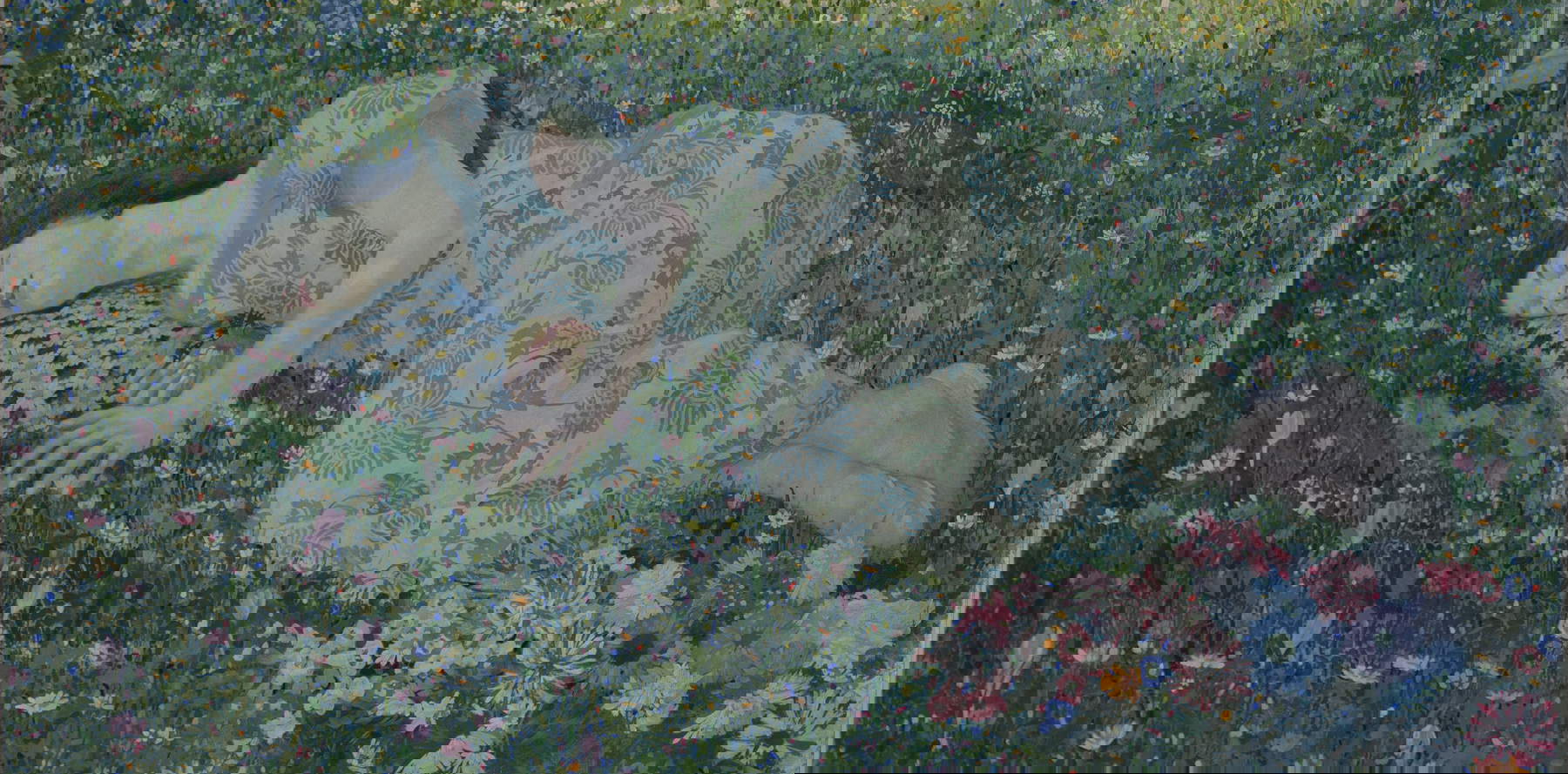
The painting represents a milestone in the artist’s research, just before his opening to Symbolist painting. In the figure of the young woman asleep on a flowery meadow, perhaps an allusion to Persephone, also evoked in D’Annunzio’s Fuoco, rich in Symbolist and pictorial suggestions, the influence of Gustav Klimt, whose art made an inroad into Italy at the 1910 Venice Biennale, emerges. The works of the Viennese master would leave a deep mark on Casorati’s later production, most evident in this painting, in which the young artist reworks the new stimuli within a wholly personal poetics. Recalls to the Pre-Raphaelite and even Botticellian traditions can be recognized here, along with significant Symbolist openings. The iconographic elements present in the composition, such as the colchicum, the bunches of grapes, the pomegranate, take on the value of symbolic clues, alluding to the myth of the return to the Underworld, the transience of existence, the cyclical nature of the seasons and the ephemeral beauty of matter. The title of the work and its suspended, dreamy atmosphere are also clarified in this perspective.
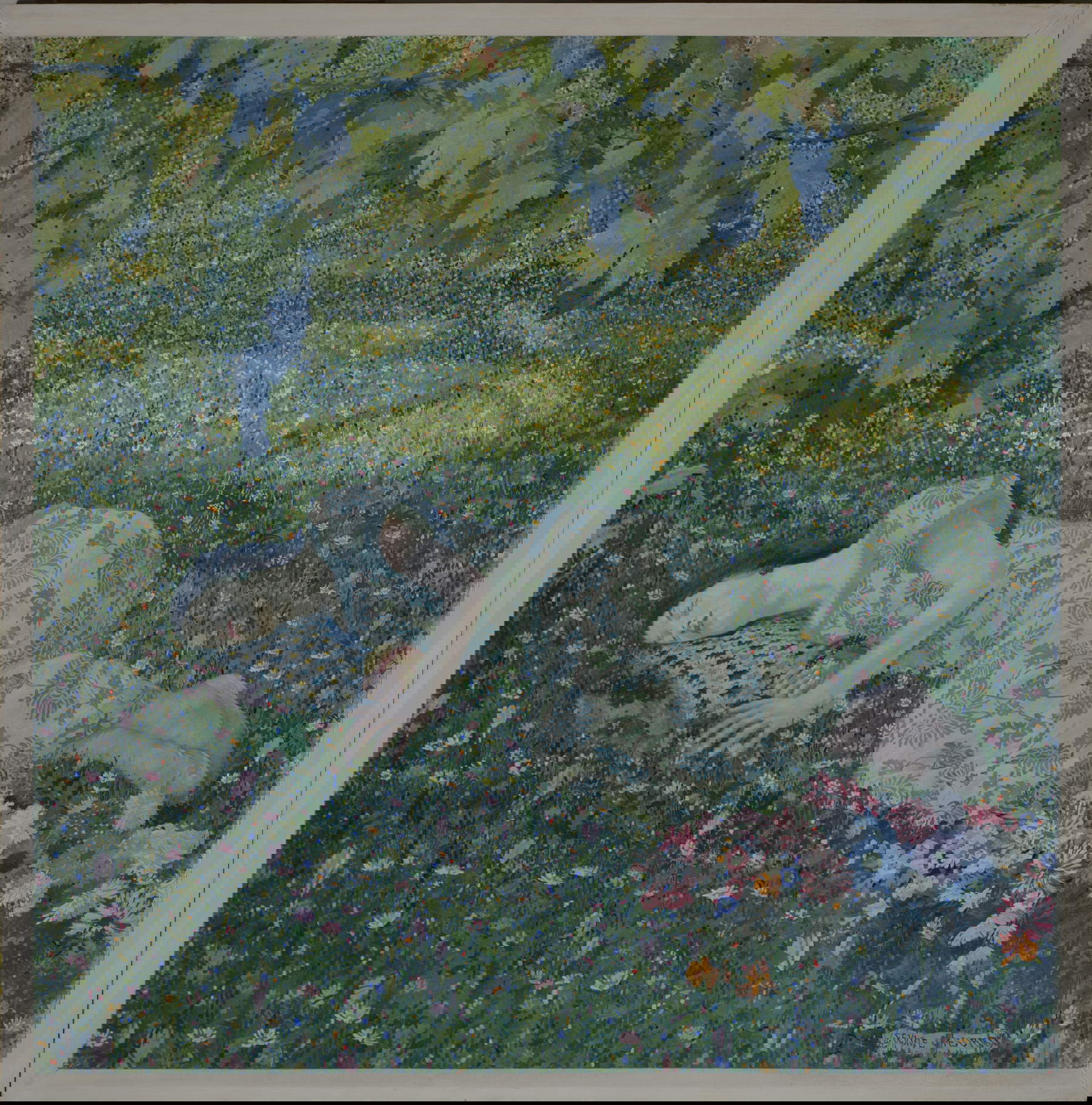
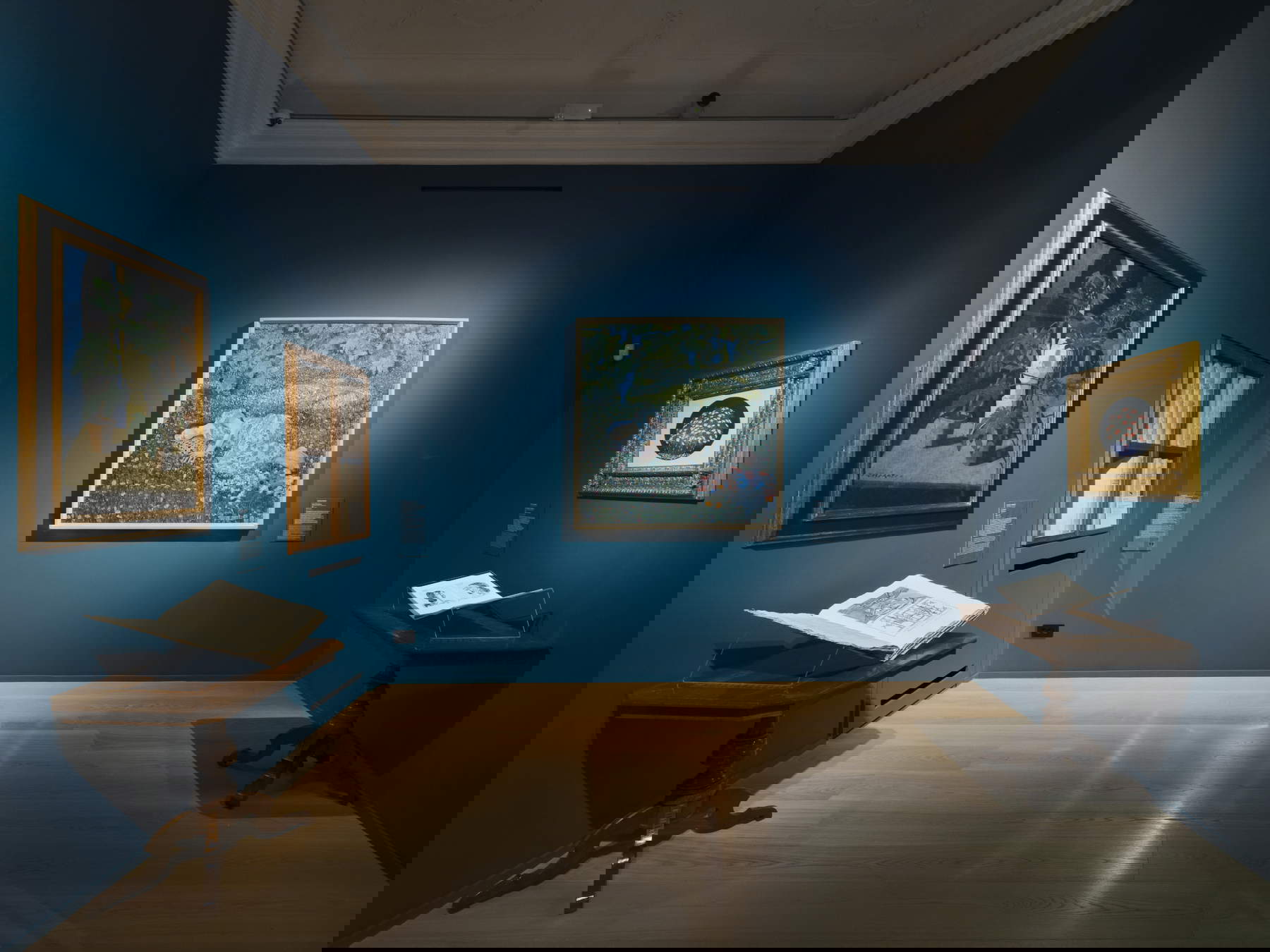
A crucial masterpiece, the Dream of the Pomegranate helps define a key moment in Italian figurative culture and in the artistic career of Casorati, a multifaceted and partly enigmatic artist, painter, printmaker, designer and set designer who was also deeply connected to the city of Verona. Made during the years Casorati lived in Verona, between 1911 and 1915, in close contact with many local artists and later close to the Ca’ Pesaro group, the painting is now on display on the second floor of Palazzo Maffei. Here it dialogues with two other works by the artist belonging to the Carlon Collection: Vaso con papaveri e margherite (1913) and Le piantine (1921), the latter work emblematic of the transition to Magical Realism.
 |
| Felice Casorati's Pomegranate Dream enters the Carlon collection at Palazzo Maffei in Verona |

Warning: the translation into English of the original Italian article was created using automatic tools. We undertake to review all articles, but we do not guarantee the total absence of inaccuracies in the translation due to the program. You can find the original by clicking on the ITA button. If you find any mistake,please contact us.
























 IT
IT FR
FR DE
DE ES
ES CN
CN


