





In Riccione, theformer Piva Furnace, a historic industrial complex linked to the city’s manufacturing development, is preparing for a new life as the Museum of the Territory. The project, signed by Politecnica Building for Humans, marks the completion of the restoration work on the walls of the furnace and the construction of the new museum architecture inside, pending the fittings that will define the exhibition itinerary and the opening to the public scheduled for February 2027. The intervention, selected through a public tender by the Municipality of Riccione, aims to return to the community a place symbolic of its industrial history, transforming it into a new cultural and urban infrastructure. The recovery ofindustrial archaeology thus becomes an opportunity to activate new social and cultural functions, inserting the complex into a larger system of public spaces and urban connections.
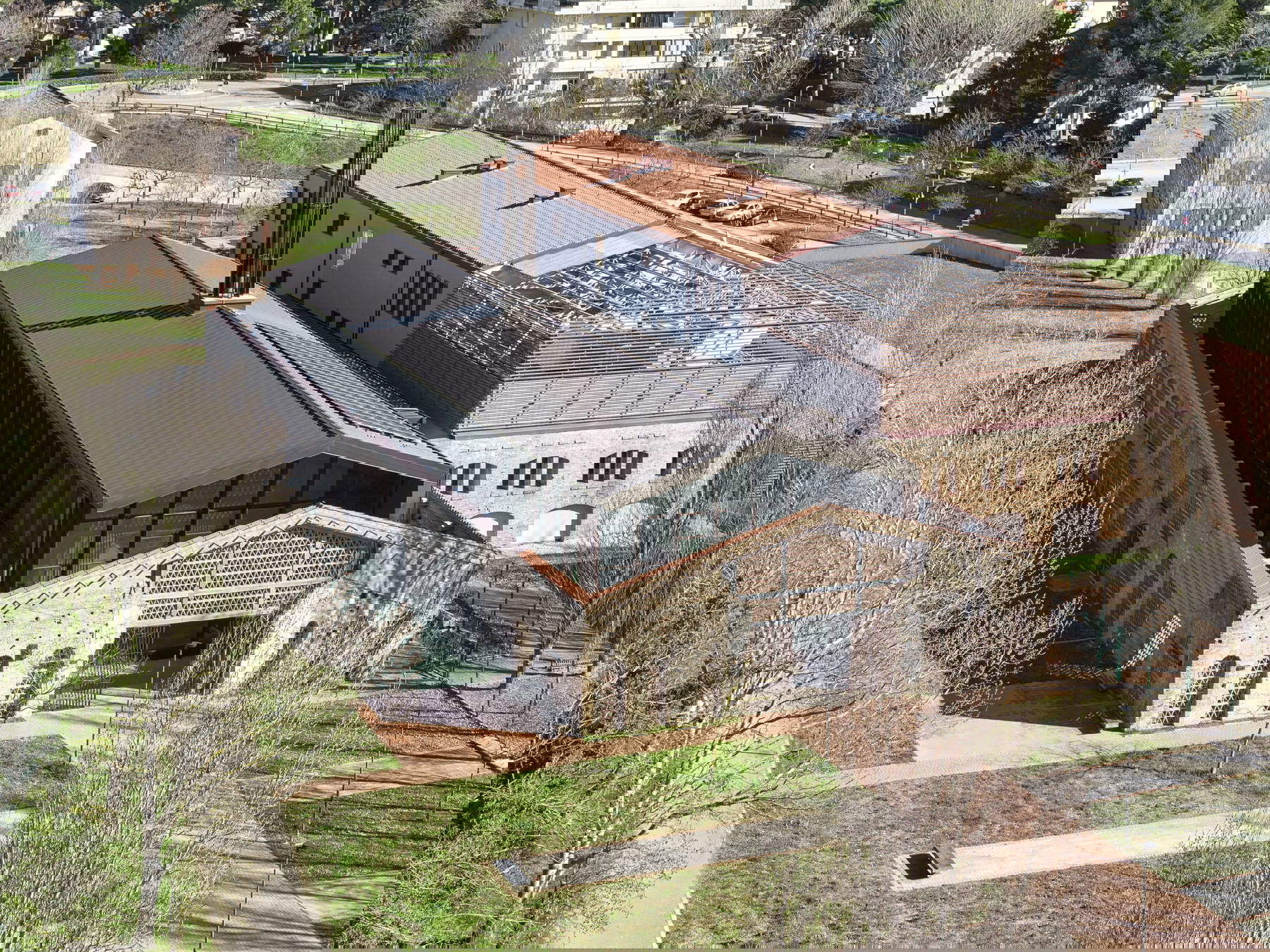
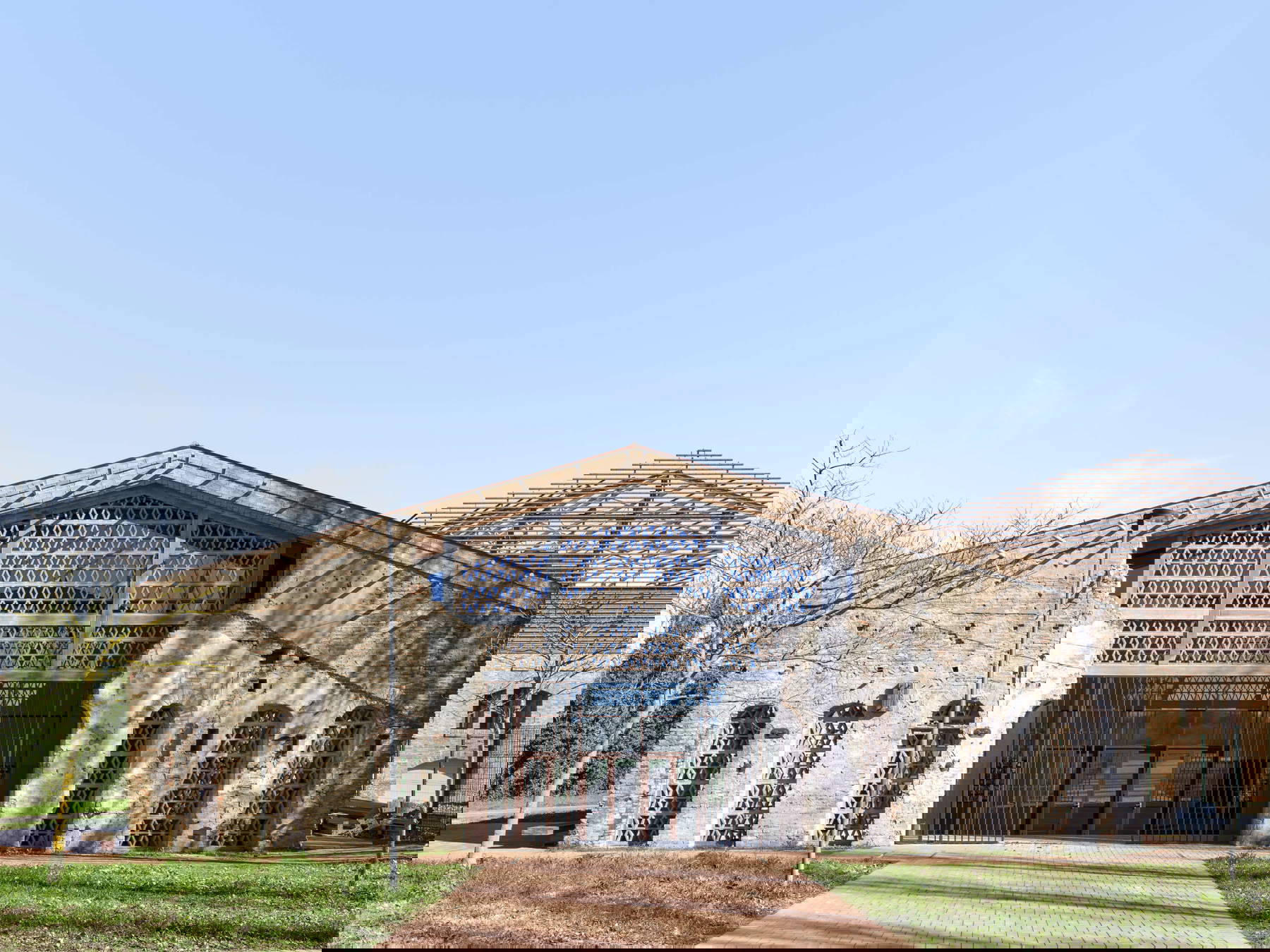
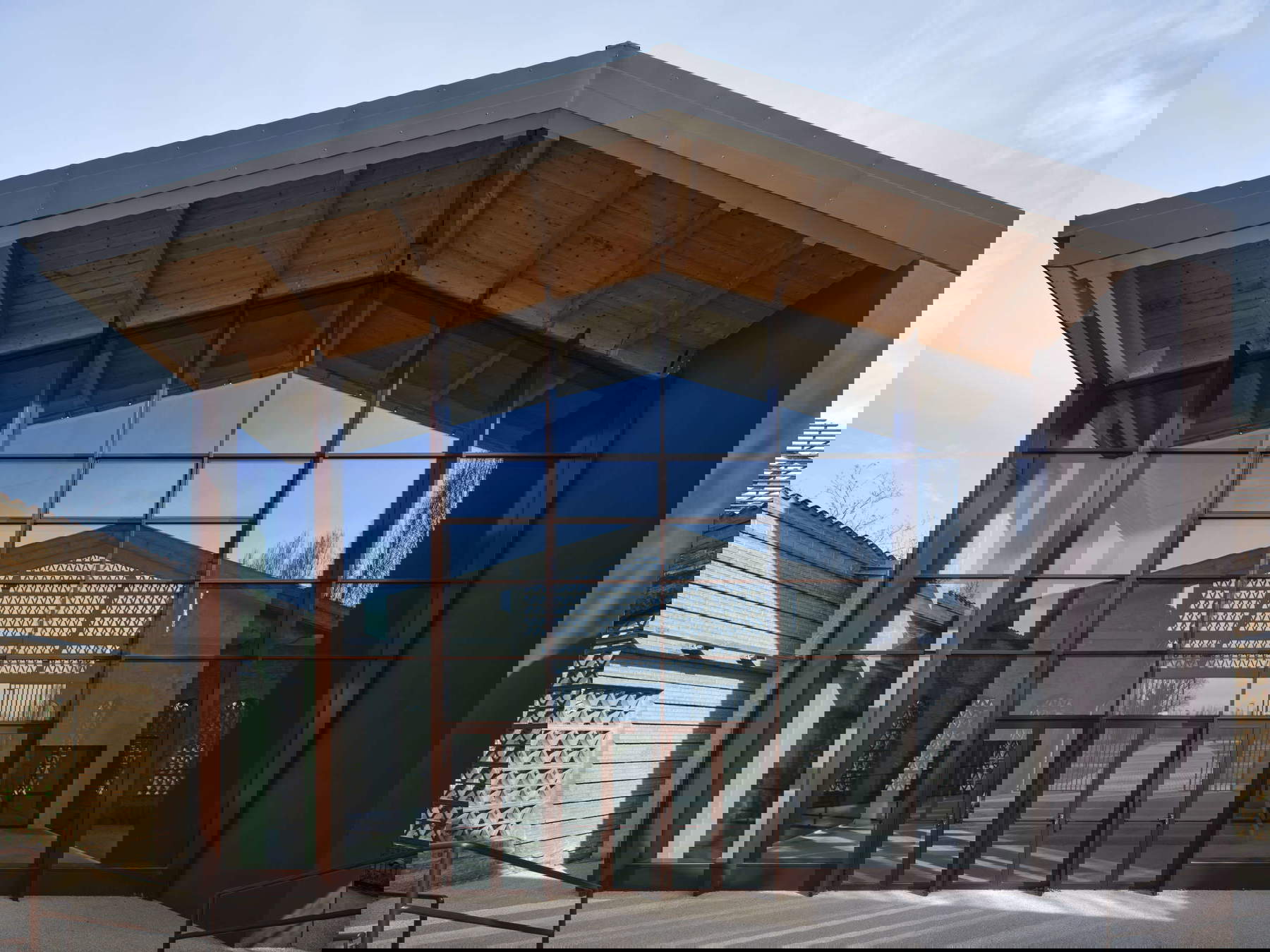
A central element of the project is the introduction, within the perimeter of the furnace, of a new contemporary architecture conceived as a light and transparent structure, defined by the designers as an “architecture of air.” The new volume fits discreetly between the historic walls, establishing a balanced dialogue between old and new, without overlapping with the memory of the place.
As pointed out by architect Alessandro Uras, partner at Politecnica, “the challenge was to intervene in a place of great identity without overlapping with its history. That is why we chose to create a light, transparent and reversible contemporary architecture, capable of confronting the traces of the furnace without erasing them. The result is a space that preserves the industrial memory of the site, but projects it into a new public, cultural and urban dimension.”
The city administration also highlighted the cultural and symbolic value of the intervention. “We did not want just a container of artifacts, but a living institution, capable of telling the story of our identity through a dynamic and participatory cultural offer,” says Sandra Villa, deputy mayor and councillor for culture. “The idea of a ’transparent’ museum reflects our desire to make heritage a common good, accessible and in constant dialogue with the community. With the recovery of this landmark, enriched by the stylized reinterpretation of the historic smokestack, we are giving Riccione back an urban landmark that celebrates its roots while projecting them into a contemporary and international dimension.”
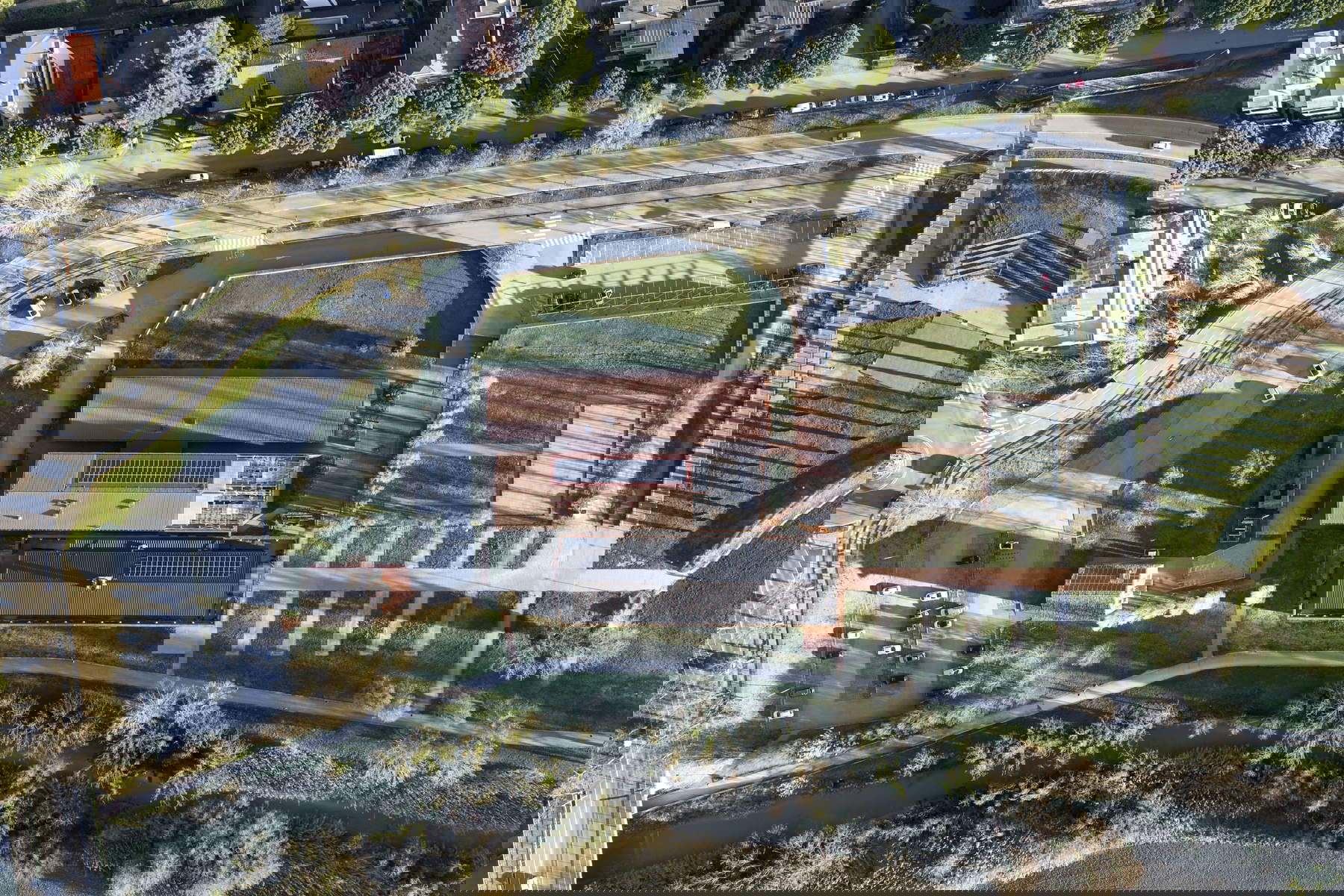
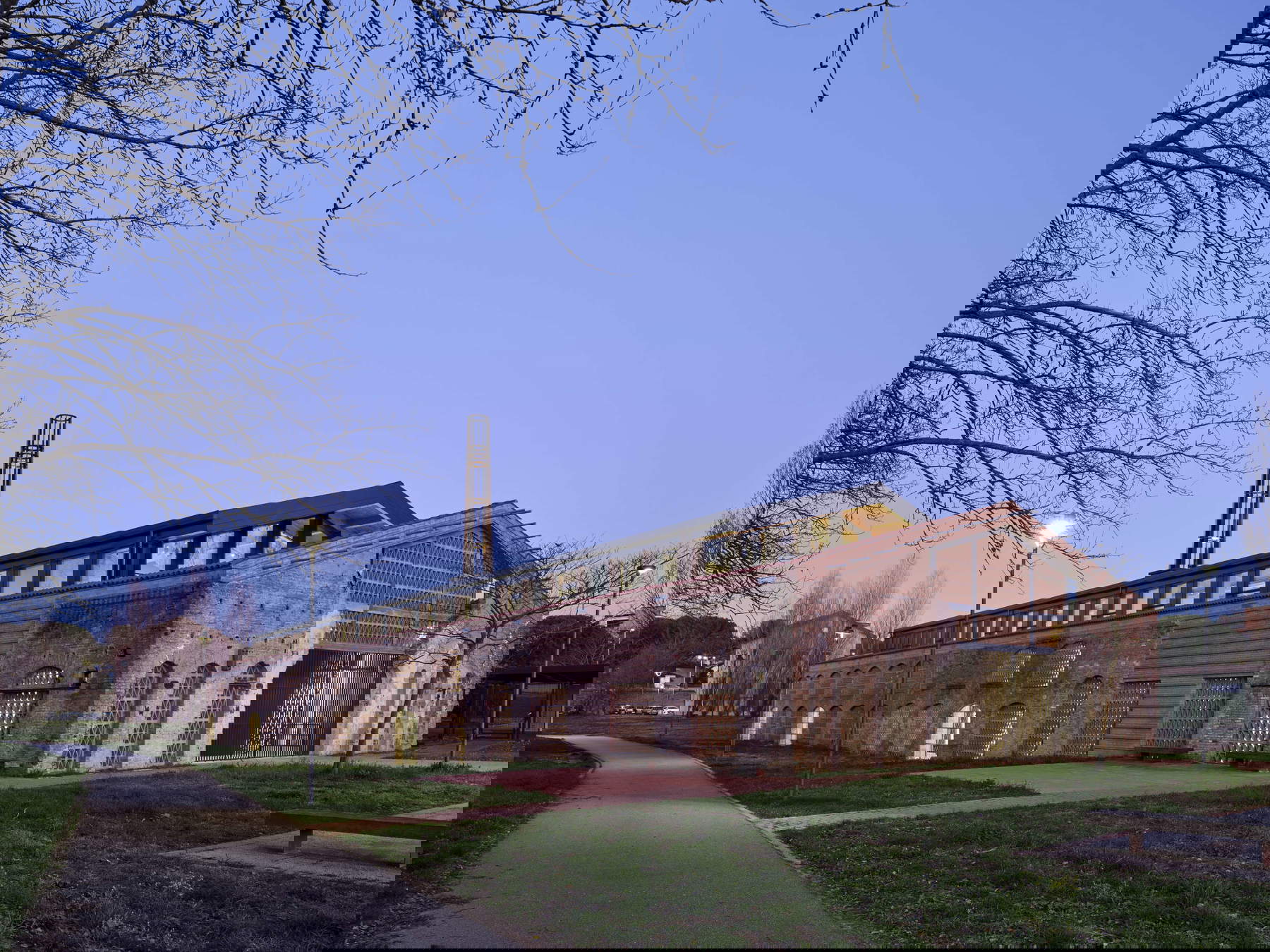
Embedded in a system of public green spaces and bicycle and pedestrian paths and in direct relationship with the adjacent school building, the new museum is a key element in the area’s urban regeneration process. Its presence is intended to help redefine the relationship between the city and the surrounding landscape.
The history of the kiln has its roots in the early twentieth century. Built in 1908 by Milanese entrepreneur Carlo Andrea Piva along the banks of the Rio Melo, it represented one of Riccione’s main economic engines for decades. Equipped with a Hoffmann kiln, an advanced technology for the time that allowed for the continuous production of bricks, the kiln established itself as a cutting-edge production reality in the area. In the years preceding World War II, the plant reached high production levels, maintaining its activity even during the conflict and continuing until the 1970s, when it permanently ceased production. What remains today of the original complex is the walled enclosure, the only surviving element, which the project chose to preserve and enhance.
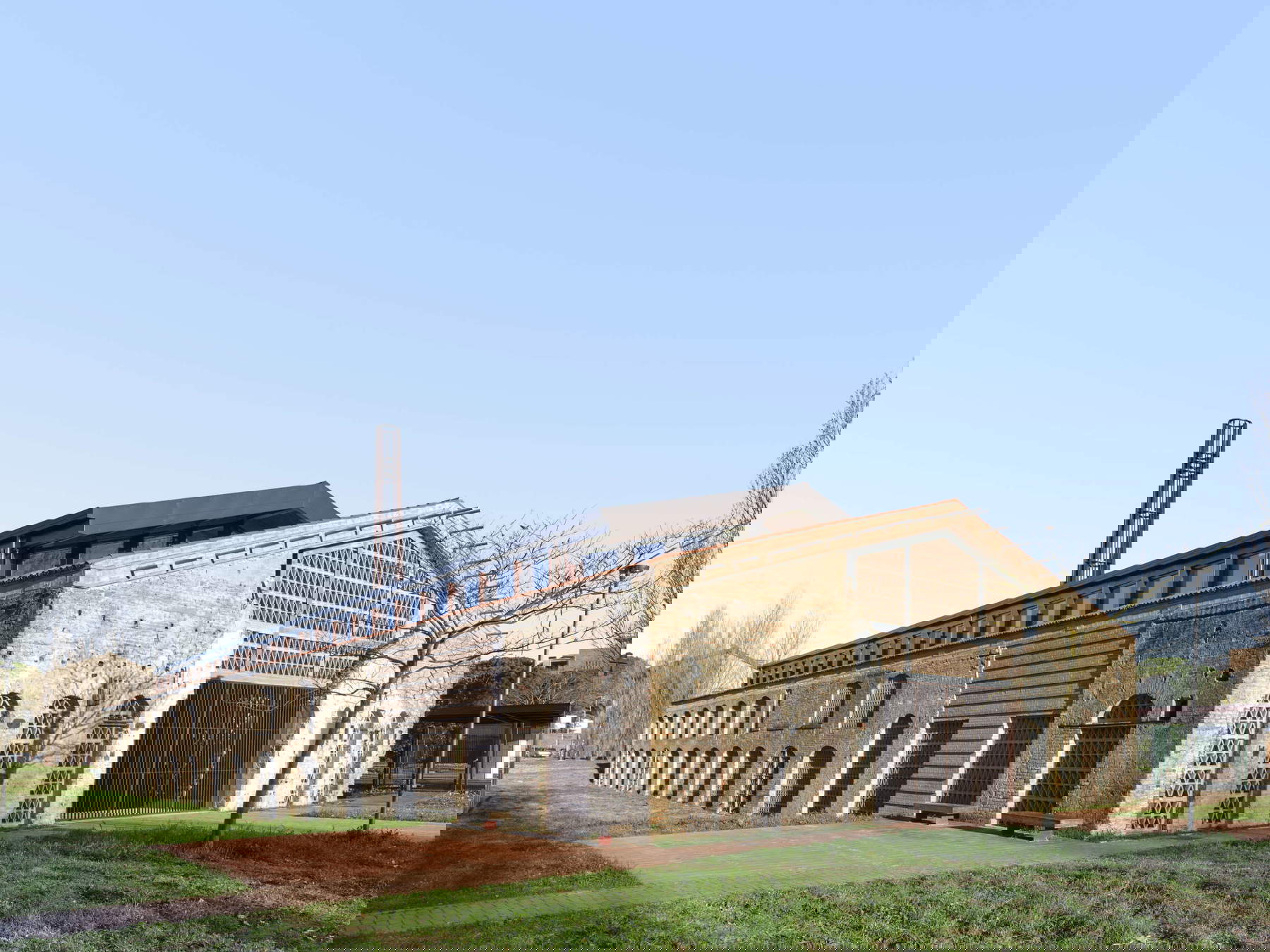
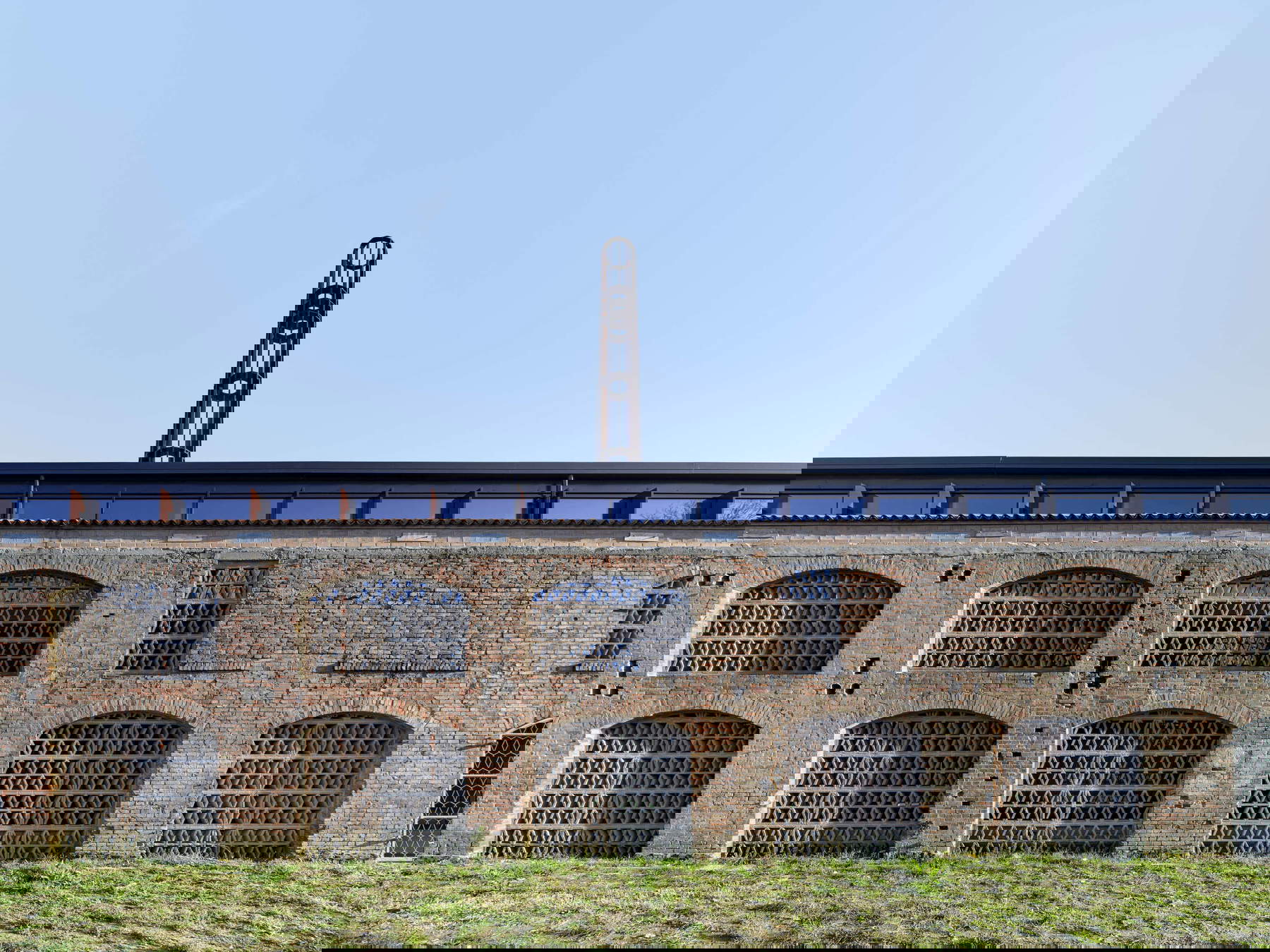
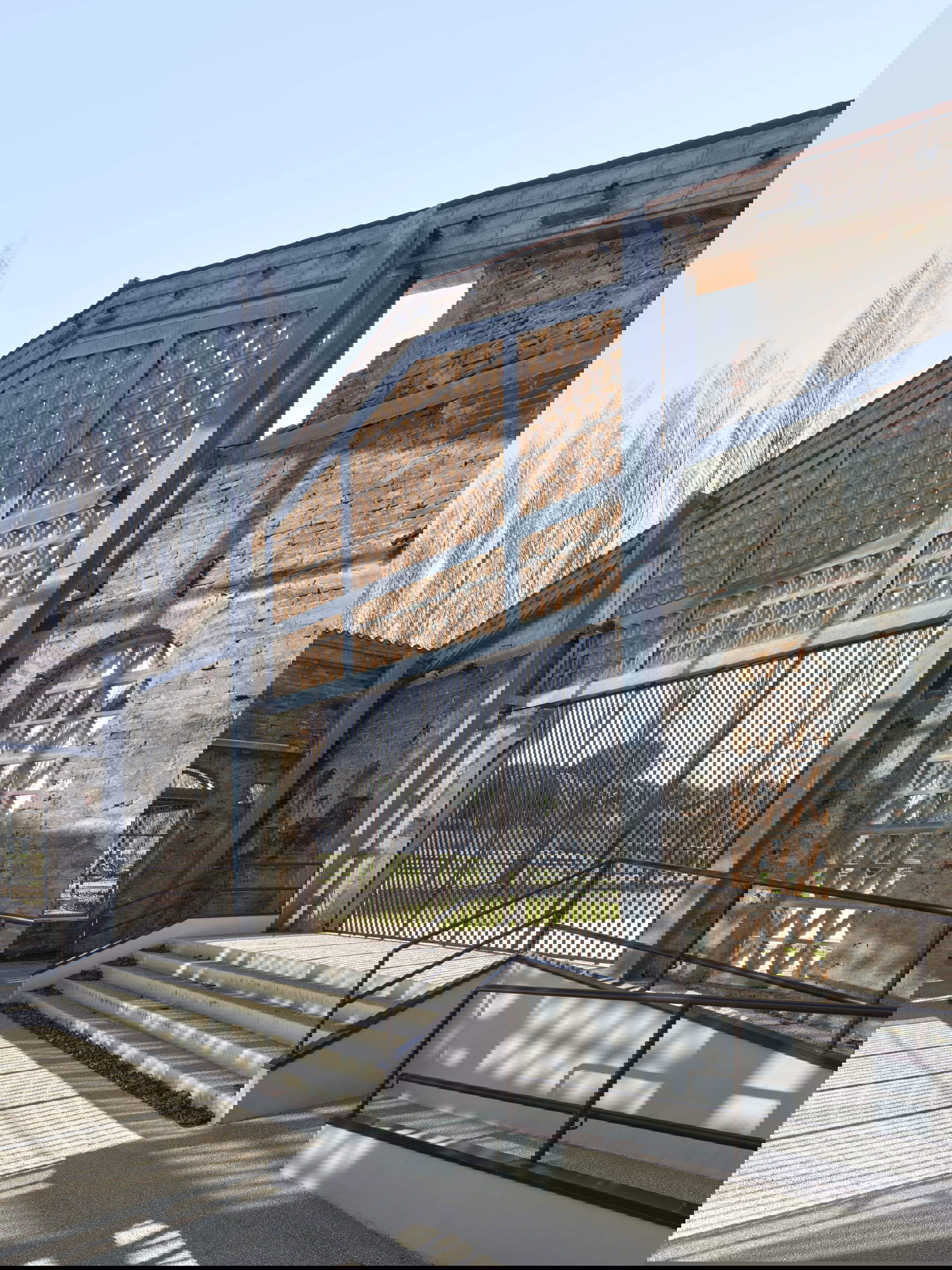
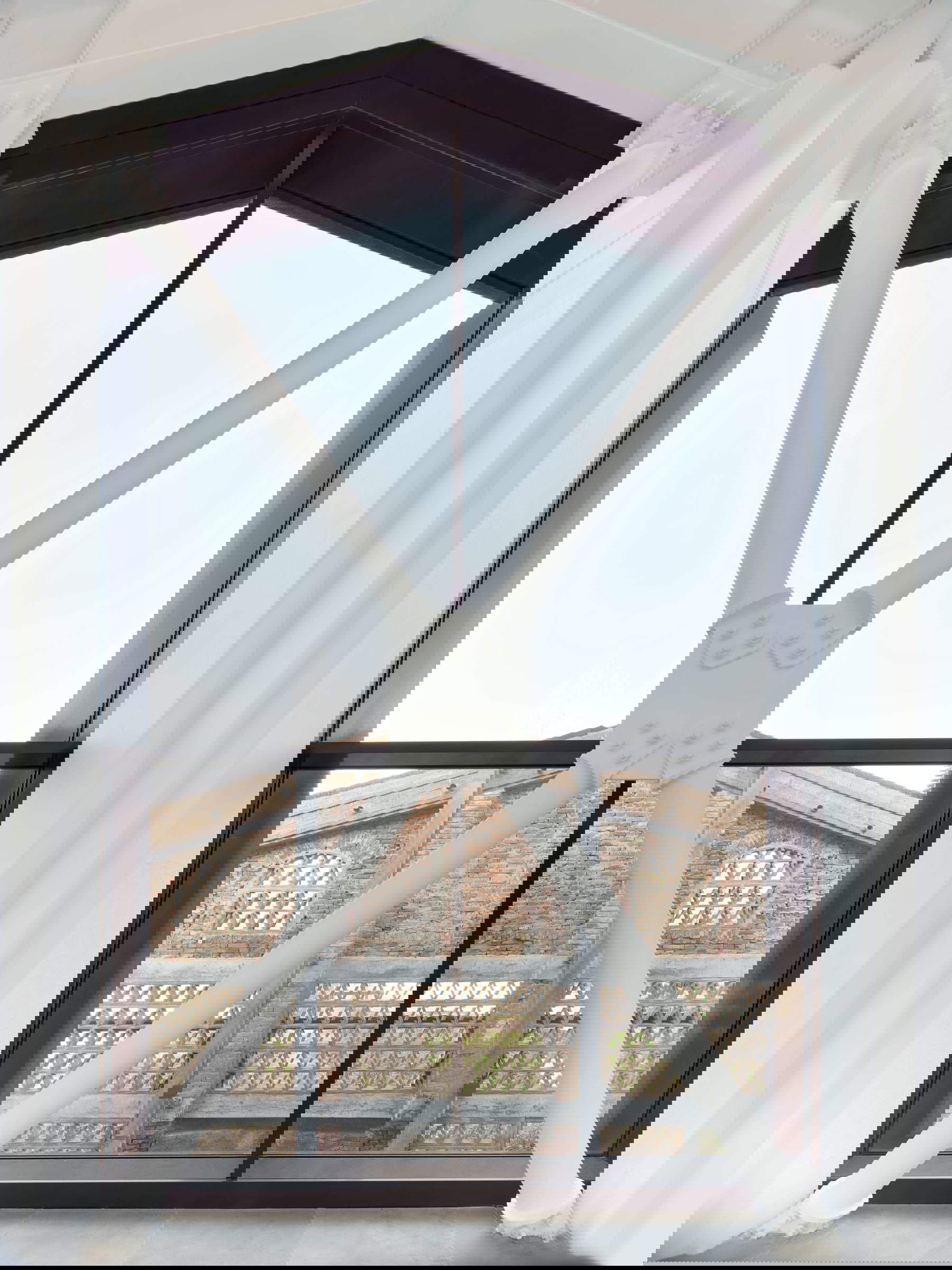
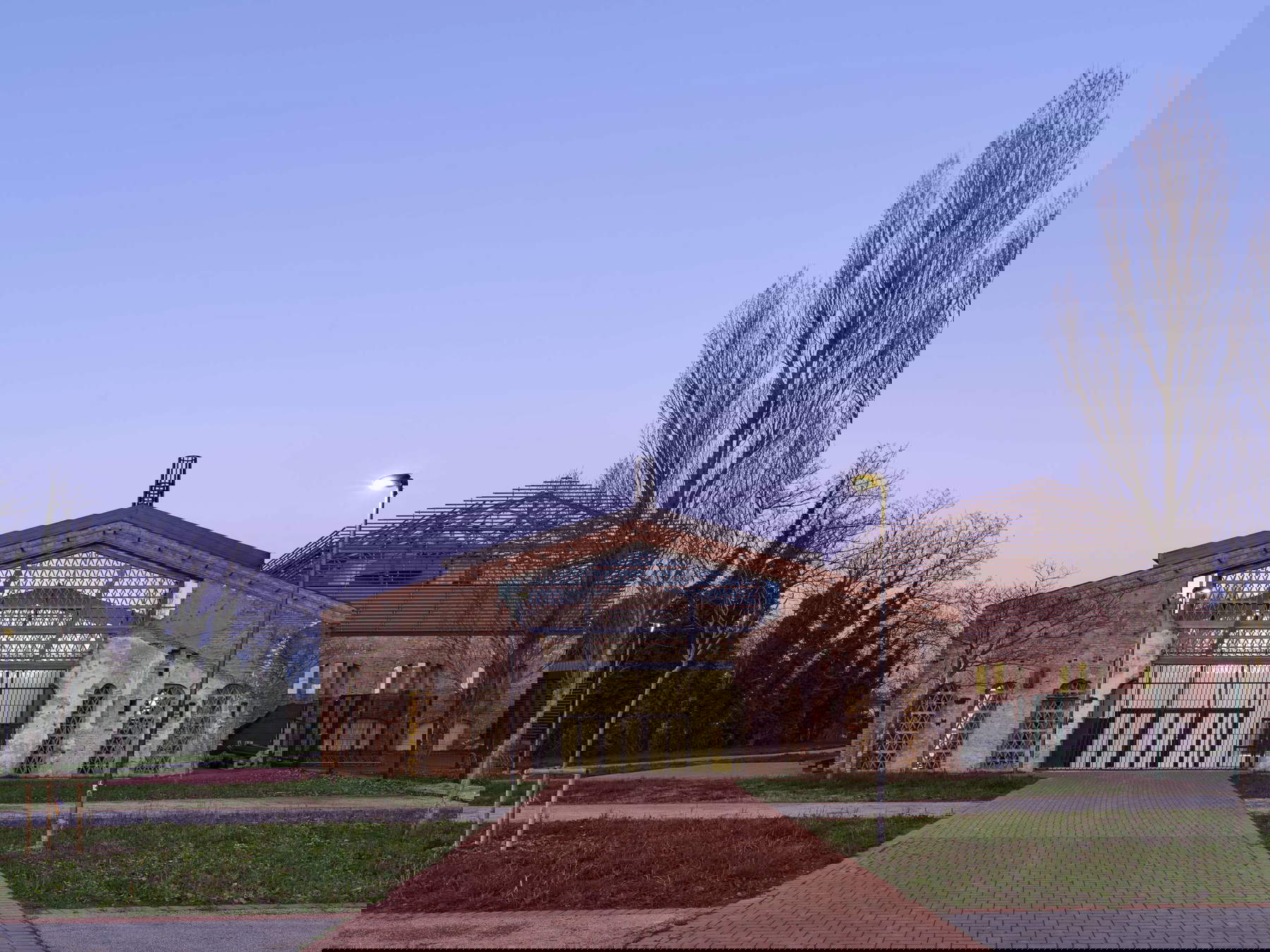
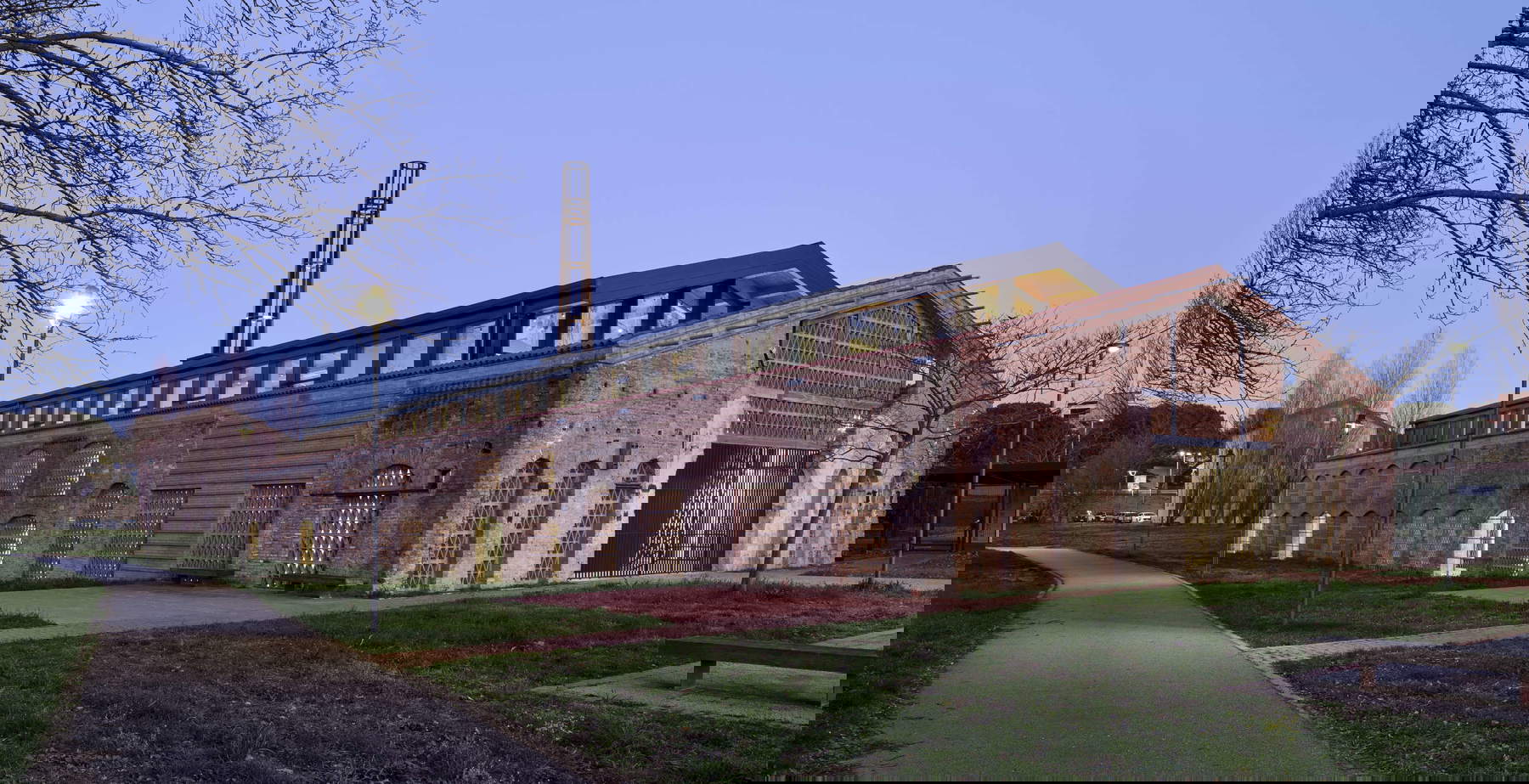
The restoration of the perimeter walls was conducted with an archaeological approach, aimed at preserving the surfaces without removing the traces of time. Holes, wooden inserts and signs of workmanship were kept visible, restoring the historical stratification of the building and strengthening the dialogue with the new interior architecture. A specially designed lighting system further enhances these surfaces, illuminating the building from the inside to the outside in the evening hours and restoring the presence of the kiln to the city as a recognizable sign in the urban landscape.
Within the historic enclosure develops the new museum architecture, conceived as a large transparent vitrine. The project consists of two levels with a total area of about 1,500 square meters, embedded in a larger area of about 2,500 square meters that also includes outdoor spaces and connections with public green spaces.
Between the historic masonry and the new volume, a perimeter walkway has been introduced, a respectful space that allows close observation of the ancient facades and expands the possibilities of circulation, fostering the relationship between the museum and the city.
A symbolic element of the intervention is the reinterpretation of the chimney, which collapsed over time. Through a stylized steel structure that re-proposes its original location, height and proportions, reconstructed through historical research, a sign is returned to the urban landscape. Again, a dedicated lighting design emphasizes its presence at night, transforming it into a new city landmark.
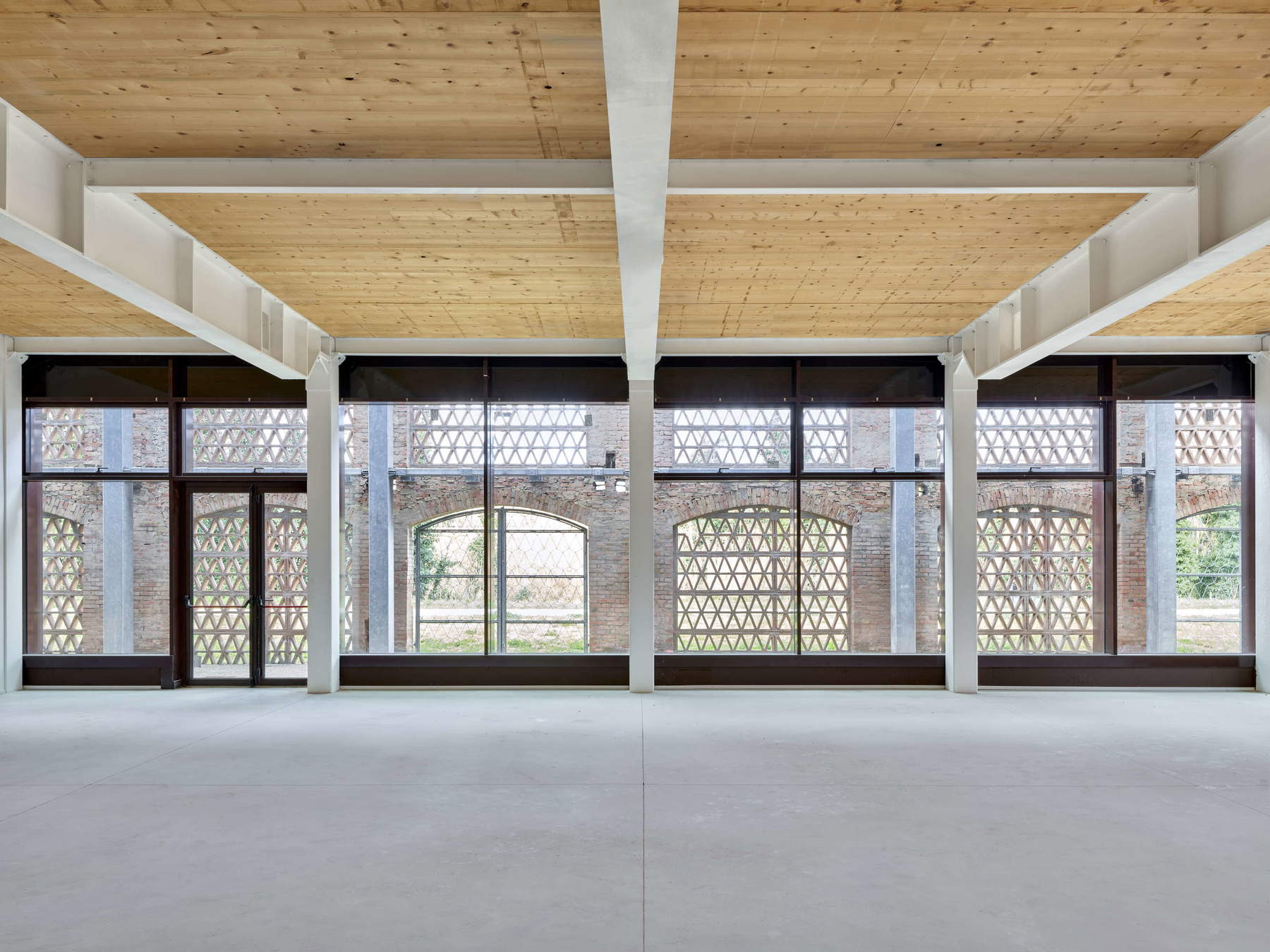
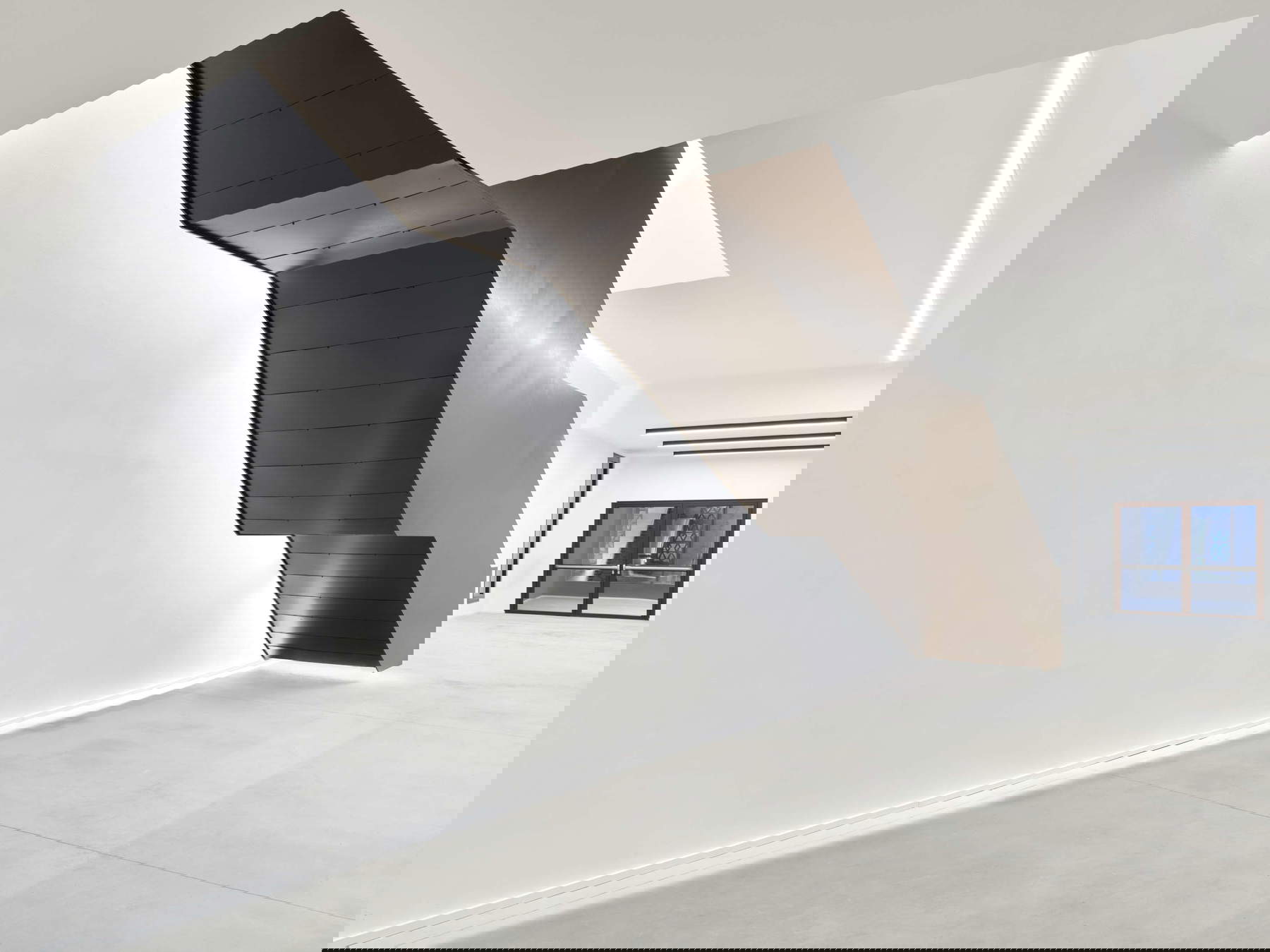
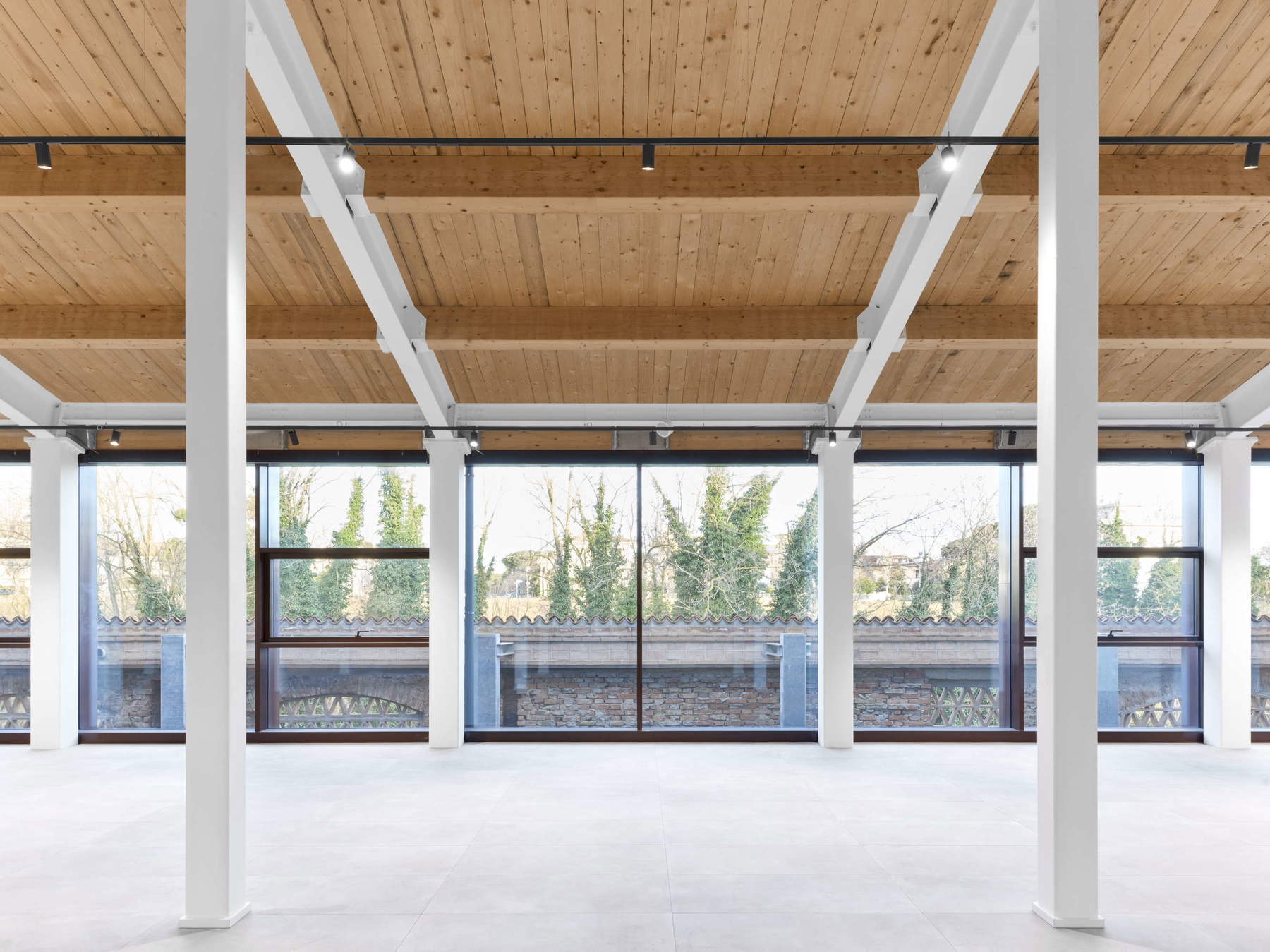
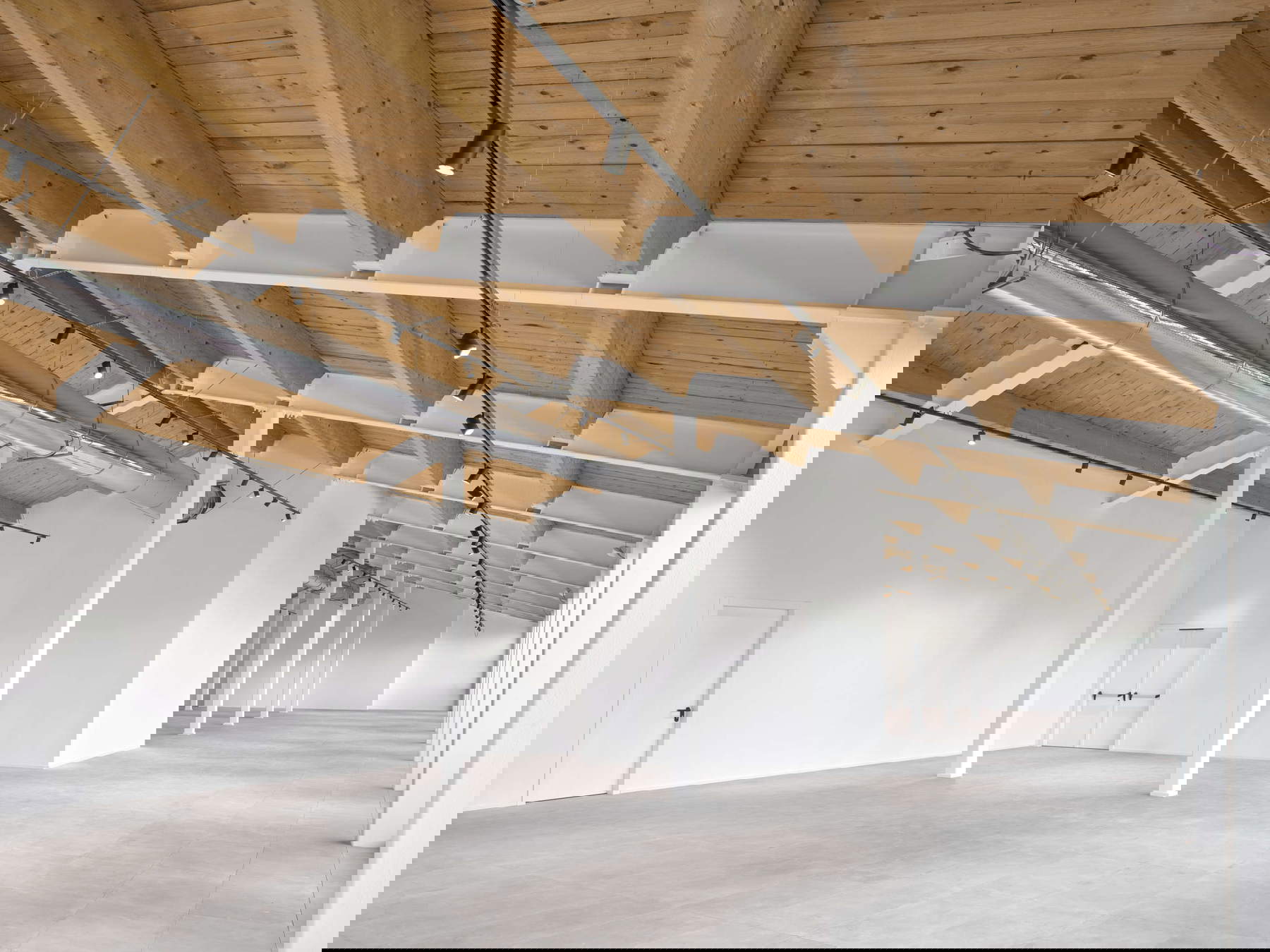
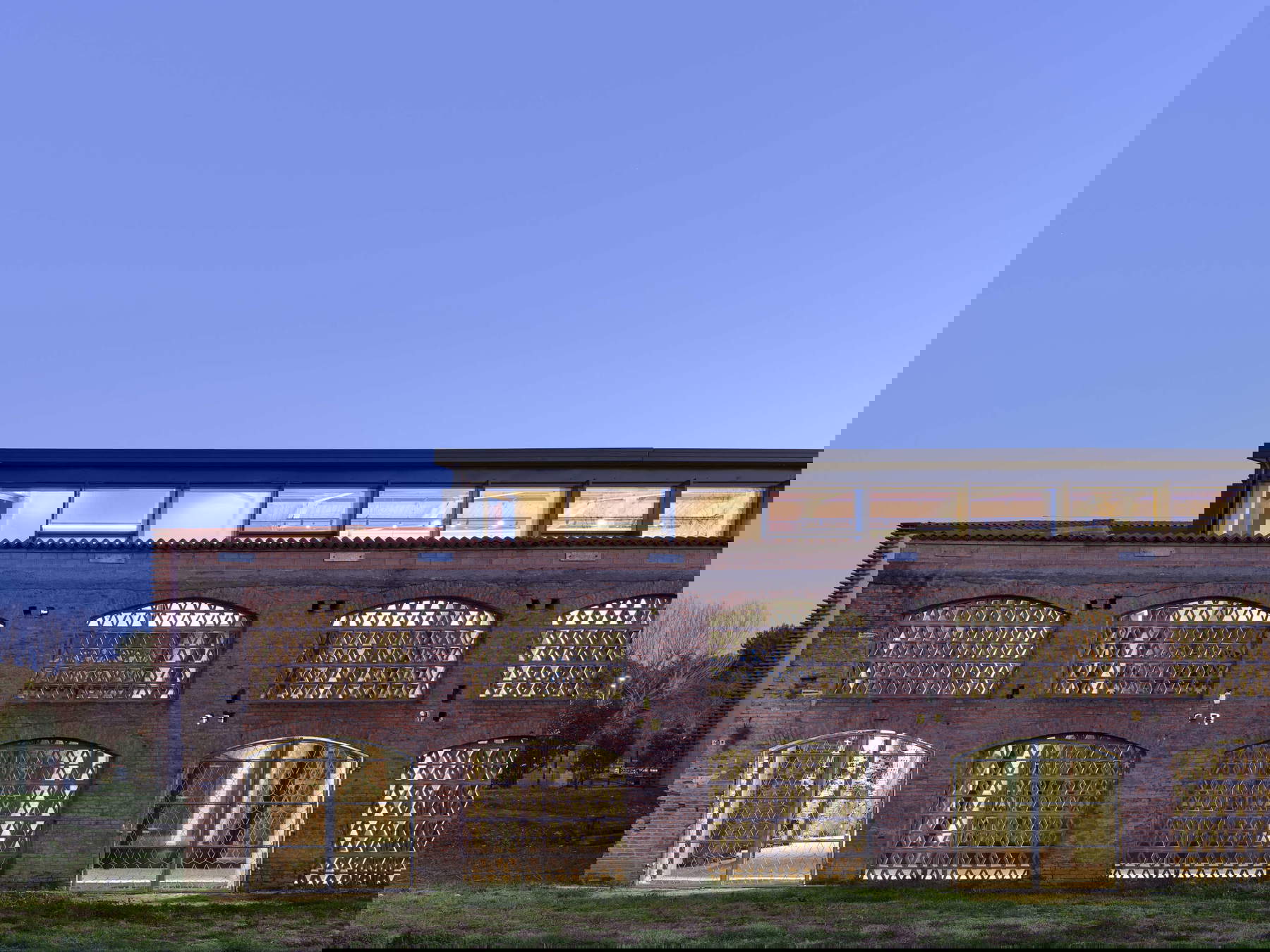
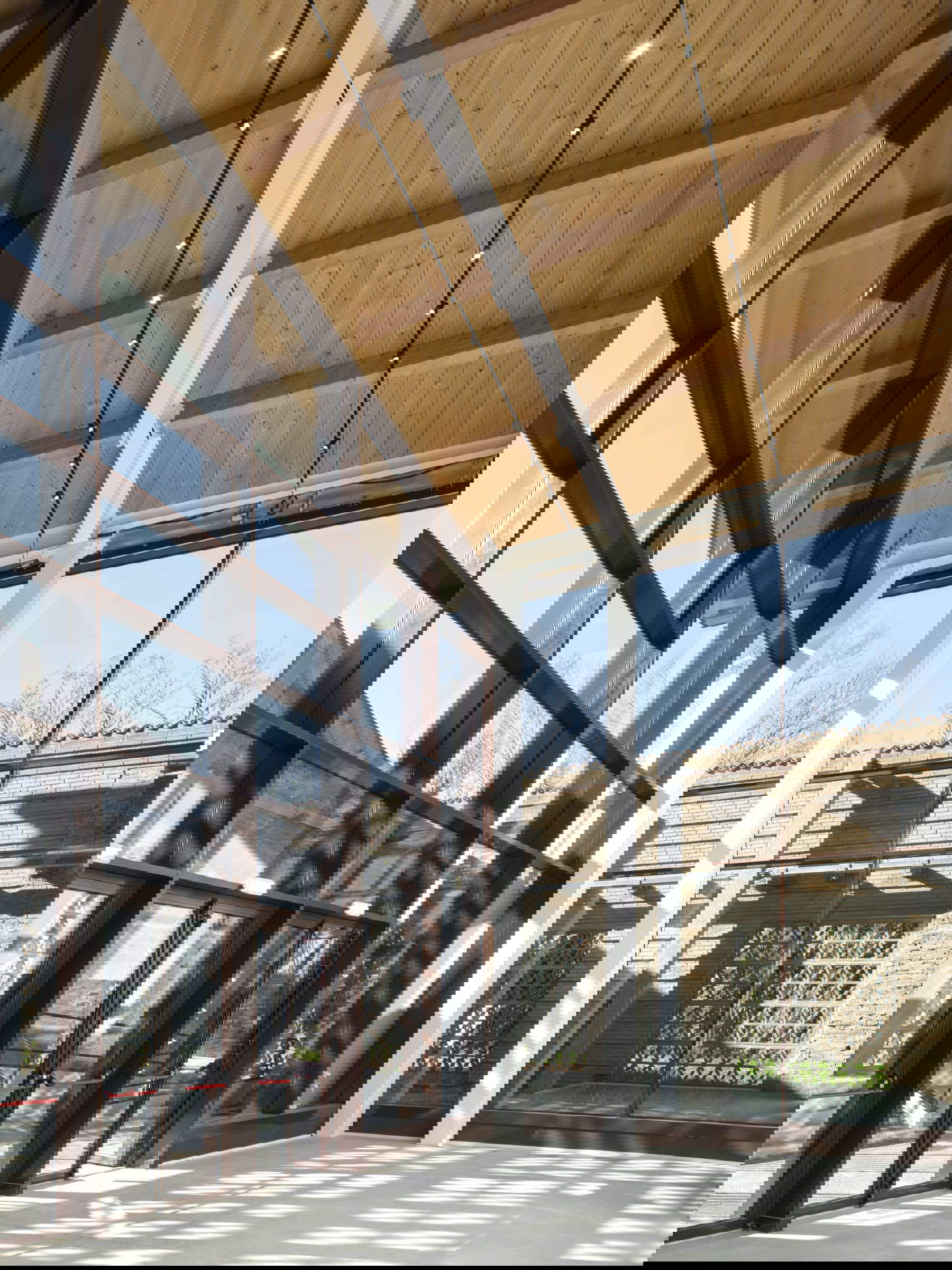
The museum was conceived as an open and flexible space, capable of accommodating a plurality of functions. The ground floor houses the double-height entrance hall, reception, cafeteria, bookshop, classrooms for educational activities, glazed museum storerooms, and a large conference room. The upper level, on the other hand, is dedicated to exhibition spaces, designed as open and reconfigurable environments.
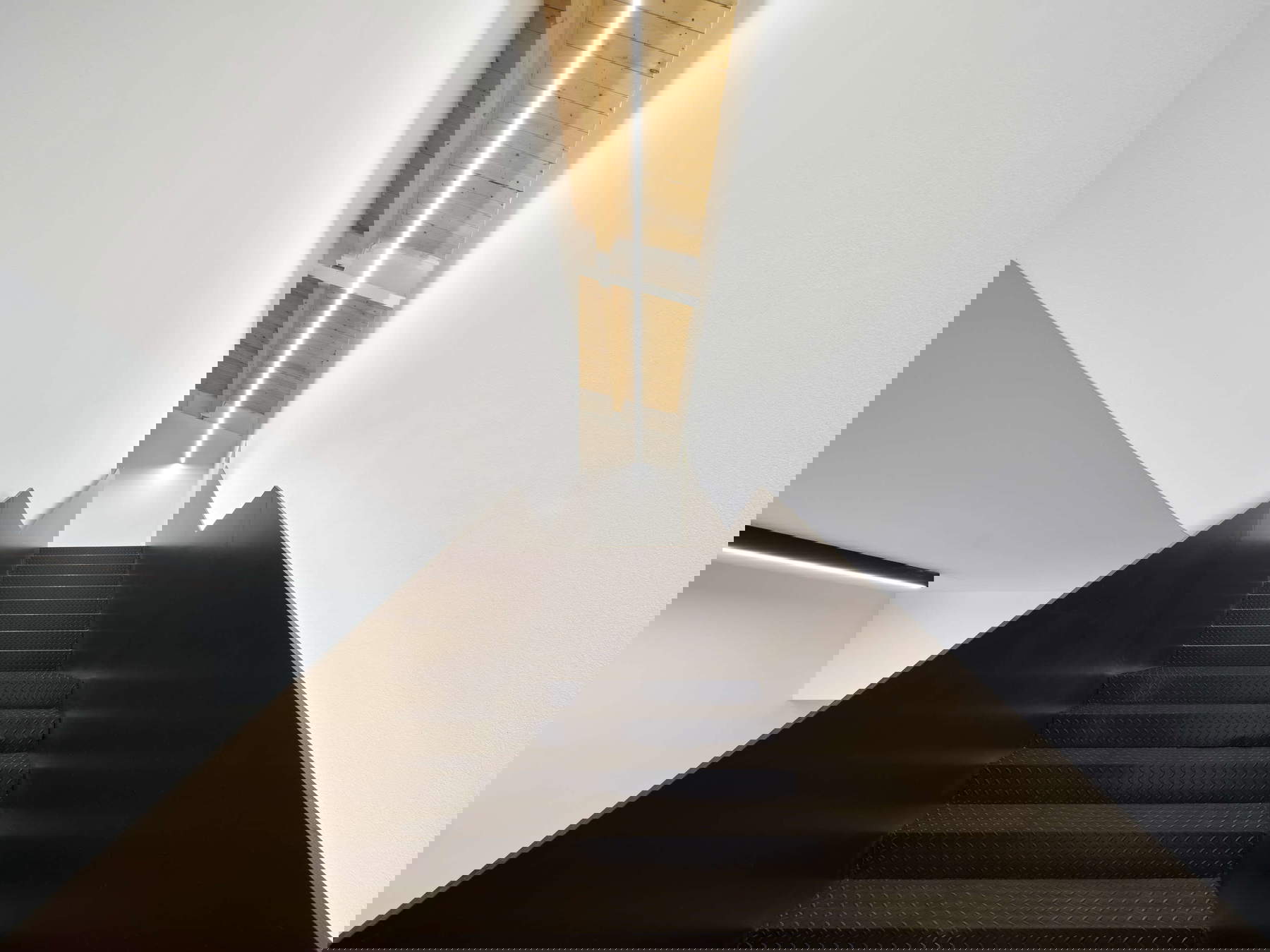
The vertical distribution is entrusted to a main staircase with a light and suspended character, detached from the surfaces to accentuate the perception of lightness. Backlit and inserted into the large lobby, it becomes a central architectural element, contributing to the visual continuity between levels.
The building is designed to accommodate not only the museum itinerary, but also educational activities, events and public initiatives, with spaces capable of functioning autonomously from the museum itself.
From a structural point of view, the intervention required complex solutions to ensure the stability of the historic masonry, which had no roof at the beginning of the work and was therefore exposed to the risk of overturning. A steel exoskeleton was built to consolidate the walls by integrating with the original openings, avoiding invasive interventions and preserving architectural legibility. The new structure is made of steel, with floors and roof made of XLAM glulam, a choice that ensures high performance and meets the project’s environmental criteria. Large glass surfaces promote natural lighting and reinforce the idea of a museum permeable to its context. Materials such as concrete and steel maintain a material dimension consistent with the industrial memory of the site, while the adoption of dry construction systems responds to the principle of reversibility, which is fundamental in interventions on constrained buildings.
 |
| Riccione, former Piva Furnace reborn as Territory Museum |

Warning: the translation into English of the original Italian article was created using automatic tools. We undertake to review all articles, but we do not guarantee the total absence of inaccuracies in the translation due to the program. You can find the original by clicking on the ITA button. If you find any mistake,please contact us.





























 IT
IT FR
FR DE
DE ES
ES CN
CN


