



by Redazione 27/01/2026



Categories: Museums / Disclaimer
MUSE - Trento Science Museum on expedition to East Greenland for a new bio-cultural research project, developed together with local communities, that brings archaeology, environmental history and natural science into dialogue.


A mission led by MUSE - Trento Science Museum in East Greenland has set the stage for a new bio-cultural research project that brings archaeology, environmental history and natural sciences into dialogue. The initiative stems from a collaboration with The Red House Greenland Foundation and is based on a participatory, decolonial research model developed together with local communities in the Tasiilaq area. At the heart of the project is the shared knowledge and appreciation of an ancient Inuit winter settlement.
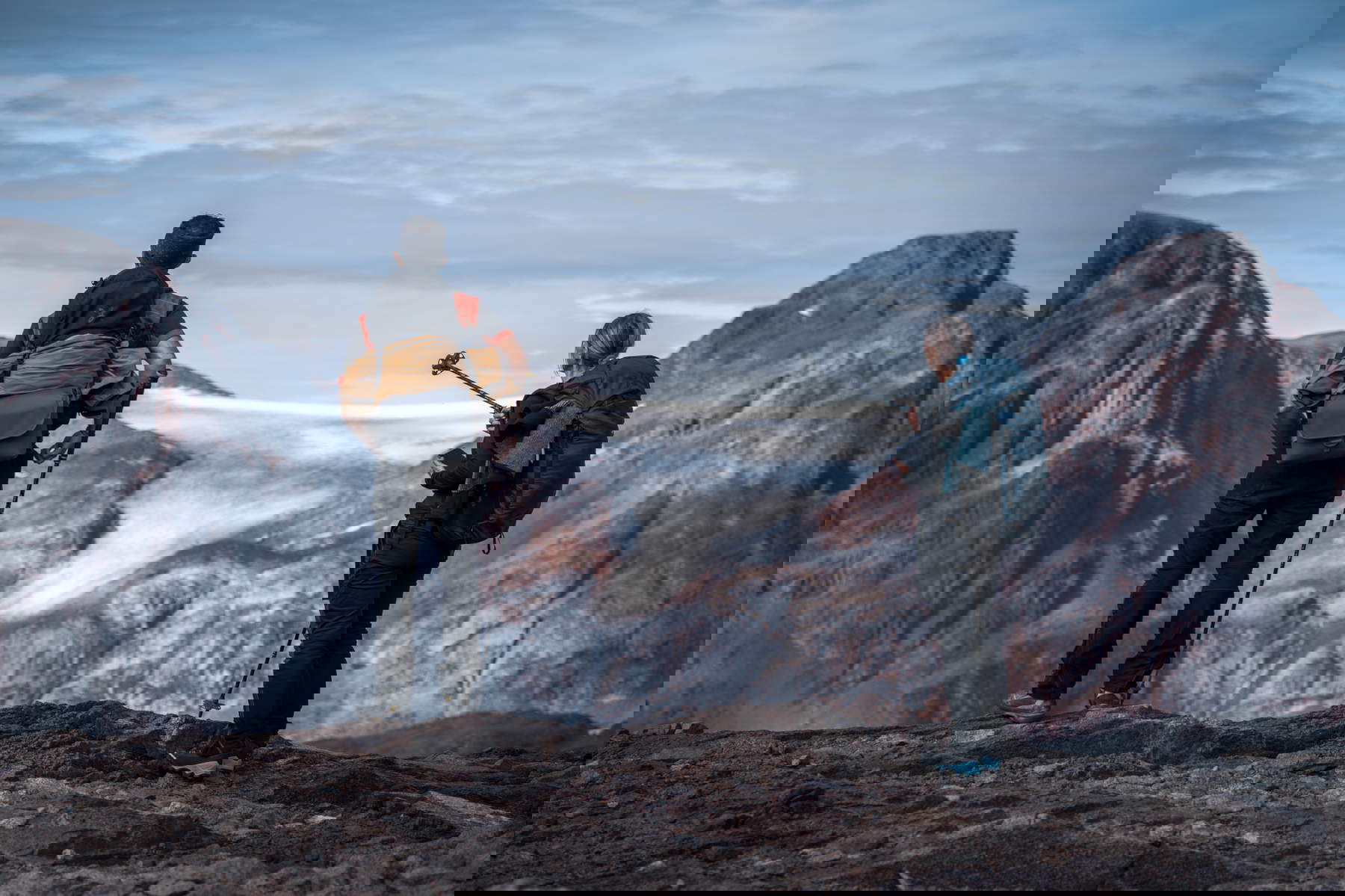
Between late August and mid-September 2025, a team of MUSE researchers, consisting of Matilde Peterlini, Chiara Fedrigotti, and Mauro Gobbi, carried out an initial exploratory mission to East Greenland. The goal was to assess on the ground the scientific and cultural feasibility of the project, as well as to lay the groundwork for a structured collaboration with local realities. Interest in initiating the research had emerged as early as 2024, when The Red House Greenland Foundation, founded by South Tyrolean explorer Robert Peroni with the intention of supporting the well-being of local communities through shared projects, had contacted the Science Museum of Trento. Underlying the request was a desire to explore a historical-archaeological study and enhancement of the Ittimiini headland near Tasiilaq, where the remains of an ancient Inuit winter settlementare preserved.


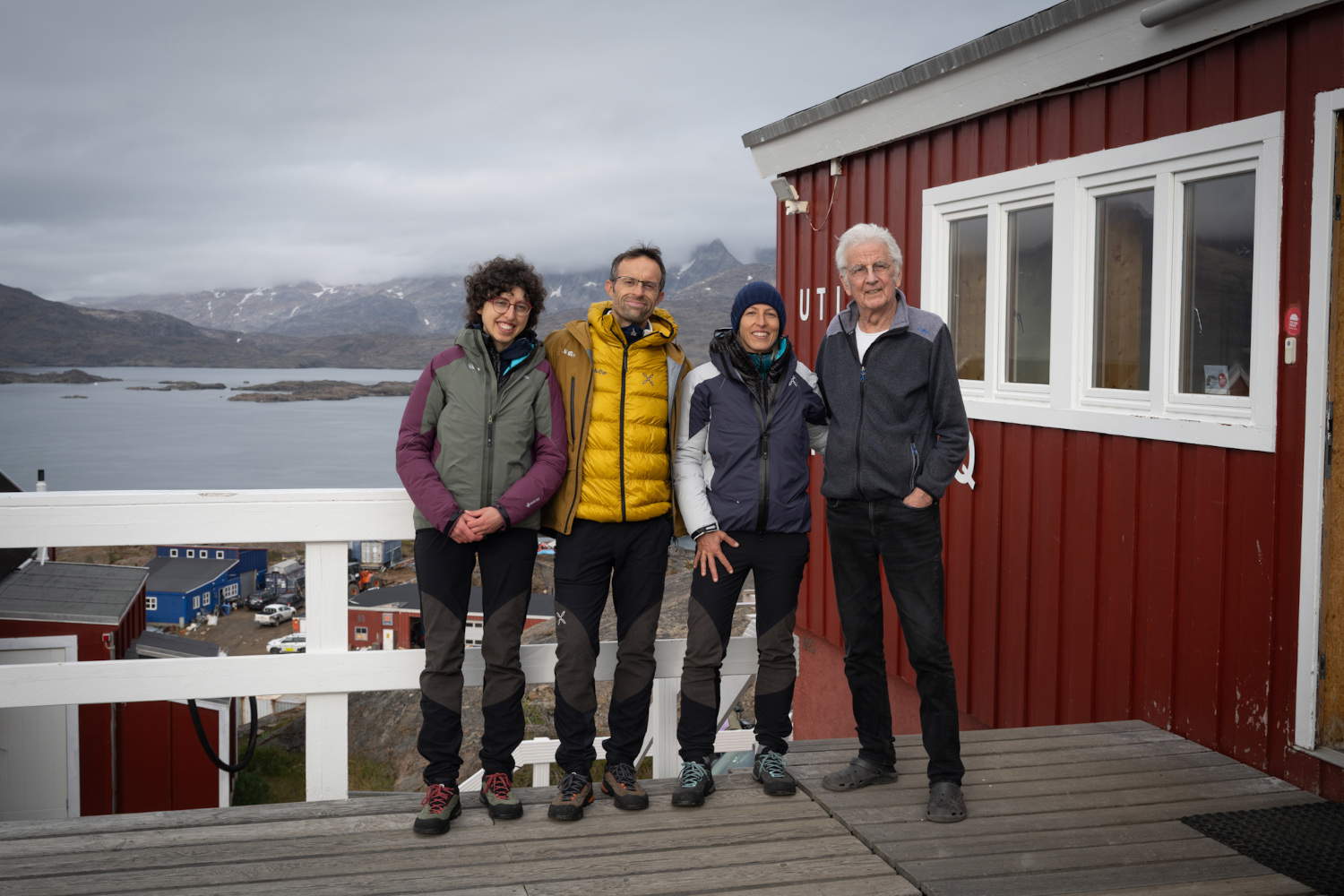
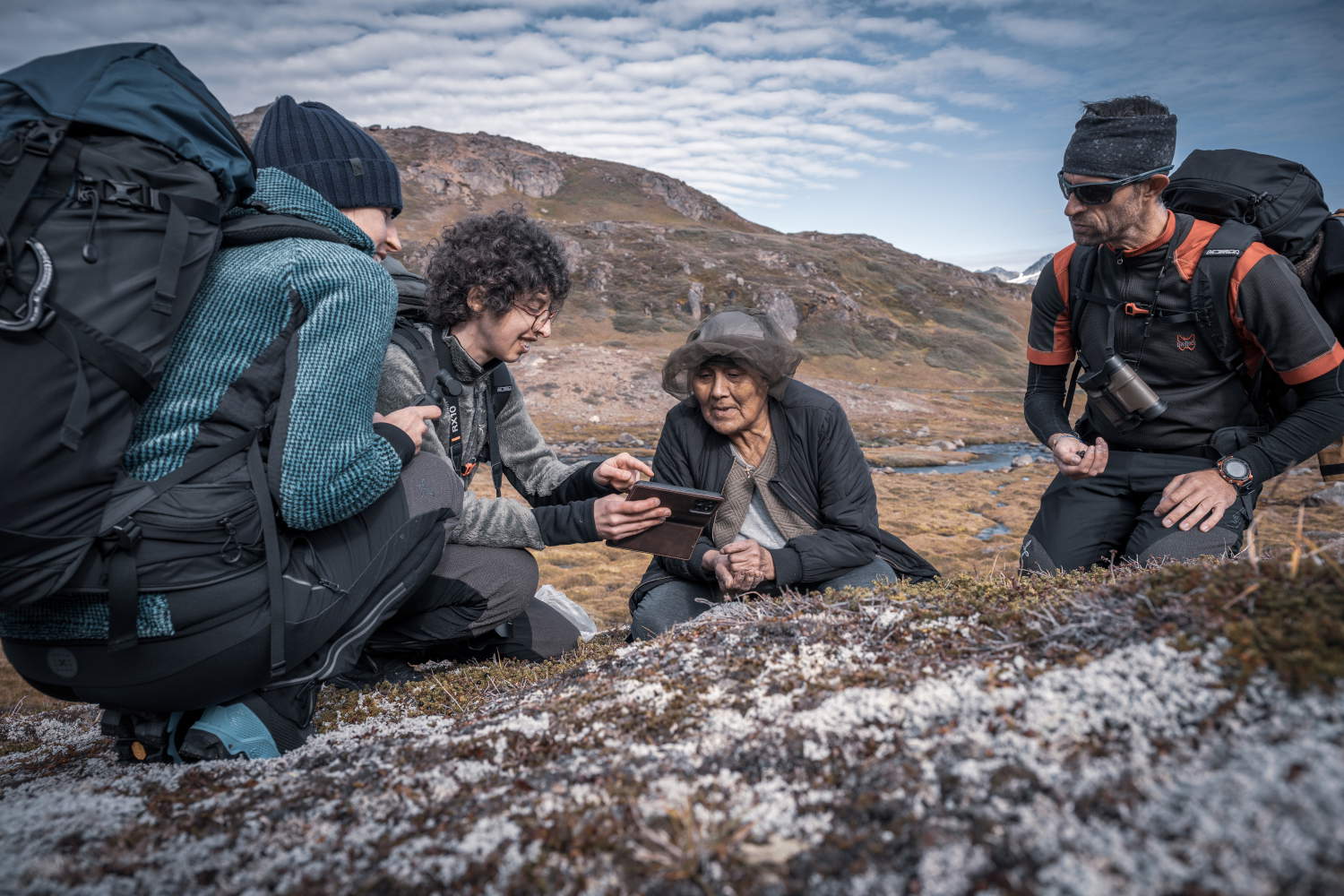
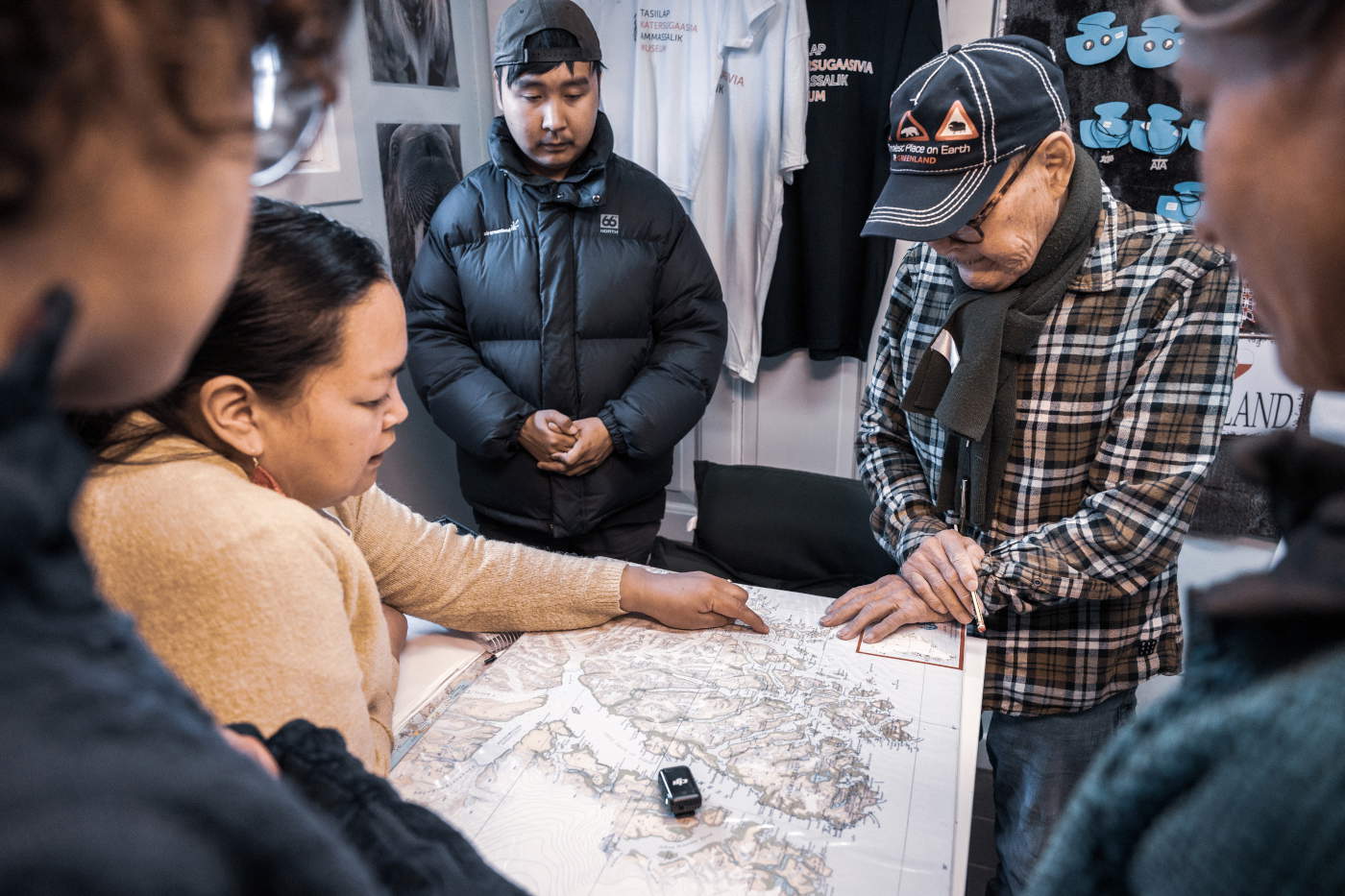
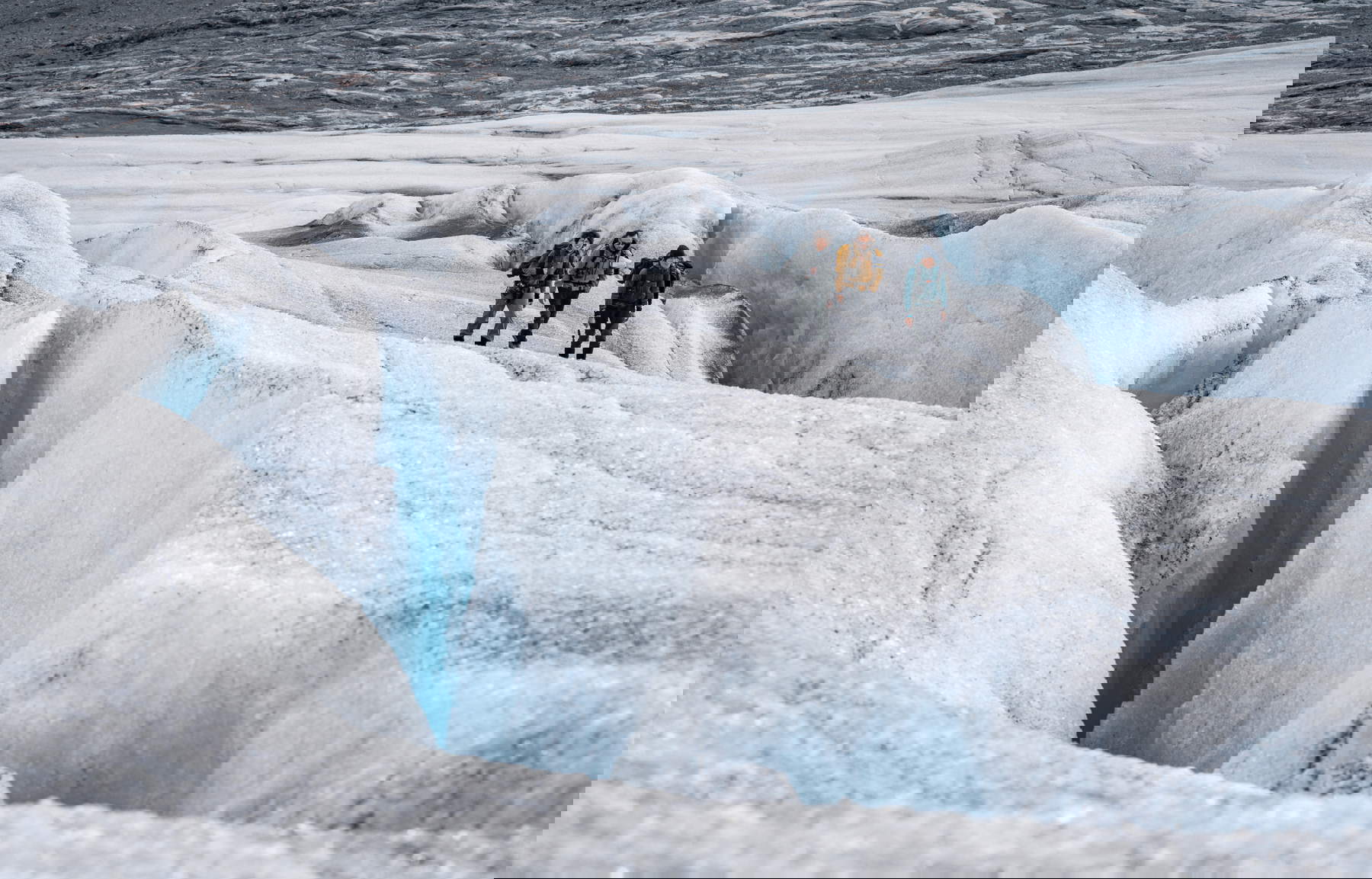
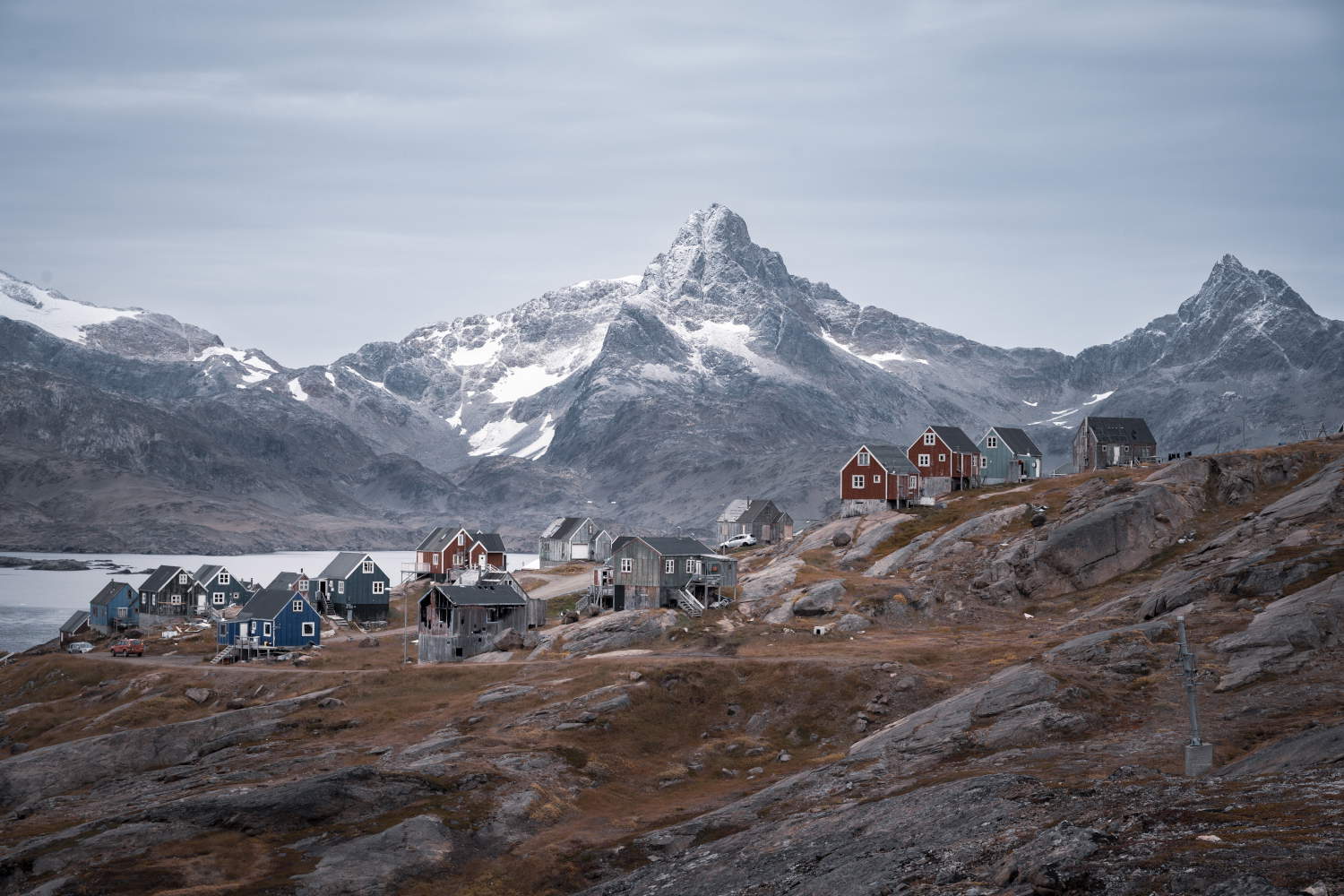
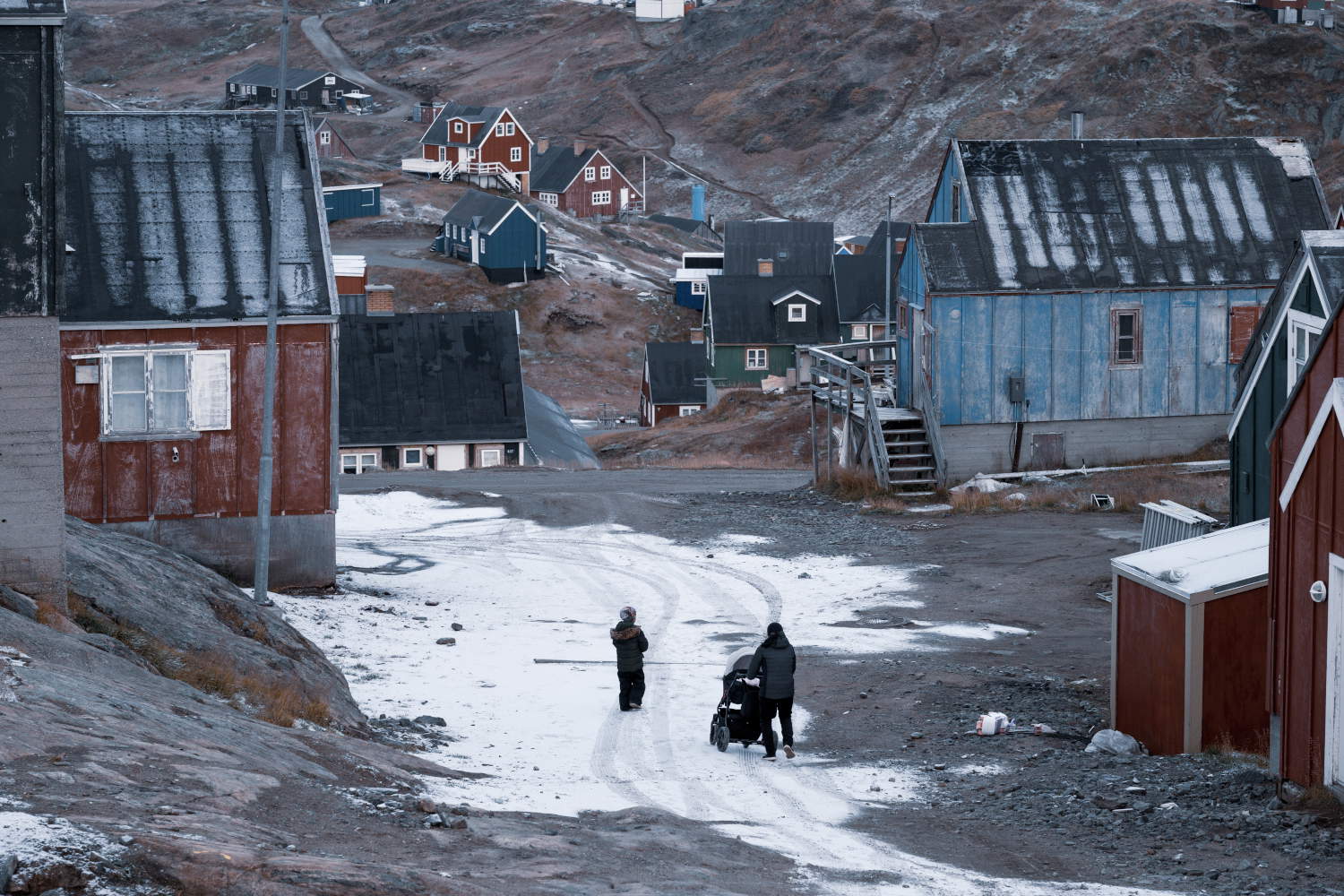
Tasiilaq, the main town on Greenland’s east coast, is located just below the Arctic Circle and has about 1,900 inhabitants. Considering also the five surrounding villages, the population of the area reaches a total of 3,000 people. The area is characterized by a complex Arctic environment of tundra, mountainous landscapes, deep fjords, and glacial tongues stretching from the Greenland ice cap to the sea. Human presence in the region has been documented for about 4,000 years. The present Inuit population, known locally as Iivit or Tunumiit, is most likely descended from the Thule culture, which settled in the area between the 15th and 16th centuries. Starting in the late 19th century, European explorations marked the beginning of Danish colonization, with profound social and cultural consequences. Only since the second half of the twentieth century has a path of self-determination begun that continues today and is intertwined with the environmental, economic and geopolitical challenges posed by climate change in the Arctic.
The preliminary mission favored direct discussions with local institutions, particularly theAmmassalik Museum in Tasiilaq, and the establishment of operational arrangements based on co-design. The research is conceived as a shared process, actively involving the community in decision-making, activity development and return of results. The project adopts an interdisciplinary perspective that integrates historical-archaeological and environmental history perspectives within a bio-cultural framework, with a focus on theevolving relationship between society and the environment. The exploratory phase focused mainly on the interest expressed by the local community in reconstructing the history of Ittimiini settlement and analyzing the transformations in the way the area was inhabited. Through interviews, preparatory studies, and field reconnaissance, it was possible to investigate how the shift from nomadism to sedentariness, along with more recent socio-economic and environmental changes, is redefining community-land relations.
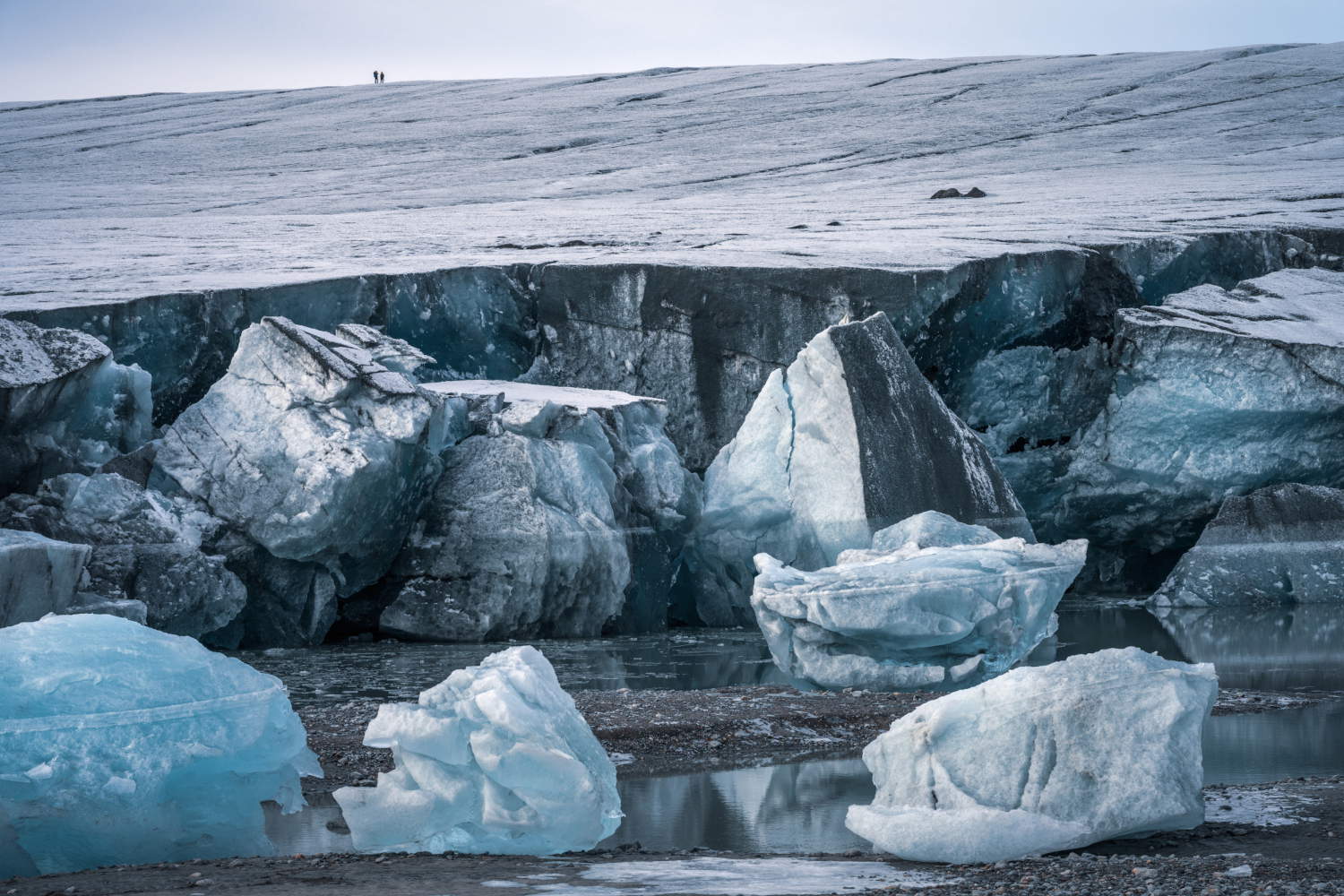
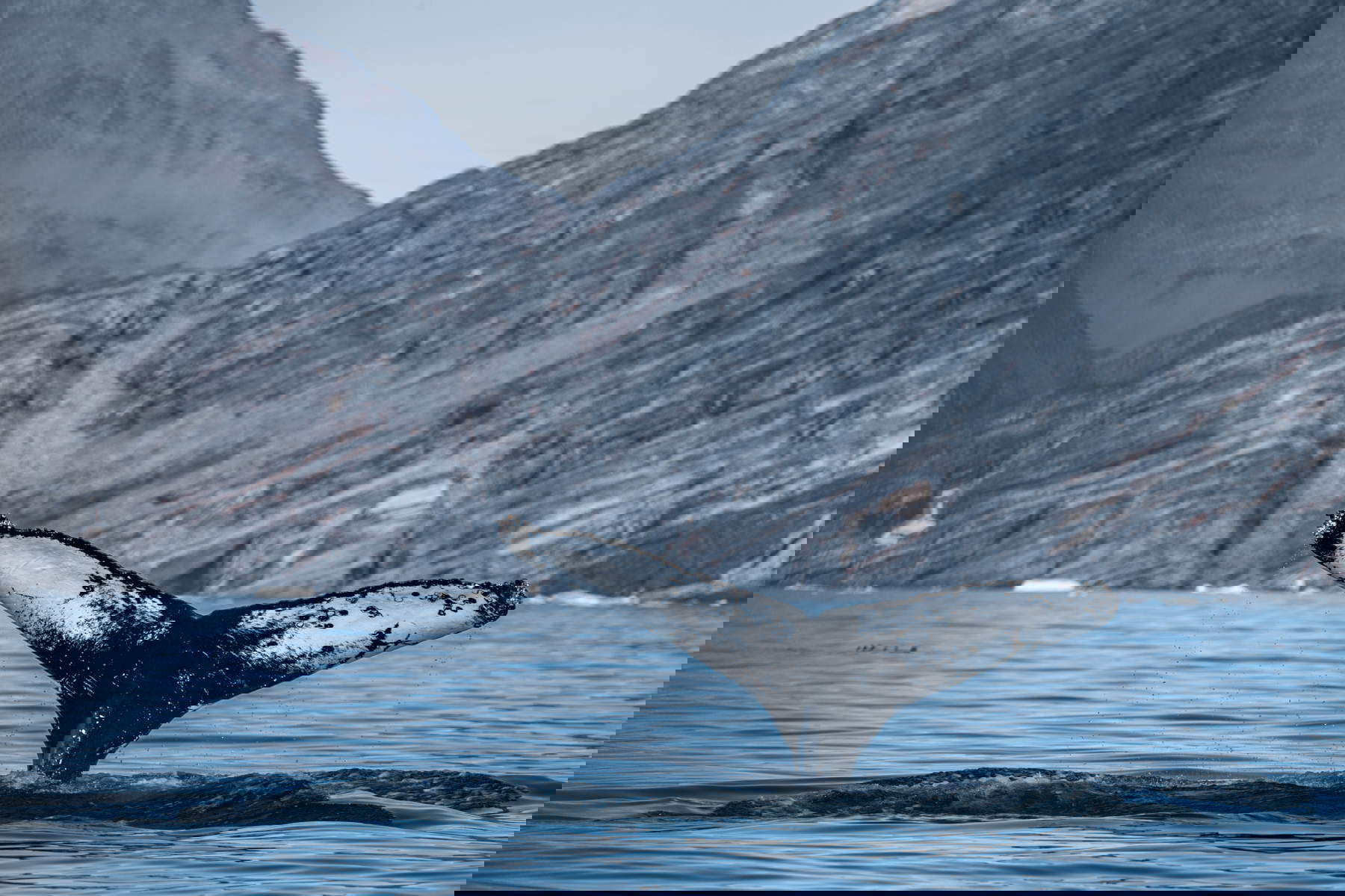
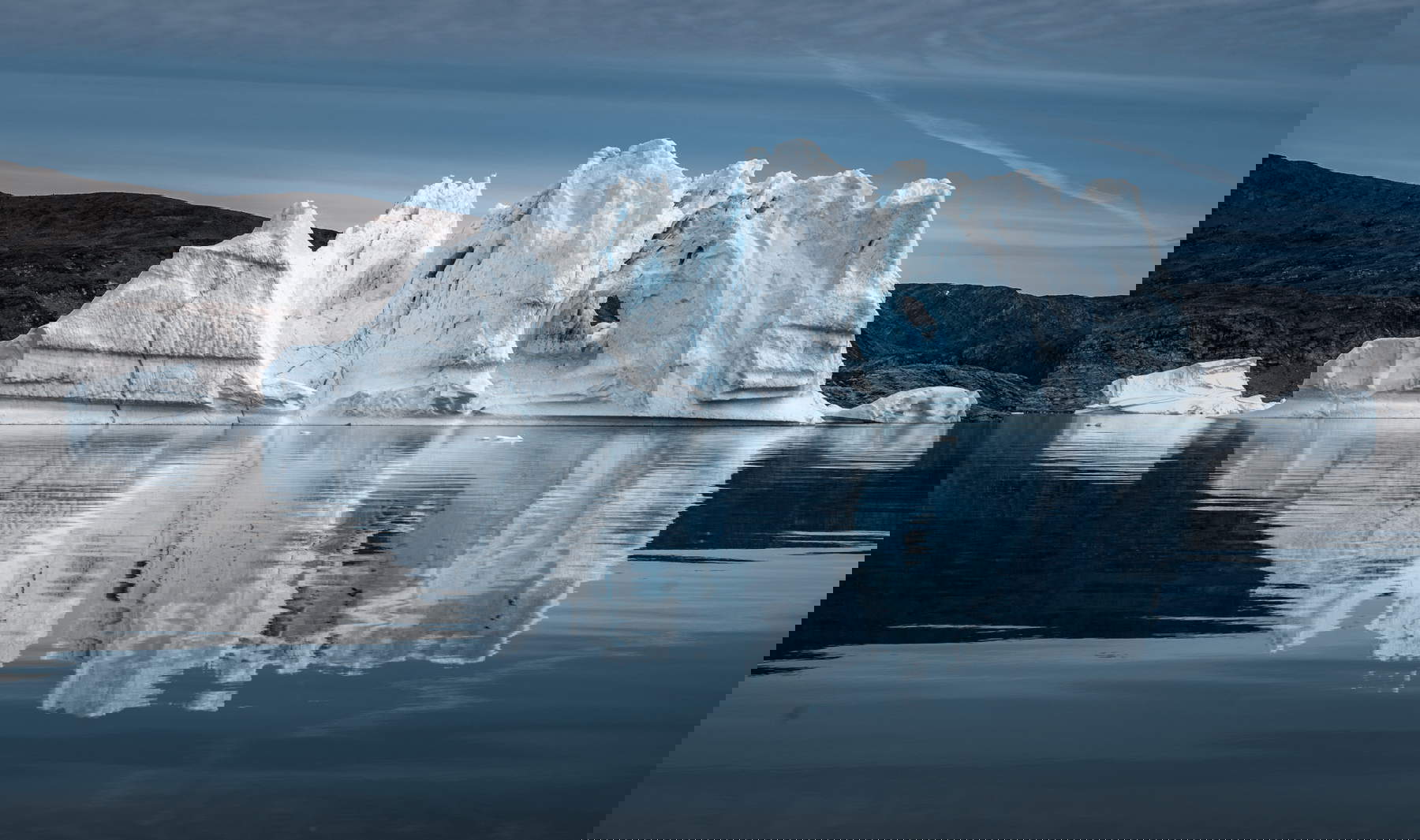
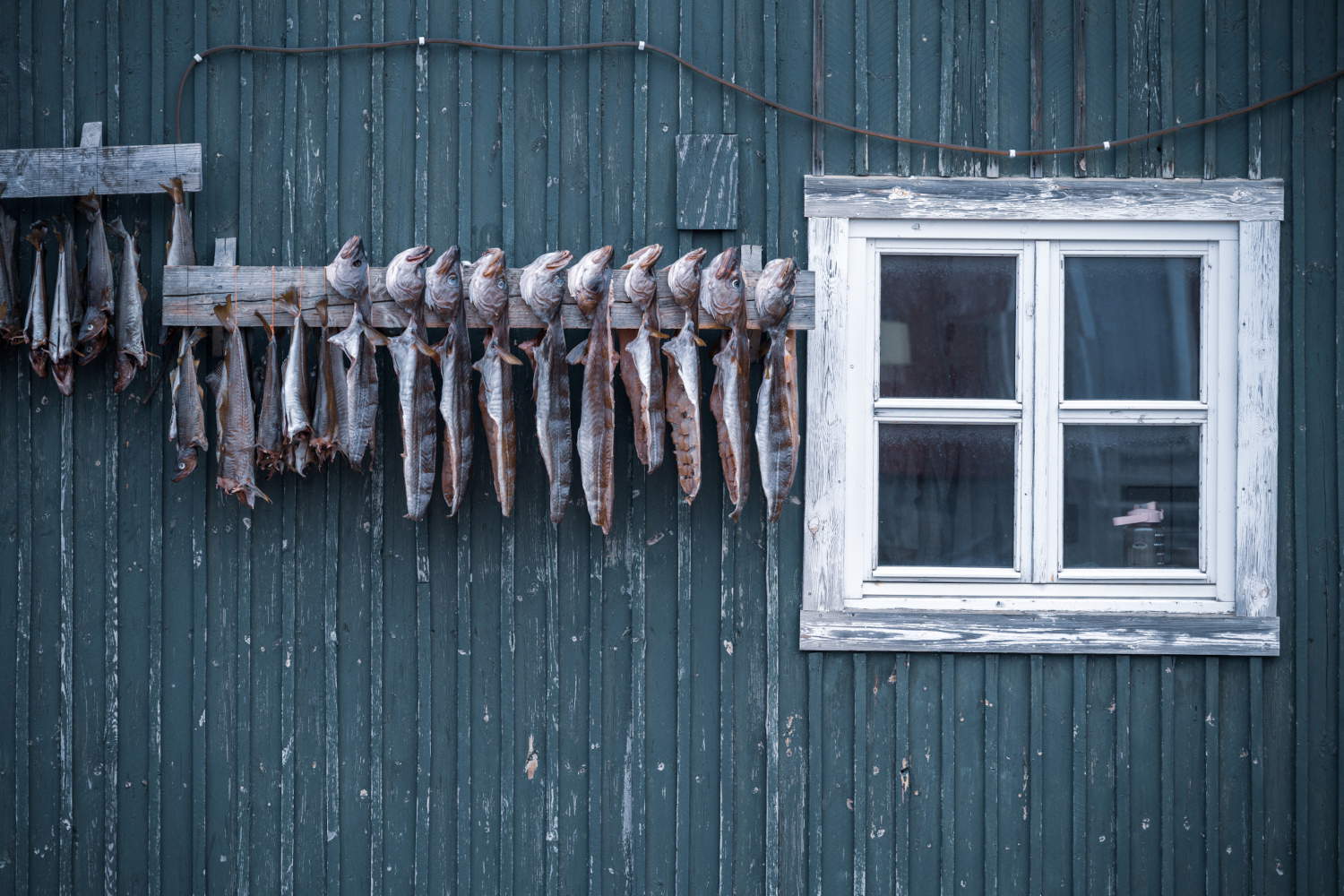
The mission provided methodological guidance for the development of a large-scale bio-cultural research project, which will be developed together with the local community in response to a concrete need. In particular, the adult and older generations of the community stressed the urgency of recovering and transmitting the memory of the past as a means of strengthening cultural identity and as a way of reconciliation with respect to the traumas left by the colonial period. In an Arctic undergoing rapid and profound transformations, greater historical and environmental awareness can be an essential support to processes of self-determination and active participation in future choices.
The project also opens up a meaningful comparison with the Alpine context, where post-World War II urbanization radically altered seasonal mobility practices (from mountain pasture to forest management), affecting the transmission of environmental knowledge. The dialogue between the Arctic and the Alps can offer new keys to understanding how climate change, while transforming traditional environmental knowledge, can generate new forms of knowledge useful for community adaptation processes.
“MUSE,” explains museum director Massimo Bernardi, “has long been involved in research projects in the high mountains, with a particular focus on the transformations triggered by the rapid climate change underway. In recent years we have also developed more expertise with respect to participatory science, starting with the development of research questions together with local communities. It is a way of conceiving science in a territorial sense, prioritizing direct public benefit, that we adopt in the Alps, where we operate daily, as well as in high latitudes, eco-social systems that in many ways show important similarities.”
“Doing research in Greenland means placing oneself in a delicate context, in which it is essential that scientific activity-especially on issues related to Inuit communities-supports and accompanies processes of self-determination. This implies adopting a participatory and responsible approach, capable of recognizing the value of local knowledge and building relationships based on dialogue, mutual respect and the sharing of research objectives,” Peterlini, Gobbi and Fedrigotti emphasize.
|
| Trento's MUSE on expedition to Greenland for bio-cultural research project with local communities |
Warning: the translation into English of the original Italian article was created using automatic tools. We undertake to review all articles, but we do not guarantee the total absence of inaccuracies in the translation due to the program. You can find the original by clicking on the ITA button. If you find any mistake,please contact us.