





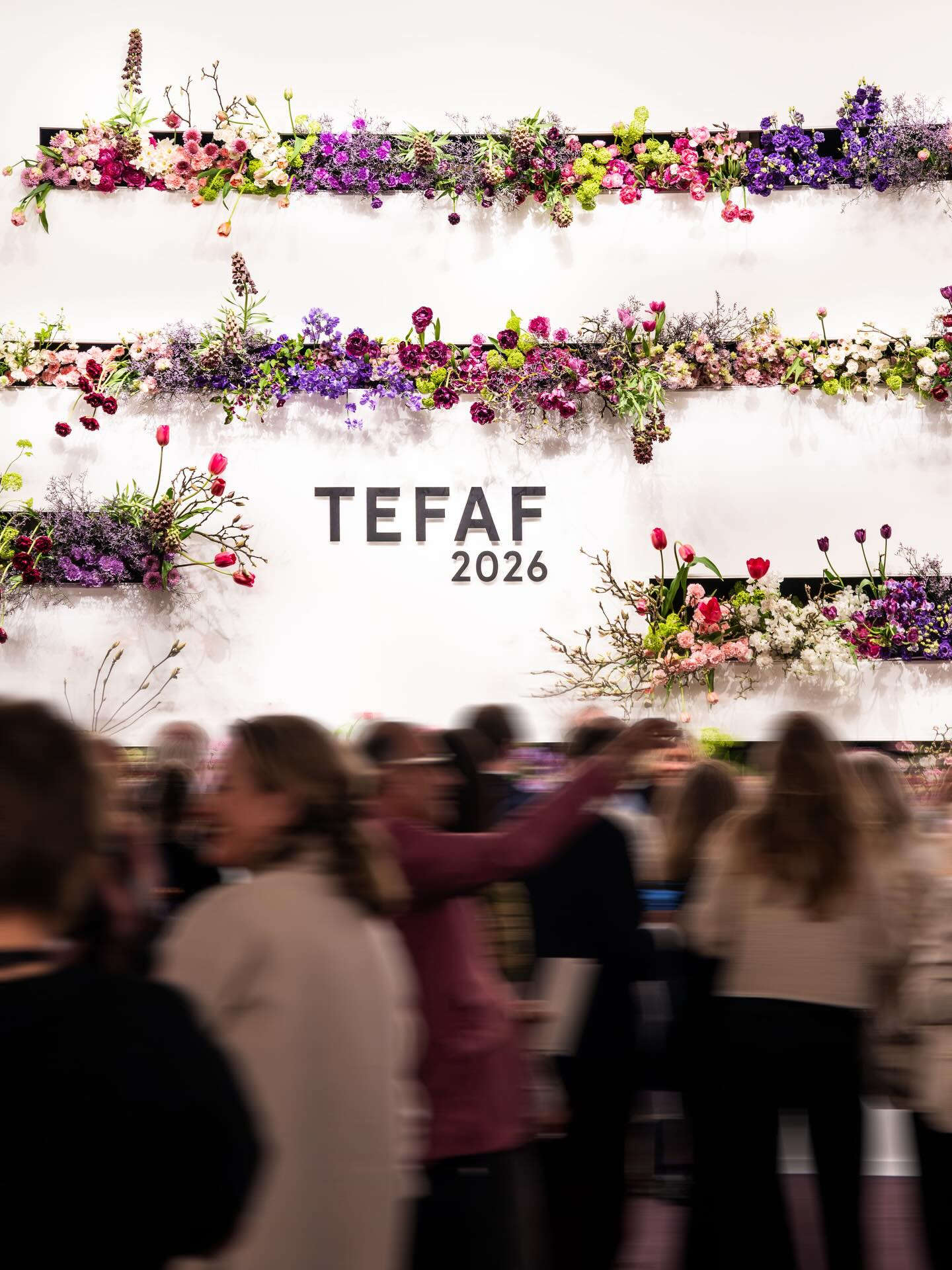
TEFAF Maastricht returns in 2026 to the spaces of the MECC and establishes itself, as usual, as one of the leading international events dedicated to art, antiques and design. This year’s edition takes place March 14-19, with invitation-only preview days on March 12 and 13, and has brought together 277 galleries from around the world and offering a journey spanning some seven thousand years of art history. Long considered one of the leading events in the international market, the fair is distinguished by the quality of the works presented and the rigorous system of selection and vetting that accompanies each exhibit. Alongside works from museum institutions and large private collections, the event continues to offer a privileged space to specialized galleries, which bring antique paintings, sculpture, decorative arts, design and contemporary works to Maastricht.
Within this context is the presence of Italian galleries, traditionally among the most represented in the historical art and antiques sector. In 2026 there are twenty-one, thus almost 10 percent of the total, exhibitors from Italy. To give an idea, consider that we are surpassed only by the United Kingdom (71), France (63 galleries), the United States (32), the Netherlands (27), Belgium (26) and Germany (23). Among Italian galleries, we have selected fifteen that present particularly significant works, capable of restoring the variety of antiquarian research and the Italian art market, ranging from the Middle Ages to contemporary times. Let us see them all, in strict alphabetical order.
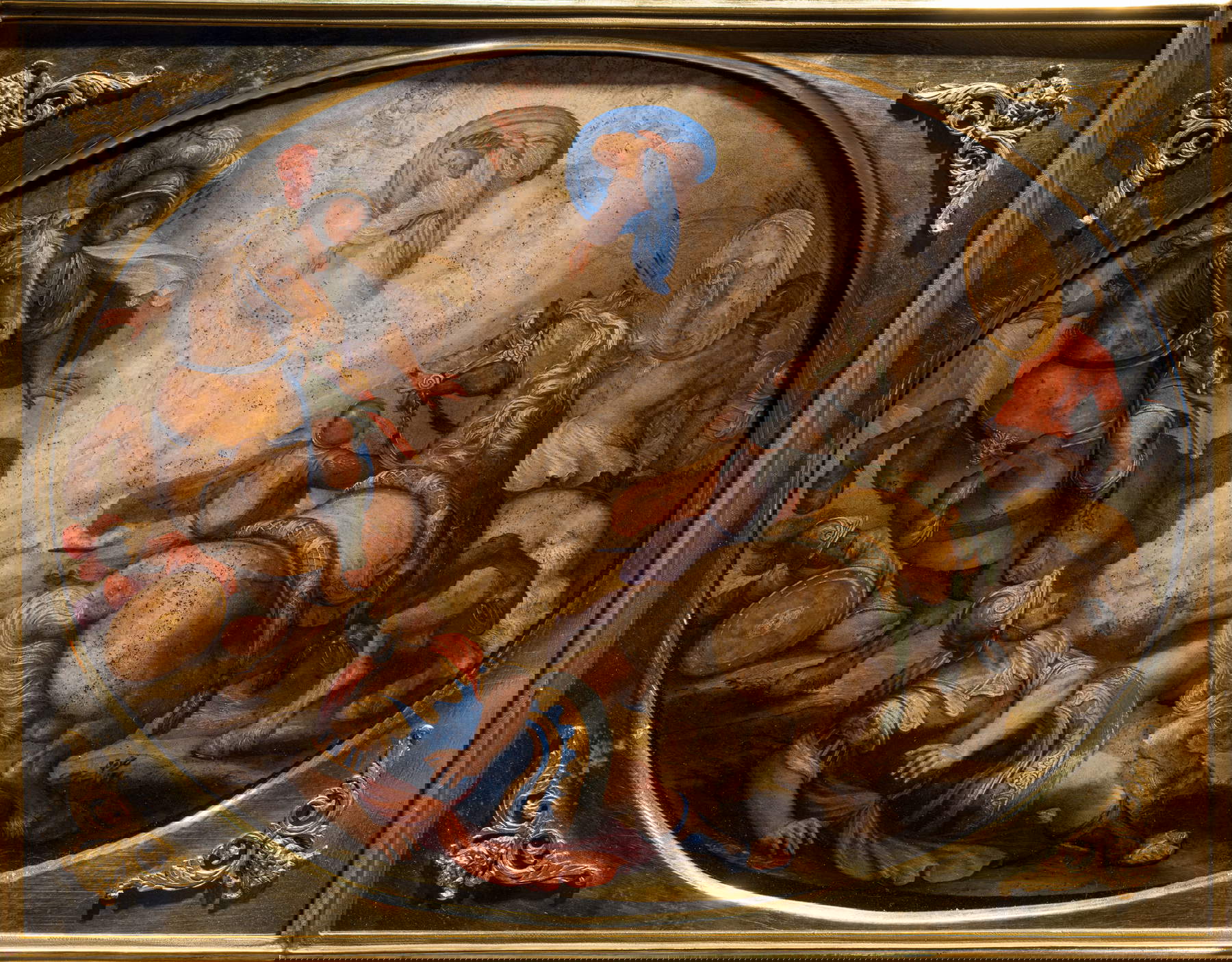
Among the proposals devoted to painting between the 16th and 17th centuries is that of Altomani & Sons, which presents a Conversion of St. Paul by Antonio Tempesta (Florence, 1555 - Rome, 1630). The work, created on alabaster and datable to the artist’s full maturity, is offered at a price of 95,000 euros. Tempesta, who was born in Florence in 1555 and worked for a long time in Rome, was one of the leading figures in late Mannerist painting, best known for his dynamic compositions and attention to narrative themes. In the painting exhibited in Maastricht, the biblical scene unfolds through an articulate movement of figures and horses, rendered with a lively luminous modulation favored precisely by the translucent surface of the alabaster.
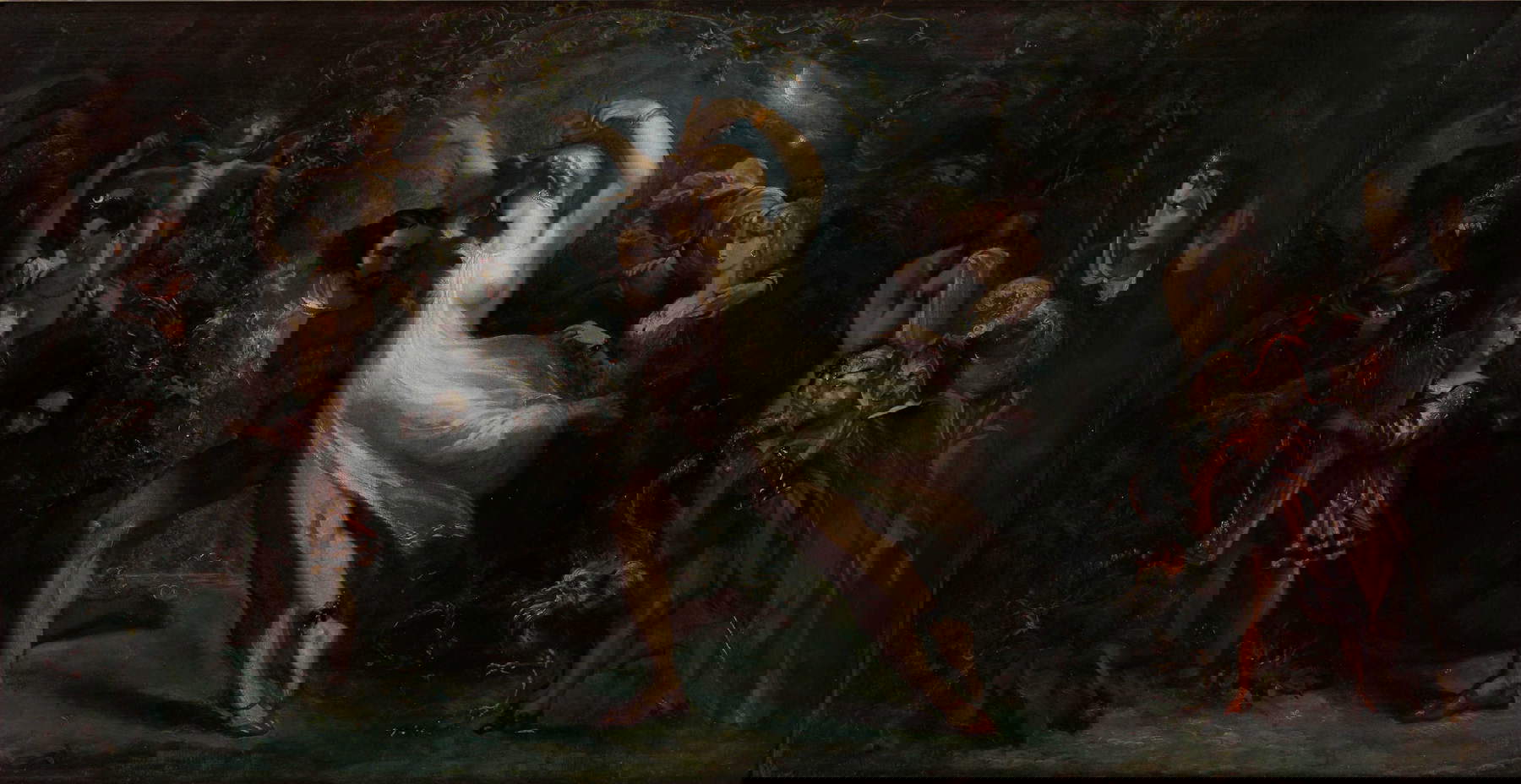
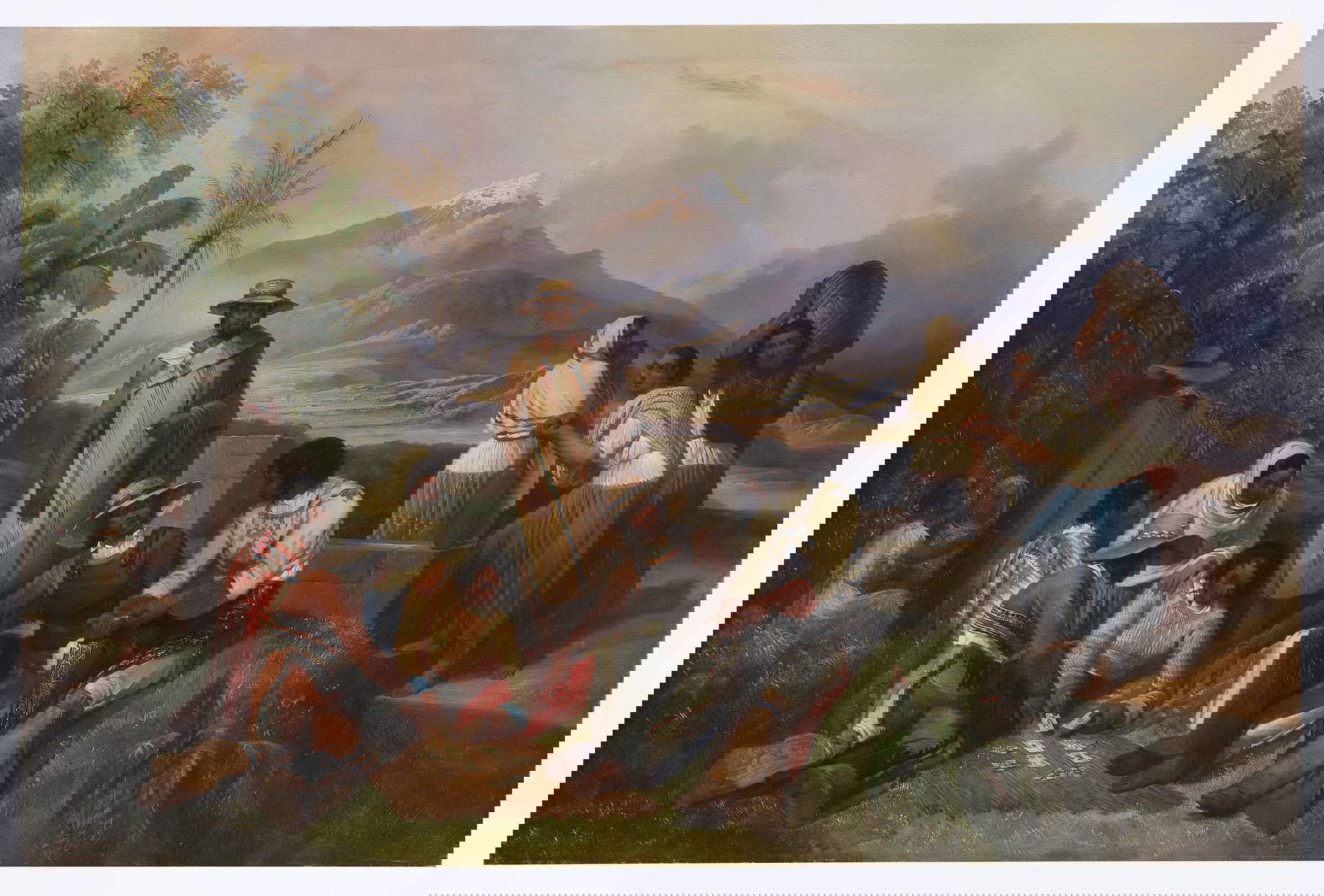
In the field of figurative painting in the European sphere, on the other hand, is the proposal of the Antonacci Lapiccirella Fine Art gallery, which brings to the fair a large canvas by Theodor Matthias von Holst (London, 1810 - 1844), a German-born artist active in Romantic London in the first half of the 19th century. The painting, Scene from Goethe’s Faust, made around 1833 and already exhibited that year at the British Institution in London, measures nearly two meters wide and is offered with a bid of between 200,000 and 250,000 euros. The work reflects the Romantic interest in literature and the fantastic, translating some moments of Goethean imagery into a broad and theatrical composition. Nineteenth-century travel painting is represented by the Berardi Gallery, which is exhibiting a canvas by Pharamond Blanchard (Lyon, 1805 - Paris, 1873), a French painter trained at the École des Beaux-Arts in Paris and known for his travels between Europe, North Africa and America. The painting, The Mexican Players, presented at the 1842 Salon, depicts a group of men intent on playing cards in a landscape dominated by the outline of the Popocatépetl volcano. The scene takes place in a rural setting and restores the details of costumes and objects with great attention, creating a balance between ethnographic observation and pictorial composition. The work, relatively large in size for this genre, is offered at a price of 180,000 euros.
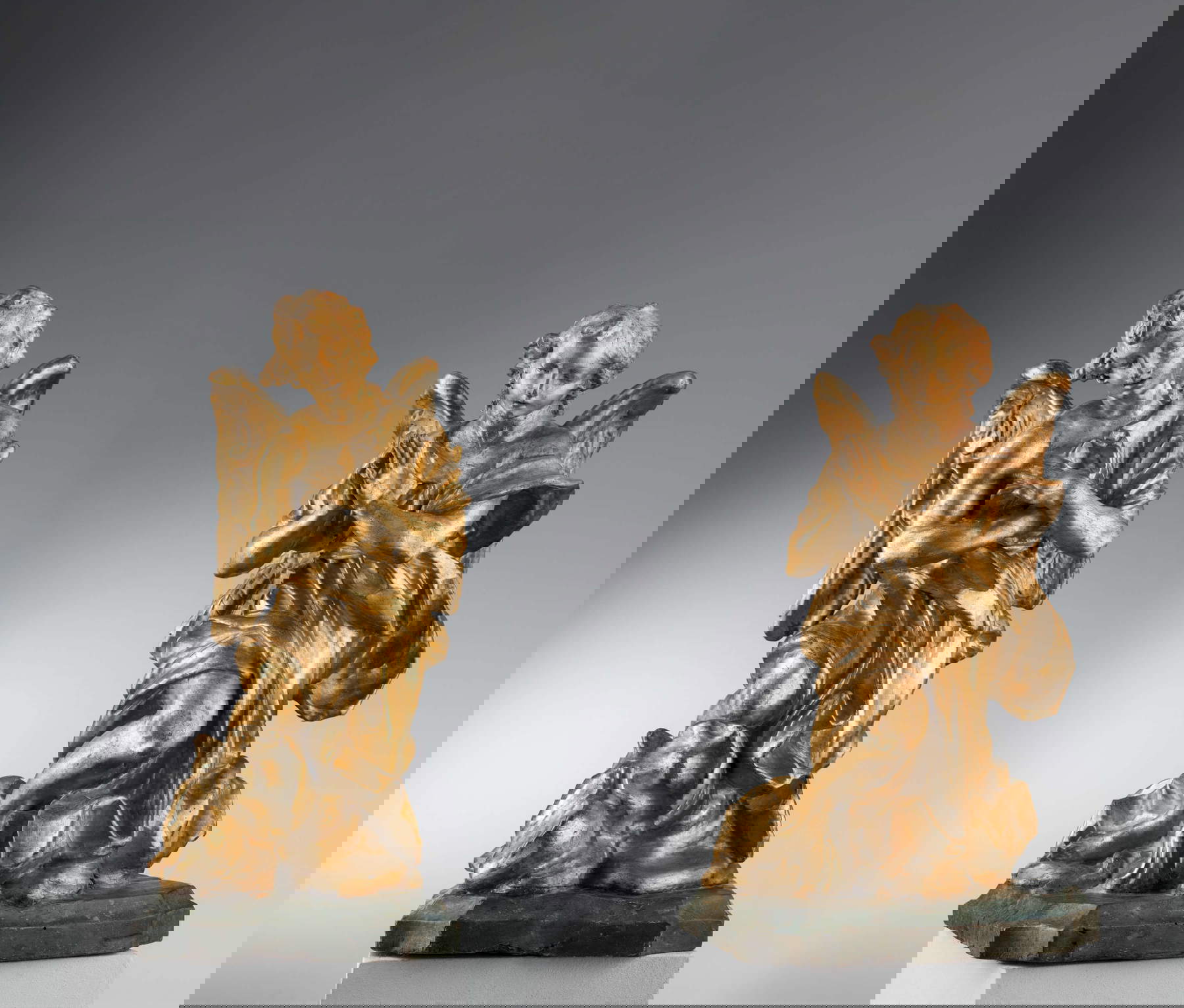
An important chapter of Italian Baroque sculpture is represented by Brun Fine Art’s proposal, which features a pair of gilded terracotta angels attributed to Giuseppe Mazzuoli (Volterra, 1644 - Rome, 1725). The two sculptures, each about 51 centimeters high and offered at a price of 350,000 euros, have been studied by Andrea Bacchi and are related to the famous pair of marble angels made by the artist for the high altar of the church of San Michele Arcangelo in Siena. The terracottas are part of an articulated creative process that testifies to a dialogue with the Bernini tradition. Mazzuoli, in fact, had participated in the making of the bronze angels intended for the Chapel of the Sacrament in St. Peter’s, designed by Gian Lorenzo Bernini in the 1770s. The sculptures exhibited in Maastricht, seem to be placed in an intermediate phase of the design, subsequent to the first sketches but preceding the more definitive models intended for the client. The strong plastic relief of the draperies and the liveliness of the modeling confirm the quality of the execution and suggest a direct intervention of the sculptor: precisely because of their fineness and also their variations from the marbles, they cannot be considered true sketches, according to Bacchi. In his view, "there can be studies relating to particular aspects of the composition - which privilege some parts of it, neglecting others - but there can also be studies that hand down compositional thoughts varied both from the ’first idea’ and from the completed work, reflecting - as in the case of the two Angels studied here - a phase of rethinking on the part of the sculptor, later dropped in the final version).
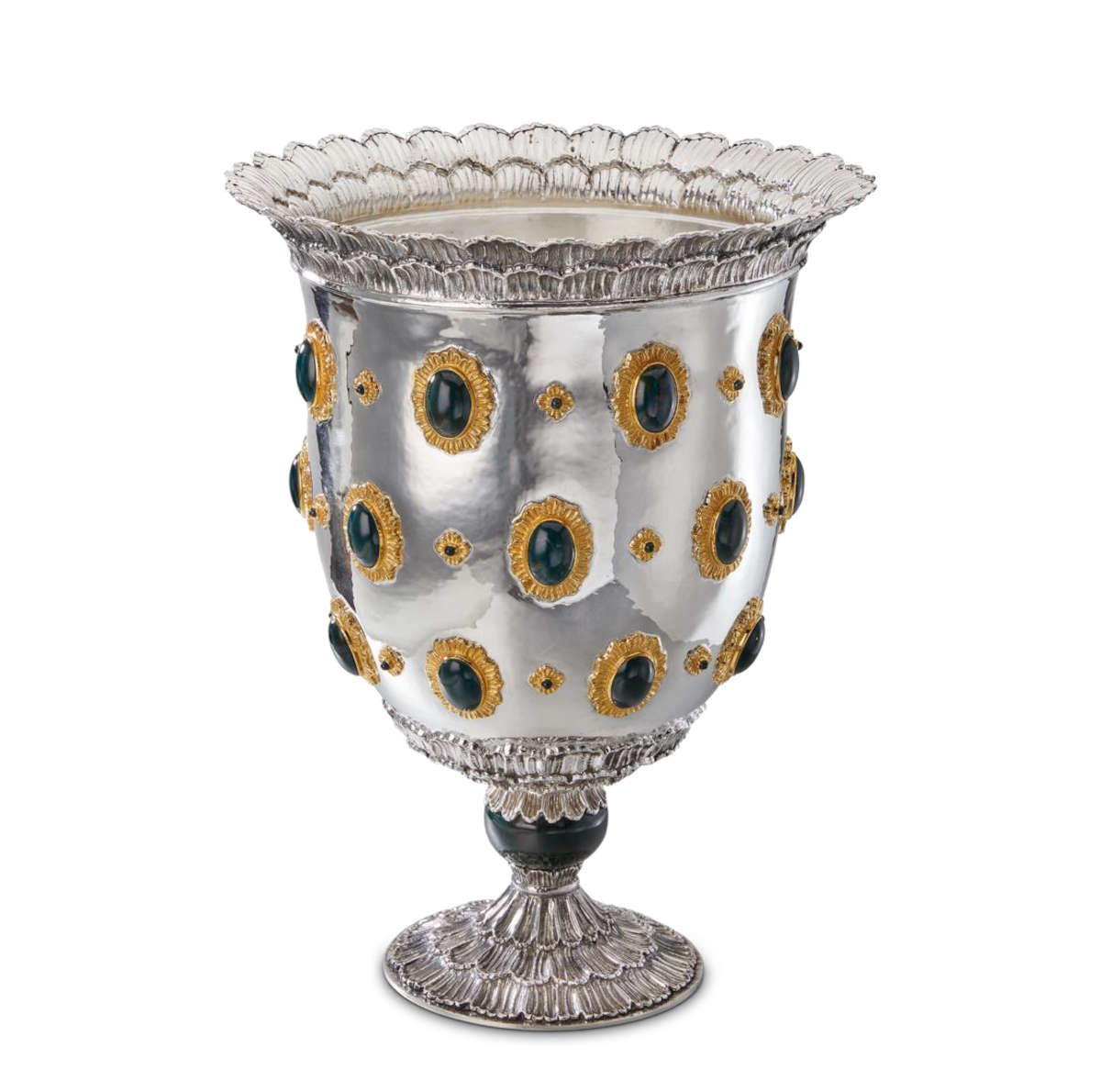
In the field of contemporary decorative arts, however, is the proposal of the Buccellati maison, which presents a large silver vase belonging to the Doge collection. The piece, made in 2025 by Andrea Buccellati, combines silver workmanship with the inclusion of semi-precious stones such as jasper. The collection, introduced in the 1970s by Gianmaria Buccellati, includes centerpieces, vases, and other decorative objects in which the metal structure is enriched with stone inserts and exquisite embossing and chisel work. The item is presented with price on request.
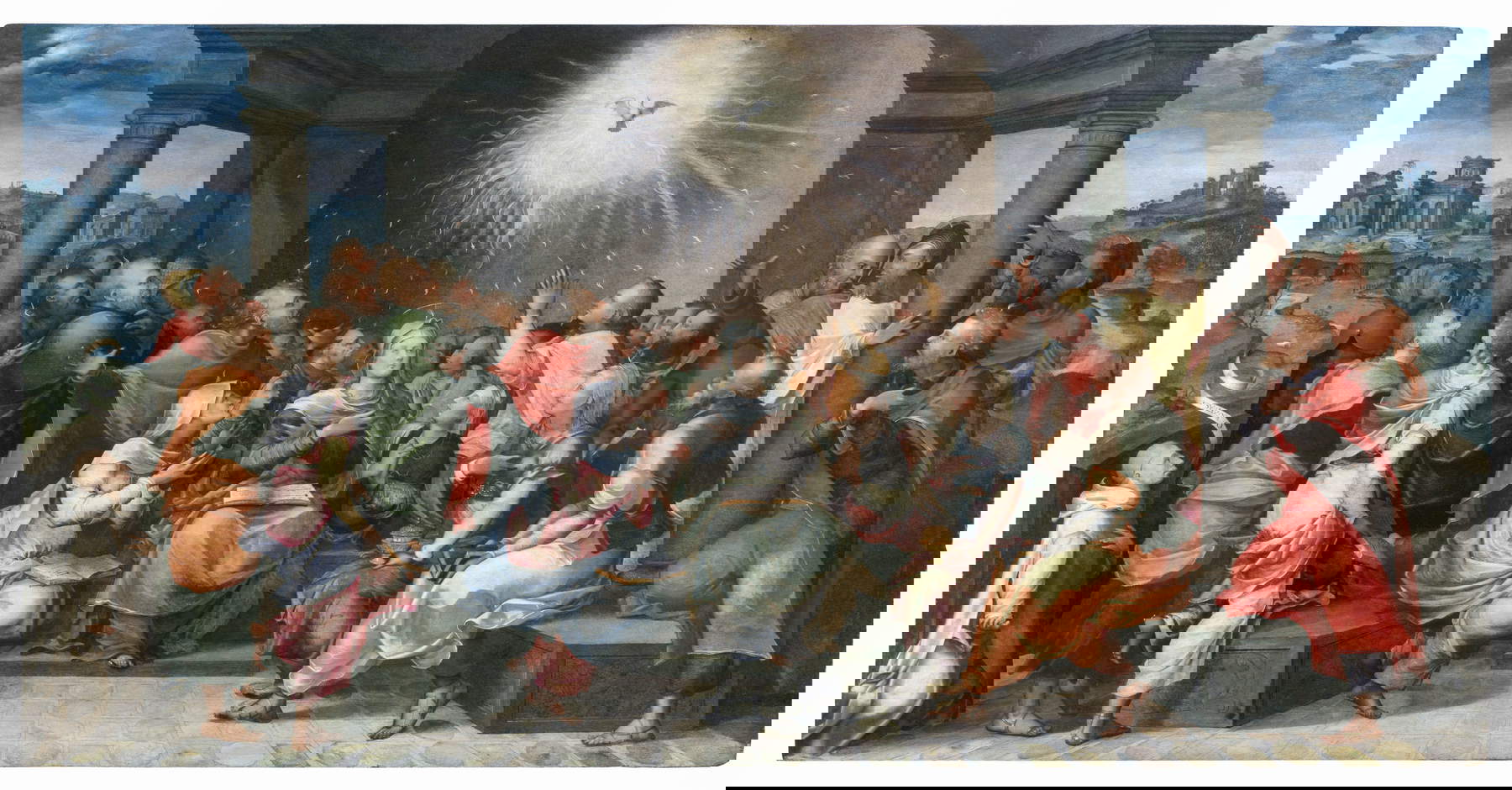
An important rediscovery in the field of European Renaissance painting is offered by the Caretto & Occhinegro gallery, which is exhibiting a large panel attributed to Jean Cousin the Elder (1500-before 1593), one of the leading figures of the French Renaissance. The painting, The Descent of the Holy Spirit, dated 1558 and monumental in size, measures about two meters wide and is a significant addition to the artist’s restricted catalog of less than ten certain works. The panel was originally part of a cycle commissioned for the Charterhouse of Vauvert in Paris, which was destroyed during the French Revolution. The work has been the subject of a monographic study by art historian Frédéric Elsig and is now considered one of the most important testimonies to Cousin’s artistic maturity. Moreover, the painting stands as one of the most interesting rediscoveries of French art in recent decades, precisely because of the quality of the work and the importance of the artist. The price is by request.
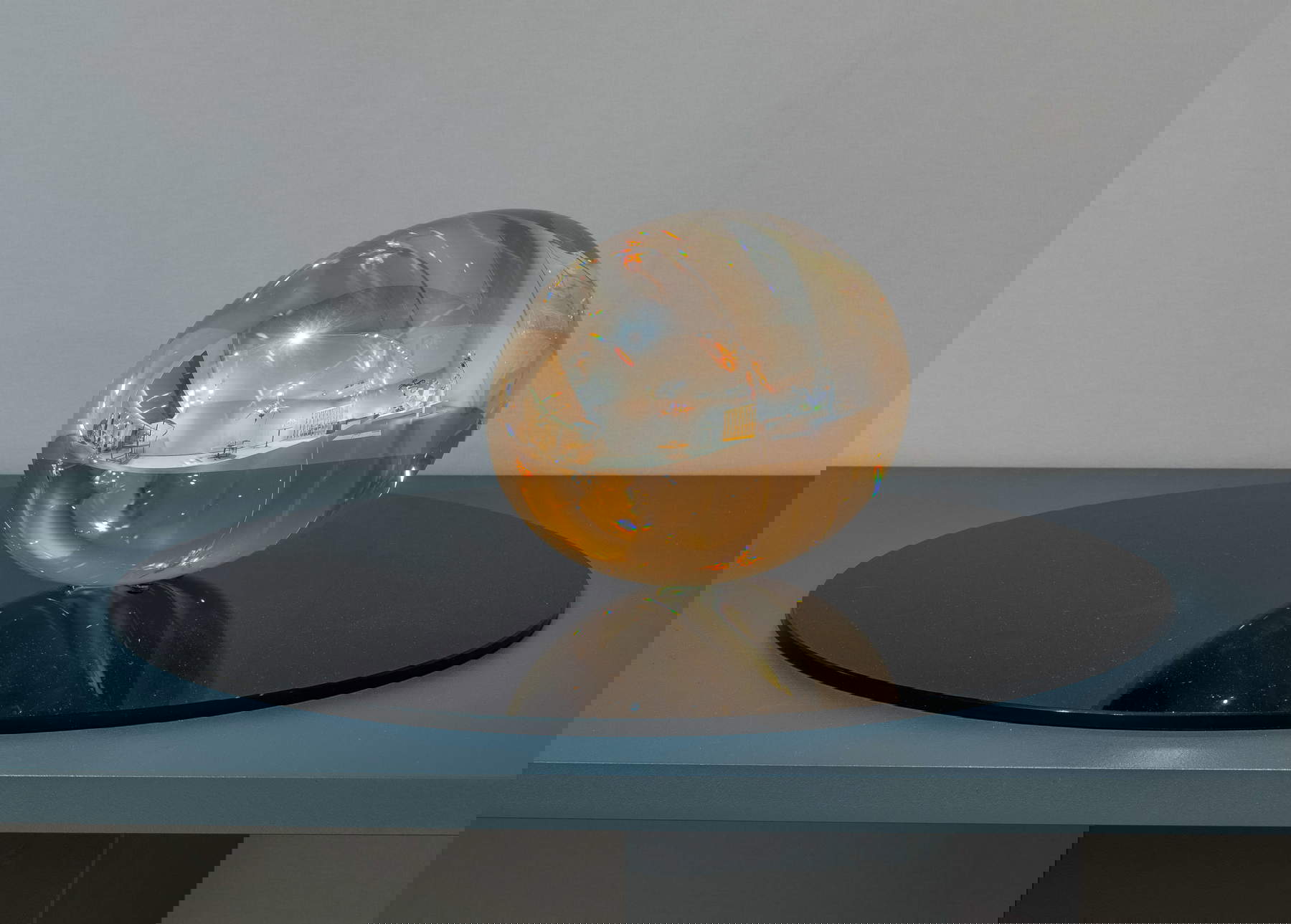
On the other hand, the Caterina Tognon gallery looks to the contemporary scene, presenting Golden Egg by Václav Cigler (Vsetín, 1929 - Prague, 2026), a Czech artist among the protagonists of research on glass and light. The work, created in 2023 in fused and ground optical crystal with a metalized surface, is a unique piece signed by the artist and offered at a price of 60,000 euros plus VAT. The oval and compact form of the sculpture dialogues with light and the surrounding space, continuing the research that Cigler has been conducting for decades on the relationship between matter and perception.
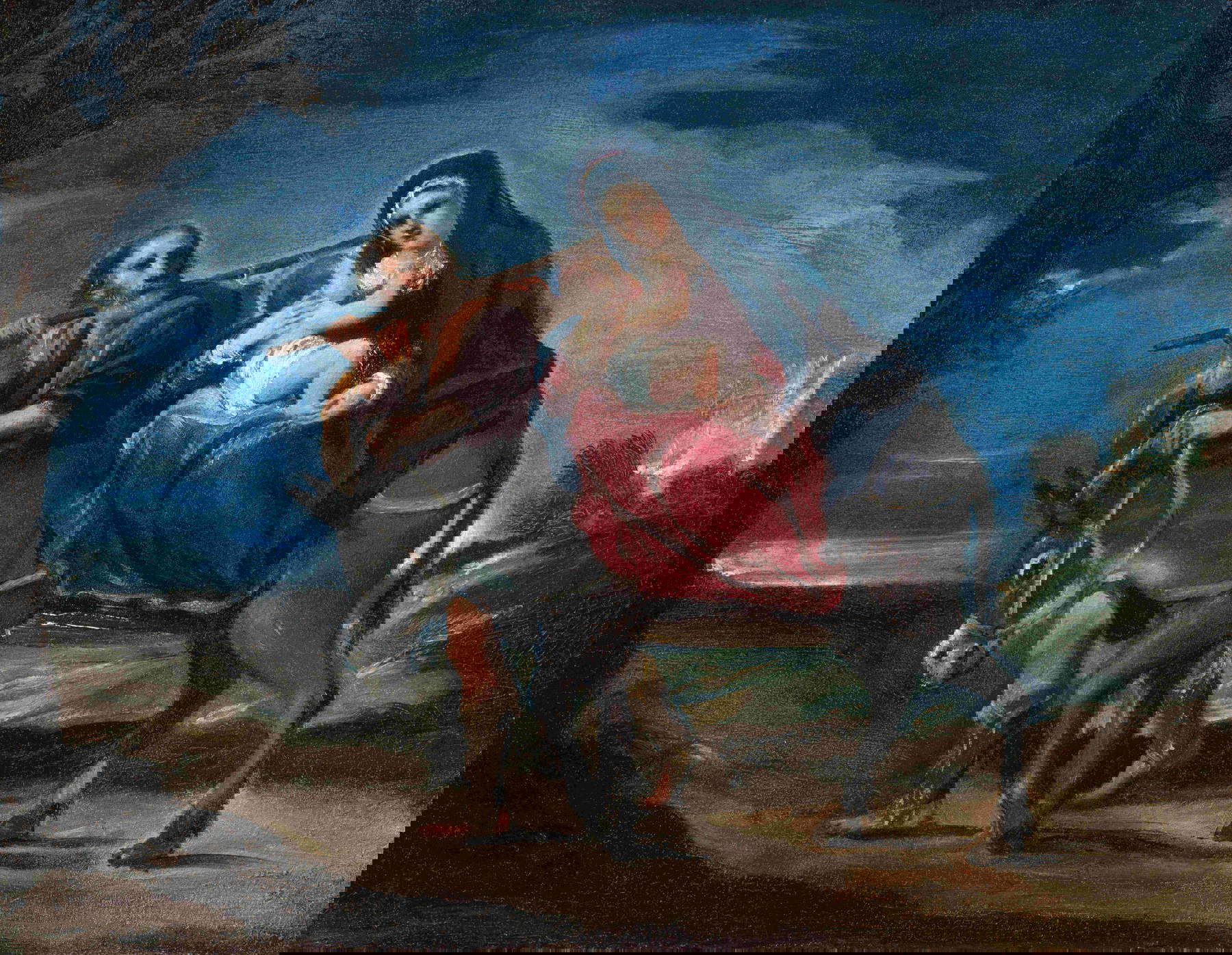
One of the most relevant proposals in the field of seventeenth-century Italian painting is presented by Tiziana Sassoli’s Fondantico Gallery, which exhibits a small panel painting depicting the Flight into Egypt attributed to Guercino. The work, which went to auction in 2024 and was hitherto unknown to scholars, is offered at a price of €500,000, accompanied by a study by Daniele Benati. The scene depicts the Holy Family during the flight ordered by Joseph after Herod’s edict. Mary sits on the donkey with the Child in her arms, while Joseph leads the animal by turning toward them. The landscape occupies a significant part of the composition, with a wide and bright view opening behind the sacred group. The painting would be datable to around 1615, during the years when the young Guercino was working in Cento and developing a particular interest in landscape painting, influenced by both the Ferrara tradition and the Bolognese experiences of the Carracci. “Given the difficulty that critics have so far encountered in serializing Guercino’s landscapes,” Benati explains, “the comparison with the Escape of Aeneas at least provides us with a safe reference for dating the present specimen: we are on or shortly after 1615, that is, in the years when the painter was working in the Pannini house.” The attribution to Guercino is formulated by the scholar on the basis of comparisons with his other works
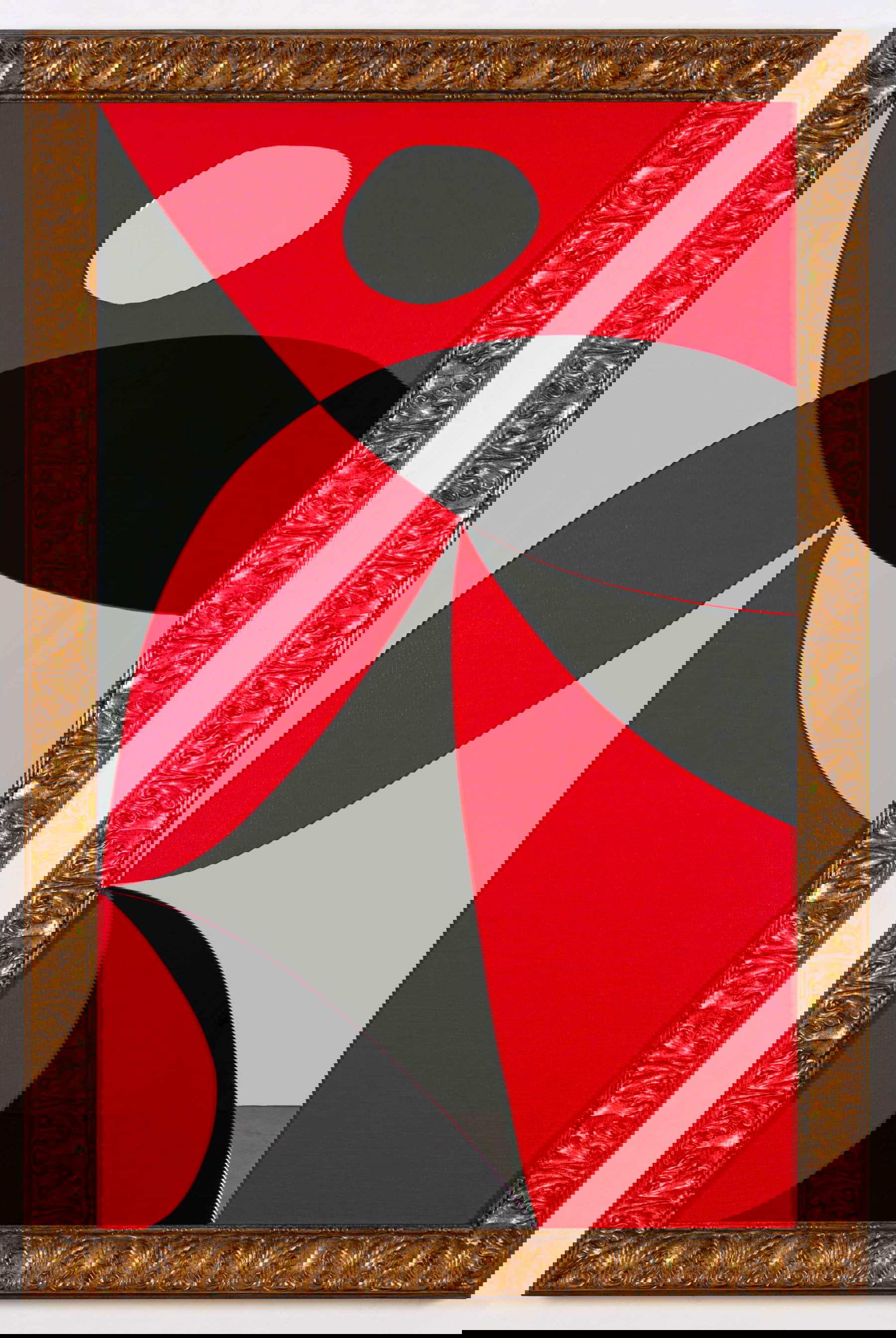
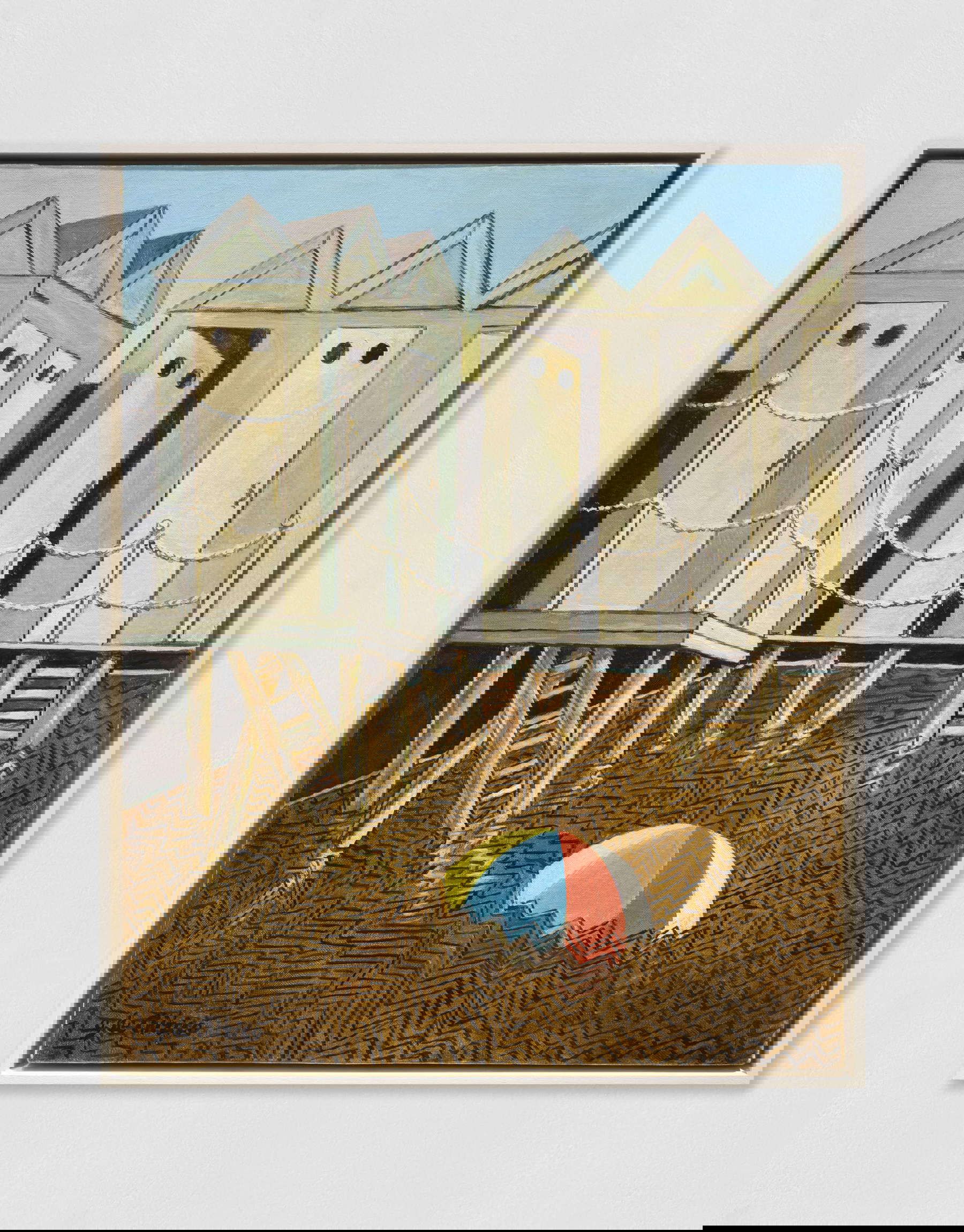
The dialogue with contemporary art continues with the proposal of Galleria Continua, which presents a work by Michelangelo Pistoletto (Biella, 1933) belonging to the Color and Light series. The work, created in 2024 and offered at a price of 190,000 euros, combines a black and silver mirror with a colored jute canvas inserted into the reflective surface. The series was created as an evolution of the artist’s celebrated mirror works and reflects on the relationship between fixed and reflected image, engaging the viewer in a continuous process of visual transformation. “It is a work,” Pistoletto himself explains, “composed of broken mirrors, but executed in an orderly way. The contours created by the breaking of the mirror itself are embedded in the mirror, and these contours form a puzzle. The large mirror breaks and each fragment acquires its own individuality. The universal figure of the mirror divides and multiplies with the breaking and cutting, becoming an innumerable number of individual figures. Each fragment of the mirror can be regarded as a person who is part of a larger mirror, which is society. Society is like a large mirror.” In contrast, the Galleria d’Arte Maggiore G.A.M. looks to metaphysical painting of the Italian twentieth century, exhibiting a painting by Giorgio de Chirico belonging to the Mysterious Baths series, made around 1974. The relatively small canvas (50 by 40 centimeters) takes up one of the most iconic themes of the artist’s production, characterized by suspended architecture and enigmatic atmospheres. Price upon request.
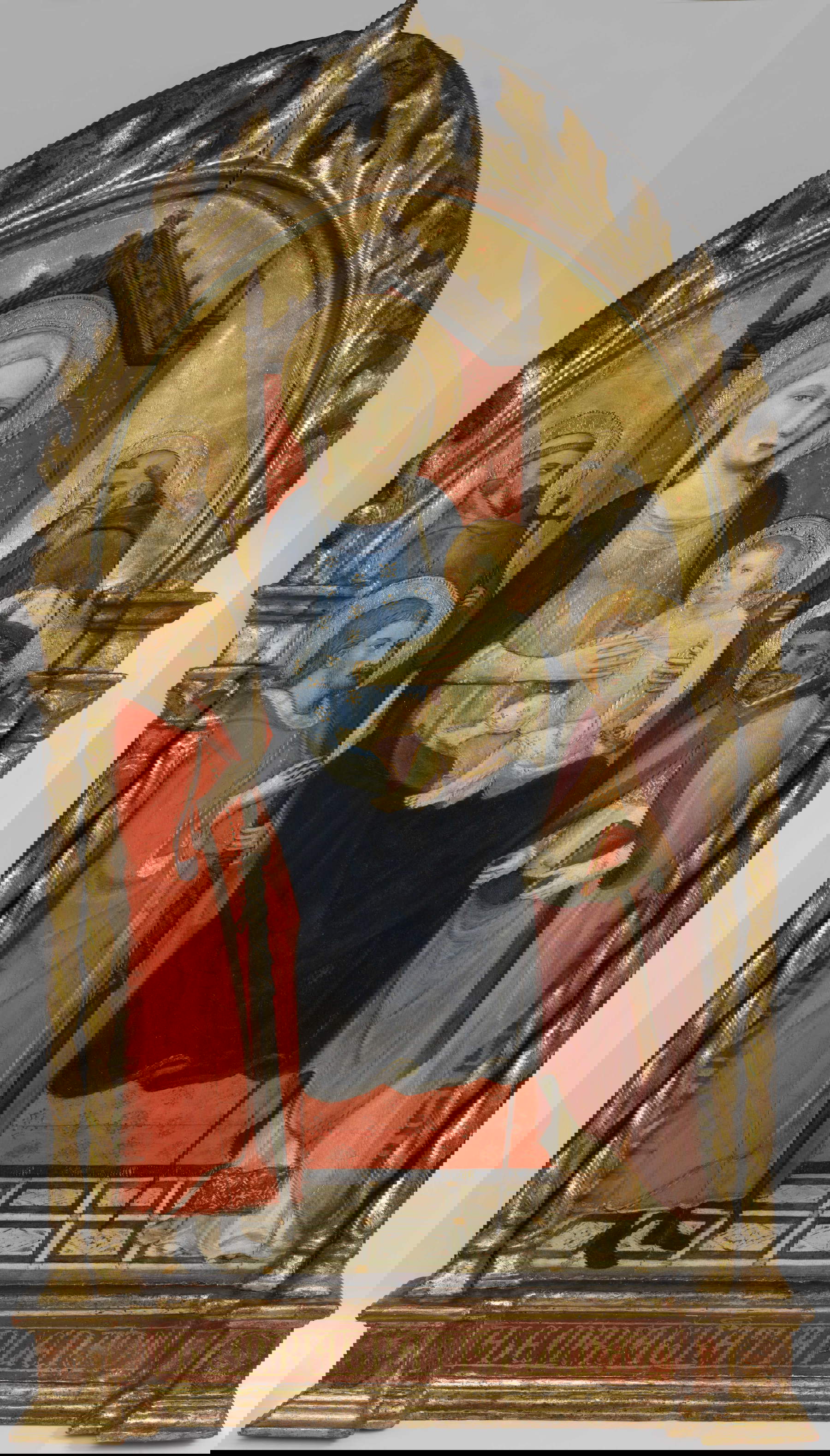
Among the oldest works featured among the Italian exhibitors is the panel painting offered by the Matteo Salamon gallery, attributed to Lippo d’Andrea (Florence, c. 1370 - 1451). The painting, a Madonna Enthroned with Child and Saints, datable to around 1425 and offered at a price of 150,000 euros, depicts the enthroned Virgin and Child flanked by St. Francis, St. Anthony Abbot, St. Julian and an unidentified bishop. The work retains its original frame and testifies to a phase of stylistic updating in Florentine painting, in which the late Gothic tradition was confronted with new perspective research and the luminous sensibility that would characterize the early Renaissance. The painting appeared on the art market in Milan in 1964 with reference to the so-called Pseudo-Ambrogio di Baldese, after which it was generically referred to a “15th-century Tuscan master”: the attribution to Lippo d’Andrea now stands out, according to Matteo Solomon, because of the many possible comparisons with works long recognized to the artist. The painting is, moreover, particularly illustrative of the remarkable effort of updating made by the artist, now in his fifties, with the acquisition and grafting onto the trunk of his unwavering “neo-Giottesque” culture of stylistic elements and accents derived from the most eminent artists working in Florence during the third decade of the fifteenth century. The most plausible chronological collocation therefore appears to be around the mid-1520s, in a Florentine context of extraordinary cultural vivacity that saw the affirmation of the new Renaissance vision, while continuing to offer ample space even to good artists such as Lippo d’Andrea, who worthily represented (and with the wide favor of a large part of the bourgeois and ecclesiastical patronage) the very solid late Gothic cultural matrix present in the city.
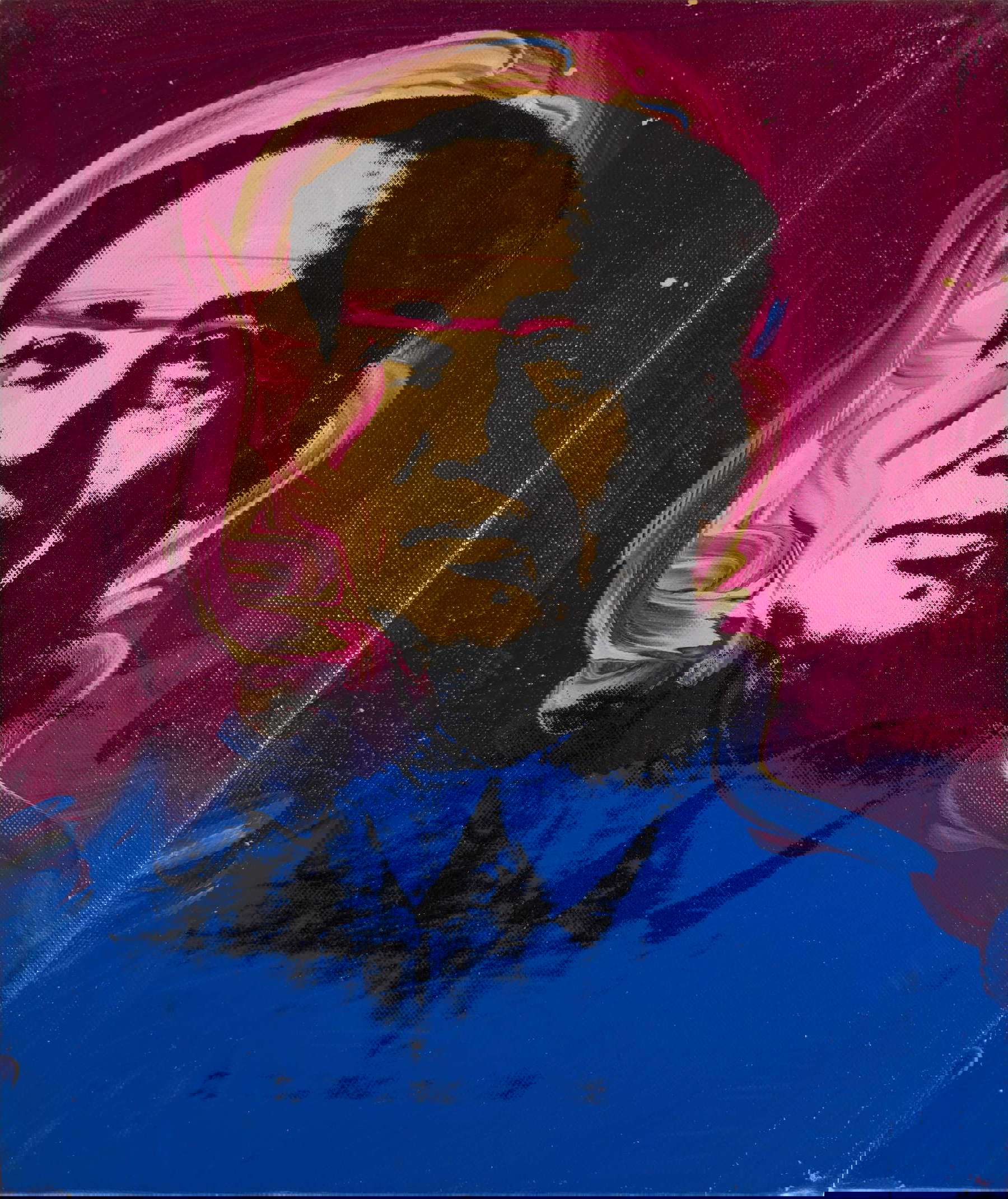
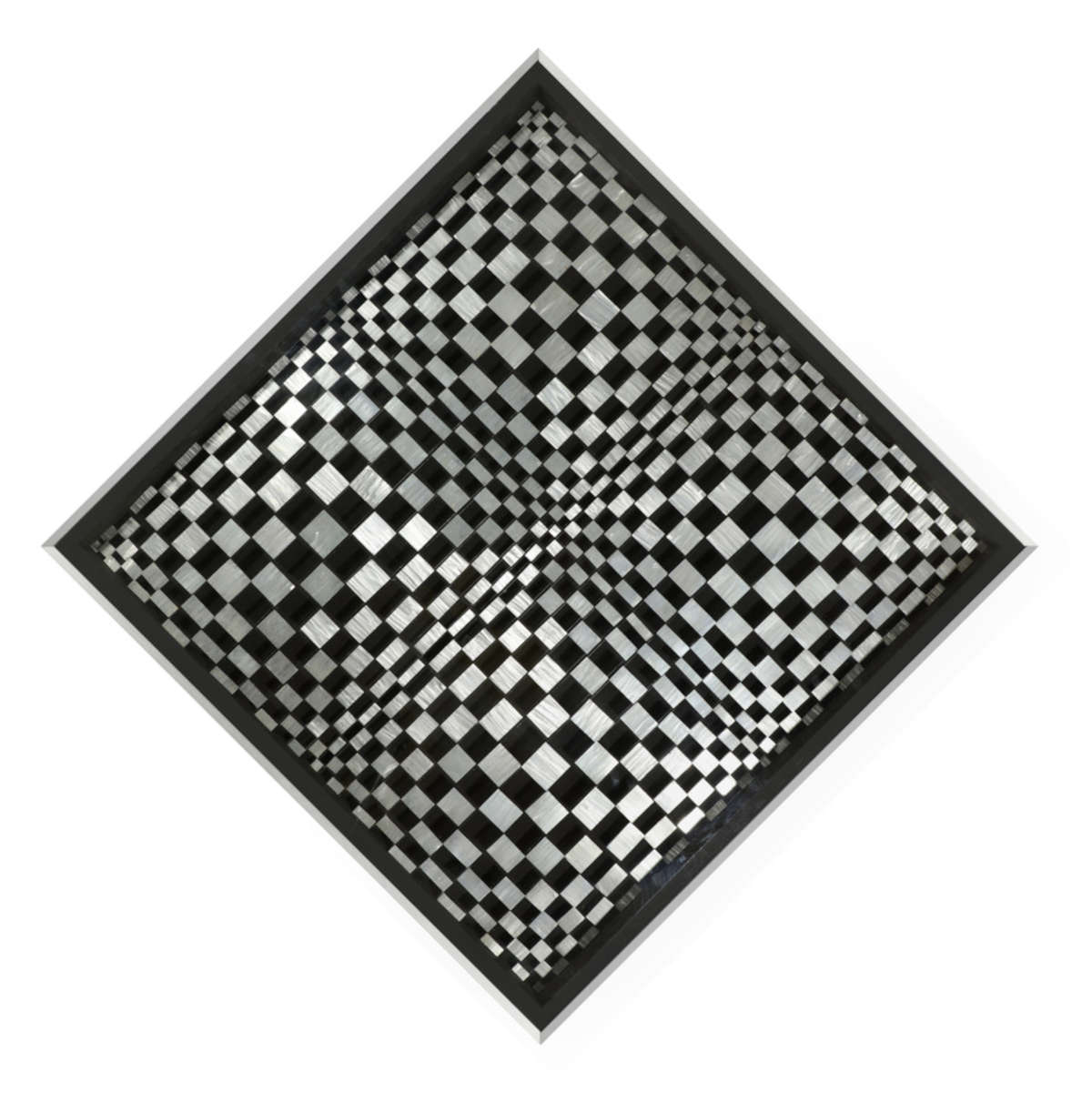
In the field of second-twentieth-century art, on the other hand, the Matteo Lampertico gallery presents a canvas from the famous Mao series by Andy Warhol (Pittsburgh, 1928 - New York, 1987), made in 1973 with silkscreen printing and polymer paint on canvas. The work, signed and authenticated, comes from a private collection in Milan and has previously transited through some of the leading international galleries, including Leo Castelli and Gagosian. The price has not been made public. Italian artistic research of the 1960s, on the other hand, is represented by Osart Gallery, which is exhibiting a dynamic Optical Object by Dadamaino (Edoarda Emilia Maino; Milan, 1930 - 2004), made between 1962 and 1971. The work, composed of aluminum, nylon and wood, measures 75 by 75 centimeters (105 by 105 diagonally) and is offered at a price of 110,000 euros plus VAT. The work belongs to the phase in which the Milanese artist experimented with kinetic and programmed forms of art, based on the perception of movement and the relationship between work and viewer.
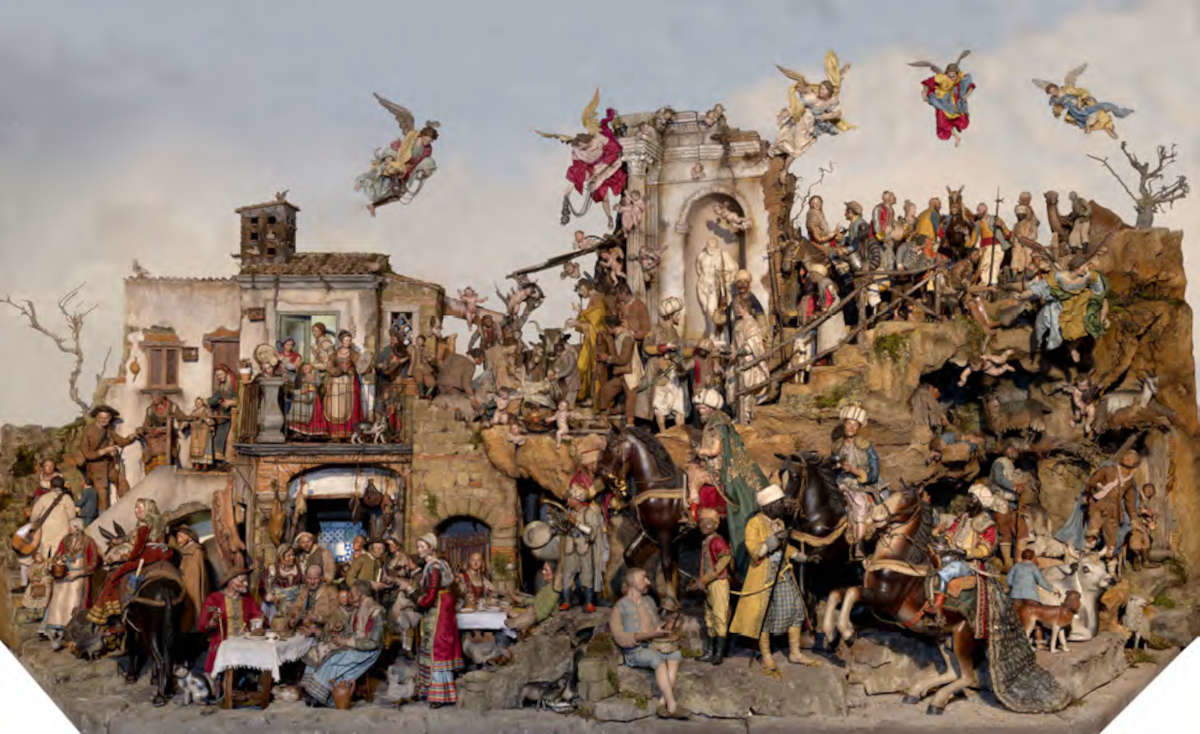
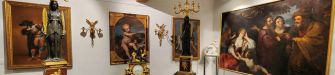
An exhibition proposal of particular scenic impact is that of the Porcini gallery, which dedicates its space to 18th-century Naples. The booth recreates an ideal path through the city and its churches, with sketches by artists such as Luca Giordano, Francesco Solimena and Corrado Giaquinto. At the center of the display is a large 18th-century Neapolitan nativity scene in the Bourbon tradition, composed of hundreds of elements including figures, animals and props. The overall work, offered with price on request, represents one of the most complex installations of its kind ever presented at TEFAF.
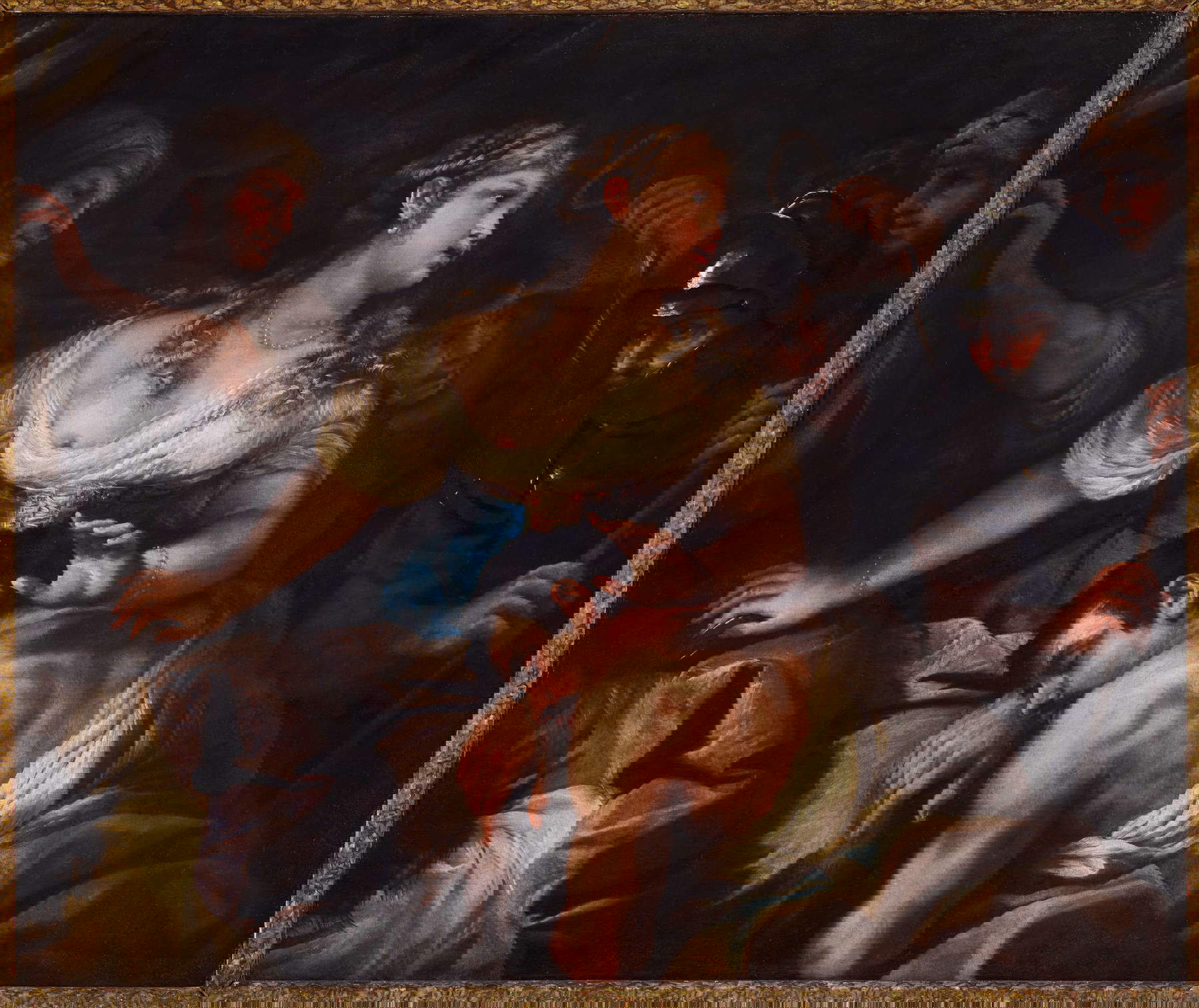
Closing this selection is the proposal of the Robilant + Voena gallery, which presents a Samson and Delilah by Luca Giordano (Naples, 1634 - 1705), a large canvas made around the 1750s. The painting, offered with a request between about 300,000 and 350,000 euros, belongs to a phase in which the Neapolitan painter looked with particular attention to Venetian painting, particularly Titian and Tintoretto. The dynamic composition and energetic brushstroke testify to the moment of intense stylistic experimentation that would lead Giordano to develop a pictorial language rich in light and color. The energetic brushwork and dramatic tonal range in this painting clearly reflect the influence of Titian, while the brightness of the scene evokes other paintings Giordano made in the mid- to late-1750s. Moreover, in his 2017 monograph, Giuseppe Scavizzi points out the important influence of Rubens, both on the narrative composition of the painting in question and on the treatment of the figures. Scavizzi notes that Giordano was probably familiar with Rubens’ depiction of the same subject, now in the National Gallery in London, through an engraving by Jacob Matham: indeed, the voluptuous Delilah and the muscular sleeping Samson in Giordano’s painting seem to echo the Flemish painter’s spirit in the earlier work. This work by Giordano originally belonged to the wealthy Flemish merchant Gaspar Roomer (d. 1674), an important patron and collector active mainly in Naples, who built up a magnificent collection of Roman, Neapolitan, and Flemish artists. We know this from the writings of Bernardo de’ Dominici, who noted in his Lives of the Painters that Roomer purchased from Giordano a seven-palm canvas depicting Samson and Delilah. However, the painting was not to Roomer’s liking because of Giordano’s clear adoption of elements of Venetian painting. In fact, during that period the artist painted several works inspired by Venetian masters such as Titian and Tintoretto, even selling them as originals to patrons including Roomer. To appease the Flemish merchant, Giordano agreed to paint more paintings for him, beginning a fruitful relationship between artist and patron. By the time of his death in 1674, Roomer had amassed the largest collection in Naples, and his relationships with and support for the city’s artists contributed significantly to the development of Neapolitan painting. In addition to works by Giordano, his collection included pieces by Anthony van Dyck, Simon Vouet, Valentin de Boulogne, Jusepe de Ribera, Carlo Saraceni, Giovanni Battista Caraciolo, Massimo Stanzione, and Andrea Falcone, and by Flemish artists Leonard Bramer, Paul Bril, and Cornelis van Poelenburch.

Warning: the translation into English of the original Italian article was created using automatic tools. We undertake to review all articles, but we do not guarantee the total absence of inaccuracies in the translation due to the program. You can find the original by clicking on the ITA button. If you find any mistake,please contact us.






















 IT
IT FR
FR DE
DE ES
ES CN
CN


