








No longer just scholars of the past, but figures integrated into processes of land transformation and planning works. The profile of the Italian archaeologist has changed considerably in recent years, both in terms of demographic composition and placement in the job market. Outlining the picture is theNational Association of Archaeologists, which from Feb. 27 to March 1 is participating in the 12th edition of tourismA - Archaeology and Cultural Tourism Exhibition, scheduled in Florence with free admission. On that occasion, the volume Archaeology today: between open nodes and future challenges, an updated summary of the state of the art and perspectives of the profession, will be presented.
“Today archaeologists are all full professionals, regardless of the field in which they work,” explains Marcella Giorgio, president ANA-National Association of Archaeologists. “But to consolidate this path, concrete reforms are needed: updating training, adapting the Cultural Heritage Code, guaranteeing fair compensation and strengthening the professional system. Italian archaeology has a great opportunity ahead of it: to transform the skills acquired into a lever for the future of the country.”
Data show a field that, while maintaining strong academic roots, has gradually shifted toward self-employment and the private sector. Today 65 percent of working archaeologists are women, a stable majority that also redefines the internal balance within the category. In terms of training, the level remains among the highest in the cultural professions: 95 percent hold a master’s degree and more than 72 percent have gone on to postgraduate courses, including graduate schools, doctorates and additional degrees.
Against this widespread qualification, the occupational distribution shows a limited weight of the public sector. Only 22 percent of archaeologists work in the public sector, while the majority work as freelancers with VAT numbers, amounting to 52 percent, or in the private sector, which absorbs 23 percent of the workforce. The most important data concerns the expansion of self-employment: in the last thirteen years the share of professionals with VAT numbers has doubled from 27 percent to 52 percent. This is a structural transformation that signals a change in the demand for skills, which is increasingly linked to design, technical consulting and activities related to preventive protection. Signs of change from the past are also emerging on the income side. If in 2011 the majority of professionals declared fees of less than 15 thousand euros annually, today 38 percent exceed 24 thousand euros, with peaks exceeding 48 thousand euros. The increase indicates an evolution from a framework traditionally characterized by strong precariousness. However, the delay in entering the world of work remains evident. Despite their high level of preparation, many archaeologists begin their professional activity in their early thirties. The figure points to a gap between academic training and the market, with university paths still mainly oriented toward research and less toward the operational skills required in construction site contexts, in managing administrative procedures and in dealing with designers and contracting stations.
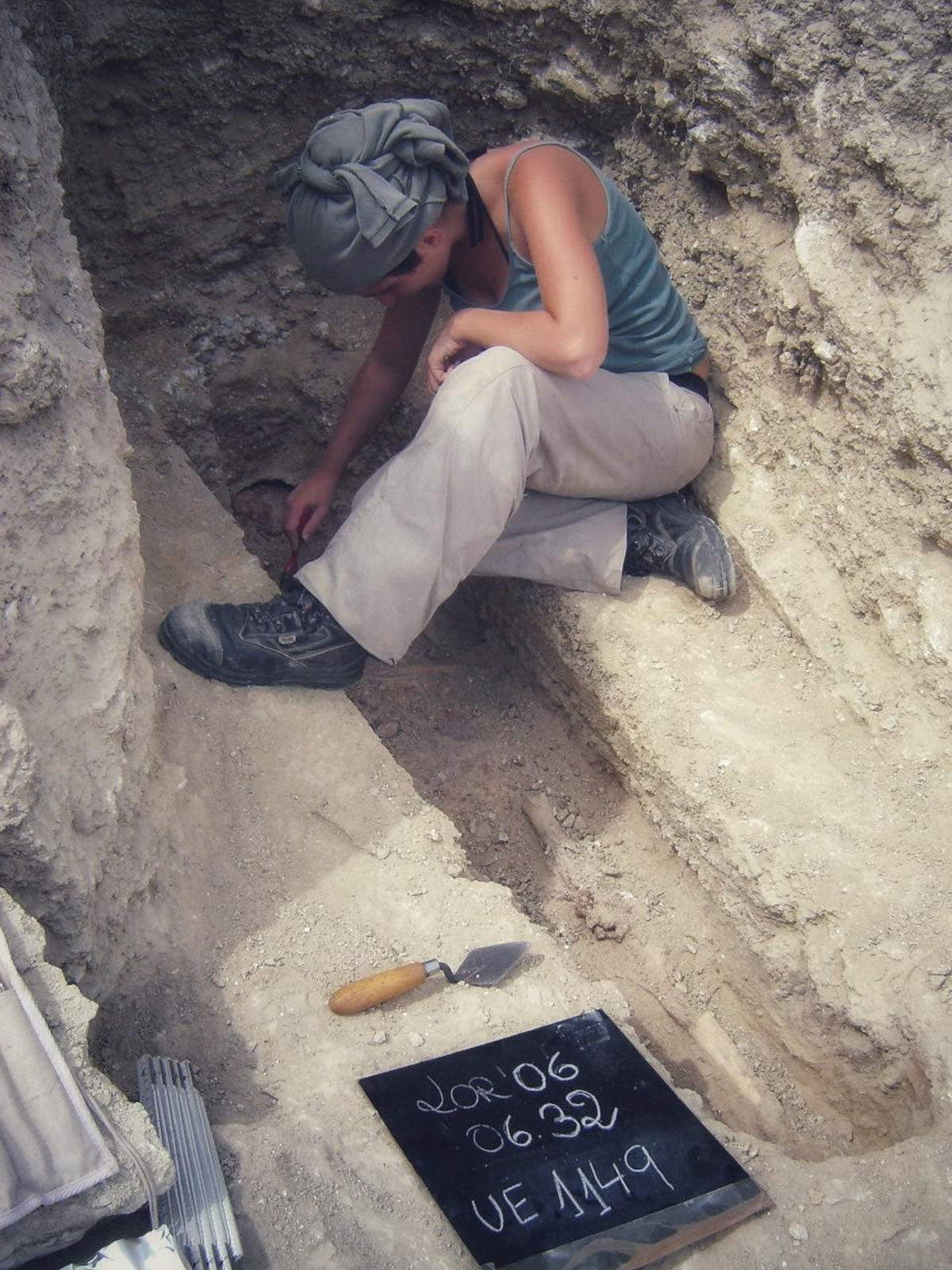
One of the central issues concerns the regulatory framework. According to the National Association of Archaeologists, the Cultural Heritage Code does not fully reflect the evolution of the profession. Differences remain between public and private works in the procedures for prior verification of archaeological interest, a tool now considered essential for reconciling protection and infrastructural development. The application of preventive archaeology procedures is also uneven.
However, preventive archaeology has helped redefine the role of the archaeologist, who now intervenes in multiple stages of the construction process. Data from the ANA 2025 questionnaire on archaeological activities indicate an increasing presence throughout the public works process. 22 percent of professionals are already involved in the first preliminary steps and in the design phase; 16 percent work in the assessment of archaeological potential; 42 percent are involved in carrying out preventive investigations; and 19 percent intervene in the construction phase of the work. The picture returns the figure of a technical consultant who dialogues with designers and institutions and participates in decision-making processes from the initial stages. Alongside regulatory and employment issues, challenges related to innovation emerge. The use of artificial intelligence in the analysis of archaeological data opens up unprecedented scenarios, especially in the management of large amounts of information and the integrated reading of evidence. In parallel, participatory science practices are spreading, involving citizens in research and documentation activities. Both fronts raise ethical and methodological issues, which require updates in the training models and skills required of professionals.
Within tourismA, an event organized by Archeologia Viva, the National Association of Archaeologists is promoting additional moments of discussion. On Saturday, Feb. 28, at 4:15 p.m. in Room 4, the meeting Preventive Archaeology: critical issues and solutions one year after the Corrective Code of Public Contracts is scheduled, organized together with Archeoimprese. The discussion will focus on the Public Contracts Code, one year after the entry into force of the Corrective, which introduced changes to the archaeological design and preventive archaeology process. On Sunday, March 1, at 11 a.m., at the stand of the National Association of Archaeologists, is Points of View: stories of professionals in comparison, an appointment dedicated to the exchange of experiences between professionals in the field.
 |
| Archaeologists, more women and more self-employment: the profession is changing but standards lag behind |


The author of this article: Noemi Capoccia
Originaria di Lecce, classe 1995, ha conseguito la laurea presso l'Accademia di Belle Arti di Carrara nel 2021. Le sue passioni sono l'arte antica e l'archeologia. Dal 2024 lavora in Finestre sull'Arte.Warning: the translation into English of the original Italian article was created using automatic tools. We undertake to review all articles, but we do not guarantee the total absence of inaccuracies in the translation due to the program. You can find the original by clicking on the ITA button. If you find any mistake,please contact us.





























 IT
IT FR
FR DE
DE ES
ES CN
CN