



by M. M. 11/12/2025



Categories: News / Disclaimer
The results of the Observatory on the Cultural Consumption of Italians have been released: in 2025 the average monthly household spending on culture was close to 100 euros, but the gap between North and South is widening.
On the occasion of the meeting Si dice cultura. For a new alliance between business, culture and territories, promoted by Impresa Cultura Italia - Confcommercio and Treccani that took place today at the Istituto dell’Enciclopedia Italiana Treccani, the results of theObservatory on Italians’ Cultural Consumption, carried out by Impresa Cultura Italia in collaboration with SWG, were released. According to the data, in 2025 average monthly household spending on culture approached 100 euros, showing an increase from 94.6 euros in 2024 and 83.2 euros in 2023. At the same time, the gap between geographical areas widens: in the North of the country, spending reaches 113 euros, while in the South it stops at 74.
The most popular cultural activities in 2025 remain watching programs and movies on television (92 percent), listening to music (84 percent) and reading (68 percent). As for live activities, visits to museums and archaeological sites (49 percent), cinema (45 percent), outdoor performances (48 percent), concerts (36 percent) and cultural festivals (29 percent) are particularly popular.
Reading retains significant weight: in 2025, 76 percent of Italians read at least one paper book, while 52 percent chose a book in digital format, confirming the prevalence of the traditional medium. At the same time, online newspaper reading is growing: 74% read free digital newspapers via website, while the use of paper newspapers remains stable at 50% and that of paid apps stands at 30%.



In 2025, Italians increased their spending on TV subscriptions (37 percent of consumers), cinema (35 percent), museums and exhibitions (30 percent), books (24 percent) and concerts (21 percent): all up from 2024, when spending percentages were lower. The data confirm a gradual return to live culture and direct experiences, with a focus on museums, cinemas, exhibitions, shows and festivals.
Culture is increasingly perceived as an opportunity for personal growth and education: in 2025 half of Italians attribute this value to cultural consumption and activities, up from 45 percent recorded in December 2024. The share of those who consider culture fundamental to their well-being also grows, to 15 percent. The share of those who experience it as “a cost” remains stable at 11 percent, and the share of those who see it as “just another activity” drops to 9 percent. Attendance at live events returns to very high levels, especially at festivals, which involved 72% of Italians in the last twelve months. Average spending per participant exceeds 193 euros, driven largely by overnight stays and catering, confirming the important economic impact on the territories that host them.
“The recovery in cultural demand is an important signal for the country,” said Carlo Fontana, president of Impresa Cultura Italia, commenting on the Observatory’s data, “but we cannot ignore that access to culture still remains profoundly unequal. In many areas of the South and in small municipalities, interest is high, but the offer is more distant and the costs of participation are higher. This is also why we call on institutions for policy intervention capable of supporting cultural consumption and reducing territorial differences, including through fiscal instruments that make participation more affordable. Culture is a right and a lever of development: guaranteeing its enjoyment means strengthening cohesion and opportunities for our country’s communities.”
“The Observatory’s data,” added Massimo Bray, director general of the Istituto della Enciclopedia Italiana Treccani, “confirm how culture continues to represent, for Italians, an extraordinary opportunity for learning and personal enrichment. But they also highlight the need to decisively invest in policies that make access to culture increasingly equitable and widespread. This is why we are proud to present, together with Confcommercio, a new Collaboration Protocol and the Master’s Degree in Economics and Management of Cultural Enterprises, which offers advanced tools and skills to operate effectively in the organization and management of the activities of businesses in the sector, supporting participants in the search for new ways of enhancing cultural heritage and promoting innovation policies and entrepreneurial skills. A training course that focuses on the value of knowledge, the quality of supply and the strategic role of cultural enterprises for the development of territories.”
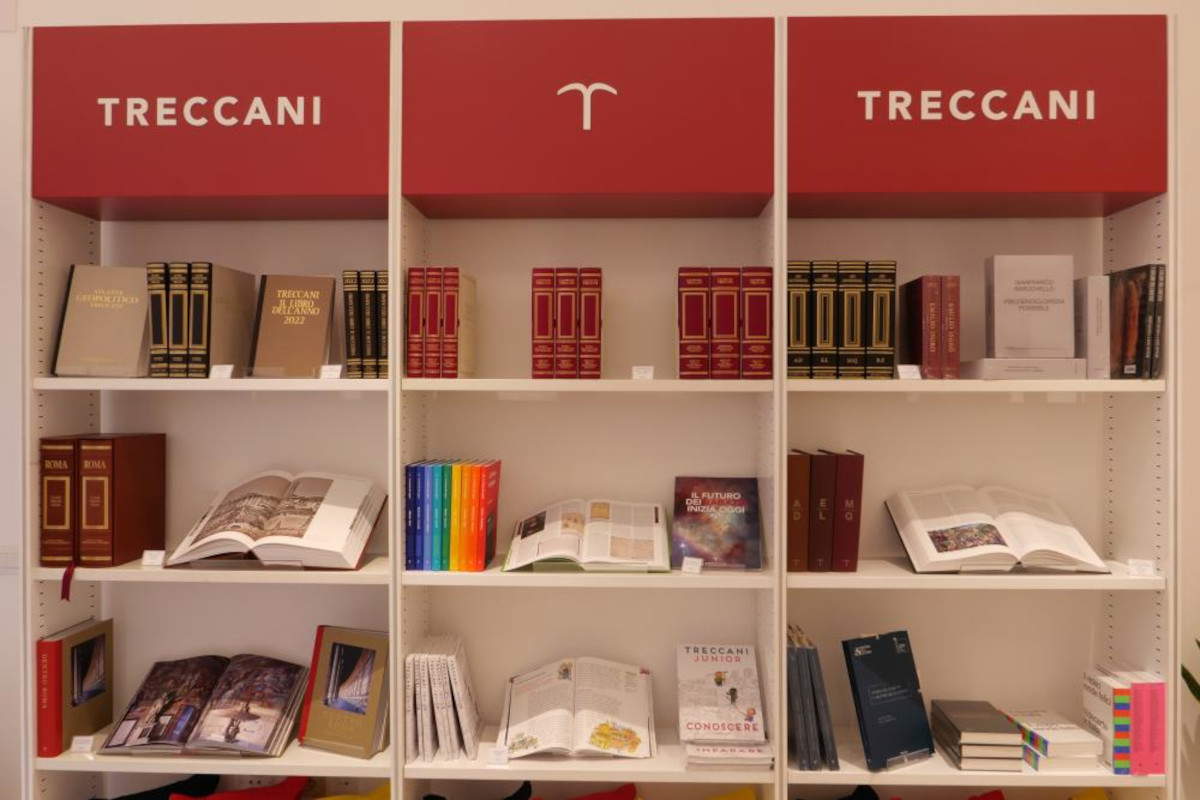 |
| Culture spending on the rise: by 2025, Italians will be close to 100 euros per month. However, the North-South gap remains |
Warning: the translation into English of the original Italian article was created using automatic tools. We undertake to review all articles, but we do not guarantee the total absence of inaccuracies in the translation due to the program. You can find the original by clicking on the ITA button. If you find any mistake,please contact us.