





What does it mean today to ensure the authenticity of works preserved in museums and to protect cultural heritage from the risks of forgery, illicit trafficking and clandestine excavations? These questions are tried to be answered by Against a False History: museums, legality and territories, the new weekly podcast and vodcast promoted by theUniversity of Padua, available starting January 13 on a weekly basis for eleven weeks. The project aims to offer the public a broad and articulate survey of the issues of protection, legality and responsible management of cultural heritage, interweaving academic, museum, legal and investigative perspectives.
Conceived by Luca Zamparo and edited together with Daniele Zumerle and Monica Salvadori, the podcast was born within the Department of Cultural Heritage of the University of Padua, in direct dialogue with the students of the courses of study. It is also based on the collaboration of the Museums, Legality and Territory working group of ICOM Italy, which has been engaged for years in the analysis of museum practices related to the promotion of a culture of legality and the fight against illegal behavior. The result is an outreach format that aims to make complex issues, often confined to specialized debate, accessible without sacrificing the rigor of the content.
The path proposed by the podcast goes through some symbolic places of Italian cultural heritage. From the halls of the Egyptian Museum in Turin to the spaces of theBotanical Garden of Padua, a site included in the UNESCO World Heritage List in 1997, passing through the Palazzo del Bo, the historical seat of the University of Padua, and the Museum of Nature and Man, the recordings accompany the listener on a virtual journey that links territories, institutions and protection practices. The spatial dimension becomes an integral part of the narrative, highlighting the relationship between museums, local contexts and shared responsibilities in the conservation of the commons.
One of the central elements of the project is the plurality of voices involved. Guests include directors of major museum institutions, scholars, Ministry of Culture officials, archaeologists, philologists, journalists and law enforcement representatives. Christian Greco, Egyptologist and director of the Egyptian Museum in Turin, speaks on the day-to-day challenges involved in directing a museum of international significance, addressing issues involving research, collection management and relations with the public. Michele Lanzinger, president of ICOM Italy and former director of MUSE in Trento, offers a reflection on the future of museology and the transformations taking place in the way the role of museums is conceived in contemporary society.
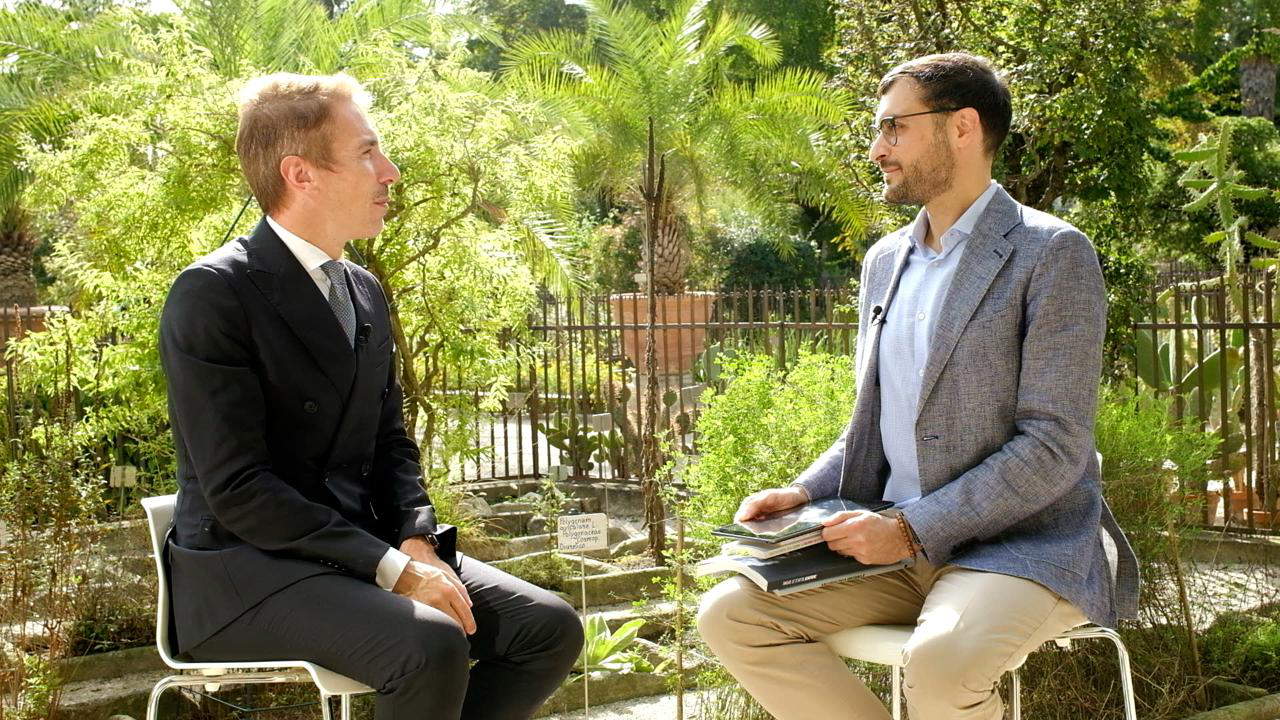
The topic of legality is also addressed from an operational point of view. Commander Emanuele Meleleo, of the Venice Carabinieri’s Cultural Heritage Protection Unit, recounts the daily work of the force in combating crimes against cultural heritage, illustrating the strategies adopted to prevent and suppress phenomena such as the illicit trafficking of archaeological finds and illegal exports. The contribution of law enforcement is part of a narrative that highlights the need for constant collaboration between cultural institutions, universities and investigative apparatuses.
Each episode of the podcast addresses a specific theme, building a mosaic that renders the complexity of heritage protection. University training in art history and archaeology is analyzed with Professor Giuliana Calcani of the University of Roma Tre, who reconstructs the foundations and perspectives of teaching related to the protection of cultural heritage. A historical look is devoted to the first experiences of collaboration between archaeologists, law enforcement and judicial authorities, thanks to the testimonies of Daniela Rizzo and Maurizio Pellegrini, former officials of the Ministry of Culture, involved in the reconstruction of some of the most relevant cases of illicit trafficking in recent decades.
The fight against crimes against heritage is also addressed through an analysis of the technological tools available today. Archaeologists Arianna Traviglia, of the Italian Institute of Technology, and Fabio Fabrizio, of the University of Salento, illustrate the use of satellite surveys and other advanced technologies in the study and monitoring of clandestine excavations, a phenomenon that continues to affect several areas of Italian territory. The dialogue between traditional method and technological innovation emerges as one of the key aspects in preventing damage to archaeological heritage.
The podcast also devotes space to emblematic cases that have marked the public and legal debate. Among these, the long and complex judicial affair of theAtleta Vittorioso of Fano, reconstructed by Rachele Dubbini of the University of Ferrara, becomes an opportunity to reflect on issues related to the provenance of the works, restitution and the responsibility of institutions. Alongside these insights, space is given to the experiences of protection and enhancement carried out in the area by museum professionals such as Stella Falzone, director of the National Archaeological Museum of Taranto, and Filippo Demma, director of the Archaeological Park of Crotone and Sibari.
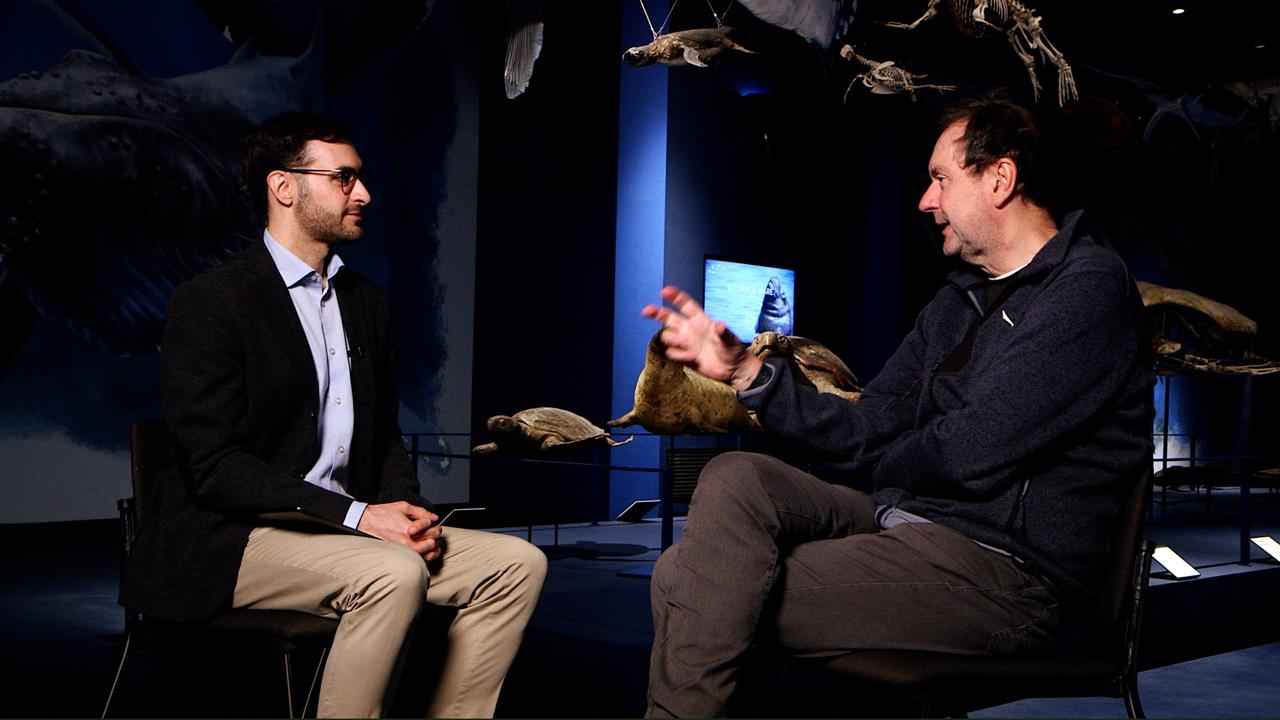
The project’s gaze also extends to disciplines seemingly distant from archaeology and museology. Sandro La Barbera, a classical philologist and professor at the University of Trento, addresses the topic of forgery from a literary perspective, focusing on the dynamics of deception and the possible role of Artificial Intelligence in the production and analysis of forgeries. The relationship between information, journalism and the fight against archaeomafias is instead analyzed through the interventions of Serena Epifani, director of The Journal of Cultural Heritage Crime, and FabrizioFeo, former RAI journalist, who highlight the importance of correct and documented communication in raising public awareness.
A further area of reflection concerns natural and scientific heritage. Professor Elena Canadelli, historian of science at the University of Padua, accompanies listeners to the University’s Botanical Museum, illustrating the challenges related to the protection of biodiversity and the specifics of scientific museology. In this context, the concept of heritage is expanded to include natural assets and scientific collections. Against a False History is part of the activities of the P.R.I.N. From Authenticity to Art (FATA) research project, supported by the Ministry of University and Research. The FATA project aims to create an Italian database of forgeries, developing integrated strategies for the protection of cultural heritage through research, cataloging and digitization.
The research group involved, coordinated by Monica Salvadori together with Monica Baggio and Luca Zamparo, has been working since 2015 on the ways in which antiquities are received in contemporary society, analyzing archaeological collecting and related illicit phenomena, from counterfeiting to illegal trafficking.
Over the years, the group has promoted numerous research, training and dissemination initiatives, including international schools dedicated to the study of archaeological fakes, digitization projects, educational exhibitions and international conferences. Notable milestones include the donation of lawyer Bruno Marchetti’s collection to the University of Padua, the launch of the MemO project on Greek and Magna Graecia ceramics in the Veneto region, the founding of the international journal Authenticity Studies, and the establishment of the Laboratory of Authentication of Archaeological Heritage. Alongside the academic work, ICOM Italy’s Museums, Legality and Territory group contributes to the project with the aim of analyzing and coordinating the actions taken by Italian museums in promoting a culture of legality. The group is configured as a space for discussion among museum professionals, but also as an operational support for the development of new narrative modes and useful strategies to counter illicit and criminal behavior.
The eleven episodes of Against a False History: museums, legality and territories are available from January 13 on the YouTube channel of the Department of Cultural Heritage of the University of Padua and on the Spotify platform, on the page dedicated to the podcast.
 |
| Museums and legality: the University of Padua launches a podcast on art authenticity |

Warning: the translation into English of the original Italian article was created using automatic tools. We undertake to review all articles, but we do not guarantee the total absence of inaccuracies in the translation due to the program. You can find the original by clicking on the ITA button. If you find any mistake,please contact us.


























 IT
IT FR
FR DE
DE ES
ES CN
CN


