





An exhibition center focused mainly on applied arts, which could multiply the cultural offerings of the city of Riccione, and a permanent collection dedicated to futurism and modernism. This is, in a nutshell, the project that the Turin-based David2 srl company has in mind for Villa Mussolini, which was put up for sale by the Fondazione Cassa di Risparmio di Rimini at the end of 2025 (just 20 years after its inauguration as a cultural center, following redevelopment work in the 1990s) and which until last year was the site of photographic exhibitions of national appeal. When the deadline for proposals closed on December 22, three bids came in: one from the municipality (which has long managed the asset), and two from private parties. One of these private individuals is David2 srl, which already has precise ideas about what it would like to do with the building and has proposed a plan that, for the cultural part, has drawn on the advice of Enzo Biffi Gentili, a historian, critic, independent curator, scholar of applied arts and exhibition design, curator of numerous exhibitions and author of books and catalogs on design, furniture, and industrial design.
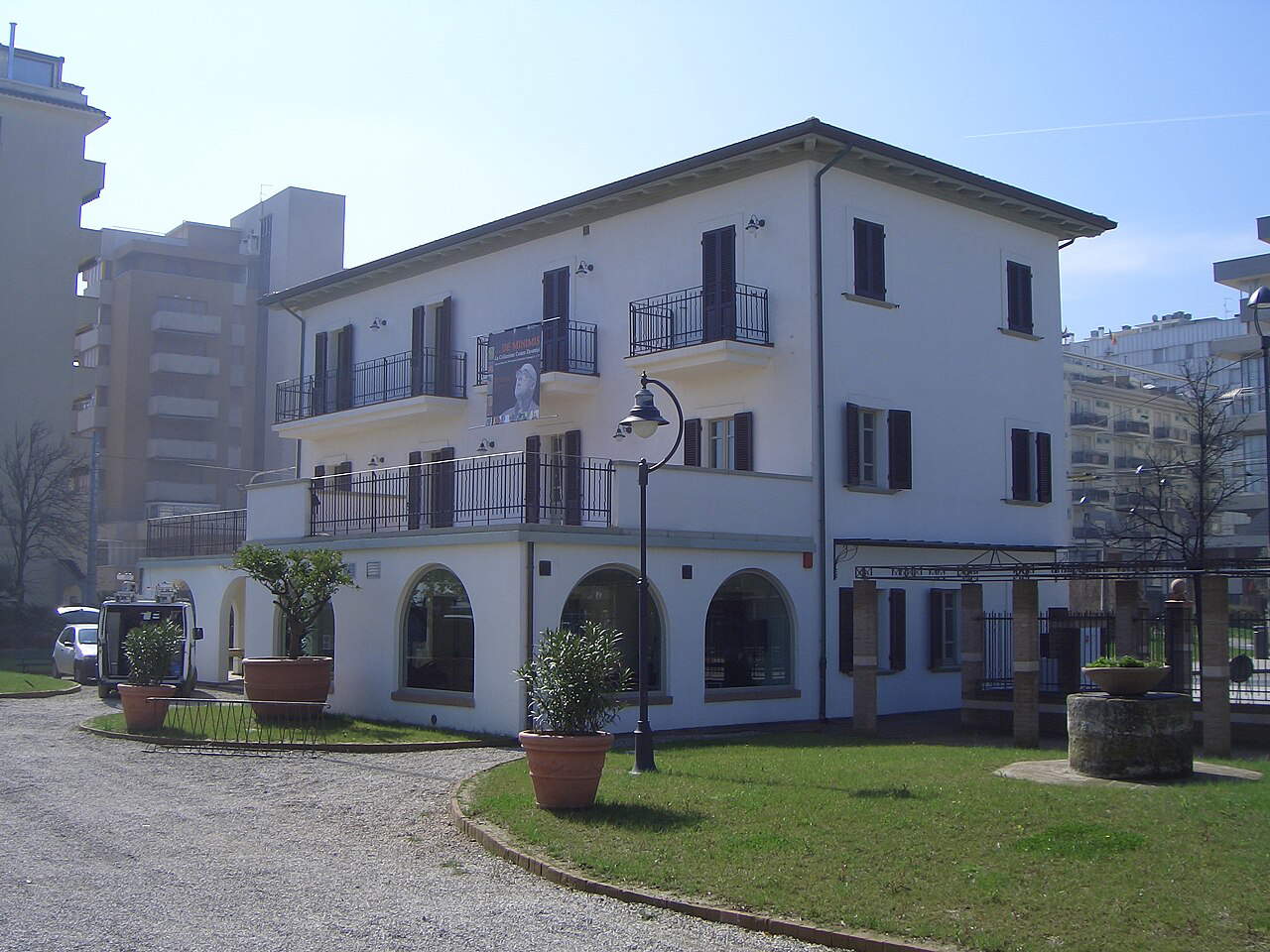
As far as activities are concerned, the Turin-based company would like to start an operational collaboration with the Municipality of Riccione: David2, in particular, has made itself available for co-design and co-management, with the aim of integrating and enriching the city’s exhibition seasons without further burdening the community. This is something similar to what happened until last year, when private companies specializing in exhibition organization, such as Civita, were in charge of the recent exhibitions set up at Villa Mussolini. In this regard, the Turin-based company would like to reevaluate the historical relationships between Piedmont and the Riviera Romagnola, which relate first and foremost to architecture and design: many in fact the buildings, such as the former Colonie Novarese in Miramare, or the Le Navi aquarium in Cattolica, that are linked to Piedmontese patrons, architects, engineers, and events, just as the tradition of nightclubs in Romagna, from the point of view of interiors and design, has further connections (think, for example, of venues such as the Piper in Turin or L’Altro Mondo in Rimini, both designed by the same architects, namely Pietro Derossi and Giorgio Ceretti). Not to mention then the continuities in music and cinema. On this last sphere, mention can be made of the Rimini-born but Turin-trained architect Addo Cupi, who intervened on the Palazzo Valloni in Rimini, which later became the site of the legendary Fulgor cinema, that is, the place where theimprinting of Federico Fellini through the viewing, by his own affirmation, of an extremely relevant film (for the time and also for today) such as Guido Brignone’s Maciste all’Inferno with Bartolomeo Pagano, filmed in 1925 in the Turin factories of Fert and for exteriors in the Stura di Demonte valley in the Province of Cuneo. After some previews at the Milan Fair, it was distributed, in a final censored version, in 1926: David2’s idea is to celebrate the film’s centenary in the Riviera, and among the first proposed activities is precisely an action to recall the importance of the feature film, for which David2 would have theintention to ask for a possible collaboration with the Cinema Museum of Turin, also to verify the possibility of recovering the “licentious” scenes cut a hundred years ago to protect public morals according to the mentality of the time. It is also worth mentioning that Maciste all’Inferno, a silent film, was “set to music” by CCCP - Fedeli alla Linea: documentary evidence of that “cultural mediation” between generations that David2 indicated in the introduction as one of the foundations of his project.
Precisely on music, the company aims to initiate actions that recall Gabriele d’Annunzio’s Francesca da Rimini , an opera with a Romagnolo subject first performed at the Teatro Regio in Turin on February 19, 1914. Another proposal concerns Fred Buscaglione, the Turin-based singer long present on the Riviera: David2 would like to celebrate him by relocating to Riccione a large light and sound installation dedicated to the singer from Turin by artist Sergio Cascavilla, a sort of small temple-cum-joke that allows the user, by pressing a button that activates a hidden jukebox, to listen to a song by Fred randomly selected from the fifty recorded and, after listening to it all carefully, to ask for a love wish to be granted by the user.
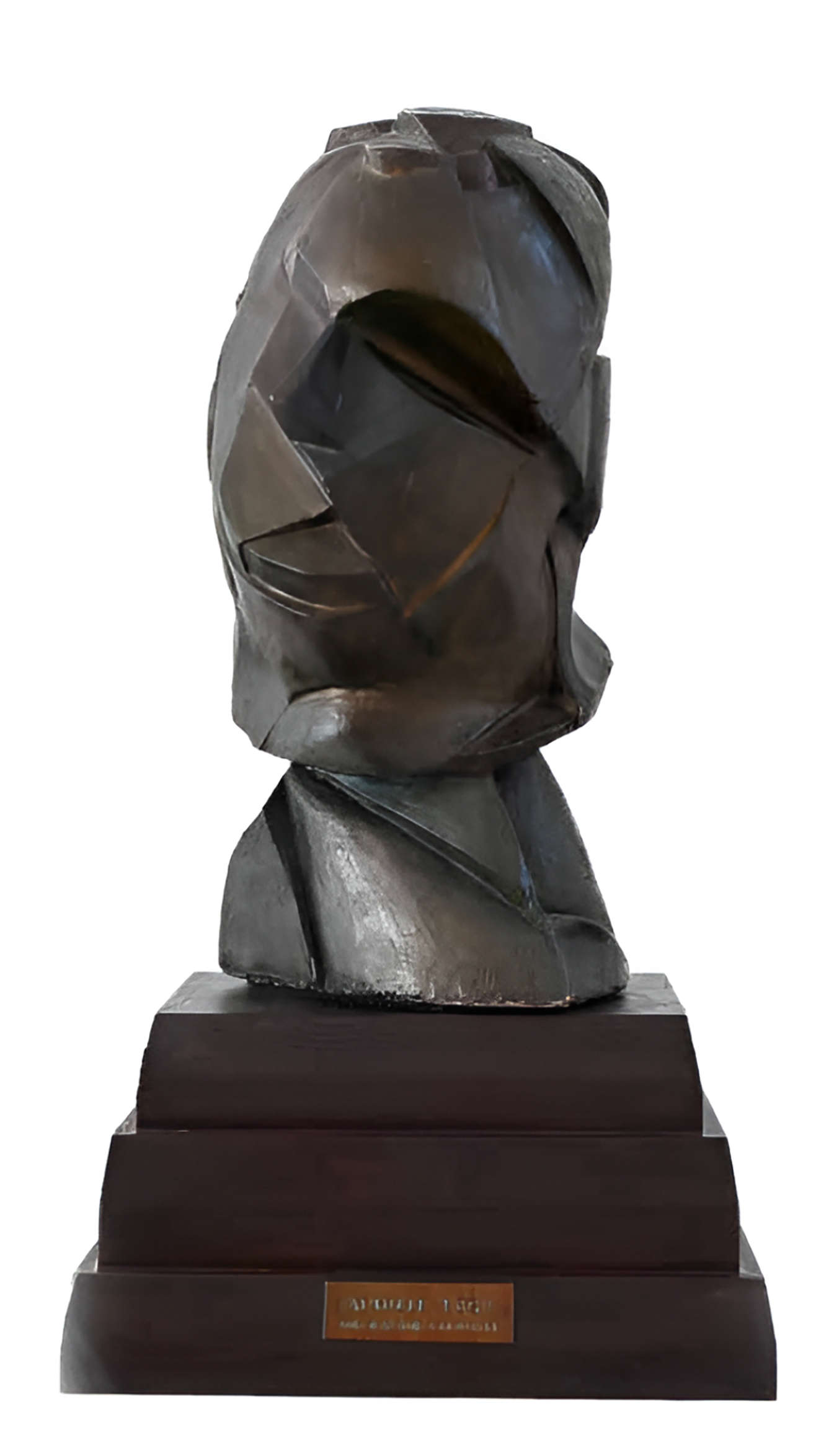
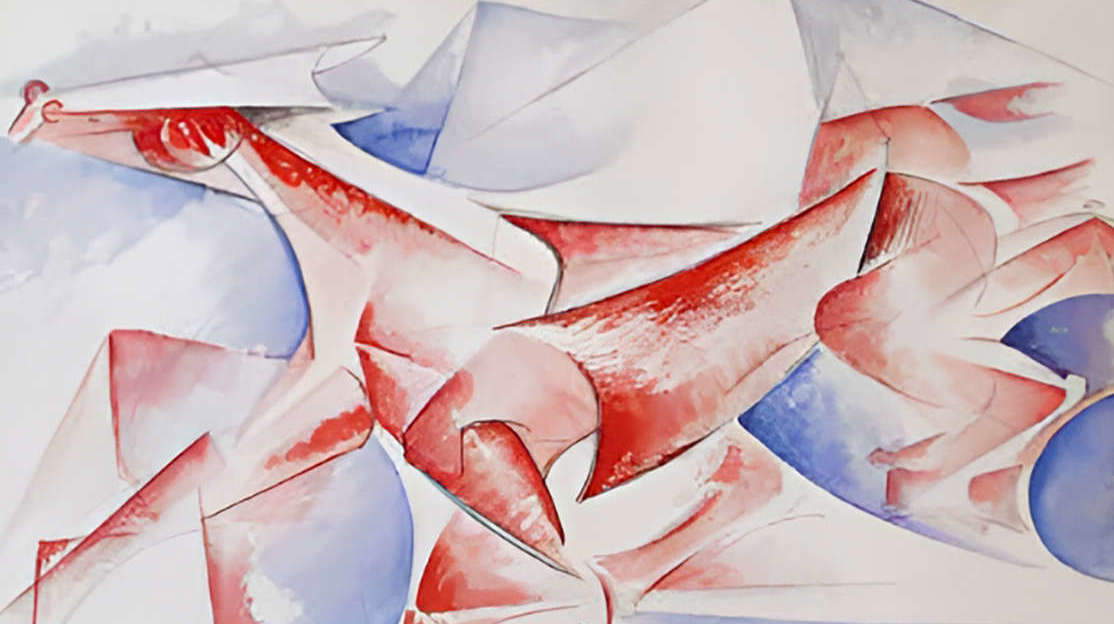
As anticipated, David2 would also like to make Villa Mussolini the home of a permanent collection whose items will be displayed on a rotating basis. The endowment fund, should the company be successful, would be secured by Elena and Massimo Massano’s Turin-based collection of futurist and modernist works. The idea is to exhibit works by Umberto Boccioni and other Futurists of Romagna origin such as Mario Guido Dal Monte, Achille Lega, and Giannetto Malmerendi, all of whom are represented in the Turin collection. The first selection, David2 announced, is to start with a 1913-1914 Study for Plastic Dynamism by Umberto Boccioni (an artist who, although born in Reggio Calabria for reasons of his father’s work, was originally from Morciano di Romagna). The idea of installing at Villa Mussolini what David2 calls a “Futurist antenna” would also go a long way toward rekindling the lights on a relationship, that between Futurism and Romagna, that has been little explored, although there has been no shortage of opportunities: the last two significant exhibitions are Il Futurismo in Romagna curated by Enrico Crispolti in Rimini in 1986, and Romagna Futurista curated by Beatrice Buscaroli in San Marino in 2006. There would also be availability of the iconographic archive fund of the historic periodical “Il Borghese.”
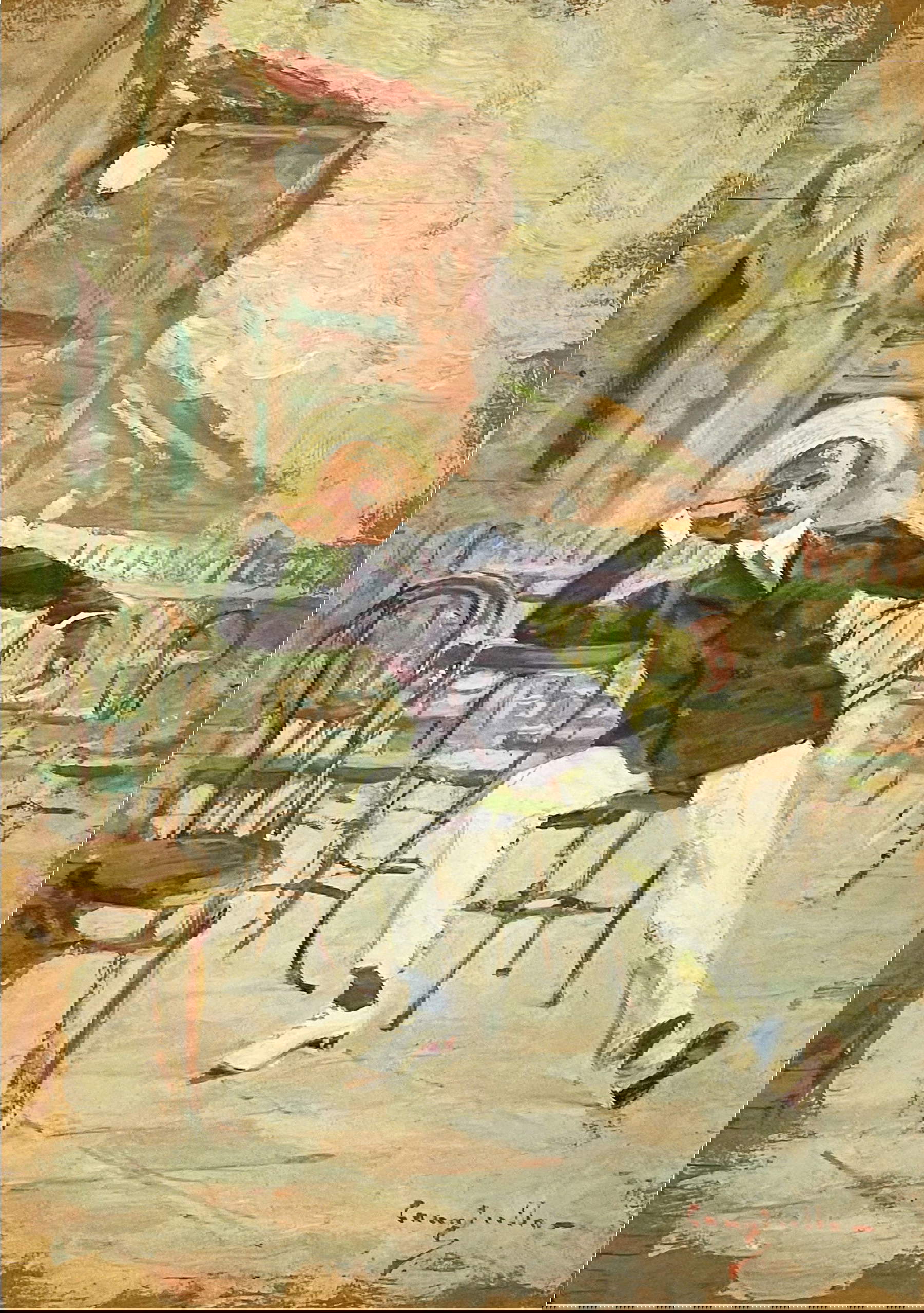
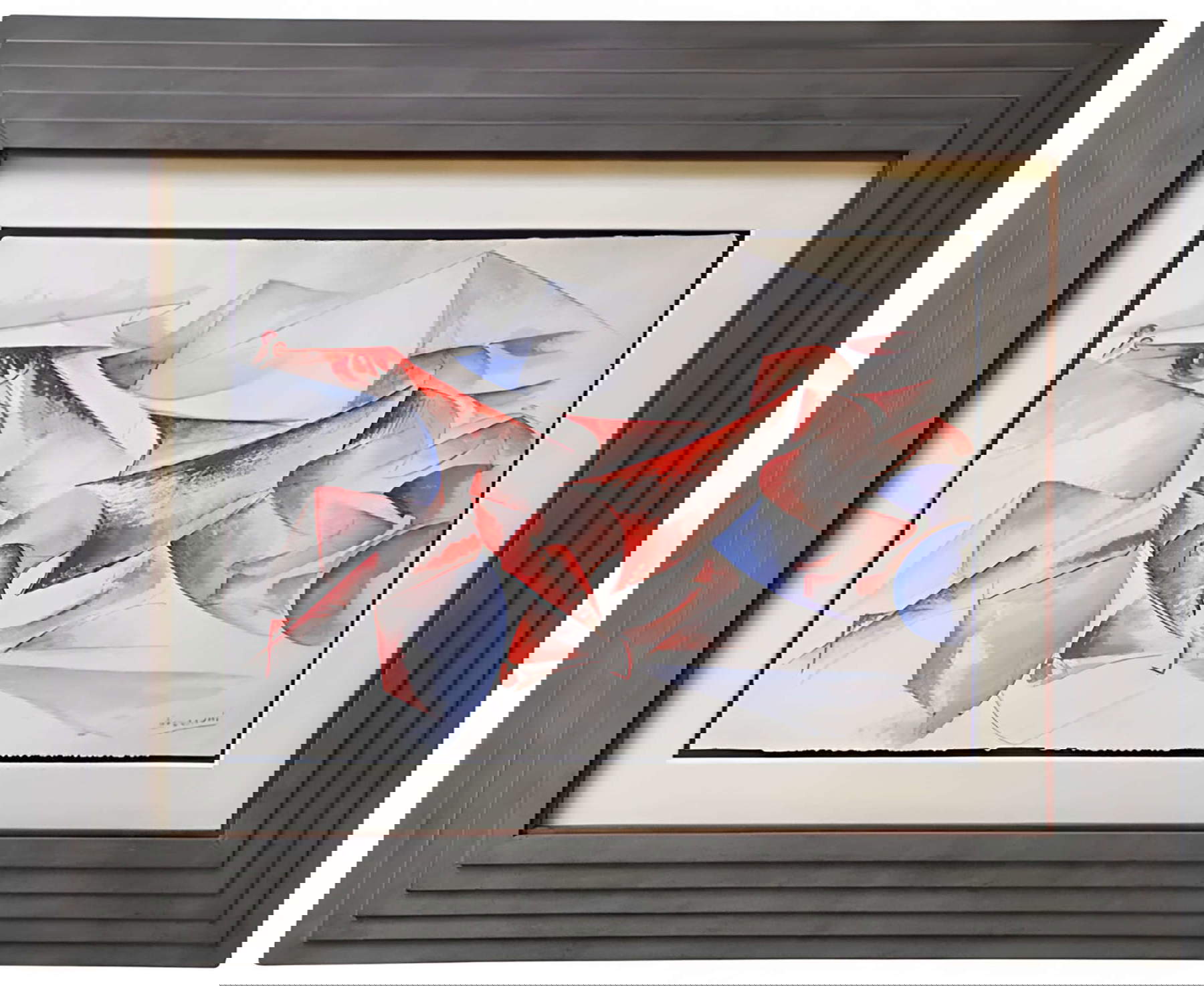
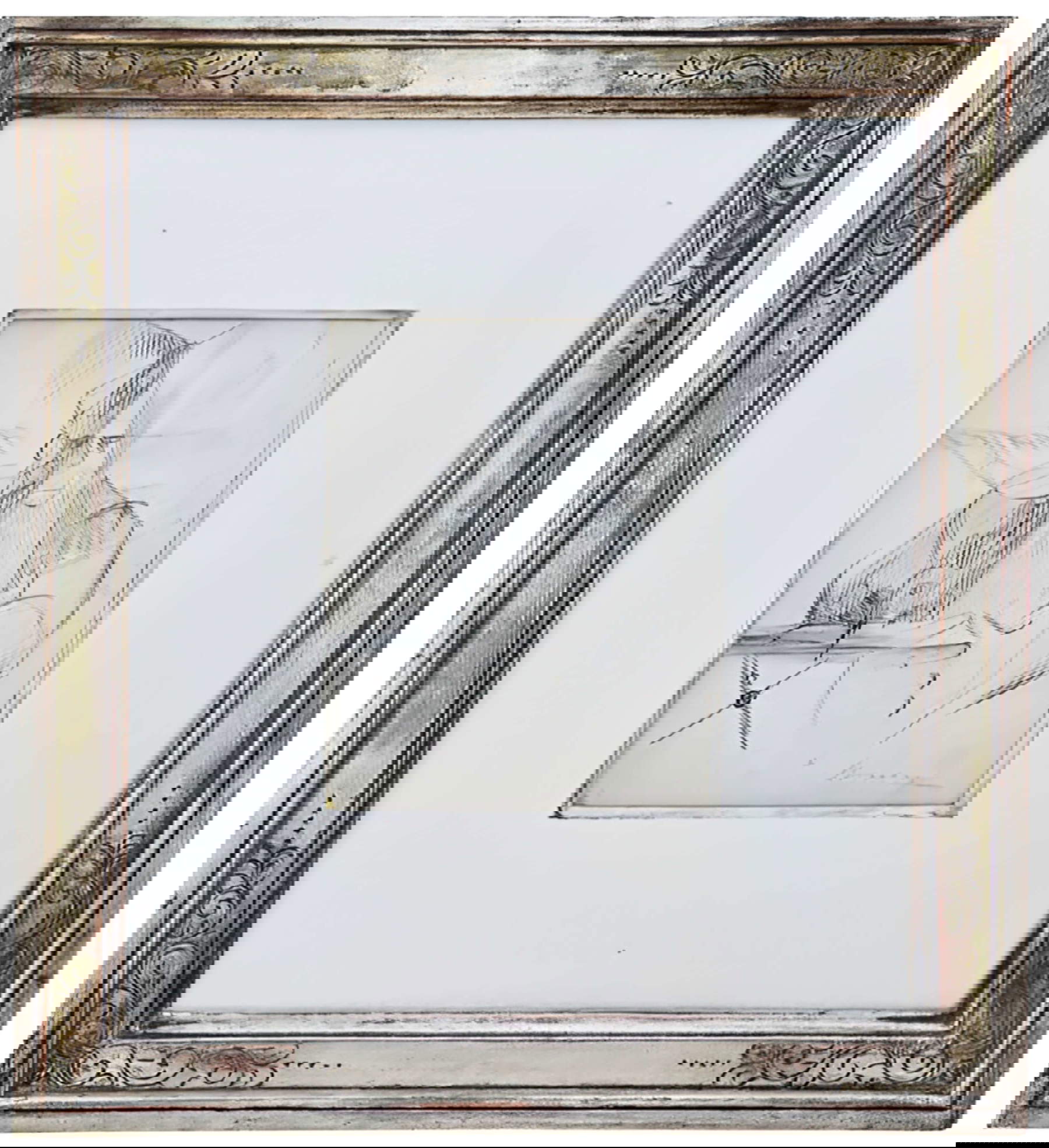
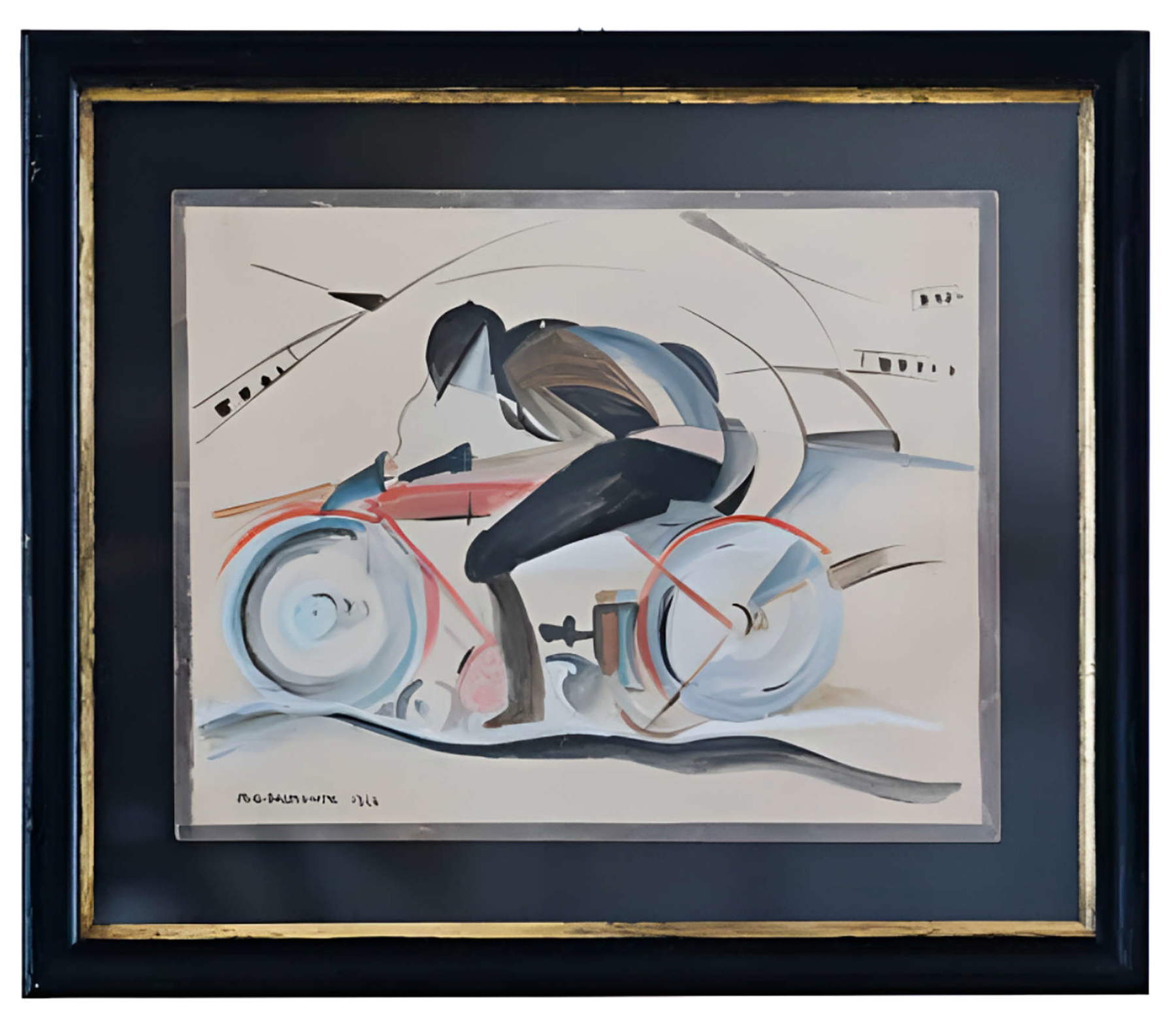
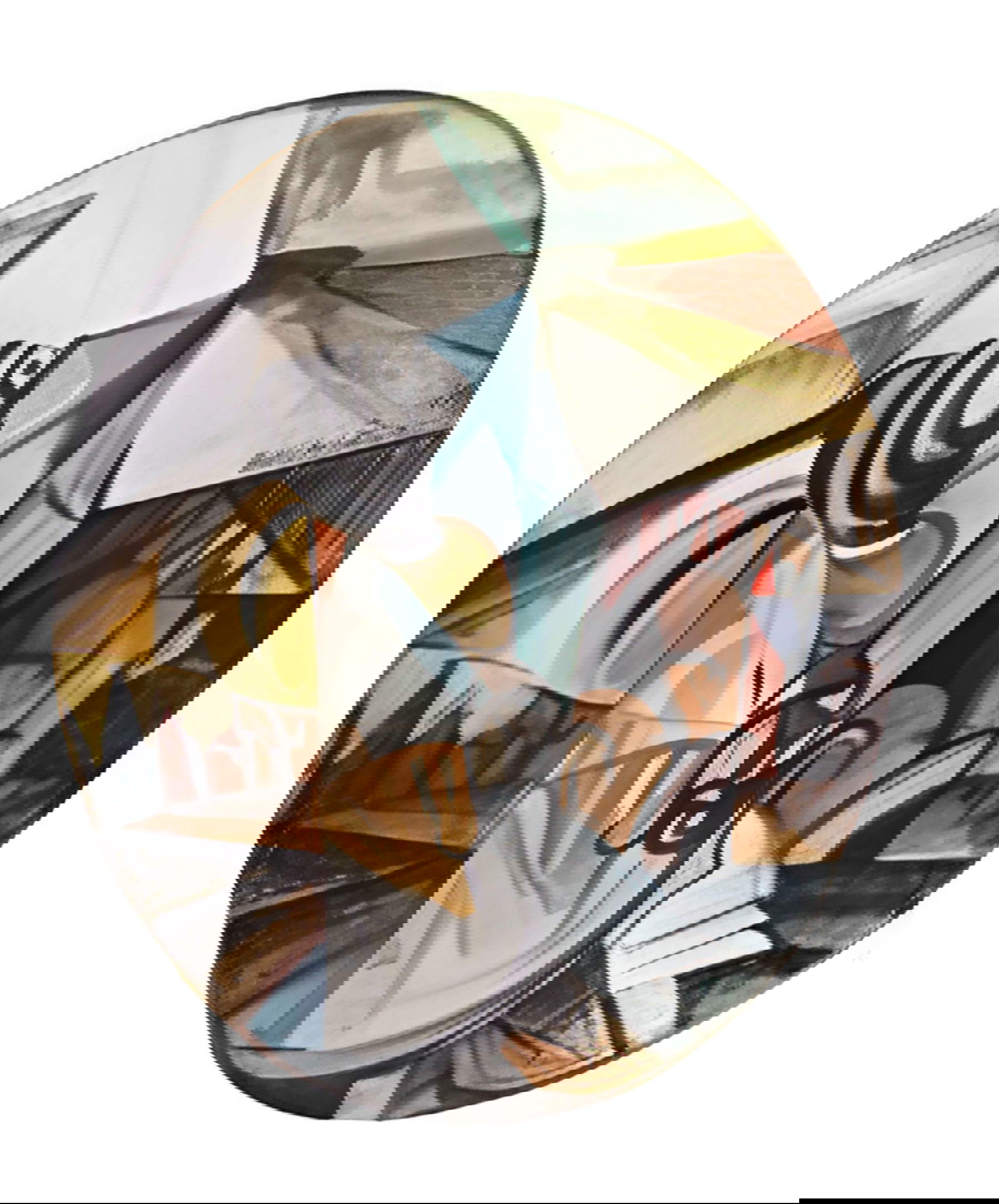
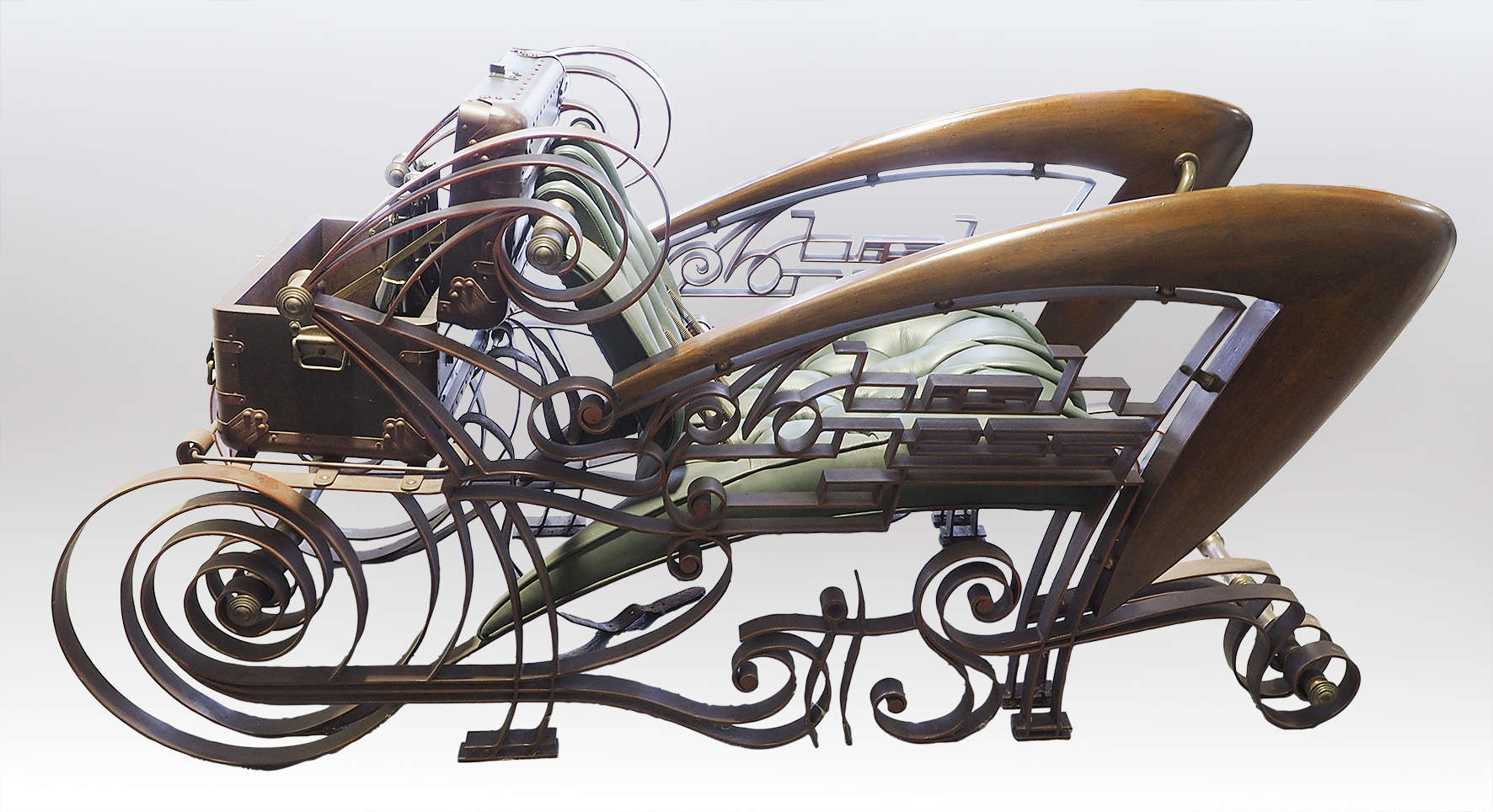
The focus of the exhibition center that should be created at Villa Mussolini, according to ICOM’s call for each museum also to be conceived as a “dispensing center of design ideas for the territory,” should be applied arts and design. “We are not dealing with generic support for artistic craftsmanship, the competence of departments of economic ministries,” the project proposal reads, “but with the affirmation of the ’major’ applied arts as forms of expression equivalent to those of the plastic visual arts and design.” The building, in essence, should become a center of reference for these subjects. To achieve this goal, four priority areas of intervention have been identified, on the applied arts of Romagna:furniture, ceramics, graphics, and fashion. As for furniture, David2 intends to enhance the Bolidist Movement, founded in 1986 in Bologna and composed of architects, designers, and artists whose declared references included the Futurist Movement. 2026 will mark the movement’s 40th anniversary, and David2’s intent would therefore be to help reactivate the spotlight on Bolidism, through its Romagna component. In particular, the company would like to enhance the figure of Giovanni Tommaso Garattoni, strong in design experience in the furniture and communication of Riviera venues such as Slego and Aleph, a past training activity in San Patrignano in the field of design. His masterpiece, the chaise longue Snobbishness of Kitsch was recently found: David2 Ltd. intends to procure this important design piece and install it at Villa Mussolini, explaining its history.
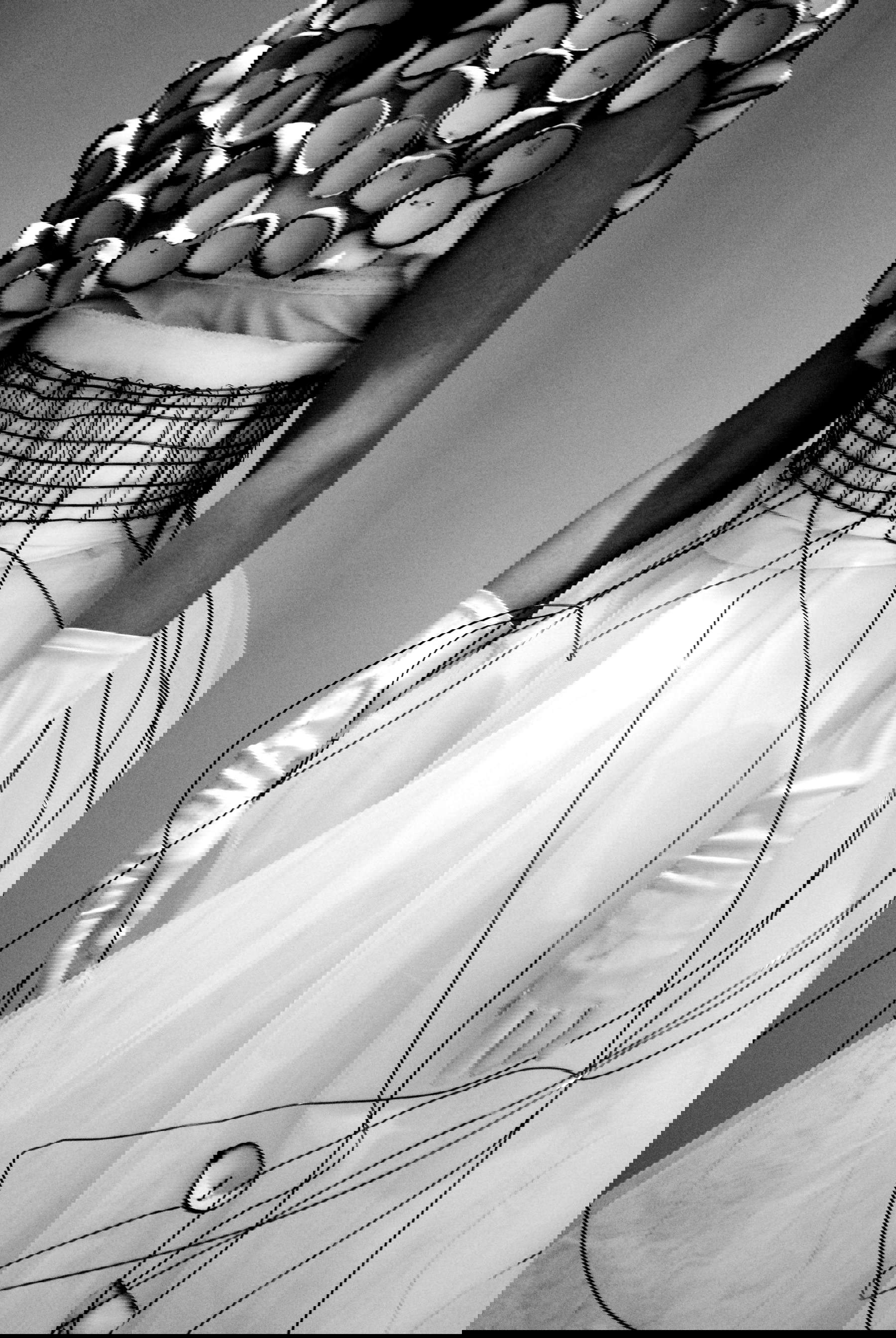
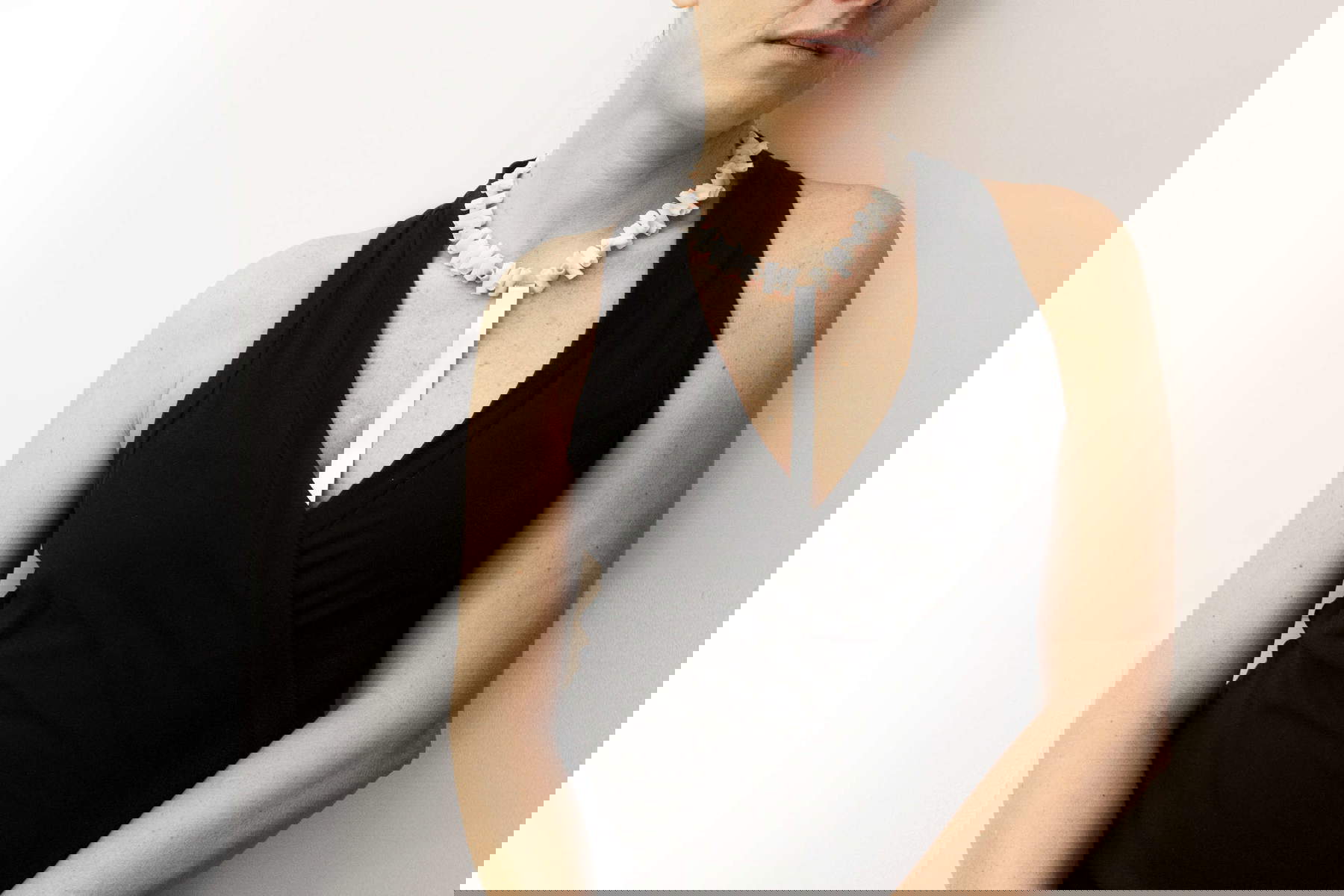
On ceramics, David2 intends to start with Futurist ceramics in Romagna, aiming for a research update for 2028, the year in which the centenary of the Bottega Gatti in Faenza will be celebrated, and then to sort into a single exhibition fictile texts created on the Riviera and immediate surroundings by artisans and manufactures in activity after World War II, such as Giacomo Onestini in Cervia, the artistic section of Ceramiche Domeniconi in Cesena with its collaborators Giannetto Malmerendi and Amedeo Masacci, Giò Urbinati in Rimini, Luigi Santi in Cattolica, some San Marino factories such as Meloni, Laboratorio Pesaro and others. In the area of intervention of graphic arts, David2 recalls that the Riviera Romagnola has had many excellent visual designers, such as Michele Provinciali, Massimo Dolcini, Mauro Bubbico, and it would therefore be a matter of enhancing historical and contemporary figures. On the fashion sector (just think of names such as the doyenne gradarese Alberta Ferretti and the riccionesi by birth or residence Oscar Dal Bianco and Matteo Sorbellini with his Monichina, the mondolfese Filippo Sorcinelli, and the cesenaticense Angelo Gallamini), according to David2 there is a lack of critically strict selection and collective representation of this heritage: the goal therefore is to proceed in this direction to consolidate from a cultural point of view before than a commercial one a particular creative image of Riccione and the Riviera.
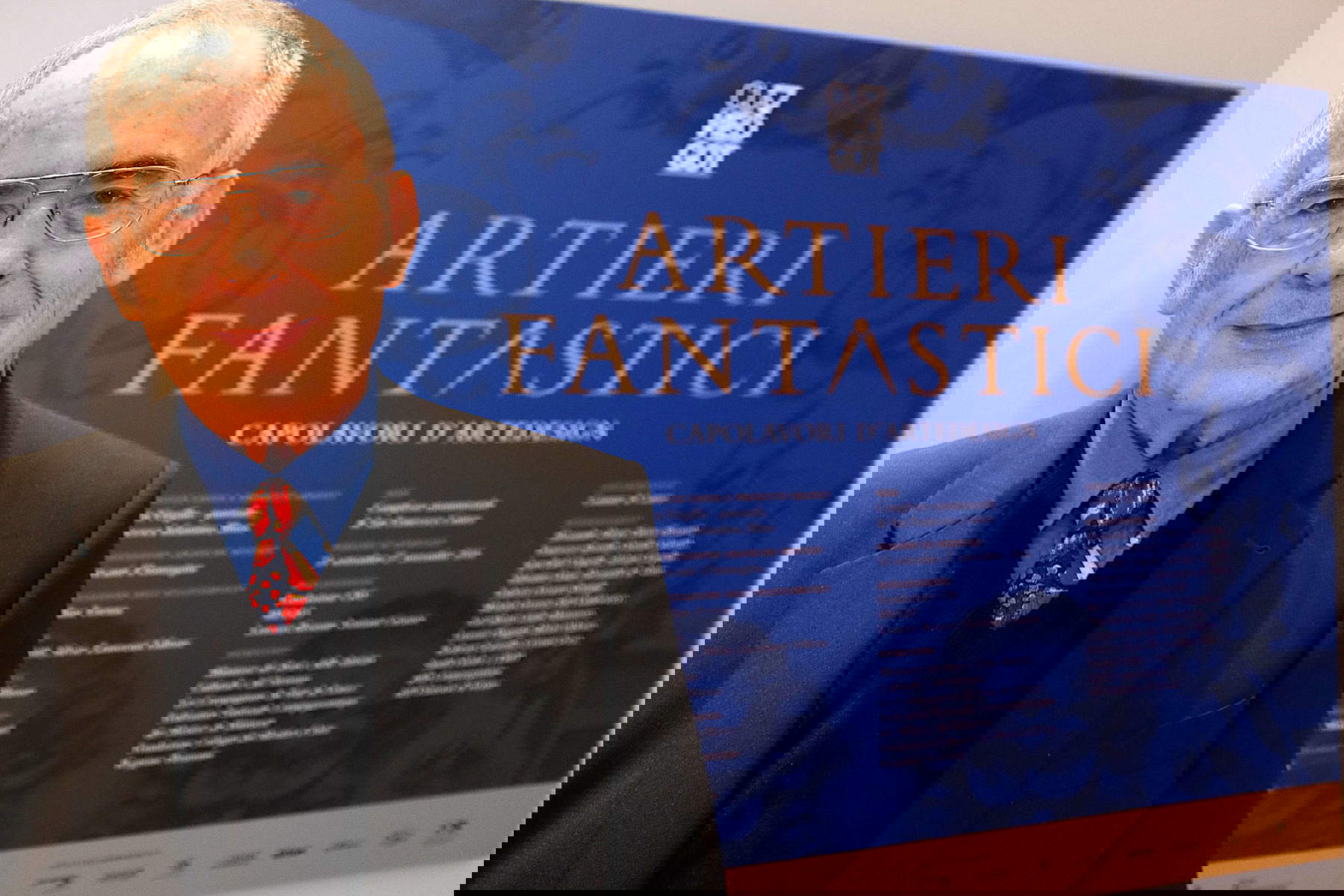
Not least, the villa’s peculiar history would also be considered, and in particular the cumbersome presence of Benito Mussolini: in fact, the villa owes its name to the fact that it was the Duce’s residence between 1934 and 1943. On this delicate point, David2 immediately wished to manifest a willingness to collaborate with both the municipality and the Fondazione Carim as well as any other necessary qualified interlocutor. David2’s idea is to equip the exhibition center with a scientific committee composed of professors from the Universities of Turin and Bologna. In any case, with reference to that historical period, the activities of the new exhibition center would inevitably relate as much to Fascist Riccione as to socialist and anti-Fascist Riccione. (The impetus for this consideration, Biffi Gentili lets us know, also comes from his personal experience: one of his great-aunts, Maria Vittoria Mariani Gentili Rambelli, who moreover often stayed in Riccione in the summer, was arrested in August 1927, aged 80, following the discovery in her beach house of materials deemed compromising because of her relations with the Parisian anti-fascist nucleus as well as with Olindo Vernocchi, former national secretary of the PSI, who for his antifascist activities was forced into hiding, only to be pardoned in 1928: the lady would later be released from prison by direct order of Mussolini himself). In any case, any solution will not be able to disregard, David2 points out, a confrontation with institutional interlocutors from Riccione and Rimini.
 |
| Riccione, David2's proposal for Villa Mussolini: make it a hub for art and design |

Warning: the translation into English of the original Italian article was created using automatic tools. We undertake to review all articles, but we do not guarantee the total absence of inaccuracies in the translation due to the program. You can find the original by clicking on the ITA button. If you find any mistake,please contact us.
















 IT
IT FR
FR DE
DE ES
ES CN
CN


