





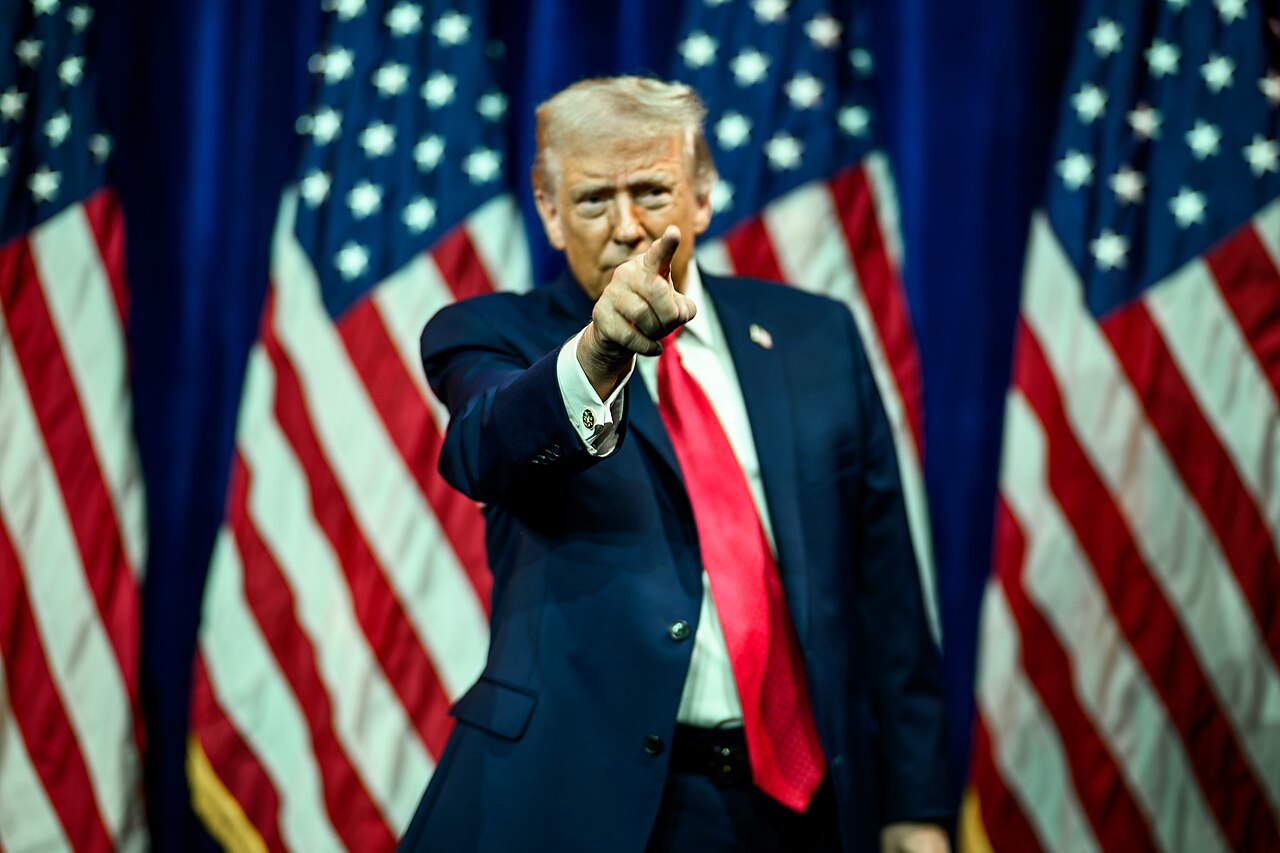
The landscape of international relations underwent a radical transformation on Jan. 7, 2026, when U.S. President Donald Trump signed a presidential memorandum sanctioning the formal withdrawal ofthe United States from as many as 66 international organizations, including some related to culture: among them, the International Centre for the Study of the Preservation and Restoration of Cultural Property (ICCROM, the leading international body dedicated to preservation and conservation), the International Federation of Arts Councils and Culture Agencies, and the Pan American Institute of Geography and History. This maneuver, which affects both United Nations-affiliated and independent bodies, is the culmination of a review process initiated at the beginning of the presidential term to assess, the documents signed by Trump state, the conformity of these institutions to American national interests. According to the official position expressed by the White House, these entities would no longer serve U.S. strategic objectives because, reads an official form, they “promote globalist agendas at the expense of U.S. priorities, or address important issues inefficiently or ineffectively, and U.S. taxpayer dollars are better allocated in other ways to support relevant missions.”
The document signed by the President requires all government departments and agencies to immediately cease participation in and funding of thirty-five non-UN organizations and thirty-one UN-related entities. Prominent names include institutions critical to scientific and environmental cooperation, such as the UN Framework Convention on Climate Change and the Intergovernmental Panel on Climate Change, or IPCC (Intergovernmental Panel on Climate Change). The White House has described many of these entities as promoting radical climate policies that could undermine U.S. economic strength. This decision temporally follows the second withdrawal from the Paris Agreement and defection from the delegation for the COP30 summit in Brazil, outlining a strategy of systematic isolation from global environmental treaties. In addition, Trump’s U.S. has already decided in recent months on an exit from UNESCO.
The consequences of this disengagement extend forcefully, as mentioned, to the field of culture and world heritage conservation. Prominent in this regard are the exit from Rome-based ICCROM and the International Federation of Arts Councils and Culture Agencies. ICCROM, a crucial intergovernmental institution for research and training in the field of restoration, noted the decision in a memo of its own, recalling how the United States had been a key technical and financial partner since 1971. The loss of U.S. support is viewed with extreme concern by the organization’s top leadership, as it risks compromising the body’s operational ability to protect cultural property from irreparable loss, especially in crisis contexts. Europa Nostra, an influential voice of European civil society for cultural heritage, has also expressed deep regret at what it calls a retreat from multilateralism, suggesting that such a move ignores the role of culture in promoting global peace and resilience.
But that is not all. In addition to culture, the memorandum hits hard at the international infrastructure dedicated to human rights and democracy. The United States has chosen to abandon the United Nations Entity for Gender Equality and the Empowerment of Women, as well as the United Nations Democracy Fund. TheArtists at Risk Connection (ARC), an international organization committed to promoting and advancing the right to artistic freedom around the world, founded in 2017, issued a specific warning about theerosion of protections for artists and cultural workers. According to Julie Trébault, executive director of ARC, U.S. disengagement weakens international protective frameworks precisely at a time of increasing global digital censorship and surveillance. U.S. absence could leave a power vacuum that can be filled by authoritarian actors, further jeopardizing freedom of expression and the right to justice for those persecuted.
The future of many of these organizations will now depend on the ability of other member states to fill the financial and political gap left by Washington, at least until presidential changes (Trump, for example, had already withdrawn the United States from UNESCO during his first term, after which Joe Biden, his successor, brought the country back into the organization). ICCROM, for now, said it would stick to its mandate and work with its remaining strategic partners to promote the value of multilateral cooperation. Europa Nostra, on the other hand, has made a direct appeal to the European Union to strengthen its support for bodies such as ICCROM and IUCN, now put at risk by the disengagement of the world’s leading power. The transition to global governance without the U.S. pillar appears uncertain, however, as affected organizations try to reorganize to continue operating in their areas.
|
| Trump breaks with the world: US out of 66 organizations. Culture's concerns |

Warning: the translation into English of the original Italian article was created using automatic tools. We undertake to review all articles, but we do not guarantee the total absence of inaccuracies in the translation due to the program. You can find the original by clicking on the ITA button. If you find any mistake,please contact us.




























 IT
IT FR
FR DE
DE ES
ES CN
CN


